
A night cream is a cosmetic treatment specially formulated to be applied to the skin before going to bed. Unlike day creams, night creams generally have a richer texture and are designed to nourish, moisturise and regenerate the skin while you sleep. They contain specific active ingredients that work in depth to repair the damage suffered by the skin during the day. Night creams are adapted to different skin types and can target specific concerns such as signs of ageing, dehydration or blemishes.
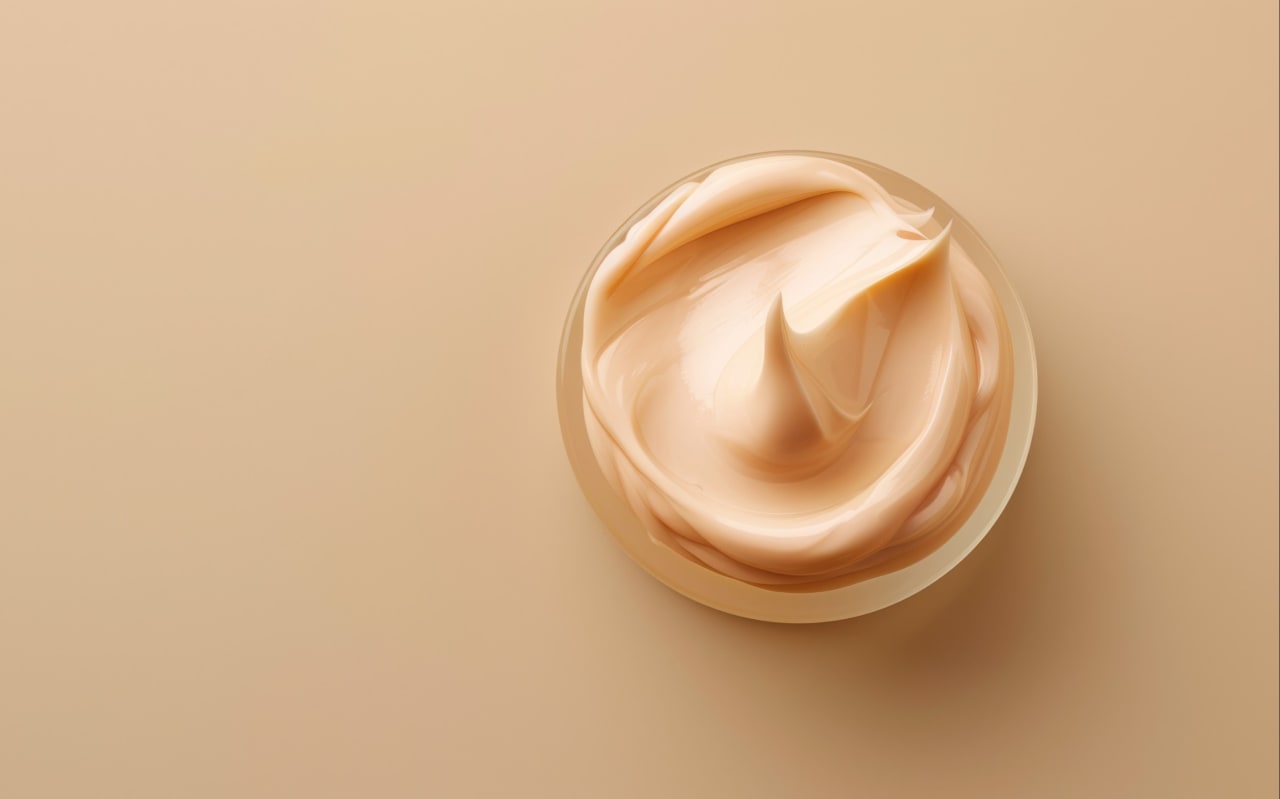
Night cream: the essential active ingredients to revitalise your skin
By The Aroma-Zone editorial team
Published on: Tuesday, October 18, 2022, Updated on: Wednesday, September 30, 2026
After a day of exposure to external aggressors, your skin deserves special attention during the night, the ideal time for cell regeneration. Night creams are formulated to provide specific active ingredients to target your skin problems. But what are these magical active ingredients that can restore your skin's vitality and radiance when you wake up in the morning? Discover in this article the essential ingredients to look for in your night cream for a fresh complexion and boosted skin every morning.
Contents
Related products

£5.00
10 ml
2 options
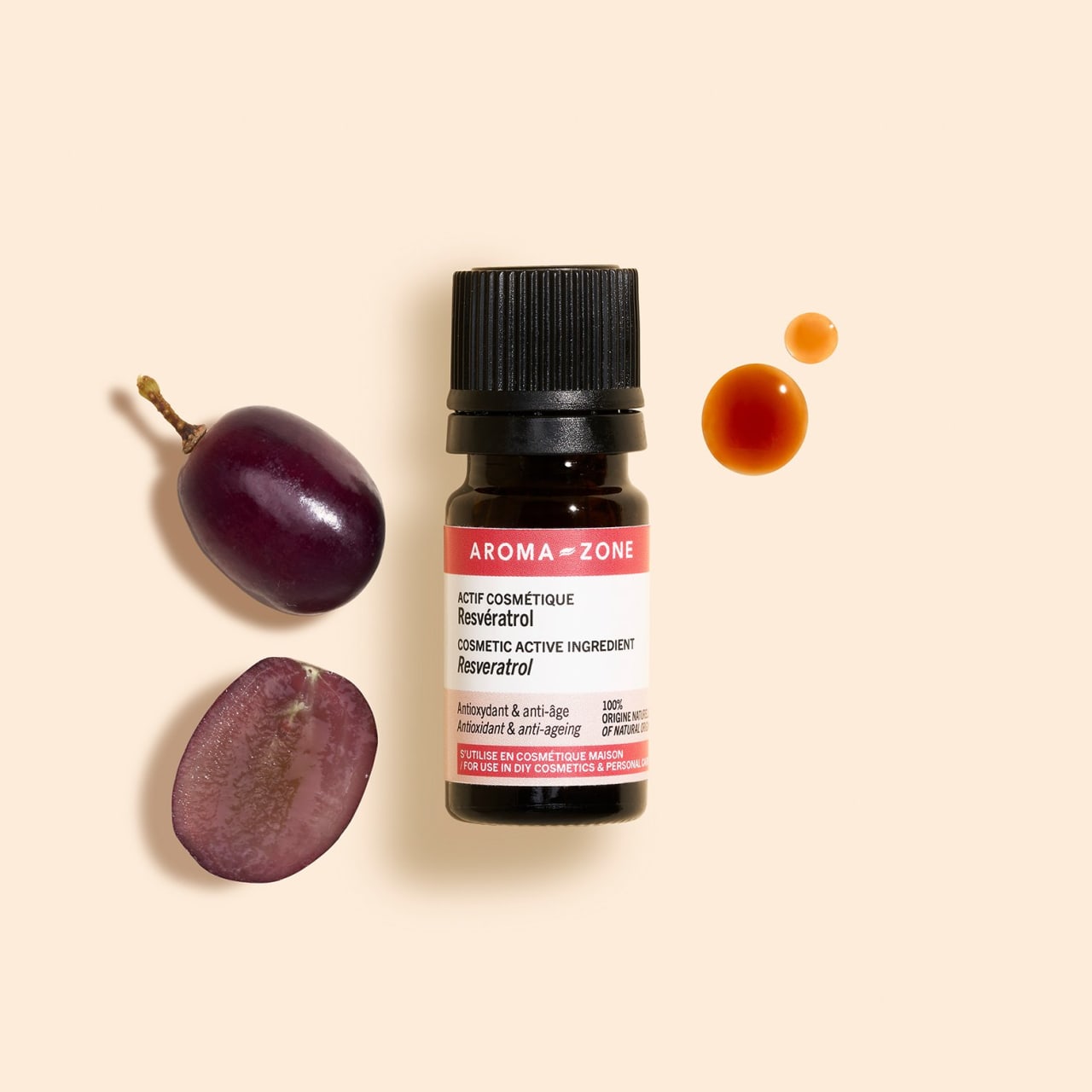
Resveratrol Active Ingredient
Circulatory
Anti-ageing
£6.00
5 ml
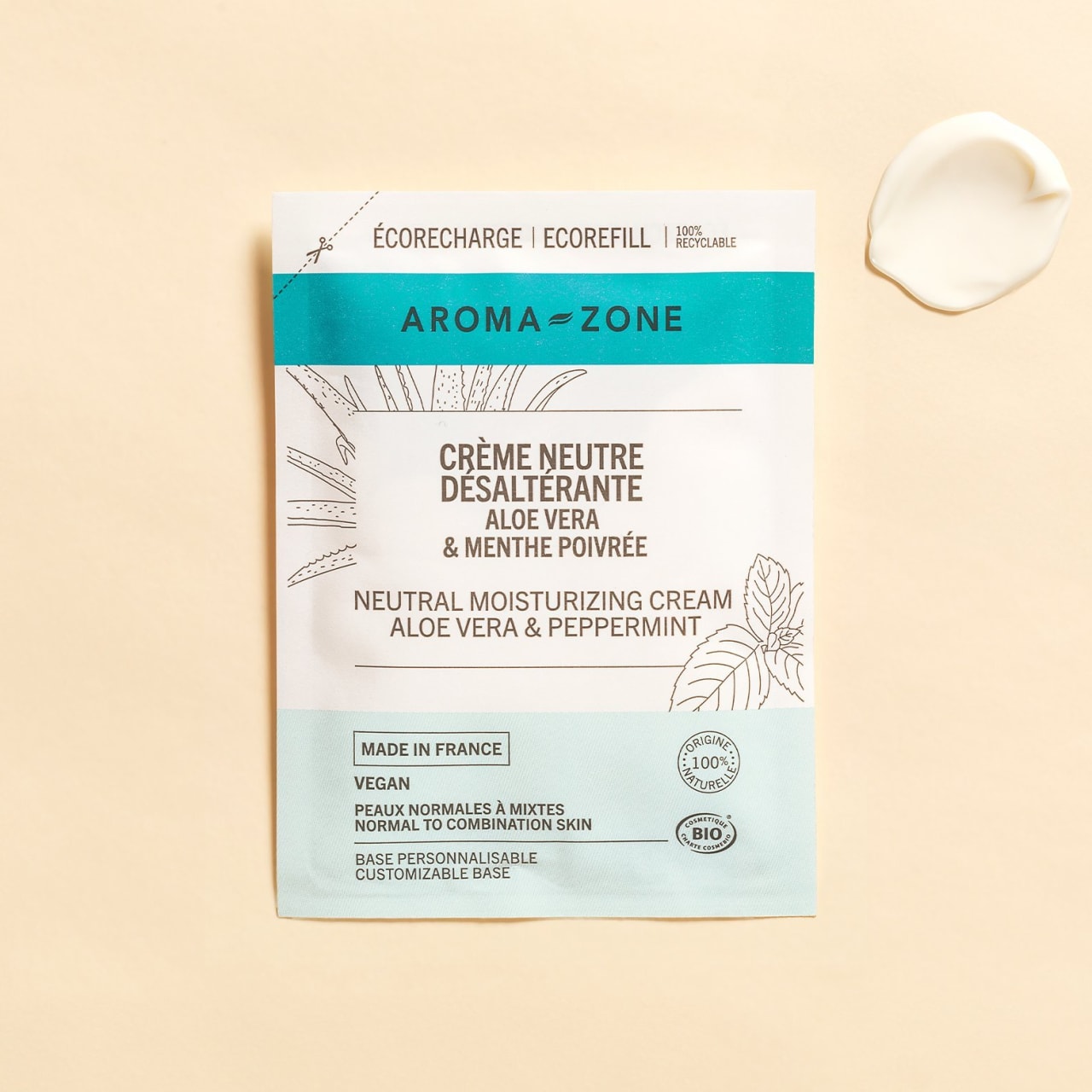
Neutral Moisturising Cream
Moisturising
Purifying
£4.50
50 ml
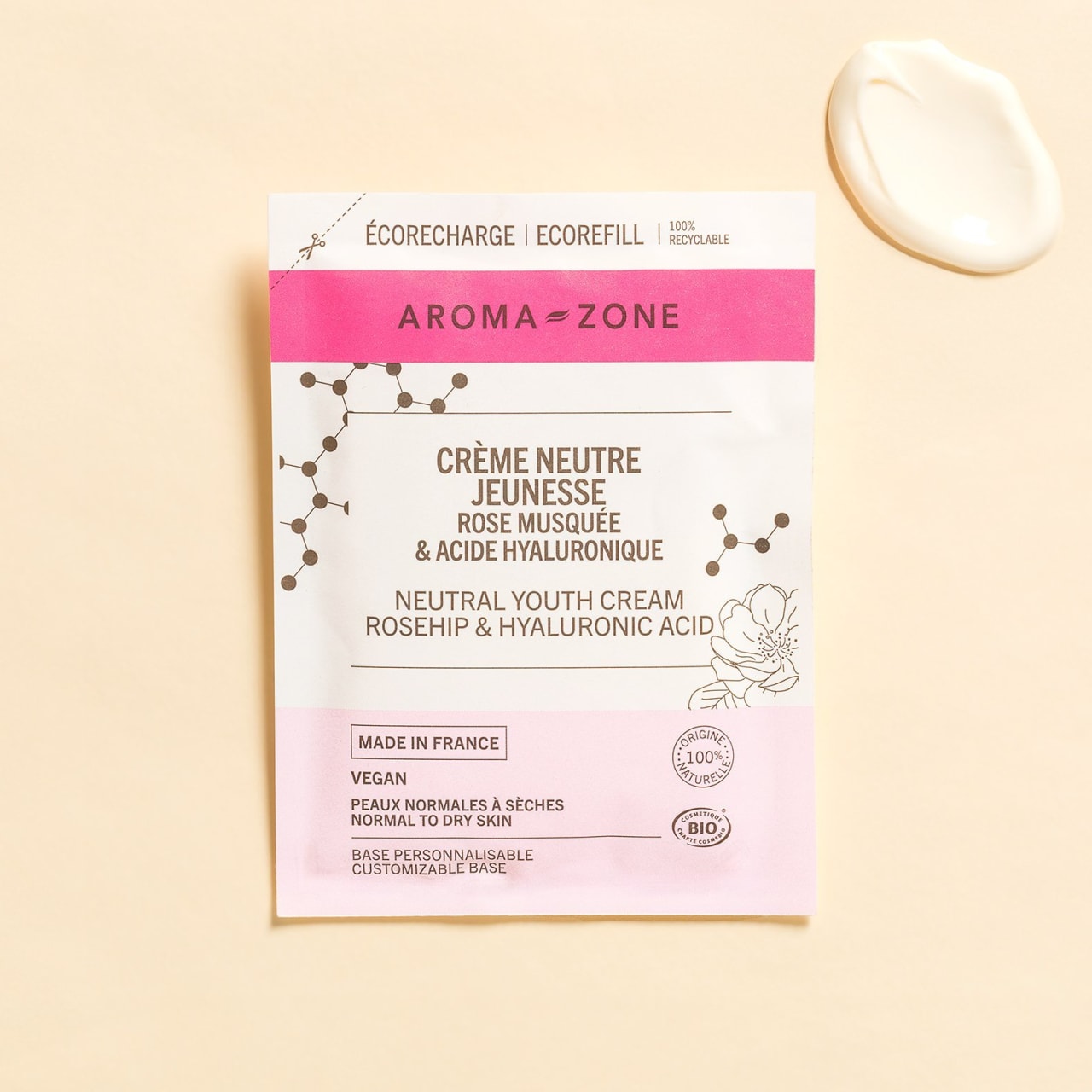
Youth-Enhancing Cream
Anti-ageing
£5.50
50 ml
What is a night cream?
Why use a night cream on the face?
Night cream is, as its name suggests, a moisturising cream for the night. It differs from day cream in its cosmetic properties. Where day cream aims to strengthen your skin against external aggression, night cream tends to support cell regeneration. It can be compared to a "booster" that supports the skin's natural repair process.
Did you know? During the night, your skin "renews" itself. Blood microcirculation speeds up to fuel the multiplication of corneocytes. The rate of cell renewal recorded at 4am can be up to 4 times higher than at 1pm.
What are the benefits of a night cream?
Using a night cream offers a number of benefits for the skin, taking advantage of the natural night-time regeneration process. Here's why incorporating a night cream into your skincare routine is beneficial:
Intensive hydration: Night cream provides deep hydration, helping to restore and maintain the skin's moisture balance.
Cell regeneration: During the night, the skin enters a phase of repair and regeneration. Night creams often contain active ingredients such as retinoids, peptides and antioxidants to aid this process.
Damage repair: The aggressions suffered by the skin during the day (UV rays, pollution, stress) are repaired thanks to the regenerating properties of night creams.
Improved skin texture: Night creams can help smooth skin texture, reduce fine lines and improve elasticity.
Prevent premature ageing: The anti-ageing ingredients in some night creams help prevent and reduce the visible signs of skin ageing.
Choosing the right night cream for your skin type
Our R&D team has developed three neutral creams that you can use as bases to design your own ORGANIC night cream. All you have to do is customise them with the active ingredients that match your beauty concerns.
For oily to combination skin
Oily skin with imperfections: Light, non-comedogenic night creams should be preferred, enriched with purifying ingredients such as zinc or salicylic acid, which regulate sebum production and prevent imperfections. Moisturising active ingredients such as hyaluronic acid are also ideal, as they help maintain hydration. Hydrated skin is less likely to produce more sebum.
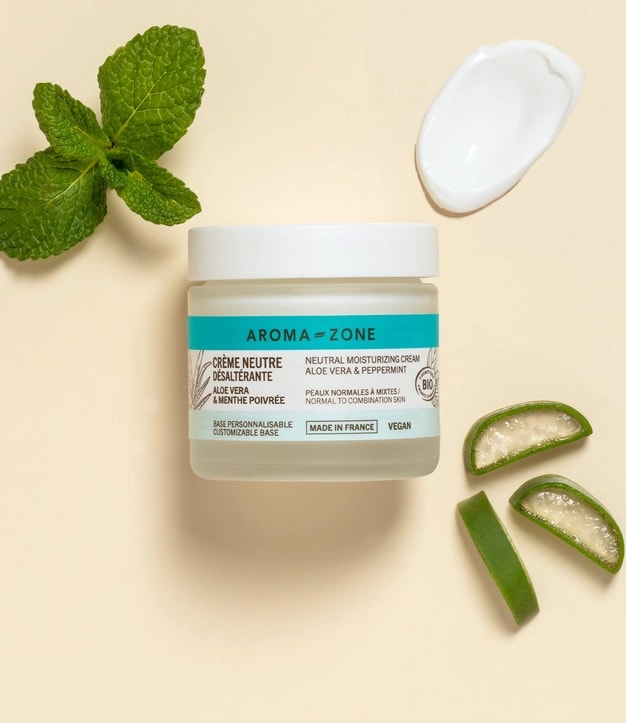
Hydrating face and body cream
100% natural origin, certified ORGANIC, enriched with Aloe vera and peppermint hydrosol. Ideal as a base for making a night cream for oily skin, a night cream for combination skin or for dehydrated skin.
For skin with a tendency to dryness
Dry skin: a night cream rich in lipids and nourishing agents, such as shea butter or plant oils like argan or avocado, will help to restore the skin's hydrolipidic film, while hyaluronic acid and glycerine may also be useful for maintaining hydration.
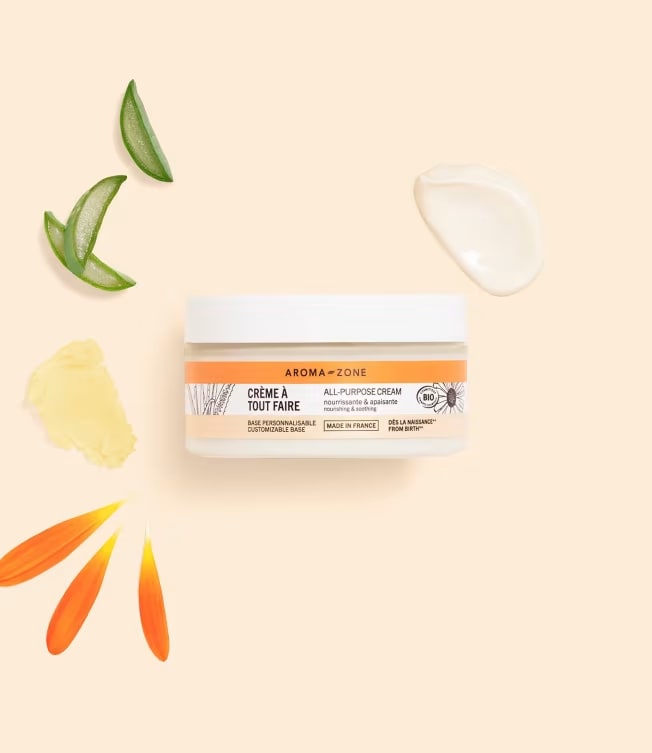
All-in-one cream
100% natural origin, certified ORGANIC, enriched with Aloe Vera, Jojoba oil, Calendula and Cocoa butter. Ideal as a base for making a night cream suitable for all the family, especially dry skin.
For mature skin
Mature skin: Requires rich creams enriched with active ingredients such as hyaluronic acid, collagen, spilanthes and retinal, which target signs of ageing such as hyperpigmentation spots, sagging skin and fine lines. Formulas containing nourishing plant oils that strengthen the skin barrier and maintain hydration are also to be preferred.
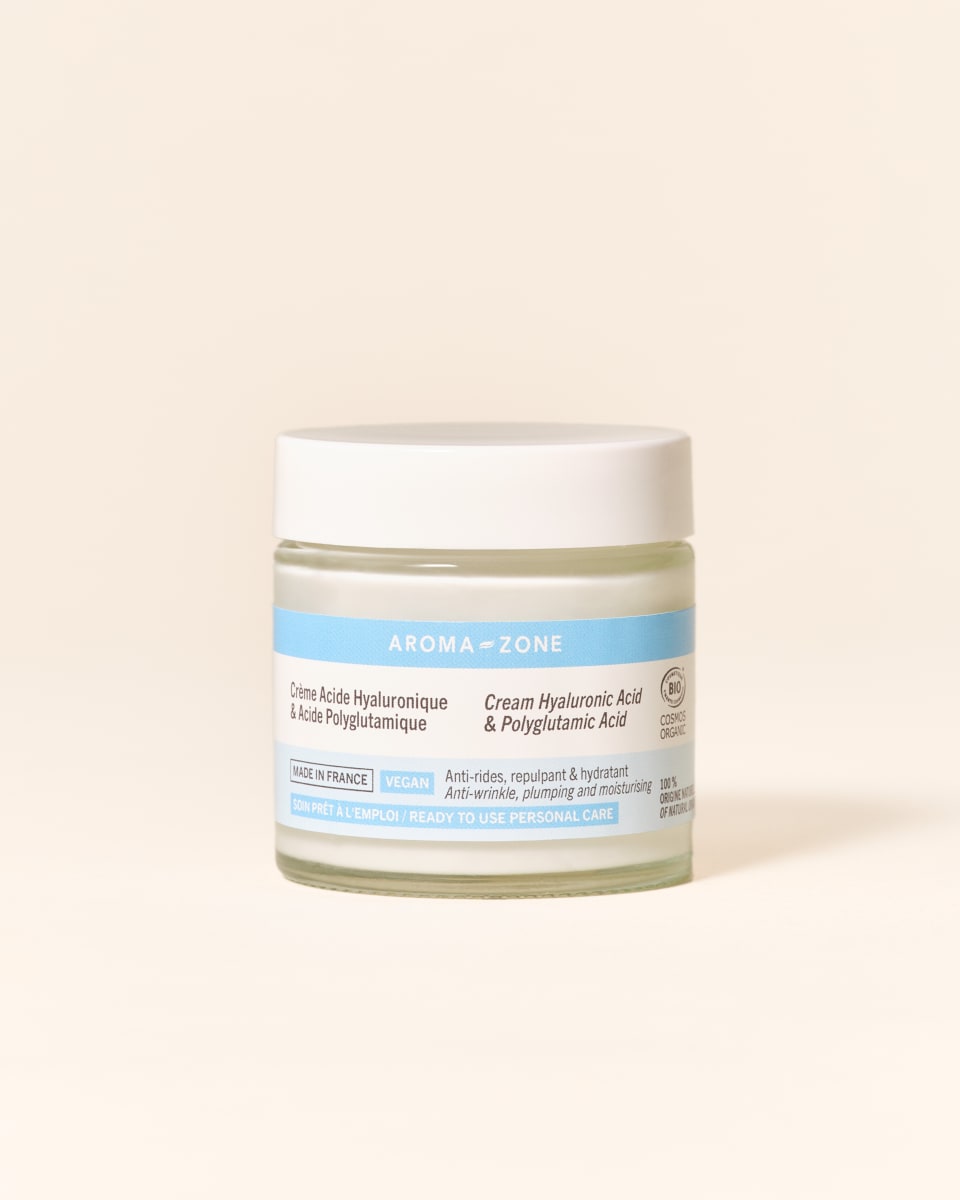
Spilanthes mature cream: this certified ORGANIC anti-ageing cream has proven effective on 8 signs of ageing. Dedicated to mature skin, its innovative formula combines firming and lifting vegan collagen, Spilanthes extract with its botox-like anti-wrinkle and smoothing effect, and plumping, moisturising hyaluronic acid.
Which active ingredients should you choose for your night cream?
Anti-ageing action
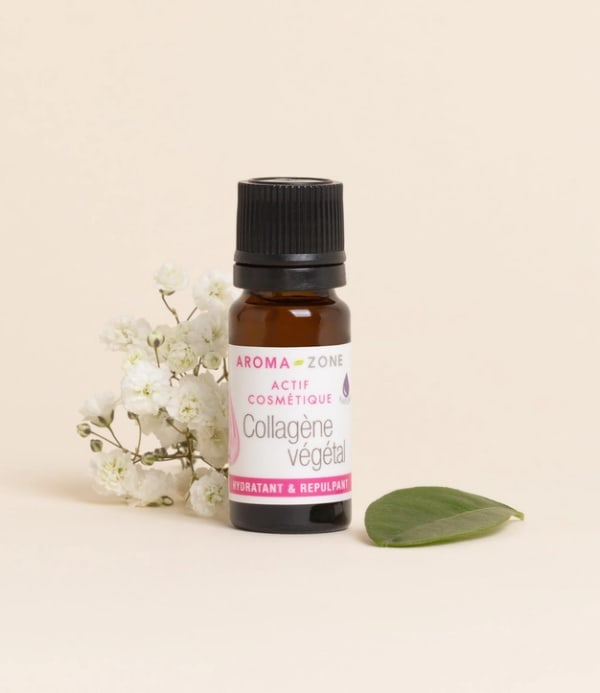
Active ingredient - Plant collagen
Plant Collagen is an ideal active ingredient for softening, smoothing and protecting all skin types. It forms a moisturising, non-occlusive film on the skin, improving hydration and preventing dehydration. It makes skin softer, suppler and more elastic, giving creams a pleasant texture and optimal comfort.
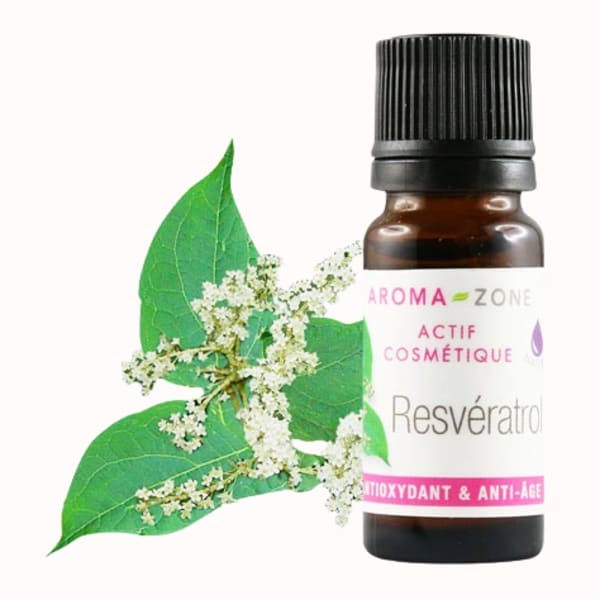
Active ingredient - Resveratrol
Known for its powerful anti-free radical properties, Resveratrol is widely used in cosmetics to combat oxidative stress and slow the appearance of signs of ageing, wrinkles and skin spots. Soothing, this plant-derived active ingredient is also an ally in the care of sensitive skin.
Moisturising action
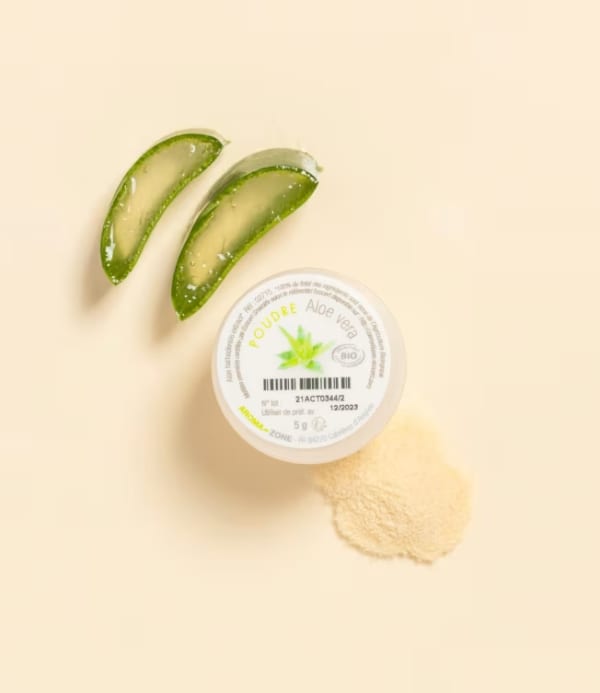
Active ingredient - Powdered ORGANIC aloe vera
This 200 times concentrated powder is obtained by freeze-drying Aloe vera juice, concentrating all its rich active ingredients. Known for its exceptional moisturising, soothing and regenerating properties, Aloe vera can be easily incorporated into all types of water-based skincare products.
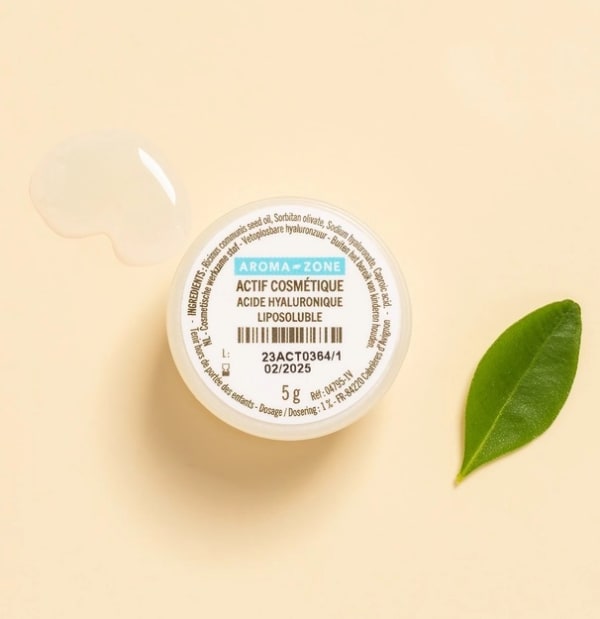
Active ingredient - Liposomal hyaluronic acid
This hyaluronic acid works by attracting water to the skin, helping to maintain optimal hydration levels. Thanks to its ability to retain moisture, hyaluronic acid helps plump the skin, reducing the appearance of fine lines and wrinkles. It also improves skin firmness, giving it a smoother, more toned appearance.
Anti-imperfection action
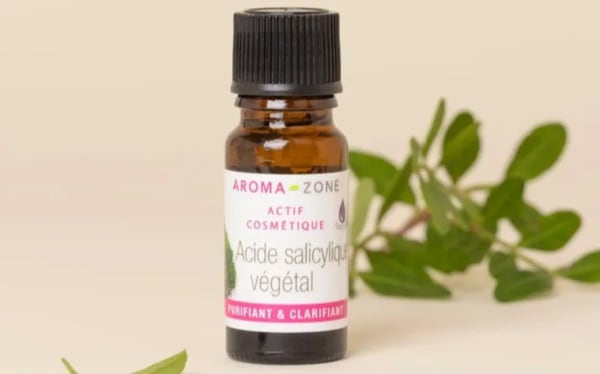
Active Plant-derived Salicylic Acid
This extract of Black Willow bark, concentrated in salicylic acid, is a powerful ally to incorporate into your mixtures for oily, dull or acne-prone skin. Purifying and keratolytic, it stimulates skin renewal, smoothes imperfections and combats blackheads, ingrown hairs and dandruff. It also improves the conservation of aqueous products and can be used to boost the effectiveness of preservatives. A much sought-after active ingredient, we offer it in plant origin, which is better tolerated than synthetic salicylic acid.
Antioxidant action
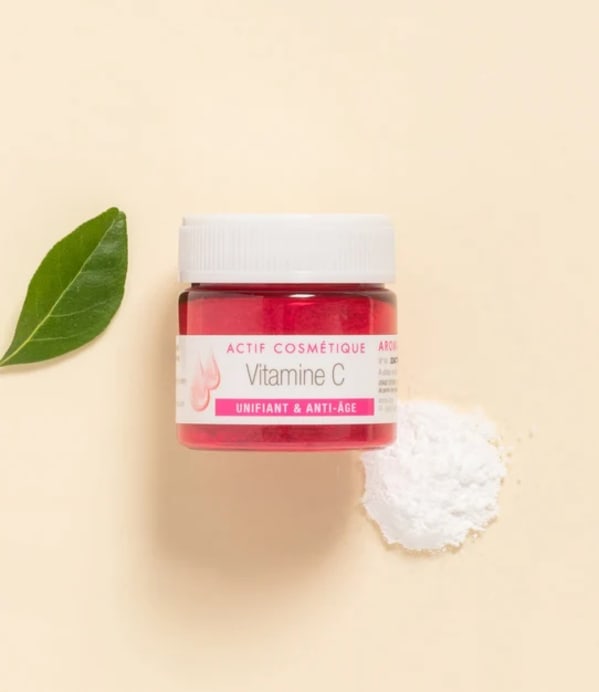
Stabilised Vitamin C
An exceptional anti-ageing and antioxidant active ingredient, Vitamin C stimulates collagen synthesis, protects cells from damage caused by free radicals and evens out skin tone. We offer it in a stabilised form, to guarantee constant activity in your formulas. It is ideal for use in the formulation of skin-lightening skincare products.
What routine should you adopt to maximise the effect of your night cream?
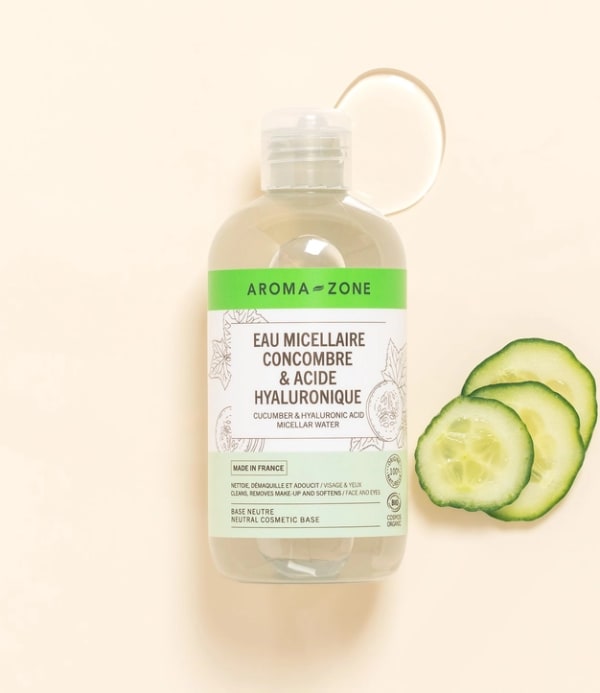
Gentle cleansing
Start by gently cleansing your skin to remove impurities and prepare it for skincare products. Cucumber and hyaluronic acid make-up remover is ideal for removing make-up from the eyes, lips and face, and is suitable for all skin types.
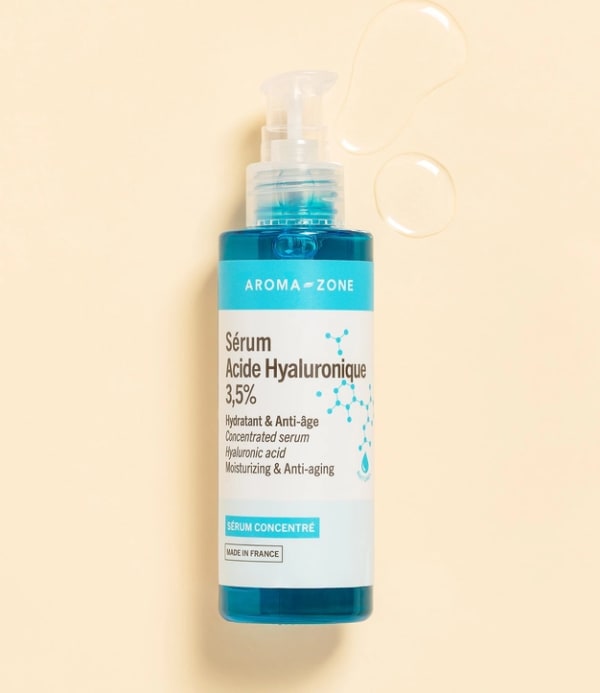
Serum: Apply a serum based on your skin problems. Choose a serum adapted to your skin's specific needs. If you're looking for intense hydration, opt for a hyaluronic acid-based serum. To combat pigmentation spots or a dull complexion, opt for a vitamin C serum. For skin prone to imperfections, nicotinamide or salicylic acid are more suitable. Apply one or two drops to clean skin, just after cleansing and before your cream, to effectively target your skin concerns and prepare your skin to receive a night cream.
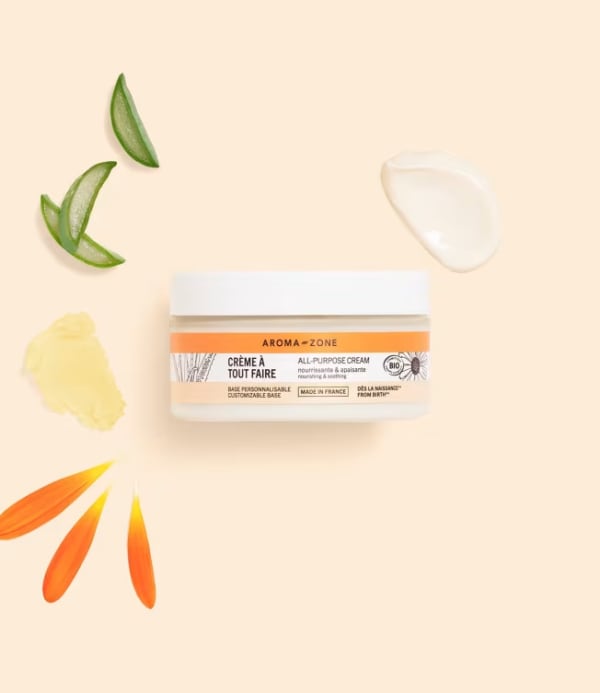
Night cream: Apply it as the last step in your routine, after cleansing and applying a serum. Its rich texture nourishes and hydrates the skin, sealing in moisture and promoting cell renewal at night.
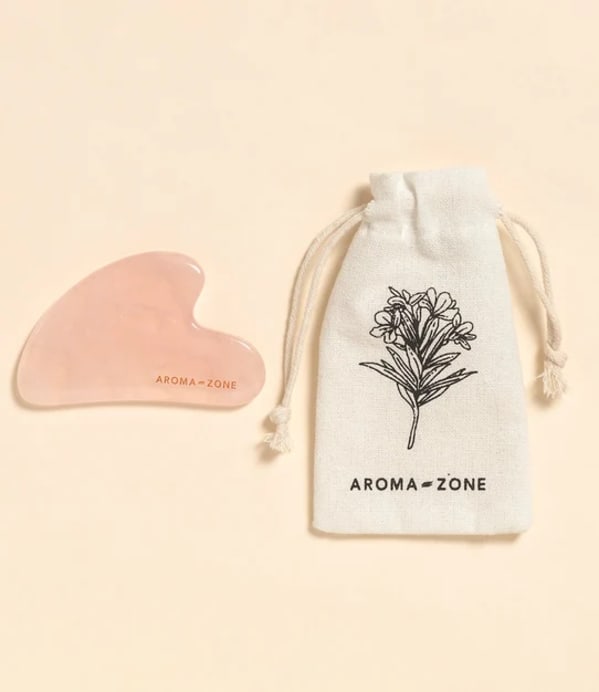
Gua Sha Massage
When applying your cream, you can use a quartz Gua Sha tool for a gentle facial massage. This stimulates blood circulation and helps tone the skin.
How to use your night cream?
The product application order: When you apply several products in your skincare routine, it's important to respect the order of application of each one. In general, the night cream should be applied to clean, cleansed skin after applying your serum. It seals in moisture and nourishes the skin to encourage cell renewal overnight.
Apply a targeted serum: After cleansing, apply a serum based on your specific needs. One or two drops are enough for the whole face. Gently spread the serum with your fingertips, without rubbing, to encourage absorption without irritating the skin.
Don't neglect the neck and décolleté: The neck and décolleté need as much care as the face. Apply your night cream to these areas to prevent the skin from sagging and keep it hydrated and plump.
Avoid aggressive gestures: When applying your cream, use gentle movements. Vigorous rubbing can cause redness or unnecessary sensitivity.
Be regular: Use your night cream every day. Regular use is essential for optimum effectiveness.
DIY natural night cream recipes
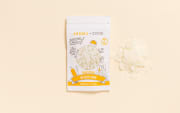
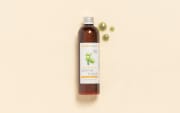
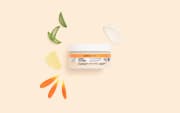
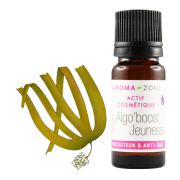
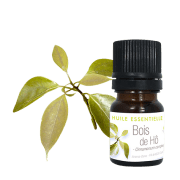
Would you like to personalise your ORGANIC night cream even further? You can formulate it from scratch.

Precautions
If you have sensitive skin or are prone to allergic reactions, it is essential to carry out a tolerance test before applying a new product to your whole face. Apply a small amount of the product to a localised area of the skin, such as the back of the ear or the wrist, and wait 24 hours to observe any adverse reactions.
Expert advice
Use your night cream in combination with a serum adapted to your skin problems for targeted effectiveness. Thanks to its high concentration of active ingredients, the serum penetrates more deeply and acts more quickly. Depending on your needs, choose a moisturising, anti-ageing or hydrating serum to reinforce the action of your night cream. Apply it before your cream to maximise its benefits and give your skin a complete night-time treatment.
Bibliography
An Overview of the Beneficial Effects of Hydrolysed Collagen as a Nutraceutical on Skin Properties: Scientific Background and Clinical Studies, The Open Nutraceuticals Journal, 2015, 8, 29-42.
Matrice extracellulaire et vieillissement vasculaire, Med Sci (Paris) 22 (3) 273-278 (2006), DOI: 10.1051/medsci/2006223273.
Makarov, M. V., Migaud, M. E. "Syntheses and Chemical Properties of β-Nicotinamide Riboside and Its Analogues and Derivatives." Journal of Organic Chemistry, vol. 81, no. 10, 2016, pp. 3723-3731. DOI: 10.1021/acs.joc.6b00095.
Papageorgiou, P., Lotti, T., Galimberti, M., et al. "Efficacy of Salicylic Acid in the Treatment of Acne Vulgaris: A Systematic Review." Journal of Dermatology, vol. 45, no. 2, 2018, pp. 183-192. DOI: 10.1111/1346-8138.14109.
Frequently Asked Questions
Associated tips

Face care tips
Face care tips


