
Natural stress relievers: natural remedies for stress
The factors responsible for stress in our lifestyles are numerous and varied. Among them are the culture of performance, changes in family and professional life—particularly the acceleration of communication—and environmental factors…
A modern-day ailment, stress is nevertheless far from insurmountable. While we may find it difficult to address its causes, we are now able to effectively support the body in its responses.
Aroma-Zone has explored the issue of stress management—a cornerstone of health and well-being—through natural remedies.

What is stress?
Stress was studied throughout the 20th century by Hans Selye, an Austrian endocrinologist based in Canada.
In the 1950s, it was defined as the set of physical and psychological reactions triggered by the body to adapt to an event.
This definition was refined in the 1970s when it was discovered that every event triggers a specific response from the body, but also, in the background, a non-specific response: the General Adaptation Syndrome, consisting of an alarm phase, a resistance phase, and an exhaustion phase.
This is the “orthosympathetic” of the autonomic nervous system (increased respiratory and heart rates, muscle tension, and energy supply) that is responsible for stress adaptation. Conversely, the “parasympathetic” pathway is that of rest and relaxation.
Not all stress is the same: a “good stress” does not lead to phases of resistance or exhaustion, but the body’s non-specific response begins in the same way as it would under less favorable conditions. A “bad stress” has long-term effects, leading to the development of chronic stress.
“Fight if you can win, or flee” Hans Selye
The phases of the General Adaptation Syndrome correspond to hormonal fluctuations
a adrenaline spike occurs in response to a shock during the alarm phase;
a elevated cortisol level is observed during the resistance phase, leading in particular to increased levels of blood sugar, triglycerides, and cholesterol;
a collapse of all hormonal secretions marks the exhaustion phase.
The symptoms of stress are numerous and varied but always result in a weakening of the immune system.
Some specific cases: post-traumatic stress follows an accident, an assault, or a disaster, and burnout is characterized by physical and mental exhaustion due to prolonged exposure to stress.
In general, physiological reactions related to stress can be divided into two categories:
Nervous symptoms of stress
Behaviors: aggression, irritability, demotivation, loss of confidence, isolation, escapism or even addictions, anxiety, depressive tendencies…
Sleep disorders
Difficulties with concentration and memory
Physical manifestations of stress
Fatigue
Headaches
Muscle tension
Spasmophilia
Chronic infections
Digestive disorders: nausea, spasms, ulcers…
Skin disorders: eczema, psoriasis, shingles… and hair loss
Gynecological disorders: amenorrhea, decreased libido…
Cardiac disorders: tachycardia, high blood pressure, heart attack…
Finally, it is important to distinguish between stress in the broad sense and oxidative stress, which we focus on extensively in cosmetics: linked to an excessive presence of free radicals in the body compared to the available antioxidants, it is one of the consequences of chronic stress exposure but depends on many other environmental factors.
So, if…
“Stress occurs when a person’s personal coping resources and strategies are overwhelmed by the demands placed upon them.” World Health Organization (WHO), 2001
… how can we naturally strengthen our resilience against stress?
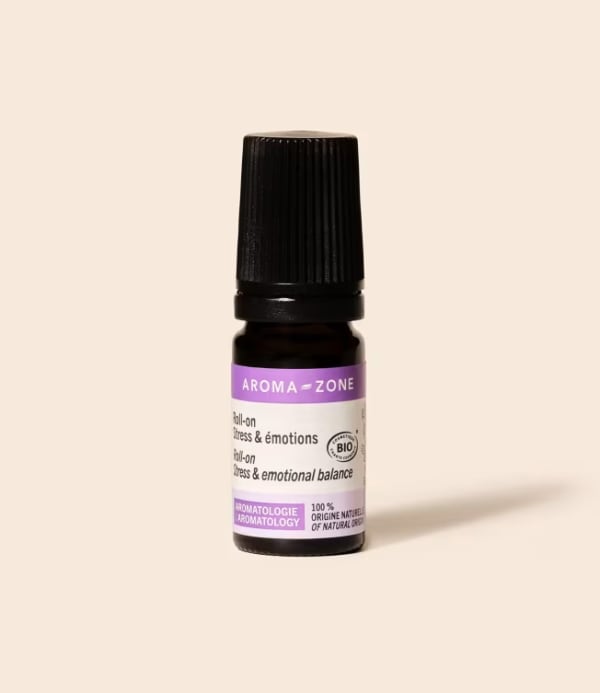
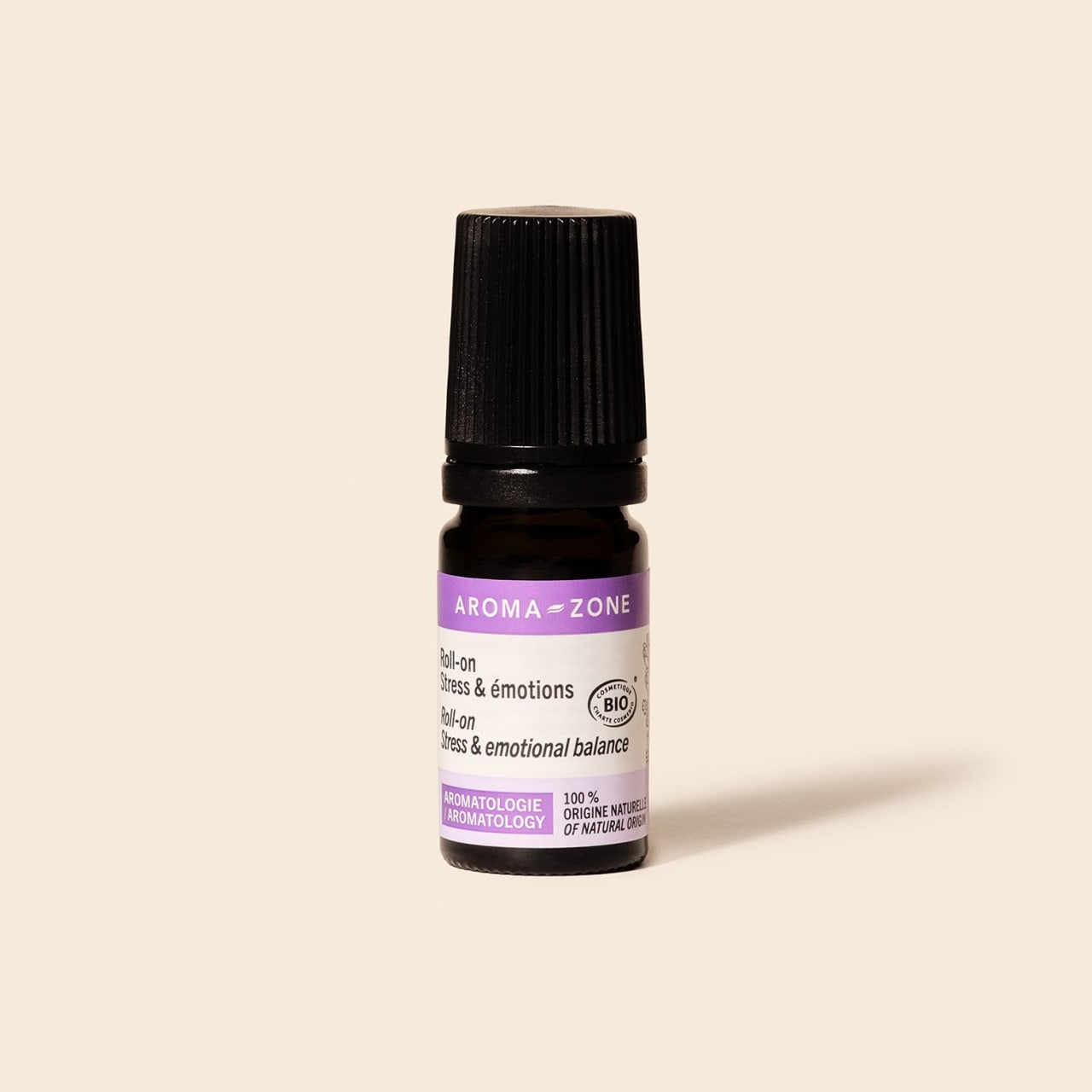
Solution 1: Essential oils for stress
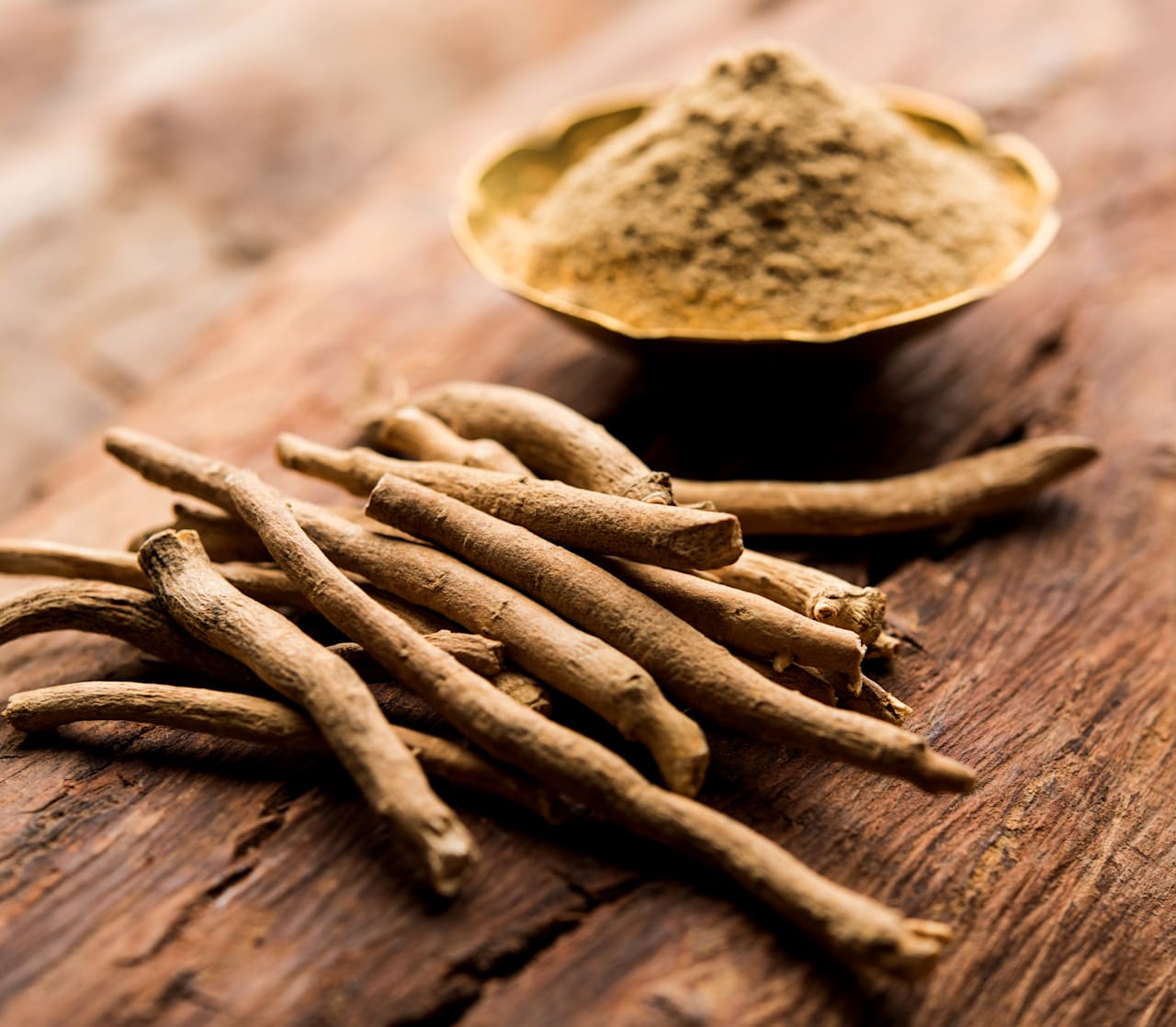
Solution 2: Herbs to Relieve Stress
When consumed regularly as herbal teas, certain plants can be very helpful in countering stress in all its forms:
Chamomile has been specifically studied for its anti-stress properties; in fact, it has traditionally been used throughout history for these properties;
Lemon Balm is recognized by the European Commission for combating stress-related discomfort at a dose of 3 cups per day for 3 weeks;
Passionflower, soothing and calming, helps alleviate nervousness. It should be avoided during pregnancy.
Valerian has a calming effect on the central nervous system, promoting relaxation and soothing. It should be avoided by pregnant women and children as a precaution.
Hawthorn is very helpful against irritability, heightened nervousness, and stress-induced heart palpitations;
Holy basil, or Tulsi, has anxiolytic properties and is also beneficial for alleviating exhaustion. With Aroma-Zone Organic Tulsi Powder, it couldn’t be simpler: just dissolve 5 g in a cup of hot water (strain if necessary). Do not use in pregnant or breastfeeding women.
Organic Ayurvedic Tulsi Powder
Plant: Purifying, Tulsi or Holy Basil is the perfect ingredient for hair and skin care to purify and soothe the skin and hair of Vata types.
Solution 3: Physical exercise, a powerful ally in the fight against stress
By releasing endorphins and dopamine with each session, regular physical exercise helps to sustainably reduce perceived stress, improve the body’s response to stress, and mitigate its consequences, particularly on the cardiovascular system.
To achieve this, any sport is beneficial (walking, running, swimming, cycling, dancing, etc.), provided it is practiced at a moderate intensity for 30 minutes a day, five times a week.
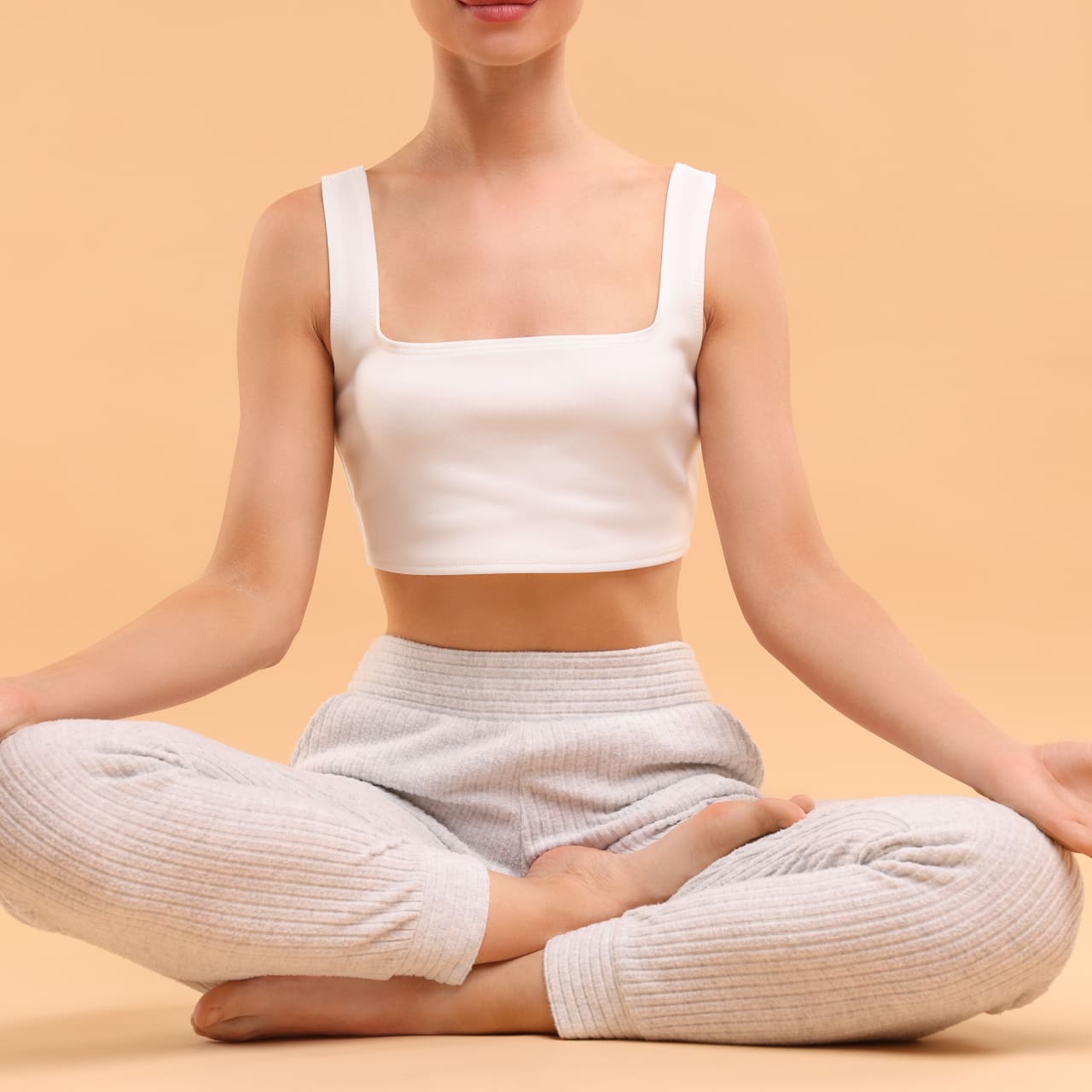
Solution 4: Meditation, a Powerful Natural Stress Reliever
Meditation can be a powerful natural stress reliever. According to the CNRS, several brain imaging studies have measured the impact of this practice on the brain’s neuroplasticity: meditation appears to be an effective remedy for stress.
One of the skills cultivated through regular meditation practice is mindfulness—that is, the ability to pay attention to the present moment, and thus to how we spontaneously react to a stressful situation.
When meditating, we also focus on our breathing, which becomes calmer, slower, and shallower, greatly promoting relaxation.
Natural anti-stress remedy from grandma: Hot water to restore serenity
The best old-fashioned remedy for stress: hot baths, hot foot baths, steam rooms, saunas… or even a simple hot water bottle placed against the feet or on the lower back—we’ve all experienced the relaxing and soothing effect of hot water!
What’s the advantage of these techniques? They’re easy to incorporate into your daily routine, inexpensive, non-invasive, and can be enhanced with essential oils.
Adopt them without hesitation for relaxing breaks in your daily routine.
DIY stress relief: naturally soothing stress
Aroma-Zone offers you a selection of 8 recipes specifically designed and tested to combat stress and its effects naturally.
Below is a list of preparations tried and tested by our community—now it’s your turn!
To learn more
Spotlight on our naturopathic editor: Lou Dumas

Lou graduated from HEC in 2012. She gained ten years of experience in marketing within the cosmetics and fragrance industries before becoming an independent consultant in this field. She recently completed a three-year naturopathy program at the European College of Holistic Naturopathy (CENATHO, Paris) with the goal of supporting the physical and mental health of the individuals she works with through a comprehensive approach to lifestyle.