
Smoking is an addiction, meaning a reduced ability to abstain from a source of pleasure. It results from disruption to the brain’s reward system, which involves dopamine, a neurotransmitter linked to feelings of satisfaction and wellbeing. The brain associates cigarettes with a pleasurable effect, and smoking, or even anticipating a cigarette, triggers sensations of reward. Over time, this system, which is normally regulated by other neurotransmitters, becomes altered by the repeated effects of nicotine. Quitting smoking can then lead to withdrawal symptoms, both physical and psychological, such as low mood and anxiety, making it more challenging to stop. This is why support, particularly on an emotional and behavioural level, can be helpful in maintaining motivation and perseverance.
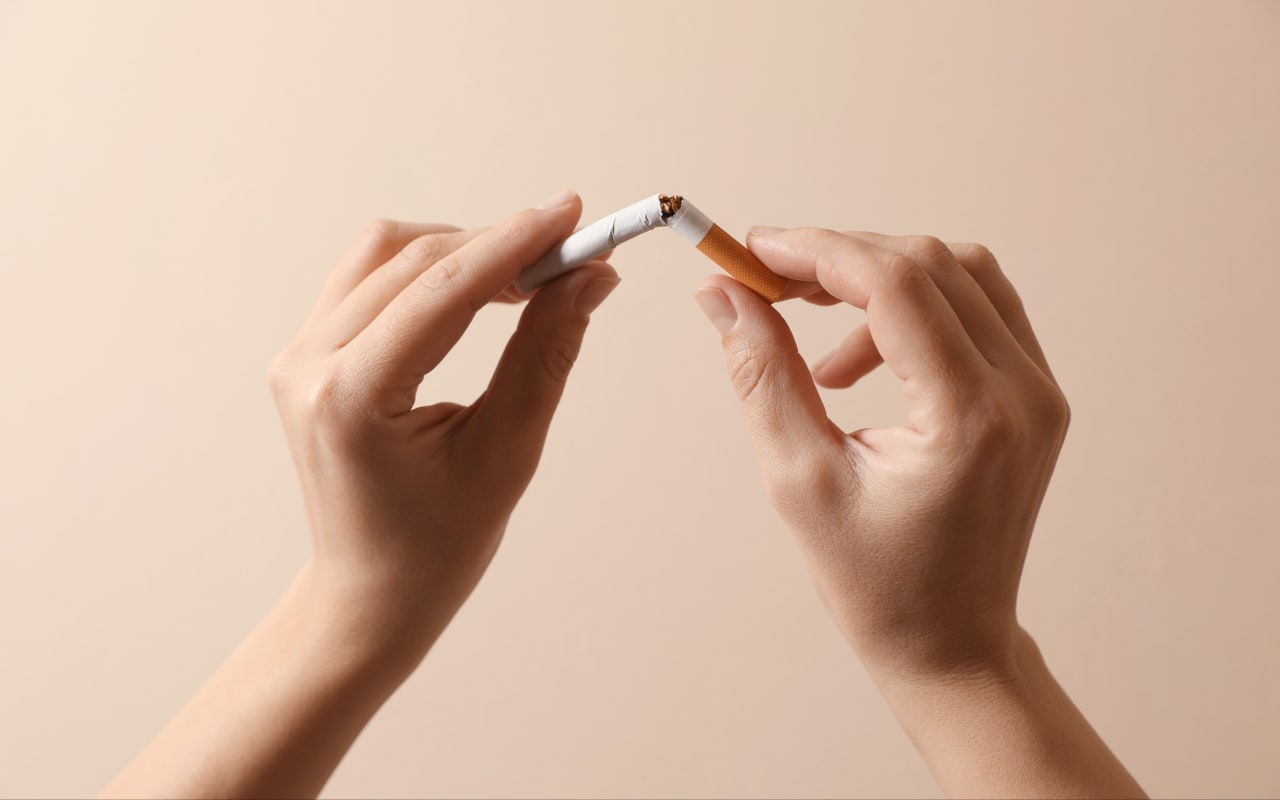
How can you stop smoking naturally?
By The Aroma-Zone editorial team
Published on: Monday, September 26, 2022, Updated on: Monday, October 05, 2026
Deciding to stop smoking is already a first victory. This choice reflects a desire to take control of your habits again, even if the journey is more complex than it may seem. Between nicotine dependence, everyday routines and emotional management, quitting smoking engages both body and mind. While there is no miracle solution, certain natural approaches may help support this transition and accompany the different stages of smoking cessation. Here is an overview of the key practices to adopt.
Contents
Related products
Vitality
Stress
£15.00
article
£19.00
article

Mental & physical well-being
£15.00
article
Anti-ageing
Repairing
£4.00
100 g
£4.50
5 ml
Why is quitting smoking so difficult?
How can natural solutions help with smoking cessation?
First and foremost, it is important to remember that natural approaches are not a substitute for personal motivation or professional medical support. However, they can offer additional support during this period of adjustment.
Supporting the balance of the nervous system
Smoking cessation can be accompanied by nervousness, irritability or a feeling of inner tension, linked to the body’s gradual adjustment to the absence of nicotine. Certain natural approaches may help support the normal functioning of the nervous system and promote a sense of calm. They form part of a holistic approach aimed at helping you navigate this transitional phase more comfortably.
Helping to better manage stress and emotions
Cravings for a cigarette often arise in response to intense emotions or stressful everyday situations. In this context, natural approaches may help ease emotional tension and support you in coping more effectively with moments of stress.
Supporting change in habits
Quitting smoking involves changing deeply ingrained habits linked to specific moments of the day or certain emotions. Some natural solutions can be incorporated into new routines as an alternative to the act of smoking. In this way, they help establish new reference points and healthier patterns.
Our selection to support you in quitting smoking
Dietary supplements to support the nervous system

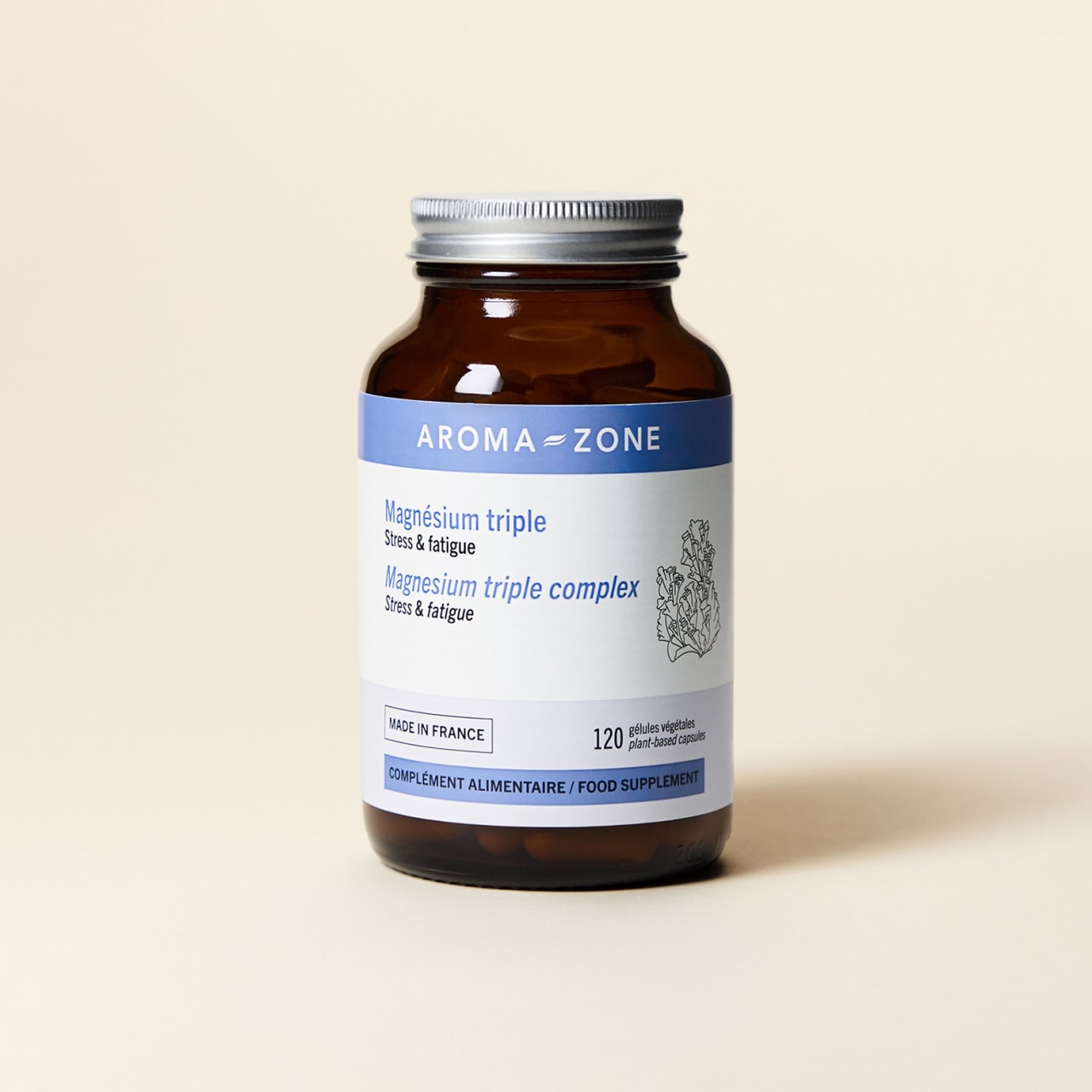
Magnesium
To optimize your chances of successfully quitting smoking (as this withdrawal period can be stressful and irritable), magnesium supplementation is beneficial. This dietary supplement combines three forms of magnesium for optimal effectiveness, combining high bioavailability and high magnesium content: magnesium bisglycinate, marine magnesium, and organic sea lettuce extract. The recommended dose is 1 to 3 capsules per day. Magnesium may have laxative effects in some people. If you have thyroid problems, ask your doctor for advice. For adults only. Pregnant or breastfeeding women should seek the advice of a healthcare professional before taking any supplements.
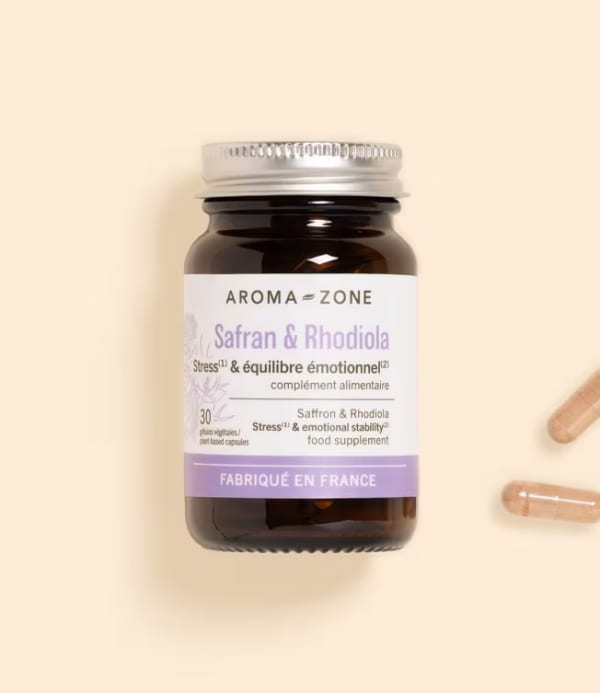
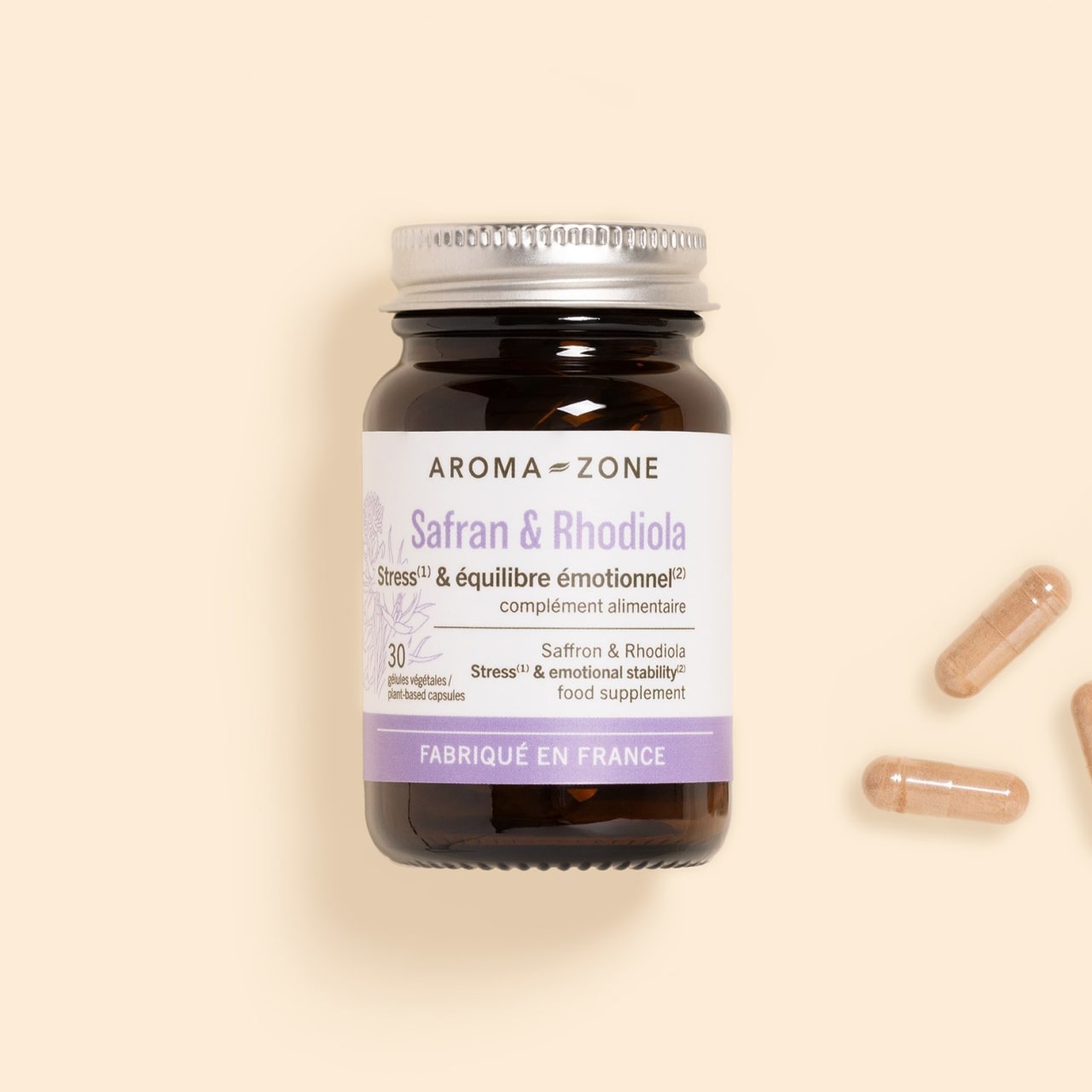
Saffron & Rhodiola
Saffron (Crocus sativus) is being studied for its role in regulating mood and anxiety, with recent clinical trials showing a significant improvement in psychological parameters after supplementation (1). Rhodiola (Rhodiola rosea), an adaptogenic plant, is traditionally used to help the body cope better with stress and mental fatigue, with experimental data suggesting it may be beneficial in the context of nicotine addiction (2). For adult use only. Do not use during pregnancy or while breastfeeding. Not recommended for people taking antidepressants.

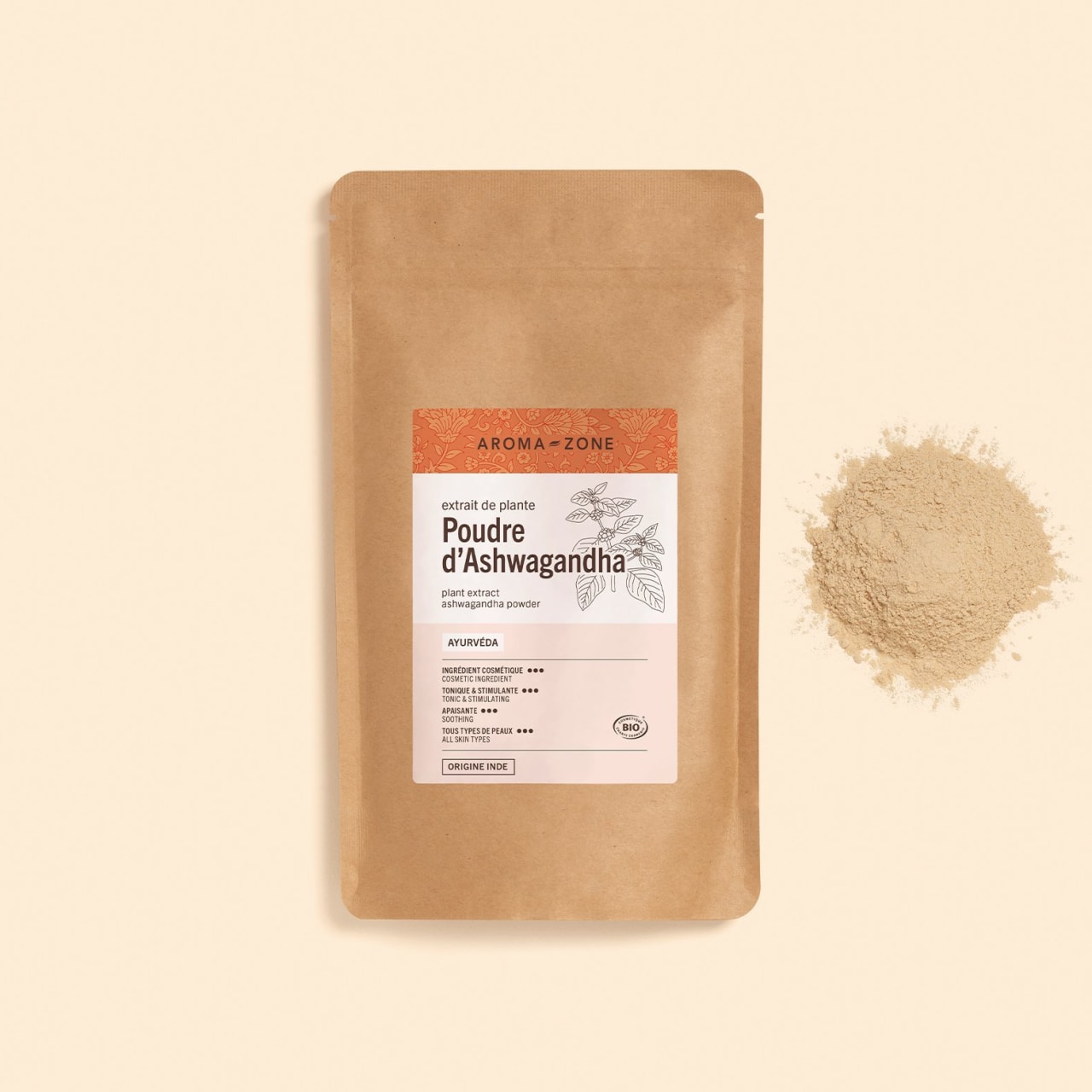
Organic Ashwagandha
Ashwagandha (Withania somnifera) is a traditional adaptogenic plant used to support the body's balance in the face of stress and contribute to a balanced response during challenging periods such as withdrawal. A randomized, placebo-controlled study has shown that it can help reduce certain markers of perceived stress and provide relaxing effects. (3) For adults only. Not suitable for pregnant or breastfeeding women. Not recommended for people with endocrine, thyroid, liver, or heart disorders, or for those undergoing treatment that depresses the central nervous system.
Essential oils to break addictions
Certain essential oils can act as an aromatic substitute for the pleasure sought and can be used for their stress-relieving effects.
Butterfly Ginger Essential Oil
Rare and precious, butterfly ginger essential oil is prized for its sweet and enveloping fragrance, often used to soothe emotional tension. Its olfactory profile is associated with a feeling of inner balance and refocusing. When inhaled, it can help anyone who decides to quit smoking, especially during moments of stress or craving, as part of a comprehensive approach. Do not ingest. Do not use during pregnancy or breastfeeding, or on children under 6 years of age. Do not use undiluted on the skin; always dilute in a neutral vegetable oil.
Bergamot essential oil
It is appreciated for its sweet and invigorating aroma, often associated with a feeling of calm and a comforting atmosphere. Its scent can help alleviate emotional tension and create a more serene and positive atmosphere, calming sudden cravings to smoke. For external use only. Do not use during the first three months of pregnancy. Do not use for prolonged or regular periods without consulting a therapist.
Practical on-the-go products to use during this period
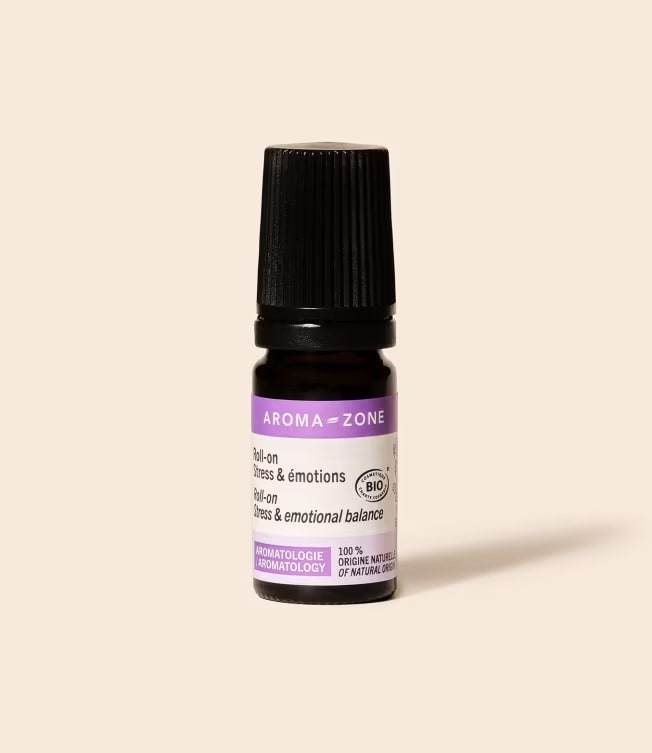
The Stress & Emotions aromatic roll-on
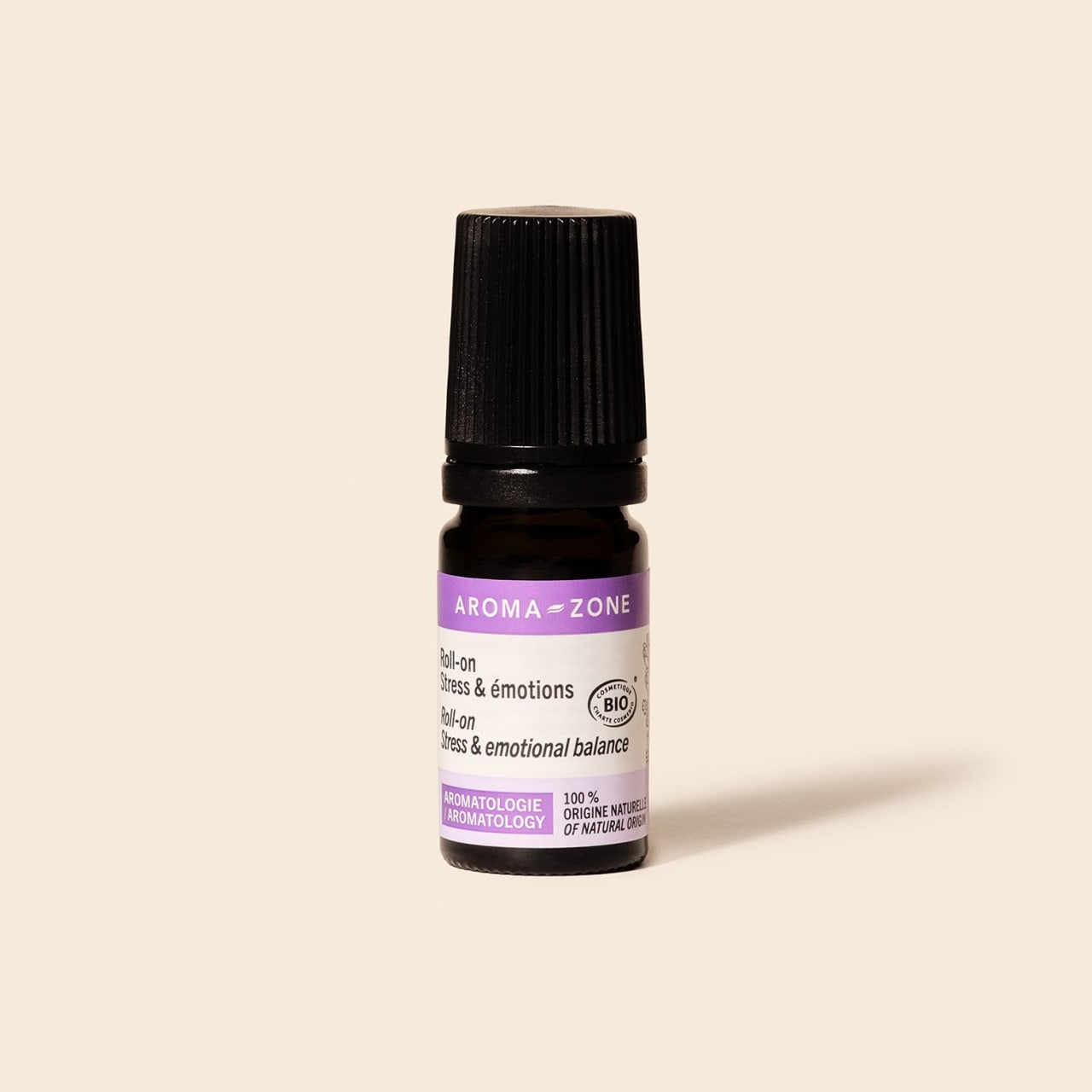
This blend can be applied to the inside of the wrists, the solar plexus, and/or the arches of the feet. Petitgrain and lavender act on stress, neroli and chamomile soothe anxiety, and marjoram, bergamot, and sweet orange have been added to the blend to balance mood. Do not use on pregnant or breastfeeding women or children under 7 years of age.
Other plants and natural active ingredients useful during nicotine withdrawal
Kudzu is the best-known plant for helping people quit smoking. Known by its Latin name Pueraria montana, Kudzu is traditionally used in Ayurvedic medicine to combat addictions, particularly tobacco and alcohol addiction. This property is thought to be due to the flavonoids it contains, which also help to combat oxidative stress. Finally, it is thought to protect the liver, which appears to be an additional benefit in helping smokers quit. (4)
What new habits can help you stop smoking?
Identify your triggers: Recognising the situations in which the urge to smoke arises, such as stress, strong emotions or social habits, is a key step towards quitting more calmly and regaining control over automatic behaviours
Replace the action rather than suppressing it: Instead of fighting the urge directly, replacing the act of smoking with another action, such as deep breathing, chewing propolis, drinking a hot beverage or getting some fresh air and movement, can help break the automatic pattern associated with smoking
Establish new soothing rituals: Creating moments dedicated to relaxation, such as walking, stretching or quiet time, helps structure the day differently and provides new reference points, which are essential when working towards quitting for good
Learn to manage stress differently: Practices such as conscious breathing, cardiac coherence or meditation can support emotional balance and limit cravings triggered by nervous tension
Seek appropriate support: Acupuncture, hypnosis, sophrology or psychological support can help address automatic behaviors, motivation, and support emotional management during the quitting process
Accept imperfect progress: Quitting smoking is a gradual process. Hesitations and setbacks are part of the journey and do not undo the process already made. Congratulations on taking this first step.
Precautions
Natural solutions can support smoking cessation, but they are no substitute for a balanced lifestyle or appropriate follow-up. Dietary supplements are not a substitute for a varied diet. In case of significant difficulty, it is advisable to seek the support of a healthcare professional.
Expert advice
Quitting smoking is often associated with weight gain, as nicotine has an appetite-suppressing effect. In addition, once tobacco no longer dulls the taste buds, food regains its full flavour, enhanced by increasingly pleasant retronasal perception. As a result, people tend to enjoy the taste of food more. Regular physical activity helps prevent weight gain during smoking cessation and also contributes to reducing strong nicotine cravings.
Bibliography
Shafiee, A., Jafarabady, K., Seighali, N., Mohammadi, I., Abadi, S. R. F., Abhari, F. S., & Bakhtiyari, M. (2024). Effect of saffron versus selective serotonin reuptake inhibitors (SSRIs) in treatment of depression and anxiety: a meta-analysis of randomized controlled trials. Nutrition Reviews, 83(3), e751–e761.
https://doi.org/10.1093/nutrit/nuae076
Titomanlio, F., Perfumi, M., & Mattioli, L. (2013). Rhodiola rosea L. extract and its active compound salidroside antagonized both induction and reinstatement of nicotine place preference in mice. Psychopharmacology, 231(10), 2077–2086.
https://doi.org/10.1007/s00213-013-3351-y
Lopresti, A. L., Smith, S. J., Malvi, H., & Kodgule, R. (2019). An investigation into the stress-relieving and pharmacological actions of an ashwagandha (Withania somnifera) extract. Medicine, 98(37), e17186.
https://doi.org/10.1097/md.0000000000017186
Wang, S., Zhang, S., Wang, S., Gao, P., & Dai, L. (2020). A comprehensive review on Pueraria: Insights on its chemistry and medicinal value. Biomedicine & Pharmacotherapy, 131, 110734.
https://doi.org/10.1016/j.biopha.2020.110734

Frequently Asked Questions
Associated tips
Aromatherapy advice

Aromatherapy advice

Stress and anxiety


