
A dull, tired complexion refers to skin that looks less radiant, less even-toned, and less able to reflect light. The face may then appear more marked, with a visible loss of freshness. This appearance doesn't depend solely on skin type. Dry, combination, or oily skin can all look this way at times. It is most often a temporary imbalance linked to lifestyle, the environment, or the body’s general condition. When skin functions at its best, it reflects light more evenly and looks smoother. Conversely, when it is tired, the complexion appears more uneven and less radiant.
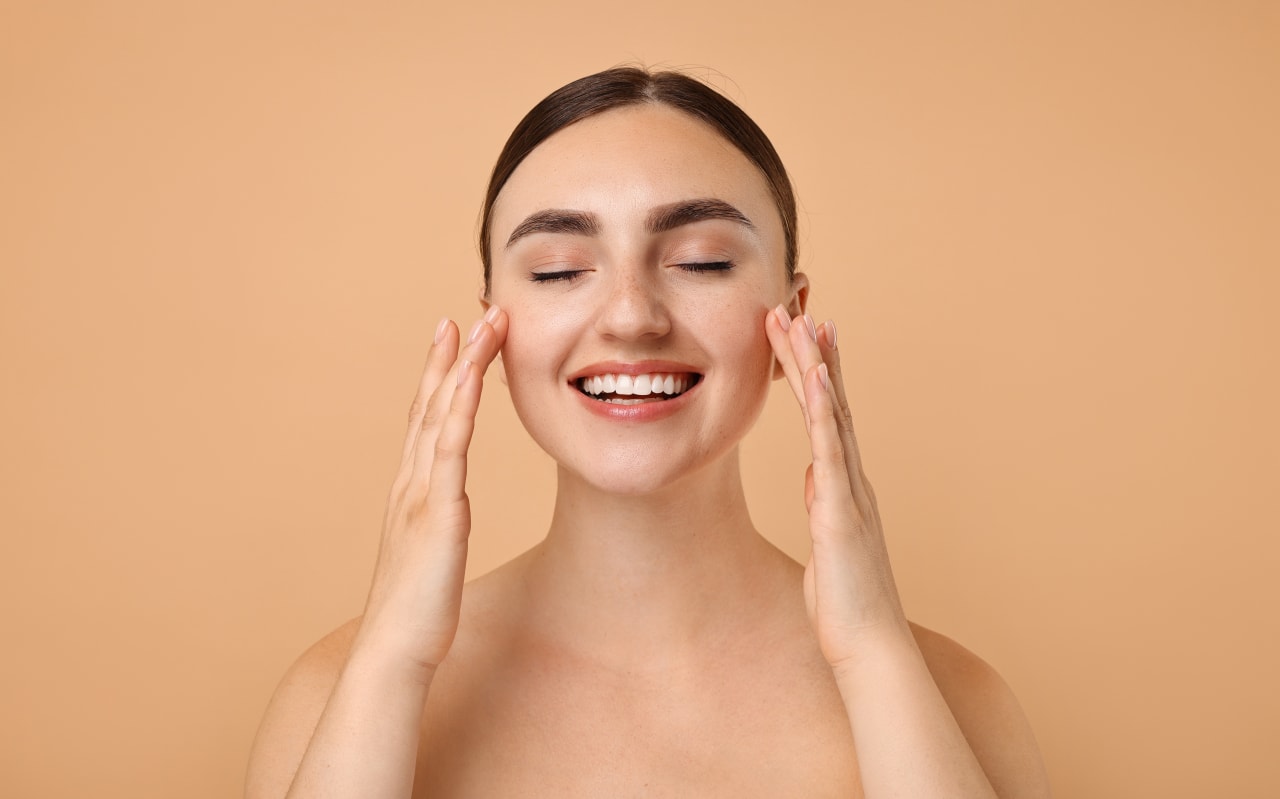
Dull, Tired-Looking Skin: What Natural Solutions Can Help?
Published on: Friday, July 05, 2024, Updated on: Friday, October 30, 2026
A dull, tired complexion can signal a hectic lifestyle, lack of sleep, or even the changing seasons. Your skin may look less radiant, as if dulled, and lose its freshness. This is common when the body is under a lot of strain, and the skin can be one of the first visible signs. In this article, we suggest some natural ways to restore your complexion’s radiance.
Contents
Related products
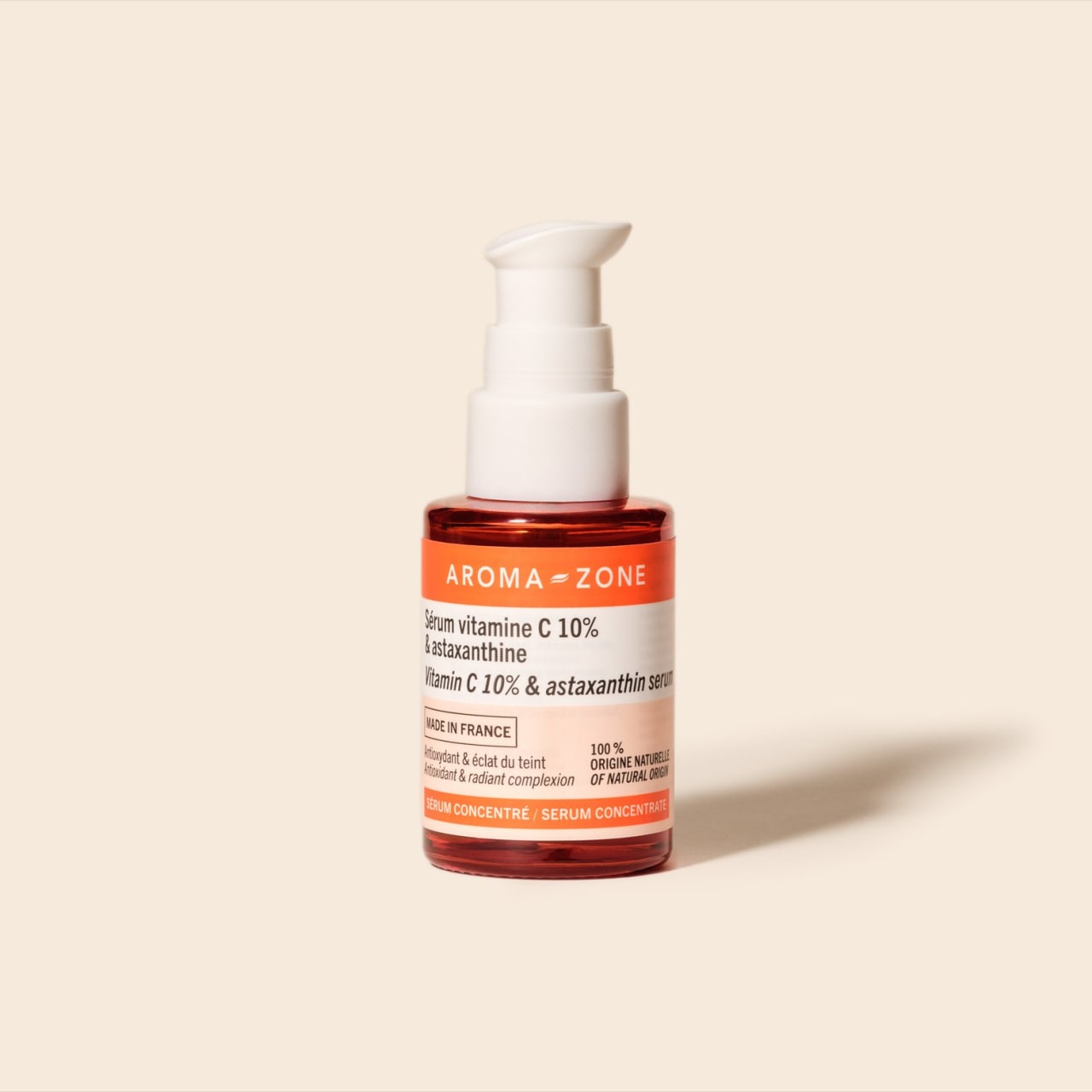
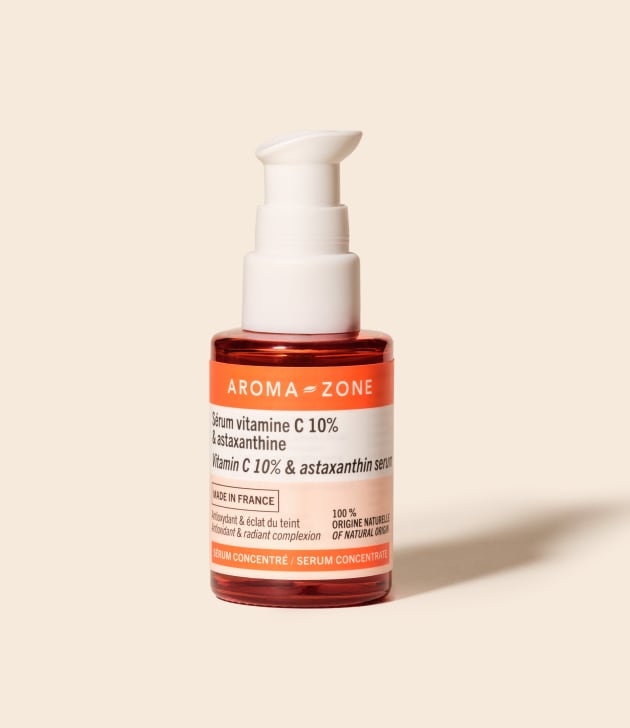
Vitamin C 10% & Astaxanthin Serum
Radiant complexion
Antioxidant
£9.00
30 ml
2 options
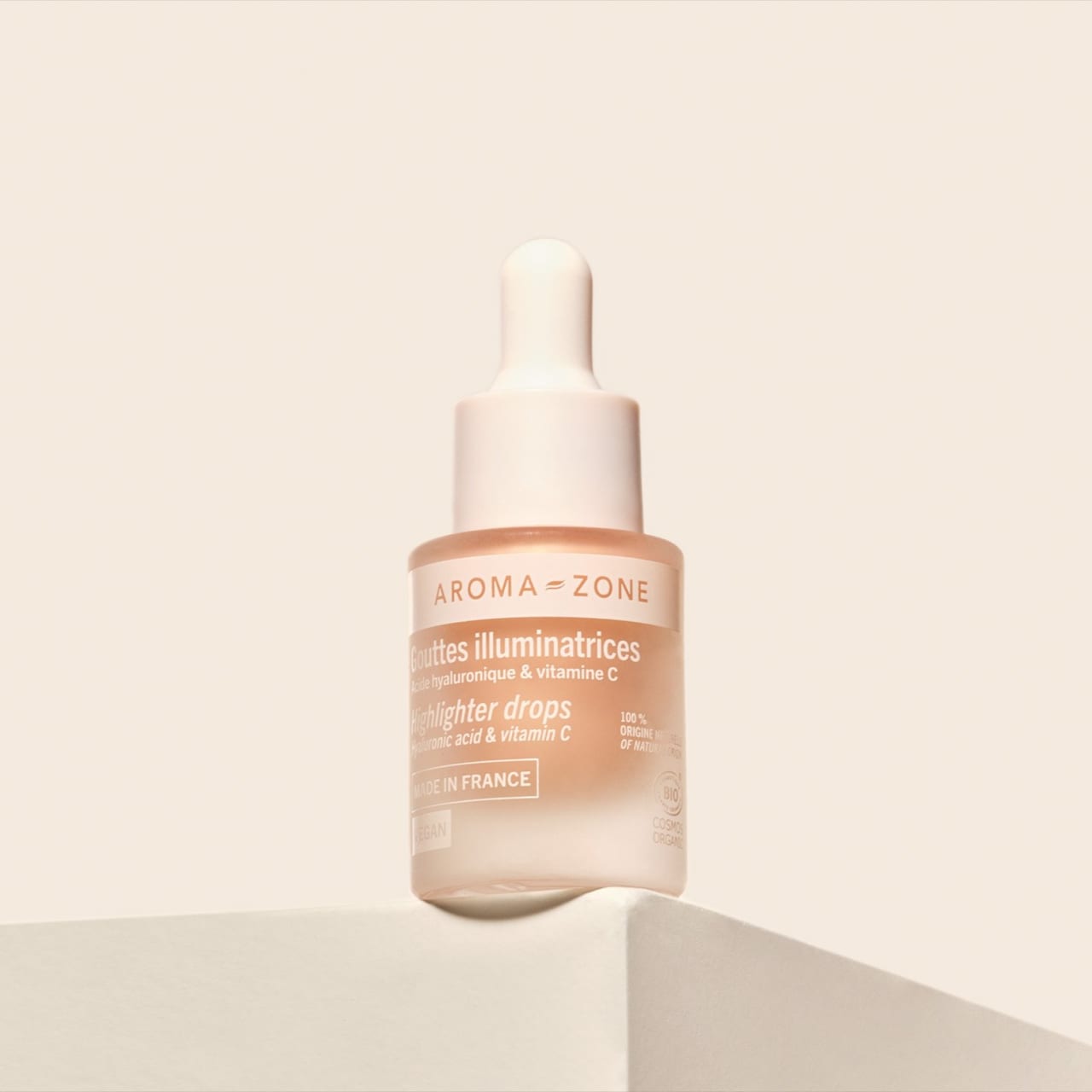
Hyaluronic Acid & Vitamin C Highlighting Drops
Radiant complexion
£5.50
10 ml
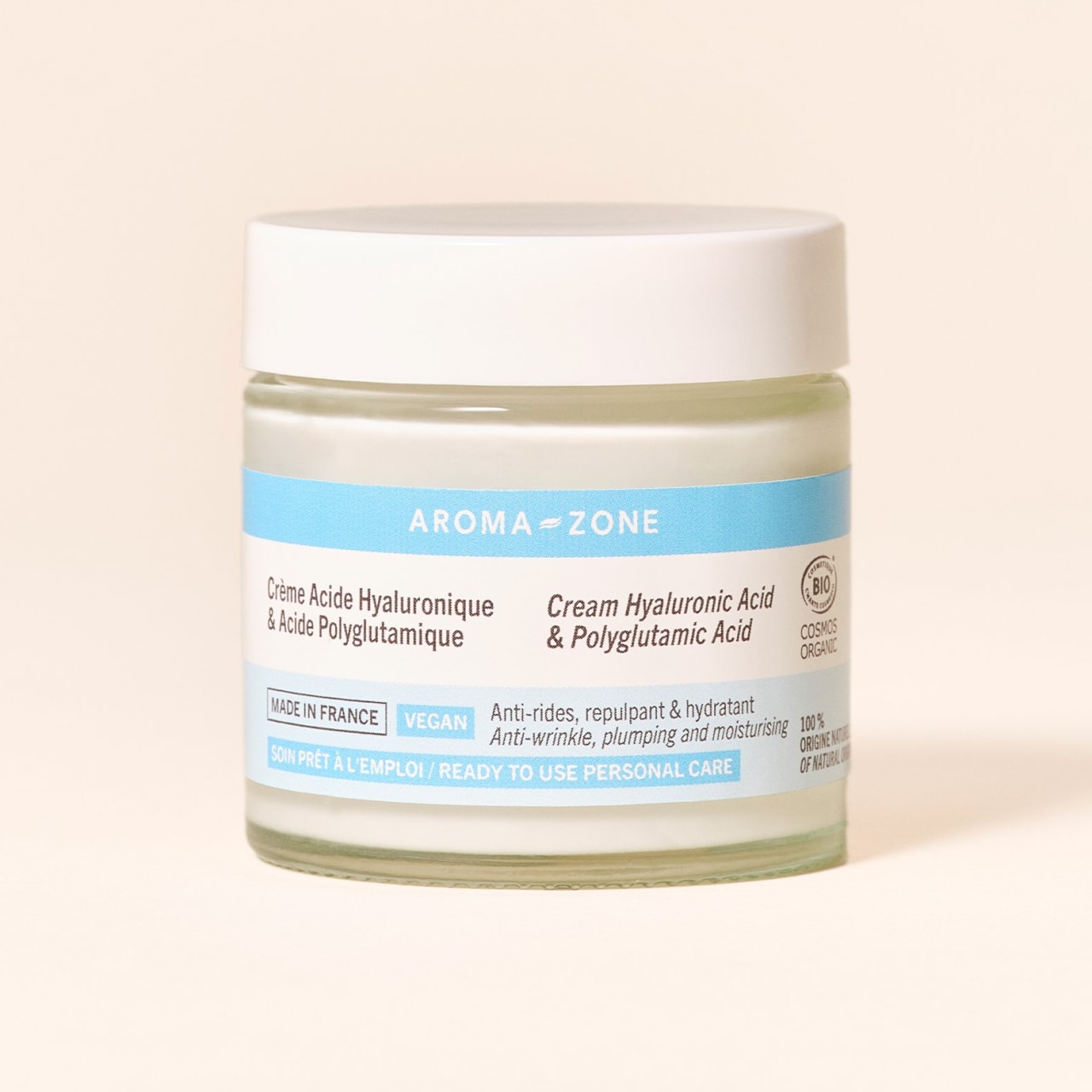
Hyaluronic Acid & Polyglutamic Acid Cream
Plumping
Moisturising
£10.00
50 ml
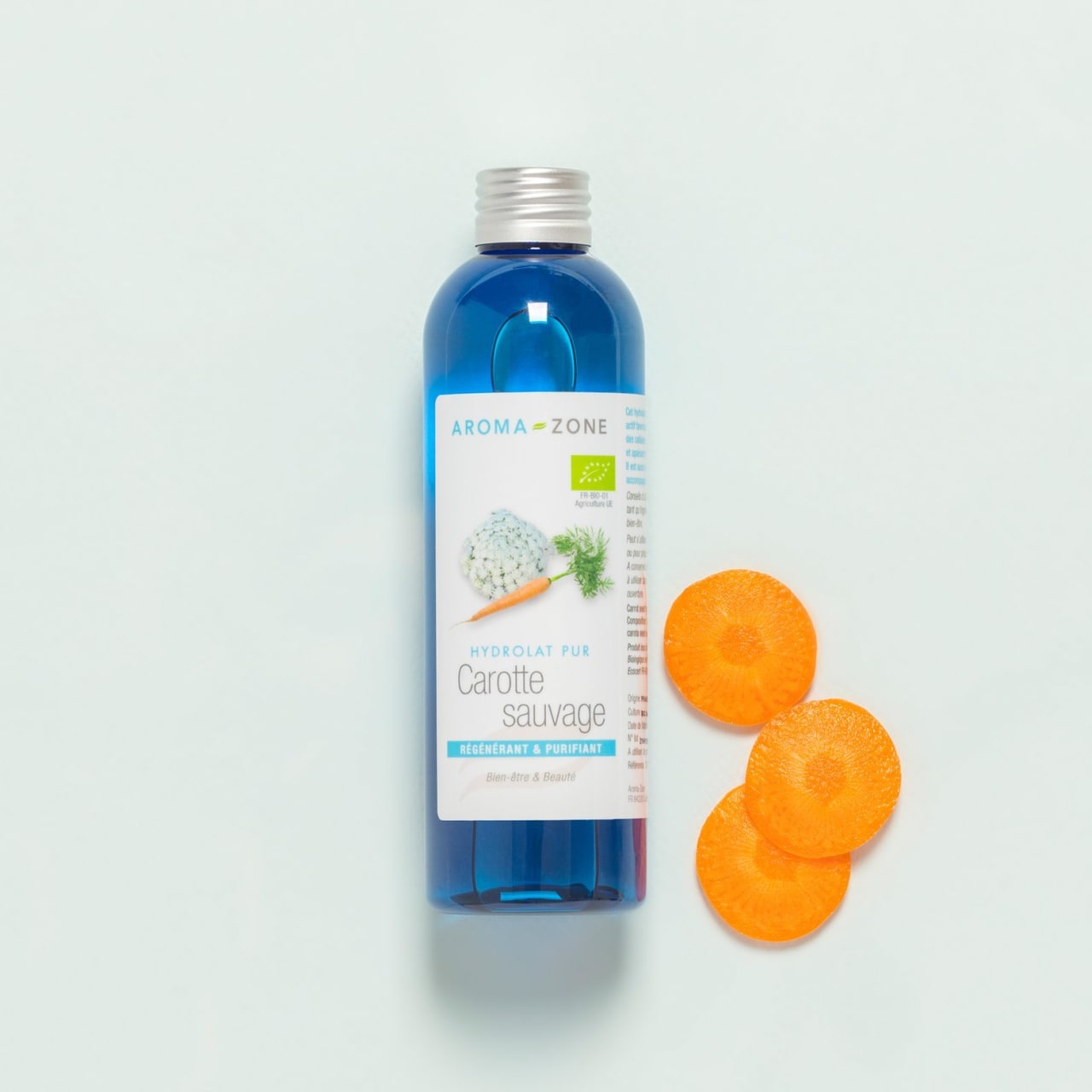
Organic Wild Carrot Hydrosol
Radiant complexion
Regenerating
£5.00
200 ml
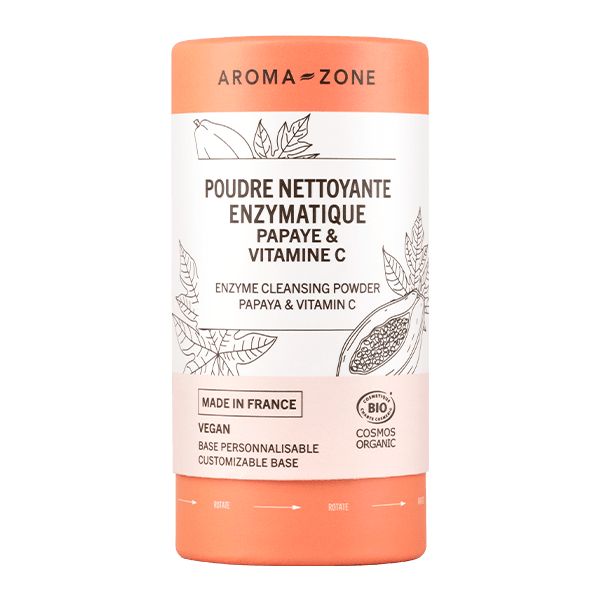
Papaya & Vitamin C Enzyme Cleansing Powder
Cleansing
Exfoliating
£8.00
30 g
In brief
A dull, tired complexion is often caused by a lack of hydration, a build-up of dead skin cells, or factors such as stress and pollution, but it can be improved with the right skincare products and a regular routine
It is recommended to opt for gentle cleansing, regular exfoliation, moisturising treatments, and the use of natural active ingredients such as Vitamin C or certain plant extracts to restore the skin’s radiance
Further details are provided in the article on the lifestyle habits to adopt for a radiant complexion and the precautions to take in the event of sensitivity or specific skin problems
What Is a Dull, Tired Complexion?
What Is the Link Between Tiredness and a Dull Complexion?
Fatigue, whether caused by lack of sleep, stress, or a hectic lifestyle, can quickly show on the skin. When the body is tired, certain processes slow down, notably cell renewal and skin microcirculation. The skin then renews itself less effectively, which leads to a build-up of dead cells on its surface. As a result, light reflects less effectively, and the complexion appears duller. At the same time, reduced blood circulation can make the skin look less fresh, sometimes more grey, or less even in tone. This explains why a lack of rest or a period of stress is often immediately noticeable on the face.
A dull, tired complexion often reflects an overall imbalance, with the skin acting as a true indicator of one’s general state of health.
Why Does the Complexion Look Tired and Dull?
An Unbalanced Diet
A diet low in vitamins, minerals, and antioxidants can affect your skin's appearance. These nutrients support healthy skin function, and a deficiency can lead to a less radiant complexion.
A Build-Up of Dead Skin Cells
When skin renewal slows down, dead cells build up on the skin’s surface. This build-up prevents light from reflecting properly, making the complexion look duller.
Dehydrated Skin
Dehydrated skin can lose its suppleness and radiance. It can appear more marked, less plump, and sometimes duller or more tired.
Stress and Lack of Sleep
Stress and a lack of sleep can disrupt the skin’s natural rhythm. Over time, this can lead to a less fresh complexion and more visible features.
External Stressors
Pollution, temperature fluctuations, or excessive sun exposure can weaken the skin. These external factors disrupt the skin’s balance and can contribute to a more uneven and less radiant complexion.
Smoking
Smoking can affect tissue oxygenation and skin quality. Over time, this can lead to a duller complexion and a visible loss of radiance.
How Can You Tell if Your Complexion Looks Tired?
There are several signs that may indicate a dull, tired complexion, including:
Lack of Radiance: The skin looks duller, less luminous, and may sometimes appear grey or flat
Uneven Complexion: The colour of the face appears less even, with darker or duller patches
Less Smooth Skin Texture: The skin may feel drier, rougher, or more textured to the touch
More Visible Pores: The pores may appear more dilated, with an increased number of blemishes
Tired-Looking Features: The face looks more marked, with signs of tiredness such as more visible dark circles
What Natural Routine Can Help You Achieve More Radiant Skin?
Step 1 – Cleanse My Skin
Step 2 – Target My Specific Concern
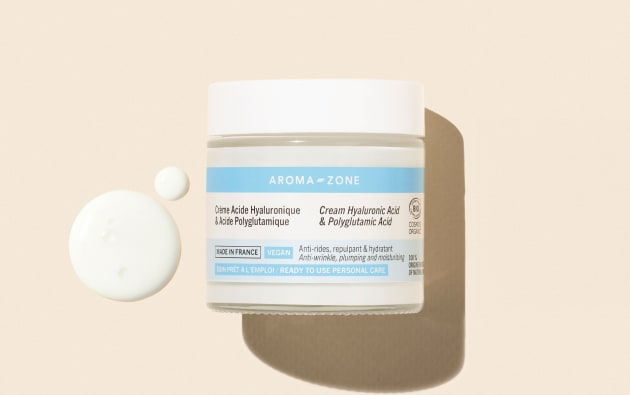
Step 3 – Moisturise My Skin

Step 4 – Boost Your Radiance From Within
Directions for Use and Precautions for the Food Supplement: Marine Collagen Aroma-Zone is available as a flavourless powder that dissolves easily in your drinks and in your cooking. Take 5g (2 teaspoons) to 10g (2 tablespoons) per day for 3 months, diluted in a glass of water, fruit juice, tea, coffee, or a smoothie.
To find out more, discover our radiance routine.
Our Natural Solutions to Restore Your Complexion’s Radiance
Alongside a suitable skincare routine, certain treatments can help to maintain the skin’s radiance and restore a fresh, healthy glow to your complexion.
Gently Exfoliate
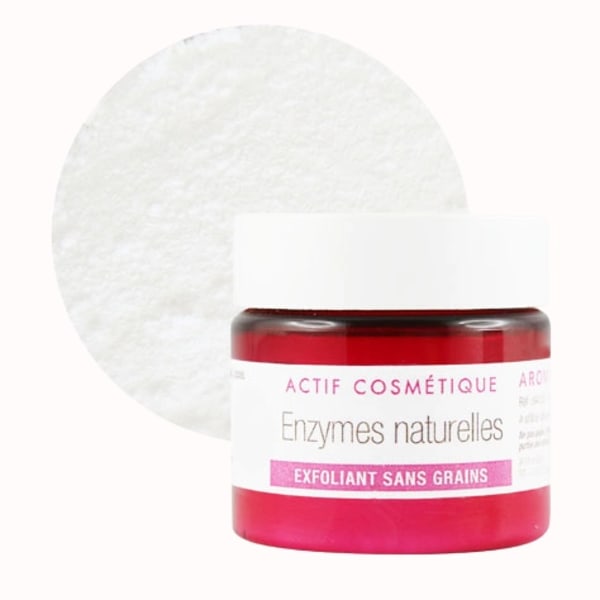
Gentle exfoliation helps to remove dead skin cells that have built up on the skin’s surface. This helps to refine the skin’s texture and improve light reflection, resulting in a more radiant complexion. Enzymatic exfoliating active ingredients are incorporated into peel-type treatments or exfoliating products to create formulas tailored to your skin type.
Use a Hydrosol
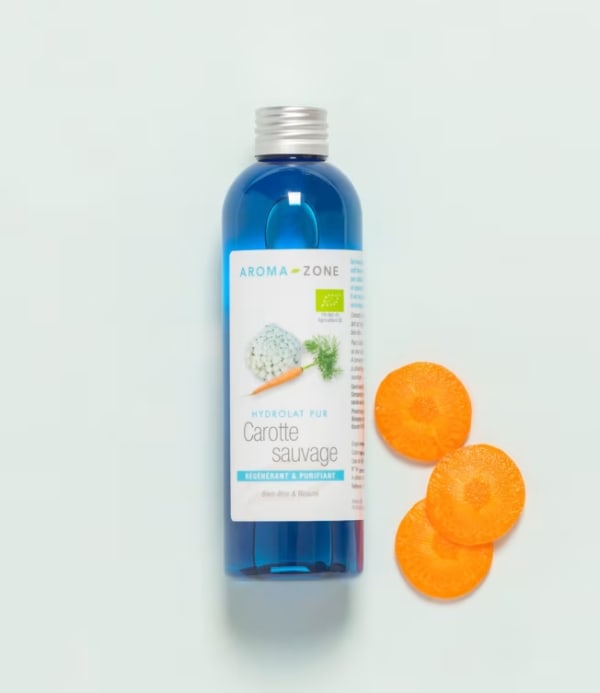
Using a hydrosol after cleansing helps to refresh the skin and prepare it for subsequent skincare steps. Wild Carrot Hydrosol is particularly beneficial for dull or tired skin, helping to improve its appearance. It can be used by incorporating it into a lotion or by mixing it with other hydrosols to create a formulation tailored to the skin’s needs.
Apply a Suitable Serum
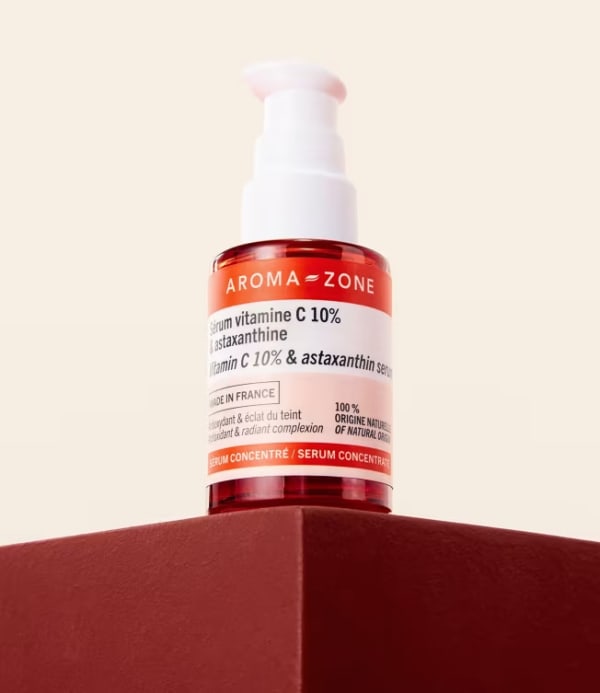
Applying a serum delivers targeted active ingredients tailored to the skin’s needs. Formulas containing moisturising and antioxidant ingredients can help improve the appearance of the complexion and restore its radiance. The 10% Vitamin C & Astaxanthin Concentrated Serum is particularly suitable for dull and tired skin, whatever the skin type.
Brightening Drops with Hyaluronic Acid & Vitamin C
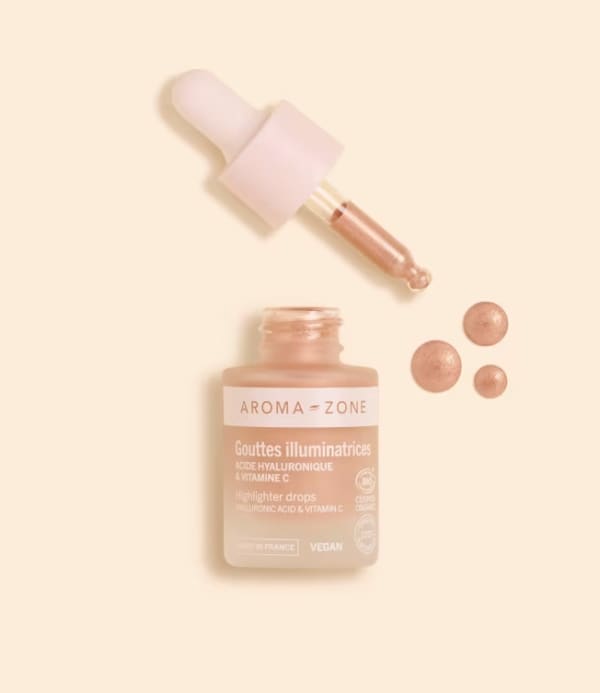
Combining make-up and skincare, these Illuminating Drops instantly brighten the complexion thanks to their blend of mineral pearlescent pigments and moisturising active ingredients. Enriched with Vitamin C and hyaluronic acid, they help to illuminate the face whilst visually improving its evenness.
Their fluid texture blends easily into the skin and offers a buildable finish, ranging from a subtle healthy glow to a more luminous result depending on how it’s applied.
Discover our selection of skin-brightening serums to illuminate and even out your complexion.
Which Vitamin Should You Take to Look Healthy and Radiant?
Certain nutrients can help maintain a radiant complexion when consumed as part of your diet or taken as supplements.
Vitamin C: It helps protect cells against oxidative stress and helps maintain a more radiant complexion
Vitamin B3 (niacinamide): It helps to maintain the skin barrier and improve the overall appearance of the complexion
B-Complex Vitamins: They support the body’s overall functioning, which can be reflected in the quality of the skin
Vitamin D and Vitamin E: They help to ensure the body functions properly and protect against oxidative stress, respectively.
How Can You Prevent a Dull Complexion?
Maintaining a radiant complexion depends, above all, on a balanced lifestyle.
Quality Sleep: Getting enough rest allows the skin to regenerate more effectively
A Balanced Diet: Prioritising foods rich in nutrients helps maintain a radiant complexion
Hydration: Drinking enough water helps keep the skin supple
Stress Management: Taking time to relax can help maintain your balance
Precautions for Use
Before incorporating a new product into your routine, it is advisable to test it on a small area of skin to check for any adverse reactions. If you have sensitive skin, experience a reaction or have any doubts, do not hesitate to seek advice from a healthcare professional.
Expert Advice
The best way to look after your skin and maintain a radiant complexion is to lead a healthy lifestyle every day and to always use natural skincare products suited to your skin type.
Spotlight on Our Specialist Writer: Charlie Morel

Charlie holds a Master’s degree in cosmetic formulation. Passionate about cosmetology and a lover of words, she decided in 2020 to become a web editor specialising in cosmetics and beauty. Her desire for a career change inspired her to go freelance, giving her the freedom to work from anywhere in the world.
Bibliography
American Psychological Association (2024). Stress effects on the body. apa.org/topics/stress/body.
Proksch, E., Brandner, J. M., & Jensen, J. M. (2008). The skin: an indispensable barrier. Experimental Dermatology, 17(12), 1063–1072. pubmed.ncbi.nlm.nih.gov/19043850/
Braverman, I. M. (2000). The cutaneous microcirculation. Journal of Investigative Dermatology Symposium Proceedings, 5(1), 3–9. pubmed.ncbi.nlm.nih.gov/11147672/
Rinnerthaler, M., Bischof, J., Streubel, M. K., Trost, A., & Richter, K. (2015). Oxidative stress in ageing human skin. Biomolecules, 5(2), 545–589. pmc.ncbi.nlm.nih.gov/articles/PMC4496685/
Draelos Z. D. (2010). Nutrition and enhancing youthful-appearing skin. Clinics in Dermatology, 28(4), 400–408. pubmed.ncbi.nlm.nih.gov/20620756/



