The best drink for radiant skin

The best drink for radiant skin


By Camille Clément

Published on: Wednesday, September 11, 2024, Updated on: Friday, October 30, 2026

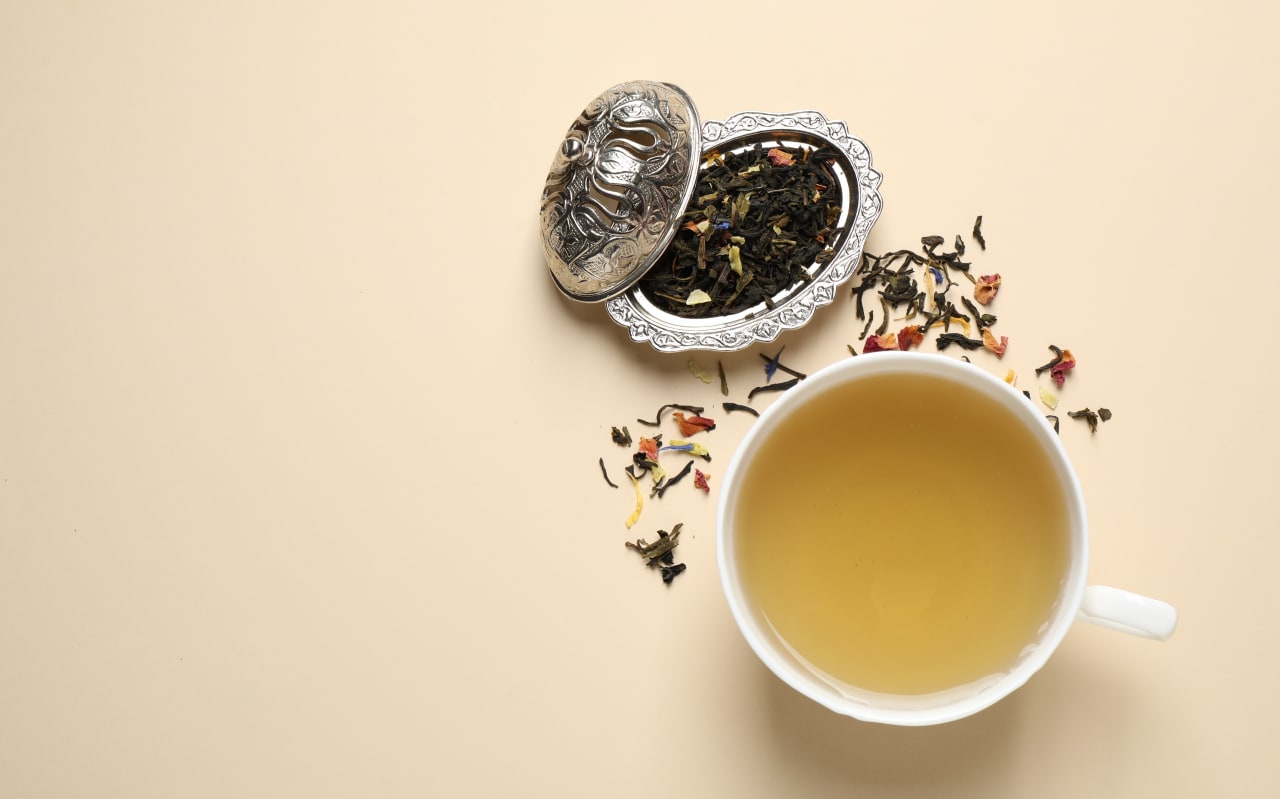
Green tea is associated with a radiant complexion, mainly because of its high polyphenol content, including catechins. But what is the actual link between drinking green tea and the look of your complexion?

Contents

Related products

In brief

  • Water remains the most beneficial drink for healthy, glowing skin, as it deeply hydrates and helps flush out toxins, whilst certain herbal teas can complement this effect.

  • To maximise the benefits, it is advisable to prioritise regular hydration throughout the day and to include drinks rich in antioxidants such as green tea, rooibos or hibiscus.

  • The article points out that overall diet, lifestyle and individual needs also play a key role, and advises caution with drinks that may contain caffeine.

What is radiant skin?

Radiant skin is recognised above all by its natural glow. The complexion appears luminous and even, and the skin’s surface reflects light gently, without looking dull or tired. This impression of ‘skin that catches the light’ is often associated with good skin hydration and a smooth, refined skin texture.

From a physiological perspective, this radiance depends on several factors: effective cell renewal and functional skin barrier (1). When these mechanisms are working in harmony, the skin retains its suppleness, comfort and radiant appearance. Conversely, when this balance is disrupted, the complexion can quickly lose its freshness and appear more dull. The concept of radiant skin therefore refers to skin that is balanced, feels good, and is visibly luminous, a sign of the skin’s overall healthy functioning.

A radiant complexion does not depend solely on topical skincare products. Diet and hydration also play an important role in the appearance of the complexion. Certain drinks rich in bioactive compounds can help maintain a radiant complexion.

Green tea (Camellia sinensis) is particularly of note for its high content of polyphenols, particularly catechins. These plant-derived molecules are being studied for their antioxidant activity and their interactions with various physiological mechanisms (2).

Oxidative stress, exacerbated by factors such as pollution, sun exposure or the pace of modern life, can affect the appearance of the complexion, and the polyphenols in green tea may help to mitigate some of the effects of these environmental aggressors. This explains why green tea is often cited as one of the drinks associated with a radiant complexion.

What causes a dull complexion and less radiant skin?

A dull complexion is not usually caused by a single factor, but rather by a combination of factors that can disrupt the skin’s natural balance.

Oxidative stress

Oxidative stress refers to an imbalance between the production of free radicals and the body’s natural ability to neutralise them. Pollution, sun exposure, smoking or even stress can contribute to this phenomenon, which can affect the appearance of the complexion and result in skin that looks noticeably less radiant.

Lack of sleep

Sleep plays a part in many of the body’s regenerative processes, including those affecting the skin. When our night's sleep is too short or of poor quality, cell renewal can become less effective, which can result in a more tired and less radiant complexion.

Insufficient hydration

Adequate hydration helps the skin’s barrier function properly. When hydration is insufficient, the skin can lose its suppleness and comfort. Its surface may then become more uneven, which can affect the way light reflects off the skin.

Diet and lifestyle

A balanced diet and lifestyle habits can also influence the appearance of the skin. A diet low in micronutrients, chronic stress or an unbalanced lifestyle can, over time, contribute to a less radiant complexion.

What are the signs of skin that lacks radiance?

  • Dull complexion: the skin looks less luminous, more ‘greyish’, and seems to reflect light less well

  • Uneven skin texture: the skin’s texture appears less smooth, or even rough

  • Less even complexion: certain areas of the face may appear darker or less uniform

  • More visible signs of tiredness: features may look drawn and signs of tiredness more pronounced

  • Less supple skin: the sensation that your skin feels less comfortable or less plump may be experienced alongside this lack of radiance.

What are the benefits of green tea for your skin?

What are the benefits of green tea for your skin?

Enjoyed as a drink for centuries, green tea is now attracting the attention of researchers due to its rich composition. As part of a varied diet and a balanced lifestyle, regular consumption of green tea could therefore help to maintain a more radiant complexion.

  • Rich in antioxidants: green tea contains polyphenols, including catechins, which are known for their antioxidant activity. Oxidative stress is a process involved in skin ageing (1)

  • Support against environmental aggressors: some scientific studies suggest that the polyphenols in green tea may help the body cope better with environmental factors such as pollution or UV exposure (3)

  • Support for skin balance: the bioactive compounds in green tea may help maintain the skin’s comfort

  • Contributing to a radiant complexion: by helping to combat oxidative stress, drinking green tea may help maintain a luminous and fresh complexion

  • Benefits for blemish-prone skin: some studies are investigating the influence of green tea polyphenols on sebum production and the skin’s ecosystem, two factors associated with the development of blemishes (4)

Other drinks rich in antioxidants

Other antioxidant-rich drinks

Whilst green tea is often associated with radiant skin, it is not the only one to contain beneficial antioxidant compounds. Other plant-based drinks can also help, as part of a balanced diet, to support a healthy, glowing complexion.

Rooibos

This herbal tea, which originates from South Africa, is also naturally rich in polyphenols, such as aspalathin. It is often appreciated for its mild flavour and is caffeine-free. 

Hibiscus tea

Recognisable by its intense red colour, the Hibiscus is rich in phenolic compounds and anthocyanins. These plant pigments are thought to have antioxidant properties and the ability to help protect cells against oxidative stress.

Matcha

This finely ground green tea powder is characterised by a particularly high concentration of catechins. As the leaves are consumed in their entirety, the polyphenol content may be higher than in a traditional infusion.

White tea

Derived from the same plant as green tea, it undergoes very little processing after harvesting. This minimal processing helps to preserve a large proportion of its antioxidant compounds and, consequently, its properties that are beneficial to the skin.

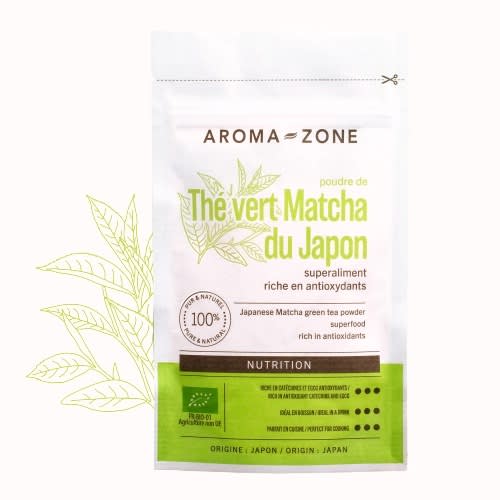
Focus on organic matcha green tea powder

Focus on organic matcha green tea powder

With its superb green colour and herbaceous, plant-based flavour, this Matcha green tea, originally from Japan, is enjoyed both as a wellness drink and in cooking, and is consumed for its many health benefits. Packed with powerful antioxidants such as catechins and EGCG, this tea – nicknamed ‘green gold’ – is renowned for preserving the skin’s beauty and preventing the effects of natural ageing. Rich in caffeine, Matcha tea is a invigorating and revitalising drink that is the ideal accompaniment to your slimming regimes. We have carefully selected this high-quality organic tea, which will work wonders in your favourite drinks, desserts and pastries!

Discover our Organic Matcha Green Tea Powder

Precautions for use

Drinking green tea or herbal teas rich in antioxidants forms part of a wellness regime and is not a substitute for a varied and balanced diet or medical supervision. If you have a known medical condition, are taking medication or have any doubts, it is best to seek advice from a healthcare professional before consuming them regularly. Furthermore, some caffeinated drinks may not be suitable for everyone.

Expert advice

Expert advice

If you’d like to incorporate green tea into your daily beauty routine, you can drink one or two cups a day. It’s generally recommended to drink it between meals, as the tannins it contains can reduce the absorption of plant-based iron when consumed with a meal.

Spotlight on Our Writer: Camille Clément

AdobeStock 1204111407

Camille specialises in writing content on the topics of beauty, health, and natural well-being. Passionate about these subjects, she writes articles for major media outlets to help everyone look after themselves in a natural and holistic way.

Bibliography

  1. Rinnerthaler, M., Bischof, J., Streubel, M. K., Trost, A., & Richter, K.

    (2015). Oxidative stress in ageing human skin. Biomolecules, 5(2), 545–589. pmc.ncbi.nlm.nih.gov/articles/PMC4496685/

  2. Cabrera, C., Artacho, R., & Giménez, R.

    (2006). Beneficial effects of green tea – A review. Journal of the American College of Nutrition, 25(2), 79–99. pubmed.ncbi.nlm.nih.gov/16582024/

  3. Katiyar, S. K.

    (2011). Green tea prevents non-melanoma skin cancer by enhancing DNA repair. Archives of Biochemistry and Biophysics, 508(2), 152–158. pubmed.ncbi.nlm.nih.gov/21094124/

  4. Yoon, J. Y., Kwon, H. H., Min, S. U., Thiboutot, D. M., & Suh, D. H.

    (2013). Epigallocatechin-3-gallate improves acne in humans by modulating intracellular molecular targets and inhibiting Propionibacterium acnes. Journal of Investigative Dermatology, 133(2), 429–440. pubmed.ncbi.nlm.nih.gov/23096708/

Frequently Asked Questions

Frequently Asked Questions