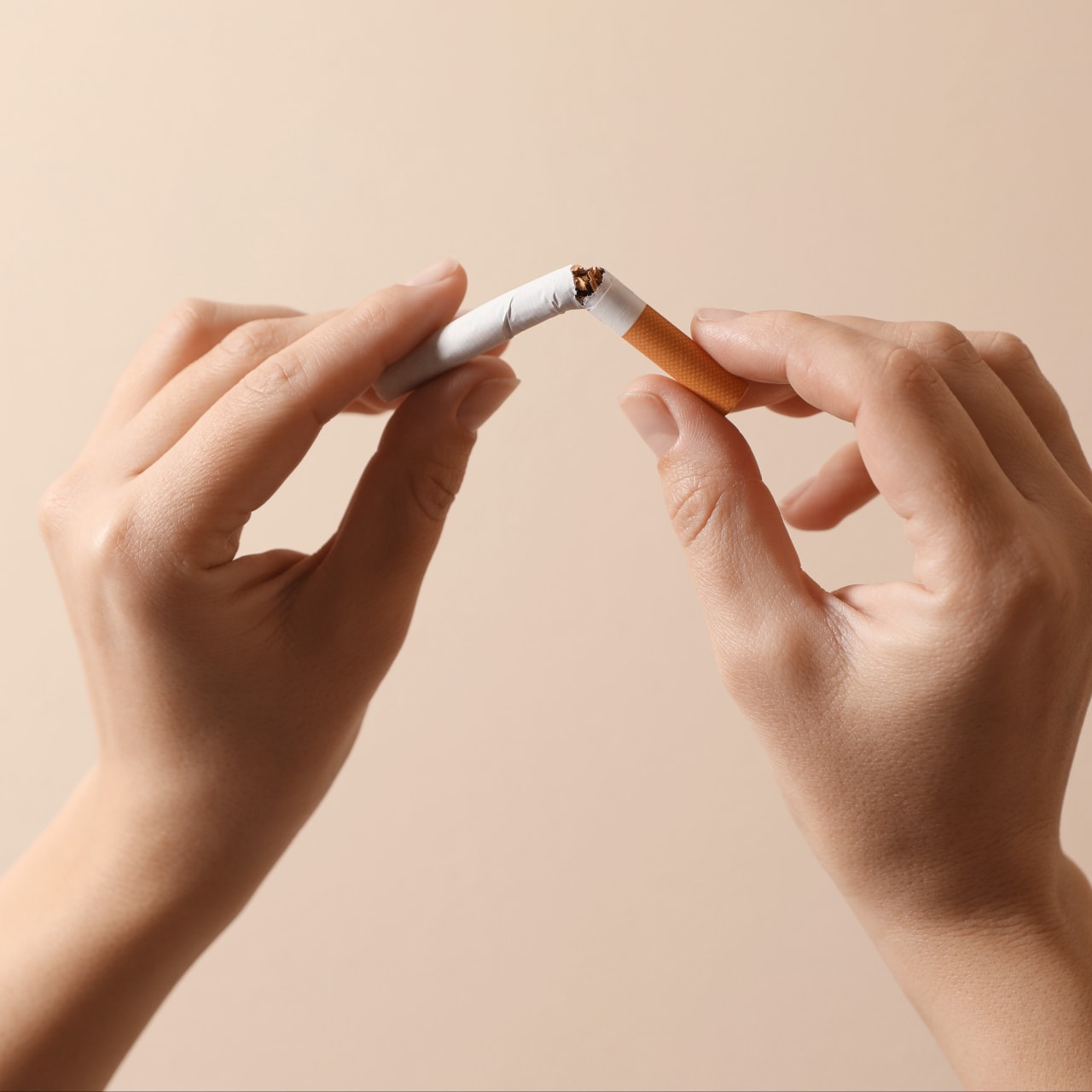
We all know that smoking is extremely harmful: it is the second leading cause of death worldwide and the leading cause of preventable death. Indeed, it increases the risk of developing numerous diseases and impairs quality of life:
Increased risk of cancer, particularly lung cancer, as well as cancers of the throat, mouth, lips, oesophagus, pancreas, kidneys, and bladder (1)
Increased risk of cardiovascular diseases, particularly when combined with the contraceptive pill, such as blood clots, heart attacks, strokes, etc.
Increased risk of respiratory disease, notably chronic obstructive pulmonary disease (COPD), which occurs in 85% of cases among smokers or former smokers (2)
Increased difficulty conceiving: reduced male fertility, longer time taken to conceive, increased risk of miscarriage and ectopic pregnancy, etc.
Reduced respiratory and cardiac capacity while exercising, yellowing of the fingers and teeth, accelerated skin ageing with the early appearance of wrinkles and a dull complexion, and bad breath
Smoking is not only dangerous for oneself, but also for others. Passive smoking increases the risk of developing tobacco-related conditions, particularly respiratory and cardiac conditions (a higher risk of asthma attacks and respiratory infections in children, and of lung cancer, heart attacks, and strokes in adults).
Despite the well-known risks, many people around the world continue to smoke, and many would like to quit. However, giving up smoking can be challenging because nicotine is highly addictive.