How to soothe a dry cough with essential oils?

How to soothe a dry cough with essential oils?


By The Aroma-Zone editorial team

Published on: Wednesday, August 03, 2022, Updated on: Thursday, October 08, 2026

Relieve dry coughs and get rid of coughing fits with the precious help of essential oils. As cough suppressants, antispasmodics and gentle anti-infectives, essential oils are real everyday allies in soothing sore throats, calming irritated mucous membranes and reducing dry coughs.

Follow our experts' advice and choose natural remedies to reduce the sensation of a scratchy throat and help you breathe healthily without discomfort.

Contents

In brief

  • Certain essential oils, such as Cypress, Red Myrtle or Ravintsara, may help provide temporary relief from a dry cough thanks to their soothing properties and their support for respiratory comfort.

  • They are mainly used by inhalation or massage, diluted in a carrier oil, while following the recommended dosages and specific precautions for each oil, particularly for children, pregnant or breastfeeding women and people with asthma.

  • The article reminds readers that essential oils are not a substitute for medical advice, especially if the cough persists, and that contraindications should always be checked before use.

What causes a dry or chronic cough?

A dry cough, also known as an irritation cough, is usually linked to inflammation of the windpipe (tracheitis). However, if this inflammation spreads down into the bronchi, it develops into bronchitis, which will be accompanied by a productive cough and which may be accompanied by other essential oils to soothe discomfort. A cough is therefore merely a symptom. A dry cough is generally caused by:

  • a respiratory infection (asthma, chronic bronchitis ...)

  • respiratory conditions ORL common cold, laryngitis, sinusitis....

  • certain conditions : heart conditions, digestive disorders...

  • to smoking

  • certain medicines

Whatever the cause, do not hesitate to consult a doctor if the cough persists.
Why use essential oils to treat coughs?

A dry cough, without phlegm, is a form of inflammation which, if not treated properly, can spread to the bronchi and cause bronchitis. Essential oils are recognised for being both antiviral (they disrupt the virus’s replication cycle), expectorant (they help clear mucus from the airways), decongestant (they clear the airways) and soothing. Some are even recognised as antispasmodic, enabling them to combat spasms in cases of bronchitis, for example. These are significant benefits, making essential oils the treatment of choice when a mild, non-serious dry cough occurs.

Top 5 essential oils to soothe dry coughs

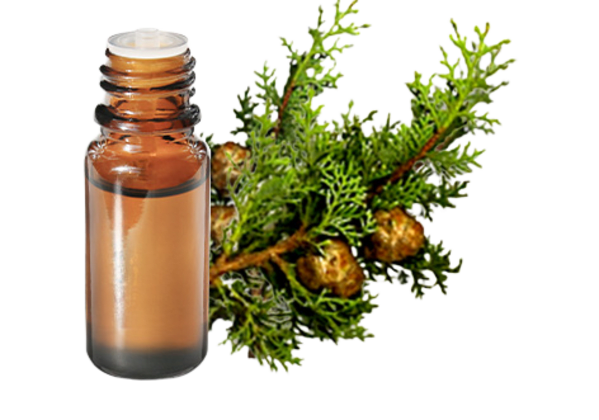
Evergreen Cypress essential oil

The cough suppressant: An undisputed go-to for dry coughs, evergreen cypress essential oil stimulates the mucus-producing glands and thereby regulating mucus production. This secreted mucus will “rehydrate” the airways, preventing them from drying out and reducing irritation, thereby significantly reducing a dry cough.

As an added bonus: As an antispasmodic, evergreen cypress essential oil soothes the muscle spasms responsible for coughing and reduces feelings of irritation.

Precautions for use of this essential oil: Do not use on pregnant or breastfeeding women, or on children. Do not use for prolonged periods without medical advice. Due to a possible oestrogen-like effect, it is not recommended in cases of mastosis or hormone-dependent cancer (breast, ovary, endometrium).

Discover Evergreen Cypress essential oil

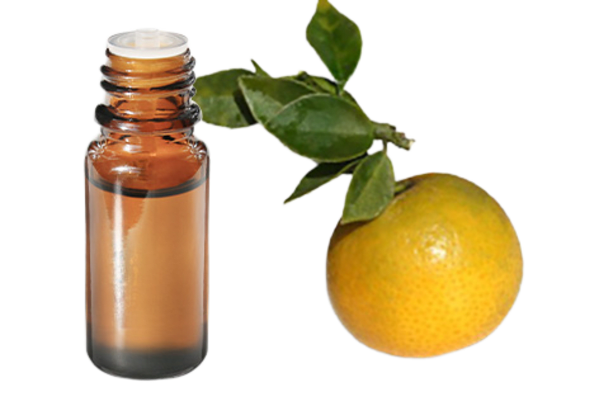
Organic Petitgrain Bigarade Essential Oil

The antispasmodic: Rich in terpene esters, Petitgrain Bigarade essential oil is renowned for its exceptional neuromuscular antispasmodic effects . Effective at relieving hiccups, it also acts on the nervous system and the muscles that surround the throat and reduces spasms and contractions.

As an added bonus: As an anti-inflammatory, Petitgrain bigarade essential oil soothes a persistent dry cough that irritates and inflames the respiratory tract.

Precautions for use with this essential oil: Not recommended during pregnancy, whilst breastfeeding, or for children under 6 years of age. Do not apply to mucous membranes.

Discover Petitgrain Bigarade essential oil

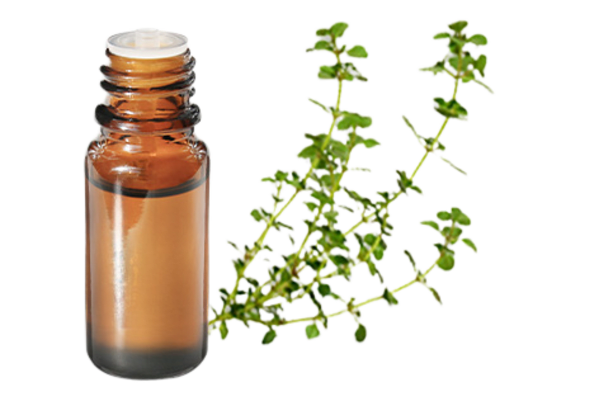
Organic Linalool Thyme Essential Oil

The gentle anti-infective: Anti-infective of choice, linalool thyme essential oil is ideal for combating a wide range of pathogens. Antibacterial and antiviral, linalool thyme essential oil is effective in combating infections that cause coughs.

As an added bonus: Useful in cases of a weakened immune system, linalool-rich thyme essential oil provides a boost and strengthens the body to help overcome dry, persistent coughs.

Precautions for use with this essential oil: Do not use during pregnancy or whilst breastfeeding, or on children under 6 years of age. Always use diluted on the skin.

Discover linalool thyme essential oil

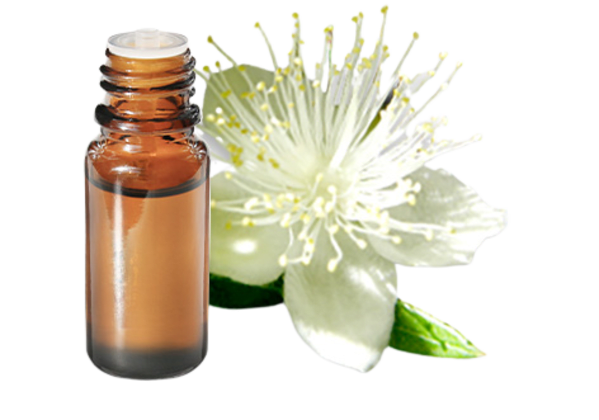
Red Myrtle essential oil

A muscle relaxant: Antispasmodic, red myrtle essential oil possesses both neurotropic properties (it initially acts on the nervous system, which it calms) and musculotropic properties (it promotes muscle relaxation to reduce spasms and contractions).

As an added bonus : Containing anti-inflammatory compounds, red myrtle essential oil is also useful for soothing inflammation of the respiratory tract.

Precautions for use with this essential oil: Not recommended for pregnant or breastfeeding women. Not recommended for children under 6 years of age

.Discover red myrtle essential oil

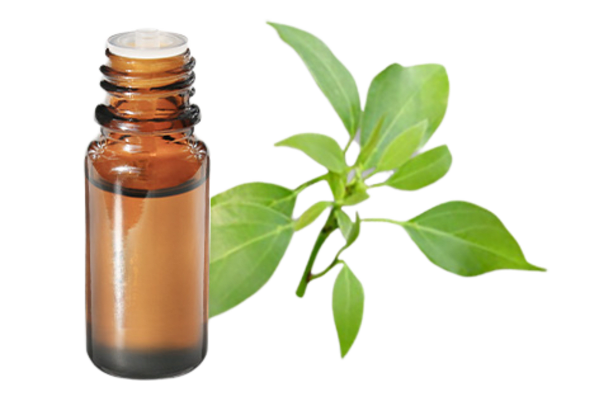
Ravintsara essential oil

Known for its anti-infectious, antiviral and expectorant properties, Ravintsara essential oil is ideal for combating a dry cough. It soothes inflammation of the mucous membranes, helps clear the airways and promotes sleep in cases of persistent coughing (particularly in the evening). To use it, simply warm a few drops in the palm of your hand, then rub it into the chest and upper back once a day.

Precautions for use of this essential oil: Ravintsara essential oil must not be used during the first three months of pregnancy, nor on children under 6 years of age (unless on medical advice). It is not recommended for people with asthma (particularly when inhaled or diffused). It is best used topically or via diffusion/inhalation; oral use is less suitable for this essential oil. Possible interactions with medication (due to its 1,8-cineole content, which has an inducing effect on certain enzymes): for this reason, do not use orally without medical advice whilst taking medication.

Discover Ravintsara essential oil

How can you stop a coughing fit?

Coughing fits are very often associated with a dry cough that persists and occurs in bouts, sometimes to the point of restricting breathing. To soothe this persistent dry cough, there are many natural methods you can try, in addition to those that harness the benefits of essential oils.

  1. Consider herbal teas and infusions made from hoary hawkweed, white mullein, liquorice or even thyme with antiseptic properties, ideal for cleansing the respiratory tract.

  2. Add a spoonful of honey to your soothing drink or let it melt in your mouth several times a day. Honey is ideal for a dry cough to soothe pain and irritation.

  3. Another particularly unusual remedy is chocolate, which, thanks to its theobromine content, is said to have an instant soothing effect on an irritating cough.

  4. Finally, do consider a course of bee products: rich in powerful antiseptic and anti-inflammatory active ingredients, propolis works wonders for respiratory infections and sore throats, whilst royal jelly, rich in vitamins and trace elements, is renowned for boosting the immune system.

My baby has a dry cough. What should I do?

A natural defence mechanism, a cough enables babies, just like adults, to defend themselves against germs and other infections. To prevent the condition from spreading to the bronchi, adopt some simple daily habits that will help your baby breathe easily:

  •  Air out their bedroom and keep the temperature at 19°C.

  • Also air the living areas of the house at least once a day for about 15 minutes. Make sure they drink water regularly to keep them hydrated and minimise throat irritation.

  •  Give them several small meals if the cough is causing them to lose their appetite.

  • If you smoke, please remember not to smoke in their presence.

  • Be sure to consult a doctor if your baby shows symptoms such as a fever, a loss of appetite, a cough that is getting worse, or difficulty breathing.

Precautions regarding essential oils

Essential oils are powerful natural concentrates. Please refer carefully to the intended uses and precautions for use on each product information sheet. Store them in a suitable glass bottle, away from light and air. Keep out of reach of children. Do not use on pregnant or breastfeeding women, or on children under 6 years of age. Avoid contact with the eyes and mucous membranes. Please consult the general safety information sheet for essential oils as well as the specific information sheet for each essential oil.

Expert advice

Maintaining a good immune system is essential for preventing coughs. Take a course of vitamin D, which is ideal for kick-starting the immune defence process. To get rid of dry or irritating coughs, think about reflexology: use your thumb to massage the curved area at the bottom of the toes under the foot to stimulate the reflex point corresponding to the lung area. To prevent night-time coughs, make sure the air in your bedroom is humid, especially in winter.

Aude Maillard, Doctor of Pharmacy, Aromatherapist, and Reflexologist.

Expert Aude Maillard

Aude Maillard, a practitioner and graduate in scientific aromatherapy, foot reflexology, and olfactotherapy, takes a comprehensive approach to essential oils, combining scientific and energetic perspectives. She is passionate about essential oils and eager to share her knowledge. Aude Maillard now leads aromatherapy workshops at Aroma-Zone and is also available for personalised consultations.

Bibliography

  1. Toux : mécanisme de survenue et causes ; Améli, Février 2025

  2. Horváth G, Ács K. Essential oils in the treatment of respiratory tract diseases highlighting their role in bacterial infections and their anti-inflammatory action: a review. Flavour Fragr J. 2015 Sep;30(5):331-341. doi: 10.1002/ffj.3252. Epub 2015 May 26. PMID: 32313366; PMCID: PMC7163989.

  3. Huiles essentielles : Mise en garde et précautions d'utilisation

    https://www.aroma-zone.com/public/pdf/GC019.pdf

Frequently Asked Questions

Frequently Asked Questions