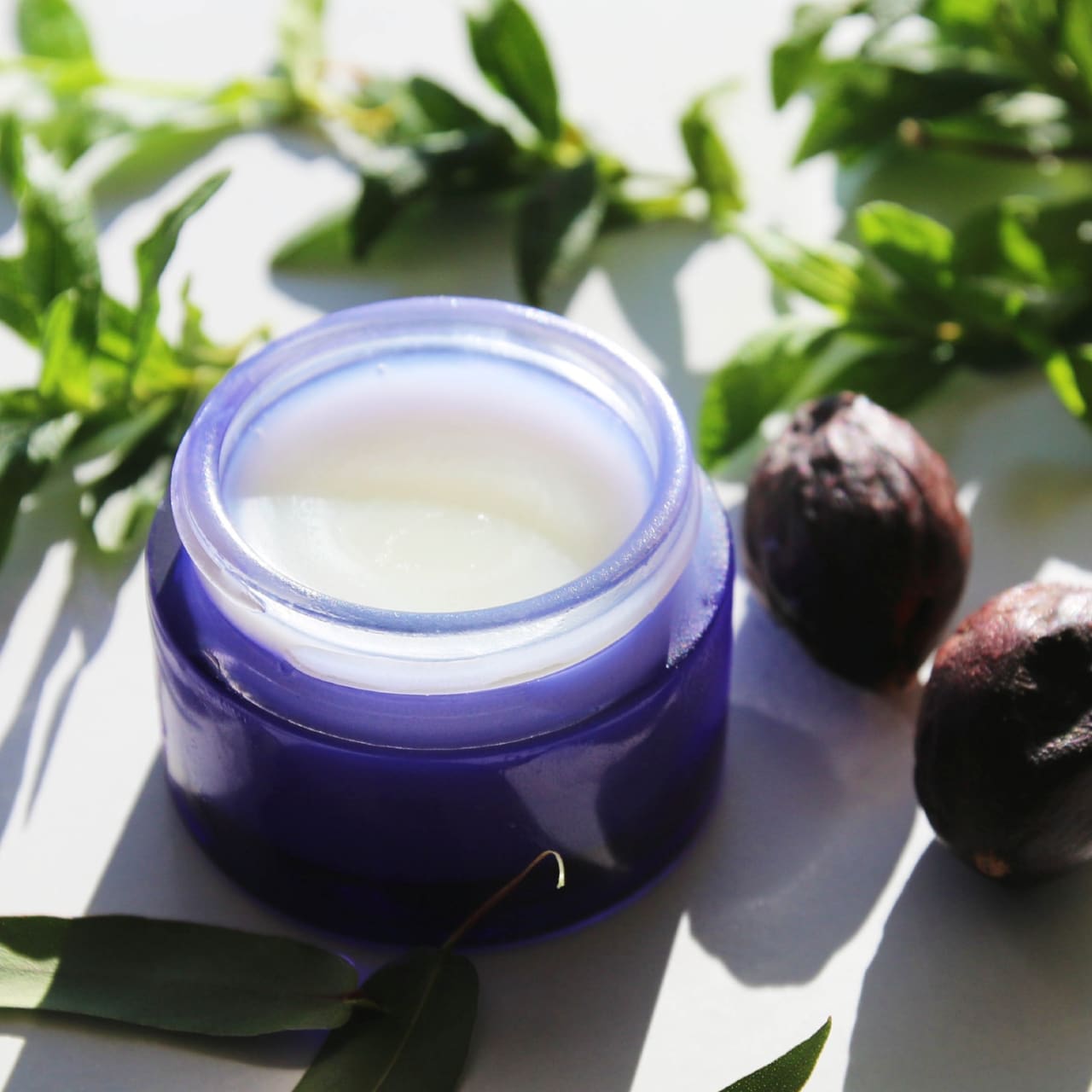
Which natural remedies should you choose to relieve sinusitis?

Which natural remedies should you choose to relieve sinusitis?


By The Aroma-Zone editorial team

Published on: Wednesday, August 03, 2022, Updated on: Thursday, September 24, 2026

Discover our experts’ simple and effective natural tips and aromatherapy recipes to provide natural relief from chronic sinusitis.

Contents

In brief

  • Acute sinusitis usually occurs following an ENT or dental infection and causes congestion, a runny nose, facial pressure, headaches, fever and fatigue. It often clears up within a few days, but can sometimes become chronic.

  • This article suggests several aromatherapy recipes using essential oils such as eucalyptus, ravintsara, tea tree, peppermint, rosemary and lavender to help relieve symptoms. Each use must comply with the technical data sheet for the relevant oil.

  • Essential oils are powerful concentrates: they are not recommended for pregnant or breastfeeding women, or for children under the age of 6. Avoid contact with the eyes and mucous membranes, store them correctly, and consult the specific precautions before use.

What is acute sinusitis?

Acute sinusitis most often occurs following an ENT infection (such as nasopharyngitis) or a dental infection (tooth decay or an abscess). It causes inflammation that blocks the passage between the sinuses and the nasal cavities. Mucus can no longer drain away and pressure in the sinuses builds up.

Depending on which sinuses are affected, symptoms may vary, but generally include:

  • nasal congestion, possibly accompanied by nasal secretions of varying thickness;

  • pain and a feeling of pressure, particularly in the area of the affected sinus, with the pain becoming more severe when bending the head forwards or during physical exertion

  • headaches, varying in intensity depending on the affected area

  • fever and fatigue

In most cases, sinusitis clears up within a few days, but it can sometimes become chronic.

What is chronic sinusitis?

We refer to chronic sinusitis when the inflammation lasts for more than three months. There are two main causes of chronic sinusitis: on the one hand, bacterial infections, and on the other, polyps. Chronic sinusitis can also be linked to a deviated nasal septum, an allergy (hay fever), pollution or smoking. The main symptoms are a feeling of a constantly blocked nose, a runny nose, headaches and sneezing. If there are polyps or a deviated nasal septum, surgical treatment may be necessary.

What should you do if you have sinusitis?

The first step is, of course, to speak to your GP, who will most likely refer you to an ear, nose and throat (ENT) specialist. Depending on the causes of your sinusitis, vasoconstrictor medication or a course of antibiotics may be prescribed.

In the case of chronic sinusitis, a visit to the dentist is essential to check the condition of your teeth and determine the causes of the sinusitis. Giving up smoking, following a dairy-free and gluten-free diet, and undergoing a liver detox may also help to resolve the sinusitis.

In the case of acute sinusitis, mucolytic, expectorant and decongestant essential oils are available to provide relief. Indeed, essential oils may be recommended for their antibacterial and antiviral properties. Their volatile molecules can penetrate the respiratory tract, clear blocked sinuses, relieve headaches and promote the drainage of secretions. Furthermore, certain essential oils, such as eucalyptus and peppermint, have a refreshing and soothing effect that can provide immediate relief.

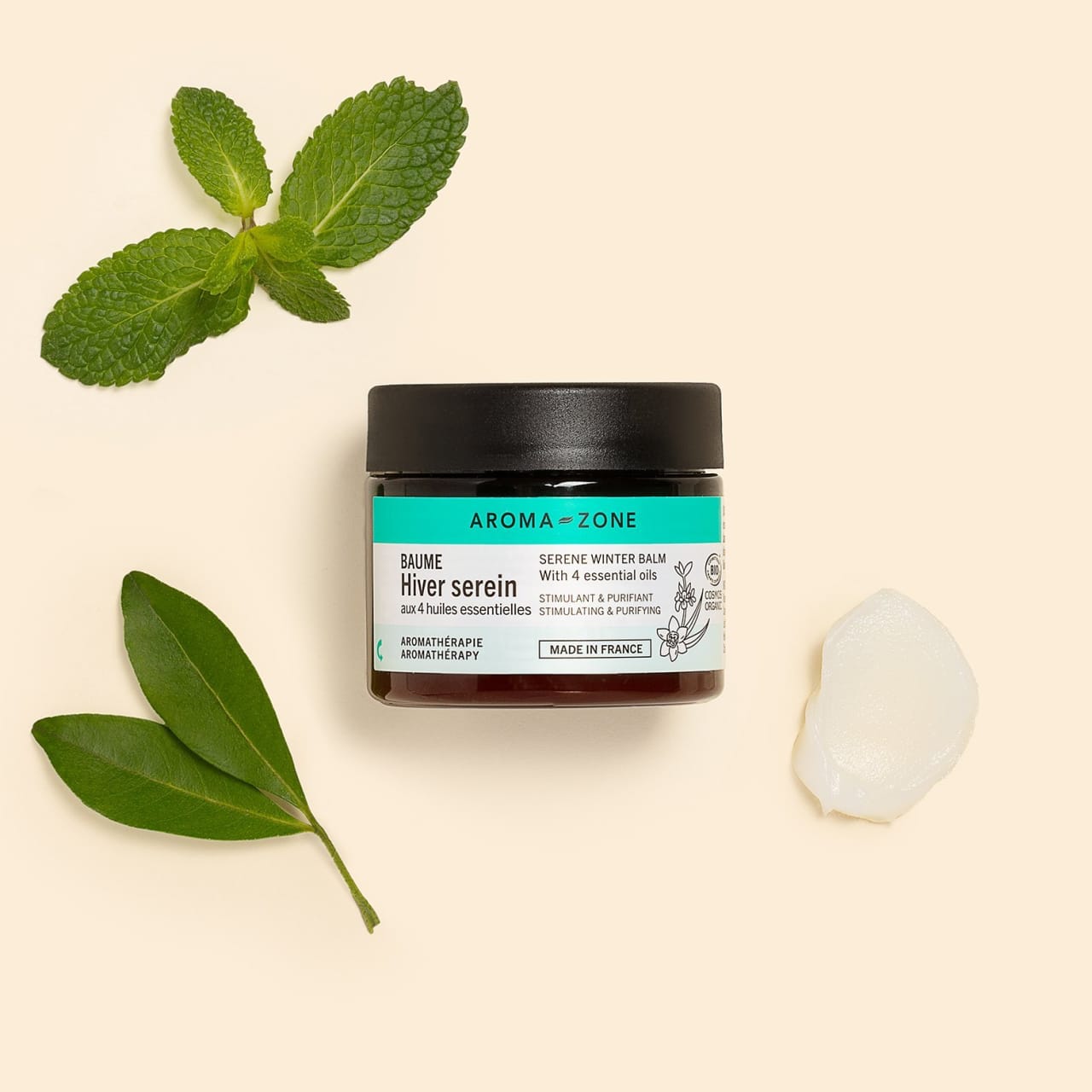
Practical tip: Apply 1 drop to the sinus area, taking care to avoid the eyes mentholated eucalyptus essential oil diluted in 1 drop of hazelnut vegetable oil.

Precautions: Do not use on pregnant or breastfeeding women, people with epilepsy or children under 6 years of age (due to its ketone content; these compounds present neurotoxic and abortifacient risks at high doses). Do not use for prolonged periods without consulting an aromatherapist. Internal use is restricted to therapists. Always dilute thoroughly for topical use. May cause allergic reactions. Keep out of reach of children.

Some examples of recipes to relieve your sinuses

Precautions regarding essential oils

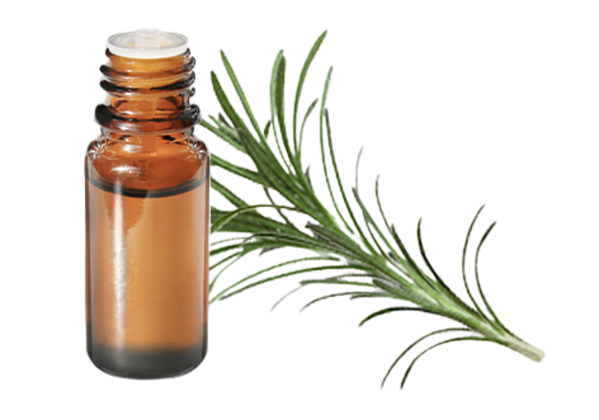
Rosemary cineole essential oil: Do not use during pregnancy or whilst breastfeeding, or on children under 6 years of age. Not recommended for people at risk of epilepsy. Not recommended for people with asthma (especially when inhaled or diffused). Prefer topical application or diffusion/inhalation; oral use is less suitable for this essential oil. May be irritating in high doses; always dilute thoroughly for topical application. Avoid overdosing and prolonged use. Keep out of reach of children. Avoid contact with the eyes.

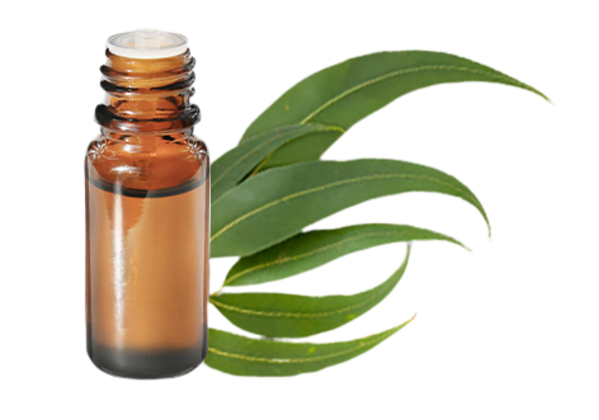
Eucalyptus radiata Essential Oil: Not recommended for pregnant or breastfeeding women, or for children under 6 years of age. Not recommended for people with asthma and/or epilepsy due to its high 1,8-cineole content (particularly when inhaled or diffused). Keep out of reach of children. Use primarily on the skin or via diffusion/inhalation. Possible interactions with medication (due to its 1,8-cineole content, which has an inducing effect on certain enzymes); do not take orally without medical advice whilst undergoing treatment with medication. Avoid contact with the eyes and mucous membranes. Always use diluted.

Precautions regarding essential oils

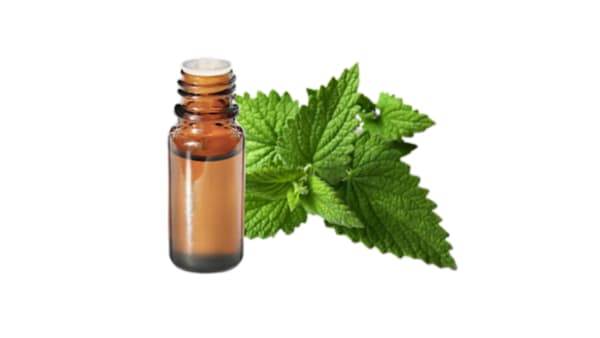
Mentha piperita (Peppermint) essential oil: Do not use during pregnancy or whilst breastfeeding, or on children under 6 years of age. May have a stimulating effect on ovarian function, and therefore a stimulating effect on oestrogen levels. Not recommended in cases of oestrogen-dependent conditions: mastosis, endometriosis, fibroids or oestrogen-dependent cancer (breast, ovary, endometrium). At high doses, may cause skin irritation. For internal use only in limited doses and for short periods, on the advice of a therapist. Avoid contact with the eyes and mucous membranes. Always use diluted.

Lavandula latifolia (Aspic Lavender) Essential Oil: Do not use in pregnant or breastfeeding women, in children under 6 years of age, or in people with epilepsy. For internal use in limited doses and for short periods only, on the advice of a therapist. Avoid contact with the eyes and mucous membranes. Always dilute for application to the skin.

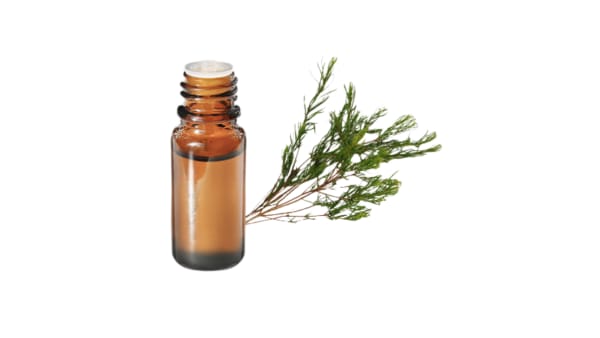
Melaleuca alternifolia (Tea Tree) Essential Oil: Do not use on pregnant or breastfeeding women or children under 6 years of age. Not recommended in cases of renal insufficiency. Always use diluted. Avoid contact with the eyes and mucous membranes.

Eucalyptus dives (Mentholated Eucalyptus) Essential Oil: Do not use on pregnant or breastfeeding women, people with epilepsy, or children under 6 years of age (due to its ketone content; these compounds present neurotoxic and abortifacient risks at high doses). Do not use for prolonged periods without consulting an aromatherapist. Internal use is restricted to therapists. Always dilute thoroughly for topical use. May cause allergic sensitisation. Keep out of reach of children.

Precautions regarding essential oils

Ravintsara Essential Oil: Not to be used by pregnant or breastfeeding women, or by children under 6 years of age. Not recommended for people with asthma (particularly when inhaled or diffused). Preferably use topically or via diffusion/inhalation; oral use is less suitable for this essential oil. Always use diluted. Possible interactions with medication (due to its 1,8-cineole content, which has an inducing effect on certain enzymes); do not use orally without medical advice whilst taking medication.

Precautions regarding essential oils

Lemongrass Essential Oil: Not to be used by pregnant or breastfeeding women, children under 6 years of age, or people with diabetes. Keep out of reach of children. Not for internal use. Avoid contact with the eyes and mucous membranes. Always dilute before applying to the skin.

Roman Chamomile Essential Oil: Not recommended for pregnant or breastfeeding women, or for children under 6 years of age. Internal use is restricted to therapists. Risk of drug interactions. Consult a healthcare professional if taking medication at the same time, particularly sleeping tablets. Avoid contact with the eyes and mucous membranes. Avoid exposure to the sun after application. Always use diluted.

Wild Marjoram Essential Oil: Not recommended during pregnancy, whilst breastfeeding, or for children under 6 years of age. Always use diluted on the skin. Keep out of reach of children. Avoid contact with the eyes.

True Lavender Essential Oil: Do not use on pregnant or breastfeeding women or on children under 6 years of age. For internal use only in limited doses and for short periods, on the advice of a therapist. Avoid contact with the eyes and mucous membranes. Always dilute for application to the skin.

Pine Essential Oil: Irritating when used undiluted. Must be heavily diluted for topical use. Not recommended during the first three months of pregnancy or for children under 6 years of age. May cause a ‘cortisone-like’ effect; this should be taken into account in the event of a related medical condition. Keep out of reach of children. Avoid contact with the eyes.

Eucalyptus radiata Essential Oil: Not recommended for pregnant or breastfeeding women, or for children under 6 years of age. Not recommended for people with asthma and/or epilepsy due to its high content of 1,8-cineole (particularly when inhaled or diffused). Keep out of reach of children. Use primarily on the skin or via diffusion/inhalation. Possible interactions with medicines (due to its 1,8-cineole content, which has an inducing effect on certain enzymes); do not take orally without medical advice whilst undergoing treatment with medication. Avoid contact with the eyes and mucous membranes. Always use diluted.
Precautions

Essential oils are powerful natural concentrates. Please refer carefully to the intended uses and precautions for use on each product information sheet. Store them in a suitable glass bottle, away from light and air. Keep out of reach of children. Do not use on pregnant or breastfeeding women, or on children under 6 years of age. Avoid contact with the eyes and mucous membranes. Please consult the general safety information sheet for essential oils as well as the specific information sheet for each essential oil.

Find out more about ENT care: ear, nose and throat

  • Respiratory allergies

  • Angina

  • Bronchitis

Bibliography

  1. Ameli: Consultation and treatment for acute sinusitis

    https://www.ameli.fr/assure/sante/themes/sinusite/consultation-traitement