
Inhalation for the common cold, also known as steam inhalation, is a traditional method that involves breathing in warm vapours to soothe the airways. It can be carried out using hot water on its own or enriched with herbs, herbal teas or essential oils, depending on your needs and the desired effects. During inhalation to treat a cold, the steam carries the active ingredients to the mucous membranes of the nose, throat and bronchi, helping to clear the airways and relieve congestion. The heat and moisture also help to thin mucus, soothe irritation and make breathing easier.
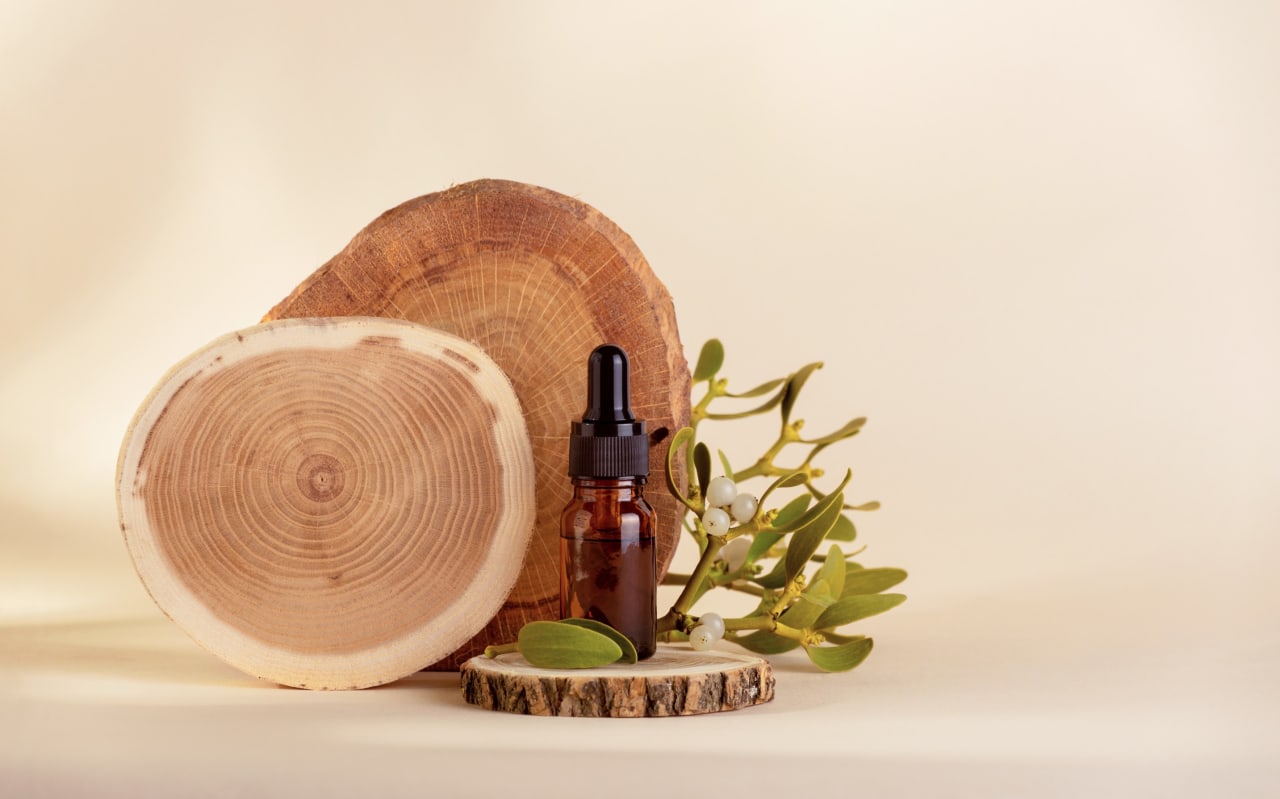
6 essential oil inhalation recipes for fighting colds
Published on: Thursday, March 23, 2023, Updated on: Wednesday, October 07, 2026
The common cold is a form of rhinovirus that causes an infection of the upper respiratory tract. If you sneeze, your throat is sore, your nose runs and your eyes turn red, these are the first symptoms of a cold. Then you may experience chills, a blocked nose, coughing, aches and pains and perhaps a headache. These symptoms generally last from 2 to 7 days. To relieve these symptoms and give yourself a moment of warmth with the scent of plants, we recommend inhalation. Traditionally used, inhalation is a tried and tested traditional remedy for the common cold. If you're looking for natural solutions to colds, read our dedicated guide.
Contents
In brief
Steam inhalation with plants can help relieve certain cold symptoms, particularly nasal congestion, by facilitating the clearance of mucus and providing a soothing effect on the respiratory tract.
The method involves adding a few drops of suitable essential oils, such as eucalyptus, tea tree, or ravintsara, to a bowl of hot water, then inhaling the steam for several minutes with a towel covering the head, while following the recommended precautions.
The article points out that steam inhalation is not suitable for young children or pregnant or breastfeeding women, and recommends choosing essential oils carefully to avoid adverse reactions.
What is an inhalation?
Good to know : Inhalation for the common cold is particularly effective at restoring a sense of comfort and reducing nasal discomfort. However, it is no substitute for advice from your GP.
Why use this method to treat a cold?
During a cold, the upper respiratory tract is often irritated and congested, leading to a general feeling of discomfort. Inhalation can provide gentle and immediate relief in the following situations:
For dry mucous membranes
The mucous membranes in the nose and throat can become dry due to the cold or congestion. Hot steam helps to rehydrate them, reducing discomfort and any tingling or burning sensation.
For nasal congestion
Nasal obstruction, or a feeling of a blocked nose, is one of the most bothersome symptoms of a cold. Inhaling warm steam helps to clear the nasal passages, thin the mucus and make it easier to breathe through the nose.
For a sore throat
When the throat is sore, swallowing can become uncomfortable. Inhaling gentle warm steam can reduce dryness and provide a soothing sensation.
For dry or productive coughs
A cough can be triggered by irritation of the airways. Warm steam, possibly enriched with essential oils, soothes the throat and helps clear the airways by thinning secretions.
For general discomfort
A cold often leads to a feeling of tiredness and general malaise. The inhalation ritual, with its warmth and aromas, can provide a moment of comfort and help you relax, thereby supporting your recovery.
What are the benefits of inhalation when you have a cold?
Inhalation offers numerous benefits when you have a cold. Discover how this practice can help you feel better gently:
Clearing the airways: the heat from the vapour helps to open up the nasal passages and airways, thereby clearing the sinuses and making it easier to breathe
Thinning secretions: water vapour helps to thin secretions and clear them away, which relieves the feeling of a blocked nose and reduces coughing
Moisturise the mucous membranes: hot water helps to rehydrate mucous membranes that have been irritated and dried out by a cold, thereby helping to protect them against infections
Supporting general well-being: the aroma of essential oils or herbal teas promotes a sense of well-being, relieves stress caused by the discomfort of a cold and encourages relaxation
Boosting the body’s natural defences: certain volatile active ingredients may help to slightly strengthen the local defence mechanisms of the respiratory tract, contributing to a gentler and faster recovery
Supporting general well-being: certain aromatic compounds found in essential oils or plants used for inhalation have a positive effect on inflammatory processes.
The best essential oils to inhale when you have a cold
If you have a cold, nothing can replace the advice of a doctor, especially if your symptoms persist or worsen. However, to provide gentle, complementary relief for your respiratory tract, certain essential oils suitable for colds can be used in inhalation to enhance the effects of steam. The ideal essential oils for inhalation when you have a cold are:
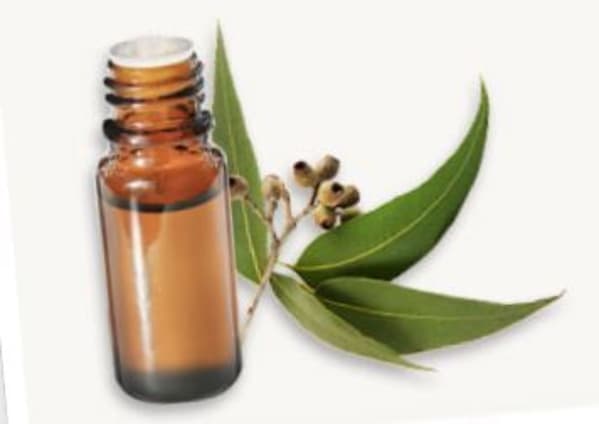
Organic Eucalyptus radiata essential oil
Refreshing, Eucalyptus radiata essential oil is traditionally used to clear the airways. With its purifying properties, Eucalyptus radiata essential oil helps you combat winter ailments.
Precautions : Please note that Eucalyptus radiata is not suitable for pregnant women, children under 6 years of age or breastfeeding women. It is not recommended for people with asthma when used via inhalation or diffusion, due to its eucalyptol (1,8-cineole) content. It is best used topically or via diffusion/inhalation; oral use is less suitable for this essential oil. However, if you do take it orally, interactions with medication are possible (due to its 1,8-cineole content, which has an inducing effect on certain enzymes). You should therefore not use this essential oil orally without medical advice whilst undergoing treatment with medication. For sensitive individuals, Eucalyptus globulus essential oil is gentler on the respiratory tract.
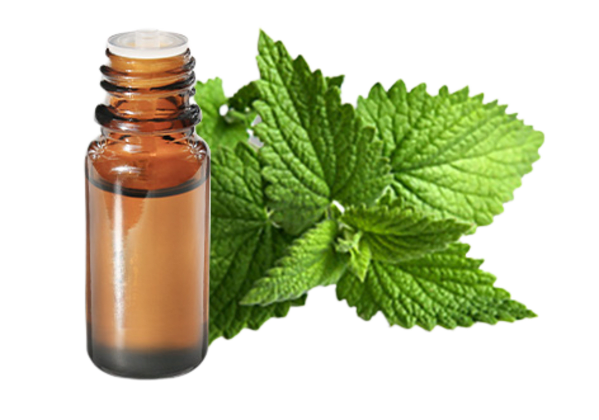
Organic peppermint essential oil
Peppermint essential oil stimulates and invigorates both body and mind. Thanks to its fresh, pleasant scent, peppermint essential oil is traditionally known to help combat nausea, travel sickness and headaches.
Precautions : Please note, it must be used with great caution: It is contraindicated for pregnant and breastfeeding women, people with epilepsy, children under 6 years of age and the elderly. It is strictly prohibited for use on infants under 30 months of age (toxicity through local contact: laryngeal or nasal reflex which may lead to respiratory arrest). It should be used only occasionally and in limited doses. Do not use for prolonged periods without consulting an aromatherapist. As it is irritating and has a powerful cooling effect, always dilute thoroughly; use at a maximum concentration of 30 per cent for topical application. Reserve for very localised use or highly diluted applications. Do not use in baths. For diffusion, it can be diluted with other milder essential oils (maximum concentration 15 per cent). Humid inhalation is not recommended (risk of suffocation). It may have a stimulating effect on ovarian function, which is why it is not recommended in cases of oestrogen-dependent conditions.
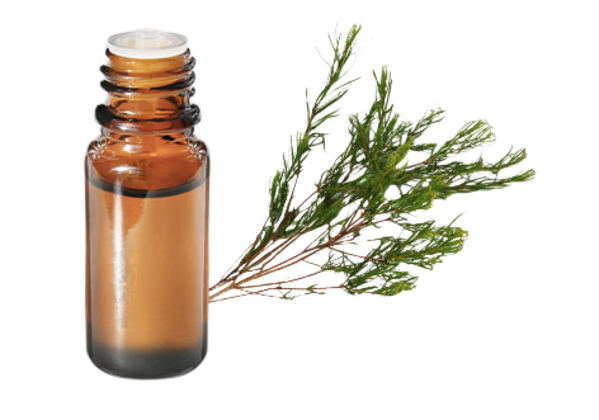
Organic tea tree essential oil
A broad-spectrum purifier and very gentle, tea tree essential oil is a staple of aromatherapy. Tea tree essential oil is recommended as a complementary treatment for minor winter ailments, particularly to provide natural relief from a sore throat.
Precautions : Please note that this oil is not recommended during pregnancy or whilst breastfeeding, or for children under 3 years of age.
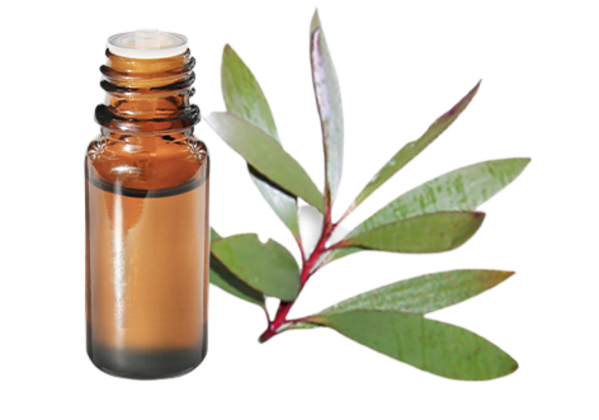
Organic Niaouli essential oil
An energising essential oil, Niaouli is known to boost the body’s natural defences. Used as a complementary treatment for winter infections, particularly sore throats, Niaouli essential oil reveals its purifying properties and helps clear the airways.
Precautions : Please note that this essential oil must not be used during pregnancy or whilst breastfeeding, nor on children under the age of 6. It must not be taken orally by children with a history of epilepsy or febrile convulsions. Due to its potential ‘oestrogen-like’ effect, this oil is not recommended in cases of mastosis or hormone-dependent cancers (breast, ovary, endometrium).
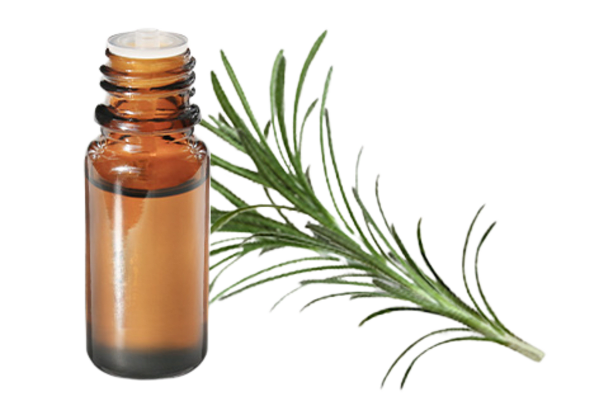
Organic Rosemary Cineole Essential Oil
With its invigorating properties, Rosemary Cineole essential oil is used to combat fatigue, overwork and lack of concentration. With its powerful aromatic scent, Rosemary Cineole essential oil is also renowned for its benefits during the winter months.
Precautions : Please note that Rosemary Cineole essential oil must not be used during pregnancy or whilst breastfeeding, nor on children under 6 years of age. It is also not recommended for people at risk of epilepsy or those with asthma (particularly when inhaled or diffused). It is best used topically or via diffusion/inhalation; oral use is less suitable for this essential oil. It may be irritating in high doses, so always dilute thoroughly before applying to the skin. Avoid overdosing and prolonged use.
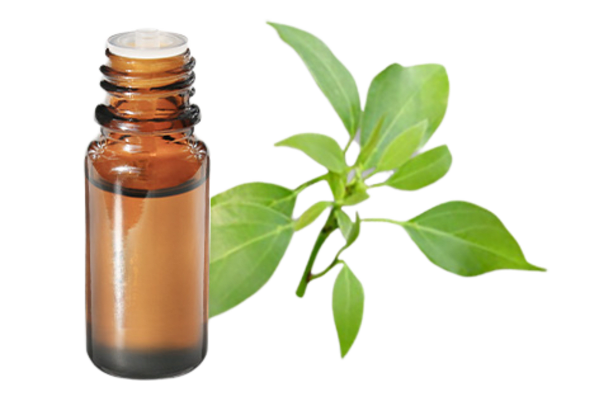
Organic Ravintsara (Ravintsare) essential oil
Ravintsara essential oil, meaning ‘good leaf’ in Malagasy, has many traditional uses. A key oil in aromatherapy, Ravintsara essential oil is widely used to help manage winter infections.
Precautions : Please note that Ravintsara must not be used during pregnancy or whilst breastfeeding, nor on children under 6 years of age (unless on medical advice). It is not recommended for people with asthma (particularly when inhaled or diffused). It is best used topically or via diffusion/inhalation; oral use is less suitable for this essential oil. Possible interactions with medication (due to its 1,8-cineole content, which has an inducing effect on certain enzymes): for this reason, do not use orally without medical advice whilst taking medication.
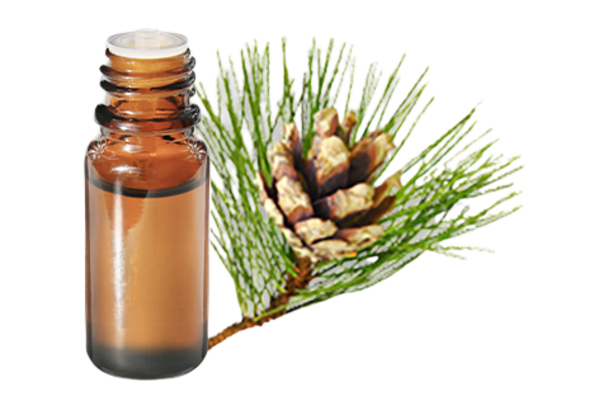
Organic Scots Pine essential oil
With its fresh scent of the forest and pine sap, Scots pine essential oil is wonderful for diffusing. Energising and invigorating, Scots pine essential oil revitalises the body and stimulates the mind.
Precautions : Please note, this essential oil is irritating when used undiluted. It must be heavily diluted for topical use. It is also not recommended during pregnancy, whilst breastfeeding, or for children under 6 years of age. Its potential ‘cortisol-like’ effect should be taken into account in the event of a related medical condition. Please discuss this with your doctor.
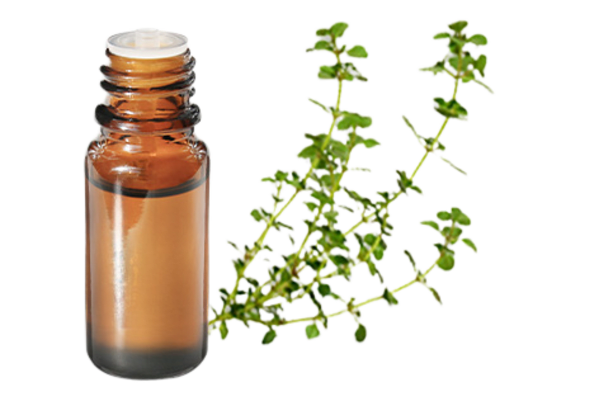
Organic Linalool Thyme Essential Oil
Very gentle, linalool thyme essential oil is recommended for skin problems. With its purifying properties, linalool thyme essential oil is renowned as a natural aid for winter infections, particularly sore throats.
Precautions : Although gentle, this essential oil must not be used during pregnancy or whilst breastfeeding, nor on children under the age of 6.
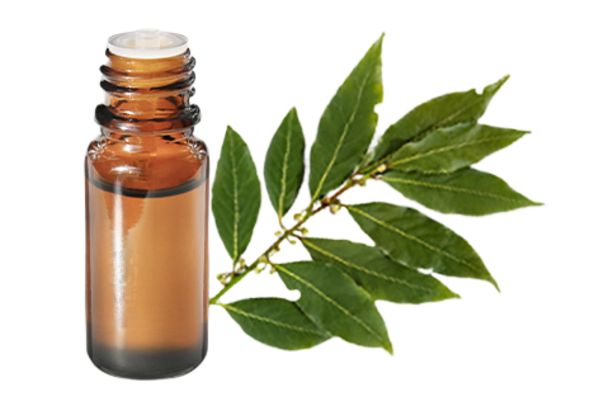
Organic Noble Laurel essential oil
With its purifying properties, organic Bay Laurel essential oil is used in skin and hair care. It is also ideal for oral care, particularly as a mouthwash. Bay Laurel essential oil is also known for its soothing properties when used to relieve joint discomfort.
Precautions : Please note that Bay Laurel essential oil must not be used during pregnancy or whilst breastfeeding, nor on children under the age of 6. Rare cases of allergies to noble laurel have been reported. As with all other essential oils, always carry out a patch test on the inside of your elbow at least 48 hours before use.
How do you carry out an inhalation to relieve a cold?
Wet inhalation is a simple and effective method for clearing the airways and relieving cold symptoms. It uses hot water vapour to diffuse essential oils or herbal infusions, allowing their active compounds to act directly on the nose and throat. This can be done using a dedicated inhaler or simply a bowl of hot water. Discover our step-by-step guide on how to do it properly:
Prepare your equipment: pour hot (not boiling) water into an inhaler or a bowl
Add the essential oils: add 5 drops of essential oils or a few leaves of a plant suited to your needs to the water
Position yourself correctly: bring your nose and mouth close to the steam, taking care not to burn yourself
Protect your head: if you’re using a bowl, place a towel over your head to trap the steam and prevent it from escaping
Breathe deeply: inhale the vapours for 5 to 10 minutes, with your eyes closed and your glasses or contact lenses removed
Adjust the distance: move your face slightly away or remove the towel if the heat becomes too intense.
Good to know: If you have a cold, you can use inhalation 1 to 3 times a day to relieve your symptoms, for a maximum of 4 to 5 days.
Warning : We do not recommend wet inhalation with peppermint essential oil (risk of suffocation). You should inhale directly from the bottle.
Precautions for use
Precautions
In the case of female hair loss, it is advisable to consult your GP to rule out any underlying medical causes. Furthermore, dietary supplements are only beneficial if they form part of a holistic approach, including, in particular, a balanced diet and a healthy lifestyle.
Essential oils are powerful natural concentrates. Please refer carefully to the intended uses and precautions for use on each product information sheet. Store them in a suitable glass bottle, away from light and air. Keep out of reach of children. Do not use during pregnancy or whilst breastfeeding, or on children under 6 years of age. Avoid contact with the eyes and mucous membranes. Please consult the general information sheet on precautions relating to essential oils as well as the specific information sheet for each essential oil.
Expert advice
When a cold sets in, take the time to listen to your body and choose an inhalation treatment suited to your sensitivity: it’s often this little ritual that makes all the difference. Opt for essential oils or mild herbs if you’re just starting out, and always follow the recommended dosages to enjoy their benefits without irritating your mucous membranes. Finally, if your symptoms persist or worsen, never hesitate to seek advice from a healthcare professional: treating yourself with natural methods also means ensuring you have the right support.
Focus on our Naturopathic editor, Stéphanie Catrysse

Stéphanie Catrysse is a naturopath (FENA-certified), a practitioner of well-being massage and lymphatic drainage and a personal development consultant.
Passionate about alternative medicine, she takes a holistic approach to health.
Bibliography

Frequently Asked Questions
Associated recipe
Associated tips
Aromatherapy advice

Dietary supplements


