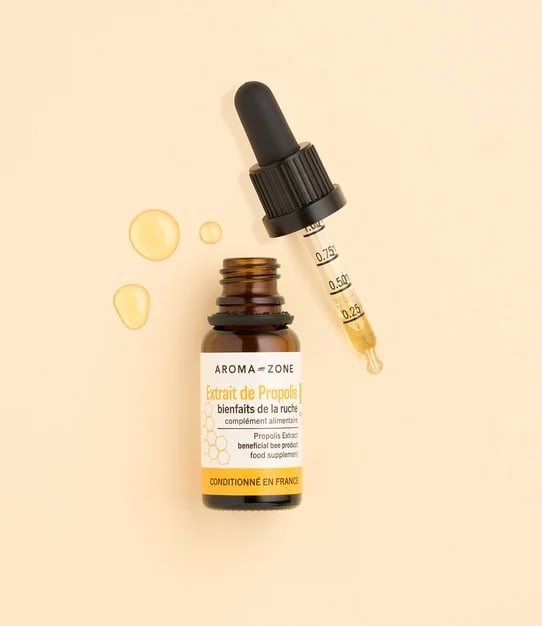
Propolis: what is it?

Sore throats, runny noses, tickly throats, passing colds. Propolis is one of the most widely used remedies for soothing winter ailments, but it has additional benefits. Where does propolis come from and how is it made? Why consume it and in what proportion?

Find out all you need to know about propolis and its health benefits.

Reading time: 0 min.

What is propolis?

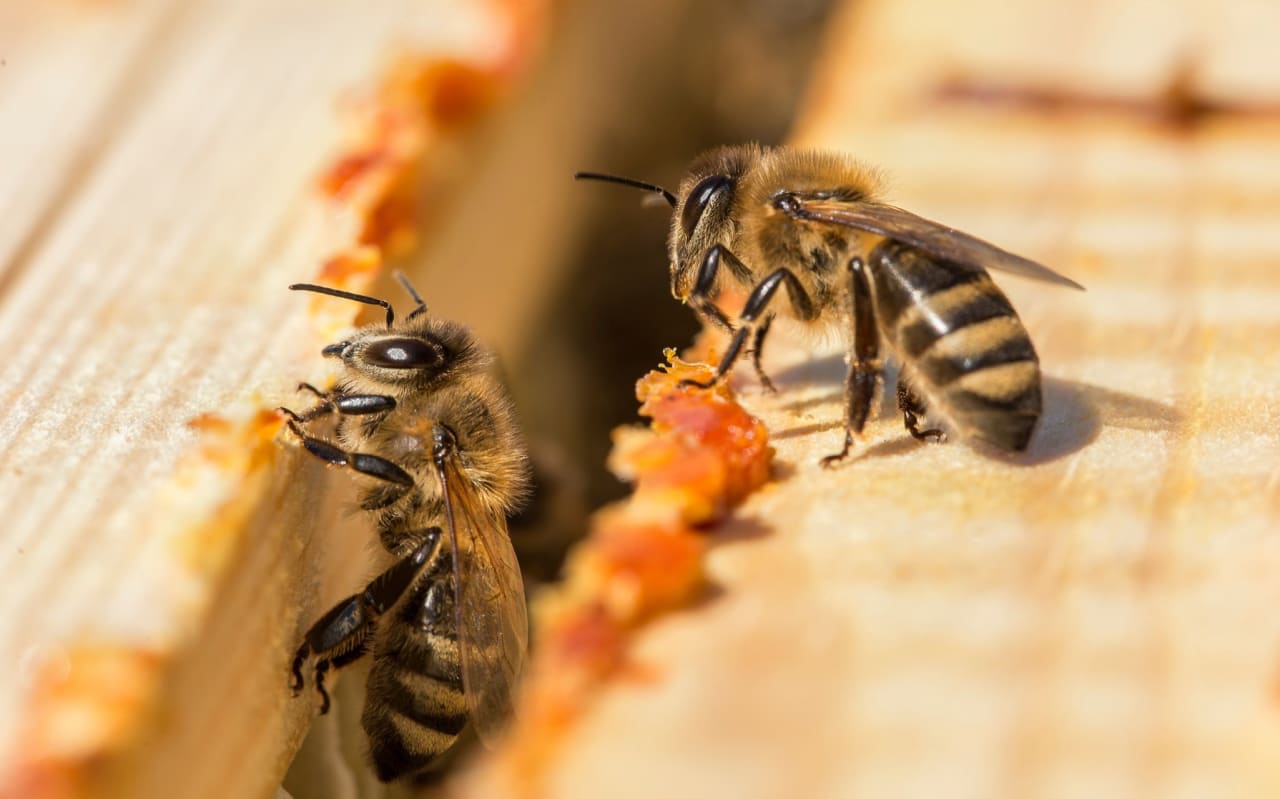
Pure propolis is a resinous substance produced in the buds of trees to protect them from attack by fungi, bacteria and viruses. Bees harvest this resin, then transform it into propolis to line every nook and cranny of their habitat. The bees use it to seal the hive against humidity and draughts, and to repair the hive by plugging holes and cracks. It is also used to embalm certain predators so that they do not putrefy, and to sanitise the inside of the hive to prevent the spread of microbes and viruses.

The beekeeper collects the propolis from the bees, either by scraping the frames of the hive or by placing screens on top of the frames of the supers. The screens are then scraped off, while the nets are rolled up and put in the fridge to harden and make it easier to extract.

A Propolis for everyone

There are several varieties of propolis, each with specific properties depending on the season, the climate, the geographical environment and the composition of the plants foraged by the bees:

  • Green propolis: originating in the state of Paraná in Brazil, it comes mainly from the leaves of the Rosemary plant (Baccharis dracunculifolia). It has antioxidant, antiseptic, antiparasitic, anti-inflammatory and antiviral properties. Rich in antioxidants, it speeds up sports recovery and is the most effective on gastrointestinal and urinary disorders, as it strengthens the intestinal flora.

  • Brown propolis: produced mainly in Europe, particularly in Eastern Europe, it comes mainly from poplar buds, but can also be harvested from trees such as birch, willow, pine, fir, ash, etc. Healing and anti-fungal, it relieves digestive problems and skin irritations such as psoriasis, eczema and cuts. Thanks to its anti-inflammatory properties, brown propolis protects joints, making them more supple and comfortable, especially in cases of osteoarthritis.

  • Yellow propolis: extracted on a bed of clay or oil, it is ideal for prevention or for protecting the body. It is effective in rebalancing the digestive system and fighting bacterial infections.

  • Red propolis: the rarest and purest. Produced in the mangrove regions of Brazil, this propolis relieves menopausal problems such as hot flushes, vaginal dryness and osteoporosis thanks to its high phyto-oestrogen content.

  • Black propolis: antibacterial and antifungal, it has a very high concentration of active ingredients. It is therefore the propolis of choice for combating viruses and bacteria.

  • White propolis: extracted without alcohol, it is the gentlest and most suitable for use by people with sensitivites including sensitive skin and mucous membranes, by children and during pregnancy.

Why use propolis?

Propolis is a 100% natural plant substance packed with micronutrients and antioxidants, making it an ideal ally for treating a wide range of ailments. Anti-infectious, antiviral, a natural antibiotic and a powerful antioxidant, its properties can be used to tackle a wide range of problems:

  • Bodies impacted by a difficult environment, stress, preparation for a sporting competition, etc.

  • Seasonal hypersensitivity: sore throat, runny nose, sneezing, respiratory congestion, temporary tiredness

  • Hypersensitivity to pollen, dust, animal hair and house dust mites

  • Skin or hair irritations.

Composition of Propolis

It depends on the geographical area, the environment and the plants growing there. All propolis is different, and its composition varies according to the local botany. Propolis contains no fewer than 300 different components.

However, there are 5 key elements in its composition: 50-55% resins and balsams, 30% wax and fatty acids, 10% mix of essential oils, 5% pollen and 5% organic elements. These include flavonoids such as polyphenol, quercetin, galandin, caffeic and ferulic acid.

There are also minerals and trace elements such as iron, calcium, zinc, copper, magnesium, manganese and vitamins (A, C and B group vitamins).

What are the benefits of propolis?

The therapeutic properties of propolis have been recognised for thousands of years. What are its properties and when should it be used?

How is Propolis used?

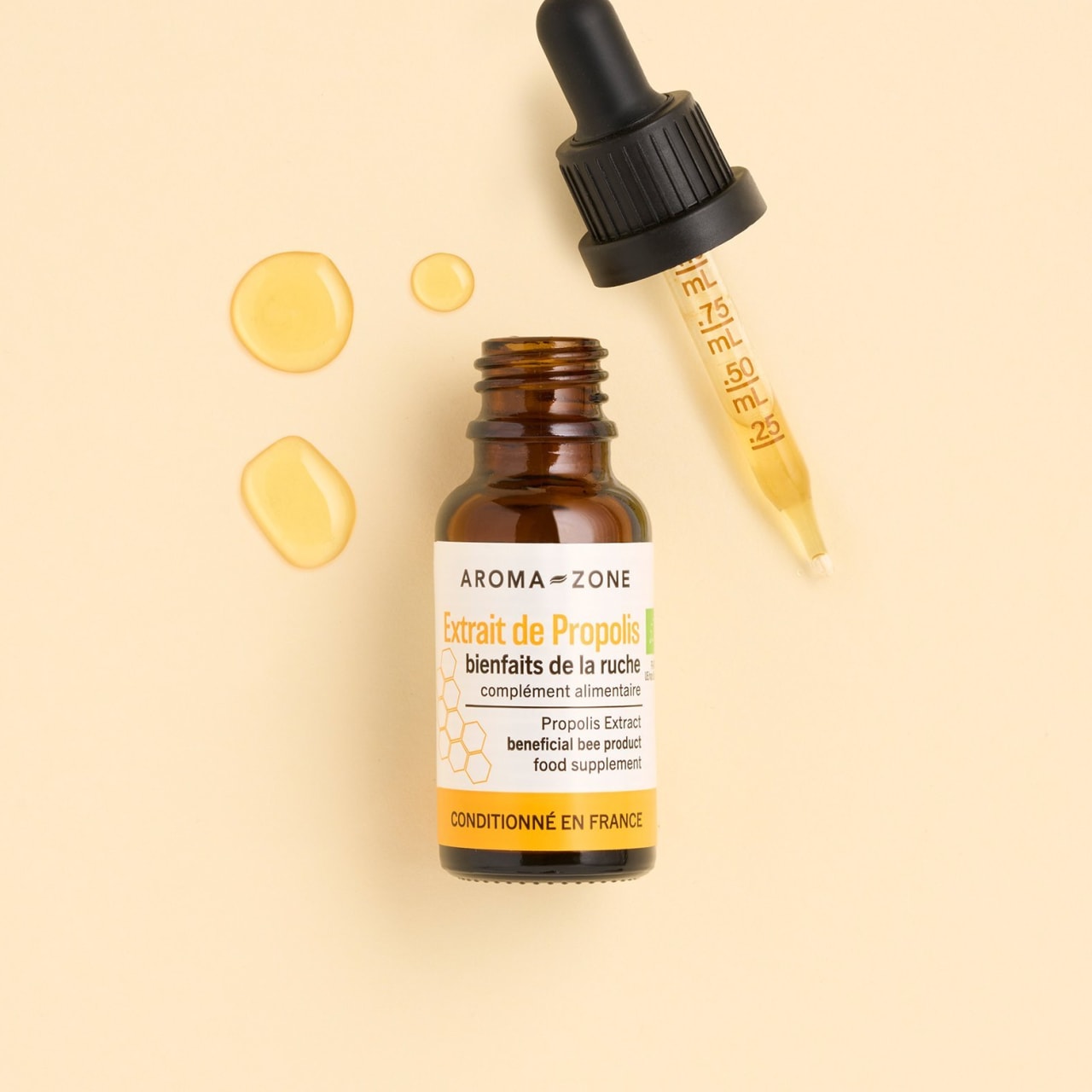
Propolis can be taken in a variety of forms: as a liquid, spray, capsule, syrup, gum or chew.

What is the difference between white and black Propolis?

Black propolis is highly concentrated and is macerated in brandy, which extracts the most powerful active ingredients. Powerful, it is used in small doses. It is mainly used for winter ailments.

White propolis is an aqueous extract obtained by maceration with spring water. Produced mainly in France and Europe, it contains less honey and pollen than black propolis. More suited to skin problems, it is very effective on irritated or damaged skin and is highly recommended for bites, itching or atopic dermatitis.

Incorporating propolis into your well-being routine: our advice

Start by choosing the form that suits you best, whether it's a capsule, syrup, liquid or spray. Follow the recommended dosage according to your needs. As part of your wellbeing routine, you can use it for:

  • Skincare: Use propolis locally to soothe skin irritations and burns, and to promote cell regeneration. Combine it with products such as Aloe vera gel to enhance its effects. In a face cream, it will help fight the signs of ageing and blemishes.

  • Adding a few drops of propolis to your shea butter or avocado oil-based lip balm will have a nourishing effect on chapped skin.

  • In a lotion to soothe itching or tingling after waxing.

  • Oral hygiene: Add a few drops of propolis to your oral hygiene routine. It can be used as a rinse or gargle to relieve sore throats and protect your gums.

  • In shampoo form, propolis has an anti-dandruff effect, limits excessive sebum production in the case of greasy hair and cleanses your roots and ends.

  • Asa seasonal cure: Consider seasonal cures, especially at the change of season, to boost your immune system and prevent winter infections.

What is the difference between Propolis and Royal Jelly?