
Guide to essential oils

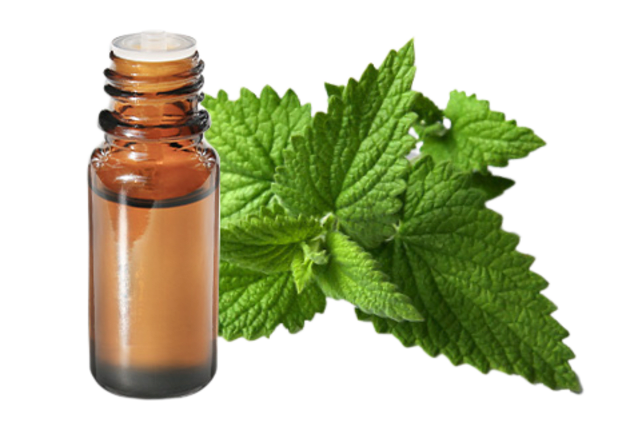
Essential oil of Peppermint

Peppermint essential oil stimulates and invigorates body and mind. Thanks to its fresh, pleasant scent, peppermint essential oil is traditionally known for helping to combat nausea, motion sickness and headaches. A cooling agent, peppermint essential oil can also be used to relieve itching.

How to use

  • Skin application and massage

    Skin application and massage

    Appropriate

  • Diffusion

    Diffusion

    Appropriate

  • Cosmetic active ingredient

    Cosmetic active ingredient

    Possible but not recommended

  • Aromatherapy bath

    Aromatherapy bath

  • Food grade

    Food grade

    Suitable

Features

Properties and uses

Precautions

Find out more

Features

Production process

Complete steam distillation

Part of the plant used

Aerial parts

Botanical name

Mentha x piperita Franco-Mitcham

Warning

The properties, information and methods of use below are quotes from reference books or websites on aromatherapy, hydrolatherapy and phytotherapy. This general information is provided for informative purposes only and in no way constitutes medical guidance. Under no circumstances can this information be used as a substitute for a medical diagnosis, consultation or follow-up, nor can it incur our liability. We recommend that you consult the guide to essential oils before using them, so that you are aware of any precautions that need to be taken. If in doubt, consult a doctor before using essential oils.

Properties and uses

Peppermint essential oil is traditionally used for: Bruises, blows, bumps, haematomas and vomiting, nausea

Health

Wellness

Kitchen

Find out more

Properties

Peppermint essential oil is renowned for the following health benefits:

  • Tonic and stimulant for the digestive, pancreatic and nervous systems.

  • Anaesthetic and analgesic, calms itching.

  • Refreshing

  • Anticatarrhal, expectorant, mucolytic

  • Nasal decongestant, clears the respiratory tract

  • Promotes healthy liver and prostate function

  • Studies prove its bactericidal and fungicidal qualities

  • Intestinal and urinary anti-inflammatory

  • Emmenagogue, promotes menstruation

Uses

It is traditionally used to improve the following conditions:

  • Hepatopancreatic insufficiency

  • Indigestion, dyspepsia, nausea, vomiting, flatulence

  • Motion sickness, vertigo

  • Neuralgia, arthritis, rheumatism, tendonitis, migraines, headaches

  • Shingles, herpes, viral neuritis

  • Rhinitis, sinusitis, ear infections

  • Urogenital tract discomfort

Synergies

  • Refreshing compositions for diffusing: Lavender, cypress, rosewood, and rosemary essential oils,, etc.

  • Congested nose: Ravintsara essential oil, etc. .

  • Itch-prone skin: Blue tansy essential oil, etc.

  • Digestive comfort: Wild cumin essential oil, etc.

In practice

Joint comfort: Mix into your oil blend. Apply your mixture locally, massaging lightly into the area concerned (very powerful cooling effect).

Headaches: Mix with your oil blend. Apply your mixture locally, massaging lightly into the temples (very powerful cooling effect).

To freshen the atmosphere: Use as an air diffuser, in synergy with other essential oils.

Precautions

  • Prohibited for pregnant and breastfeeding women, epileptics, children under 6 and the elderly.

  • STRICTLY FORBIDDEN FOR CHILDREN UNDER 30 MONTHS OF AGE (toxicity due to local contact: laryngeal or nasal reflex which may lead to respiratory arrest).

  • For occasional use in limited doses. Do not use for prolonged periods without the advice of an aromatherapist.

  • Irritant and powerful cooling effect: always dilute well, using no more than 30% for skin application. For very localised or diluted use only. Do not use in baths.

  • For diffusion, dilute with other milder essential oils (15% maximum).

  • Avoid contact with the eyes, do not apply too close to the eyes. Wash hands thoroughly after use.

  • May have a stimulating effect on ovarian function, not recommended in cases of oestrogen-dependent pathologies.

  • Keep out of reach of children.

  • Certain natural compounds contained in this essential oil may present a risk of allergy for certain sensitive individuals when the essential oil is incorporated into a cosmetic composition (in accordance with the 7th Amendment of the European Cosmetics Directive (2003/15/EC)): limonene, linalool.

  • As a general rule, always test your product, in the crease of the elbow, at least 48 hours before using it.

Find out more

Peppermint is a perennial botanical plant belonging to the Lamiaceae family. There are several species in the mint family, and therefore several different scents. This mint has a strong , cool scent. This plant, which can grow up to 50 cm tall, is primarily aromatic and medicinal. In fact, it is the mint most commonly used in phytotherapy. Its dark green leaves turn reddish in the sun. They contain an essential oil composed mainly of menthol. Dried leaves were found in the Egyptian pyramids, testifying to the plant's use in ancient times.

Equivalents

Essential Oils

1 ml = approximately 35 drops (with our Aroma-Zone dropper caps)

Carrier oils

1 pump (Aroma-Zone aluminium pump) = approx. 0.15 ml

Mass / Volume conversion (for a liquid)

Mass (g) = Density x Volume (ml) at 20°C

Further information

1 full teaspoon = between 3 and 4.5 ml

1 full tablespoon = between 7.5 and 10 ml


However, these spoon ratios depend on a number of factors (e.g. viscosity of the liquid, temperature, depth and size of the spoon, rheological behaviour of the liquid), and we strongly advise you to use precise measuring equipment, such as graduated test tubes, graduated pipettes, and precision scales.

Aromatherapy recipes from the bibliography

EO = Essential Oil VO = Vegetable Oil or Oily macerated oil

Lassi Vata - Drink to reduce Vata (aerophagia, constipation) (L. Bosson)

Kitchen

Lassis are yoghurt-based drinks that accompany Indian and ayurvedic dishes. They are highly recommended for vata and pitta constitutions.

  • Orange blossom hydrosol: 1 teaspoon

  • Roman chamomile hydrosol: 1 teaspoon

  • Peppermint hydrosol: 1 teaspoon

  • Non-carbonated water: 0.5 litre

  • Plain yoghurt: 500 ml

  • Maple syrup: 1 tablespoon

Directions: Mix the hydrosols with the maple syrup and water. Blend with the yoghurt. Serve garnished with mint leaves.

Pea soup with peppermint essential oil (750g.com)

Kitchen

  • 1 l chicken stock

  • 300 g frozen peas

  • 5 stalks celery

  • 50 g butter

  • 4 drops peppermint essential oil

  • Olive carrier oil

Directions: Bring the chicken stock to the boil, add the peas and chopped celery. Blend with the butter.

Strain through a fine sieve and check the seasoning. Dilute the peppermint essential oil in the olive carrier oil, add to the soup and serve.

Bibliography

1

'Huiles essentielles - 2000 ans de découvertes aromathérapeutiques pour une médecine d'avenir'

Dominique Baudoux

2

'The Practice Of Aromatherapy'

Dr Jean Valnet - Éditions Maloine

3

'L'aromathérapie exactement'

P. Franchomme and Dr D. Pénoël

4

'La bible de l'aromathérapie'

Nerys Purchon

5

'L'ABC des huiles essentielles'

Dr Telphon

6

"Aromatherapy" by Nelly Grosjean

7

'Les huiles essentielles pour votre santé' by G. Roulier

8

'Les cahiers pratiques de l'aromathérapie française - Pédiatrie' by Dominique Baudoux

9

Aroma-News newsletters from the NARD association

10

'Aromatherapy: Healing with Essential Oils' by Dominique Baudoux

11