Essential oils for colds, runny noses and blocked noses: which ones to choose?

Discover natural solutions for colds, blocked noses and runny noses. Dive into our guide to effective, soothing aromatic advice. Explore the benefits of essential oils for optimum comfort all season long.

By The Aroma-Zone editorial team

Reading time: +4 min.

Why are essential oils used to treat blocked noses and colds?

Why are essential oils used to treat blocked noses and colds?

As part of a healthy and balanced lifestyle, certain natural remedies such as essential oils can be good companions if you have a cold. There are several reasons why you might decide to use essential oils for colds:

If you have a stuffy nose

When you have a cold, certain essential oils have a lively scent that can help you feel like you can breathe more freely. They are often used in diffusion or inhalation to create a fresh atmosphere when your nose is congested.

If you have a runny nose

When you have a cold, aromatic scents can help make the atmosphere more pleasant when nasal discharge becomes bothersome. By soothing the environment, they bring greater comfort during episodes of runny nose typical of colds.

If you are tired

A feeling of heaviness and general lethargy can accompany a cold. Certain essential oils with invigorating or revitalising scents are often chosen to create a more stimulating atmosphere, ideal in winter for a natural boost.

If you have a sore throat

Certain essences are used in diffusion or diluted in aromatic massage to provide a soothing or warming sensation in the throat, creating a welcome moment of relaxation.
Which essential oils can provide relief if you have a cold?

Discover our selection of essential oils to support you and promote your well-being when you have a cold:

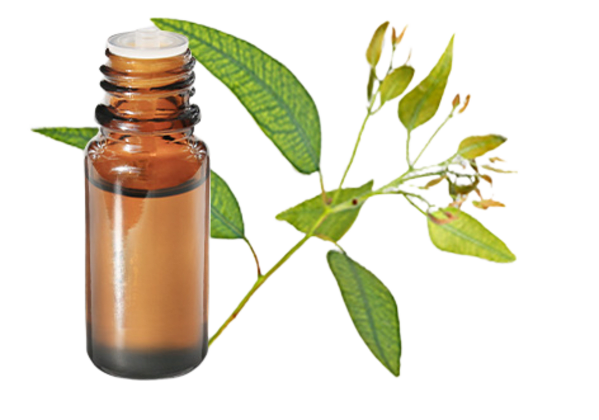
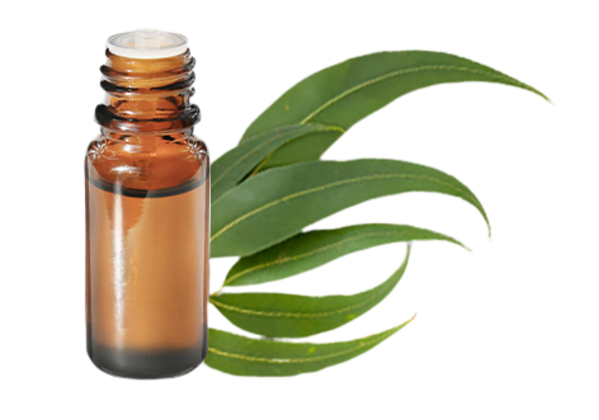
Eucalyptus radiata essential oil

Refreshing by nature, organic Eucalyptus radiata essential oil is traditionally used to promote healthy breathing, a welcome benefit when winter brings its share of stuffy or irritated noses. Its invigorating and energising scent also makes it an ally for reviving the spirit on days when a cold disrupts your comfort. Certified organic and wild-harvested, this essential oil is 100% pure, natural, and complete, meeting HEBBD criteria for impeccable quality. It is not recommended during the first three months of pregnancy, while breastfeeding, or for children under 6 years of age, unless advised by a doctor. Its 1.8-cineole content also makes it unsuitable for people with asthma when inhaled or diffused. Although gentler on the respiratory tract than Eucalyptus globulus, it should still be kept out of the reach of children and applied avoiding contact with the eyes.

Discover Eucalyptus radiata essential oil

Ravintsara essential oil

Traditionally known in Madagascar as the "good leaf," Ravintsara essential oil has established itself as one of the leading essences of winter. Widely used to treat winter infections, it is appreciated for its calming properties, which promote peaceful sleep and help manage nervousness when colds tire the body. This essential oil is 100% pure, natural, and complete, certified organic by Ecocert. It is not recommended during the first three months of pregnancy or for children under 6 years of age, unless advised by a doctor, and should not be used by people with asthma, particularly when inhaled or diffused. It is preferable to use it diluted on the skin, in diffusion or inhalation, as oral use is less appropriate. Due to its 1.8-cineole content, it may interact with certain treatments: any oral use in conjunction with medication therefore requires prior medical advice.

Discover Ravintsara essential oil

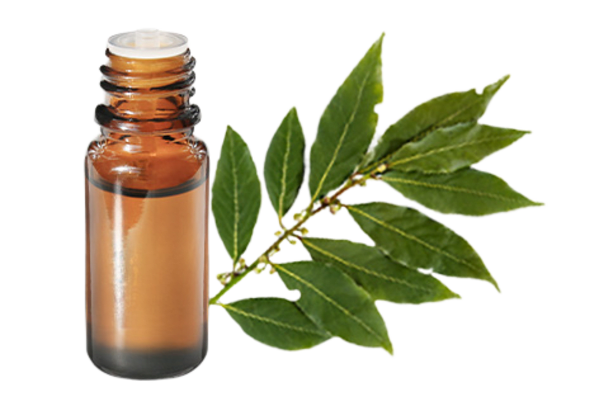
Organic Laurel essential oil

Purifying, organic laurel essential oil can be incorporated into your winter routines to promote respiratory comfort and support your little wellness rituals during the cold season. It can be used in gentle preparations to fragrance the air, or in daily rituals such as oral care, providing a feeling of freshness and cleanliness. Its ability to promote a soothing and invigorating atmosphere can also help maintain emotional balance when winter seems long and you feel tired. In aromatherapy, its stimulating scent encourages movement and energy, helping you feel more invigorated every day. Laurel essential oil should not be used during the first three months of pregnancy or on children under 6 years of age. Although rare, allergic reactions have been reported. It is therefore recommended to systematically perform a skin test in the crook of the elbow for each preparation containing this oil, at least 48 hours before use.

Discover organic noble laurel essential oil

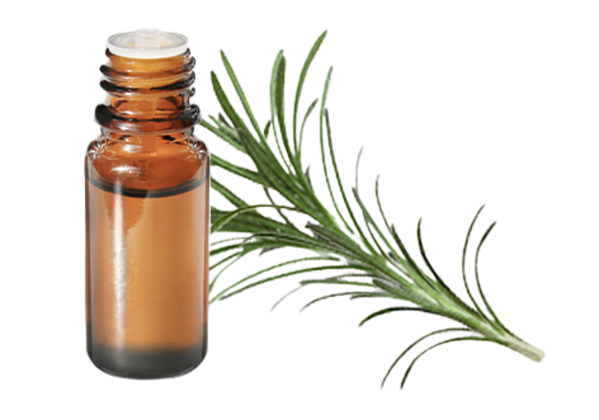
Rosemary Cineole essential oil

Organic Rosemary Cineole is known for its invigorating and revitalizing qualities, making it a valuable companion during wintertime ailments such as colds. Its stimulating scent can help when you're feeling tired or unfocused, bringing a sense of energy and clarity. Purifying and balancing, this essential oil can easily be incorporated into your winter rituals, either diffused or diluted and applied to the skin, to enjoy its fresh and invigorating aromas and enhance the comfort of your environment during the cold season. This oil is not suitable for children under 6 years of age, pregnant or breastfeeding women, or people at risk of epilepsy or asthma, especially when diffused or inhaled. Topical application or diffusion remain the most appropriate methods of use, while oral use is not recommended. In high doses, this essential oil can be irritating: it is therefore essential to dilute it well for any topical application and to avoid overdoses or prolonged use.

Discover Rosemary Cineole essential oil

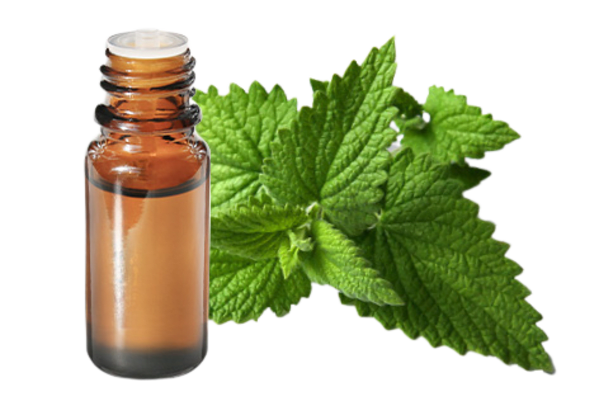
Peppermint essential oil

Organic peppermint essential oil is known for its stimulating and invigorating effect, ideal for providing a feeling of energy when a cold weighs down the body and mind. Cooling and tonic, it can be used to provide a feeling of freshness and clearer breathing, especially when the nose is congested or feeling stuffy. This essential oil can easily be used in inhalations, diluted massages on the chest or around the sinuses (at the recommended dilution), or in winter aromatherapy preparations, allowing you to enjoy its lively and refreshing scent while remaining within the scope of traditional uses. Please note that this essential oil is prohibited for pregnant and breastfeeding women, people with epilepsy, children under 6 years of age, and the elderly. It is strictly prohibited for infants under 30 months of age (toxicity through local contact: laryngeal or nasal reflex that can lead to respiratory arrest). It should be used occasionally and in limited doses. Do not use for prolonged periods without consulting an aromatherapist. It is irritating and also has a powerful cooling effect: always dilute well, use at a maximum of 30% for skin application. Reserve for very localised or very diluted use. Do not use in baths. When diffused, it can be diluted in other milder essential oils (maximum dosage 15%). It can have a stimulating effect on ovarian function, which is why it is not recommended in cases of estrogen-dependent pathology.

Discover Peppermint essential oil

Mentholated Eucalyptus Essential Oil

Prized for its fresh and invigorating scent, organic eucalyptus menthol essential oil offers an interesting alternative to eucalyptus oils rich in 1.8-cineole. Gentler for people who are sensitive to this compound, it can easily be incorporated into winter routines to promote easier breathing, especially when the nose feels congested. Its menthol aroma, invigorating without being harsh, is often associated with a feeling of clarity and freshness, ideal for times when you feel tired from a cold. Traditionally used in diluted skin application or diffusion, this essential oil should be avoided by pregnant or breastfeeding women, people with epilepsy, and children under 6 years of age. Possible allergic sensitisation.

Discover Eucalyptus Menthol Essential Oil

How to use essential oils for a runny nose?

When you have a cold, essential oils can be incorporated into your comfort routine in different ways, depending on your preferences and your body's tolerance:

  1. Inhalation: Essential oils can be diffused into the air or used in wet inhalation to enjoy their fresh and invigorating scent. This method is ideal for clearing the respiratory tract and creating a pleasant atmosphere at home.

  2. Through the skin : you can apply certain essential oils diluted in a vegetable oil to the chest, wrists, or back. The concentration should never exceed 5% maximum, and it is essential to check contraindications and precautions before each use to ensure safe use. To do so, feel free to consult our Essential Oils Guide as well as our file How to Use Essential Oils?

Our essential oil-based products that can be useful for colds

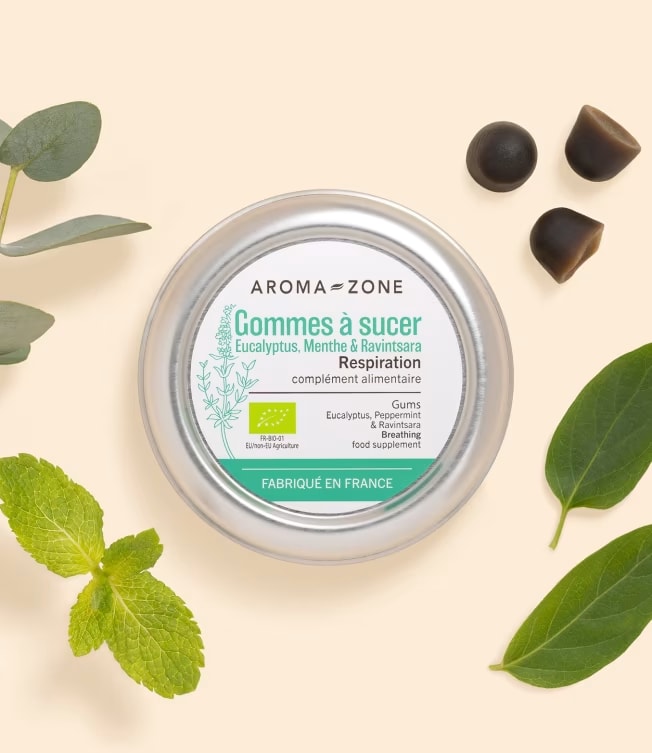
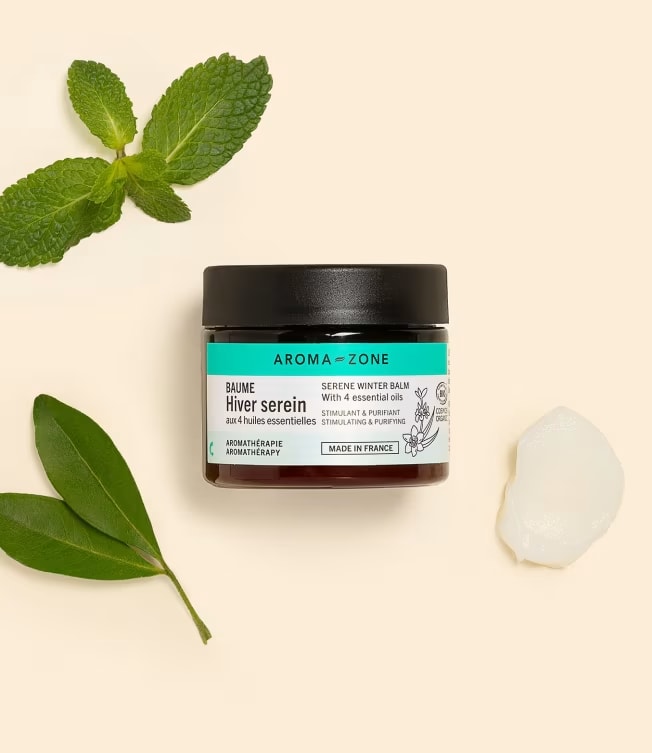
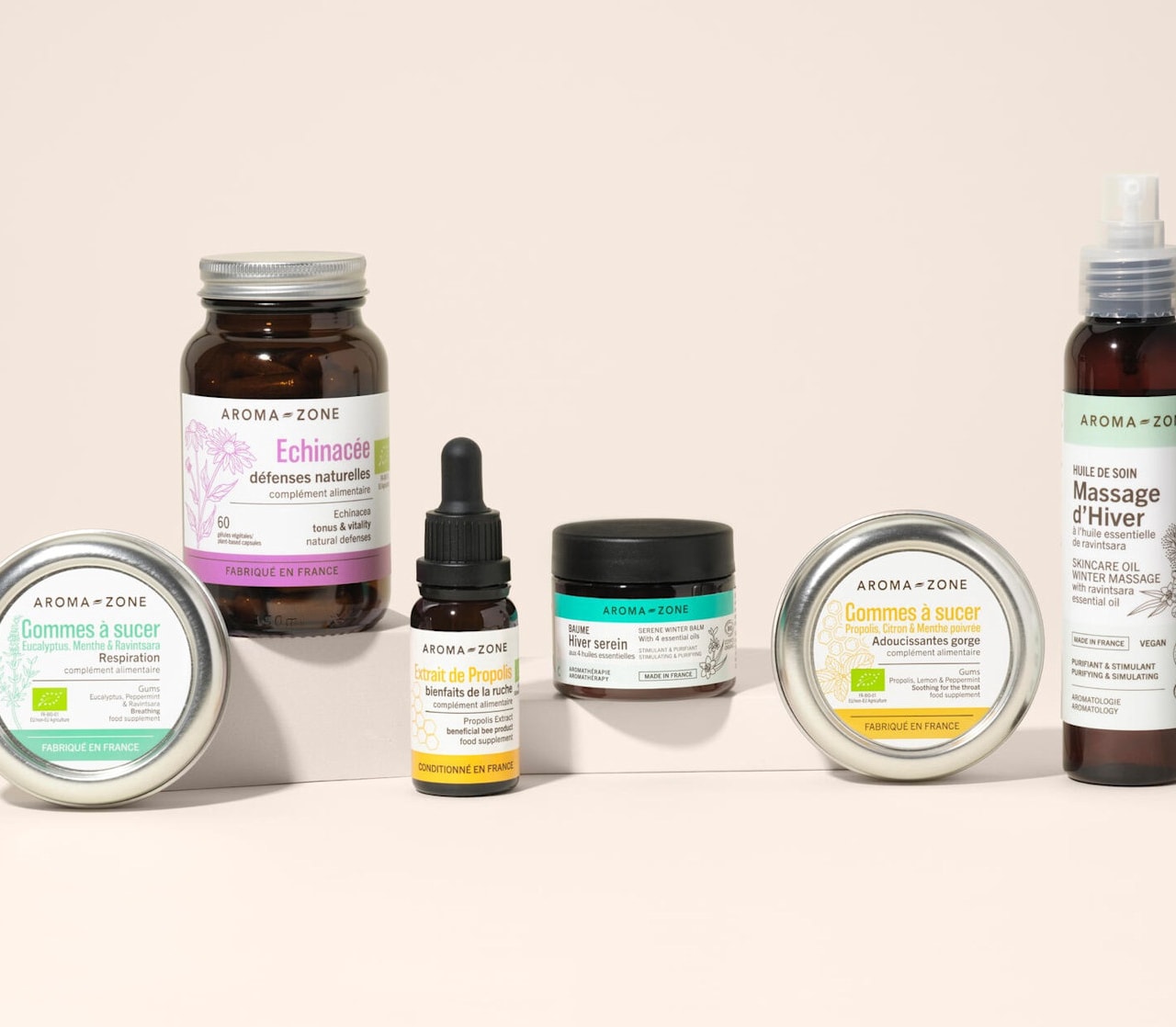
Discover our selection of special winter products to help you fight colds with the benefits of essential oils:

It is important to consume these gummies as part of a varied diet and a balanced lifestyle, without exceeding the recommended daily serving. They are not recommended for pregnant or breastfeeding women, children under 12, or people with cross-allergies, particularly to the Lamiaceae family. Medical advice is necessary in cases of severe renal insufficiency, bile duct obstruction, gastroesophageal reflux, or hepatopancreatic disorders. They should not be used in cases of anti-epileptic treatment, a history of seizures, epilepsy, or neurological problems, and there is a risk of drug interactions when taken simultaneously with other treatments. Prolonged use is not recommended.

This chest balm is not suitable for pregnant women, children under 6 years of age, or people with epilepsy, asthma, allergies, or a tendency to convulsions. It should only be applied to the skin, strictly avoiding the mucous membranes and the eye area, as it contains camphor, menthol, and eucalyptol.

What can be done to prevent the onset of a cold?

Nasopharyngitis, also known as the common cold, is a common viral infection that affects the upper respiratory tract. To avoid catching this virus and strengthen your immune system, follow these tips and natural remedies:

  1. Eat a balanced diet: A diet rich in fruits, vegetables, and fresh foods will provide your body with the essential nutrients it needs to strengthen its immune system. Prioritise foods rich in vitamins C, D, and zinc, which play a crucial role in defending against viral infections.

  2. Stay hydrated: Make sure you stay well hydrated by drinking plenty of water throughout the day. Fluids help keep the nasal mucous membranes moist, which can prevent respiratory infections.

  3. Practice good hand hygiene: Regular hand washing with soap and water reduces the risk of spreading viruses. Be sure to wash your hands before meals, after using the bathroom, and after coming into contact with potentially contaminated surfaces

  4. Avoid close contact with sick people: If you are in contact with someone who has symptoms of nasopharyngitis, try to maintain a reasonable distance and avoid close physical contact to reduce the risk of transmitting the virus

By following these tips and incorporating natural remedies into your daily routine, you can strengthen your immune system and reduce your risk of contracting nasopharyngitis during the winter season.

Precautions

The advice provided in this article is for informational purposes only and does not replace the recommendations of your doctor. It is essential to read the precautions for use of essential oils before using them and refer to the contraindications for each essential oil in our Essential Oils Guide.

Expert advice

When a cold sets in, we first think of natural remedies to restore comfort, and these are indeed valuable. But let's not forget that rest remains one of the body's best allies. Allow yourself real breaks, even short ones, to let your body recover. A calm atmosphere, regular hydration, and more generous and restorative sleep often allow your natural defense system to function at its best. Essential oils can accompany these moments of relaxation, but it is a gentler pace that will make all the difference.

Learn more

Which essential oil decongests the nose?

Eucalyptus radiata or mentholated eucalyptus are traditionally chosen to help with congestion. Their invigorating scents provide a feeling of easier breathing and welcome comfort during the winter months.

How to use tea tree oil for colds?

Tea tree essential oil can be used as part of your winter routine thanks to its cleansing properties. To fully benefit from its traditional uses against the discomfort of colds, it is best used in a diffuser or applied to the skin after being properly diluted.

What is the best essential oil for colds?

There is no "best" oil for everyone when it comes to colds, as each oil has a specific scent profile and uses. Eucalyptus radiata, ravintsara, and noble laurel are among the options often favoured in aromatherapy for their historical place in winter rituals, but the choice depends mainly on your preferences and sensitivity.

Bibliography

1

Tisserand, R., Young, R. (2014).

Essential oil safety: A guide for health care professionals (2nd ed.). Churchill Livingstone

2

Caballero-Gallardo, K., Quintero-Rincón, P., Olivero-Verbel, J. (2025). Aromatherapy and essential oils: Holistic strategies in complementary and alternative medicine for integral wellbeing. PubMed.

3

Smith, A., & Matthews, O. (2022). Aromatic ointments for the common cold: What does the science say?