
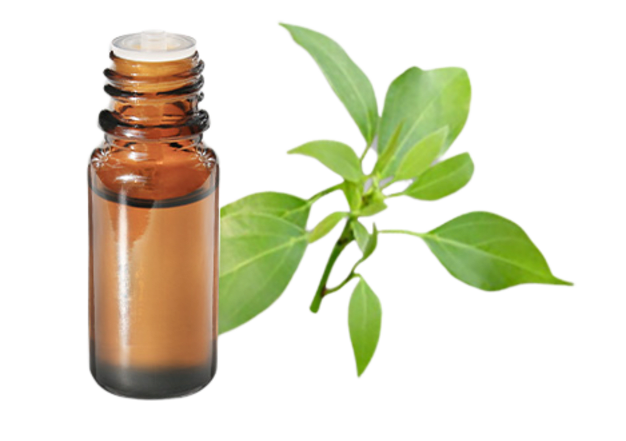


Production process
Complete steam distillation
Part of the plant used
Leaves
Botanical name
Cinnamomum camphora sb 1,8-cineole
Warning
The properties, information and methods of use below are quotes from reference books or websites on aromatherapy, hydrolatherapy and phytotherapy. This general information is provided for informative purposes only and in no way constitutes medical guidance. Under no circumstances can this information be used as a substitute for a medical diagnosis, consultation or follow-up, nor can it incur our liability. We recommend that you consult the guide to essential oils before using them, so that you are aware of any precautions that need to be taken. If in doubt, consult a doctor before using essential oils.
Bibliographic references
Bibliographic references
Bibliographic references
Faucon.M () Traité d’aromathérapie scientifique et médicale, Edition Sang de la Terre Baudoux D. (2002) L'Aromathérapie - Se soigner par les huiles essentielles. Editions Amyris. Bosson.L (2012) Grandir avec les huiles essentielles, Edition Amyris N.A.R.D ( ) Aroma News N°24. Editions Inspir. Baudoux D. (2001) Les cahiers pratiques d'aromathérapie selon l'école française - Pédiatrie. Edition Inspir S.A. Franchomme.P (2001) L’aromathérapie exactement, Edition Roger Jollois N.A.R.D ( ) Aroma News N°3. Editions Inspir. Festy.D (2008), Ma bible des huiles essentielles, Edition Leduc


