
Guide to essential oils

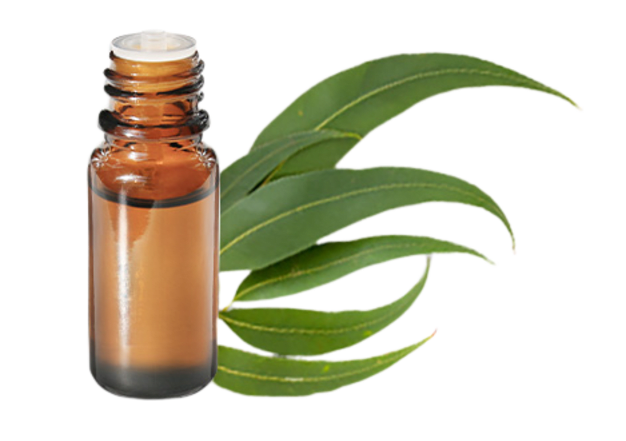
Essential oil of Narrow-leaved eucalyptus

Refreshing, Eucalyptus Radiata essential oil is traditionally used to clear the respiratory tract. Purifying, Eucalyptus Radiata essential oil helps you to combat winter ailments. Eucalyptus Radiata essential oil invigorates the mind with its energising effects. A general tonic, Eucalyptus Radiata essential oil is also known for clearing the mind.

How to use

  • Skin application and massage

    Skin application and massage

    Suitable

  • Cosmetic active ingredient

    Cosmetic active ingredient

    Appropriate

  • Aromatherapy bath

    Aromatherapy bath

    Suitable

  • Diffusion

    Diffusion

    Suitable

  • Food grade

    Food grade

    Appropriate

Features

Properties and uses

Precautions

Find out more

Features

Production process

Complete steam distillation

Part of the plant used

Leaves

Botanical name

Eucalyptus radiata

Warning

The properties, information and methods of use below are quotes from reference books or websites on aromatherapy, hydrolatherapy and phytotherapy. This general information is provided for informative purposes only and in no way constitutes medical guidance. Under no circumstances can this information be used as a substitute for a medical diagnosis, consultation or follow-up, nor can it incur our liability. We recommend that you consult the guide to essential oils before using them, so that you are aware of any precautions that need to be taken. If in doubt, consult a doctor before using essential oils.

Properties and uses

Eucalyptus Radiata essential oil is traditionally used for: Bronchitis, ear infections, colds and blocked noses, runny noses and sinusitis.

Health

Beauty

Wellness

Kitchen

Find out more

Properties

In health, Eucalyptus Radiata essential oil is recognised for the following properties:

  • Helps the immune system to function properly

  • Antibacterial and antiviral, thanks to its high content of 1,8-cineole and alpha-terpineol.

  • Expectorant, anti-catarrhal, mucolytic (facilitates the evacuation of bronchial secretions), thanks to its 1,8-cineole content.

  • A nasal decongestant, it gently unblocks the nose and makes breathing easier.

  • Traditionally used to repel insects

Uses

It is traditionally used to improve the following:

  • ENT infections: colds, bronchitis, nasopharyngitis, rhinitis, sinusitis, ear infections, hacking coughs, etc.

  • Allergic rhinitis (hay fever)

  • Viral illnesses and 'flu

  • Fatigue, weakened immune system

Synergies

  • For a cleansing, purifying action: Ravintsara, Niaouli, Clove and Tea-tree essential oils.

  • To relieve congestion in the respiratory tract: Rosemary cineole, Ravintsara, Scots Pine, Sweet Inula essential oils.

In practice

Respiratory comfort: Mix with your oil blend. Massage the mixture into the chest and upper back.

Sinus comfort: Mix with your oil blend. Massage the mixture into the sinuses.

Air purification: Diffuse in living areas.

Precautions

  • Do not use during the first three months of pregnancy or while breastfeeding, or on children under 6 years of age (except on medical advice).

  • Not recommended for inhalation or diffusion for asthmatics, due to its eucalyptol (1,8-cineole) content.

  • Favour use on the skin or by diffusion/inhalation, as the oral route is less suitable for this essential oil.

  • Possible interactions with medication (due to its 1,8-cineole content, which has an inducing effect on certain enzymes), do not use orally without medical advice at the same time as taking medication.

  • This essential oil is gentler on the respiratory tract than Eucalyptus globulus. Preferable for sensitive individuals compared with Eucalyptus globulus essential oil, which may be more of an irritant.

  • Keep out of reach of children.

  • Avoid contact with the eyes.

  • Certain natural compounds contained in this essential oil may present a risk of allergy for some sensitive individuals when the essential oil is incorporated into a cosmetic composition (according to the 7th Amendment to the European Cosmetics Directive (2003/15/EC)): limonene, linalool, citral (neral and geranial), geraniol.

  • As a general rule, always carry out a test application of your mixture in the crease of the elbow at least 48 hours before using it.

  • For use as a cosmetic ingredient, please refer to the specific precautions.

Find out more

Eucalyptus is a fast-growing tree that originated in Australia and can reach heights of up to 50 metres. It is now widely grown in sunny, mild climates such as the Mediterranean. Its distinctive bark spontaneously peels off the trunk in long ribbons, and its long, narrow green leaves were used fresh by the Australian Aborigines to heal wounds and ward off mosquitoes.

Equivalents

Essential Oils

1 ml = approximately 35 drops (with our Aroma-Zone dropper caps)

Carrier oils

1 pump (Aroma-Zone aluminium pump) = approx. 0.15 ml

Mass / Volume conversion (for a liquid)

Mass (g) = Density x Volume (ml) at 20°C

Further information

1 full teaspoon = between 3 and 4.5 ml

1 full tablespoon = between 7.5 and 10 ml


However, these spoon ratios depend on a number of factors (e.g. viscosity of the liquid, temperature, depth and size of the spoon, rheological behaviour of the liquid), and we strongly advise you to use precise measuring equipment, such as graduated test tubes, graduated pipettes, and precision scales.

Aromatherapy recipes from the bibliography

EO = Essential Oil VO = Carrier Oil or Macerated Oil

Mango sorbet with Eucalyptus (A. Erligmann)

Kitchen

Serves 6

  • 1 kg ripe mangoes, cut into pieces

  • 250 g caster sugar

  • 250 ml water

  • 1 lemon and a half, squeezed

  • 3 drops of Eucalyptus Radiata essential oil

  • Mango wedges for decoration

Method: Place your ice-cream maker tray in the freezer. In a saucepan, heat the sugar and water over a low heat, stirring well. When the mixture comes to the boil and forms a syrup, turn off the heat and leave to cool, covered. Meanwhile, finely blend the mango in the bowl of a food processor. Add the cooled syrup and lemon juice. Measure out the essential oil in a teaspoon before adding to the mixture. Blend well. Pour the mixture gradually into the ice-cream maker over about ½ hour. As soon as it is well emulsified, place it in the freezer. Allow to set for at least 2 hours. To serve, frost the ice cream cups in the freezer ½ hour before serving and decorate the edges with the mango quarters.