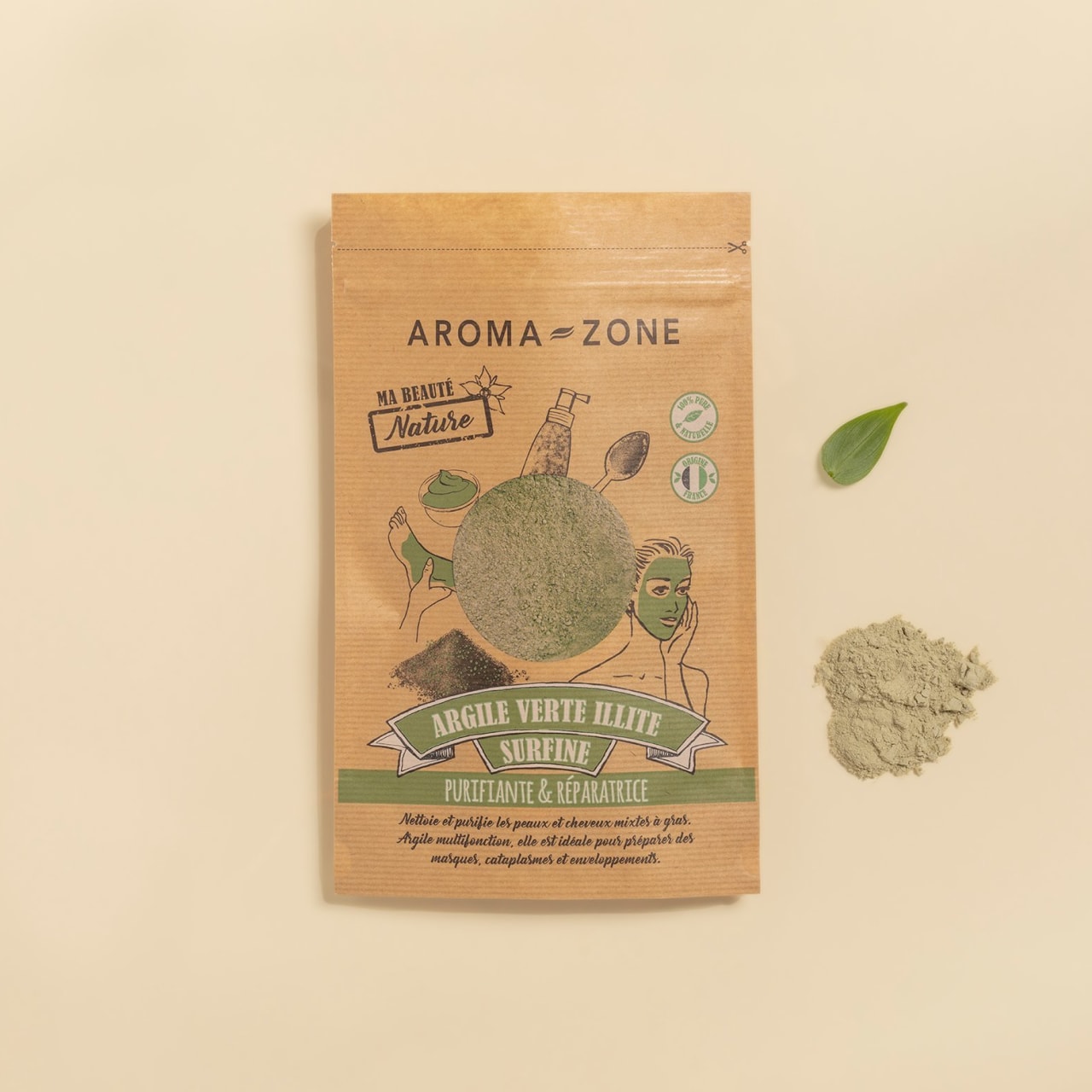
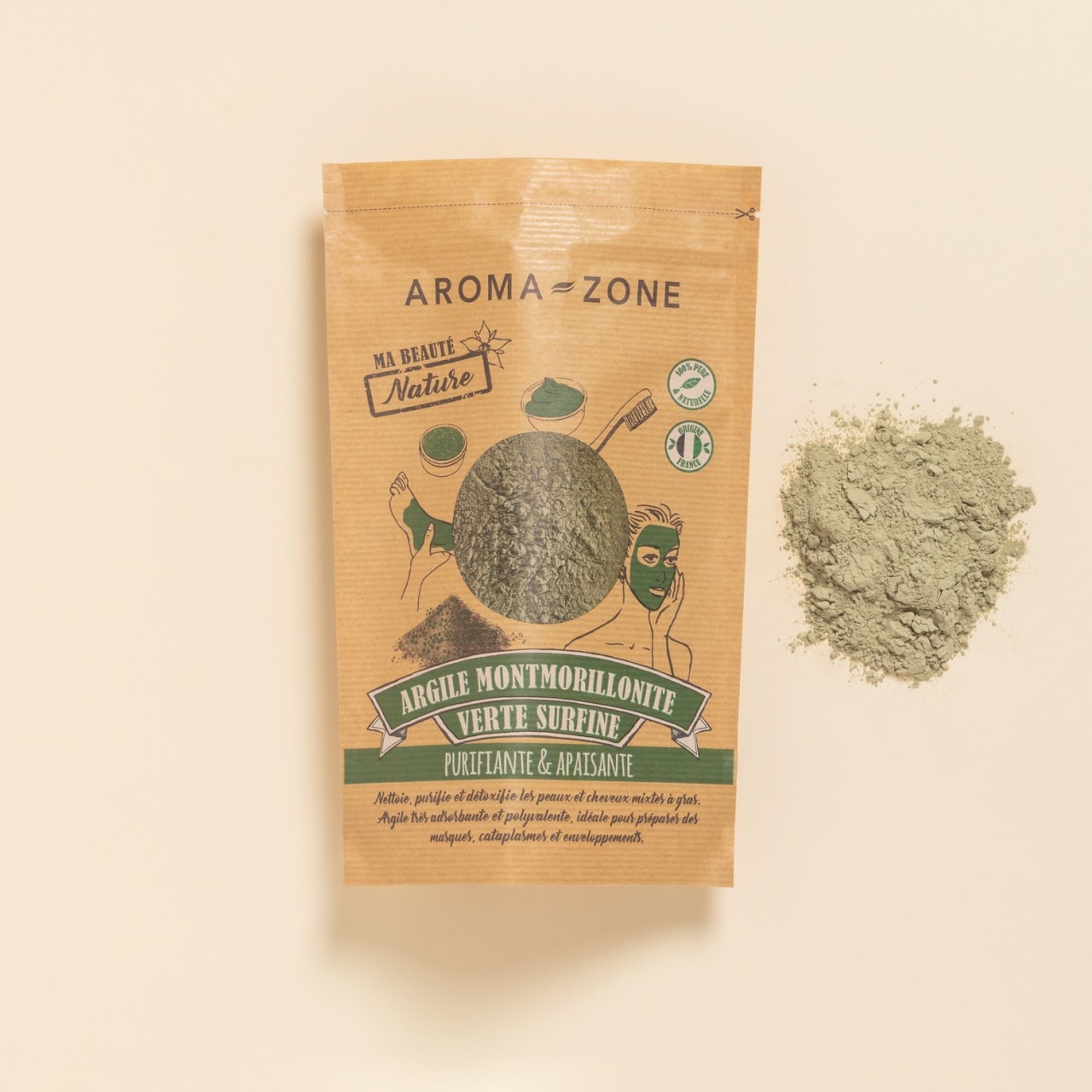
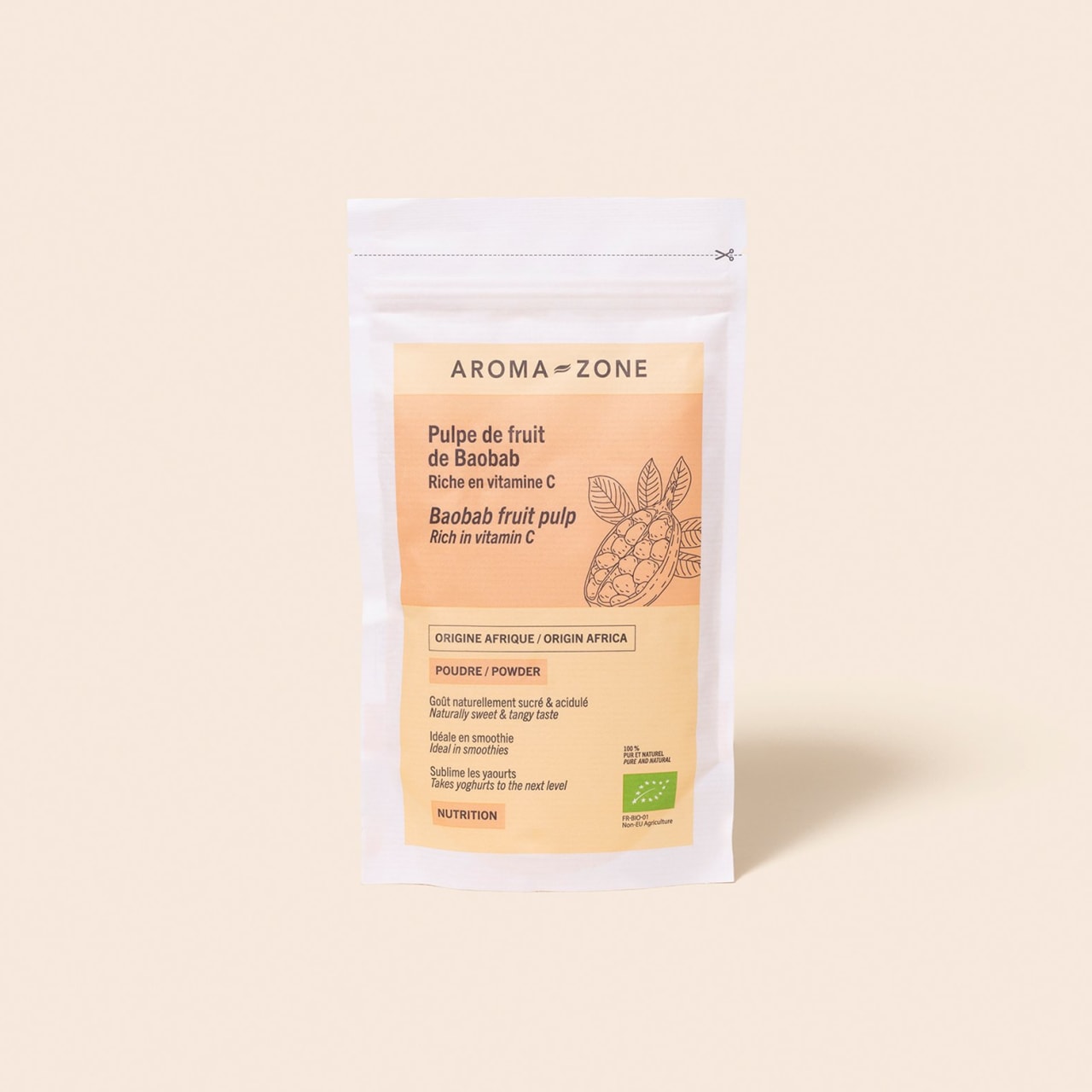
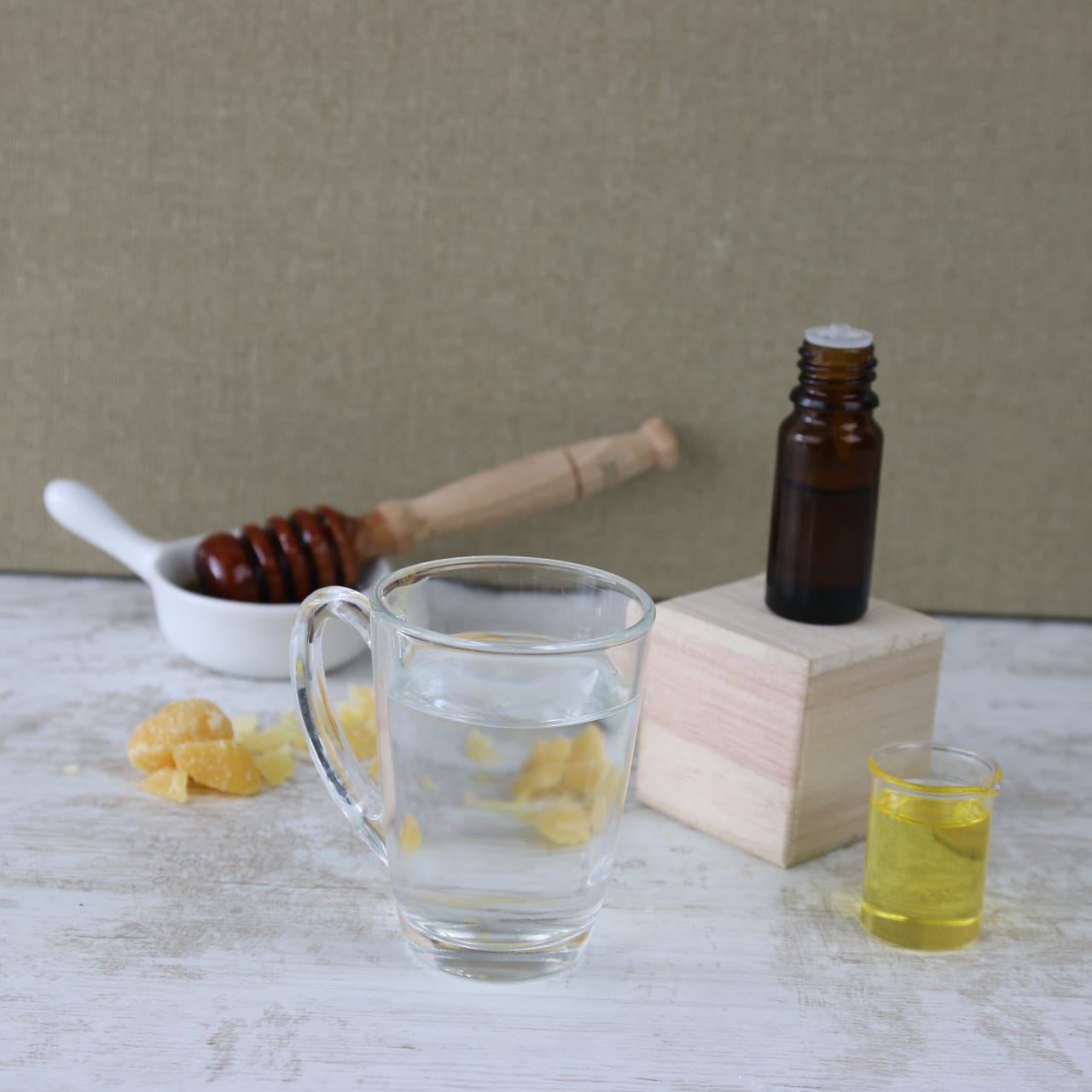
Ingredients (without scales)
Preparation
1
Disperse in œ glass of water and swallow once a day.
To find out more, consult
Discover all our natural tips for combating colds, blocked noses and runny noses in our special health factsheet.
The cold season is upon us, heralding the arrival of respiratory illnesses⊠Bronchitis is one of the most common ailments in autumn and winter, causing more than 10 million cases in France every year! It's hard to escape it, but what natural treatments can you adopt to help your body get over it quickly?

Bronchitis is an inflammation of the bronchial tubes - the ducts that carry air to the lungs - most often caused by viruses. It is a frequent complication of the common cold and nasopharyngitis. In healthy people, it develops spontaneously and is cured in 10 days to 3 weeks, but can be more difficult to eradicate in immunocompromised patients, those with respiratory insufficiency or the elderly. In these cases, it is important to watch for a possible worsening into pneumonia, i.e. a generalised inflammation of the lung tissue.
In children
Bronchiolitis is a respiratory infection of the small bronchi mainly caused by viruses, in particular the respiratory syncytial virus (RSV ), which can occur in young children and babies under the age of 2. The bronchioles become inflamed as a result of their immature respiratory system. In the most serious cases, respiratory complications can arise, requiring hospitalisation. According to the French Ministry of Health, bronchiolitis affects around 30% of children under the age of 2 every year.
Viruses: there are lots of types of virus responsible for acute bronchitis, including influenza and parainfluenza viruses, adenovirus, rhinovirus, respiratory syncytial virus (RSV), etc.
Smoking: smokers are at greater risk of developing bronchitis, particularly chronic bronchitis. This is because the bronchial tubes are more likely to be inflamed and less able to defend themselves against infections.
Bacterial infections: bacterial causes are rare, accounting for less than 10% of cases in healthy people. When bacteria are responsible for bronchitis, they are generally Streptococcus pneumoniae, Haemophilus influenzae, Moraxella catarrhalis and Mycoplasma pneumoniae.
Social interactions with infected people: whether it's a bacterial or viral infection, many pathogens and bacteria are spread via spitting and inhalation.
Bronchitis usually causes:
A moderate fever (below 38.5°C)
A cough that is dry at first, then oily In 50% of cases, the cough becomes productive, i.e. chesty and accompanied by sputum.
Mucus and/or yellowish secretions: these yellowish or greenish secretions are not the sign of a bacterial infection, but are due to the natural evolution of acute bronchitis.
Persistent headaches: fatigue, a frequent and violent cough that can cause muscular contractions in the neck and head, and congestion of the respiratory tract can contribute to these headaches. In the most severe cases, episodes of fever can occur, aggravating the pain. Finally, the reduced oxygen supply due to the congestion of the respiratory tract can also contribute to these headaches.
Sore throat: this is caused by irritation of the throat. This irritation can be caused by a persistent cough, which can weaken the walls of the throat. Similarly, if there is an infection, the lymph nodes in the throat can become inflamed and painful, for example when swallowing.
Sinus pain: this pain may be due to congestion or irritation of the upper respiratory tract.
Note: it is advisable to consult a doctor if the fever is high, lasts for more than 3 days or if the cough continues after 3 weeks.
Acute bronchitis
Acute bronchitis is generally caused by viral infections, developing over a limited period of 10 days to 3 weeks. It is temporary and is caused by complication of the common cold or nasopharyngitis.
Chronic bronchitis
Chronic bronchitis , on the other hand, is defined as a persistent, productive cough lasting at least 3 months a year, for at least 2 consecutive years. In most cases, it is caused by smoking.
Cigarette smoke contains a multitude of suspended chemical particles, which irritate the mucous membrane, causing it to inflame and thicken over time. Mucus is produced in greater quantities and is therefore harder to evacuate, causing coughing fits.
Although smoking is the main cause of chronic bronchitis, prolonged exposure to other irritants can also trigger it. Pollution in particular can also irritate the bronchial tubes and encourage the onset of chronic bronchitis.
Salt water nose flushes
If you have a runny nose, these washes reduce the risk of the infection spreading to the bronchi. To make a nose wash, we recommend using a neutral solution, i.e. one that doesn't mix with the nasal mucosa. A saline solution (approximately 9 g of salt per 1 litre of water) with a concentration identical to blood serum is ideal. Salt water nose washes can be applied several times a day by plugging one nostril and sucking the salt water through the other nostril into a bowl.
Making a steam bath
The steam moistens irritated mucous membranes and encourages expectoration and sneezing.
Our essential steps: Bring water to the boil in a saucepan or kettle. Let it cool slightly to avoid burning. Add a handful of dried plants such as eucalyptus, thyme or peppermint, which have beneficial properties for respiratory comfort. Place it on your head to create an insulating space between your head and the bowl, to retain the steam. Gently lean over the bowl to inhale the steam for 5 to 10 minutes.
Please note: The steam bath can encourage sweating, so it's important to compensate for this loss of moisture by hydrating more.
Hot baths and hot foot baths
Remember to take baths and footbaths at a temperature of 39°C, once a day, for the duration of the infection. Epsom salts can be added to the bath water, diluted in a dab of shower gel or with a handful of Epsom salts, making sure you comply with their contraindications.
Herbal infusions and decoctions
A person suffering from bronchitis needs to be warmed up and it even helps to sweat, because the skin - via the sebaceous glands - is another outlet for excess mucus. They should drink plenty of hot drinks, especially herbal teas and decoctions based on one or more plants with a tropism for the respiratory tract and inflammation, such as:
Elderberry herbal tea: traditionally used for its soothing properties, it is known to help relieve inflammation and support the body's natural defences against viral attacks.
Borage infusion: helps relieve inflammation and makes breathing easier.
Fresh ginger decoction: reputed for its soothing properties and particularly beneficial for respiratory comfort. It is often used in formulas to support the respiratory tract.
Thyme herbal tea: high in thymol, p-cymene, carvacrol and flavonoids, multiple studies have demonstrated its antispasmodic and cough-relieving properties. Thymol and carvacrol have also been shown to be expectorant (they help you evacuate mucus from the respiratory tract).
White broth infusion: white broth is traditionally used as a natural remedy for coughs and sore throats. A traditional component of expectorant mixtures, it is often used for ailments caused by excess mucus.
Ground ivy herbal tea: this plant contains phenolic compounds and saponins which help to clear the airways if you have mild respiratory discomfort. This plant contains phenolic compounds and saponins.
Coltsfoot herbal tea: known for its soothing properties which ease coughs. It contains flavonoids with soothing properties and mucilage, which is a viscous substance. These are polysaccharides which, when in contact with water, form a sort of protective gel that soothes the mucous membranes, reducing irritation and the frequency of coughing fits.

Preventing a recurrence of bronchitis involves a number of measures.
Firstly, maintaining good hand hygiene and avoiding close contact with people who are ill can reduce the risk of viral infection.
Improve the air quality in your home to eliminate or avoid airborne irritants that aggravate or trigger respiratory ailments such as toxic gases, workplace dusts, etc. This includes good maintenance of any combustion appliances and their ventilation systems (chimneys and flues). Avoid outdoor activities when air pollution is high if you are at risk.
For smokers, quitting is crucial, as smoking is a major factor in chronic bronchitis. It is also advisable to avoid respiratory irritants such as second-hand smoke and toxic chemicals.
Strengthening the immune system with a balanced diet high in vitamins and minerals also helps to prevent respiratory infections.
Note: if you are still suffering from persistent symptoms, it is essential to consult a health professional for a precise diagnosis and a suitable treatment plan.
Here are a few recipes you can try at home to relieve the symptoms caused by bronchitis.

Throat discomfort" solution
1
Disperse in œ glass of water and swallow once a day.
To find out more, consult
Discover all our natural tips for combating colds, blocked noses and runny noses in our special health factsheet.

Soothing massage balm inspired by Tiger Balm
Ingredients with scales
1
Melt the cera bellina, arnica macerated oil and menthol crystals in a bain-marie over a low heat, then remove from the heat.
2
Gradually add the rest of the ingredients , mixing well between each addition.
3
Plunge the bowl into a tub of cold water and stir until the mixture has cooled completely. The mixture will become opaque and thicken.
4
Pour the mixture into your jar.
If your condition doesn't get better or worsens, or if you experience chest pains or breathing difficulties, consult a health professional immediately. You are also advised not to take any medicines without a doctor's prescription, especially antibiotics, which are of no use for viral infections.
Rest and hydration play a fundamental role in the healing process for bronchitis. During a respiratory infection, the body mobilises resources to combat the pathogen, which can lead to increased fatigue. It is essential to allow the immune system to rest sufficiently, by encouraging restful nights' sleep.
At the same time, maintaining good hydration is crucial. When you have bronchitis, the airways can produce more mucus to eliminate the infectious agent. Adequate hydration helps to thin bronchial secretions, making them easier to cough up. We recommend drinking plenty of water throughout the day, as well as hot herbal teas, broths and infusions. These hot drinks also help to warm up the body, encouraging perspiration and the elimination of toxins.

Gipsy is a graduate of ESJ Paris. After 10 years' experience in the general and women's press, she decided to move into writing about health and well-being. With a certificate in yin yoga, she now puts her pen, as well as her yoga mat, to excellent use. She cares deeply about what she writes. She has a deep commitment to helping readers incorporate tips into their daily lives to take care of both themselves and their environment. She hopes to inspire you to follow a balanced and fulfilling lifestyle with her writing.
1
Tackett, K. L., & Atkins, A. (2012).
Evidence-based acute bronchitis therapy. Journal of Pharmacy Practice, 25(6), 586-590. DOI: [10.1177/0897190012460826](https://doi.org/10.1177/0897190012460826) (PMID: 23076965).
2
Albert, R. H. (2010).
Diagnosis and treatment of acute bronchitis. American Family Physician, 82(11), 1345-1350 (PMID: 21121518).
3
National Center for Biotechnology Information. (n.d.). Acute Bronchitis. Retrieved from [NCBI Bookshelf]
4
Guide des plantes qui soignent, Vidal, 2010
5
Herbal medicines for human use, EMA, 2010
6
PDR for Herbal Medicines 4th edition, Thomson Healthcare, US 2007
European Scientific Cooperative On Phytotherapy Monographs - The Scientific Foundation for Herbal Medicinal Products 2nd edition, ESCOP, UK 2003