
Guide to essential oils

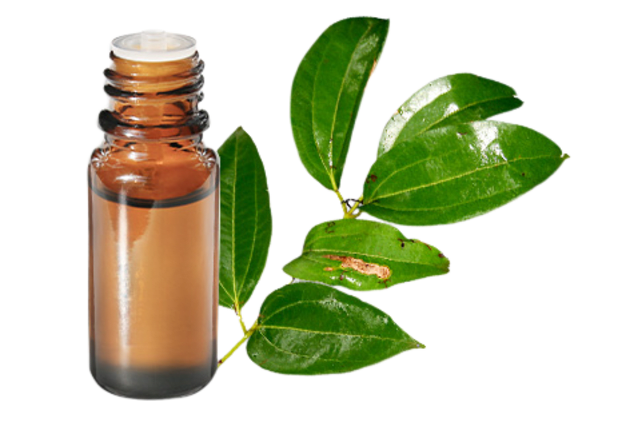
Essential oil of Cinnamon Tamala

Cinnamon tamala essential oil has a unique and spiced fragrance that blends beautifully with citrus notes when diffused. Cinnamon tamala essential oil is also very popular for creating perfumes, particularly with oriental notes. Cinnamon tamala essential oil is also renowned for easing tension and combating stress.

How to use

  • Skin application and massage

    Skin application and massage

    Appropriate

  • Cosmetic active ingredient

    Cosmetic active ingredient

    Appropriate

  • Diffusion

    Diffusion

    Suitable

  • Aromatherapy bath

    Aromatherapy bath

    Possible but not recommended

Features

Properties and uses

Precautions

Find out more

Features

Production process

Complete steam distillation

Part of the plant used

Leaves

Botanical name

Cinnamomum tamala syn Cinnamomum tejpata

Warning

The properties, information and methods of use below are quotes from reference books or websites on aromatherapy, hydrolatherapy and phytotherapy. This general information is provided for informative purposes only and in no way constitutes medical guidance. Under no circumstances can this information be used as a substitute for a medical diagnosis, consultation or follow-up, nor can it incur our liability. We recommend that you consult the guide to essential oils before using them, so that you are aware of any precautions that need to be taken. If in doubt, consult a doctor before using essential oils.

Properties and uses

Health

Beauty

Wellness

Find out more

Properties

Tamala cinnamon essential oil is renowned for the following health benefits:

  • This essential oil is known for its antiseptic and analgesic properties 

  • Skin astringent 

  • Supports venous health 

  • Supports digestion, relieves gas,  

  • Emmenagogue, it promotes or regulates menstruation.

Uses

It is traditionally used to improve the following conditions:

  • Circulatory discomfort

  • Muscular and joint discomfort

  • Poor digestion and lack of appetite

In practice

Poor digestion: Mix into your oil blend. Massage or rub your blend into the abdomen.

Precautions

  • Do not use during the first 3 months of pregnancy, while breastfeeding or on young children.

  • Keep out of reach of children.

  • Not for internal use.

  • Avoid contact with eyes.

  • Some natural compounds in this essential oil may present an allergy risk for sensitive individuals when the oil is incorporated into a cosmetic composition (in accordance with the 7th Amendment to the European Cosmetics Directive (2003/15/EC)): linalool and, to a lesser extent, limonene, coumarin, cinnamaldehyde, geraniol, eugenol.

  • As a general rule, always perform a patch test of your mixture in the crease of your elbow at least 48 hours before use.

  • Dangerous. Observe safety precautions.

  • Flammable liquid and vapours. Causes severe eye irritation. May cause skin allergy. May be fatal if swallowed and enters the respiratory tract (if accidentally swallowed, do not induce vomiting). Very toxic to aquatic life, causing long-term adverse effects (in the event of a large spill into a waterway).

Find out more

Cinnamomum tamala is a moderately sized tree that grows in the tropical and subtropical latitudes of the Himalayas; it is harvested in thewild in the Chure region of Nepal at an altitude of around 1,500 m. The'Tejpat' leaves from this tree are steamed to obtain the sweet and spiced Tamala cinnamon essential oil.

In addition to its pleasant scent, this essential oil is unique in that it contains significant amounts of both linalool and 1,8-cineole.

Equivalents

Essential Oils

1 ml = approximately 35 drops (with our Aroma-Zone dropper caps)

Carrier oils

1 pump (Aroma-Zone aluminium pump) = approx. 0.15 ml

Mass / Volume conversion (for a liquid)

Mass (g) = Density x Volume (ml) at 20°C

Further information

1 full teaspoon = between 3 and 4.5 ml

1 full tablespoon = between 7.5 and 10 ml


However, these spoon ratios depend on a number of factors (e.g. viscosity of the liquid, temperature, depth and size of the spoon, rheological behaviour of the liquid), and we strongly advise you to use precise measuring equipment, such as graduated test tubes, graduated pipettes, and precision scales.

Bibliography

1

2

3

Supplier bibliography