What are the common mistakes to avoid if you have cellulite?
Published on: Tuesday, June 02, 2026, Updated on: Tuesday, October 13, 2026
Beyond the unsightly appearance of dimpled skin, cellulite is far more complex than certain so-called ‘miracle’ solutions would have us believe. Its development and persistence depend on a combination of hormones, circulation, genetics, fatty tissue and connective tissue. It is undoubtedly this multifactorial nature that makes it so easy to make mistakes. Certain misconceptions about cellulite are particularly persistent: they fuel harmful habits that can even end up making the ‘orange peel’ appearance worse. Drawing on scientific literature, this article aims to scrutinise the behaviours most likely to either exacerbate or reduce the appearance of cellulite.
Contents
Related products
£7.00
1 article
Anti-ageing
£21.00
100 ml
2 options
Firming
£11.00
100 ml
Anti-cellulite
£20.00
1 article
In brief
Cellulite is structural and physiological: it is difficult to eliminate it completely.
Certain habits can make it more visible, or conversely, reduce its appearance.
The main mistake is to focus on weight or fat burning.
What are the most common mistakes that make cellulite worse?
Quick answer : trying to slim down at any cost is the number one mistake that risks perpetuating or even worsening established cellulite.
Treating dimpled skin as if it were simply excess fat is undoubtedly the most common mistake to avoid if you have cellulite. Certain misconceptions about cellulite perpetuate the idea that body fat alone is responsible for the ‘orange peel’ appearance. In reality, science shows that cellulite is multifactorial (1). Admittedly, fat is a major component, but the appearance of dimpling also depends on the efficiency of blood and lymphatic microcirculation, the quality of the fibrous septa (i.e. the ‘partitions’ that anchor the skin to the muscles), hormonal fluctuations, the skin’s elasticity, its collagen content, not to mention the influence of genetics. This is why some women with a high body fat percentage sometimes have less cellulite than women who appear slimmer.
The second mistake, which stems directly from the first: trying to lose weight at any cost. For example, overdoing restrictive diets and doing one HIIT (high-intensity interval training) session after another to burn fat. As explained previously, losing fat will not necessarily make your dimples less visible. On the contrary, certain diets and high-intensity workouts can affect not only your body fat but also your muscle mass. And this loss of muscle tone can ultimately make your cellulite more pronounced (2).
However, the reverse is also true: a sedentary lifestyle is one of the main factors that exacerbate cellulite. If your body doesn’t get enough exercise, once again, it will lose muscle tone, resulting in a more pronounced orange-peel appearance. Impaired venous and lymphatic drainage, as well as increased localised fat storage (due to a lack of energy expenditure), also contribute to further deepening the surface irregularities typical of cellulite (3).
You may be making these mistakes if:
You’ve lost weight without noticing any reduction in the appearance of your cellulite
You feel that your diets and exercise routines are ineffective
You have a fairly slim figure and don’t understand the cause of your dimpled skin.
What other factors are often overlooked?
Quick answer: fluctuations in oestrogen levels, genetics and skin ageing are major factors in the development of cellulite.
Maintaining a healthy lifestyle is an excellent way to prevent the infamous yo-yo effect, which is known to damage skin elasticity and, indirectly, exacerbate existing cellulite. Unfortunately, this is not always enough: there are aggravating factors over which we must accept we have only limited control.
This is the case with skin ageing (1). As we age, the dermis tends to thin, the skin’s supporting structures lose their biomechanical effectiveness and the skin, being less elastic, becomes more prone to sagging. The fat lobules therefore form irregularities that are all the more noticeable on the skin’s surface. Ageing skin thus accentuates the appearance of cellulite even further.
We should also mention the decisive role played by hormones in the appearance of cellulite, particularly oestrogens. These steroid hormones regulate key physiological functions involved in the onset or worsening of cellulite, such as microcirculation, fat storage and the quality of connective tissue. However, their levels fluctuate in line with the major stages of a woman’s life: puberty, pregnancy, hormonal contraception and perimenopause (4). These are pivotal periods during which the dimples typical of cellulite can become deeper or more numerous (3).
As for genetics, it should not be underestimated. It determines, for example, fat distribution, skin thickness, the skin’s ability to stretch, and the structure of the fibrous septa mentioned earlier. Some women therefore have a sort of predisposition to develop more visible cellulite, whilst others have a biological advantage that allows them to maintain smooth skin (2).
Several theories point to a lack of dietary protein. In principle, protein is indeed essential, as it provides amino acids that contribute to the synthesis of dermal collagen. It also helps maintain adequate muscle mass, as well-developed muscles can help tighten the surface of skin that is dimpled by cellulite. From a clinical perspective, however, there is no evidence that a high-protein diet has a measurable impact on the appearance of ‘orange peel’ skin (5).
Dehydration may also play a part. Contrary to what is sometimes claimed, ‘not drinking enough’ does not necessarily ‘cause’ cellulite. On the other hand, it is certainly true that well-hydrated skin automatically appears less dimpled (6). Topical hydration (creams, gels, etc.) does indeed help to improve the mechanical properties of the tissues and smooth out their surface irregularities.
What are the best habits to adopt?
Quick answer: the main thing is to strengthen your muscles whilst taking care of your skin’s condition.
Try to maintain a stable, healthy weight, as far as possible, to avoid overstretching your tissues, which would ultimately accentuate the dimpled appearance of your skin (1).
Take up a form of exercise you enjoy, both to maintain or even increase your muscle mass (3) and to reduce venous stasis.
Continue to look after your lifestyle and avoid habits that make the condition worse (a sedentary lifestyle, excessive salt intake causing water retention, sugar addiction) and, if necessary, seek help to stop smoking (1) or to reduce your alcohol consumption and thus its impact on microcirculation.
Minimise the effects of skin ageing (loss of collagen, reduced elasticity and tissue thickness) (3), in particular by targeting factors contributing to oxidative stress.
Be kind to your body : as this is a multifactorial and structural phenomenon, it would be counterproductive to set yourself unrealistic expectations regarding the disappearance of cellulite (2).
Finally, complement your routine with manual techniques such as smoothing massages (kneading and rolling, lymphatic drainage, dry brushing) (3) to stimulate fluid circulation and the elimination of waste products.
Key points to remember for adopting beneficial habits:
Take part in sport and build muscle, without overdoing it
Boost your skin’s natural functions
Protect your skin from accelerated ageing
Accept that your efforts can only have a limited impact.
Our naturopath’s advice
“One of the most common mistakes people make when trying to improve the appearance of cellulite is neglecting the role of fluid circulation.
However, cellulite is usually accompanied by impaired blood and lymphatic circulation, which can lead to fluid build-up in the tissues and visually accentuate the dimpled appearance of the skin.
In this context, gentle manual techniques such as lymphatic drainage and dry brushing are particularly beneficial. They support the physiological circulation of fluids, reduce the sensation of water retention and temporarily improve the appearance of the skin (to be effective in the long term, they must be repeated regularly).
Moreover, the scientific literature considers techniques aimed at improving circulatory exchange to be a relevant complementary tool in a holistic approach to care (2). These techniques obviously do not replace physical activity or a healthy lifestyle, but they are useful practices to support the tissues by combining aesthetic benefits with well-being."
Lou Dumas, naturopath and skincare expert
Our tailored skincare products
Avoiding unsuitable products and incorrect anti-cellulite techniques is also key to maintaining good skin quality. The skincare products listed below tackle cellulite from several angles: drainage, firmness and skin ageing.
Supporting natural drainage
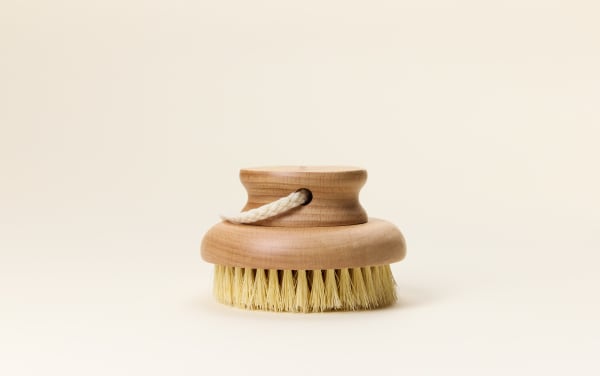
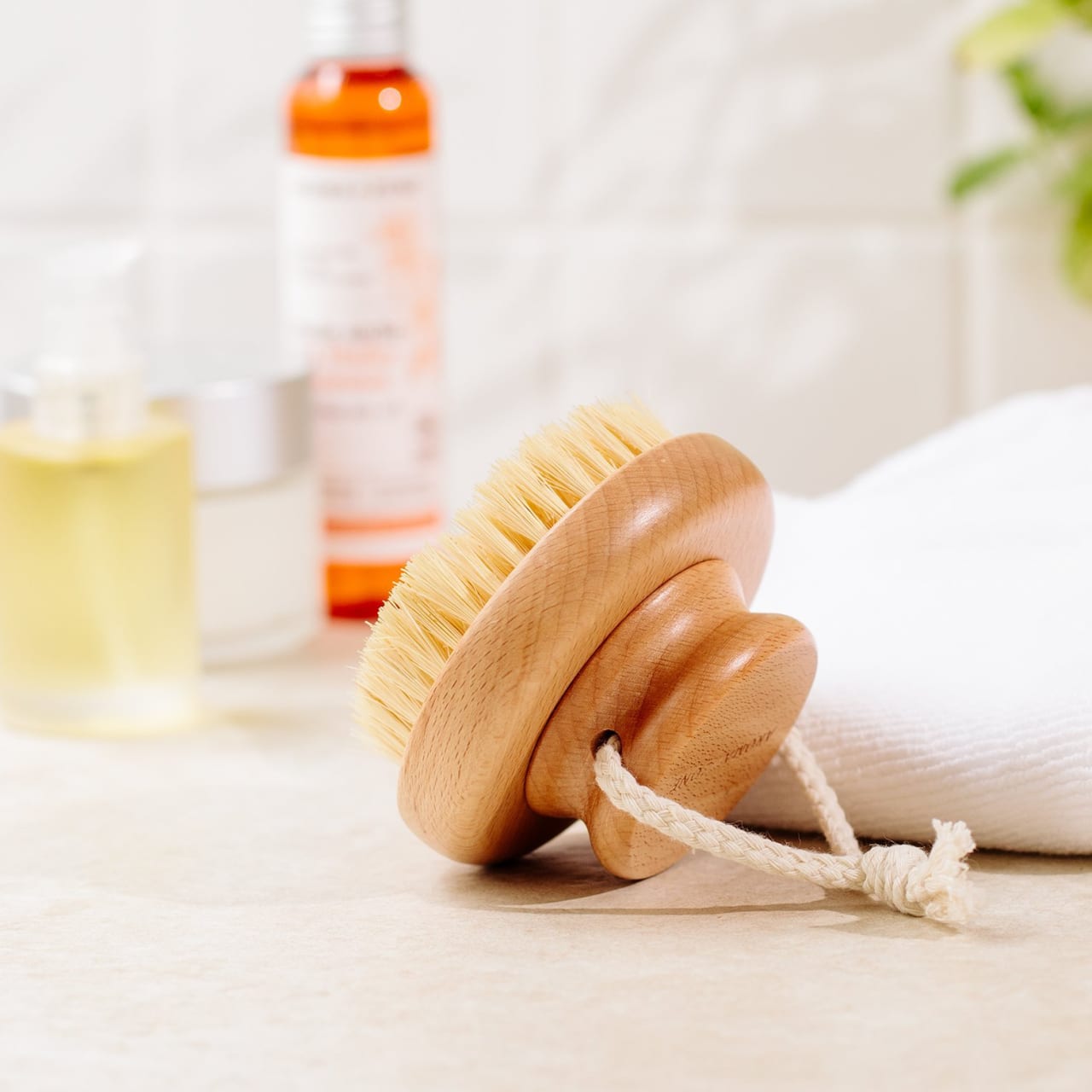
Wooden lymphatic drainage brush
Designed for dry brushing, it stimulates microcirculation in the skin to leave the complexion looking toned and firmer, enhanced by a natural ‘glow’. It is also recommended for restoring a feeling of lightness to the legs in cases of water retention. Its rounded shape makes it easy to hold. Beech wood handle and bristles made from sisal plant fibres.
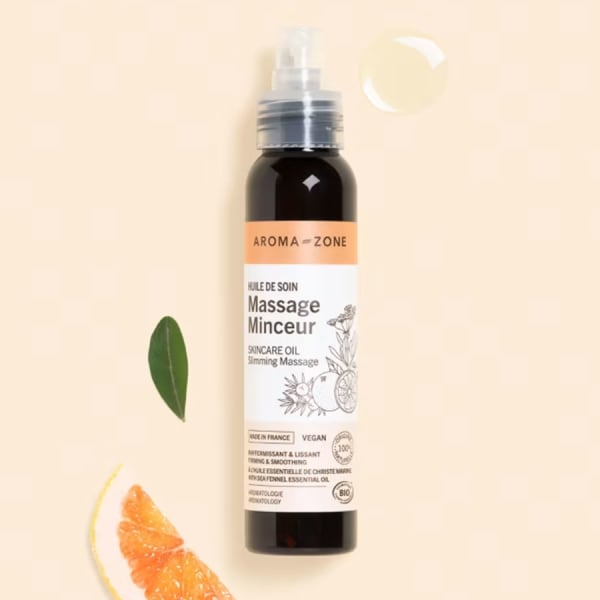
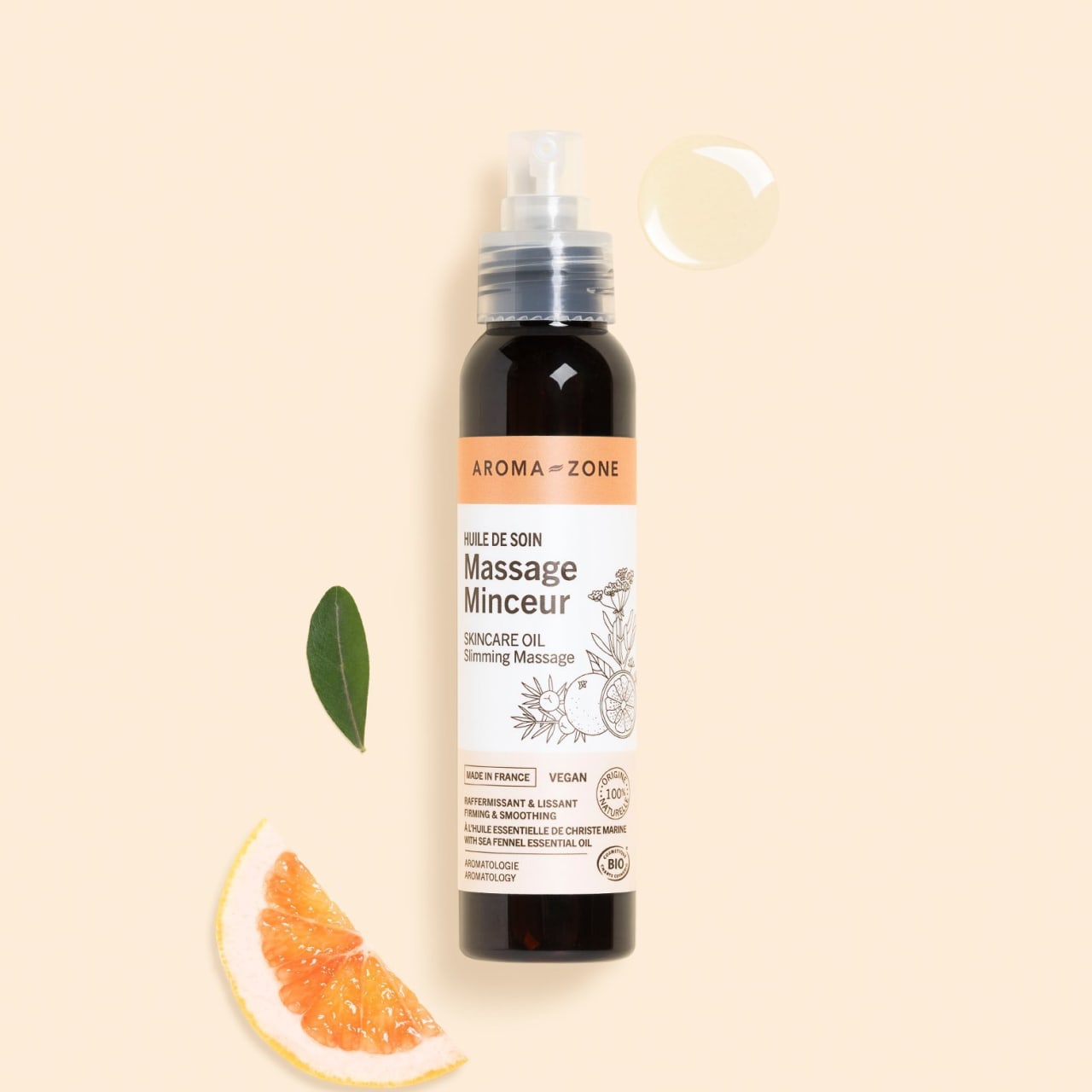
Slimming massage oil
Ideal for enhancing your curves and toning your figure, it is applied to areas affected by cellulite to visibly smooth the dimpled appearance of the skin. It contains, in particular, organic grapefruit, organic sea fennel and Virginia cedar essential oils, which have draining, toning and smoothing properties. 100% naturally derived ingredients, certified organic formula, made in France. Do not use on children, or on pregnant or breastfeeding women.
Restore and firm the appearance of the skin
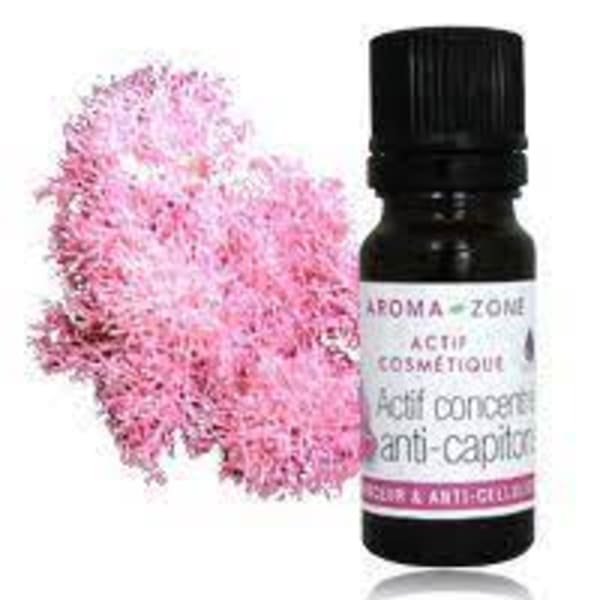
Concentrated anti-cellulite active ingredient
You can use this active ingredient to make your own body-sculpting treatment or to customise our Organic Neutral Plant-Based Milk. Extracted from algae of the Corallinaceae family, it helps to support collagen synthesis whilst limiting the spread of fat cells in the dermis; its firming effect helps to reduce the appearance of orange peel skin. Recommended dosage: 2 per cent of the total weight of your formulation.
Preventing age-related aggravating factors
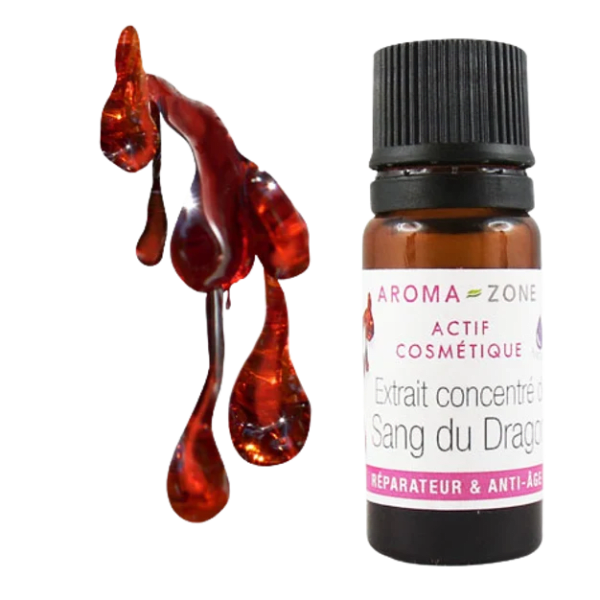
Active Ingredient: Concentrated Dragon’s Blood Extract
This is a resin used in several traditional Latin American rituals. Rich in proanthocyanidin polyphenols, it possesses anti-free radical properties that help to limit accelerated skin ageing caused by the sun, pollution, smoking or even stress. It is also renowned for stimulating the natural production of collagen and even reducing the appearance of stretch marks. Use it as an ingredient in your homemade skincare recipes (e.g. a moisturising body lotion specially formulated for mature skin). Recommended dosage: 2–4 per cent of the total weight of your preparation. 100 per cent natural origin.
Discover the Active Ingredient: Concentrated Dragon’s Blood Extract
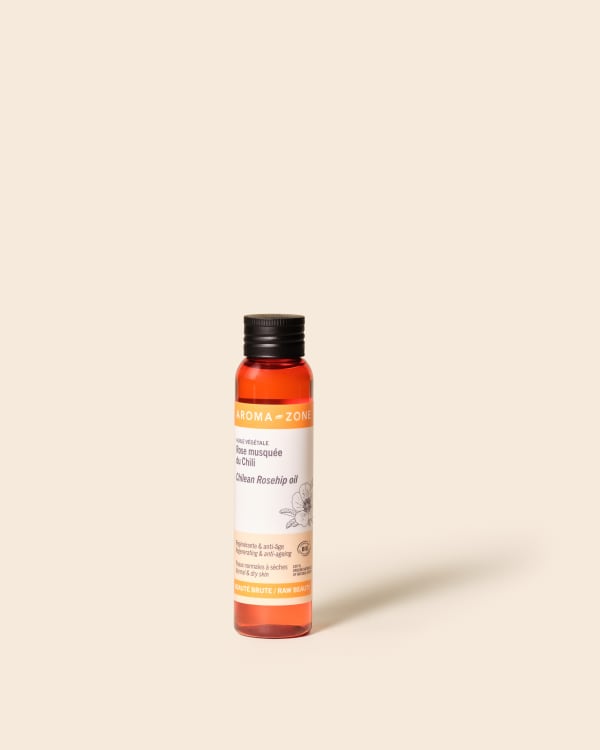
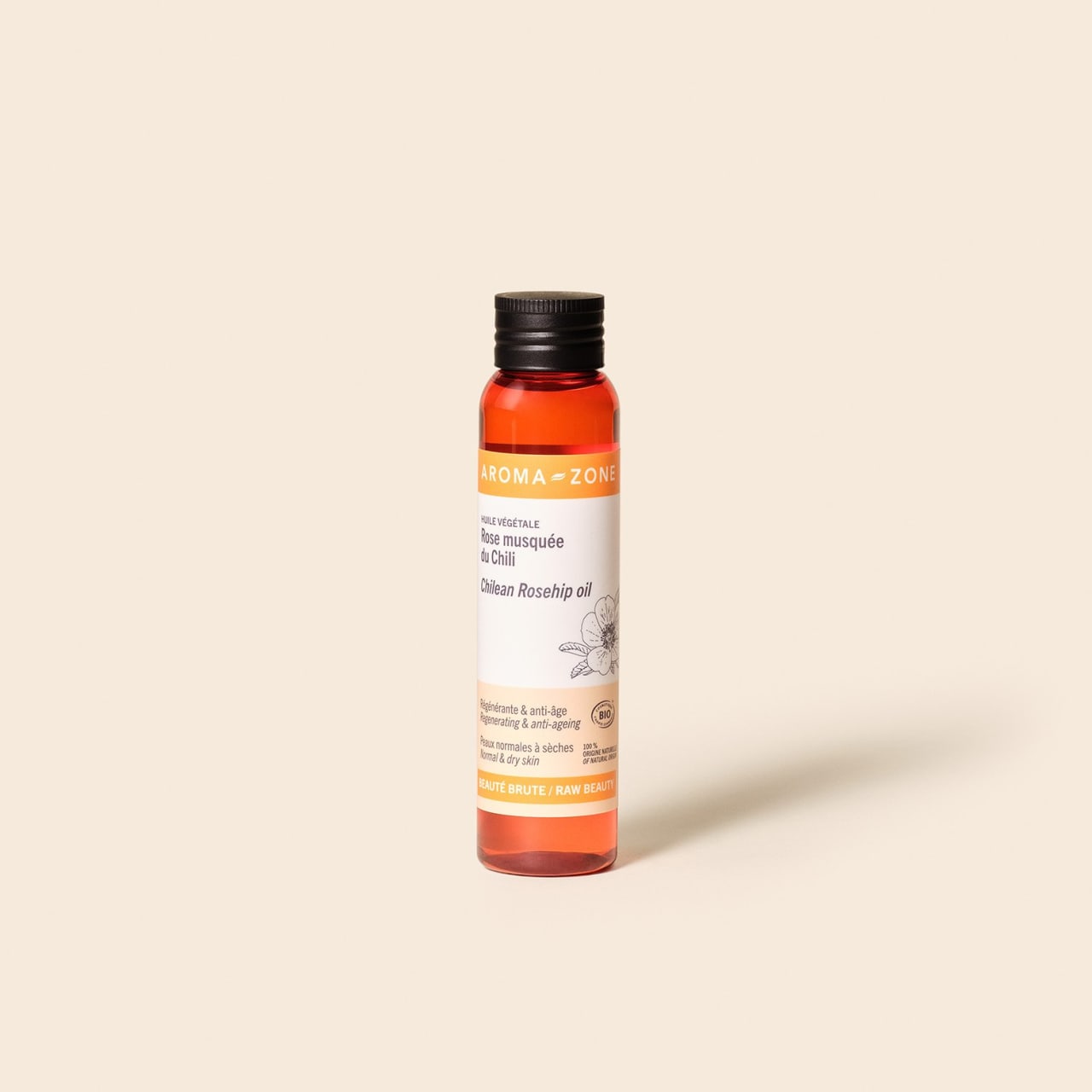
Organic Chilean Rosehip Oil
Rich in carotenoids, this plant-based oil is often cited as one of the best natural anti-ageing allies. With its restorative, regenerating and softening properties, it helps to slow down the appearance of signs of photo-ageing. You can use it as an ingredient in your massage oil recipes or anti-ageing body emulsions. A 100% pure and natural product, wild-harvested and first cold-pressed, certified organic.
Precautions
Whilst cosmetic cellulite, often described as ‘orange peel’ skin, is considered a normal physiological condition, there are a few warning signs that should not be ignored. Have you noticed visible inflammation (a red, warm area), significant swelling, lumps that feel hard to the touch, one-sided symptoms (e.g. your left thigh has much more dimpling than your right thigh) or sudden pain? If so, it is best to consult a doctor as soon as possible to rule out any underlying medical conditions.
Expert advice
‘Aggressive’ techniques, quick-fix anti-cellulite treatments, extreme procedures: in most cases, all these approaches do your body more harm than good. If you want to tackle the appearance of your cellulite, consistency is your best ally. Focus on small efforts that you can repeat regularly and maintain over the long term, without overdoing it.
Focus on Our Writer: Hélène Betoux

Hélène Betoux is a French beauty journalist specialising in web media. Every day she writes tips, advice, and guides to help consumers choose the right beauty products. With a strong interest in natural, organic, and clean cosmetics, she analyses and shares trends and innovations in the sector.
Bibliography
Bass LS, Kaminer MS. Insights into the pathophysiology of cellulite:
A Review. Dermatol Surg. 2020 Oct;46 Suppl 1(1):S77-S85. doi: 10.1097/DSS.0000000000002388. PMID: 32976174; PMCID: PMC7515470.
De la Casa Almeida M, Suarez Serrano C, Rebollo Roldán J, Jiménez Rejano JJ. The aetiology of cellulite:
a review. J Eur Acad Dermatol Venereol. March 2013;27(3):273–8. doi: 10.1111/j.1468-3083.2012.04622.x. Epub 3 July 2012. PMID: 22758934.
Friedmann DP, Vick GL, Mishra V. Cellulite:
a review with a focus on subcision. Clin Cosmet Investig Dermatol. 7 January 2017;10:17–23. doi: 10.2147/CCID.S95830. PMID: 28123311; PMCID: PMC5234561.
Leszko M. Cellulite in menopause. Prz Menopauzalny.
Oct 2014;13(5):298–304. doi: 10.5114/pm.2014.46472. Epub 2 Nov 2014. PMID: 26327870; PMCID: PMC4520379.
Sadick, N., Krueger, N., & Luebberding, S. (2015). Cellulite: An Evidence-Based
Review. American Journal of Clinical Dermatology, 16(4), 243–256. https://doi.org/10.1007/s40257-015-0129-5
Yimam M, Lee YC, Jiao P, Hong M, Brownell L, Jia Q. A Randomised, Active Comparator-controlled Clinical Trial of a Topical Botanical Cream for Skin Hydration, Elasticity, Firmness, and Cellulite.
J Clin Aesthet Dermatol. August 2018;11(8):51–57. Epub 1 August 2018. PMID: 30214668; PMCID: PMC6122510.