
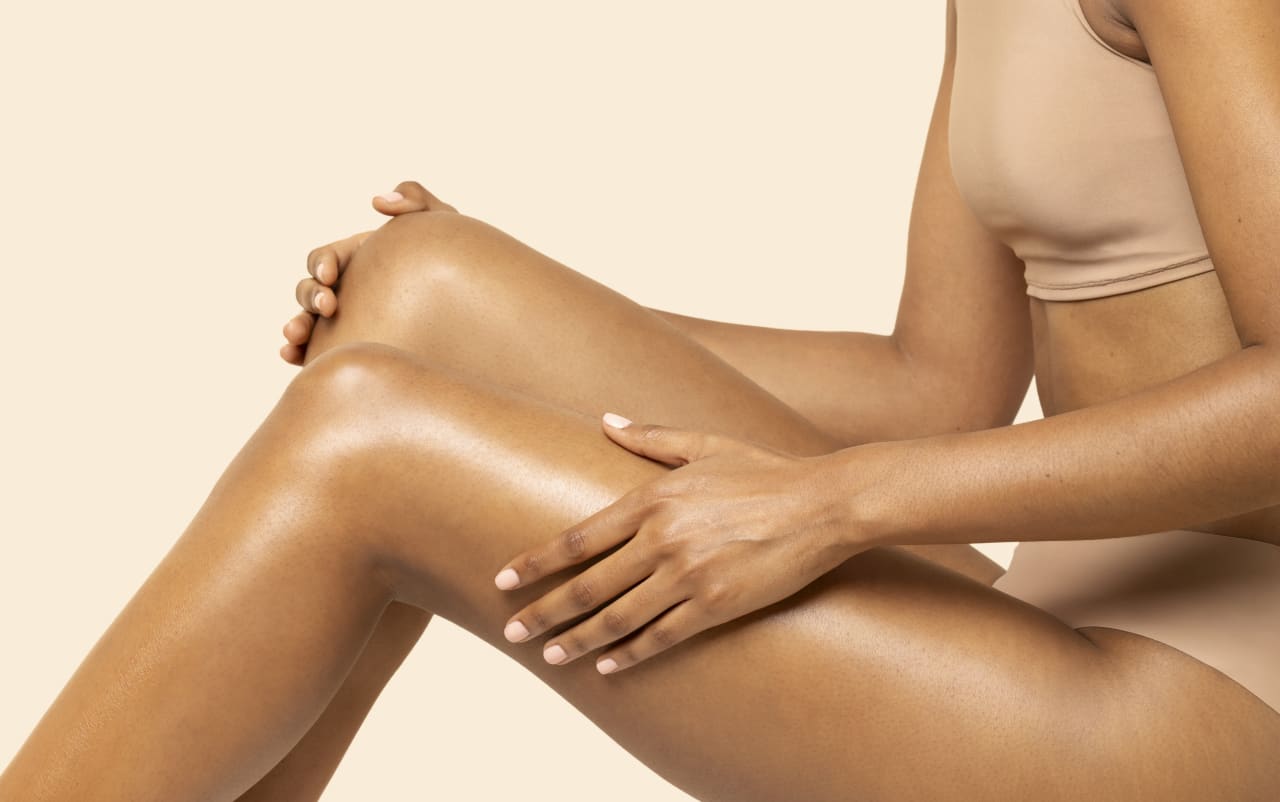
Myth or reality: does losing weight really make cellulite disappear?
Published on: Wednesday, May 27, 2026, Updated on: Tuesday, October 13, 2026
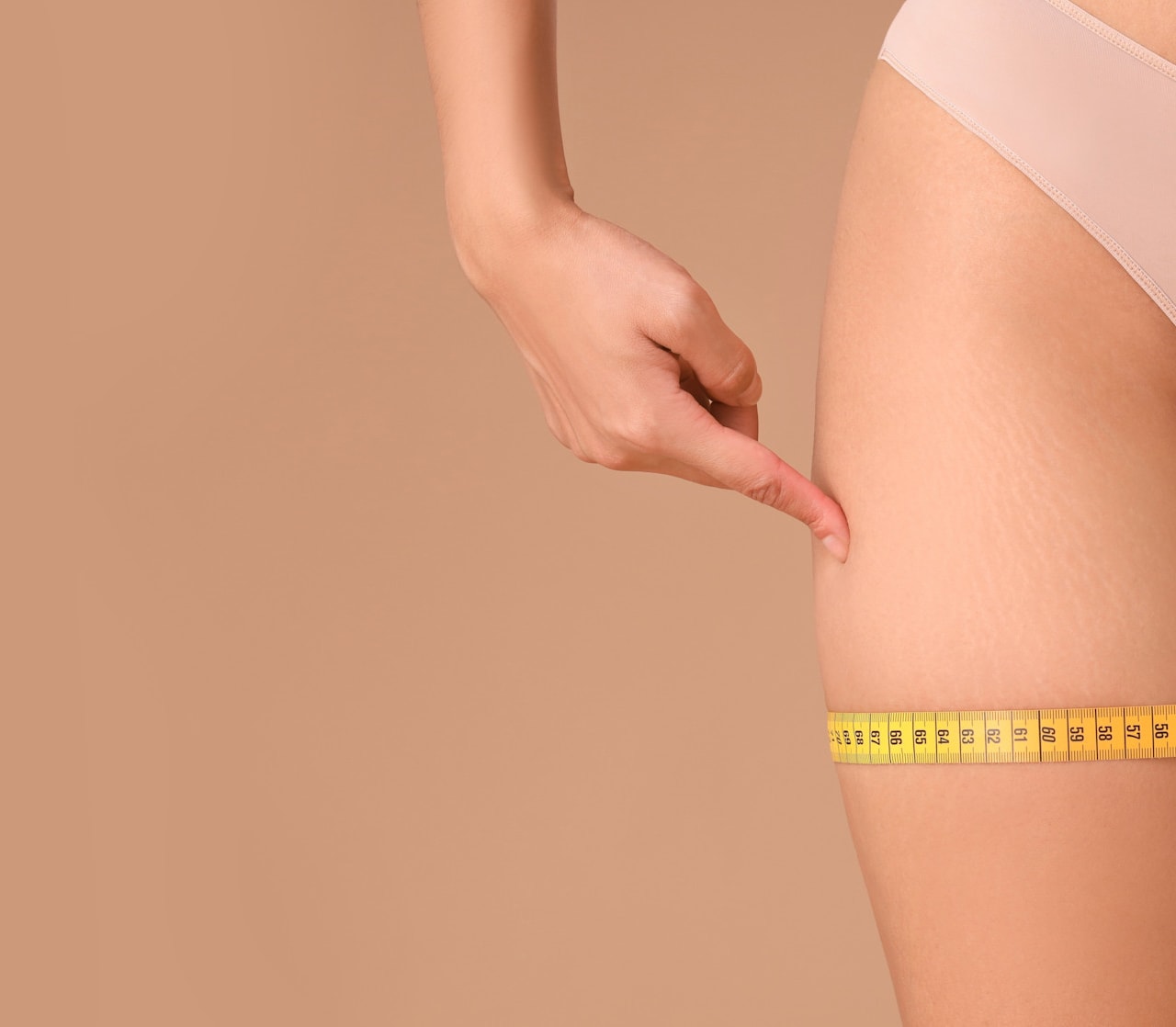
Does cellulite disappear when you lose weight? In the popular imagination, ‘dietary restrictions’ seem to be a necessary step to get rid of dimpled skin. However, science shows that the reality is much more nuanced and less predictable. Far from promising miracle cures, this article takes an impartial look at the true relationship between weight loss and orange-peel skin. It offers an opportunity to take a gentler, more compassionate view of our bodies.
Contents
Related products
£7.00
1 article
£15.00
200 ml
Firming
£11.00
100 ml
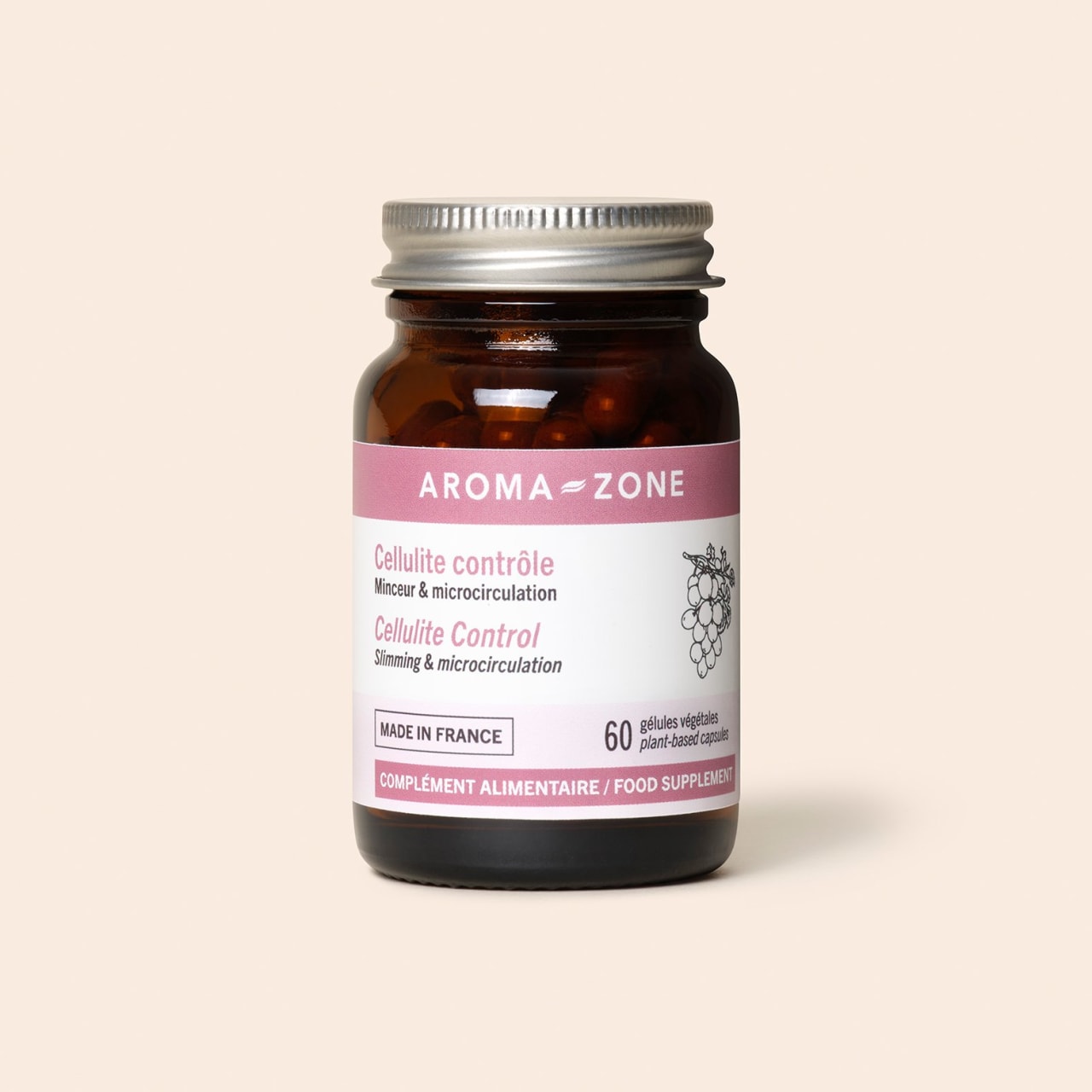
Anti-cellulite
£20.00
1 article
In brief
Cellulite isn’t just a question of weight or body fat.
The benefits of weight loss vary greatly from person to person.
Losing weight too quickly or through restrictive diets can make the ‘orange peel’ appearance worse.
Can losing weight get rid of cellulite?
No, losing weight isn’t always enough to reduce the appearance of cellulite.
In reality, the effects of weight loss on the appearance of cellulite can vary greatly. A 2006 clinical study concluded that the greatest improvements were seen in people with a higher baseline BMI who lost a significant amount of weight, particularly in the thighs (fat). In other cases, however, cellulite (orange peel skin) actually worsens. This finding mainly concerns women with a slimmer build and moderate weight loss. Across the sample as a whole, this worsening affects only a minority of participants (1).
The guilt-inducing narratives promoted by women’s magazines therefore stem more from social pressure than from genuine scientific legitimacy. Admittedly, science confirms that being overweight or gaining weight can indeed make your orange-peel skin much more visible (2). Nevertheless, it also emphasises that your cellulite will not necessarily disappear if you lose weight, even a significant amount (3). It is therefore necessary to shift our perspective in order to adopt a more relaxed approach to living with cellulite, which affects between 80 and 90 per cent of women who have reached puberty (2).
Is there really a link between weight loss and cellulite?
Yes, but it’s wrong to say that cellulite depends solely on weight.
If you’re thinking of losing weight to achieve a more toned figure, bear in mind that there is a real and well-documented risk of disappointment. The effectiveness of weight loss on the appearance of cellulite (orange peel skin) is in fact far too variable to form the basis of a long-term firming strategy. The main benefit of this method is to reduce the volume of subcutaneous fat, and thus the pressure exerted by fat cells against the skin (which causes this dimpled appearance on the surface). This is purely a mechanical improvement; nothing more.
However, cellulite is a multifactorial phenomenon. Being overweight, understood as excess fat, is just one component amongst many others. There is also a genuine structural explanation, itself largely determined by hormones and genetics. The architecture of the connective tissue, for example, plays a major role in the depth of the dimples. Indeed, the most sophisticated techniques for treating cellulite focus closely on the fibrous septa (whose orientation and rigidity determine the presence or absence of an ‘orange peel’ appearance). And weight loss has no direct influence on the structure of these subcutaneous tissues (2).
What anti-cellulite measures are actually effective, according to research?
To date, no method appears to be universally effective against cellulite.
The various approaches evaluated by science generally have limited effectiveness and/or produce temporary results. There is therefore no ‘miracle’ cure for cellulite, whether medical, aesthetic or cosmetic. To help you with your daily routine, we have summarised the effects and limitations commonly attributed to cosmetic methods. The scientific literature remains cautious on this subject, as the methods of evaluation are a matter of debate.
Methods | Effects on the ‘orange peel’ appearance |
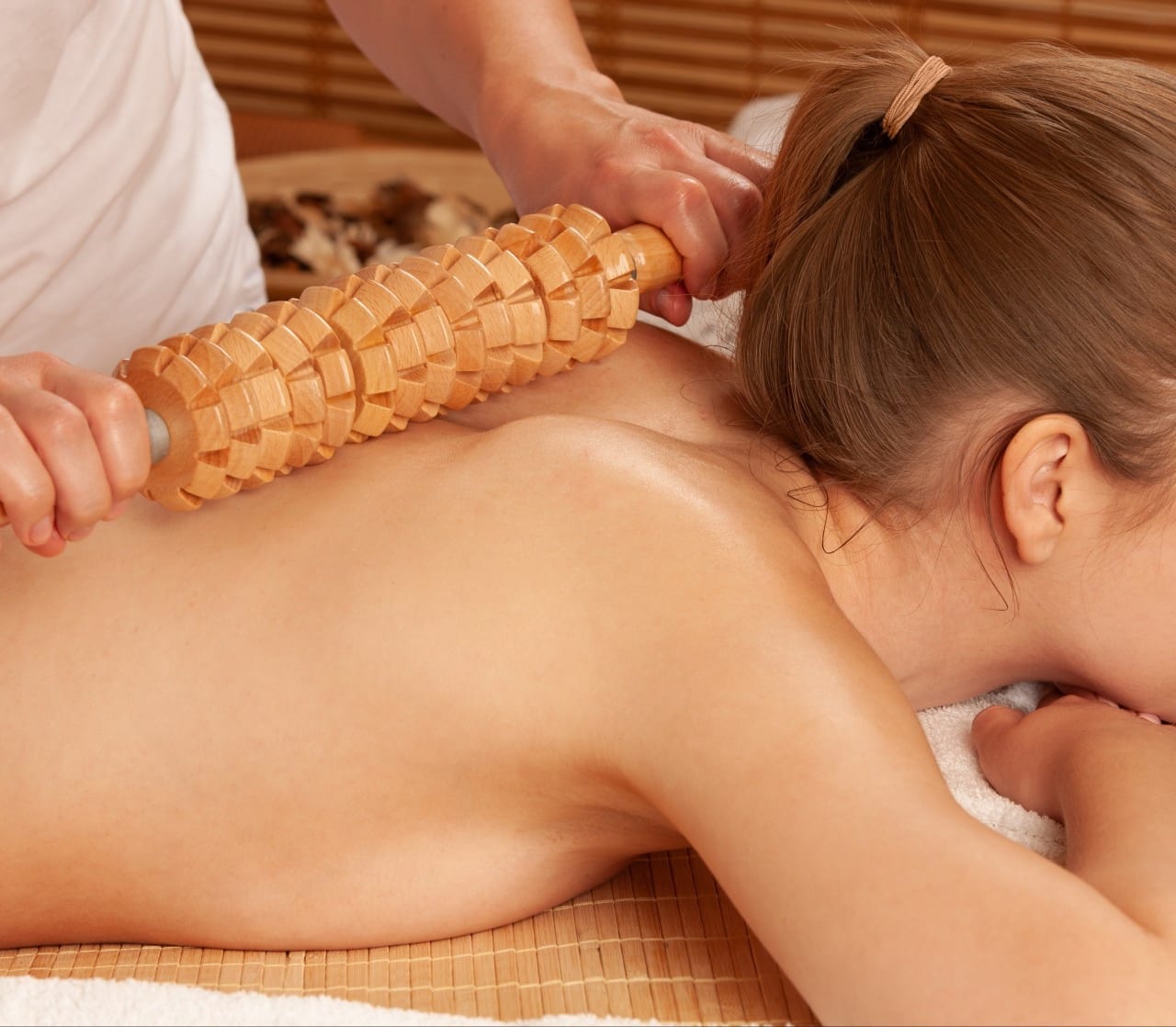
Massage and lymphatic drainage Example: kneading and rolling, Renata Franca... | Moderate reduction, slightly smoother skin, a firmer feel, possible reduction in thigh circumference. Temporary effects that require several sessions as well as regular maintenance to be sustained (4). |
Topical anti-cellulite treatments Creams, gels, etc. | Slight improvement, mainly due to the formula’s moisturising and firming effects, as well as a thickening of the skin’s surface. Temporary effects, often considered to fall short of advertising claims (5). |
Self-tanning products | No actual skincare action; merely an optical camouflage that makes irregularities (dimples) less visible by darkening the complexion and reducing contrasts. Temporary effects that disappear along with the pigments. |
Our conclusion, based on the scientific literature
Myth or reality?
Myth, but only partly. Losing weight can improve, worsen or have no effect on the appearance of cellulite, with results varying greatly from one person to another.
What’s true
Yes, excess fat can make existing cellulite look worse.
Yes, losing weight can reduce the ‘orange peel’ appearance in some cases.
Yes, the results may be more noticeable in people who are overweight.
What is not true
No, cellulite is not solely the result of excess fat.
No, weight loss does not guarantee smoother skin.
No, reducing the appearance of cellulite is not simply a matter of willpower.
Food for thought
There are many ways to lose weight, but not all of them respect your body’s natural balance. In this case, when it comes to cellulite, it seems more beneficial if weight loss is accompanied by exercise. Physical activity, particularly if it includes muscle-strengthening exercises, appears to play a key role in improving the appearance of cellulite. Among other things, it helps to ‘tighten’ the skin by stimulating the growth of the underlying muscle. This firming effect helps to reduce the depth – and therefore the visibility – of dimples (3). Conversely, rapid weight loss achieved through an overly restrictive lifestyle can have the opposite effect to that intended by reducing muscle mass. This is thought to contribute to making dimples more visible in some people. Furthermore, succeeding in maintaining a stable weight is crucial for sustaining your results (2).
What the experts say
A word from the nutritionist
"Which dietary factors have a real impact on the appearance of cellulite, regardless of weight loss? Cellulite isn’t exclusive to overweight women, but fat storage and an increase in the size of fat cells do exacerbate the problem. In terms of diet, without necessarily aiming to lose weight, it is best to avoid increased fat storage. To do this, limit your intake of sugar, fat, processed meats and processed foods.
To improve the appearance of cellulite, regardless of weight loss, it is helpful to adopt a diet that can have a beneficial effect on microcirculation, water retention, inflammation and the quality of skin tissue. It is therefore advisable to prioritise anti-inflammatory, high-fibre foods with a low glycaemic index (fruit and vegetables – particularly green vegetables – whole grains and pulses). These help to limit blood sugar spikes and fat accumulation. A controlled intake of salt also helps to limit water retention and oedema. This should be accompanied by good hydration, with draining herbal teas, for example, to support venous and lymphatic circulation and help drain the tissues. An adequate intake of lean protein also supports tissue structure and combats water retention. Finally, omega-3s have a beneficial effect on inflammatory processes."
Lila Bouber, PhD in Nutrition and Scientific Consultant
A word from the functional medicine doctor
"Why do slim women sometimes have cellulite? We see this a lot among our patients; cellulite is actually quite independent of body fat and is primarily hormonal in origin. This is particularly true as microcirculation can be sluggish and promote water retention, even in women with a normal BMI."
Dr Yoni Assouly, functional medicine doctor and author
Our best natural smoothing treatments
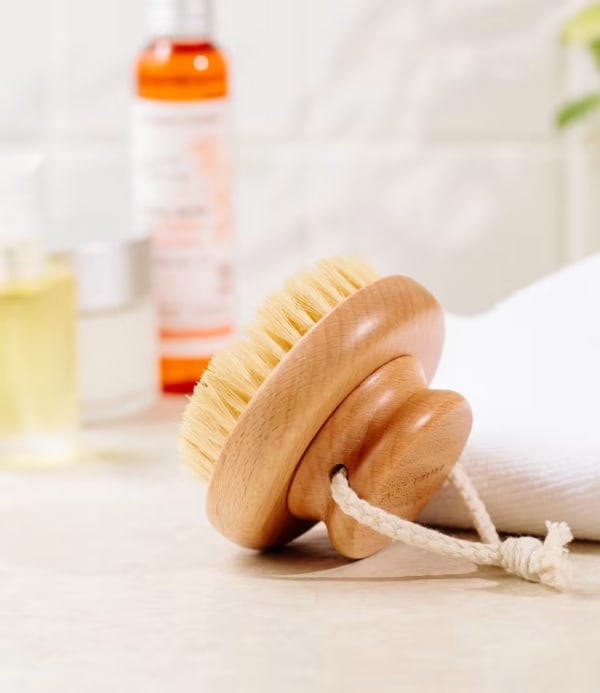
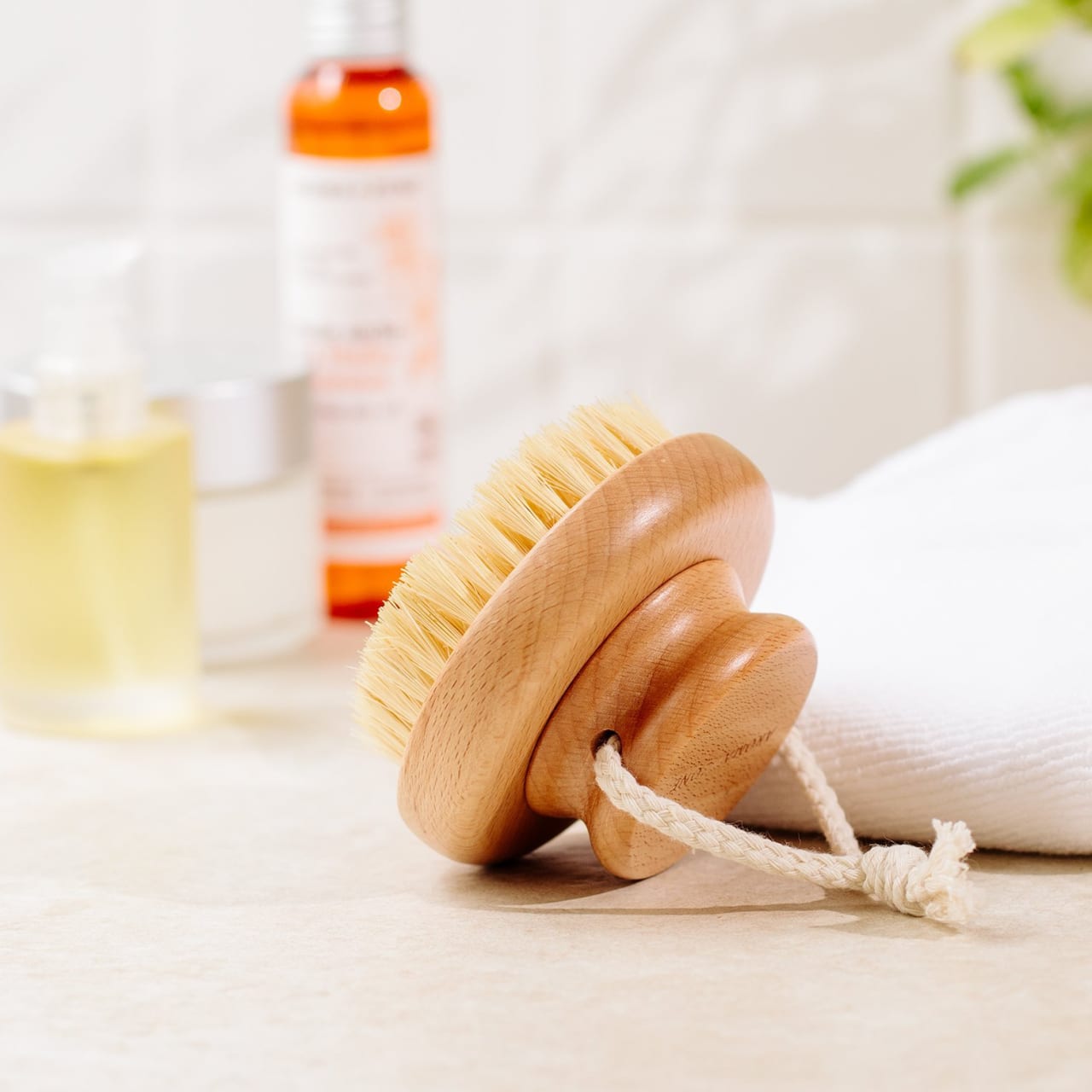
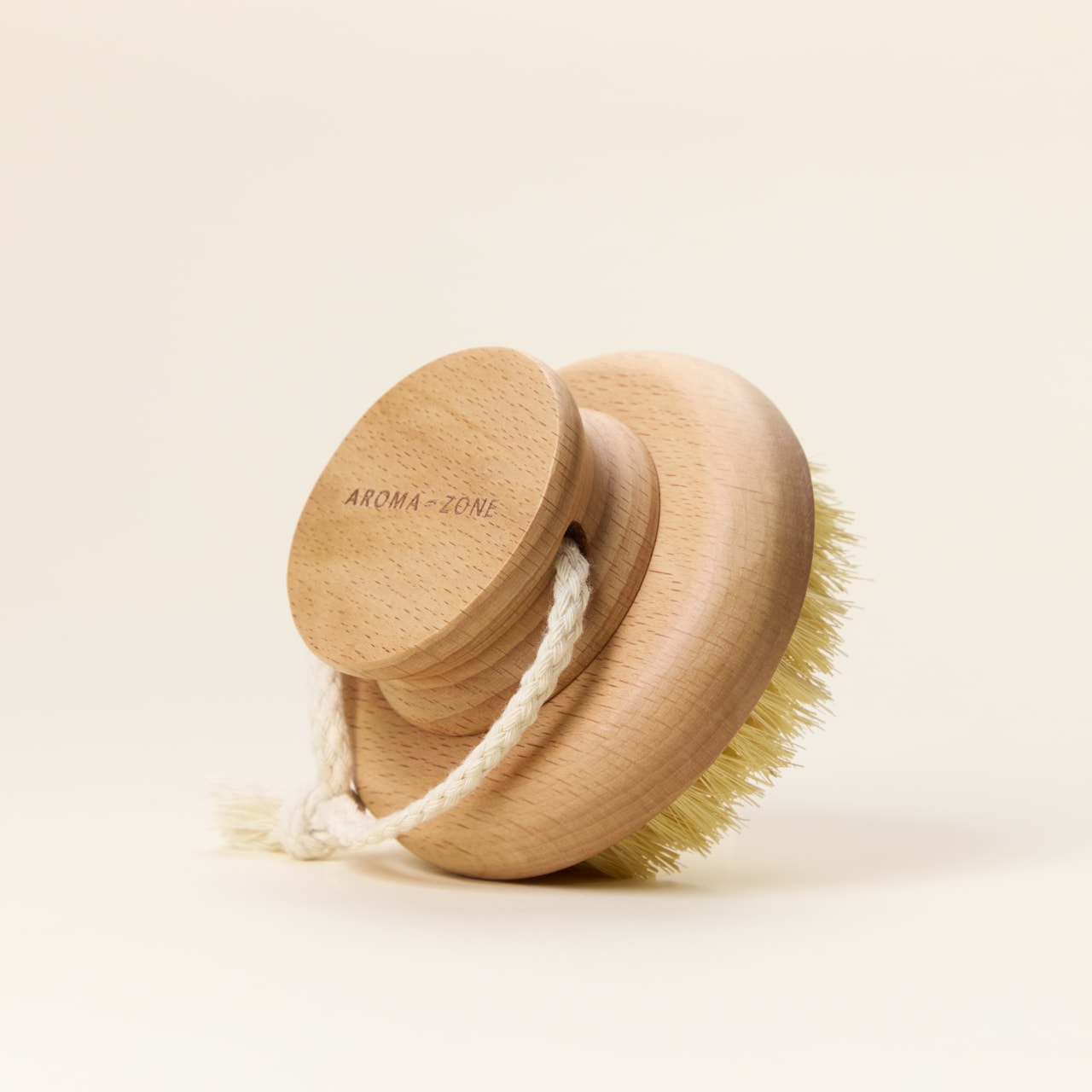
Wooden lymphatic drainage brush
The essential accessory for targeting water retention and restoring a feeling of lightness to your legs. Use it every day for 5 to 10 minutes, just before your shower. After your shower, we recommend enhancing its benefits with a toning massage, for example using our oil or our concentrated body treatment.
Organic Juniper Hydrosol
Renowned for its smoothing and firming effects, it can be used as an ingredient in your ‘light legs’ gel recipes or anti-cellulite creams. Store in the fridge and use within 6 months of opening.
Concentrated anti-cellulite active ingredient
Use this restructuring and firming ingredient to customise our Organic Neutral Plant-Based Milk or create your own homemade body-sculpting treatment. Recommended dosage: 2% of the total weight of your preparation. Store in the fridge after opening.
Discover the Anti-Cellulite Concentrated Active Ingredient.
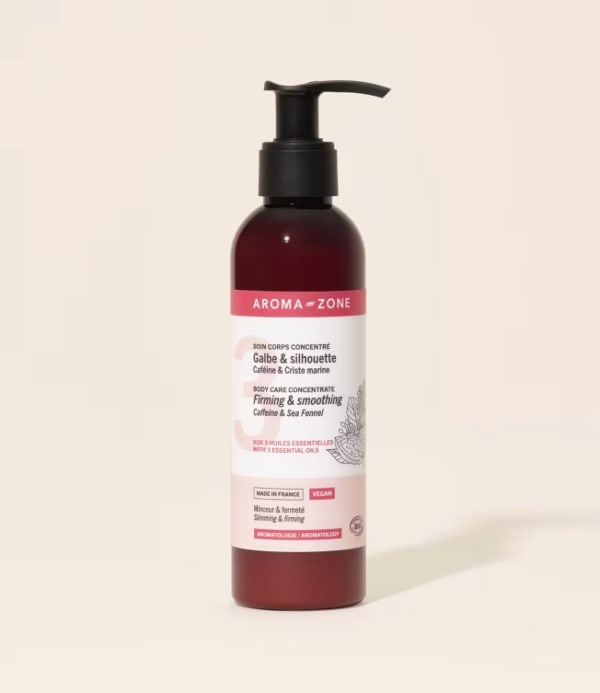
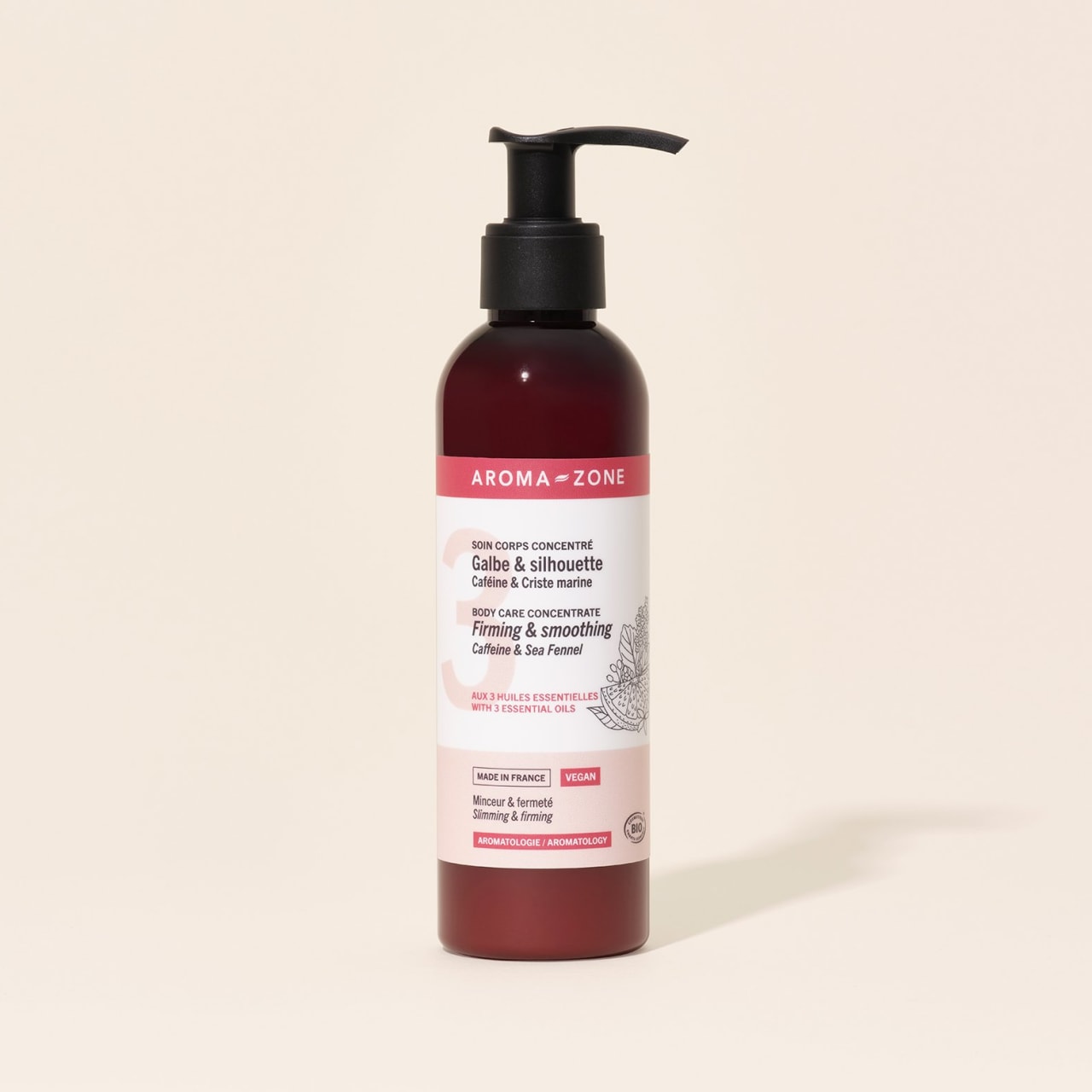
Organic Concentrated Body Care for Contouring & Silhouette
For those who prefer creamy textures: a velvety feel, without any greasy or sticky residue, and light enough to allow for a prolonged massage with a fresh, fruity scent. Certified organic, made in France. Do not use on children, pregnant women or breastfeeding mothers. Do not use on irritated or broken skin, or on mucous membranes.
Organic Concentrated Body Care for Contouring & Silhouette
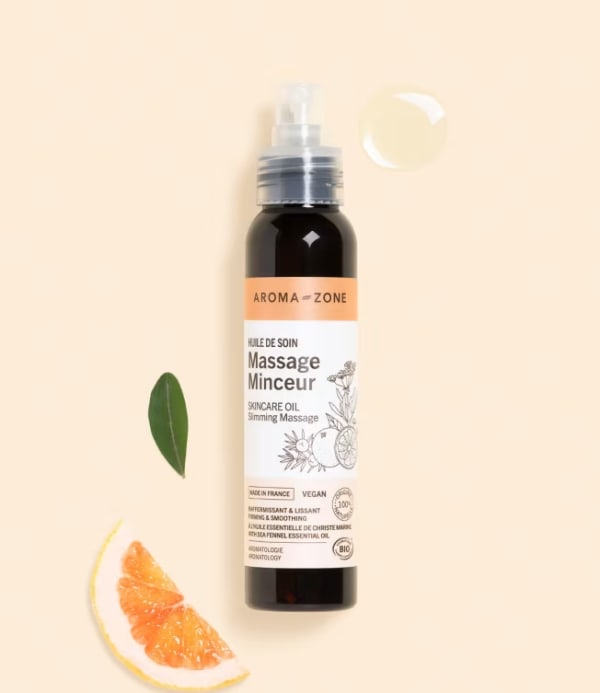
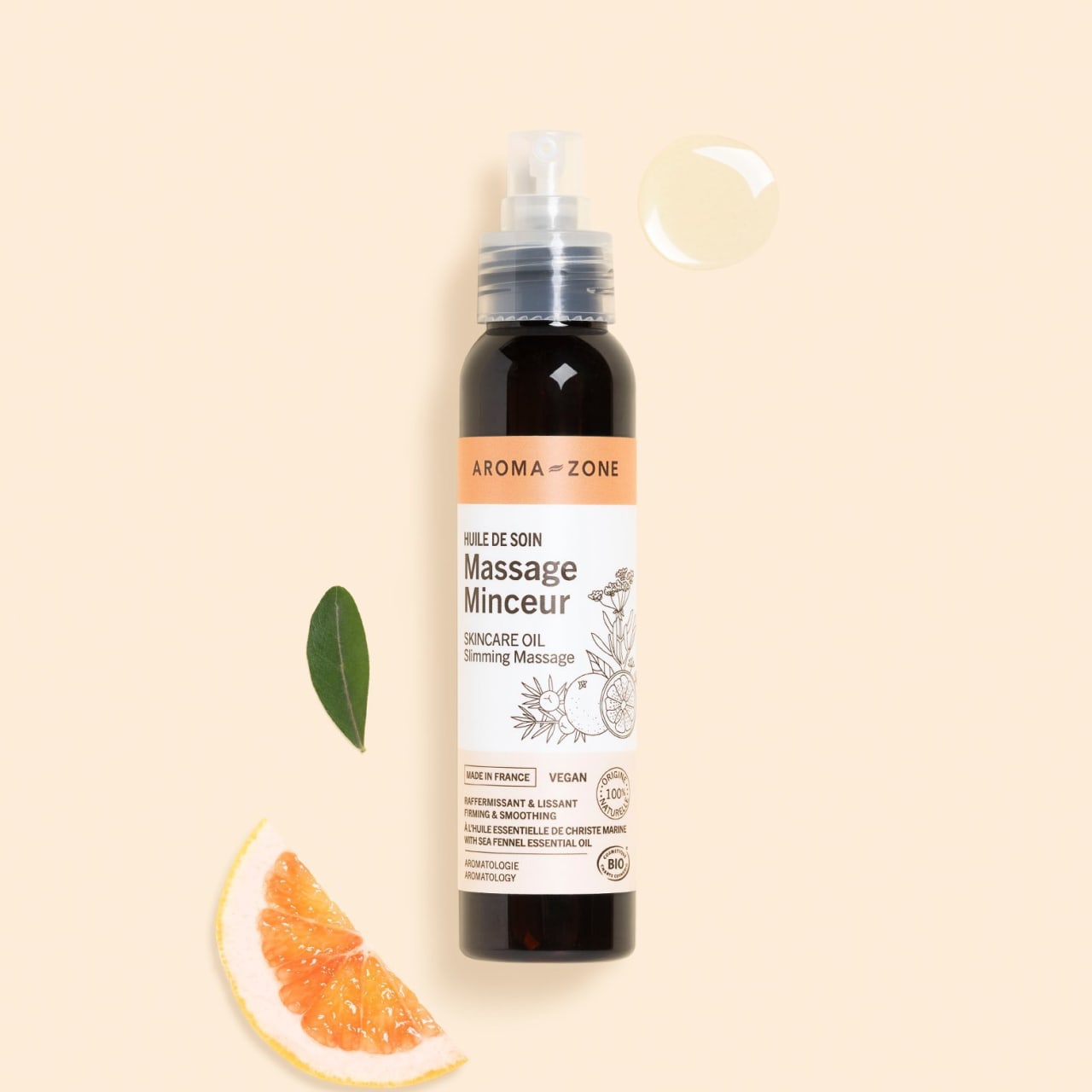
Slimming Massage Oil
For those who prefer oil-based textures: glides smoothly over the skin, ideal for invigorating massages with a fresh, invigorating fragrance. 100% naturally derived ingredients, certified organic, made in France. Do not use on children, pregnant or breastfeeding women. Do not use on irritated or broken skin, or on mucous membranes. Avoid contact with the eyes. In case of contact with the eyes, rinse thoroughly with clean water.
Precautions
Cellulite is widespread amongst women and is generally regarded as a common and harmless condition. However, there are certain exceptional circumstances where it is advisable to seek the advice of a healthcare professional. This is the case, for example, if you notice a sudden and marked worsening of symptoms, an asymmetrical distribution, pain, a hard lump, an increase in bruising or inflammation (swelling, redness, warmth).
Expert advice
Cellulite, due to its physiological and structural nature, often becomes a long-term condition. It is neither a physical flaw nor a sign of neglect, but rather a structural characteristic that affects the majority of women to varying degrees. Feeling better about yourself and your body necessarily involves realising this: it is important to set realistic goals, based on achieving a limited improvement or preventing the condition from getting worse, rather than aiming for complete elimination, which remains unattainable for most women.
Focus on Our Writer: Hélène Betoux

Hélène Betoux is a French beauty journalist specialising in web media. Every day she writes tips, advice, and guides to help consumers choose the right beauty products. With a strong interest in natural, organic, and clean cosmetics, she analyses and shares trends and innovations in the sector.
Bibliography
Smalls LK, Hicks M, Passeretti D, Gersin K, Kitzmiller WJ, Bakhsh A, Wickett RR, Whitestone J, Visscher MO. Effect of weight loss on cellulite: gynoid lipodystrophy.
Plast Reconstr Surg. 2006 Aug;118(2):510-6. doi: 10.1097/01.prs.0000227629.94768.be. PMID: 16874227.
Friedmann DP, Vick GL, Mishra V. Cellulite: a review with a focus on subcision.
Clin Cosmet Investig Dermatol. 7 January 2017;10:17–23. doi: 10.2147/CCID.S95830. PMID: 28123311; PMCID: PMC5234561.
Bass LS, Kaminer MS. Insights into the pathophysiology of cellulite: a review.
Dermatol Surg. October 2020;46 Suppl 1(1):S77–S85. doi: 10.1097/DSS.0000000000002388. PMID: 32976174; PMCID: PMC7515470.
Luebberding S, Krueger N, Sadick NS. Cellulite: an evidence-based review.
Am J Clin Dermatol. August 2015;16(4):243–256. doi: 10.1007/s40257-015-0129-5. PMID: 25940753.
Turati F, Pelucchi C, Marzatico F, Ferraroni M, Decarli A, Gallus S, La Vecchia C, Galeone C. Efficacy of cosmetic products in cellulite reduction: systematic review and meta-analysis.
J Eur Acad Dermatol Venereol. 2014 Jan;28(1):1–15. doi: 10.1111/jdv.12193. Epub 14 June 2013. PMID: 23763635.

Frequently Asked Questions
Associated tips
Skin care tips
Body Care Tips


