
Losing weight quickly (several pounds in a few days) generally corresponds, for the most part, to a loss of water and lean mass, rather than actual fat loss. This is why weight often rebounds as soon as you start eating normally again—the famous “yo-yo” effect. Crash diets have a significant effect on drainage and the elimination of excess water, with a rapid visual impact on your figure, whereas a sustainable reduction in body fat requires a moderate calorie deficit, time, and a focus on overall lifestyle habits (diet, physical activity, sleep, stress management). Furthermore, losing weight quickly increases the risk of severe fatigue and nutritional deficiencies.

How to lose weight quickly?
Published on: Wednesday, August 14, 2024, Updated on: Wednesday, October 07, 2026
Weight loss should never be synonymous with draconian diets and repeated frustration, but rather with gentle rebalancing, physical health, and carefully selected natural solutions. In this article, discover how to combine a healthy lifestyle, a balanced diet, and targeted plant-based ingredients (draining plants, fat-binding agents, and natural appetite suppressants) to support your figure in a gradual and sustainable way. The goal here is not to lose weight at any cost, but to build a comprehensive, healthy, and mindful weight-loss routine that you can actually maintain over the long term. Rather than focusing on losing weight very quickly, we suggest losing weight effectively and sustainably.
Contents
Related products
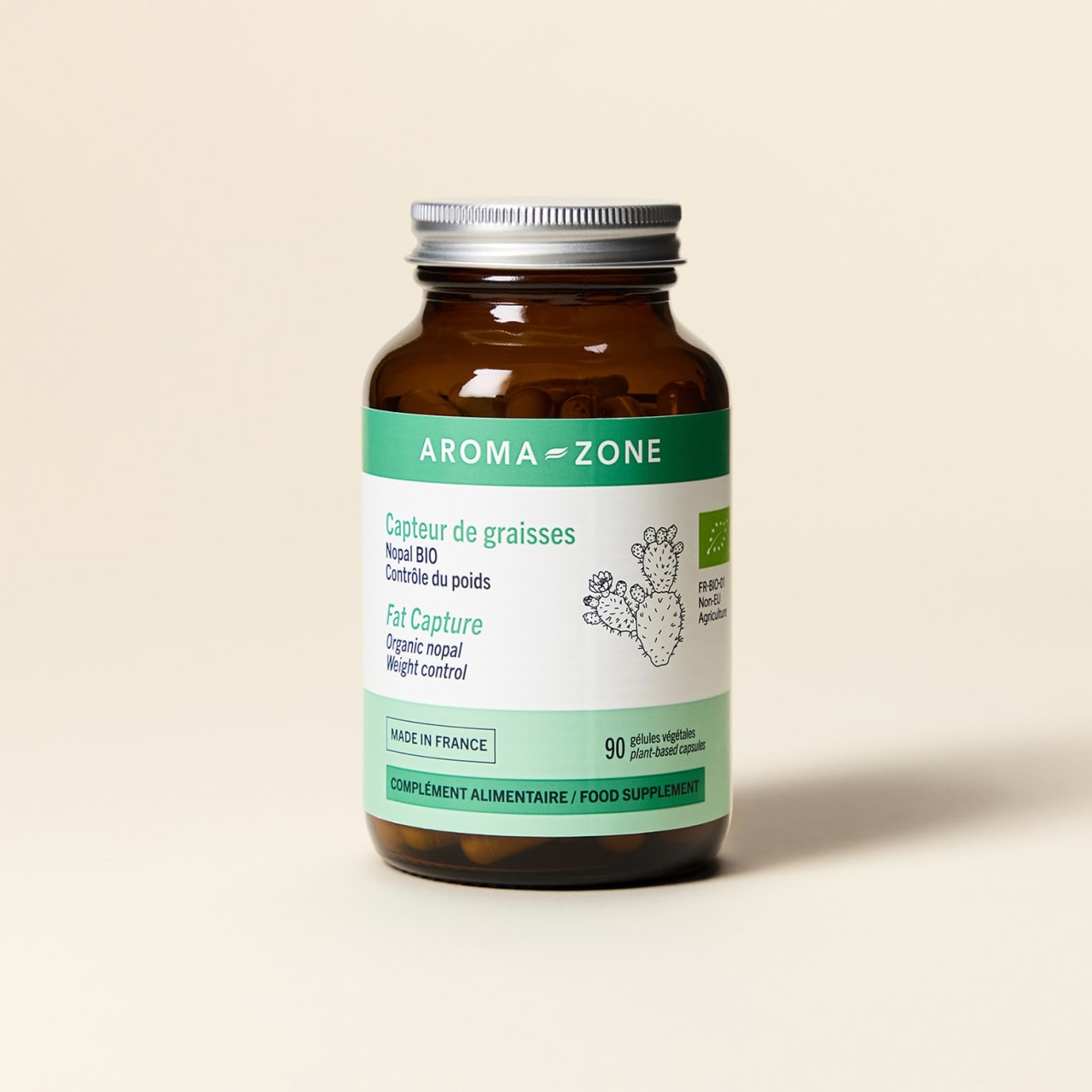
Fat Binder - 90 Capsules
Weight management
£13.00
1 article
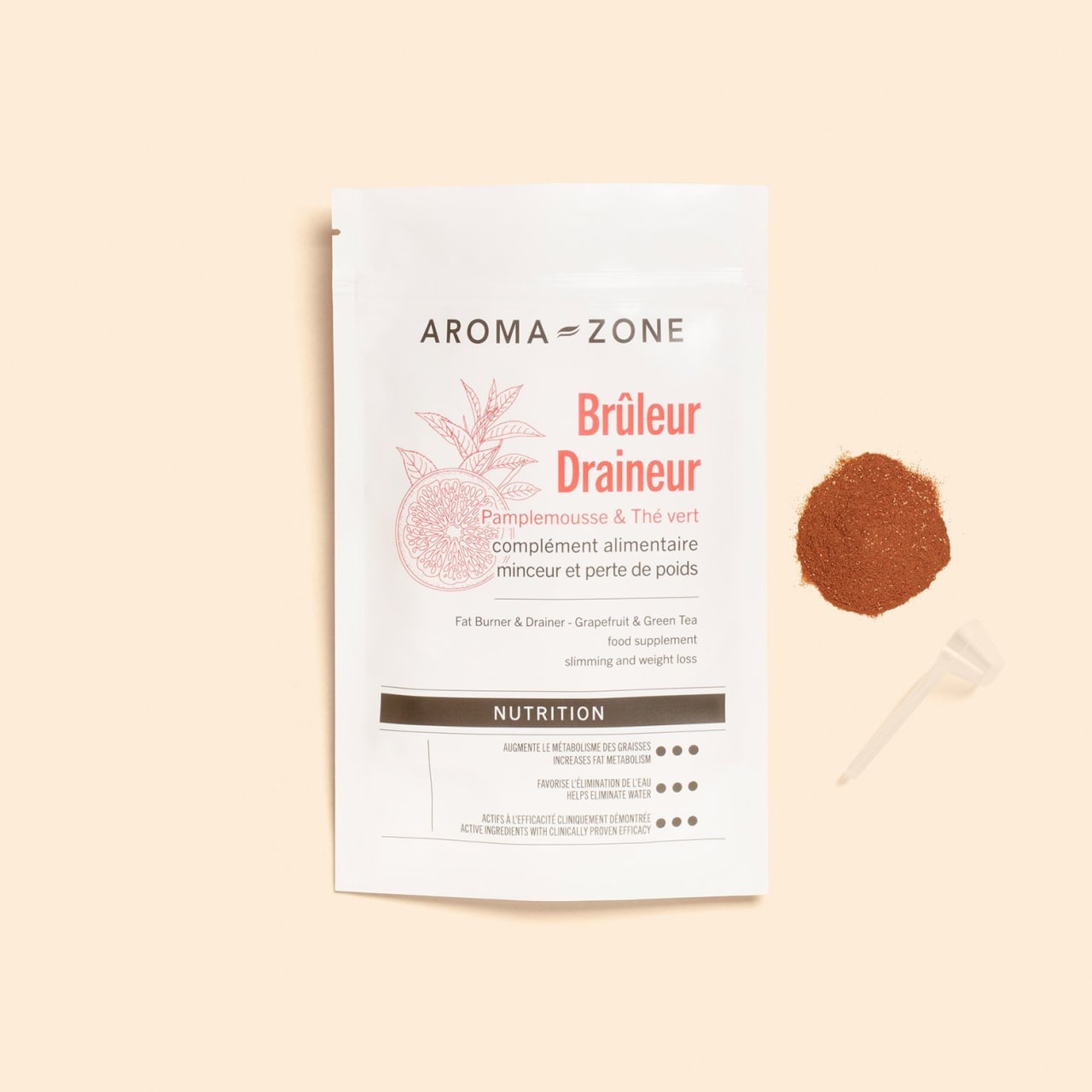
Fat Burner & Drainer
Weight management
£22.00
120 g
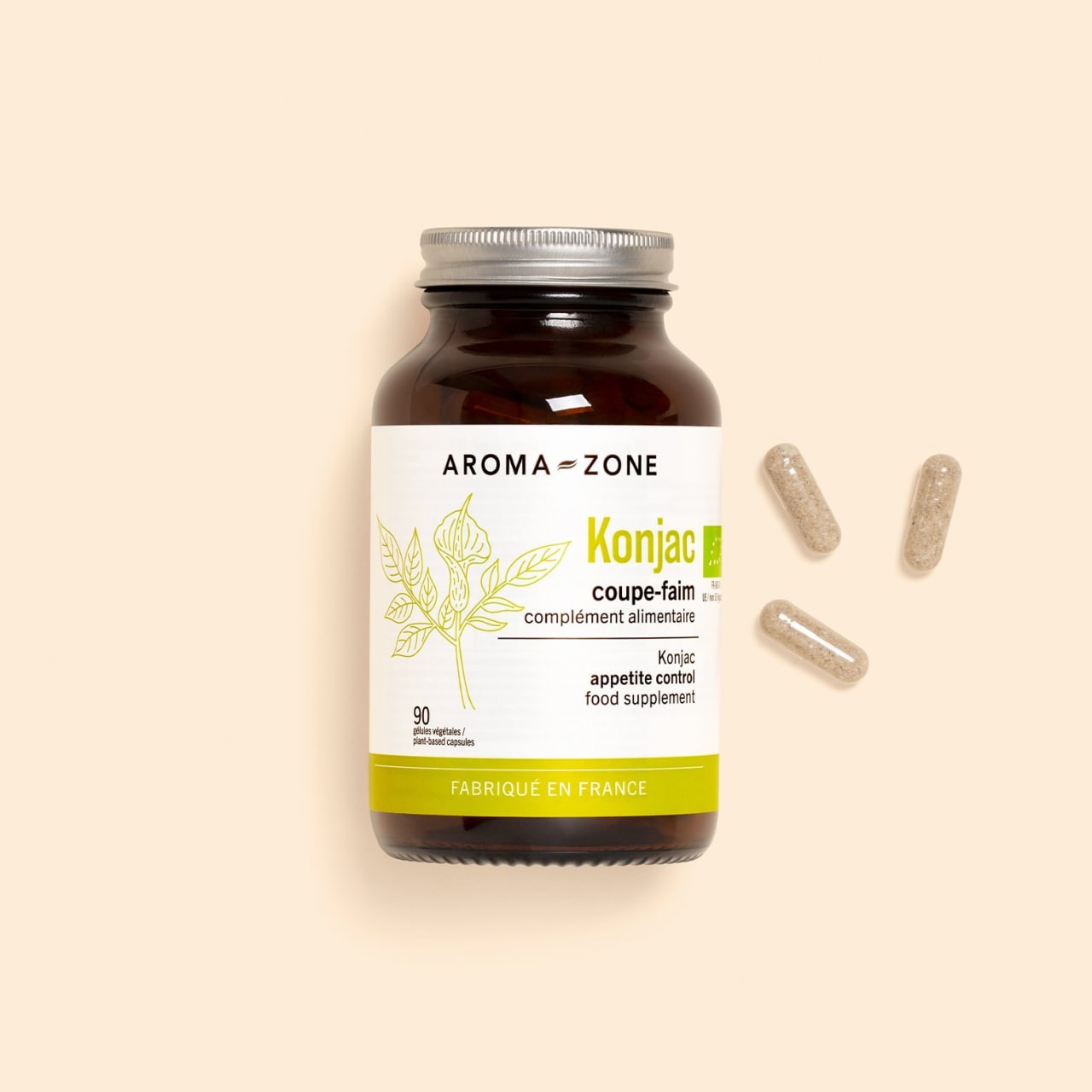
Konjac Appetite Control - 90 Capsules
Weight management
£14.00
71.2 g
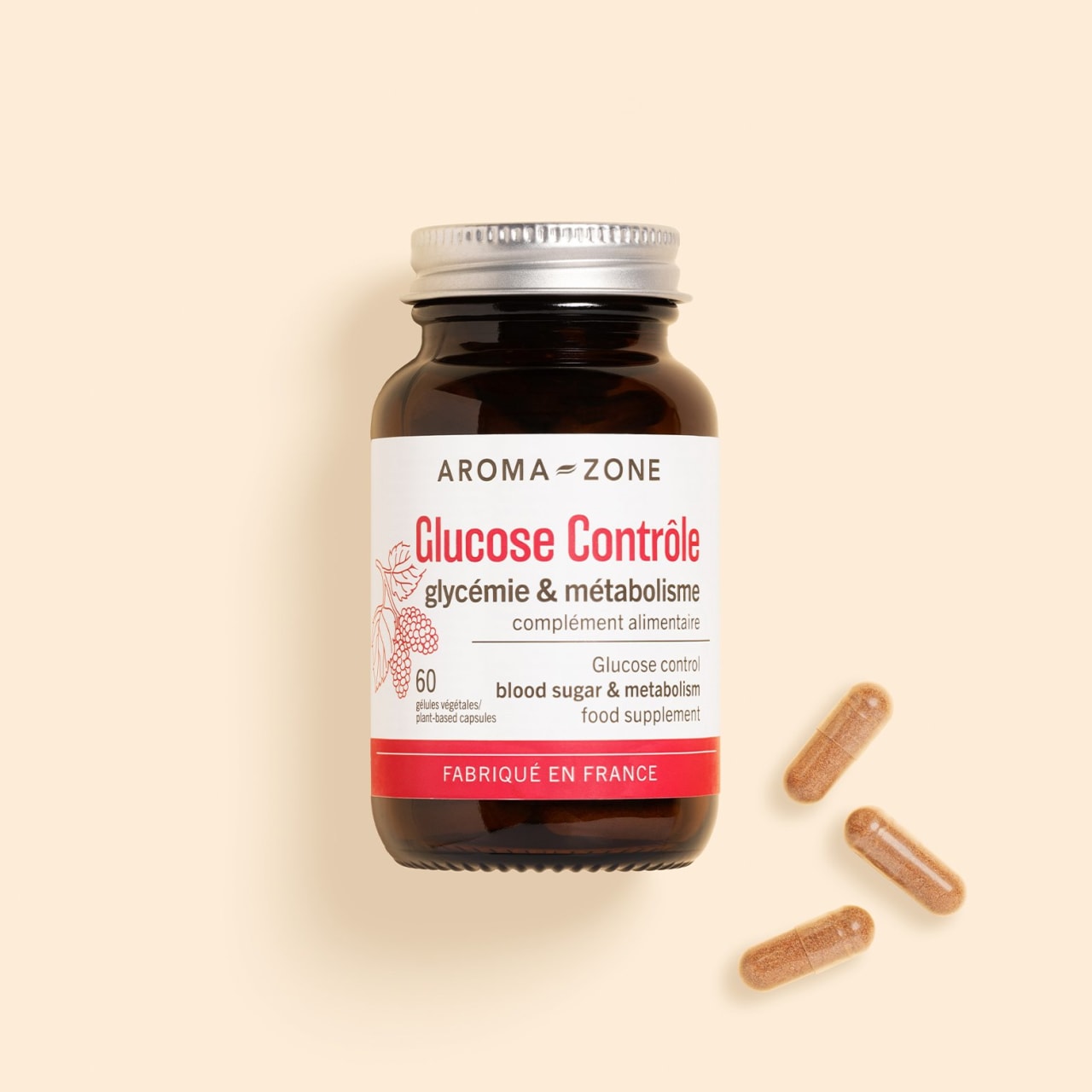
Glucose Control - 60 capsules
Weight management
£20.00
30.4 g
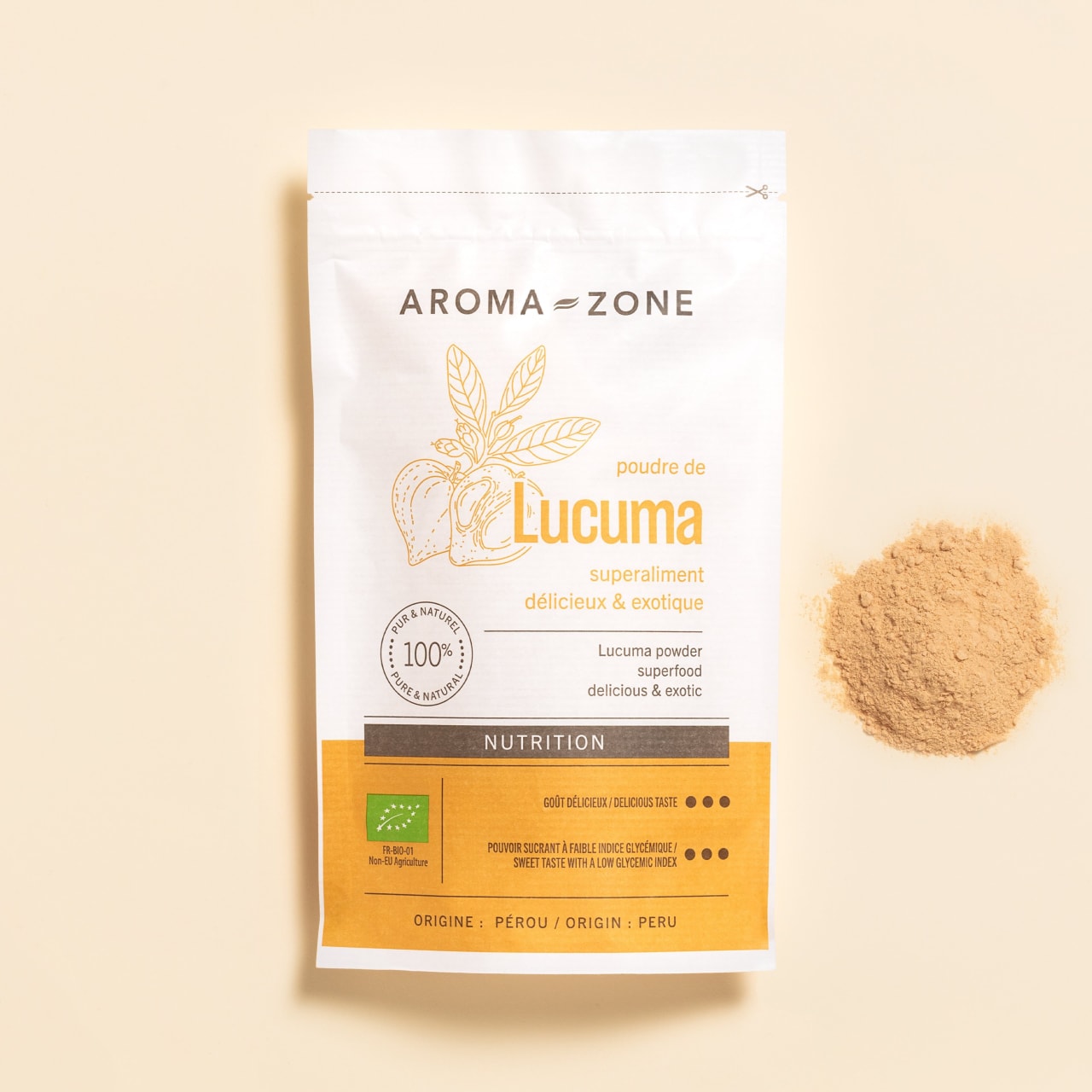
Organic Lucuma Powder
Sugar substitute
£9.50
200 g
Losing weight quickly: myth or reality?
The different types of weight-loss diets
Between magazines and food trends, diet plans promising rapid weight loss flood our daily lives. To help you navigate this, here are the four main types of weight-loss diets.
The “classic” low-calorie diet
A low-calorie diet is a dietary program that reduces daily calorie intake relative to the body’s needs in order to create a calorie deficit. In practical terms, the body receives slightly fewer calories than it burns, which causes it to draw on its reserves, particularly body fat.
The high-protein diet
A high-protein diet involves increasing protein intake beyond standard guidelines (approximately 0.83 g/kg/day for adults) while maintaining complex carbohydrates, “good” fats, and plenty of plant-based foods. Rather than a “crash diet” focused solely on meat or protein powders, the goal is to turn to high-quality protein sources (both animal and plant-based).
Intermittent fasting
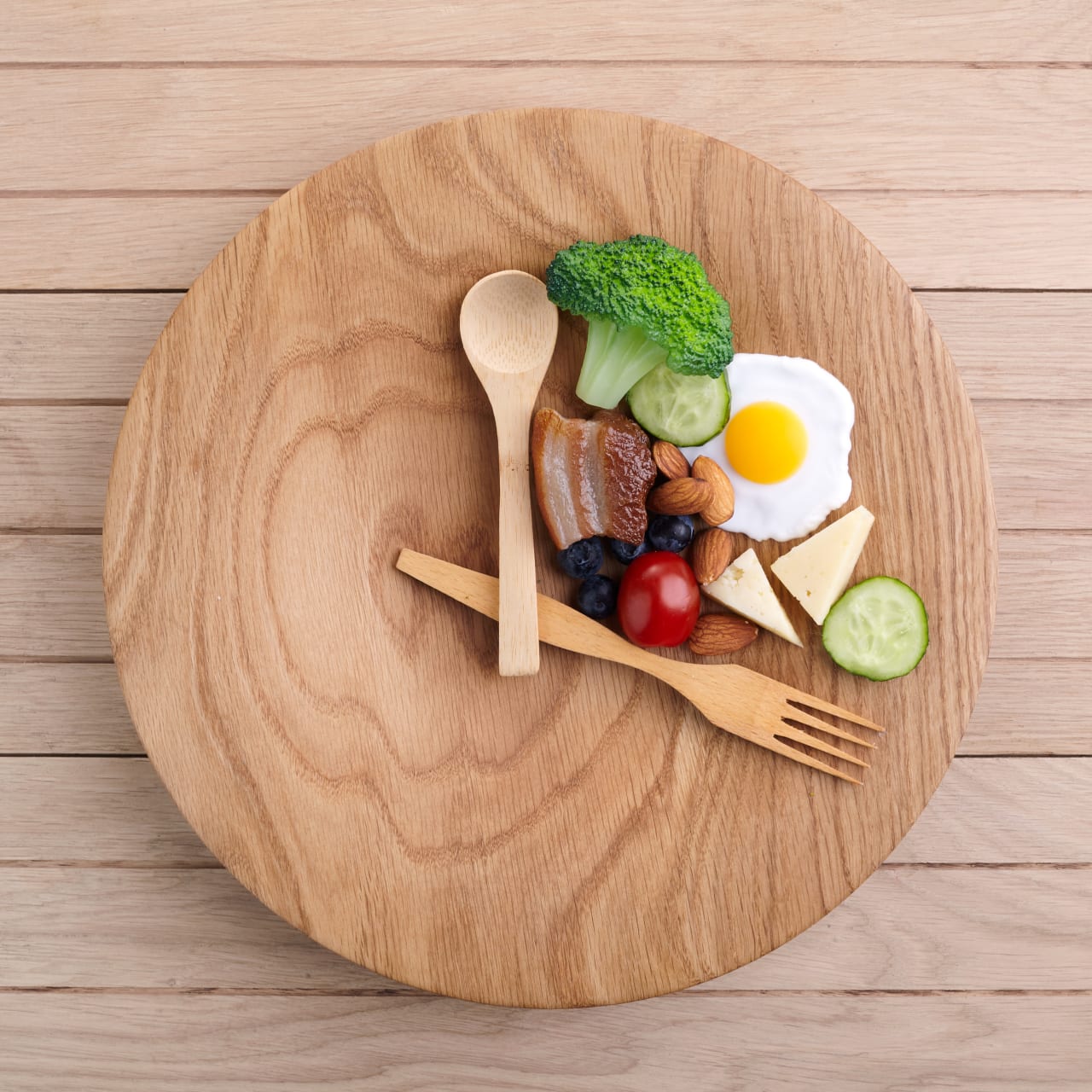
Intermittent fasting involves alternating between periods of no calorie intake and eating windows. A normal, high-quality diet is maintained during meal times. The goal is to give the body genuine periods of digestive rest so that it can draw more from its energy reserves, better regulate blood sugar levels, and activate certain cellular regeneration mechanisms.
The low-carb diet
Low in carbohydrates, the low-carb diet involves reducing added sugars, very sweet foods, and some starchy foods, while retaining a certain amount of high-quality complex carbohydrates (whole grains, legumes, vegetables). The idea isn’t necessarily to follow a strict ketogenic diet—which involves almost completely eliminating carbohydrates from your diet—but to significantly reduce your daily carbohydrate intake to stabilise blood sugar levels, curb cravings, and promote the use of fat as an energy source.
Our tips for losing weight effectively and sustainably
Create a reasonable calorie deficit
A calorie deficit involves consuming fewer calories than the body burns. This forces the body to draw on its fat reserves to function properly. When properly managed, this mechanism allows for gradual and sustainable weight loss. A deficit of 300 to 500 kcal per day is generally recommended to promote weight loss without disrupting the metabolism. To achieve this, you can slightly reduce portion sizes without causing frustration, prioritise filling foods (protein, fibre, healthy fats) to avoid cravings, limit ultra-processed foods and those high in added sugars, and monitor fat intake while continuing to consume healthy fats (avocado, olive oil, nuts).
Be careful, however: a poorly managed calorie deficit and rapid weight loss can lead to deficiencies, excessive fatigue, or muscle loss. That is why it is recommended that you seek guidance from a dietitian or nutritionist.
Incorporate appetite-suppressing foods
Appetite-suppressing foods and supplements help you better manage hunger, limit snacking, and create a calorie deficit without too much frustration, as part of a comprehensive dietary rebalancing. They help you stay full longer, which makes it easier to go between meals and eat smaller portions without feeling deprived. They’re especially helpful when hunger or compulsive cravings make it hard to stick to a new balanced diet.
Appetite-suppressing foods can be incorporated to curb a craving or complement a light meal:
Apples: rich in fibre, this fruit is very popular in weight-loss diets. Easy to carry, you can eat it whole or cut it into quarters to enjoy at any time of day.
Konjac: With its high content of glucomannan, a soluble fibre, Konjac swells upon contact with water in the stomach and forms a viscous gel that increases stomach volume. This slows digestion and prolongs the feeling of fullness.
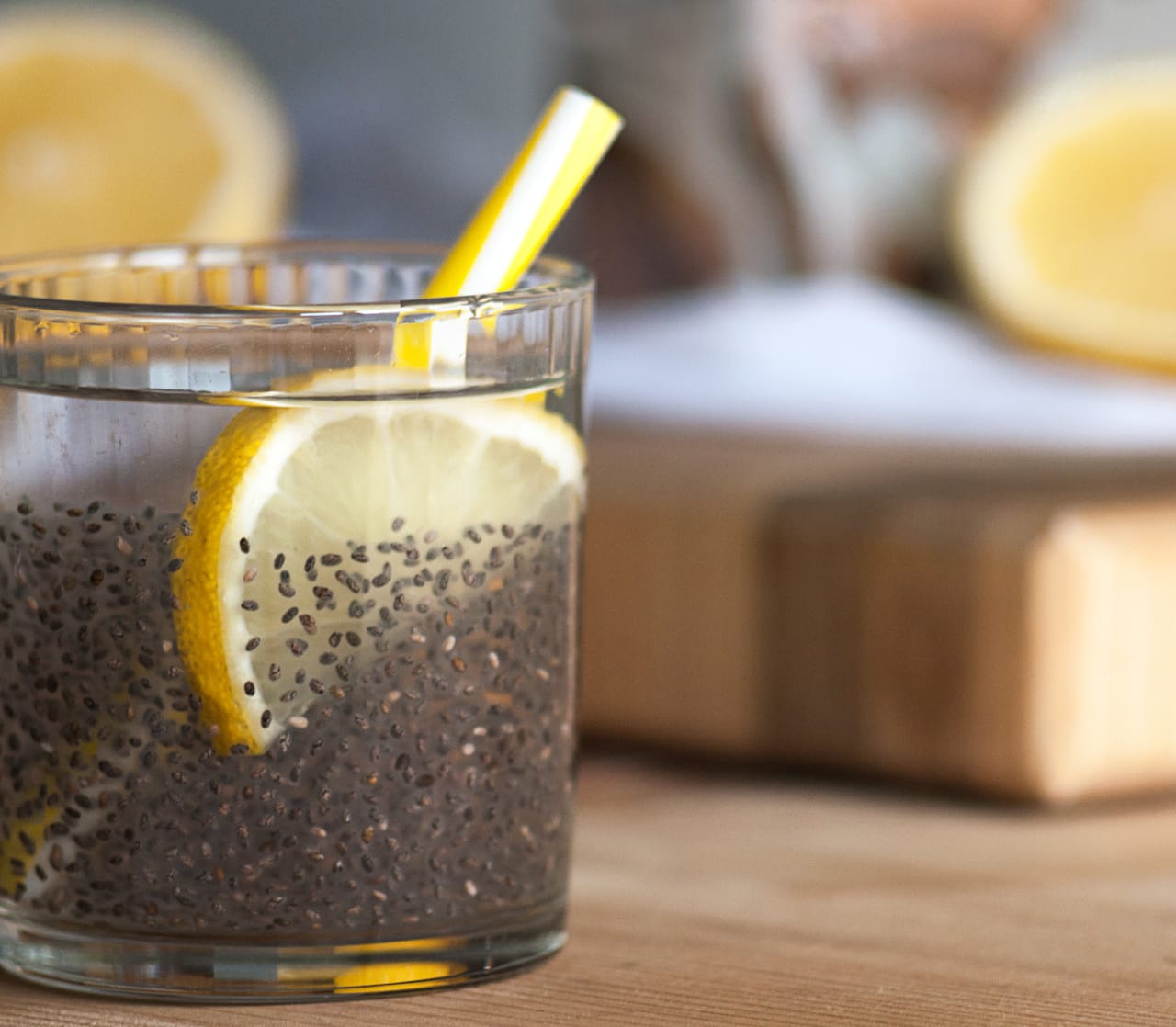
Chia Seeds: These tiny seeds possess extraordinary absorptive power. They can absorb up to 12 times their weight in water, allowing them to swell and form a voluminous mucilaginous gel in the stomach. This creates a rapid feeling of fullness and an effective appetite-suppressing effect.
Appetite suppressants should be used only occasionally and as part of a balanced diet. They are by no means the only solution for losing weight quickly.
Adopt a balanced diet
A balanced diet meets all the body’s needs for energy and essential nutrients. It helps maintain a healthy weight and remains enjoyable and tailored to each individual. It is based on mostly minimally processed, varied foods, and on a balanced distribution of macronutrients (proteins, carbohydrates, fats) and micronutrients (vitamins, minerals, fiber) throughout the day:
A complete plate consists of three pillars:
A large serving of vegetables.
A source of starchy foods (ideally whole grains).
A source of animal or plant-based protein, complemented by a small amount of healthy fats.
In practice, it is often recommended to fill about half the plate with vegetables, a quarter with protein (eggs, fish, tofu, legumes) and a quarter with complex carbohydrates (semi-whole grain rice, quinoa, sweet potato, sourdough bread), plus a drizzle of high-quality vegetable oil and possibly a piece of fruit and/or a dairy product or a few nuts for dessert.
Get some exercise
Exercise is a valuable ally for losing weight in a healthy and sustainable way. It increases energy expenditure, protects muscle mass, and improves overall metabolic and cardiovascular health. It amplifies the calorie deficit needed for the body to tap into its fat reserves. Combined with a balanced diet and adequate rest, it helps target body fat—the hardest to lose—stabilise weight, and feel better physically and mentally in the long term. Exercising also helps create a firmer, more balanced physique by directing weight loss toward fat rather than muscle.
What natural solutions can help promote weight loss?
Specially formulated to support your metabolism and help you reach your goals in a healthy way, discover our natural solutions, designed to be incorporated into a balanced diet.
Our fat burner
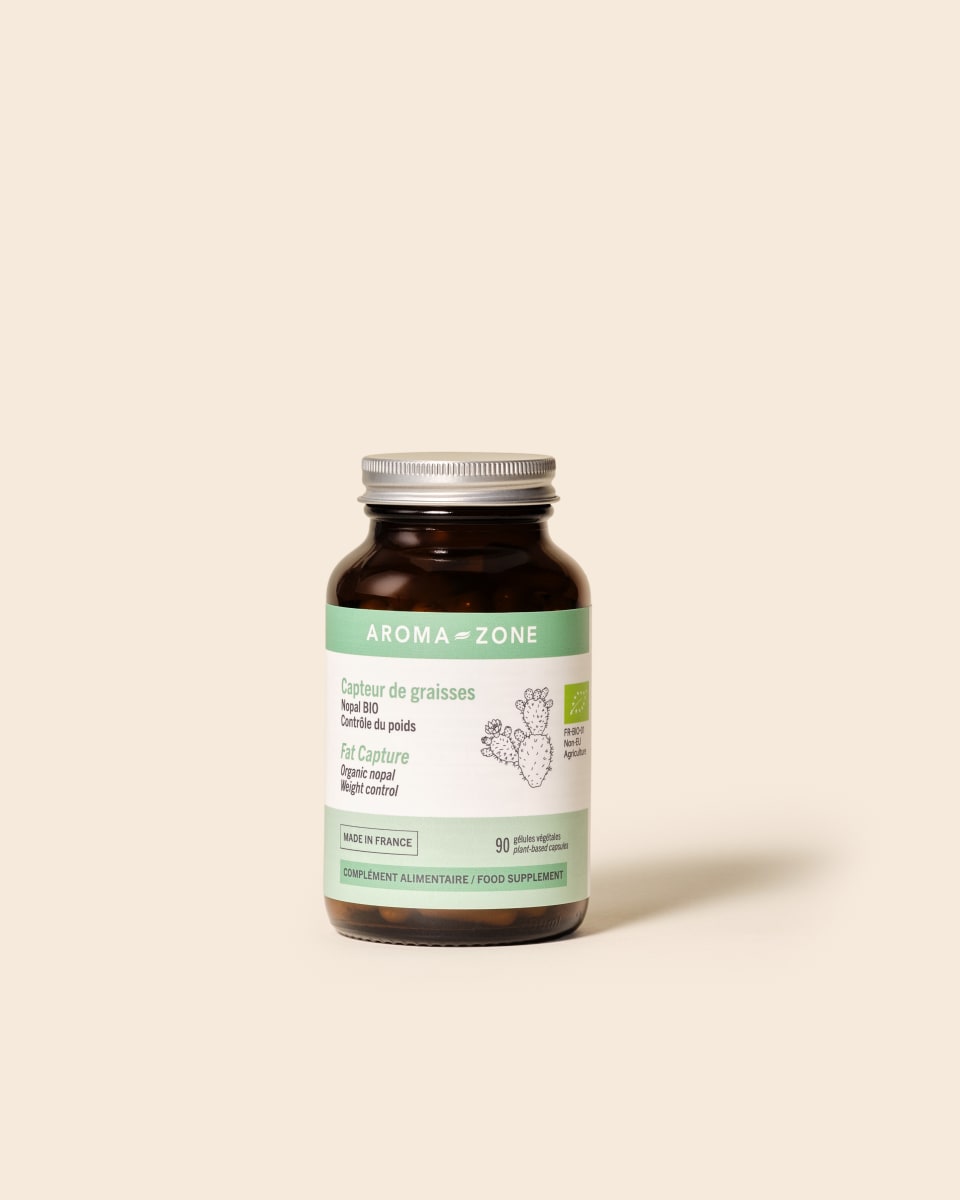
To help refine your figure and promote weight loss, our Fat Burner-Drainer formula combines the best ingredients. Among them are two patented active ingredients with clinically proven efficacy: Sinetrol®, an extract of citrus fruits and guarana, and Cactinea, an extract of the prickly pear cactus. This natural dietary supplement acts on both energy expenditure and the elimination of excess water—two essential factors for accelerating your weight loss results.
Daily, dissolve two measuring spoons in 1.5 to 2 litres of water, to be drunk throughout the day.
Our Konjac-based appetite suppressant
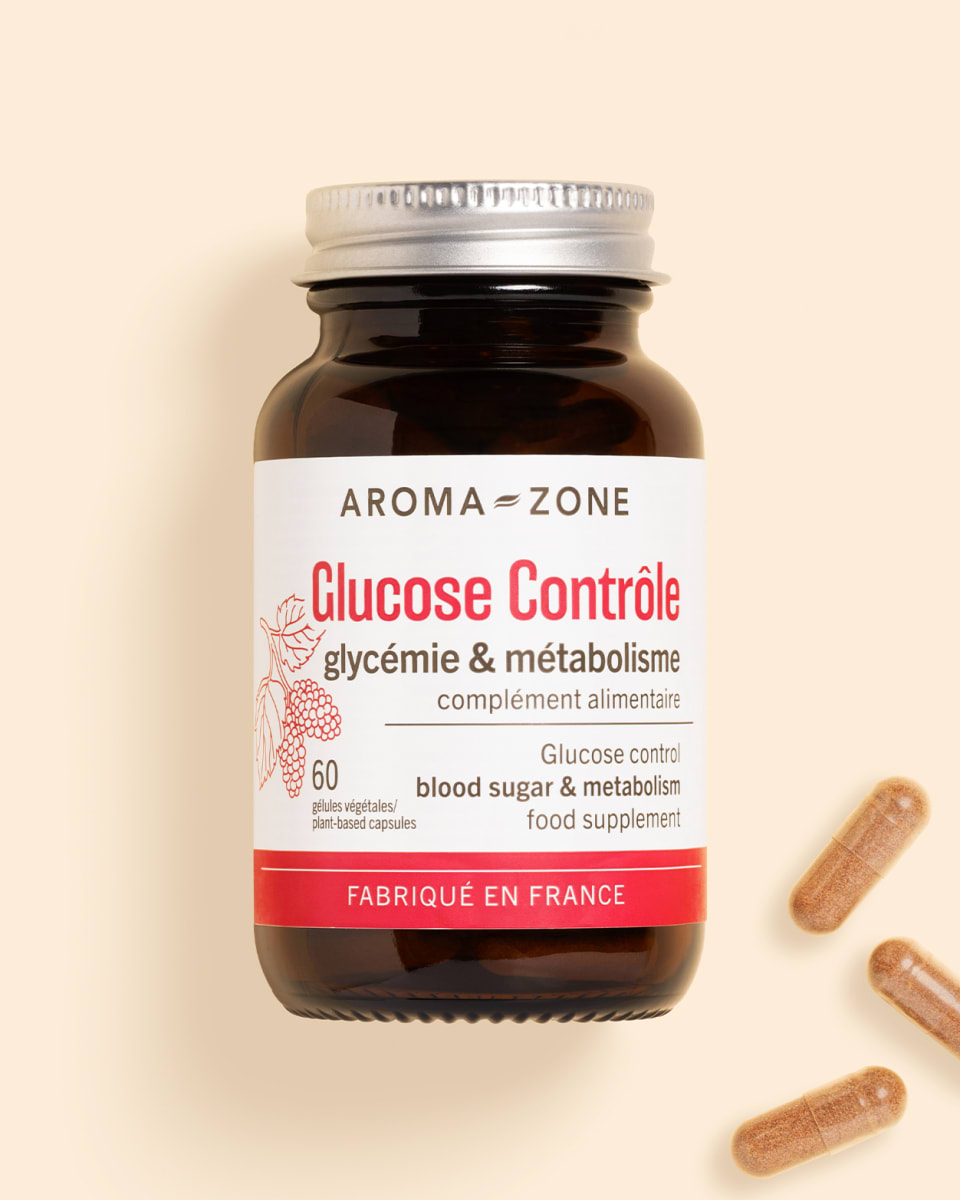
For those looking to curb their appetite as part of a weight-loss regimen, our organic Konjac appetite suppressant naturally promotes satiety and helps fight cravings and snacking. Thanks to its fibres called glucomannans, Konjac swells upon contact with water in the stomach and helps reduce daily calorie intake.
For best results, take 2 capsules before each main meal with one or two large glasses of water.
Our metabolism booster

Native to Brazil, guarana has become famous for its energising properties. It boosts the body thanks to its high caffeine and antioxidant content. It is highly valued by athletes for its invigorating effects during intense exercise and as a weight-loss aid to stimulate metabolism.
You can sprinkle our organic guarana powder into your savoury or sweet recipes as part of a regimen or mix it into your protein shake before your workout.
What weight-loss routine should you adopt?
Prepare a nutritious breakfast: start your day with a breakfast rich in protein and fiber to kickstart your metabolism and avoid morning cravings.
Plan your meals: Plan your meals in advance to avoid impulsive food choices. Prepare your meals at home as much as possible.
Choose healthy snacks: Always keep healthy, appetite-suppressing snacks on hand (fruit, nuts, Greek yogurt) to avoid temptations between meals.
Get enough sleep: It is recommended to get between 7 and 9 hours of sleep per night. Lack of sleep can disrupt the hormones that regulate appetite.
Get daily physical activity: Incorporate movement into your daily routine (take the stairs, walk instead of driving) to increase your overall calorie expenditure.
Manage stress : Anxiety increases the secretion of cortisol, a hormone that stimulates appetite (especially for fatty and sugary foods) and disrupts hunger and satiety signals, which promotes emotional snacking.
Don’t forget to stay hydrated: Drink at least 1.5 litres of water throughout the day. Water also helps control appetite.
Expert tip
If you are overweight, obese, or experiencing difficulty losing weight, make an appointment with a healthcare professional, such as a physician, nutritionist, or dietitian, to support your weight loss and help you maintain your weight.
Spotlight on our nutrition writer, Raquel Barros

Raquel was always passionate about nutrition and well-being, and it was above all her love of good food and desire to share her knowledge that led her to pursue a career in dietetics. A graduate with a BTS qualification specialising in sports nutrition, she discovered the world of natural solutions, including dietary supplements and oligotherapy, while working in various pharmaceutical laboratories. In recent years, she has expanded her work to include nutritional counselling and article writing, combining her interest in nutrition with her passion for sharing knowledge. Women’s health, anti-inflammatory diets, sport, and balanced nutrition are among her favourite topics.
Bibliography
NIH, Are Dietary Proteins the Key to Successful Body Weight Management? Intermittent fasting interventions for the treatment of overweight and obesity in adults: a systematic review and meta-analysis.
JBI Database System Rev. 2021 - https://pubmed.ncbi.nlm.nih.gov/34579069/
NIH, Low glycemic index and glycemic load diets in adults with excess weight
J Hum Nutr Diet, 2022 - https://pubmed.ncbi.nlm.nih.gov/35546475/
NIH, Comparison of weight loss among named diet programs in overweight and obese adults: a meta-analysis.
JAMA. 2014 - https://pubmed.ncbi.nlm.nih.gov/25182101/
NIH, The Effects of Exercise and Physical Activity on Weight Loss and Maintenance,
Prog Cardiovasc Dis., 2018 - https://pubmed.ncbi.nlm.nih.gov/30003901/
NIH, Mindfulness Intervention for Stress Eating to Reduce Cortisol and Abdominal Fat among Overweight and Obese Women,
J Obes., 2011 - https://pubmed.ncbi.nlm.nih.gov/21977314/

Frequently Asked Questions
Associated tips
Nutrition tips

Nutrition tips
Nutrition tips
Nutrition tips

Nutrition tips


