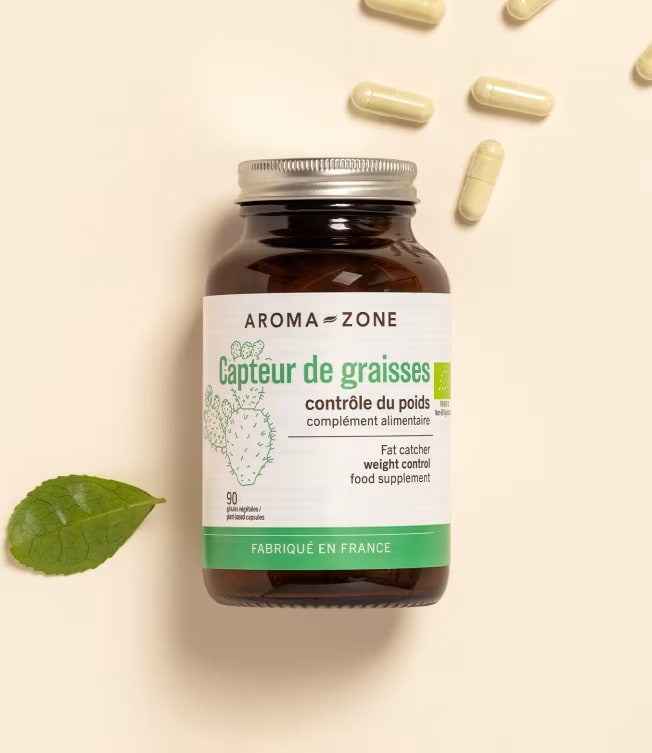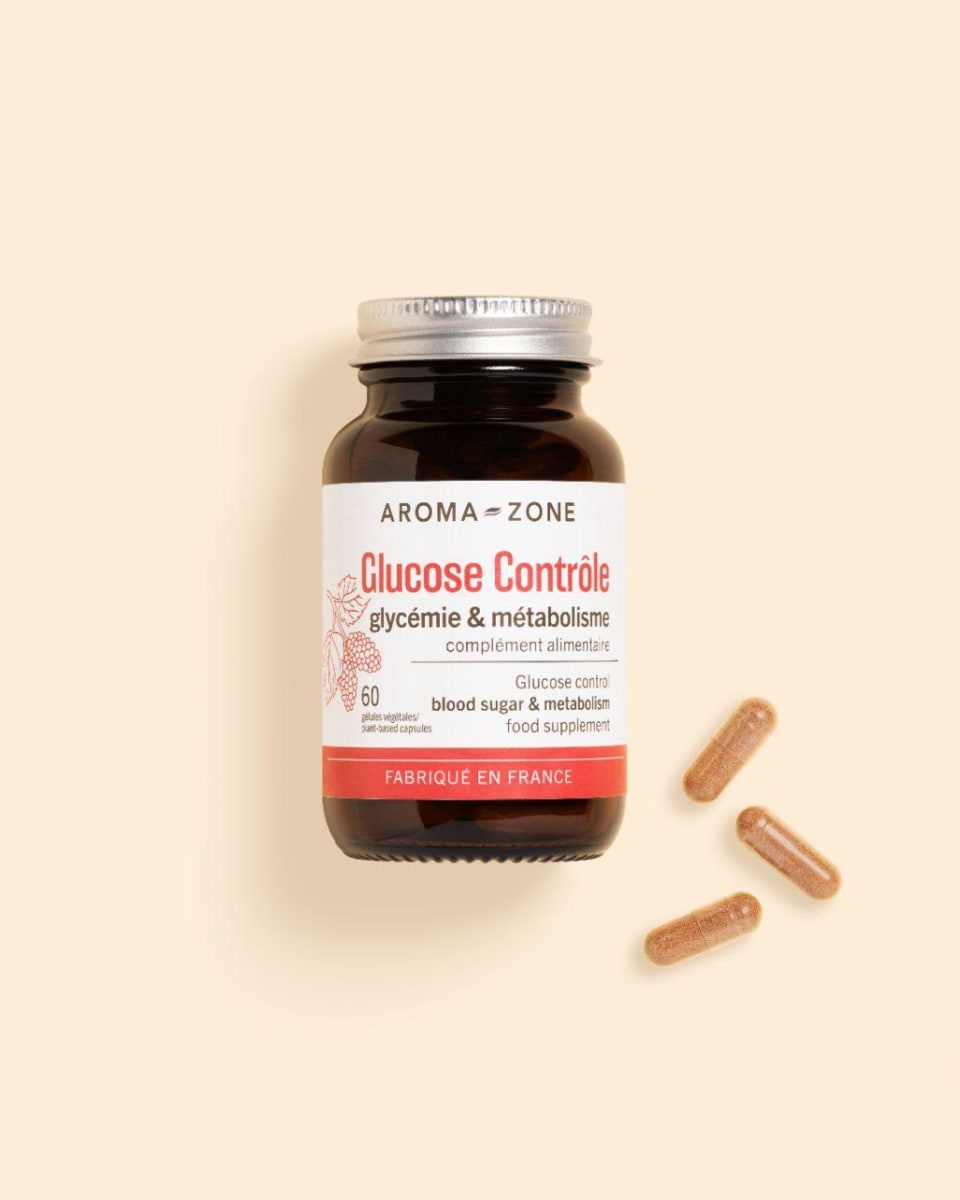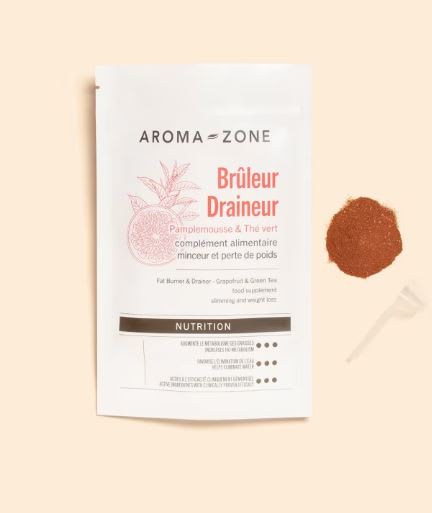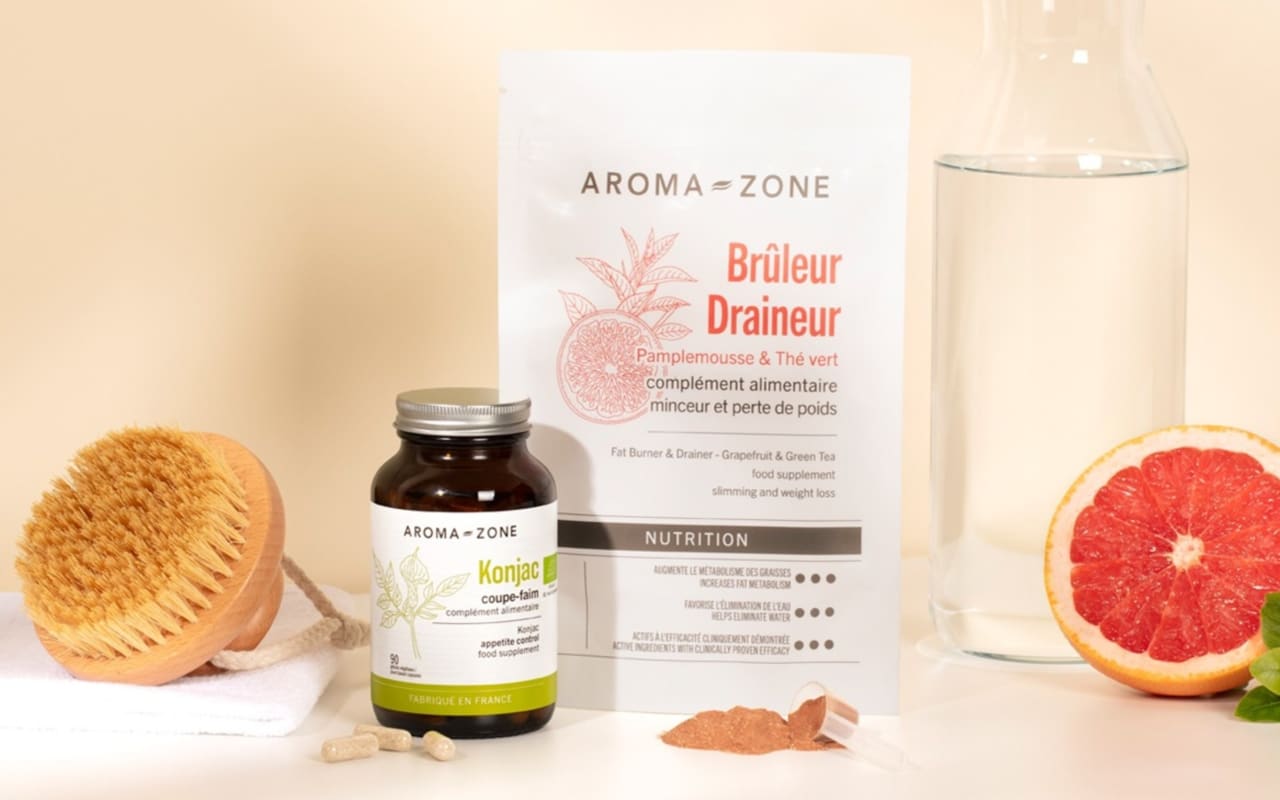
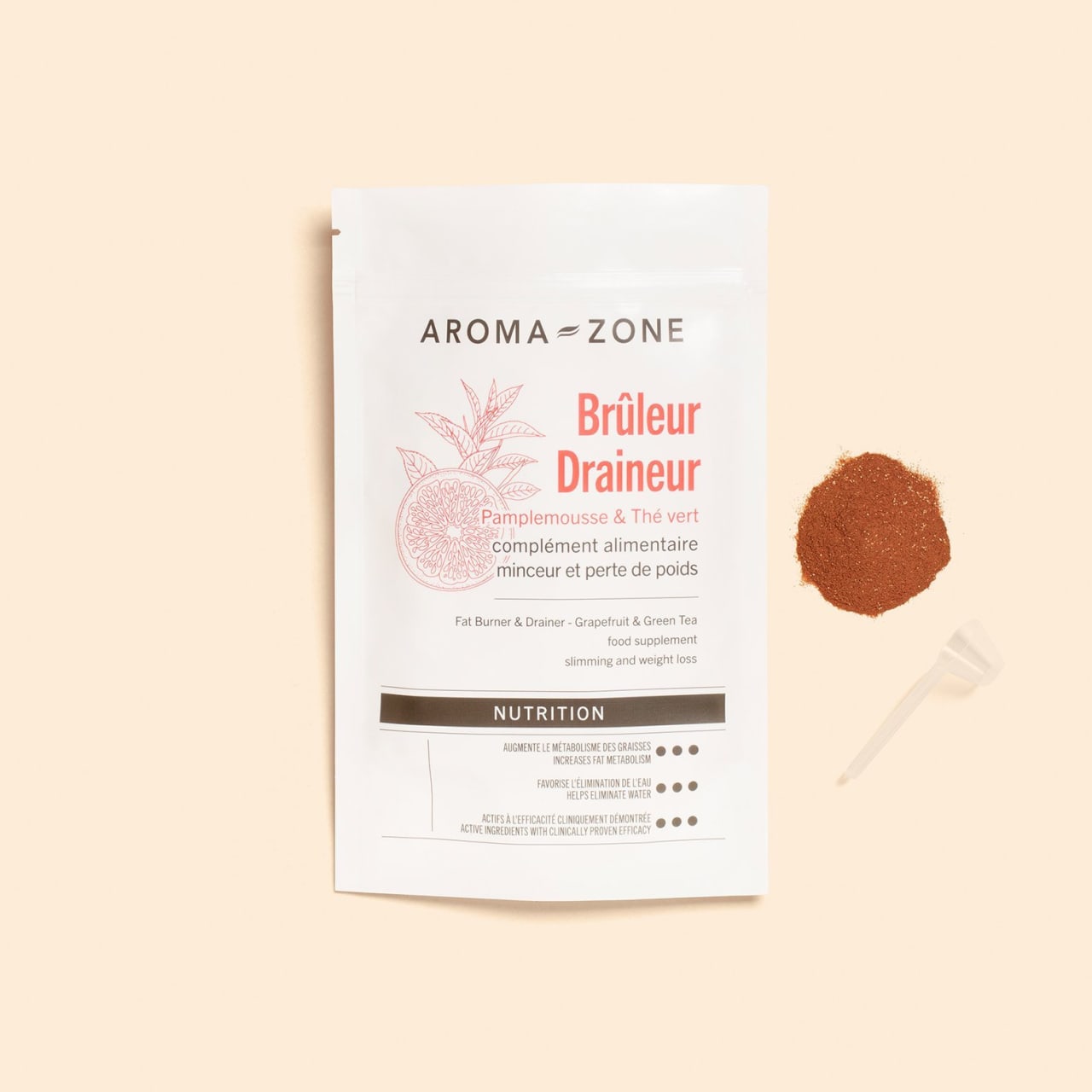
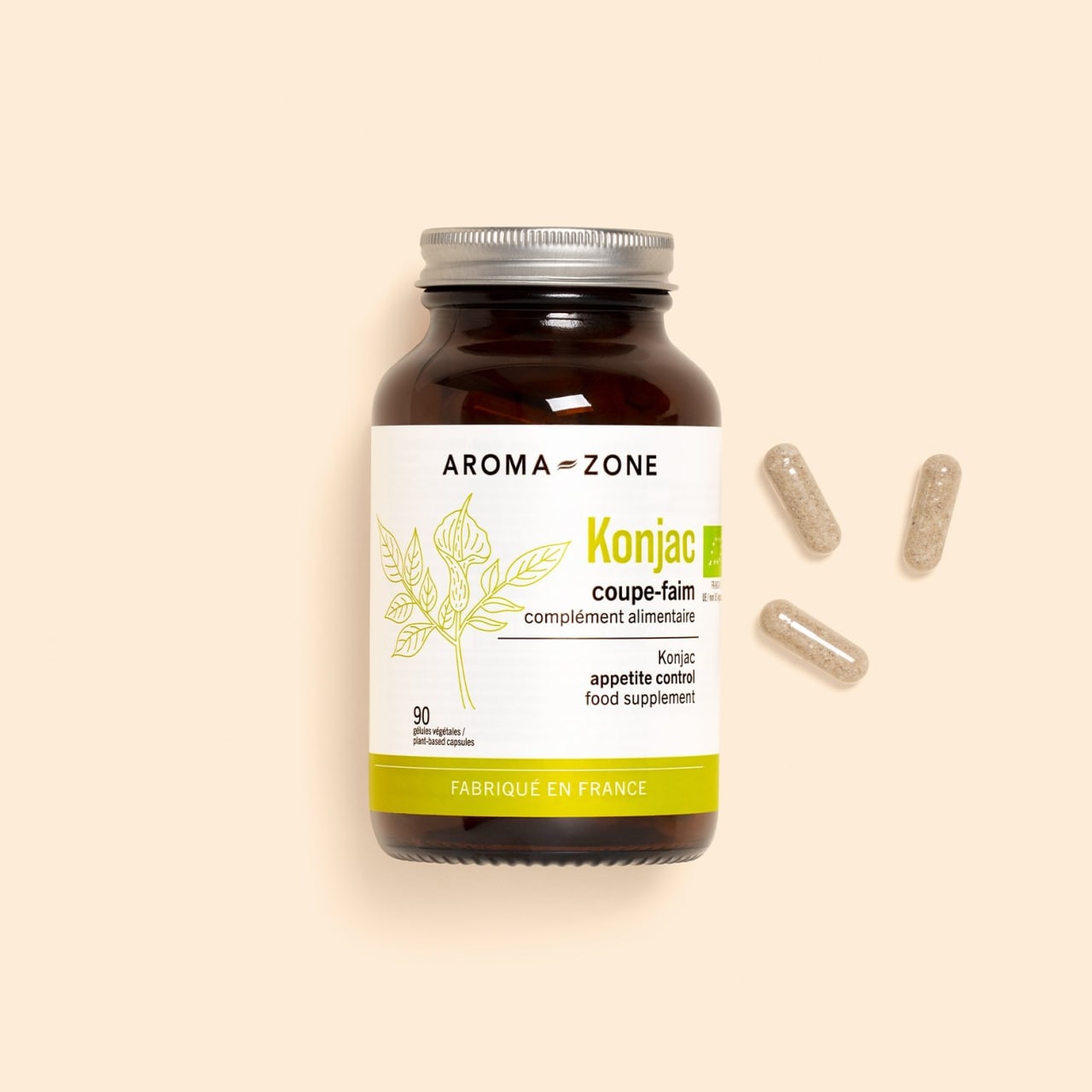
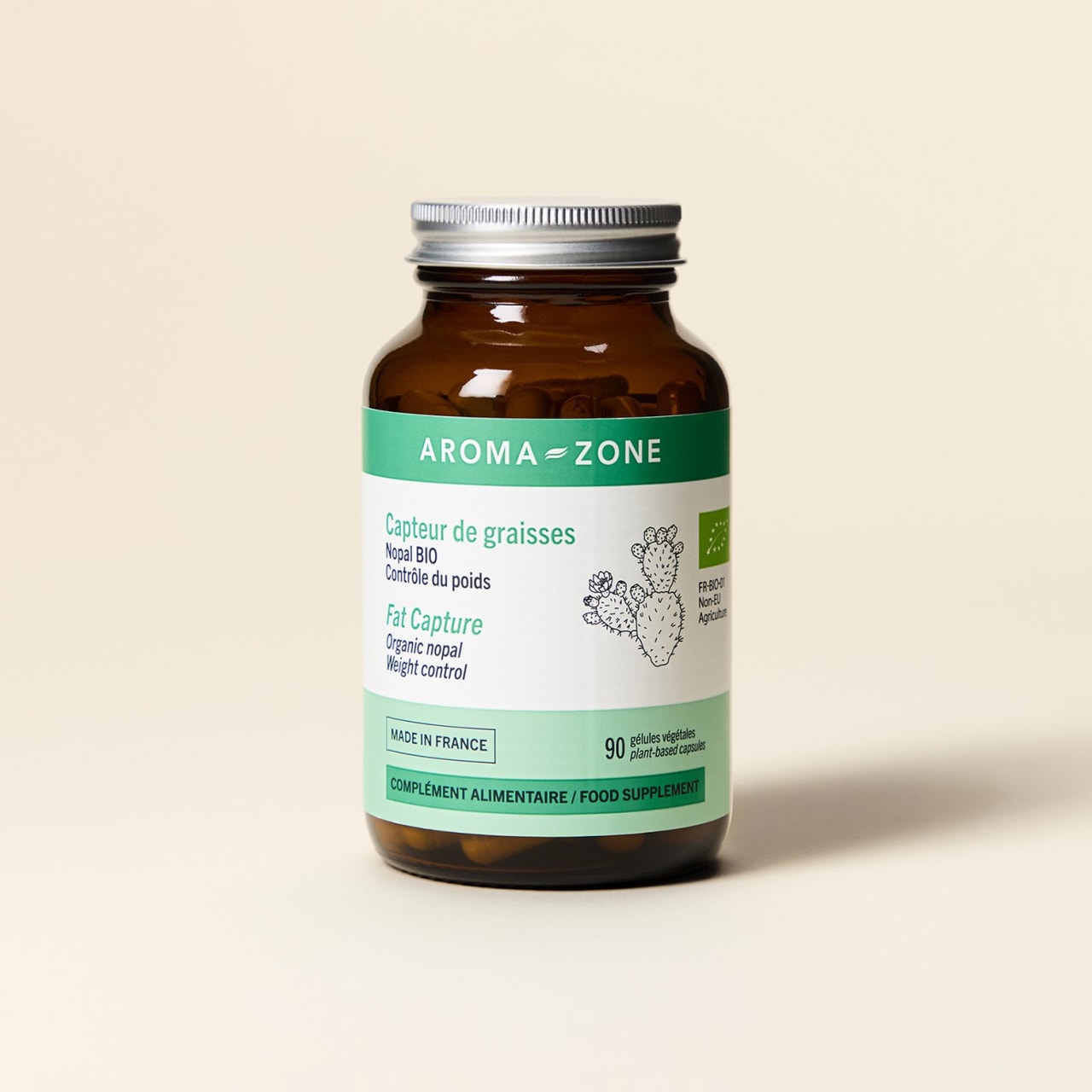
Food supplements, your slimming go-tos

Let's be clear from the outset: a food supplement alone is not enough to make you lose weight. It can help you, give you a little boost, but dietary changes and regular exercise are essential if you are to lose a few pounds.

Reading time: 0 min.

What are food supplements?

A food supplement is a product designed to supplement a normal diet. It is a concentrated source of nutrients or other substances with a nutritional or physiological effect. Food supplements may contain vitamins, minerals, essential fatty acids, amino acids, fibre, plant or herbal extracts and other substances. They come in various forms, including tablets, capsules, powders, liquids or gels.

Why am I putting on weight?

Several factors can contribute to gradual or sudden weight gain. Understanding the cause allows you to adopt a more appropriate and caring approach:

An imbalance between intake and expenditure

When the energy consumed exceeds the body's needs, the excess is stored, most often in the form of fat. This imbalance can be linked to an overly rich diet, but also to insufficient physical activity.

Hormonal variations

Hormones have a strong influence on metabolism, appetite, and fat distribution. Menopause, premenstrual syndrome, certain diseases, or hormone treatments can significantly alter weight.

Stress and mental load

Chronic stress can lead to excessive production of cortisol, a hormone that promotes fat storage, particularly in the abdominal area. It can also induce emotional eating and disrupt satiety signals.

What are the symptoms of weight gain?

Weight gain itself can be considered a symptom, but it can also be accompanied by various other signs. Here are some symptoms that may be associated with weight gain:

  1. Increase in body mass: the most obvious sign of weight gain is an increase in weight measured on the scales.

  2. Cellulite: accumulation of fat in certain parts of the body, such as the abdomen, hips, thighs or arms.

  3. Fatigue and reduced energy

  4. Shortness of breath: difficulty breathing after moderate physical exertion, such as climbing stairs.

  5. Joint pain: increased weight can put extra pressure on joints, causing pain, particularly in the knees and lower back.

  6. Skin problems: appearance of stretch marks or skin irritations due to stretching of the skin.

  7. Swelling: water retention or swelling, particularly in the legs, feet and ankles.

  8. Sleep problems: sleep apnoea or insomnia, which may be exacerbated by excess weight.

Our tips to help you lose weight


  • Eat mindfully: take the time to chew, recognize when you are full, and avoid eating on the go.

  • Choose raw, fiber-rich foods: vegetables, legumes, and whole grains promote satiety.

  • Exercise every day according to your abilities: walking, gardening, yoga... the key is regularity, not performance.

  • Stay hydrated: water helps with drainage and can help regulate appetite.

  • Avoid fast sugars and regular snacking: opt for natural, nutrient-rich snacks if needed.

  • Get enough sleep: quality sleep promotes hormonal balance, which is essential for weight management.

  • Learn to listen to your body: fatigue, stress, or emotions can disrupt hunger signals.

  • Surround yourself with a positive environment: supportive guidance and a gradual approach reinforce motivation.

  • Be kind to yourself: one slip-up does not undo all your efforts. The key is consistency. There's no need to feel guilty: what matters is continuing at your own pace, with confidence.

Precautions for use

When you are considering taking food supplements to help you lose weight, it is essential to take certain precautions to ensure that they are safe and effective. Here are a few recommendations:

  1. Consult a health professional: Before starting any food supplement, consult a doctor, dietician or other qualified health professional. They will be able to assess your specific needs, medical history and weight goals and advise you appropriately.

  2. Check the ingredients: Read food supplement labels carefully to understand what they contain. Make sure that the ingredients are safe and that there are no substances to which you could be allergic or sensitive.

  3. Avoid overdosing: Stick to the doses recommended by the manufacturer or your healthcare professional. Taking too much of certain nutrients can cause undesirable effects.

  4. Be aware of drug interactions: Tell your doctor about all the food supplements you are taking, especially if you are also taking medication. Some supplements can interact with medicines, reducing their effectiveness or causing side effects.

  5. Watch out for side effects: Be alert to possible side effects and stop taking the supplement if you experience any adverse reactions. Consult a healthcare professional immediately if you experience any worrying symptoms.

  6. Adopt a holistic approach: Food supplements should not replace a balanced diet and healthy lifestyle. Make them part of an overall weight-loss strategy that includes a nutritious diet, physical exercise and regular medical check-ups.

  7. Monitor results: Follow your progress regularly and adjust your programme according to the results obtained and the advice of your health professional.

  8. Be careful with special diets: If you are following a specific diet (e.g. vegetarian, vegan, gluten-free), make sure that the supplements you are taking are compatible with this diet.

Our natural slimming tips

As we've seen, even the best food supplement won't be enough to help you lose weight. You need to make changes to your lifestyle, particularly in terms of diet and physical activity.

There's no point in focusing on your calorie intake by weighing your food and counting your calories! The idea is to eat a balanced diet, avoiding ultra-processed foods and sugary foods and drinks. Favour fruit and vegetables as well as fibre-rich pulses (e.g. chickpeas, lentils), fish, wholegrain cereals, white meats and eggs. And don't eliminate fats from your diet: your body needs them. Instead, learn how to choose them, avoid saturated fats and opt, for example, for olive oil for cooking and rapeseed or hemp oil for dressing your salads.

Physical activity is also essential. Choose one that you enjoy so that you can maintain your efforts over time.

Find out more

Are dietary supplements really effective for weight loss?

They can accompany a comprehensive weight loss program (diet, physical activity, sleep, etc.). Their effectiveness depends on their composition and how well they suit your needs. They are not a substitute for a healthy lifestyle.

What is the most effective dietary supplement for weight loss?

There is no such thing as a "miracle" supplement. Certain active ingredients such as konjac (satiety), mate (metabolism), or green tea (fat burning) can be beneficial in the right context.

Which dietary supplement should you take to "lose weight quickly"?

Losing weight quickly is not recommended. It is better to aim for gradual and sustainable weight loss. Certain supplements can support the process (drainers, appetite suppressants), but always as a complement to a balanced lifestyle.

Spotlight on our nutrition and food expert, Marie-Anne Vion

Faced with digestive disorders such as IBS and SIBO, Marie-Anne turned to nutrition and natural solutions. Passionate about well-being, she is now training in dietetics and nutrition. She shares her expertise through articles, offering accessible advice and analysis. Attracted by the brand’s natural approach, she helps promote a balanced diet and self-reliance in health matters.

Bibliography

1

European Parliament, DIRECTIVE 2002/46/EC OF THE EUROPEAN PARLIAMENT AND OF THE COUNCIL on the approximation of the laws of the Member States relating to food supplements, Official Journal of the European Communities, 06/10/2002.

2

Tomiyama AJ. Stress and Obesity. Annu Rev Psychol. 2019 Jan 4;70:703-718. doi: 10.1146/annurev-psych-010418-102936. Epub 2018 Jun 21. PMID: 29927688.

3

Papatriantafyllou E, Efthymiou D, Zoumbaneas E, Popescu CA, Vassilopoulou E. Sleep Deprivation: Effects on Weight Loss and Weight Loss Maintenance. Nutrients. 2022 Apr 8;14(8):1549. doi: 10.3390/nu14081549. PMID: 35458110; PMCID: PMC9031614.

4

ANSES, Update of PNNS guidelines - Revisions of guidelines relating to physical activity and sedentary lifestyles, February 2016.

5

Luppino FS, de Wit LM, Bouvy PF, Stijnen T, Cuijpers P, Penninx BW, Zitman FG. Overweight, obesity, and depression: a systematic review and meta-analysis of longitudinal studies. Arch Gen Psychiatry. 2010 Mar;67(3):220-9. doi: 10.1001/archgenpsychiatry.2010.2. PMID: 20194822.