Probiotics for Weight Loss: Supporting Your Digestive Health

Probiotics for Weight Loss: Supporting Your Digestive Health


By Lila Bouber

Published on: Wednesday, August 27, 2025, Updated on: Tuesday, October 06, 2026

What if good bacteria could help you reach your weight loss goals? Probiotics for weight loss aren’t a miracle cure, but they can support your digestion, help regulate your appetite, and contribute to weight management. Discover how certain strains, combined with a healthy lifestyle, can be your allies in helping you feel lighter.

Contents

Related products

What are probiotics?

According to the World Health Organization’s 2001 definition, updated by the ISAPP in 2014, probiotics are “live microorganisms that, when administered in adequate amounts, confer a health benefit on the host.” Composed of bacteria and yeasts, obtained from food or dietary supplements, they exert their effects by contributing, in particular, to the balance of the gut microbiota. The main families of probiotics include: Lactobacillus, Bifidobacterium, Lactococcus, Streptococcus thermophilus, and the yeast Saccharomyces boulardii.

Allies of the microbiome and the body

Probiotics interact with the body and the microbiome, supporting microbial balance and diversity—a key element of metabolism and well-being. Scientific studies have shown that there is a link between an imbalance in the microbiome, known as dysbiosis, and weight gain. These good bacteria promote the presence of beneficial microorganisms, strengthen the body’s natural defenses, and play a positive role in alleviating the symptoms of various diseases.

Where can you find probiotics?

Among the fermented foods that contain a variety of probiotics: 

  • yogurts and fermented cheeses (lactobacilli and streptococci);

  • milk or fruit kefirs (rich in lactic acid bacteria and yeast);

  • sauerkraut and lacto-fermented vegetables (variety of strains);

  • fermented soy products (miso, tempeh, natto);

  • kombucha (a fermented beverage made from tea and yeast).

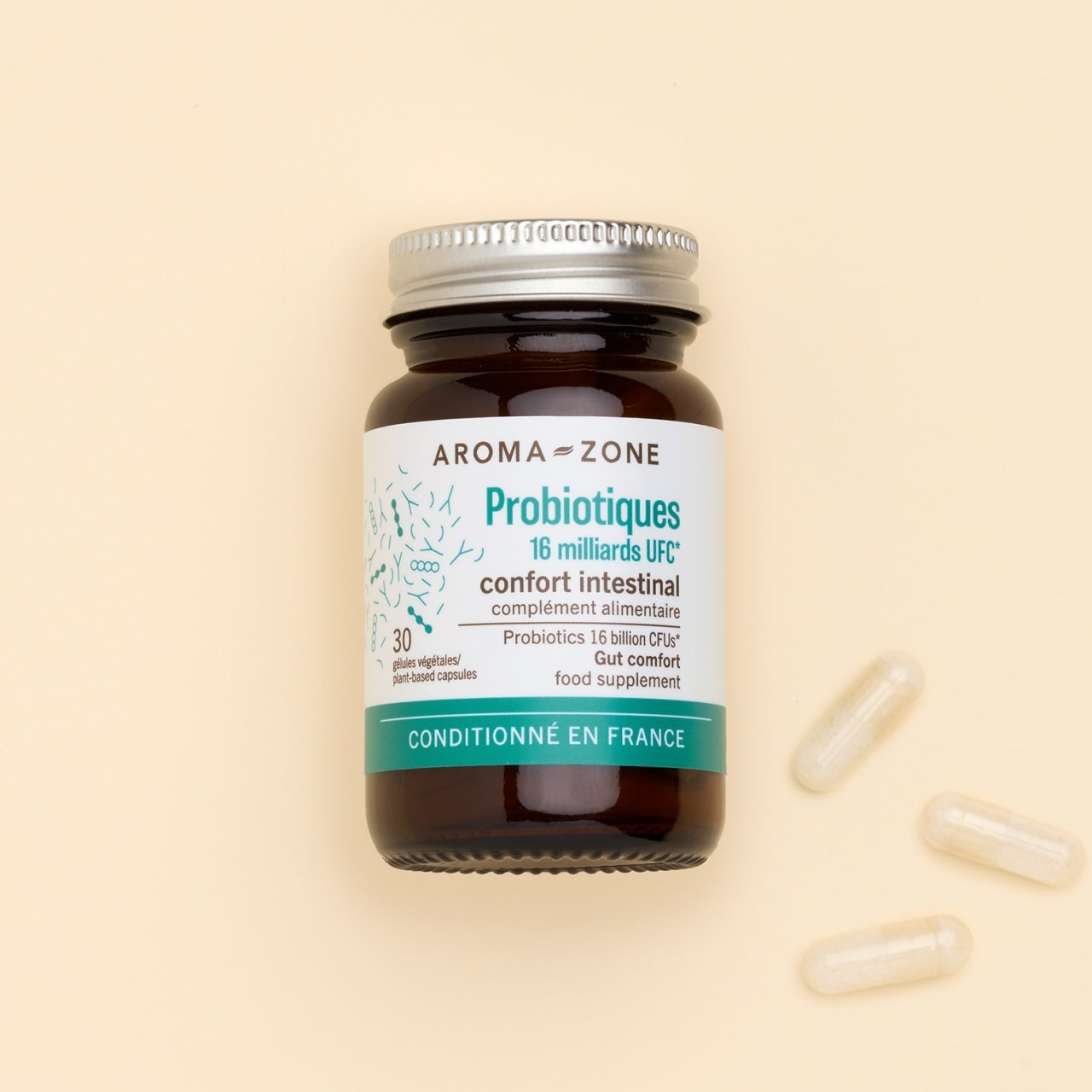
In dietary supplements, probiotics are available in the form of capsules, powders, sachets, or liquid ampoules. They also allow for targeting specific needs through the selection of standardized strains (Lactobacillus gasseri, Bifidobacterium breve, Saccharomyces boulardii).

Why can probiotics help with weight loss?

A growing body of research shows a link between the presence of certain bacterial species in the gut microbiota and obesity.

The Impact of the Microbiome on Metabolism

The gut microbiota plays a central role in energy utilization and storage. Some bacteria promote nutrient absorption, while others are involved in the metabolism of sugars and fats. A diverse microbiota is often associated with improved insulin sensitivity and a more balanced distribution of body fat. By modulating this flora, probiotics can therefore indirectly support a more efficient metabolism. A study in mice (Chandrasekaran, 2024) showed that transferring normal gut microbiota to germ-free animals resulted, in just two weeks, in a 60% increase in body fat and insulin resistance, despite a reduction in their food intake.

Rebalancing an Imbalanced Gut Flora

An imbalanced gut microbiota (decreased diversity, overgrowth of non-beneficial species) is linked to low-grade inflammation and metabolic disorders. Probiotics help restore balance by competing with opportunistic species, producing organic acids (including short-chain fatty acids), and supporting the intestinal barrier. It appears that the ratio between two major families of gut bacteria (more Firmicutes and fewer Bacteroidetes) is disrupted in obese individuals. A recent study confirmed this through genetic sequencing of fecal samples (Chandrasekaran et al., 2024).

Supporting digestive comfort and combating slow digestion

Probiotics help improve digestion, reduce bloating, and minimize that heavy feeling after meals. By aiding digestion, they can indirectly contribute to better weight management and help maintain stable energy levels throughout the day.

Effect on low-grade inflammation

An imbalance in the microbiome can promote low-grade chronic inflammation, often associated with weight gain and metabolic disorders. By rebalancing the gut flora, probiotics help modulate this inflammation, promoting a healthier metabolic environment.

Regulating Fat Absorption

Certain strains, particularly those of the Lactobacillus and Bifidobacterium genera, appear to reduce the intestinal absorption of dietary fats, which may limit their storage. Through metagenomic and biochemical analyses, Turnbaugh et al. (2006) demonstrated that changes in the composition of the microbiota in obese individuals appeared to be associated with an increased ability to extract energy from the diet. More recently, the production of conjugated linoleic acid (CLA), which plays a potential role in fat burning, reducing the number of adipocytes, and modulating inflammation, has been demonstrated (den Hartigh et al.., 2019). However, these findings require further study.

Impact on appetite and satiety

The microbiome can also influence satiety. Studies show that bacteria may influence the production of gut hormones linked to hunger regulation, such as leptin (which controls satiety) and ghrelin (the “hunger hormone”). By modulating these signals, they could help better control appetite and curb cravings. French researchers (Ben Fradj et al., 2022) have shown in mice that the presence of gut bacteria helps limit the consumption of high-fat foods by sending satiety signals to the brain. Conversely, when the microbiota is disrupted (for example, after antibiotic treatment), this effect disappears and the animals eat more. The “appetite-suppressing” power of certain meals may also be, in part, linked to the action of the microbiota.

Microbiome imbalance and weight: what signs should you watch for?

Dysbiosis can affect not only digestion but also weight management. Several signs may alert you:

  • Recurring digestive issues: Persistent discomfort may indicate an imbalance in your gut flora: bloating, gas, slow digestion, constipation, or diarrhea.

  • Feeling of a bloated stomach: Excessive fermentation of food linked to an unbalanced gut flora can increase water retention and gas production, leading to a feeling of abdominal bloating.

  • Cravings and unstable appetite : The microbiota communicates with the brain via the gut-brain axis. When it is out of balance, it can disrupt appetite regulation and increase cravings for sugar or snacking.

  • Fatigue and low energy: An imbalanced gut can affect the quality of digestion and the availability of nutrients, resulting in persistent fatigue and reduced vitality.

Which probiotics should you choose to promote weight loss?

Not all probiotic strains have the same effects. Some have been more extensively studied and are used for their role in supporting weight management.

Lactobacillus gasseri

This bacterial species is often cited as one of the probiotics for a flat stomach. Indeed, it is one of the most well-documented strains for its effect on reducing abdominal fat and managing visceral fat. Several studies suggest that it may help reduce waist circumference when combined with a balanced diet. A Japanese double-blind study of 87 people with a high BMI (body mass index) showed that daily supplementation with Lactobacillus gasseri SBT2055 reduced BMI, visceral abdominal fat, and hip circumference (Kadooka et al., 2010). The same research team demonstrated beneficial effects in a group of 210 adults (Kadooka et al., 2013). Participants consumed 200 g of fermented milk daily containing the strain at a relatively low dose for 12 weeks. The results were as follows: 

  • significant reduction in abdominal visceral fat;

  • decrease in BMI, waist circumference, and hip circumference;

  • a decrease in total body fat.

Bifidobacterium breve

A study conducted on 75 overweight or obese young adults evaluated supplementation with Bifidobacterium breve BBr60 (1 × 10¹⁰ CFU/day for 12 weeks), compared to a placebo (Bai et al., 2024). The results showed a significant reduction in weight and BMI in the group receiving the probiotic, as well as improvements in blood parameters. Changes in the composition of circulating or fecal metabolites and in gut bacterial diversity (Dialister, Klebsiella, and Bacteroides) were also observed, suggesting a metabolic and microbial role.

Lactobacillus rhamnosus

A 24-week clinical study tested Lactobacillus rhamnosus CGMCC1.3724 (combined with prebiotic fibers) in obese adults (Sanchez et al., 2014). It appeared that this probiotic could support sustainable weight loss in women, when combined with a controlled restrictive diet. Indeed, supplementation led to greater weight and fat loss than with the placebo. These results, observed in women only, were linked to a decrease in leptin (the satiety hormone) and changes in the gut microbiota (variation in Lachnospiraceae). Interestingly, weight loss continued beyond the period of dietary restriction and probiotic supplementation.

Lactobacillus plantarum or Lactiplantibacillus plantarum

Known for its role in digestive comfort, it can also indirectly contribute to better nutrient absorption and weight management. A study involved 40 obese adults with hypertension who consumed a probiotic cheese containing L. plantarum combined with a low-calorie diet for three weeks. The study observed a reduction in BMI and blood pressure levels (Sharafedtinov et al., 2013). An original study conducted on overweight dogs (Choi et al., 2024) showed that the combination of Lactiplantibacillus plantarum (the new official name for Lactobacillus plantarum proposed in 2020) and Bifidobacterium breve could help reduce weight and waist circumference and lower certain markers related to fat storage. The researchers also observed an improvement in gut flora, with an increase in beneficial bacteria and a decrease in potentially harmful microorganisms.

Lactobacillus acidophilus

Researchers (Kang et al., 2022) studied the impact of Lactobacillus acidophilus on mice fed a high-fat diet. They obtained promising results, as the probiotic helped reduce weight gain, body fat, and inflammation, while improving blood sugar and fat balance. It also rebalanced the gut microbiota, strengthened the intestinal barrier, and stimulated the activity of “good” brown adipose tissue (which helps burn energy). These benefits were able to be transferred to other mice via gut microbiota transfer, highlighting the impact of the microbiota on weight regulation. A South Korean study showed that a strain of Lactobacillus acidophilus could limit the effects of a high-fat diet in mice (Park et al., 2018). This probiotic reduced weight gain and fat accumulation in the liver, while improving insulin sensitivity. It also stimulated the use of fat as an energy source and rebalanced metabolism. According to the researchers, L. acidophilus could play an important role in preventing obesity and associated metabolic disorders.

And probiotic blends…

Beyond individual strains, studies suggest that combining multiple probiotics may be beneficial. For example, in obese children and adolescents, the combination of L. casei, L. rhamnosus, S. thermophilus, B. breve, L. acidophilus, B. longum, and L. bulgaricus combined with FOS (fructo-oligosaccharides) reduced body mass index and waist circumference in a clinical trial (Safavi et al., 2013). In other studies, multi-strain mixtures often composed of Lactobacillus and Bifidobacterium (sometimes combined with Streptococcus, Enterococcus, or Pediococcus), have been studied and shown to promote weight loss and reduce waist circumference (Skonieczna-Żydecka et al., 2020). 

All of this research is promising regarding the effect of probiotics on weight loss, but further studies are needed.

What natural solutions can you incorporate with probiotics for weight loss?

Probiotics can support weight management, but their effectiveness is part of a holistic approach. To maximize their benefits, it’s also highly recommended to combine them with other natural solutions.

A balanced, fiber-rich diet

Fiber (fruits, vegetables, legumes, whole grains) acts as a prebiotic—that is, food for probiotics. It promotes the growth of good bacteria and enhances feelings of fullness.

Regular physical activity

Research shows that regular exercise benefits more than just your muscles: physical activity also helps enrich your gut flora. A meta-analysis of 17 studies (Aya et al., 2021) showed that regular physical activity is associated with greater microbial diversity and changes in the relative abundance of certain beneficial bacteria.

Stress and Sleep Management

Stress and obesity feed off each other. When stressed, we tend to snack more, choose sugary or fatty foods, move less, and sleep poorly. But stress also disrupts hunger hormones by upsetting the gut microbiome and activating biological mechanisms that promote fat storage. Obesity is also often experienced as a source of stigma and thus additional stress. A study from the University of California (Tomiyama, 2019) describes this phenomenon as a true vicious cycle. It considers stress management to be an essential, yet too often overlooked, lever in the prevention and management of obesity.

The use of certain plants and natural active ingredients

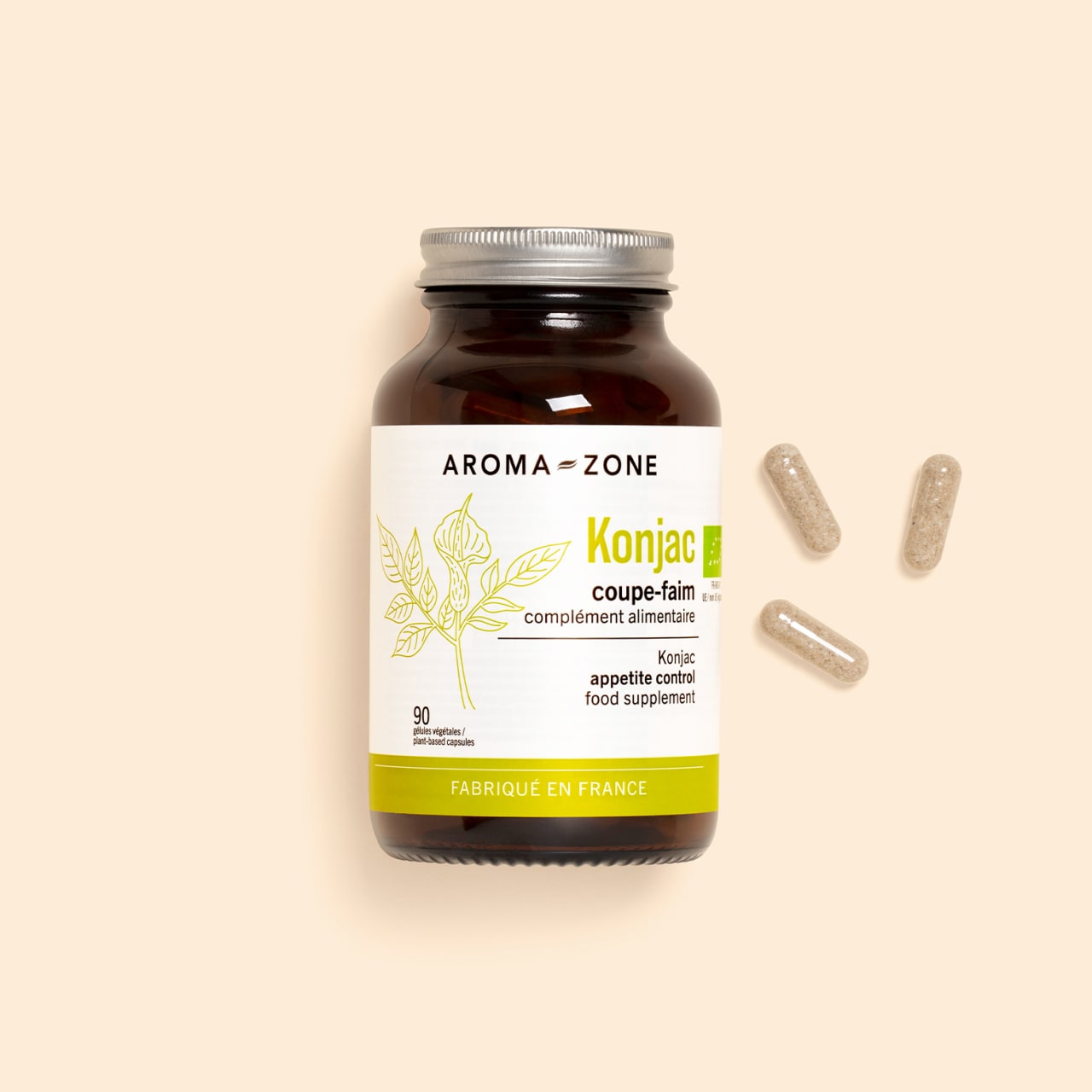
Ingredients such as green tea, guarana, konjac, and chromium can complement a weight loss regimen. Prebiotics are often included in formulas combined with probiotics to create a synergistic effect.

How to incorporate probiotics into a weight loss routine?

1. In the morning

  • Take your weight-loss probiotic supplement with a large glass of water, on an empty stomach or before breakfast, according to the product’s instructions.

  • Prepare a breakfast rich in dietary fiber (oatmeal, fresh fruit, chia seeds) to nourish the probiotics.

2. Lunch

  • Put together a balanced meal with a variety of vegetables, lean proteins, and whole grains.

  • Season with a light vegetable oil such as hemp or camelina oil: rich in omega-3, they contribute to overall balance.

3. Afternoon

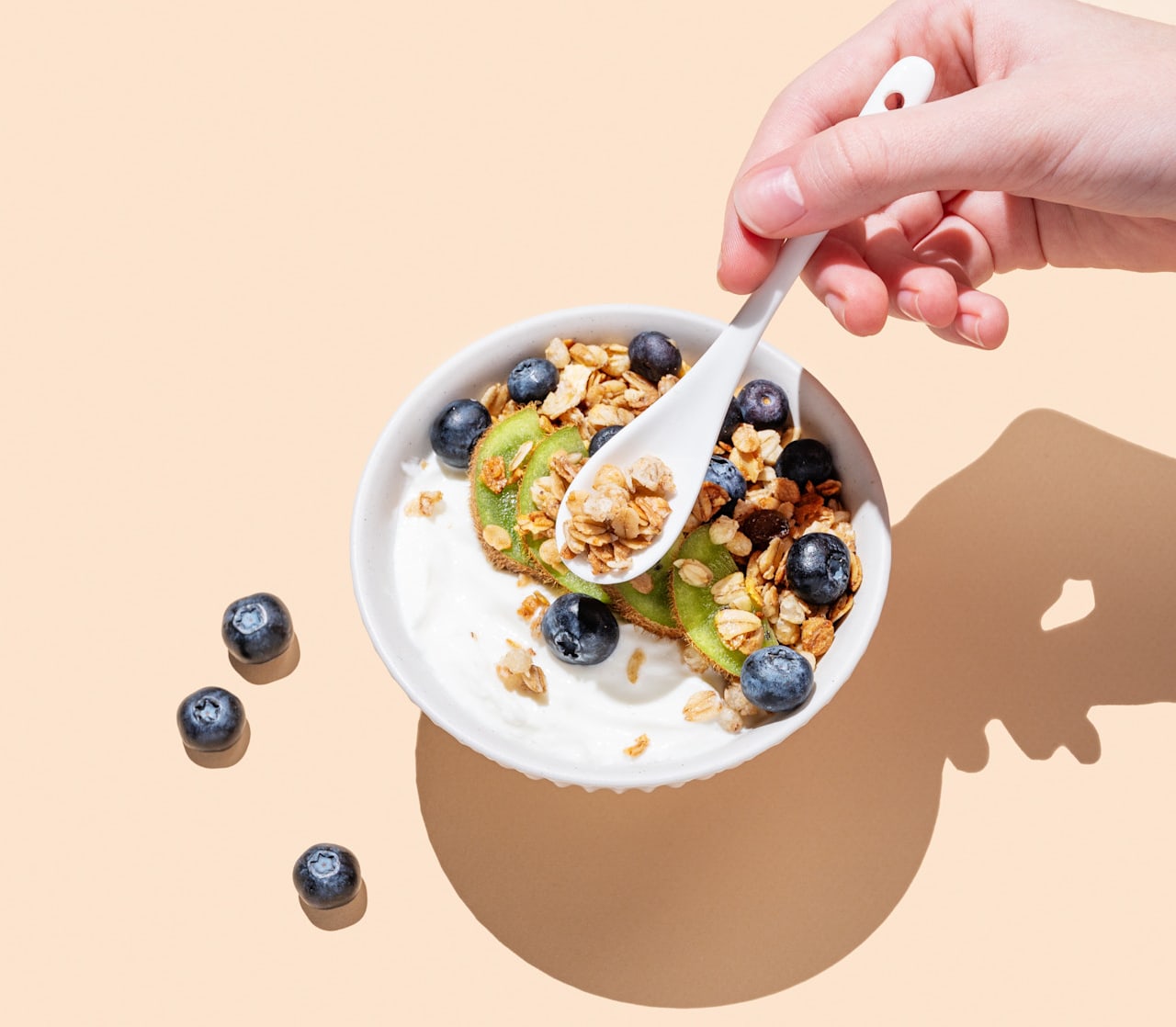
  • Have a light snack if needed: plain yogurt or kefir, rich in natural probiotics, paired with a piece of fruit for fiber.

4. Evening

  • Opt for a light dinner consisting of cooked vegetables, a source of protein, and whole-grain carbohydrates.

  • Avoid fast-acting sugars and overly heavy meals, which slow down digestion.

  • Prepare a digestive herbal tea made with fennel, anise, or peppermint to reduce bloating. You can also opt for a Organic Slimming Mate Tea that combines the benefits of mate, hibiscus, and blackcurrant.

  • Relax (through breathing exercises or reading) to reduce stress, which disrupts the microbiome and sleep.

In summary, probiotics for weight loss do not replace a healthy lifestyle, but they can help balance the microbiome and support natural weight management mechanisms. And even if you’re not looking for probiotics to lose weight, consuming foods rich in good bacteria is beneficial for your digestive and overall health.

Precautions

Probiotics are generally well-tolerated, but it is important to consult a healthcare professional if you are pregnant, breastfeeding, have a chronic condition, or are currently undergoing treatment. Start your probiotic regimen gradually, as introducing them too quickly may cause bloating or temporary digestive discomfort in some people. Follow the recommended doses and store probiotics properly (some need to be kept refrigerated for optimal effectiveness).

Expert Advice

Probiotics for weight loss don’t work like magic. Their effectiveness depends on consistency and, above all, on combining them with a healthy lifestyle overall. A high-fiber diet, quality sleep, effective stress management, and regular physical activity are essential to maximize their benefits. My advice: opt for multi-week courses, combine them with prebiotics, and choose well-researched formulas.

Bibliography

  1. https://www.gutmicrobiotaforhealth.com/fr/nouvelle-infographie-a-la-rencontre-des-lactobacilles/

  2. Chandrasekaran P, Weiskirchen S, Weiskirchen R.

    Effects of Probiotics on Gut Microbiota: An Overview. Int J Mol Sci. 2024 May 30;25(11):6022. doi: 10.3390/ijms25116022. PMID: 38892208; PMCID: PMC11172883.

  3. Soltani S, Ashoori M, Dehghani F, Meshkini F, Clayton ZS, Abdollahi S.

    Effects of probiotic/synbiotic supplementation on body weight in patients with diabetes: a systematic review and meta-analyses of randomized-controlled trials. BMC Endocr Disord. 2023 Apr 21;23(1):86. doi: 10.1186/s12902-023-01338-x.

  4. den Hartigh LJ.

    Conjugated Linoleic Acid Effects on Cancer, Obesity, and Atherosclerosis: A Review of Pre-Clinical and Human Trials with Current Perspectives. Nutrients. 2019 Feb 11;11(2):370. doi: 10.3390/nu11020370.

  5. Kadooka Y, Sato M, Imaizumi K, Ogawa A, Ikuyama K, Akai Y, Okano M, Kagoshima M, Tsuchida T.

    Regulation of abdominal adiposity by probiotics (Lactobacillus gasseri SBT2055) in adults with obese tendencies in a randomized controlled trial. Eur J Clin Nutr. 2010 Jun;64(6):636-43. doi: 10.1038/ejcn.2010.19.

  6. Kadooka Y, Sato M, Ogawa A, Miyoshi M, Uenishi H, Ogawa H, Ikuyama K, Kagoshima M, Tsuchida T.

    Effect of Lactobacillus gasseri SBT2055 in fermented milk on abdominal adiposity in adults in a randomized controlled trial. Br J Nutr. 2013 Nov 14;110(9):1696-703. doi: 10.1017/S0007114513001037.

  7. Bai Z, Wu Y, Gao D, Dong Y, Pan Y, Gu S.

    Gut Microbiome and Metabolome Alterations in Overweight or Obese Adult Population after Weight-Loss Bifidobacterium breve BBr60 Intervention: A Randomized Controlled Trial. Int J Mol Sci. 2024 Oct 10;25(20):10871. doi: 10.3390/ijms252010871.

  8. Choi J, Son D, An S, Cho E, Lim S, Lee HJ.

    Effects of Lactiplantibacillus plantarum CBT LP3 and Bifidobacterium breve CBT BR3 supplementation on weight loss and gut microbiota of overweight dogs. Sci Rep. 2024 Oct 26;14(1):25446. doi: 10.1038/s41598-024-75594-9.

  9. Kang Y, Kang X, Yang H, Liu H, Yang X, Liu Q, Tian H, Xue Y, Ren P, Kuang X, Cai Y, Tong M, Li L, Fan W.

    Lactobacillus acidophilus ameliorates obesity in mice through modulation of gut microbiota dysbiosis and intestinal permeability. Pharmacol Res. 2022 Jan;175:106020. doi: 10.1016/j.phrs.2021.106020.

  10. Aya V, Flórez A, Perez L, Ramírez JD.

    Association between physical activity and changes in intestinal microbiota composition: A systematic review. PLoS One. 2021 Feb 25;16(2):e0247039. doi: 10.1371/journal.pone.0247039.

  11. Tomiyama AJ.

    Stress and Obesity. Annu Rev Psychol. 2019 Jan 4;70:703-718. doi: 10.1146/annurev-psych-010418-102936.

  12. Mofredj A, Bahloul H, Chanut C.

    Lactococcus lactis: an opportunistic pathogen? [Lactococcus lactis: an opportunistic bacterium?]. Med Mal Infect. 2007 Apr;37(4):200-7. French. doi: 10.1016/j.medmal.2007.01.005.

  13. Turnbaugh PJ, Ley RE, Mahowald MA, Magrini V, Mardis ER, Gordon JI.

    An obesity-associated gut microbiome with increased capacity for energy harvest. Nature. 2006 Dec 21;444(7122):1027-31. doi: 10.1038/nature05414.

  14. Ben Fradj S, Nédélec E, Salvi J, Fouesnard M, Huillet M, Pallot G, Cansell C, Sanchez C, Philippe C, Gigot V, Lemoine A, Trompier D, Henry T, Petrilli V, Py BF, Guillou H, Loiseau N, Ellero-Simatos S, Nahon JL, Rovère C, Grober J, Boudry G, Douard V, Benani A.

    Evidence for Constitutive Microbiota-Dependent Short-Term Control of Food Intake in Mice: Is There a Link with Inflammation, Oxidative Stress, Endotoxemia, and GLP-1? Antioxid Redox Signal. 2022 Aug;37(4-6):349-369. doi: 10.1089/ars.2021.0095.

  15. Sanchez M, Darimont C, Drapeau V, Emady-Azar S, Lepage M, Rezzonico E, Ngom-Bru C, Berger B, Philippe L, Ammon-Zuffrey C, Leone P, Chevrier G, St-Amand E, Marette A, Doré J, Tremblay A.

    Effect of Lactobacillus rhamnosus CGMCC1.3724 supplementation on weight loss and maintenance in obese men and women. Br J Nutr. 2014 Apr 28;111(8):1507-19. doi: 10.1017/S0007114513003875.

  16. Sharafedtinov KK, Plotnikova OA, Alexeeva RI, Sentsova TB, Songisepp E, Stsepetova J, Smidt I, Mikelsaar M.

    Hypocaloric diet supplemented with probiotic cheese improves body mass index and blood pressure indices of obese hypertensive patients--a randomized double-blind placebo-controlled pilot study. Nutr J. 2013 Oct 12;12:138. doi: 10.1186/1475-2891-12-138.

  17. Kang Y, Kang X, Yang H, Liu H, Yang X, Liu Q, Tian H, Xue Y, Ren P, Kuang X, Cai Y, Tong M, Li L, Fan W.

    Lactobacillus acidophilus ameliorates obesity in mice through modulation of gut microbiota dysbiosis and intestinal permeability. Pharmacol Res. 2022 Jan;175:106020. doi: 10.1016/j.phrs.2021.106020.

  18. Park SS, Lee YJ, Song S, Kim B, Kang H, Oh S, Kim E.

    Lactobacillus acidophilus NS1 attenuates diet-induced obesity and fatty liver. J Endocrinol. 2018 May;237(2):87-100. doi: 10.1530/JOE-17-0592. Epub 2018 Mar 5. PMID: 29507043.

  19. Safavi M, Farajian S, Kelishadi R, Mirlohi M, Hashemipour M.

    The effects of synbiotic supplementation on some cardio-metabolic risk factors in overweight and obese children: a randomized triple-blind controlled trial. Int J Food Sci Nutr. 2013 Sep;64(6):687-93. doi: 10.3109/09637486.2013.775224.

  20. Skonieczna-Żydecka K, Kaźmierczak-Siedlecka K, Kaczmarczyk M, Śliwa-Dominiak J, Maciejewska D, Janda K, Stachowska E, Łoniewska B, Malinowski D, Borecki K, Marlicz W, Łoniewski I.

    The Effect of Probiotics and Synbiotics on Risk Factors Associated with Cardiometabolic Diseases in Healthy People—A Systematic Review and Meta-Analysis with Meta-Regression of Randomized Controlled Trials. J Clin Med. 2020 Jun 8;9(6):1788. doi: 10.3390/jcm9061788.

  21. Barrea L, Verde L, Auriemma RS, Vetrani C, Cataldi M, Frias-Toral E, Pugliese G, Camajani E, Savastano S, Colao A, Muscogiuri G.

    Probiotics and Prebiotics: Any Role in Menopause-Related Diseases? Curr Nutr Rep. 2023 Mar;12(1):83-97. doi: 10.1007/s13668-023-00462-3. Epub 2023 Feb 7. PMID: 36746877; PMCID: PMC9974675.

Frequently Asked Questions

Frequently Asked Questions