The role of micronutrients in health, energy, and immunity

Persistent fatigue, declining vitality, a feeling of lacking energy in everyday life... These sometimes subtle signs raise increasing questions about the real quality of our nutritional intake. Micronutrients are involved in many of the body's balances, particularly those related to energy, natural defences, and proper cell function. While a varied diet remains the basis of a healthy lifestyle, it is not always enough to cover all our needs, especially in today's fast-paced world where eating habits are sometimes poor. A better understanding of the role of micronutrients enables us to make choices that are better suited to our needs, alongside a balanced lifestyle.

Reading time: 0 min.

What are micronutrients?

Micronutrients include vitamins, minerals, and trace elements that the body needs to function properly. They differ from macronutrients (carbohydrates, fats, and proteins), which provide energy in the form of calories. Micronutrients do not provide energy per se, but enable the body to use the energy it receives properly.

Found in very small quantities in food, micronutrients are involved in many internal processes that are essential for daily life. In particular, they contribute to metabolic reactions, cell function, and the regulation of many bodily functions. As the human body cannot produce most of these micronutrients, their intake depends directly on diet, and more specifically on the diversity and quality of the food consumed.

How can you tell if you are consuming enough micronutrients?

Although it is important to remember that a varied diet remains essential, it is not always sufficient on its own. The journal Nutrición Hospitalaria, based on data from the ANIBES study conducted among the Spanish population, highlights insufficient intakes of several key micronutrients, regardless of age (1). These deficiencies particularly concern certain vitamins, minerals, and trace elements, and can go unnoticed because they are not always accompanied by obvious signs in everyday life (2).

This situation is increasingly common because the way we eat and live has changed. Our soils are less rich in nutrients, many of the foods we eat are highly processed, and cooking methods can reduce vitamin and mineral content. On top of that, fast-paced lifestyles, certain medications, and digestive issues can make it harder for the body to absorb what it needs. Over time, all of this can gradually lower the body’s reserves of essential micronutrients.

The causes of micronutrient deficiency

Several factors can explain insufficient micronutrient intake or less efficient absorption by the body. In most cases, these causes are cumulative.

Depleted soils

The nutritional quality of food depends largely on the quality of the soil in which it is grown. Over the decades, intensive agriculture and over-exploitation of the land have contributed to a decline in the mineral content of the soil. As a result, fruits, vegetables, and grains may contain fewer vitamins and minerals than before, even when consumed fresh and in sufficient quantities (3).

Ultra-processed foods

The growing role of ultra-processed foods in our daily diet is another important factor. Often high in calories but low in micronutrients (4), these products are gradually replacing raw foods that are natural sources of vitamins, minerals, and trace elements. This trend can lead to sufficient or even excessive energy (calorie) intake, without necessarily meeting micronutrient requirements.

Overcooking

Certain cooking practices can alter the micronutrient content of foods. Prolonged cooking or high temperatures can cause partial degradation of heat-sensitive vitamins, such as certain B vitamins and vitamin C (5).

Pace of life

Chronic stress, lack of sleep, or intense physical activity can increase the body's micronutrient requirements. In these situations, normal dietary intake may no longer be sufficient to compensate for high expenditure, creating an imbalance in the long term.

Digestive disorders

The absorption of micronutrients depends on the proper functioning of the digestive system. Intestinal inflammation or certain surgical procedures can disrupt the absorption of vitamins and minerals, even when dietary intake is theoretically sufficient. The bioavailability of micronutrients then becomes an essential factor.


How can you recognise a micronutrient deficiency?

Micronutrient deficiencies do not usually appear suddenly. They can develop gradually and manifest themselves in symptoms that are sometimes mistakenly attributed to stress.

  • Persistent fatigue: feeling of low energy, even after a night's sleep, which may indicate a less efficient energy metabolism

  • Digestive problems: intestinal discomfort, bloating, or difficult digestion, which may be linked to an imbalance of certain micronutrients that play a role in digestive functions.

  • Decreased concentration: difficulty maintaining attention, feeling of mental fog or cognitive slowness in daily life

  • Increased susceptibility to infections: more frequent infections or slower recovery, which may indicate weakened natural defenses

  • Changes in skin, nails, or hair: duller skin, brittle nails, or excessive hair loss, which can sometimes be associated with insufficient micronutrient intake

Taken individually, these signs can have multiple causes. Their combination or persistence over time may raise questions about the overall balance of micronutrient intake, always within a comprehensive and individualised approach.

What natural solutions are available?

Dietary supplements

Iron

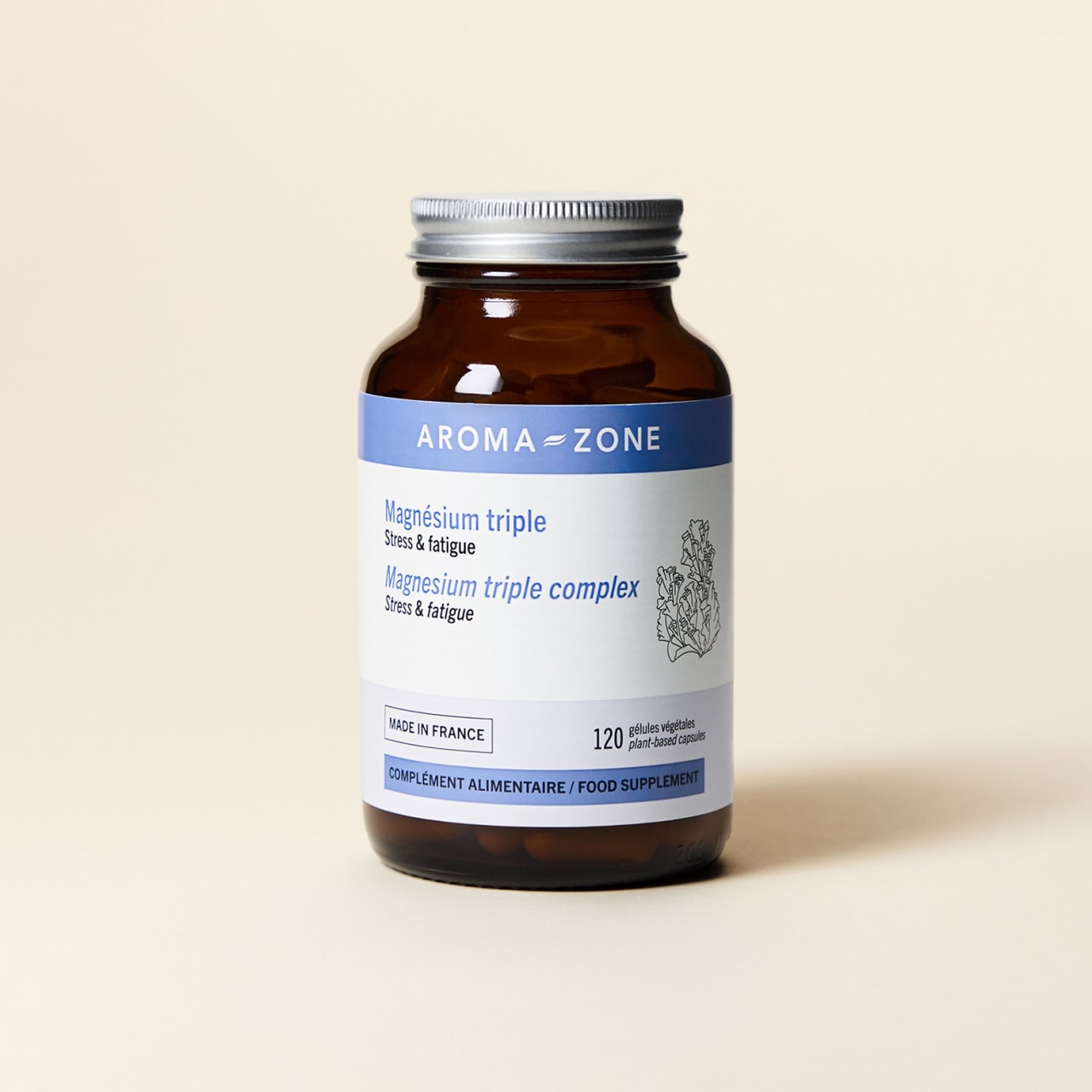
Magnesium

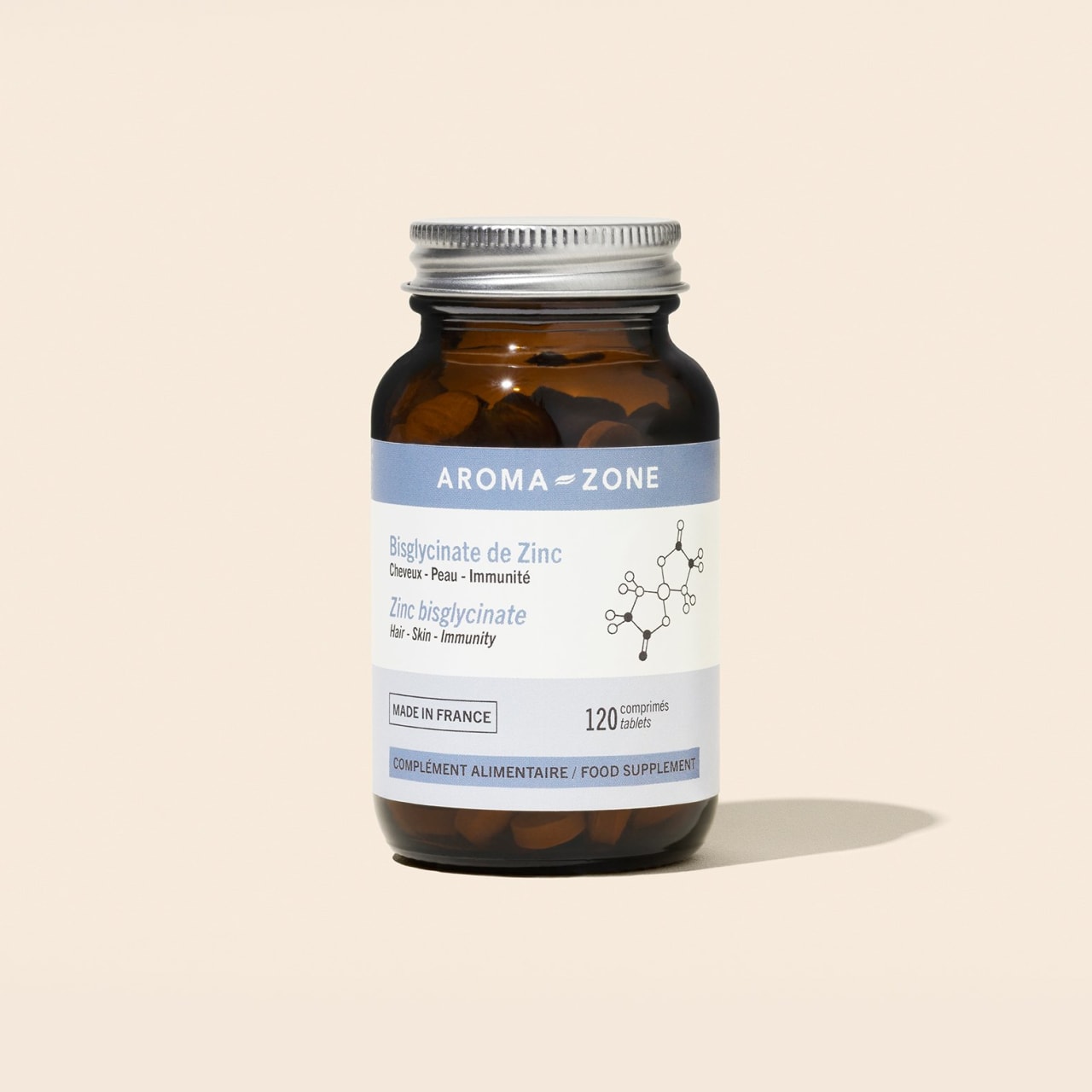
Zinc

Vitamin D3

4 profiles at risk of deficiencies

Some people may be at greater risk of insufficient micronutrient intake or less efficient absorption. These profiles do not automatically indicate a proven deficiency, but they do call for particular vigilance regarding micronutritional balance.

  • Specific diets: vegetarian, vegan, or gluten-free diets can limit the intake of certain micronutrients, especially when the diet lacks diversity or when certain food combinations reduce their absorption.

  • Periods of increased needs: Pregnancy, breastfeeding, intense physical activity, chronic stress, and ageing can increase the body's micronutrient requirements, sometimes beyond what is usually covered by diet.

  • Digestive disorders or digestive surgery: Digestive disorders, intestinal inflammation, or bariatric surgery can disrupt the absorption of vitamins and minerals, even when dietary intake is theoretically sufficient.

  • Drug or food interactions: Certain medications or food combinations can reduce the bioavailability of micronutrients, such as drinking tea with meals in the case of iron, or long-term treatments that can interfere with the absorption of certain nutrients.

How can you supplement effectively?

Taking supplements is not about following a trend. It is part of a proactive approach to correcting imbalances that are sometimes difficult to detect on a daily basis. 

Desired effect

The aim of micronutrient supplementation is to meet a specific need that has been identified in advance. It is not a question of systematically increasing intake, but of supporting certain physiological functions when dietary intake or assimilation is no longer sufficient to meet the body's needs.

Dosage

In micronutrition, the concept of the right dose is essential. Appropriate intakes support the body without overloading it, while excessive or poorly supervised supplementation can be useless. It is therefore recommended to follow the recommended dosages and to favour limited-time treatments tailored to individual circumstances.

Contraindications

Micronutrient supplementation is not suitable for all situations. Certain periods of life or personal circumstances require particular vigilance and may warrant professional advice. When in doubt, it is better to tailor supplementation to individual needs rather than resorting to a standardised approach.

Precautions for use

Micronutrient supplementation is not a substitute for a varied and balanced diet or a healthy lifestyle. It is recommended to follow the recommended daily doses and avoid prolonged or cumulative intake without supervision. In case of pregnancy, breastfeeding, medication, or for any supplementation in children, professional advice is preferable.

Expert advice

Rather than waiting for the signs to appear, the most useful approach is often to act early: diversify your diet, take care of your sleep, and identify what in your daily life is depleting your reserves. Micronutrition is part of this proactive approach to health: correcting subtle imbalances before they become problematic. If you're unsure, start simple: one target at a time (fatigue, stress, sun exposure), for a limited period, and see what difference it really makes.

Find out more

What is the difference between macronutrients and micronutrients?

Macronutrients (carbohydrates, lipids, and proteins) provide the energy needed for the body to function. Micronutrients, on the other hand, do not provide calories but enable many biological processes to function properly. The two are complementary and essential for nutritional balance.

Where can micronutrients be found in food?

Micronutrients are found in a wide variety of foods, including fruits and vegetables, whole grains, legumes, oilseeds, seafood, and certain animal products. The more diverse and unprocessed your diet is, the more likely it is to cover a wide range of micronutritional needs.

Is it necessary to take micronutrient supplements?

Supplementation is not systematic and depends on individual circumstances. It can be considered when diet or absorption is not sufficient to meet needs, or during certain specific periods of life. The aim is always to complement a balanced diet, not to replace it.

Focus on our editor, Solène Bonnet

Solène Bonnet, former editorial director of Marie Claire Idées, brings her specialised expertise in editorial strategy and writing. For eight years, she led the editorial team, ensuring the production of innovative content. As a mother of two, she pays particular attention to product ingredients and all the little details that can improve daily life. Passionate about an authentic and health-conscious approach, Solène favours products with healthy ingredients that align with an eco-friendly philosophy.

Bibliography

1

Partearroyo T., Samaniego-Vaesken M. de L., Ruiz E., Varela-Moreiras G., Assessment of micronutrient intakes in the Spanish population: a review of the findings from the ANIBES study, 2018, Nutrición Hospitalaria,

pdfs.semanticscholar.org/772f/2e60548adb75dc13d235e15fec8580f15f9d.pdf

2

Kiani A.K., Dhuli K., Donato K., Aquilanti B., Velluti V., Matera G., Iaconelli A., Connelly S.T., Bellinato F., Gisondi P., Bertelli M., Main nutritional deficiencies, 2022, Journal of Preventive Medicine and Hygiene

pmc.ncbi.nlm.nih.gov/articles/PMC9710417/

3

FAO, Soils for nutrition: state of the art, 2022

openknowledge.fao.org/items/7ee16f29-37f8-415c-8aa5-002a58da384a

4

Monteiro C.A., Cannon G., Levy R.B., Moubarac J.C., Louzada M.L.C., Rauber F., Khandpur N., Cediel G., Neri D., Martinez-Steele E., Ultra-processed foods: what they are and how to identify them, 2019, Public Health Nutrition

cambridge.org/core/journals/public-health-nutrition/article/ultraprocessed-foods-what-they-are-and-how-to-identify-them/E6D744D714B1FF09D5BCA3E74D53A185

5

FAO, Human vitamin and mineral requirements, 2001, Report of a joint FAO/WHO expert consultation, Food and Agriculture Organization of the United Nations / World Health Organization

fao.org/4/y2809e/y2809e00.htm