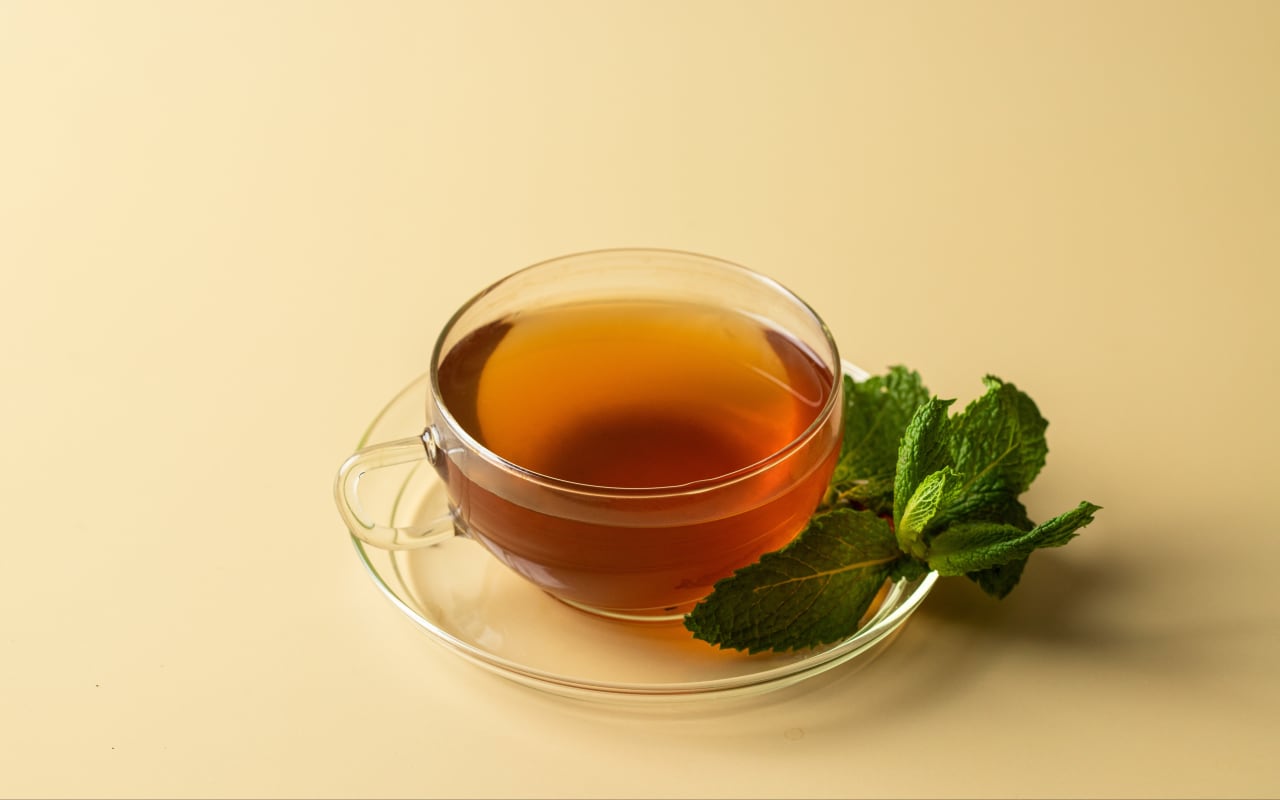
Peppermint tea: benefits and preparation

Are you familiar with the benefits of peppermint tea? Appreciated for its freshness, this aromatic plant is not limited to flavouring desserts or iced teas. As a herbal tea, it aids digestion, relieves bloating, intestinal spasms, & the feeling of heaviness after meals. It is also known for its mild tonic effects & soothing action on the nervous system. In this article, discover the virtues of peppermint tea, its various uses, & the precautions you need to know to safely enjoy all its benefits.

Reading time: 0 min.

In short:

  • Peppermint tea is known for its digestive benefits, reducing bloating, intestinal spasms, and feelings of heaviness after meals, while offering a refreshing and slightly tonic effect.

  • The article presents a simple preparation method: the recommended dosage is 1 heaped tablespoon of dried leaves per 250 ml of water, with an infusion time of 7 to 10 minutes, and details tips for customizing the drink according to your needs or the season.

  • The article specifies points to be aware of, in particular moderate use for pregnant women or in cases of gastroesophageal reflux, as well as other recommendations for fully enjoying its benefits without risk.

What is peppermint?

Peppermint (Mentha × piperita) is an aromatic perennial plant belonging to the Lamiaceae family. It is the result of a natural cross between water mint (Mentha aquatica) and spearmint (Mentha spicata). It is distinguished by its oval, deep green leaves and stems that are sometimes tinged with purple. But what makes it truly unique is its high concentration of menthol, a compound with both refreshing and invigorating effects.

Long used in traditional medicine, peppermint is now one of the most prized plants in herbal medicine for its targeted and rapid benefits. It comes in various forms: essential oils, extracts, capsules... but it is in the form of an infusion that it reveals the full richness of its active ingredients, in a gentle and effective way.

Beyond its intense aroma, peppermint has a remarkable biochemical composition. It contains menthol, menthone, eucalyptol, as well as flavonoids, phenolic acids, and tannins. These elements give it digestive, antispasmodic, stimulating, and refreshing properties. Peppermint tea allows you to enjoy these benefits without irritating the body, making it a valuable ally for digestive comfort and daily energy.

What are the benefits of peppermint tea?

Peppermint tea is packed with benefits and can provide real relief for many common problems. Thanks to its high content of active ingredients such as menthol, menthone, and eucalyptol, it acts on our body in several ways. Here are its main benefits:

Relief from digestive problems

Peppermint is one of the most effective plants for supporting the digestive system. It stimulates bile secretion, promotes fat digestion, and soothes feelings of heaviness after meals. Thanks to its antispasmodic properties, it relaxes the smooth muscles of the digestive tract, helping to reduce bloating, gas, spasms, and abdominal cramps. Consumed as an infusion, especially after a heavy meal, it contributes to better digestion and relieves frequent digestive discomfort.

Antispasmodic effect

Thanks to its relaxing compounds, peppermint acts directly on the digestive muscles. It effectively relieves abdominal cramps and intestinal tension, particularly in people prone to functional digestive disorders or irritable bowel syndrome (IBS). This effect is one of the key mechanisms for relieving intestinal discomfort.

Stimulation of liver and bile functions

Peppermint also supports the liver in its role as a metabolic filter. It stimulates the production and evacuation of bile, which facilitates the digestion of lipids and helps prevent feelings of heaviness, especially after rich meals. This stimulation of bile makes it an interesting plant for people prone to slow digestion or sluggish liver function.

Reduction of nausea and vomiting

The menthol contained in the plant has a natural antiemetic effect. Peppermint tea is therefore useful for calming temporary nausea, particularly that associated with motion sickness, digestive problems, or stress. It can be consumed at the first signs of discomfort for fast, gentle relief without any major side effects.

Improved concentration and alertness

Thanks to its mildly stimulating effect, peppermint promotes better oxygenation of the brain and can help improve concentration and mental alertness. Unlike caffeine, it does not excite the nervous system, but stimulates attention in a gentler way. Its refreshing flavor, combined with its neurotonic action, makes it an ideal drink when you're feeling tired, for example in the middle of the day.

Relief from mild headaches

The antispasmodic and vasodilatory properties of peppermint can also be beneficial for mild headaches or headaches caused by digestive issues or tension. The infusion helps to release tension and provides gentle, natural relief.

Natural refreshing effect

In summer, drinking cold peppermint tea is a pleasant way to quench your thirst while enjoying its invigorating effects. Thanks to its thermoregulatory properties, menthol provides a pleasant feeling of freshness and helps the body cope better with the heat.

Gentle respiratory support

The menthol contained in the plant helps open the airways and soothes irritated mucous membranes. In cases of colds, congested throats, or mild coughs, a hot peppermint infusion can thin secretions, soothe the throat, and provide a comforting feeling of freshness.

Slightly antibacterial and antiviral effect

Thanks to menthol and other active compounds, peppermint tea has a mild effect against certain microbes. It can support the body's natural defenses, particularly in the digestive and respiratory systems.

Focus on our Organic Digestive Mint Herbal Tea

How to prepare peppermint tea at home?

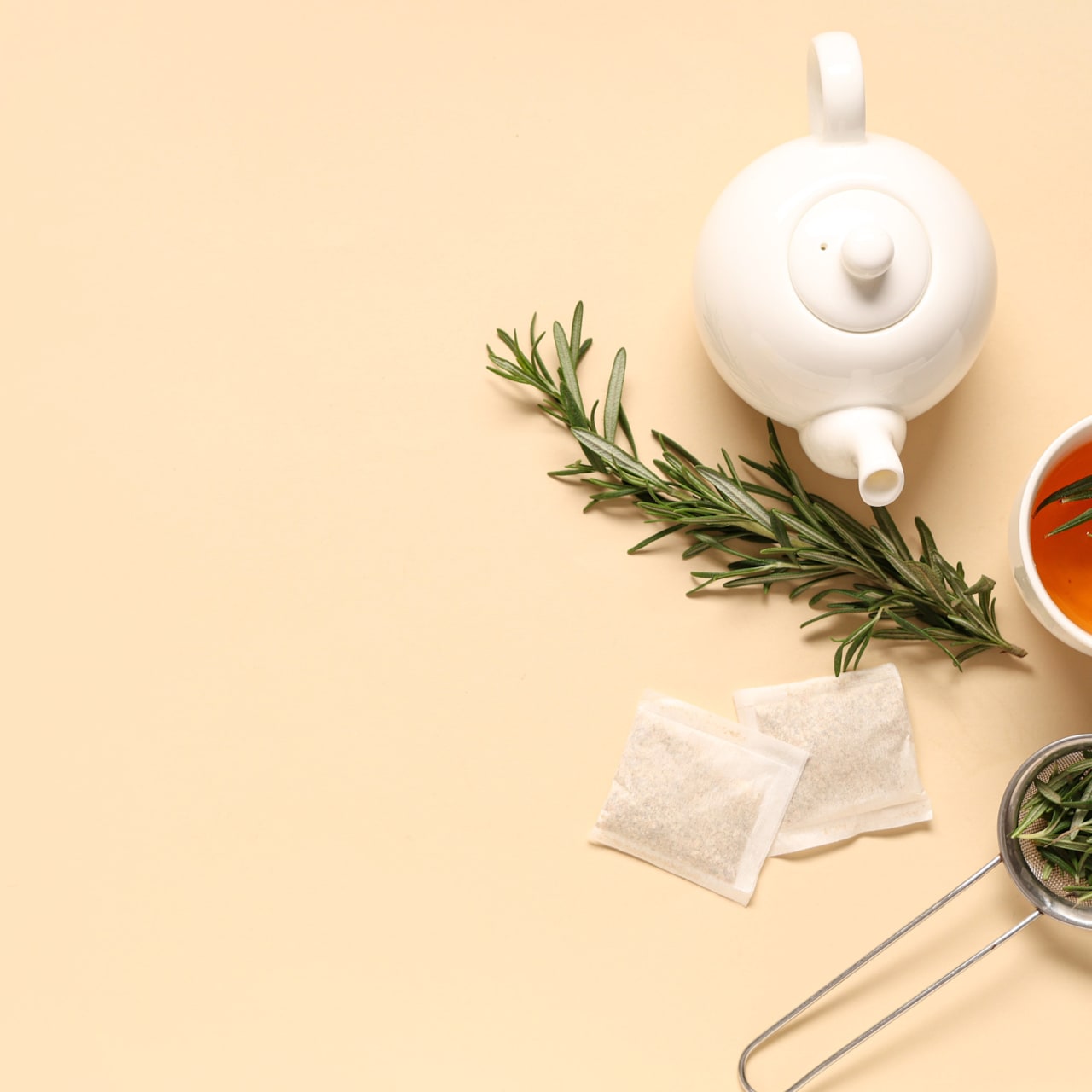
Preparing a good peppermint infusion requires only a few ingredients, but a few simple steps can help you maximize its benefits:

Ingredients

  • 1.5 to 2 g of dried peppermint leaves (one heaped tablespoon), or a handful of fresh leaves

  • 250 ml of spring or filtered water

  • A teapot, teacup, or mug with a lid

Good to know: to fully enjoy its benefits, cover the infusion to preserve volatile compounds such as menthol.

Preparation steps

1. FHeat the water

Bring the water to a simmer (around 90°C). It is best not to boil it, in order to preserve the aromatic and active compounds.

2. Add the leaves

Place the peppermint leaves in a teapot, an infuser, or directly into your cup. If using fresh leaves, crush them slightly between your fingers to release the aromatic oils.

3. Steep

Pour hot water over the leaves. Cover and let steep for 7 to 10 minutes. This steeping time allows both the active compounds and the aromas to be extracted.

4. Strain and enjoy

Carefully strain your infusion, then enjoy it plain, or with a spoonful of honey or a few drops of lemon juice if you wish.

Tip: You can also combine it with other digestive herbs such as lemon balm, fennel or lemon verbena, depending on your needs.

When and how should it be consumed?

Peppermint tea can be used in several ways, depending on your needs:

  • After meals: Drinking a cup 15 to 30 minutes after eating aids digestion and reduces digestive discomfort.

  • In case of nausea: drinking a cup at the first sign of nausea can help to quickly relieve symptoms.

  • Bloating or cramps: drinking an infusion when symptoms appear improves digestive comfort.

  • In the morning or during the day: one cup for a natural caffeine-free boost, especially in the early afternoon to stimulate alertness.

  • As a preventive measure or treatment: drink 1 to 2 cups a day for one to two weeks, alternating with other targeted infusions. Useful for difficult digestion or irritable bowel syndrome.

  • Cold version: infuse, chill in the refrigerator, and enjoy with a few ice cubes and a twist of lemon for a refreshing summer drink.

  • And in the evening? If you are sensitive to its tonic effect, it is best to consume it in the early evening, as it can delay sleep in some people.

Note: for optimal effect, consume it regularly, but in periods. Avoid continuous use throughout the year.

What other natural solutions offer the same benefits?

Other natural alternatives to peppermint tea have similar effects, such as soothing the digestive system, providing a feeling of freshness, or promoting relaxation. They can be used as a supplement or replacement, depending on your needs.

Organic Chamomile Dreams Herbal Tea

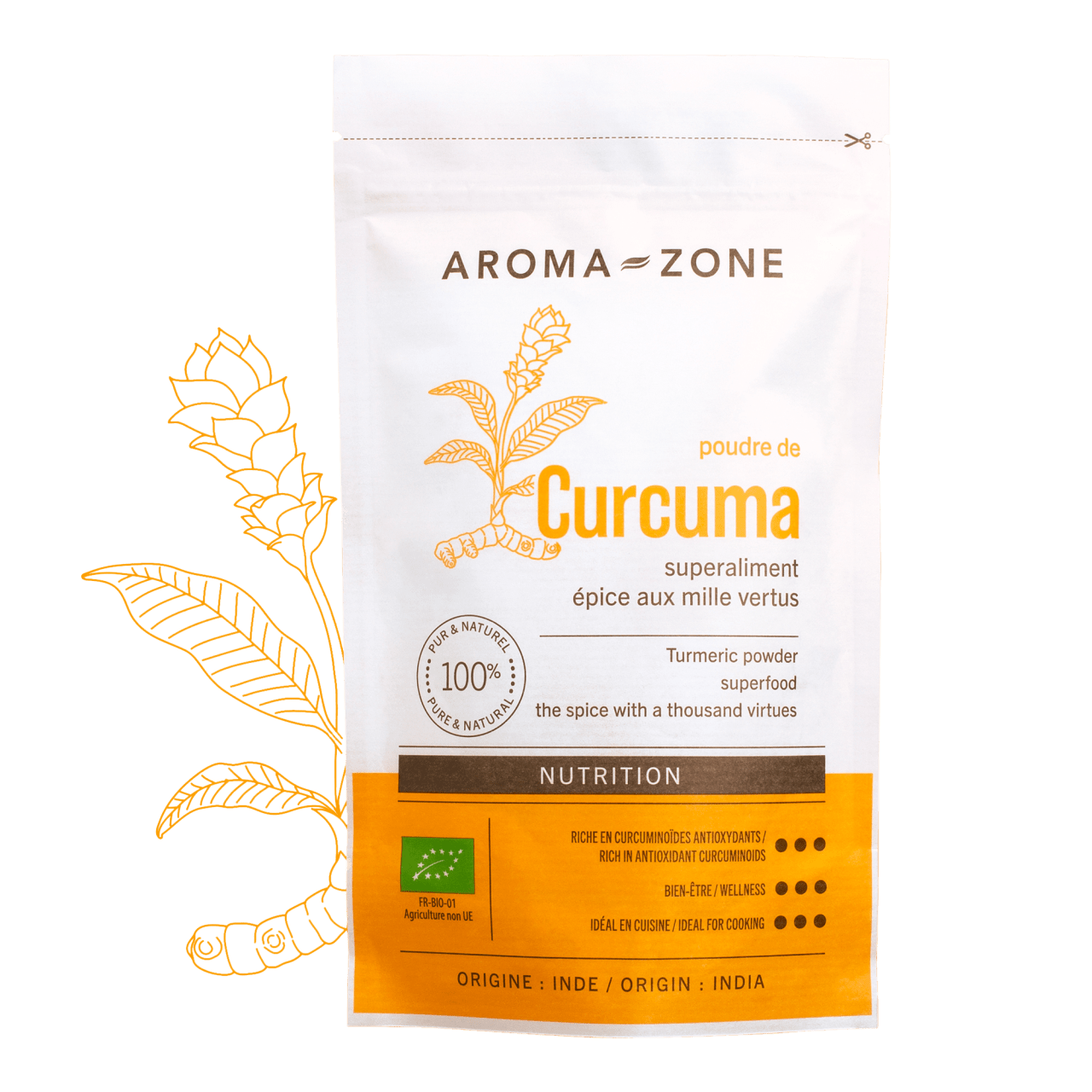
Organic turmeric powder

France BIO Vegetable Activated Charcoal – 120 capsules

Contraindications and precautions

Peppermint tea requires a few precautions:

  • Children under 6 years of age: should avoid it due to the presence of menthol.

  • Pregnant or breastfeeding women: medical advice is recommended before regular consumption.

  • Gastroesophageal reflux disease (GERD) or hiatal hernia: menthol may aggravate symptoms by relaxing the esophageal sphincter.

  • Gallstones or liver disorders: seek advice from a healthcare professional.

  • Medication: Interactions are possible, particularly with antacids and anticoagulants.

  • Allergies: Although rare, a reaction to menthol or mint may occur.

If in doubt, or if you have a chronic condition or sensitive constitution, we recommend that you seek the advice of your doctor. Follow the recommended doses and limit use to a few weeks for safe consumption.

Expert advice

After a heavy meal or if your digestion is a little sluggish, consider drinking a warm peppermint infusion 30 minutes after eating. It will relieve feelings of heaviness and gently support the digestive process.

Learn more

Can peppermint tea help you lose weight?

Peppermint tea does not cause weight loss per se, but it can aid digestion and curb cravings thanks to its refreshing and soothing effect.

Can you drink peppermint tea every day?

Yes, but preferably in courses of a few weeks, in order to limit the risk of irritation of the digestive mucosa (stomach, intestine) in sensitive individuals.

Is peppermint tea useful for constipation?

It can help relax the intestinal muscles and promote better transit, especially in cases of constipation related to stress or slow digestion. However, it does not have a direct laxative effect.

Does peppermint help combat bad breath?

Yes, thanks to its refreshing and antibacterial effect, it helps maintain good oral hygiene.

Focus on our naturopathic editor, Stéphanie Catrysse.

Stéphanie Catrysse is a naturopath (certified by the FENA), a wellness massage and lymphatic drainage practitioner, and a personal development consultant.

Passionate about alternative medicine, she practices with a holistic approach to health.

Bibliography

1

Gayet, Caroline. My Herbalism Bible. Editions Leduc.s pratique, 2018.

2

Lemarchand, Olivier. Medicinal Plants – The Lost Knowledge of Herbalism. Editions Jouvence, 2018.

3

Vidal. Peppermint (Mentha piperita).

4

La Compagnie des Sens. Peppermint: medicinal plant and benefits.

5

Herboristerie du Valmont. The health benefits of peppermint tea.