
How Can You Perform Lymphatic Drainage on Yourself?

How Can You Perform Lymphatic Drainage on Yourself?


By Emilie Turin

Published on: Monday, August 28, 2023, Updated on: Wednesday, September 30, 2026

Swelling, varicose veins, water retentioncan all be signs that lymph circulation isn't working as efficiently as it should. While lymphatic drainage is often performed by trained professionals in clinics or beauty salons, it can also become part of your at-home wellness routine.

What is it really for? How can you incorporate it into your daily routine, and what precautions should you keep in mind? Here's what you need to know before getting started.

Contents

Related products

In brief

  • Lymphatic drainage is a massage technique designed to stimulate the circulation of lymph. It is commonly used to help relieve the feeling of heavy legs, reduce water retention and support the body's natural elimination processes, promoting a daily feeling of lightness and well-being.

  • Effective self-massage relies on a specific technique, using gentle, slow, circular movements applied to key areas of the body for an appropriate length of time to help maximise its potential benefits. This article explains each step of the process, recommended frequency, and practical tips for tailoring the routine to your individual needs.

  • The article also outlines the contraindications to be aware of, particularly in cases of serious circulatory disorders or infections, as well as the precautions to take to practise lymphatic drainage safely at home.

What is lymphatic drainage?

Lymphatic drainage is a gentle, rhythmic massage that supports the circulation of lymph in the vessels. By stimulating key areas of the lymphatic system, it supports the body's natural detoxification and cell regeneration mechanisms.

The lymphatic system is a vast network of vessels, nodes, and organs responsible for transporting lymph, a clear fluid rich in water, proteins, immune cells, and metabolic waste. It plays an essential role in the elimination of toxins, the management of excess fluid, the transport of certain nutrients, and immune defense through the production of white blood cells.

Unlike blood, which is pumped by the heart, lymph has no central pump. Its circulation depends on body movements, breathing, and massage, which explains the importance of lymphatic drainage in supporting this flow naturally.
What are the benefits of lymphatic drainage?

Lymphatic drainage offers many positive effects, both on well-being and on the overall functioning of the body. Done regularly, it can provide:

  • Improved detoxification: by facilitating the elimination of waste and excess fluid, it reduces swelling and provides a feeling of lightness.

  • Support for the immune system: by activating lymphatic circulation, it helps defense cells reach the lymph nodes more easily and strengthens the immune response.

  • Improved digestive comfort: by promoting tissue drainage, it can contribute to better transit and reduce feelings of bloating.

  • More even skin: by stimulating cell regeneration and improving microcirculation, it helps smooth the skin's appearance.

  • Reduced stress: its slow, steady rhythm calms the nervous system, promoting relaxation and deep rest.

  • Relief from tension: it can alleviate certain headaches linked to local congestion and relax tense areas.

  • Better quality sleep: the relaxation it provides makes it easier to fall asleep and enjoy more restful sleep.

  • Better overall circulation: by stimulating lymphatic flow, it also optimizes blood circulation, contributing to better tissue oxygenation.

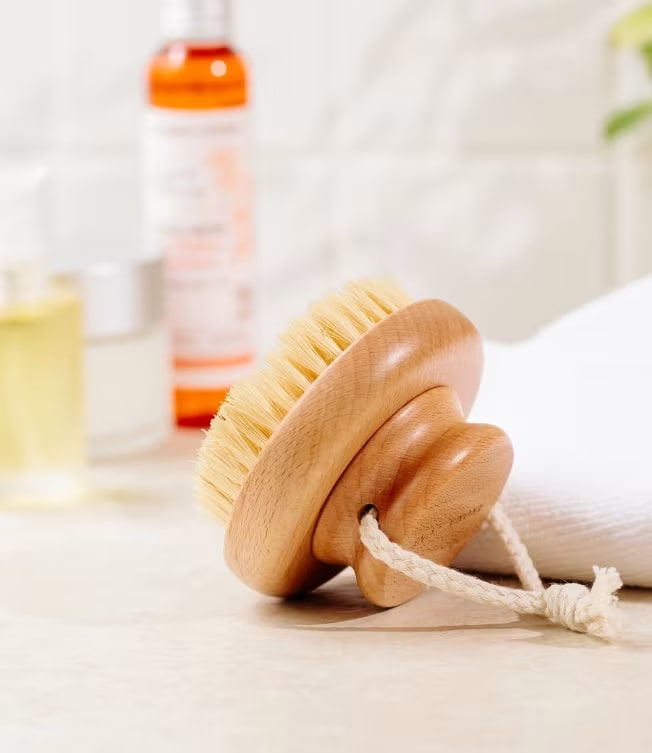
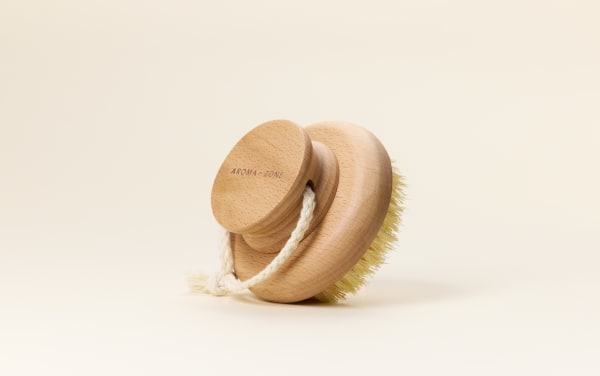
Spotlight on the Wooden Lymphatic Drainage Brush

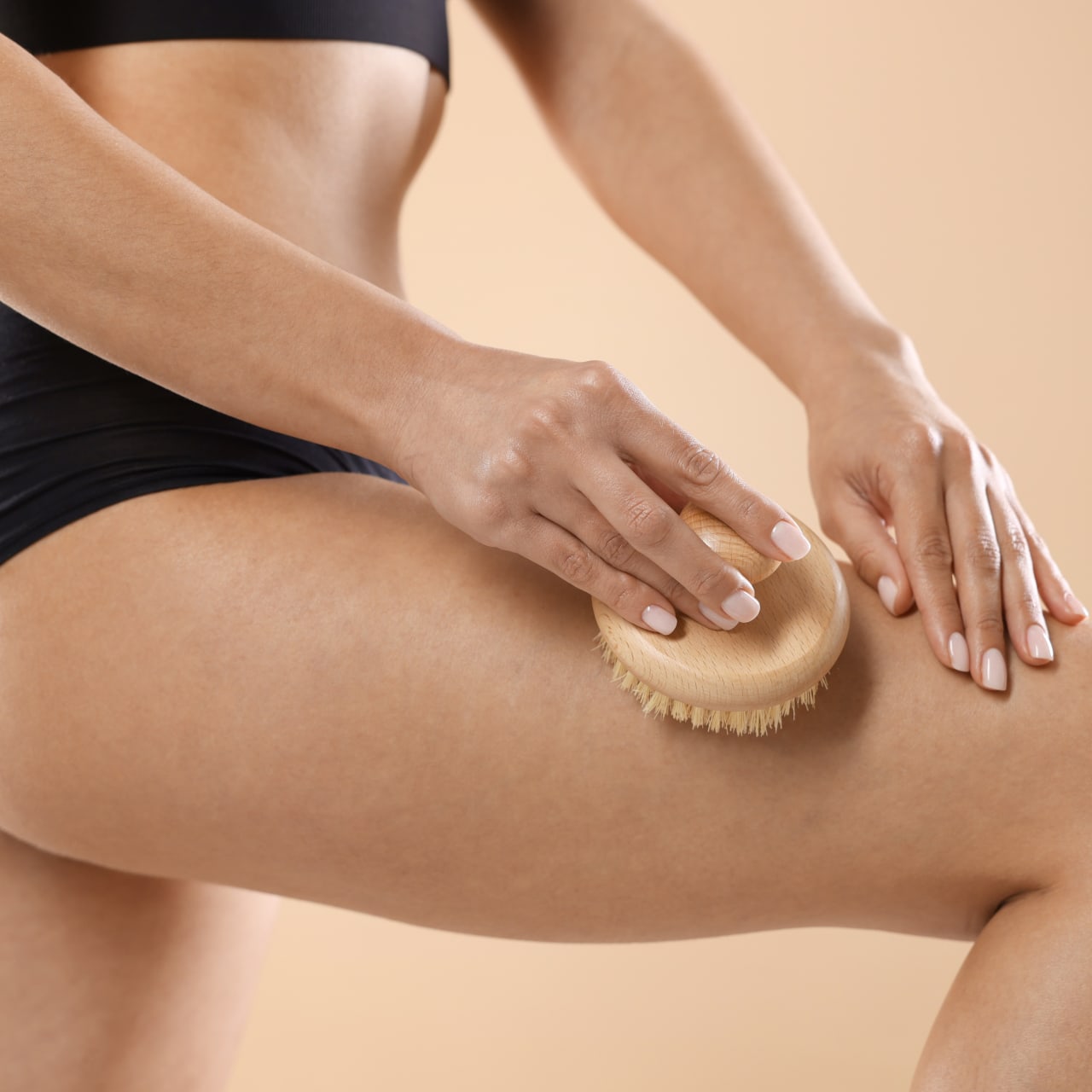
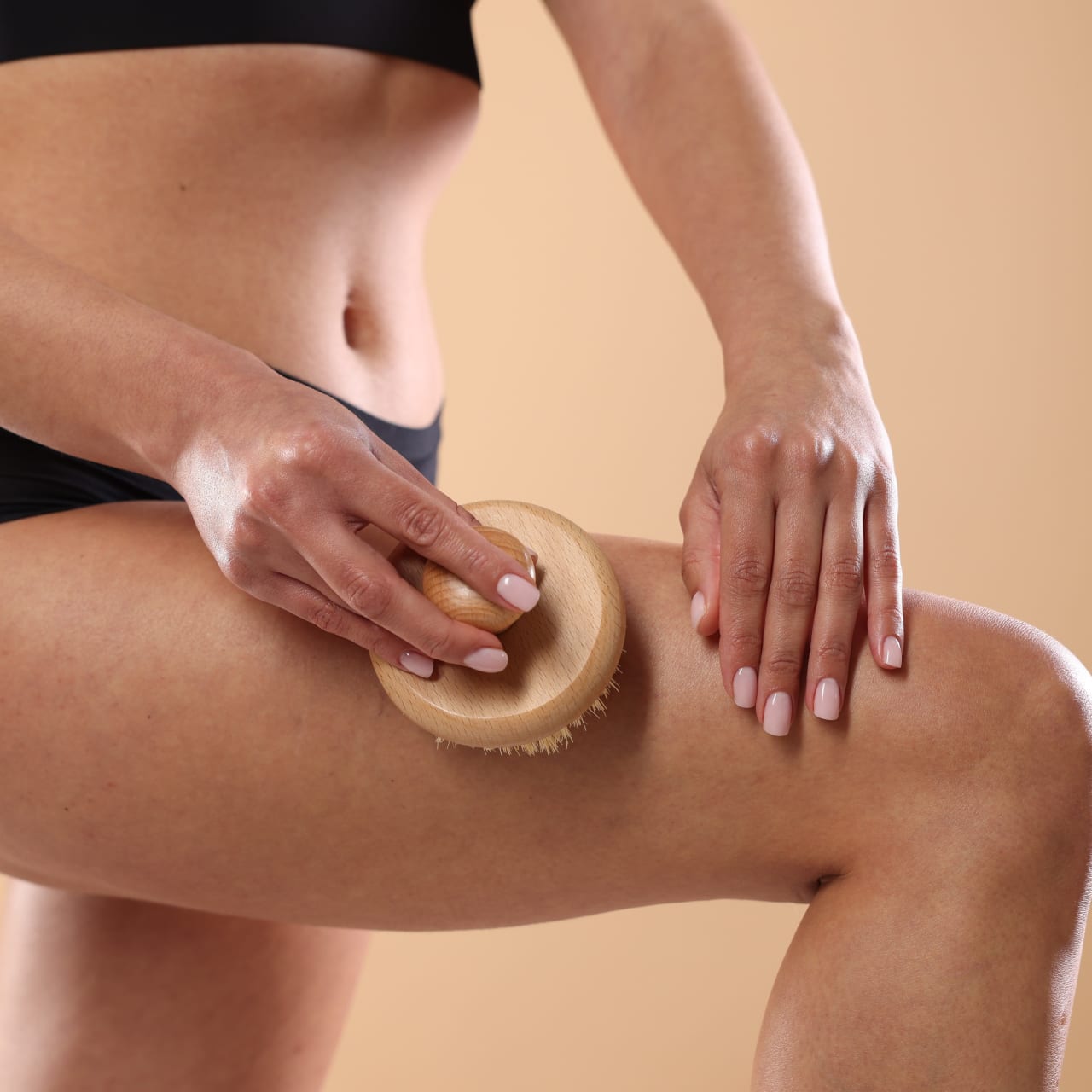
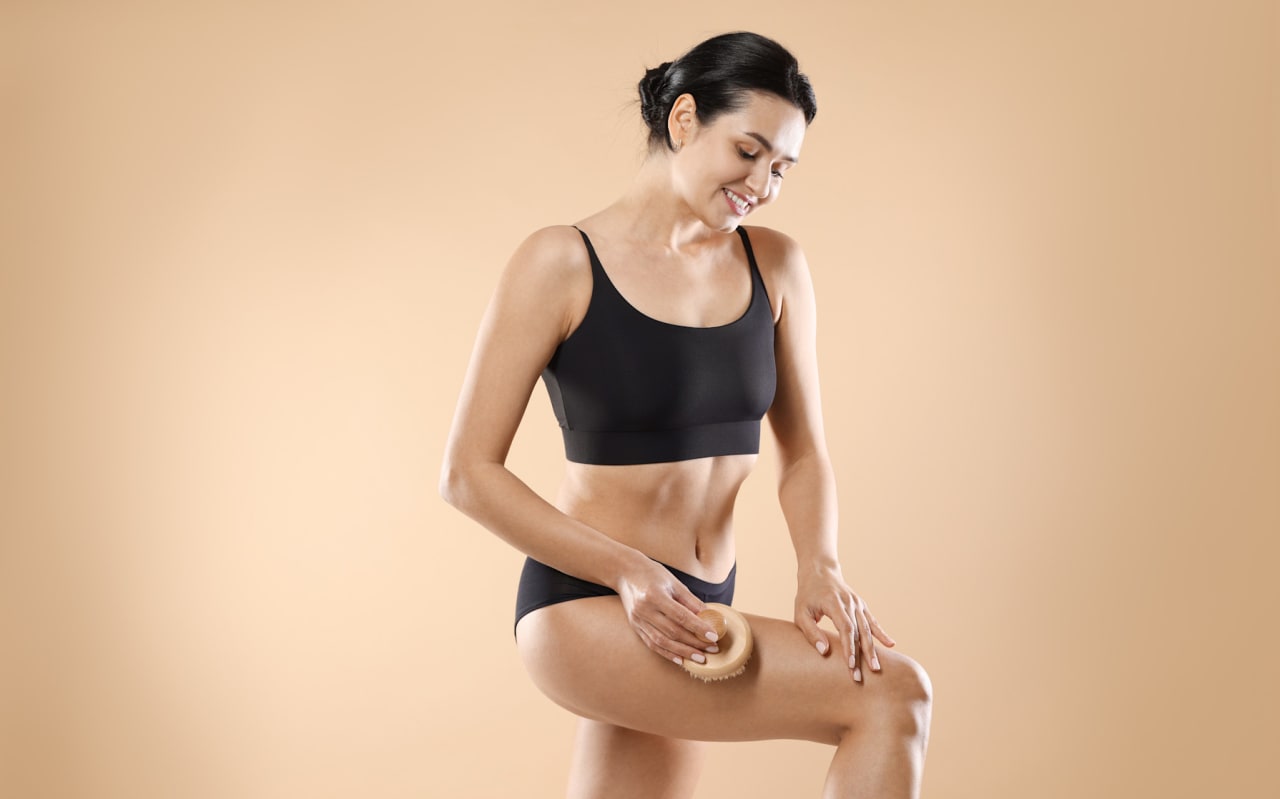
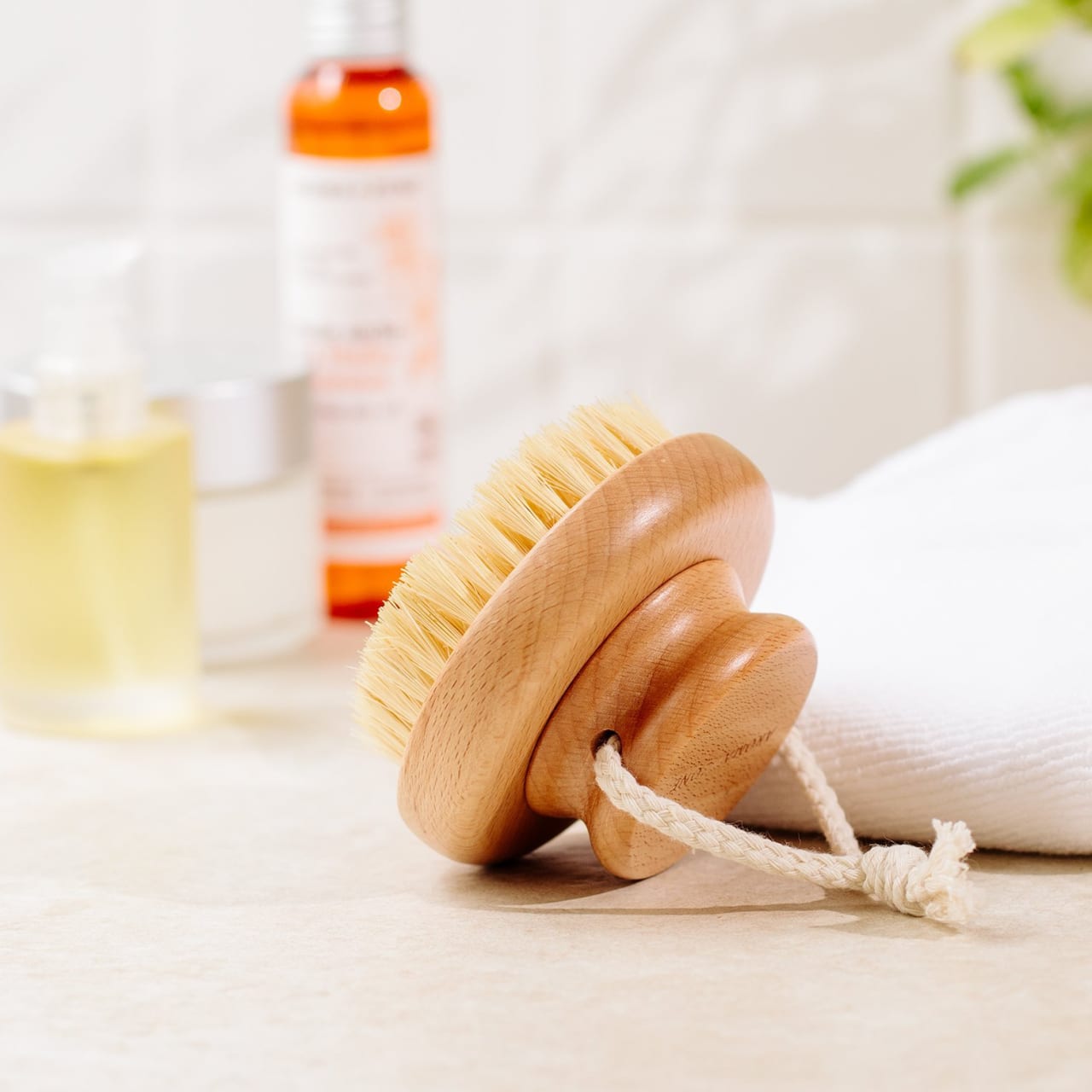
Try dry brushing with this beech wood brush made from sustainably managed forests and vegan sisal bristles, a plant fiber from the agave plant. Round and easy to hold, this drainage brush stimulates microcirculation in the skin and gently exfoliates.

Day after day, it tones and firms the skin, promotes the elimination of cellulite and toxins, softens and improves the appearance of the skin while giving it that famous natural "glow."

Discover our wooden lymphatic drainage brush

How to give yourself a lymphatic drainage massage

To perform a lymphatic drainage self-massage, follow these simple steps:

  1. Preparation: Find a quiet, comfortable place where you can lie down or sit and be comfortable during the massage.

  2. Positioning: Elevate your legs by placing a pillow or cushion under your ankles. This will promote lymphatic return.

  3. Diaphragmatic breathing: Place your hands on your diaphragm (below your chest, under your ribs). Take a deep breath through your nose to open your diaphragm, then exhale deeply through your mouth to release tension. This area plays a key role in breathing and, as a result, in transporting oxygen to the tissues and stimulating the lymphatic system. Do this exercise three times.

  4. Neck massage: Using the index and middle fingers of both hands, make gentle circular movements on the lymph nodes on either side of the neck, above the collarbones. Repeat the movement 15 times, moving counterclockwise.

  5. Armpit massage: Place one hand on the opposite armpit and stretch it upwards and forwards. Repeat 15 times, then switch to the other side.

  6. Groin massage: Place one hand in the hollow of the groin, gently digging your fingers into the skin. Make gentle movements towards your navel. Repeat 15 times. This will stimulate lymphatic drainage in the pelvic area.

  7. Chest massage: While seated, starting at the waist, slide both hands toward the armpit. Repeat 5 times. Then start at the groin and slide your hands toward the armpit. Repeat 5 times as well.

  8. Leg lymphatic massage: Still in a seated position, raise one leg onto a stool. Using slow, gentle movements, gently massage your legs from the ankles to the thighs on the outer and inner sides. Repeat 5 times, then switch to the other side.

  9. Arm massage: Massage your arms with light pressure, using gentle, regular movements from the palm of your hand towards your shoulders, then your groin.

  10. Lymphatic drainage of the face and neck: finish by gently massaging the neck area, placing your hands at the back of your neck with your head slightly forward. Repeat the movement 15 times. Then, starting at the front of your ears, massage your jaw with your fingertips towards your chin. Next, slide your hand from the front of your neck to your armpit on the same side, repeating 5 times.

  11. Finish the lymphatic massage by again clearing the lymph nodes in the neck (4.), armpits (5.), groin (6.), and diaphragm (3.) to restore normal breathing.

At the end of the session, remember to drink plenty of fluids to help flush out waste products.

You can also join our Self-Massage Workshop - Traditional Chinese Medicine and Essential Oils.

For a lymphatic massage of the stomach, please refer to the article: How and why to perform lymphatic drainage on the stomach?

What products should you use for lymphatic drainage?

25 12 04 aromazone18543

How often should you perform lymphatic drainage?

The frequency of lymphatic drainage at home depends on individual needs and specific goals. For some, one session per week may be sufficient, while others may prefer two to three sessions per week. It is essential to listen to your body and not overdo it, especially if you are new to this practice. Spring can be the ideal season, as this is when the body is at its peak of vital energy.

How often should you practice lymphatic drainage?

The number of sessions varies depending on the individual and the desired outcome. To relieve edema or reduce localized swelling, just a few sessions can already bring about an improvement in well-being. For self-massage, generally allow for 1 to 2 sessions per week for two to three months, followed by a break of a few weeks so as not to overwork the body.

How long does it take to see the effects of lymphatic drainage?

The results of lymphatic drainage may vary from person to person, but you may feel a sense of lightness after the first few sessions. For specific problems such as edema or cellulite, it may take a few weeks of regular practice to see significant results. Be patient and persevere to achieve the desired effects. It is also important to remember that lymphatic drainage is not a substitute for a healthy lifestyle. A healthy, balanced diet, regular physical activity, and restful sleep are essential for optimizing the body's natural elimination processes.

Precautions and contraindications

Lymphatic drainage, including self-massage, is not recommended in cases of fever, ongoing infection, wounds or skin problems, uncontrolled asthma, hyperthyroidism, phlebitis, kidney failure, heart problems, or venous disorders. During pregnancy, it can provide comfort but should be supervised, ideally by a trained professional. If you have a specific medical condition, always seek the advice of a healthcare professional before starting.

Expert advice

To fully enjoy the benefits of lymphatic drainage, always use slow, regular, low-pressure movements: the lymphatic system responds better to gentleness than intensity. Take a few minutes each day rather than one long session every now and then: consistency makes all the difference. Also remember to hydrate well before and after the massage to naturally support the elimination process. Finally, listen to your body: if an area seems sensitive or reacts unusually, reduce the frequency or adjust the pressure. Drainage should always be comfortable and provide a real feeling of lightness.

Article written by Emilie Turin, naturopath

A naturopath, kinesiology and Chi Nei Tsang practitioner, Emilie helps her consultants to improve their dietary, physical and emotional health.

Passionate about natural medicine and food, and keen to raise awareness of preventive health care, Emilie regularly runs naturopathic workshops and shares her naturopathic advice and healthy recipes on her Instagram account (@lacaznaturo).

Bibliography

  1. Schingale, F.-J., Esmer, M., Küpeli, B., & Ünal, D. (2022), Investigation of the less known effects of manual lymphatic drainage: A narrative review, Lymphatic Research and Biology

    https://doi.org/10.1089/lrb.2019.0091

  2. Cleveland Clinic. (2024), Lymphatic drainage massage: What it is & benefits, Cleveland Clinic

    https://my.clevelandclinic.org/health/treatments/21768-lymphatic-drainage-massage

Frequently Asked Questions

Frequently Asked Questions