What Are Some Home Remedies for Heavy Legs?

What Are Some Home Remedies for Heavy Legs?


By Hélène Betoux

Published on: Thursday, May 23, 2024, Updated on: Wednesday, October 28, 2026

Do your legs feel as though they weigh a tonne? Try these natural, traditional remedies for heavy legs. Thanks to the benefits of these plants and minerals, you can quickly regain a feeling of freshness and lightness from your feet right up to your thighs. The tried-and-tested ingredients you shouldn’t miss out on include Calophyllum inophyllum, mastic, and evergreen cypress.

Contents

Related products

What Is the Sensation of Heavy Legs?

Are the following traditional remedies right for you? Heavy legs are characterised by a persistent feeling of heaviness in the lower limbs. You may feel as though your thighs are weighed down or your calves are dragging a cannonball. As a result, every movement becomes more difficult. And for us humans, who rely on our legs to get around, this can be extremely uncomfortable and even interfere with everyday life.

This feeling of heaviness in the legs mainly affects women, as it is sometimes linked to hormonal changes. However, men are not entirely unaffected: the prevalence of chronic venous insufficiency among men has been increasing since the 1960s and 1970s.
What Causes Heavy Legs?

If you have heavy legs, it’s probably because you’re suffering from poor blood circulation. This is also known as venous insufficiency. You feel as though your limbs are weighed down because blood is pooling there instead of flowing back up to your heart. Although sometimes hereditary, this poor venous return can be caused or exacerbated by a number of factors, such as:

  • Hormones: Oestrogen can reduce venous tone. Pregnant women or those taking oestrogen-progestogen contraceptives are therefore often the first to be affected

  • Heat: It causes the veins to dilate, affecting blood flow and encouraging blood to pool in the lower limbs. This is why summer is often considered the peak season for heavy legs

  • Muscle Fatigue: Pounding your feet and prolonged standing (particularly in certain occupations) contribute to feelings of heaviness at the end of the day

  • A Sedentary Lifestyle: Similarly, a body that remains still or lying down for too long often ends up developing blood circulation problems as well

  • Being Overweight: The build-up of fat tends to compress the veins. Significant weight gain therefore slows down venous return, resulting in a sensation of heavy legs

What Are the Symptoms Associated With Venous Insufficiency?

  • Oedema (water retention): Fluid builds up in the tissues, causing visible swelling, particularly around the ankles.

  • Restless Legs Syndrome (restlessness): Sensations of tingling and prickling in the legs, accompanied by involuntary movements at night

  • Varicose Veins: These are abnormally dilated veins, recognisable by their blue colour or the bulging they form beneath the skin

  • Ulcers: These are sores that develop as a result of blood stasis and a loss of elasticity in the veins. They are slow to heal and can become chronic

  • Phlebitis (venous thrombosis): A clot forms in a vein and partially or completely blocks the flow of blood

The Best Home Remedies for Heavy Legs

As you’ve probably realised, poor circulation may be contributing to the feeling of heavy legs. This is a common concern, and there are some traditional home remedies you can try to help alleviate the discomfort. Heavy legs can be a sign of venous insufficiency, so looking after your legs today may help you manage symptoms over time.

Our ingredients are designed to be incorporated into a cosmetic formulation or a finished product. They must not be used undiluted or applied directly to the skin.

Organic Ginkgo biloba

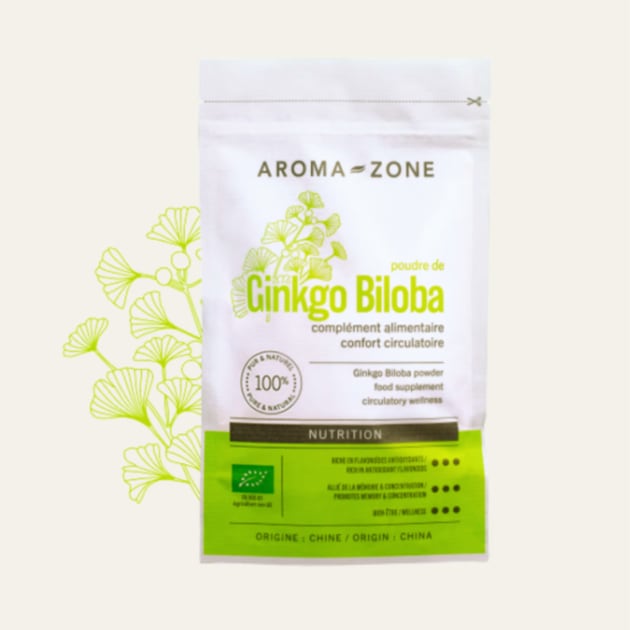
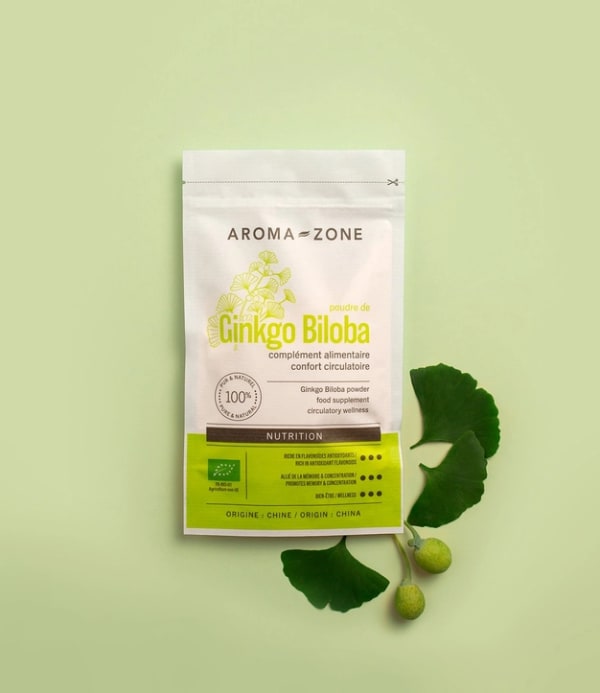
A Vein-Toning Treatment With Organic Ginkgo Biloba Powder. To prevent that heavy, tired feeling in the legs, our grandmothers used to treat themselves to short courses of vein-toning herbal remedies before summer. The best known of these are horse chestnut, butcher’s broom, and red vine. Although slightly less common, Ginkgo biloba is a superfood rich in flavonoids, renowned for their circulatory-toning properties. This powder can be taken as a course of treatment, as a dietary supplement, at a dose of 500 to 750mg per day. It can easily be added to fruit juices, herbal teas, and meals.

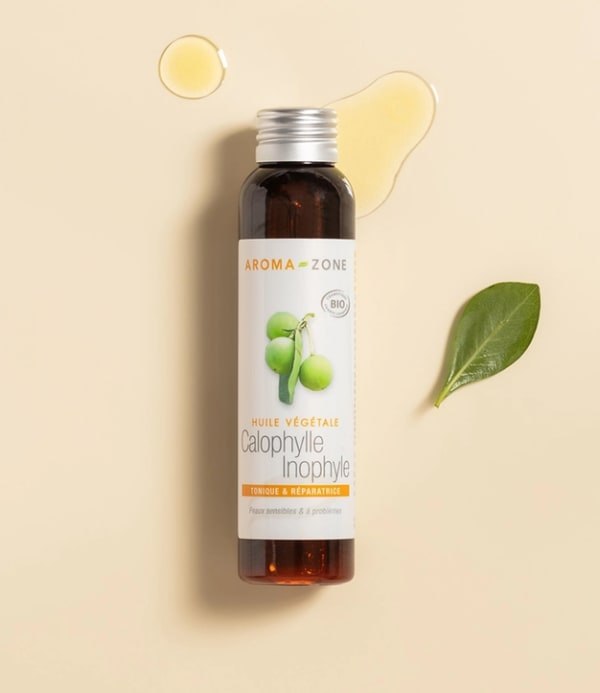
Calophylle Inophyle Organic Vegetable Oil

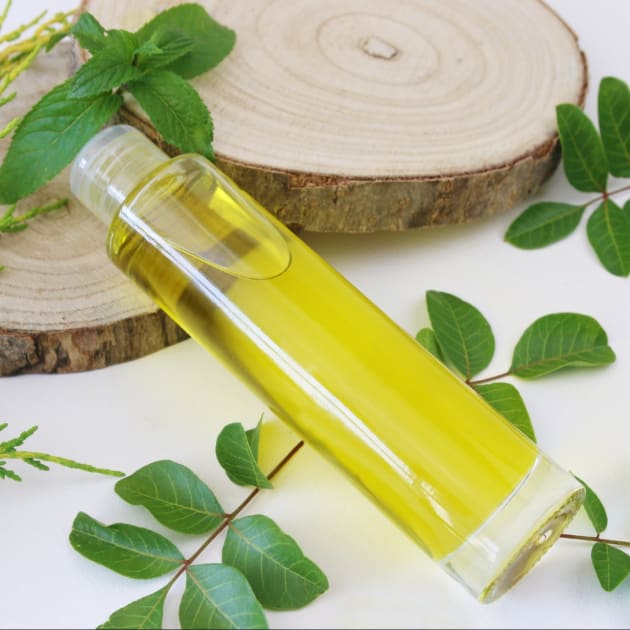
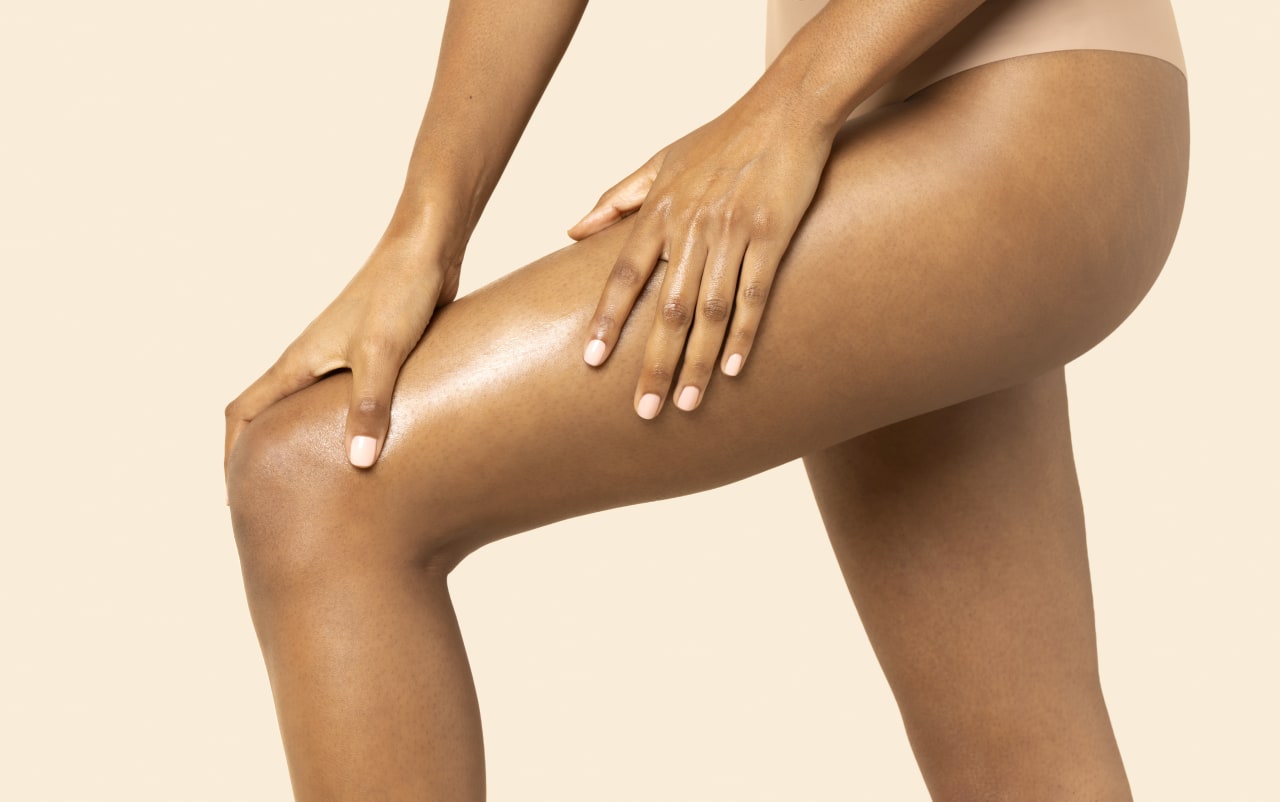
Massage With Organic Calophyllum Inophyllum Oil. A gentle massage is ideal for improving circulation and clearing stagnant lymph. To maximise its benefits, use this plant oil as a massage base. It is renowned for stimulating blood circulation and providing relief from heavy legs. You can also add a few drops of a toning essential oil such as mastic to it. If you are prone to water retention, don’t forget to drink plenty of water (don’t cut back on water!), go easy on the salt, and walk plenty.

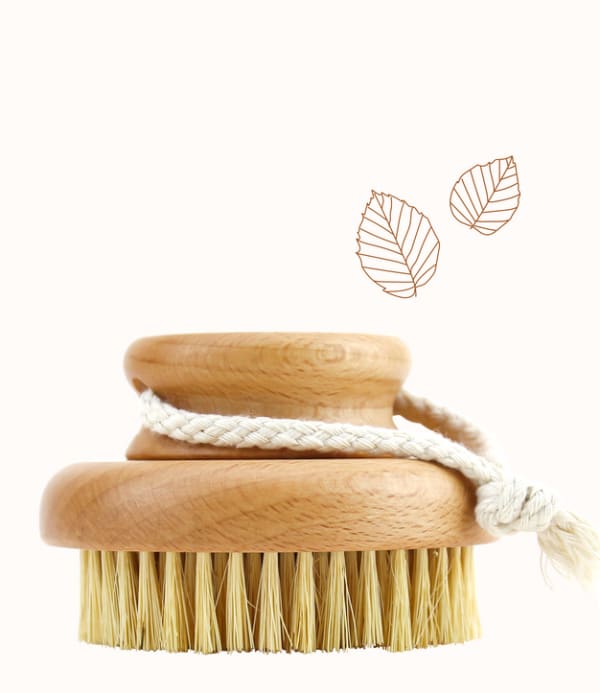
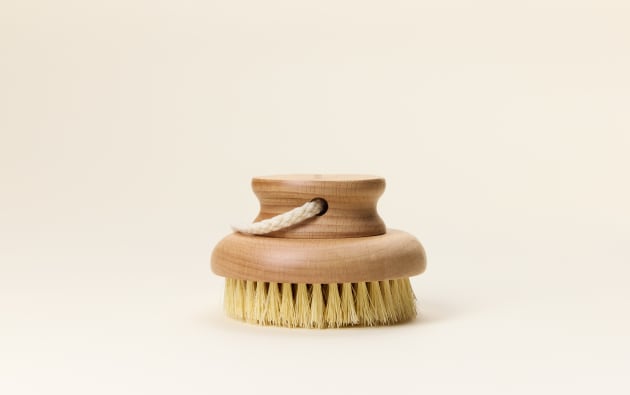
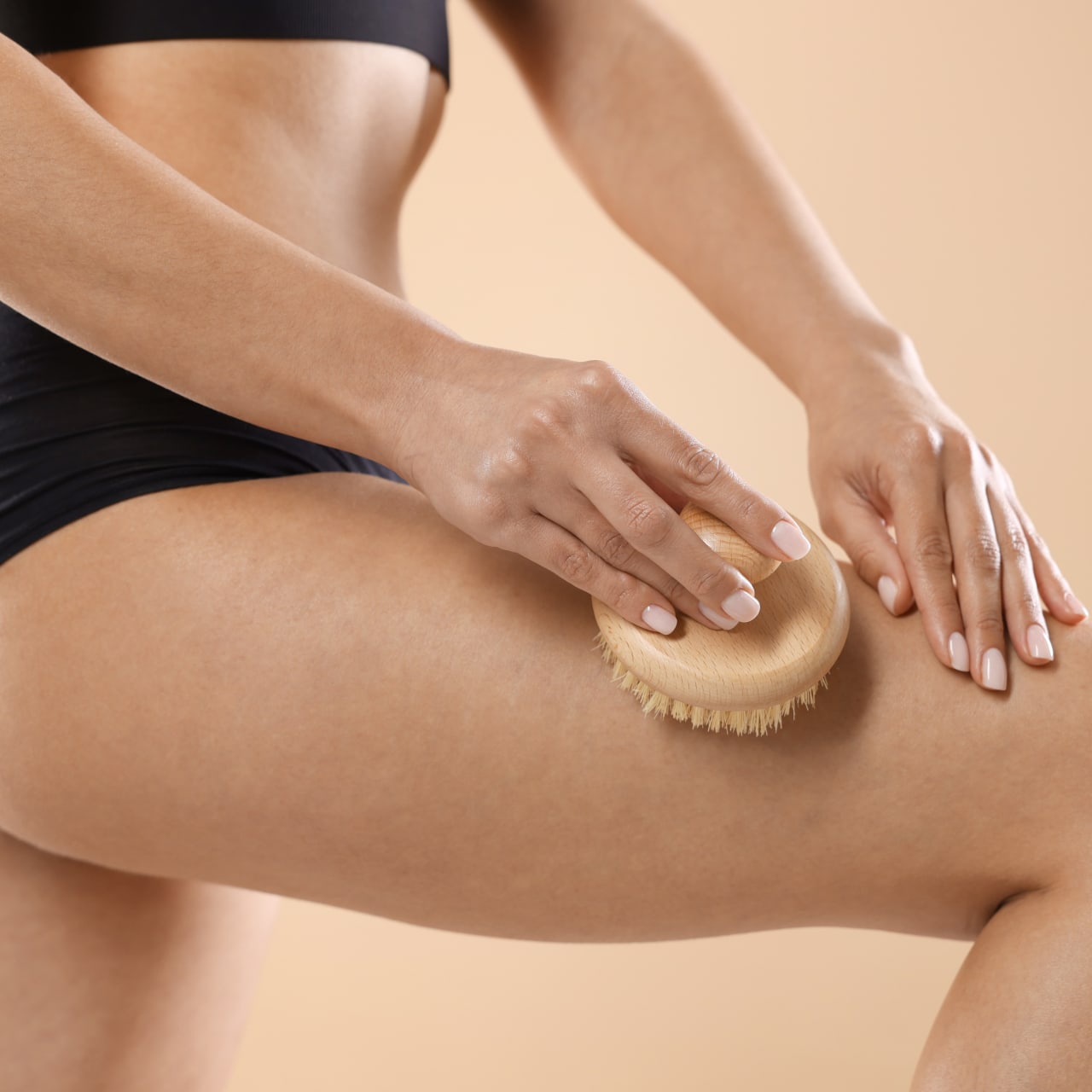
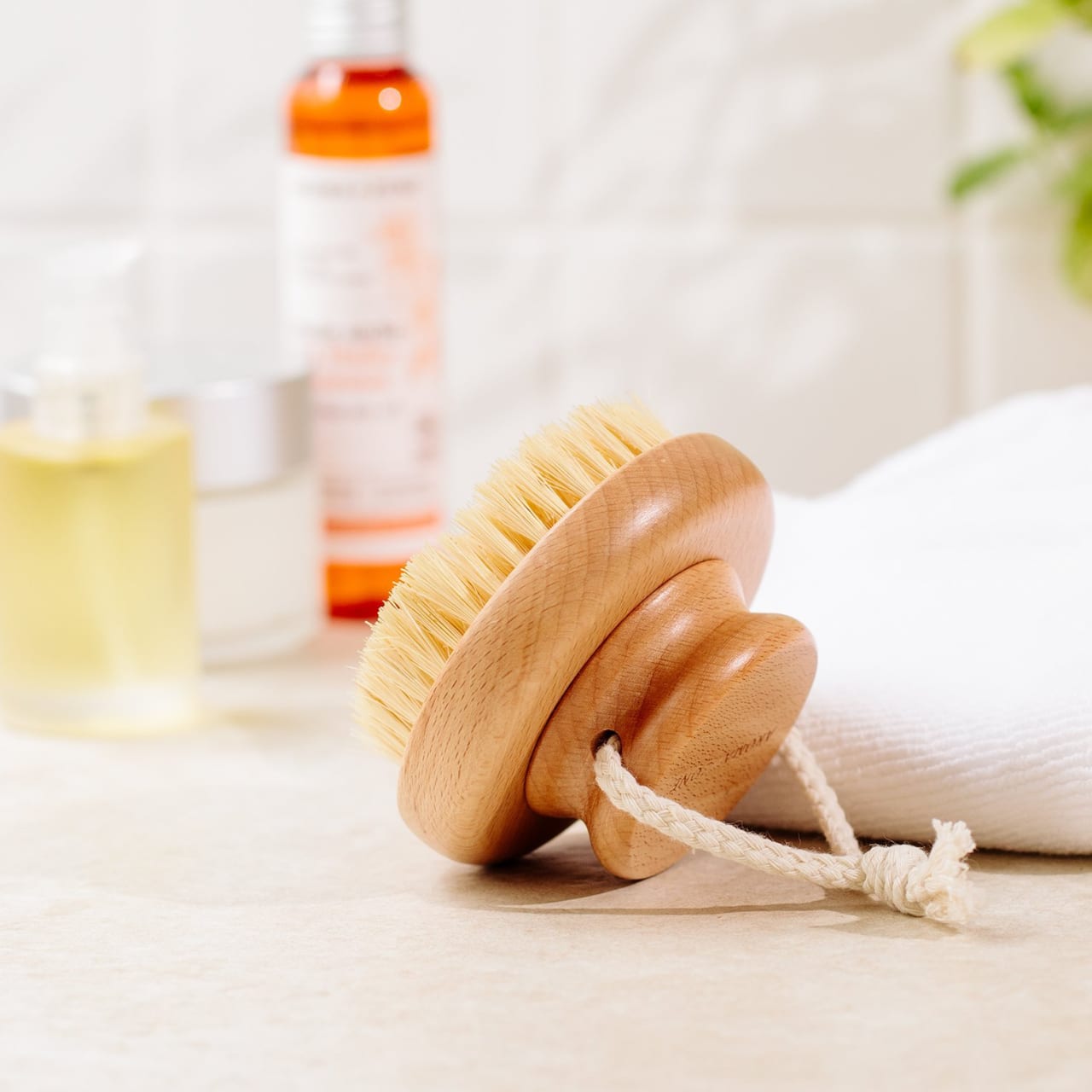
Dry brushing Using a Wooden Lymphatic Drainage Brush. This brush is ideal for stimulating blood microcirculation. Use it on your legs before showering, on dry skin, by brushing your skin with light strokes. Always use upward strokes, towards the heart, to encourage circulation in the right direction. Start at your ankles and work your way up to your knees several times. Then start again from your knees and brush up to the top of your thighs. Don’t forget to do the backs of your legs as well. This routine also has benefits for cellulite.

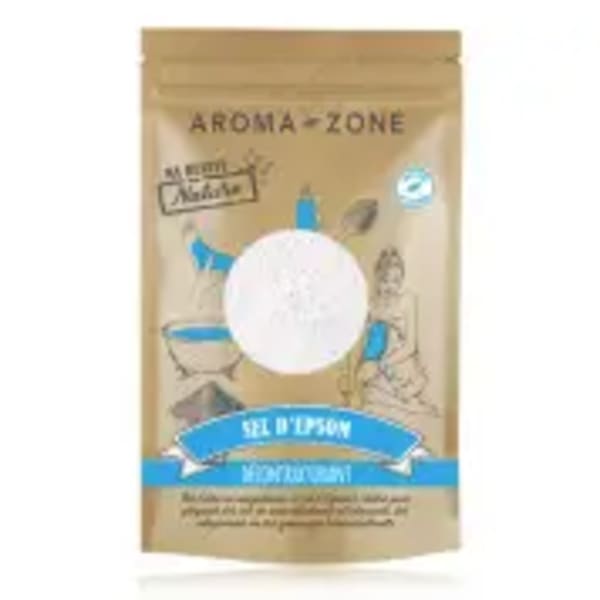
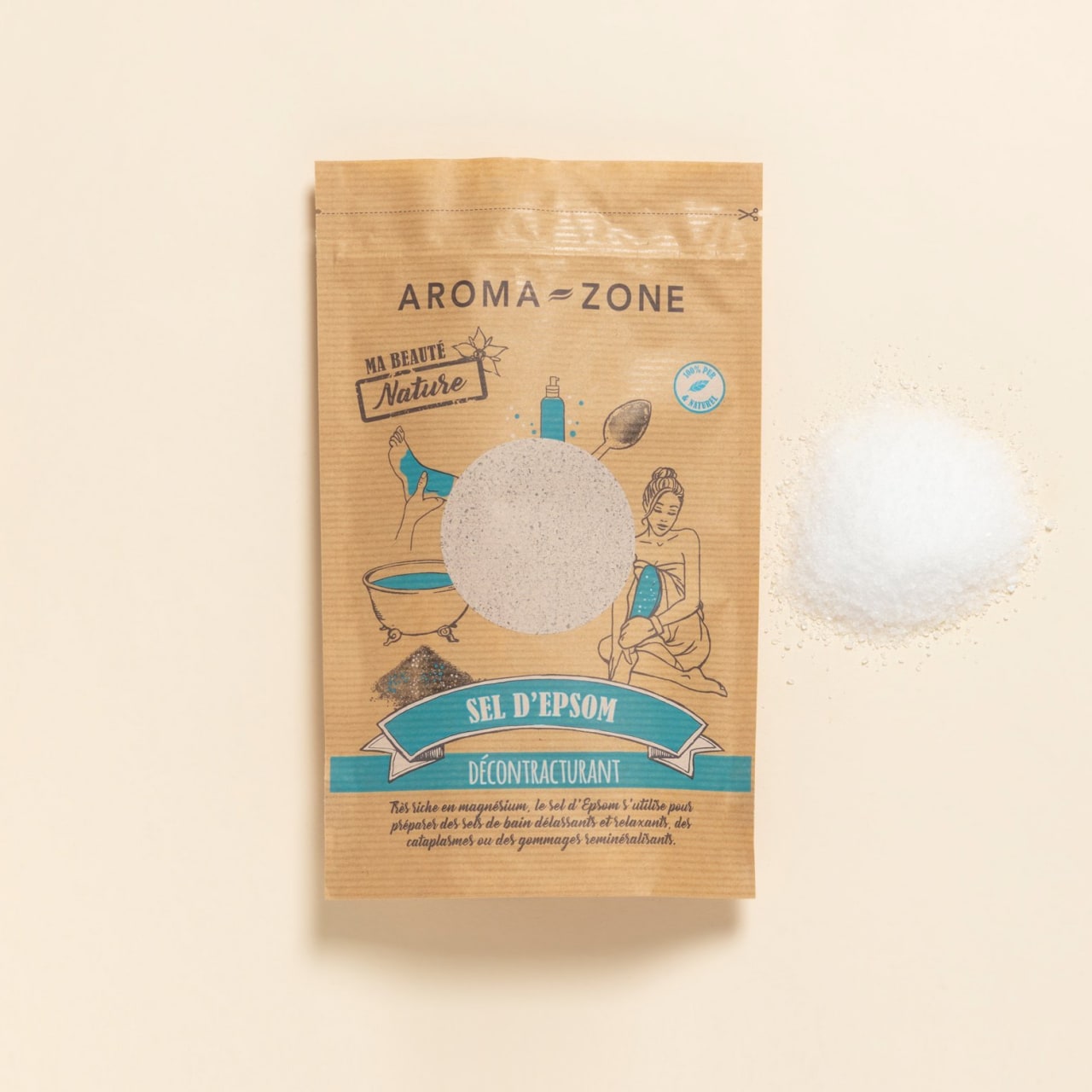
A Foot Bath With Epsom Salt. An Epsom salt foot bath is a well-known home remedy for heavy or restless legs. Fill a basin with warm water (35 to 37°C) up to your ankles and add a cup of Epsom salt. Stir with your hand to dissolve the crystals. Soak your feet in this relaxing bath and wait between 15 and 20 minutes to help your muscles relax. Try this remedy as soon as you feel the first signs of discomfort. In addition, cut down on your intake of stimulants, such as coffee and tea, as these can make restless legs worse.

Other Home Remedies Worth Trying

  • Compression Stockings: These apply pressure to the veins, which helps blood flow back to the heart. The good news is that today’s styles are much more discreet, technically advanced and stylish than those our grandmothers used to wear

  • Green Clay Mask: Mix a little clay powder with spring water until you have a thick paste. Apply it to your legs, where you feel heaviness. Place a thin, damp cloth over the top. Leave to dry and rinse off with water

  • Evergreen Cypress Hydrosol: You can use it as a toning rub directly on your legs or dilute it in the warm water of your foot bath. The essential oil is also recommended for varicose veins and venous stasis

Our Natural Remedies to Help You Feel Lighter

Precautions for the Products Mentioned

  • Ginkgo Biloba Powder: Keep out of reach of children. Not a substitute for a varied and balanced diet and a healthy lifestyle. Do not exceed the recommended daily dose. For adults only. Do not use during pregnancy or whilst breastfeeding. Consult your doctor if you are taking anticoagulants or antidepressants at the same time

  • Calophyllum Inophyllum Plant Oil: Due to its effect on blood circulation, this oil is not recommended if you are taking anticoagulants or blood-thinning medication. Seek advice from your doctor

  • Epsom Salt: Keep out of reach of children. Avoid direct contact with the eyes

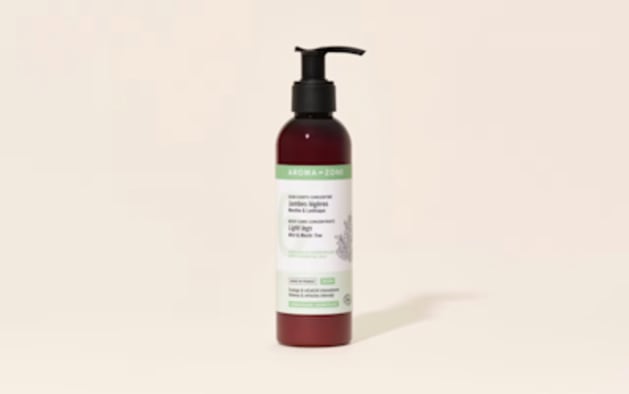
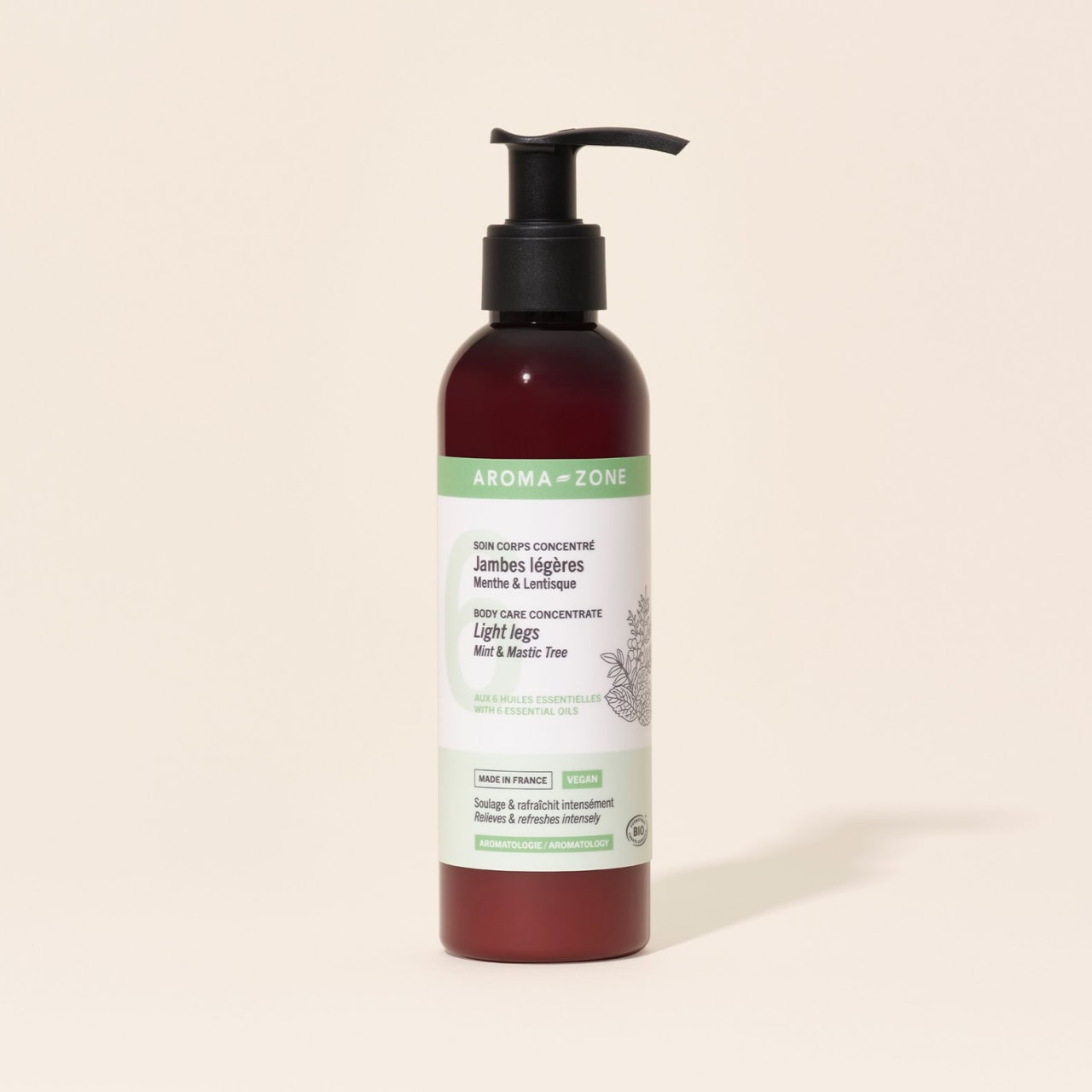
  • Light Legs Care Gel: Do not use on children, or on pregnant or breastfeeding women. Do not use on irritated or broken skin, or on mucous membranes

  • Essential Oils: These are potent products. Follow the recommended dosages and precautions for use. Carry out a sensitivity test on a small area of skin before use

Expert Advice

Do you often experience swelling or heaviness in your legs? As part of your daily routine, take a few preventative measures to promote good blood circulation. During the day, move around as much as possible (without overexerting yourself). In the evening, while lying down, elevate your legs using one or more cushions. Natural home remedies for heavy and swollen legs can bring you rapid and noticeable relief. However, remember that they are no substitute for medical advice. If your discomfort in your lower limbs persists, it is best to consult a doctor.

Spotlight on Our Writer, Hélène Betoux

HELENE-modified_0.webp

Hélène Betoux is a French beauty journalist specialising in online media. She writes daily advice, recommendations and guides to help consumers choose the beauty products best suited to their needs. A firm advocate of natural, organic and ‘clean’ cosmetics, she closely follows trends and innovations in the sector, which she enjoys analysing and sharing.

Bibliography

  1. (1)Evans CJ, Fowkes FG, Ruckley CV, Lee AJ. Prevalence of varicose veins and chronic venous insufficiency in men and women in the general population:

    Edinburgh Vein Study. J Epidemiol Community Health. 1999 Mar;53(3):149-53. doi: 10.1136/jech.53.3.149. PMID: 10396491; PMCID: PMC1756838.

  2. Festy Danièle, My Bible of Essential Oils,

    Éditions Leduc.S, 2013, pp. 347–349, 364–365.

Frequently Asked Questions

Frequently Asked Questions