Our experts’ routine for light legs
By The Aroma-Zone editorial team
Published on: Thursday, July 09, 2026, Updated on: Friday, October 09, 2026
At the end of the day, your legs may feel heavy, tired or uncomfortable. These sensations are common and can be exacerbated by hot weather, prolonged periods of sitting or standing, a lack of physical activity or hormonal changes (1).
Approved by dermatologists, this routine helps to soothe your legs and restore a feeling of lightness to your daily life.
Contents
Related products
£12.00
200 ml
£7.00
1 article
Heart
Vision
£20.00
article
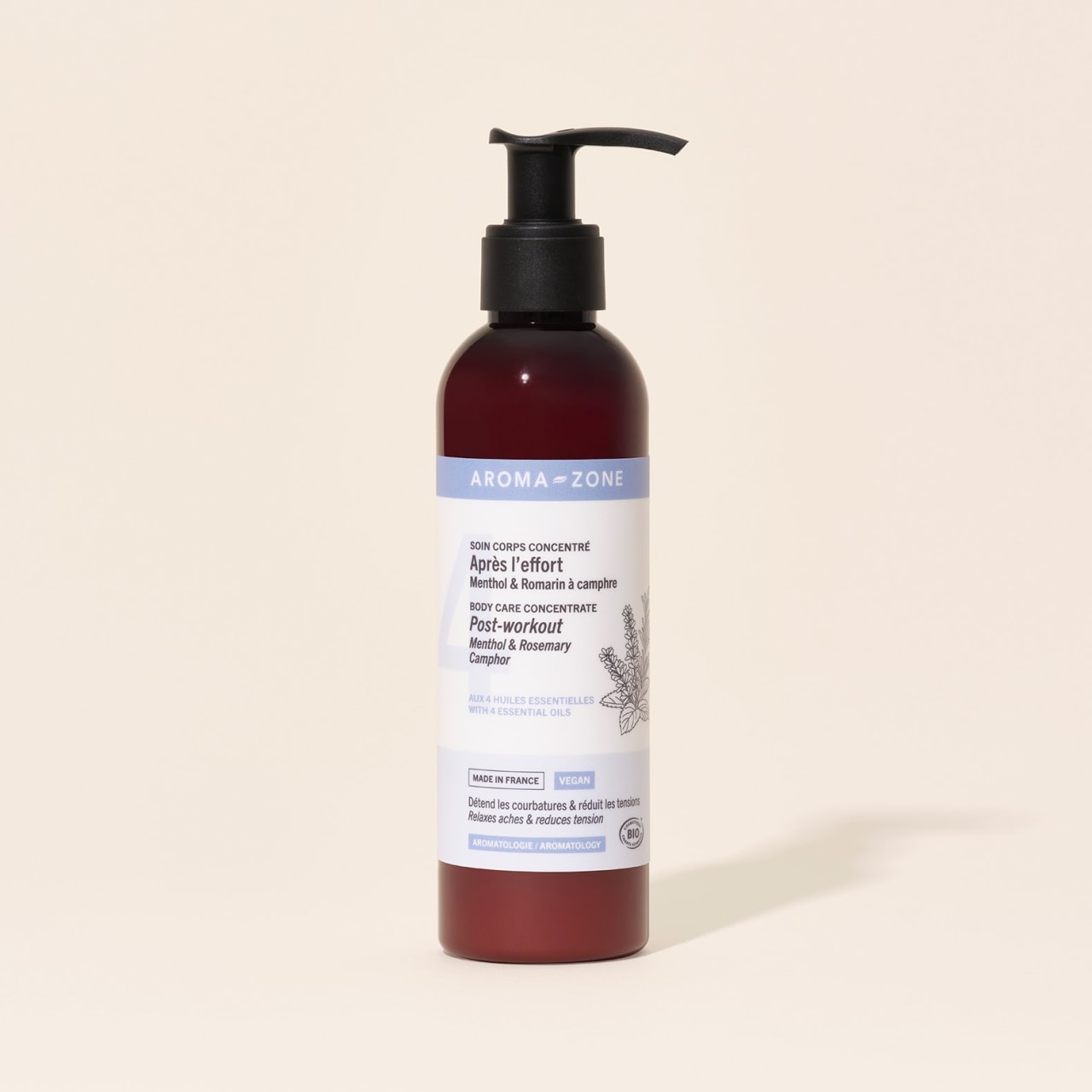
Sport
Relaxing
£9.00
200 ml
My 2-step routine
Step 1 – Relax
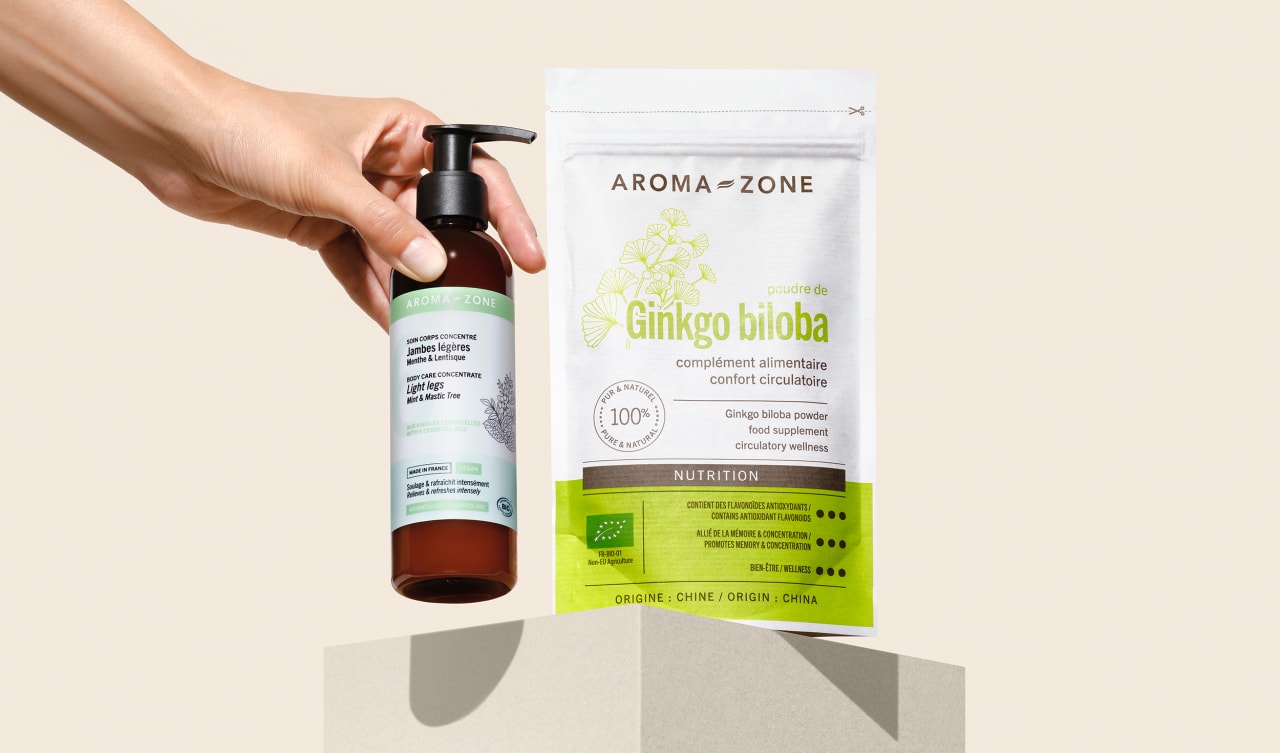
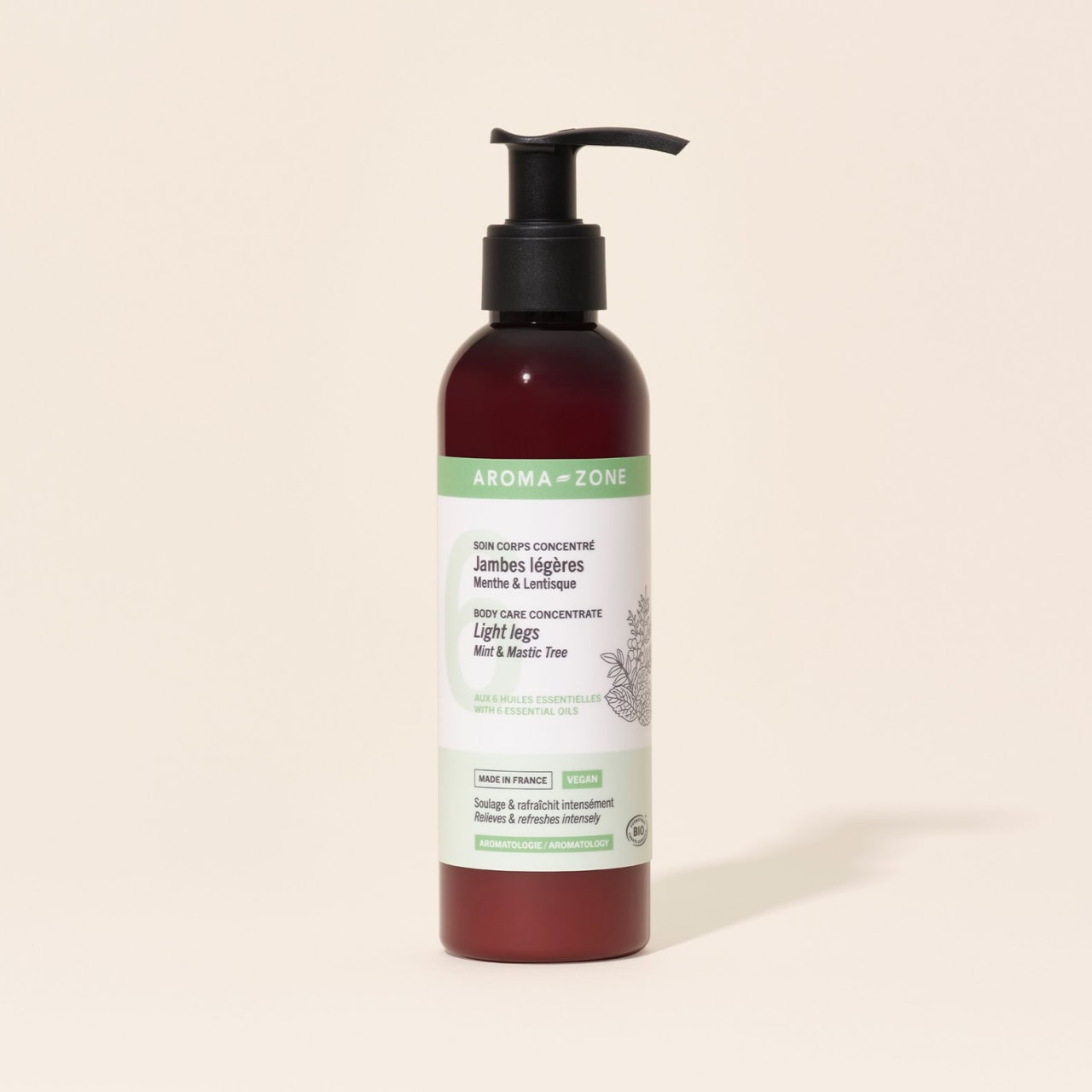
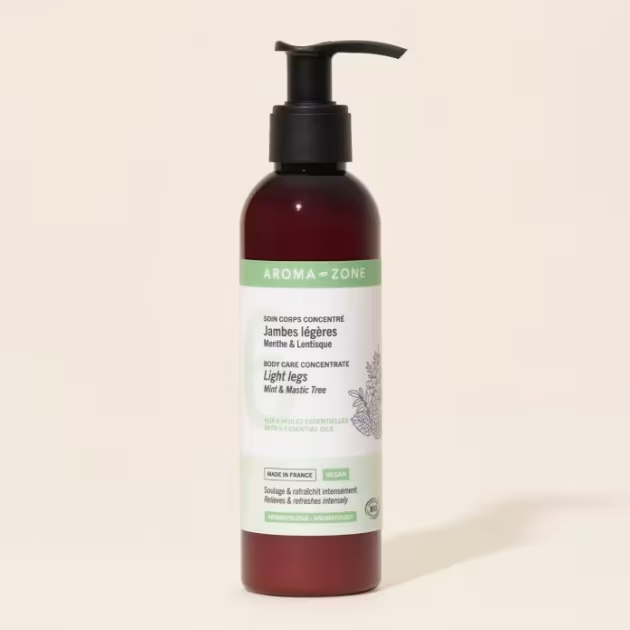
Organic Light Legs Concentrated Body Care
Its formula combines essential oils of mastic (2), Provençal cypress (3) and peppermint (4), renowned for their toning, decongestant and refreshing properties. It helps to soothe tired legs, relieve feelings of heaviness after a long day and provide an immediate sensation of freshness.
Recommended use: morning and evening, massage into the legs and ankles, working upwards from the bottom, until fully absorbed.
Step 2 – Take action from the inside
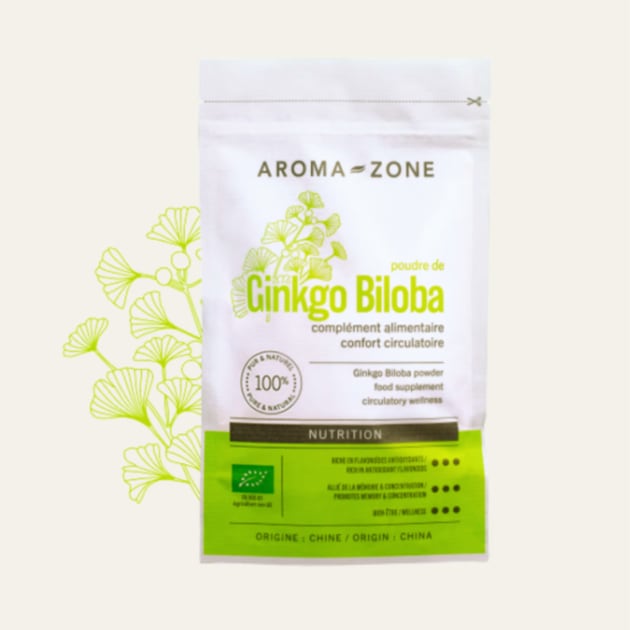
Rich in flavonoids – powerful antioxidants and circulatory tonics – and in terpenes with blood-thinning properties, Ginkgo biloba is traditionally used to support healthy blood circulation and promote circulatory comfort.
Recommended use:
Take half a teaspoon a day, either mixed into a drink or sprinkled over your food.
That extra step
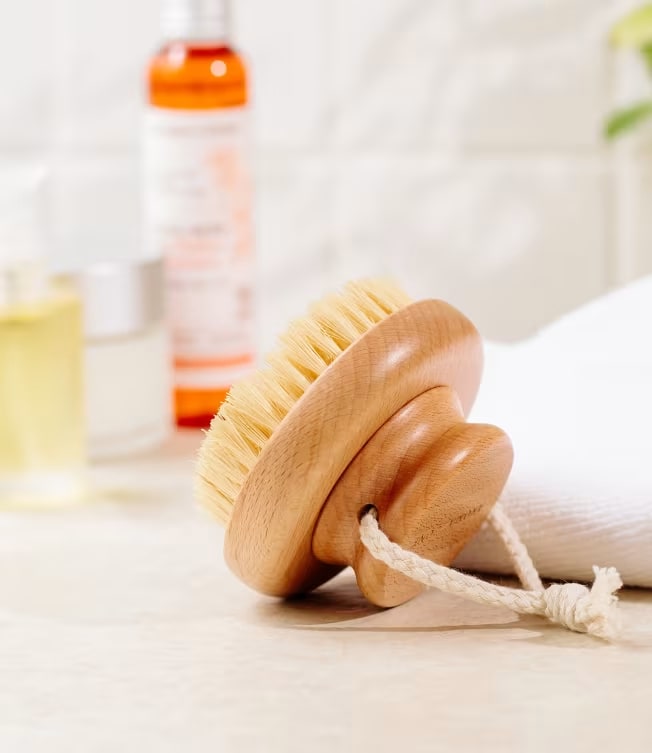
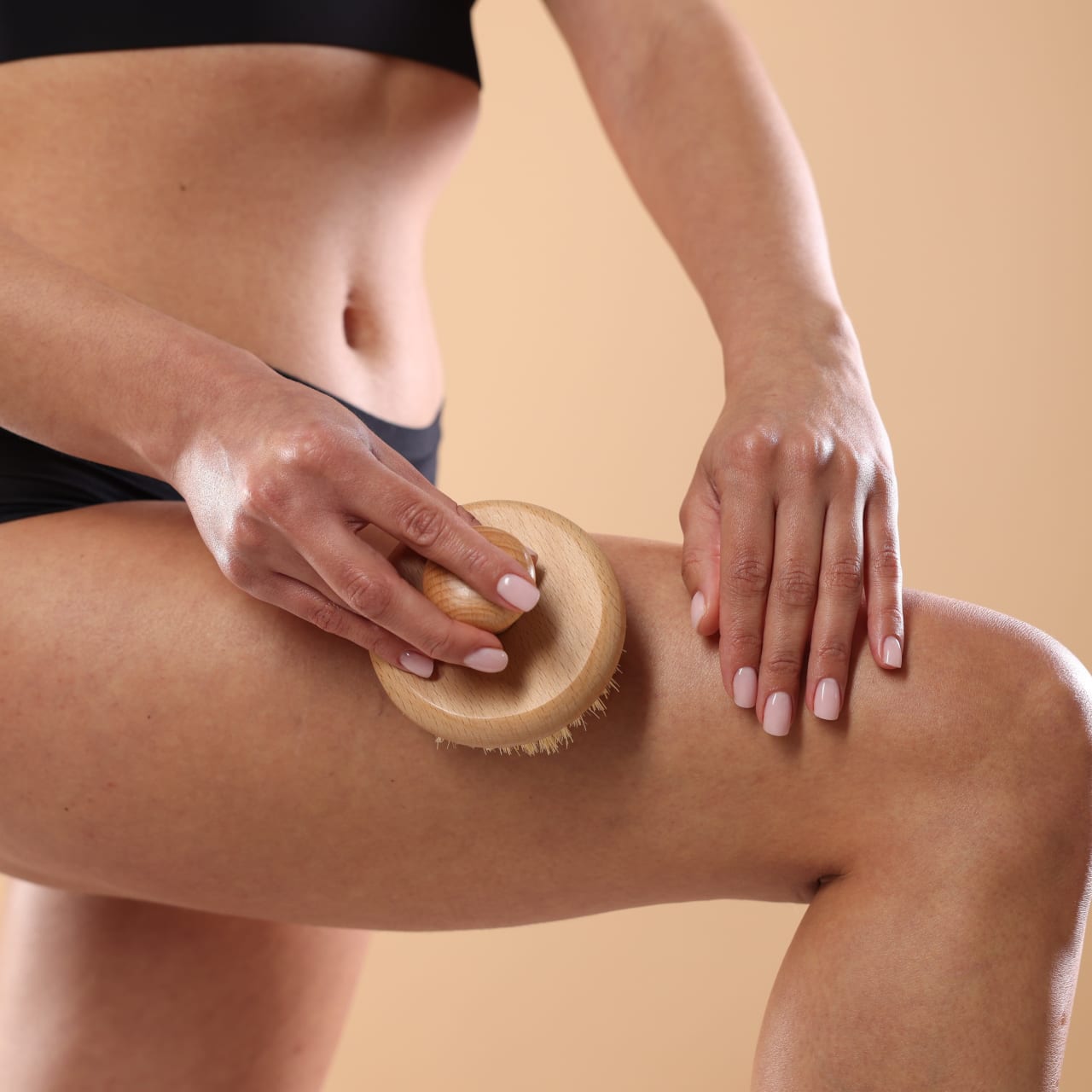
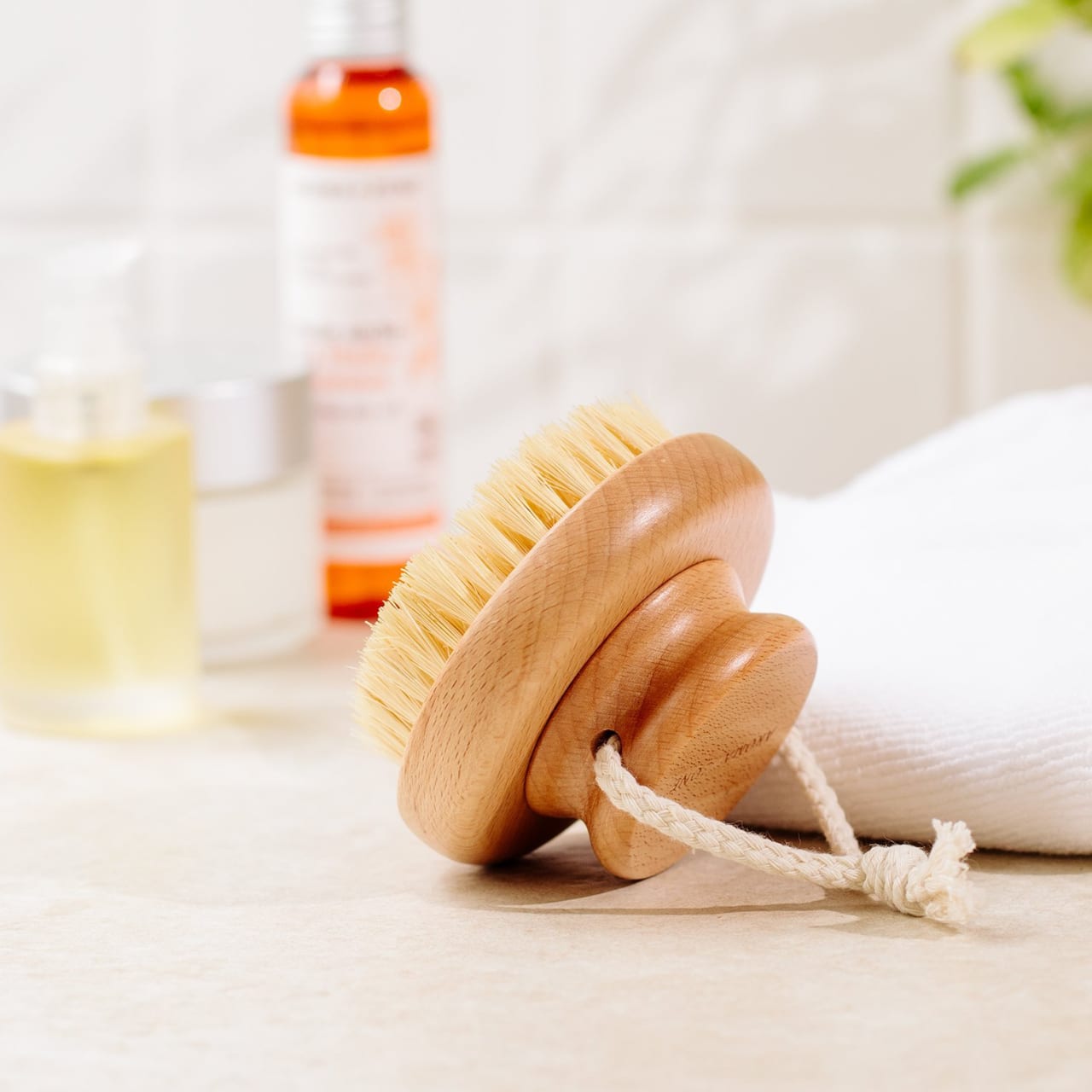
Massage your legs with a lymphatic drainage brush
Dry brushing is an effective way to stimulate microcirculation in the skin and support the lymphatic system.
Performed using a wooden lymphatic drainage brush on dry skin, it is carried out using upward strokes, towards the heart. This mechanical action promotes a feeling of relaxation and can help restore a sensation of lightness in the legs. Perform 1 to 2 times a day, ideally in the morning before showering or at the end of the day.
Not recommended in cases of venous thrombosis, phlebitis, cancer, heart or kidney failure, or fever. Avoid areas with varicose veins or skin wounds. If in doubt, consult your doctor.
A word from the experts
Dr Reyhan AMODE, Dermatologist

“Heavy legs are a common symptom that may indicate venous or venolymphatic insufficiency. Medical advice is recommended. Treatment is based on compression therapy as the first line of management. Walking is encouraged to stimulate venous return. Flavonoids from Ginkgo biloba or red vine are traditionally recommended as an adjunctive treatment, due to their venotonic properties.”
Lila BOUBER, PhD in Food Science

"Ginkgo biloba is one of the most widely studied plants for promoting healthy circulation. Rich in flavonoids and terpenes, extracts from its leaves have vascular effects: they increase blood flow and improve microcirculation, reduce blood viscosity, have antiplatelet and antioxidant effects, and reduce capillary permeability (5).
Topical treatments, such as essential oils applied through massage, can provide rapid relief thanks to the cooling sensation they produce. Conversely, ginkgo biloba offers long-term benefits, which require regular use.
However, it may interact with certain medicines, such as anticoagulants (including aspirin), antivirals, antihypertensives, etc.
Medical advice is therefore recommended before starting treatment. It is also not advisable to combine it with plants that have anticoagulant properties, such as white willow, garlic or ginseng (6).”
Linda BENMILOUD, Nutritionist & lymphatic drainage expert

“Dry brushing with a lymphatic drainage brush is well known for combating water retention and helping to restore a feeling of lightness to the legs. You can use circular movements on the areas most prone to congestion; make sure to use smooth, gentle strokes without rubbing too hard with the brush, and then apply your oil or moisturiser to get the full benefit of their active ingredients.”
Marion ALVES DE OLIVEIRA, Naturopath

Did you know that what you eat can directly affect the feeling of heavy legs?
“A high salt intake promotes water retention by drawing water into the tissues, which can exacerbate feelings of heaviness and discomfort in the legs and ankles. The foods most likely to be responsible include cured meats, savoury biscuits and ultra-processed products, which are often high in salt. Alcohol can also play a role. It causes blood vessels to dilate, which can slow down venous return and increase the sensation of heaviness in the legs. Conversely, certain nutrients support healthy circulation. Antioxidants, found particularly in fruit, vegetables and green tea, help to protect the walls of blood vessels. Omega-3, found in oily fish and nuts, help maintain the flexibility of cell membranes, particularly in blood vessels, which contributes to smoother blood flow. They also play a role in regulating low-grade inflammation and contribute to healthy cardiovascular function, which can in turn improve leg comfort.
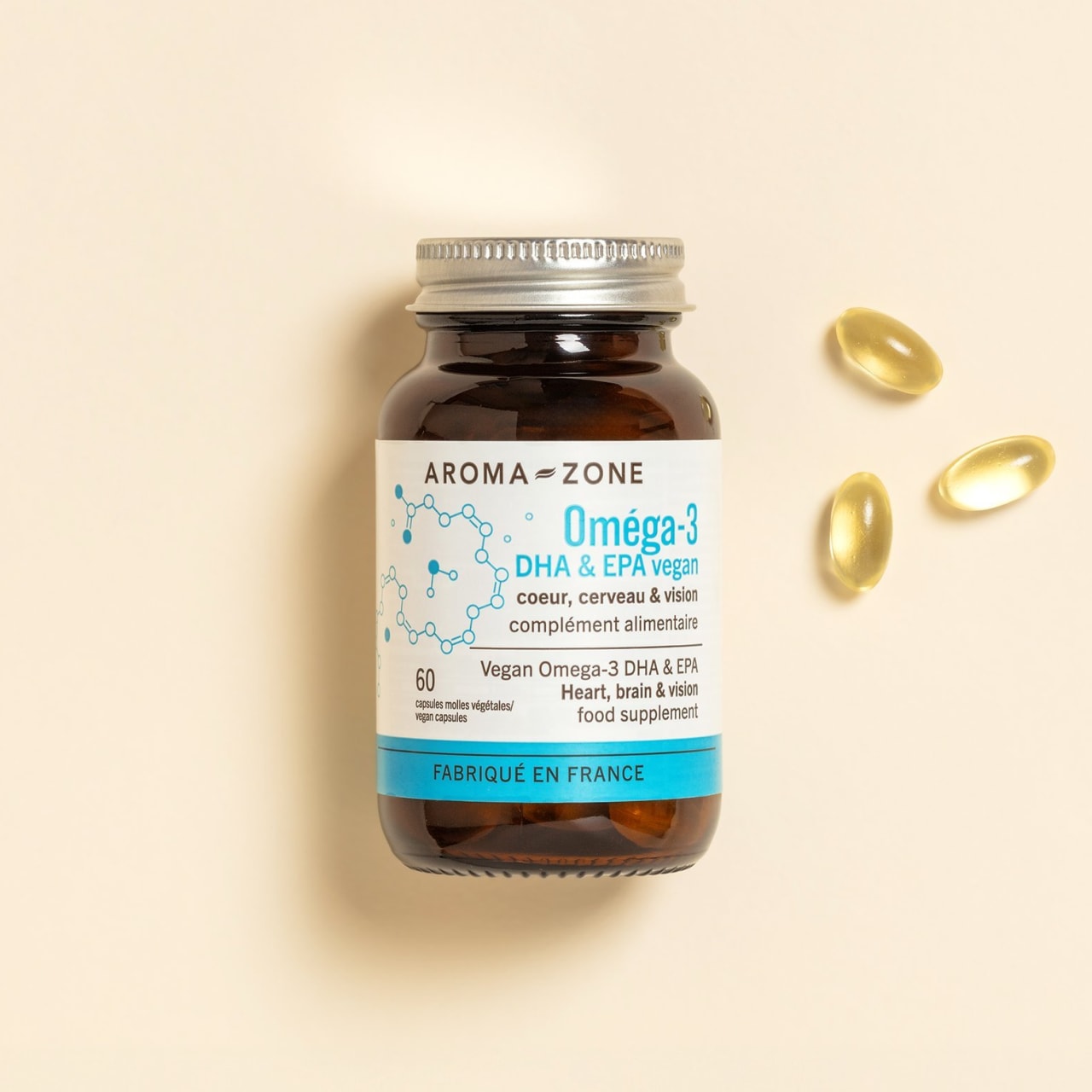
If your dietary intake of omega-3 is insufficient, a supplement such as Vegan Omega-3 – 60 capsules – Food supplement, rich in DHA and EPA derived from microalgae, may be considered as part of a healthy lifestyle.
Magnesium bisglycinate may also help with water retention linked to hormonal fluctuations.
A narrative review published in Nutrients in 2025 highlighted that vitamin deficiencies may contribute to endothelial dysfunction in blood vessels, oxidative stress and vascular inflammation. A diet providing sufficient vitamins B (B9, B6, B12), C, D, E and K contributes to the proper functioning of the vascular endothelium (7).
Adequate hydration is also essential for supporting excretory functions and minimising water retention. Remember to drink regularly throughout the day, favouring water or herbal teas.”
Precautions for use
Bibliography