

Guide to essential oils

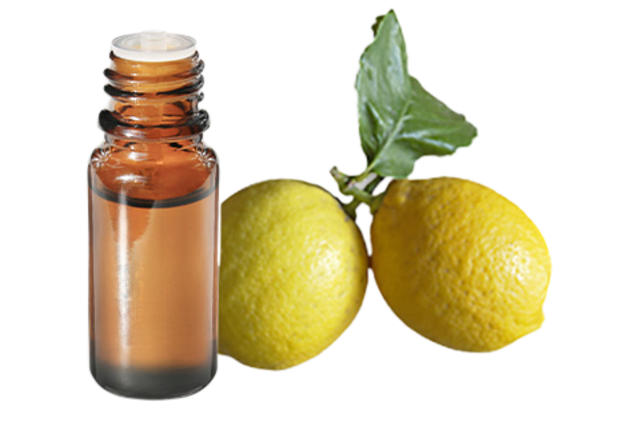
Essential oil of Sicilian lemon

Purifying, Lemon essential oil is essential for purifying the air. Its energising action makes Lemon essential oil ideal for stimulating the body. Lemon essential oil is pleasant to diffuse, transmitting its tonic properties and perfuming rooms with its fine, fruity scent.

How to use

  • Skin application and massage

    Skin application and massage

    Possible but not recommended

  • Cosmetic active ingredient

    Cosmetic active ingredient

    Appropriate

  • Diffusion

    Diffusion

    Appropriate

  • Food grade

    Food grade

    Suitable

Features

Properties and uses

Precautions

Find out more

Features

Production process

Cold pressed

Part of the plant used

Pressed organs: zest (fruit pericarp)

Botanical name

Citrus × limon

Warning

The properties, information and methods of use below are quotes from reference books or websites on aromatherapy, hydrolatherapy and phytotherapy. This general information is provided for informative purposes only and in no way constitutes medical guidance. Under no circumstances can this information be used as a substitute for a medical diagnosis, consultation or follow-up, nor can it incur our liability. We recommend that you consult the guide to essential oils before using them, so that you are aware of any precautions that need to be taken. If in doubt, consult a doctor before using essential oils.

Properties and uses

Aroma-Zone Lemon Essential Oil is traditionally used for : Insect and other animal bites, vomiting, nausea

Health

Beauty

Wellness

Kitchen

Find out more

Properties

In the field of health, Sicilian lemon essential oil is recognised for the following properties:

  • Helpsnatural immunity to function properly, regulates metabolism.

  • Studies show its regulating properties on the hepatic system and its anti-nausea properties

  • General antiseptic and bactericidal, particularly against gram + and -.

  • Terpenes (d-limonene, beta pinene and citrals) have antifungal properties

  • Antiviral Digestivetonic, carminative, general detoxification

  • Blood-thinning, "vitamin P-like" action (action on micro-circulation, reducing the permeability of capillaries and increasing their resistance)

Uses

It is traditionally used to improve the following situations:

  • Infectious and contagious diseases (intestinal, pulmonary,…)

  • Prevention of epidemics, immune weakness

  • Digestive, liver and pancreatic fatigue, nausea

  • Obesity, slimming, cellulite, lymphatic drainage

  • Premature ageing: hypertension, capillary fragility

  • Venous stasis, heavy legs

  • Air disinfection

In practice

Slimming: mix into your oil blend. Apply your mixture locally, massaging lightly into the area concerned.

Air purification: for air diffusion.

Precautions

  • Photosensitising oil, do not expose to sunlight or UV rays for at least 8 hours after application. For cosmetic use, it is recommended to use Lemon essential oil without furocoumarins.

  • Irritating in its pure state, use well diluted for all skin applications.

  • Not recommended during during the first three months of pregnancy.

  • Keep out of reach of children.

  • Avoid contact with eyes.

  • Certain natural compounds contained in this essential oil may present a risk of allergy for certain sensitive individuals when the essential oil is incorporated into a cosmetic composition (in accordance with the 7th Amendment of the European Directive on cosmetic products (2003/15/EC)): limonene and, to a lesser extent, citral (geranial and neral), linalool.

  • As a general rule, always test-apply your mixture in the crease of the elbow at least 48 hours before use.

Find out more

Grown throughout the Mediterranean basin, lemons are thought to have originated in India. Considered a health fruit, lemon juice was once recommended for cleaning injuries and cuts, and relieving pain and burns caused by insect bites. The Greeks and Romans considered it a panacea.

It was introduced to Europe in the Middle Ages and is often associated with long sea voyages, during which men consumed it to protect themselves from scurvy.

Equivalents

Essential Oils

1 ml = approximately 35 drops (with our Aroma-Zone dropper caps)

Carrier oils

1 pump (Aroma-Zone aluminium pump) = approx. 0.15 ml

Mass / Volume conversion (for a liquid)

Mass (g) = Density x Volume (ml) at 20°C

Further information

1 full teaspoon = between 3 and 4.5 ml

1 full tablespoon = between 7.5 and 10 ml


However, these spoon ratios depend on a number of factors (e.g. viscosity of the liquid, temperature, depth and size of the spoon, rheological behaviour of the liquid), and we strongly advise you to use precise measuring equipment, such as graduated test tubes, graduated pipettes, and precision scales.

Bibliography

1

'Huiles essentielles - 2000 ans de découvertes aromathérapeutiques pour une médecine d'avenir' by Dominique Baudoux

2

'The Practice Of Aromatherapy' by Dr Jean Valnet Éditions Maloine

3

'L'Aromathérapie exactement' by P. Franchomme and Dr D. Pénoël

4

'La Bible de l'aromathérapie' by Nerys Purchon

5

'ABC des huiles essentielles' by Dr Telphon

6

"Aromatherapy" by Nelly Grosjean

7

'Les huiles essentielles pour votre santé' by G. Roulier

8

'Les cahiers pratiques de l'aromathérapie française - Pédiatrie' by Dominique Baudoux - Editions Amyris

9

Aroma-News newsletters from the NARD association

10

'Aromatherapy: Healing with Essential Oils' by Dominique Baudoux - Editions Amyris

11

Davy O. and Fayolle M. (2007) Cuisinons avec les huiles essentielles. Treasures of flavour and vitality. Editions Anagramme.

12

Pataud A. (2004) La cuisine aux huiles essentielles. Healthy and creative recipes. Editions Ambre.

13

Le Foll N. and Da Costa B. (2005) 'Saveurs et bien-être. Cooking with essential oils'. Editions Filipacchi.

14

15

16

17

18

19

20