

Understanding dry skin
Dry skin is much more than just a feeling of tightness. It can manifest itself in different ways, each with its own distinct symptoms. If you have dry skin, you may experience tingling, itching and constant discomfort. To the touch, your skin may feel rough or coarse, and it may even take on a "snakeskin" appearance, with cracked areas.
Dry skin often has a dull complexion, redness and even rosacea in some cases. It can also develop dry patches, particularly visible on the face in the most advanced cases. Finally, dry skin is also prone to wrinkles, particularly around the eyes, and can look older than it actually is.
Dry skin therefore needs specific care to restore its natural moisture.
What are the benefits of DIY for dry skin?
Conventional products, often rich in synthetic ingredients, can sometimes aggravate the symptoms of dry skin. They can contain irritants, artificial fragrances and harsh preservatives that tend to dry out the skin even more, creating a vicious circle. By making your own cosmetics, you have total control over the ingredients. You can choose natural, nourishing ingredients to protect your skin from external aggressors and keep it healthy.
What are the cosmetic ingredients for dry skin?
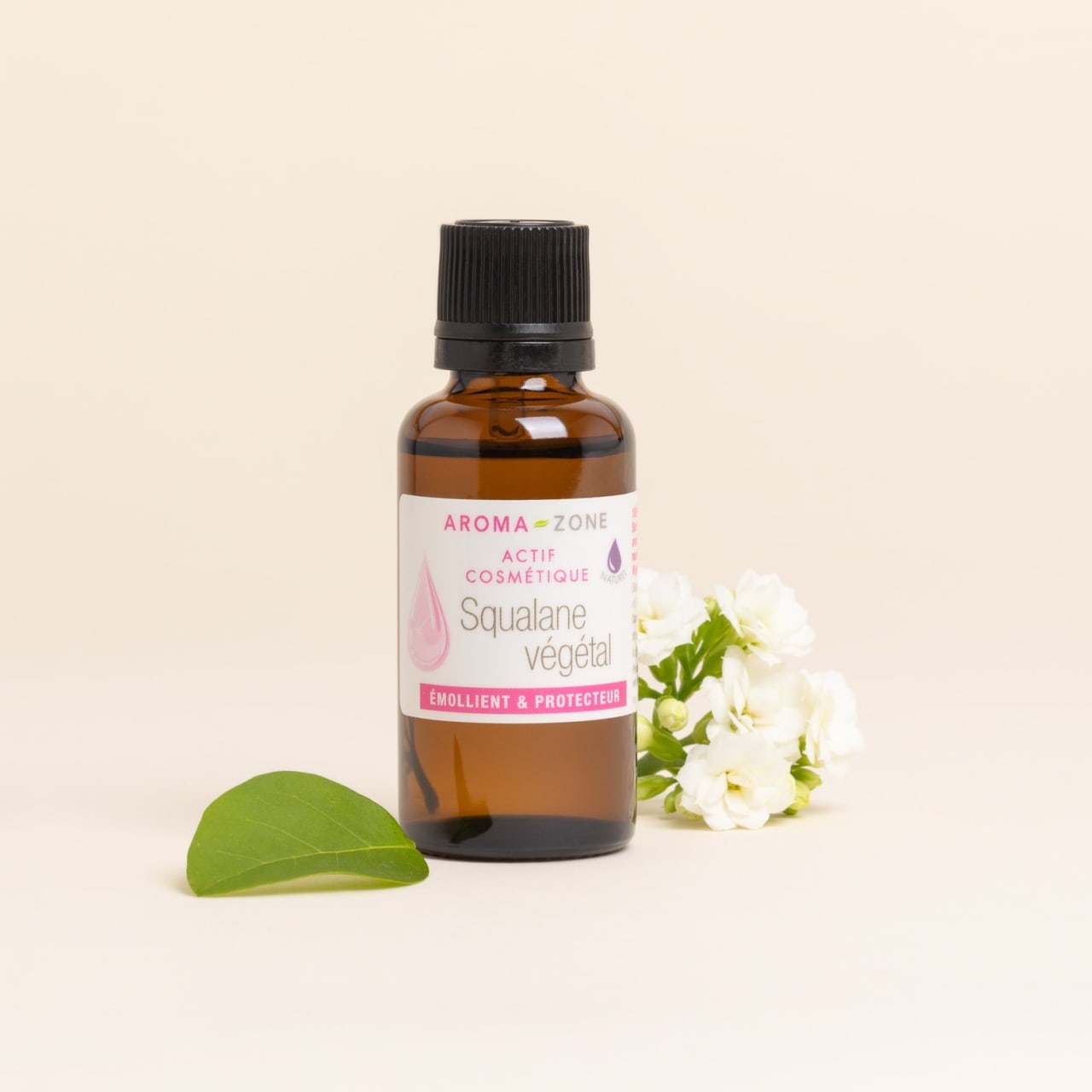
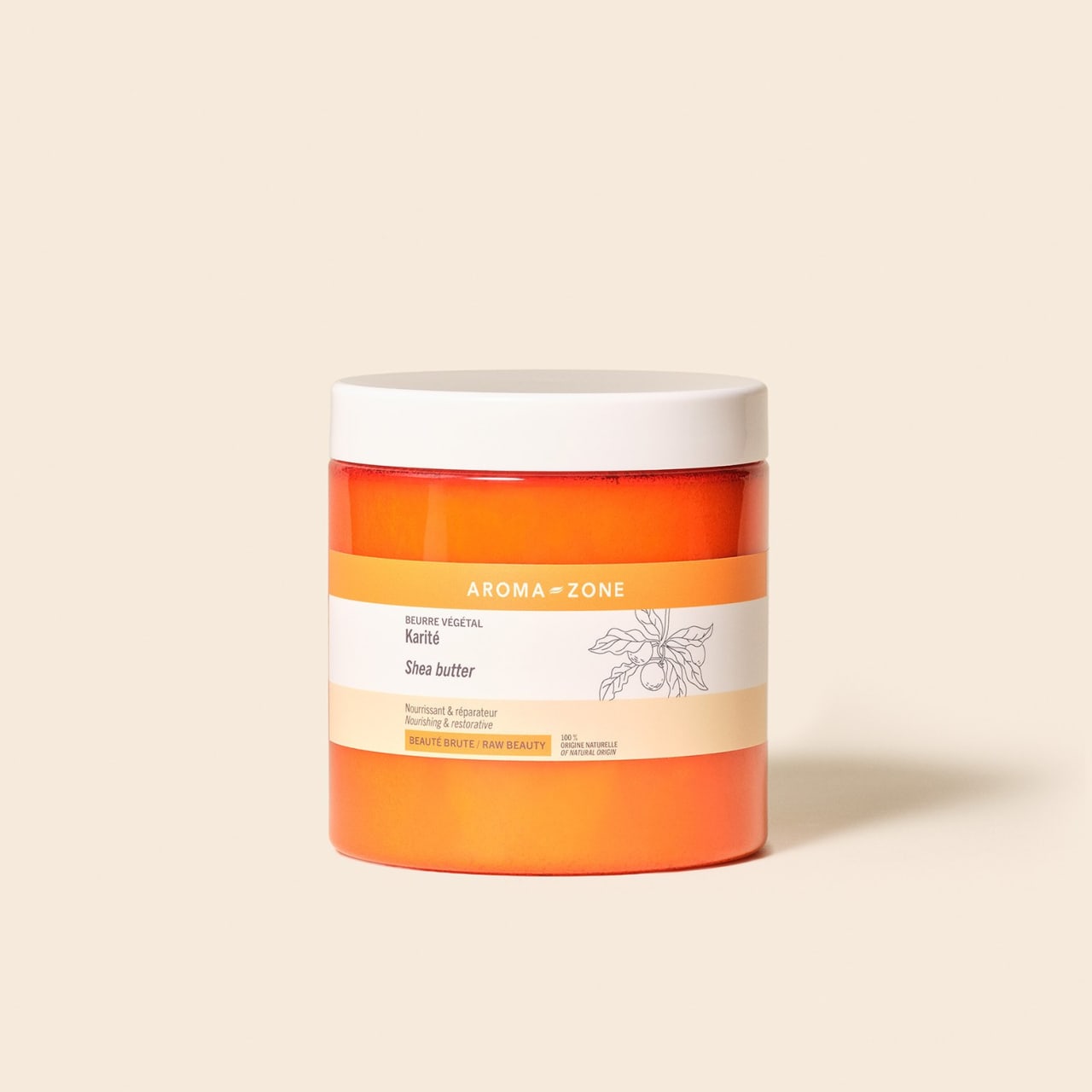
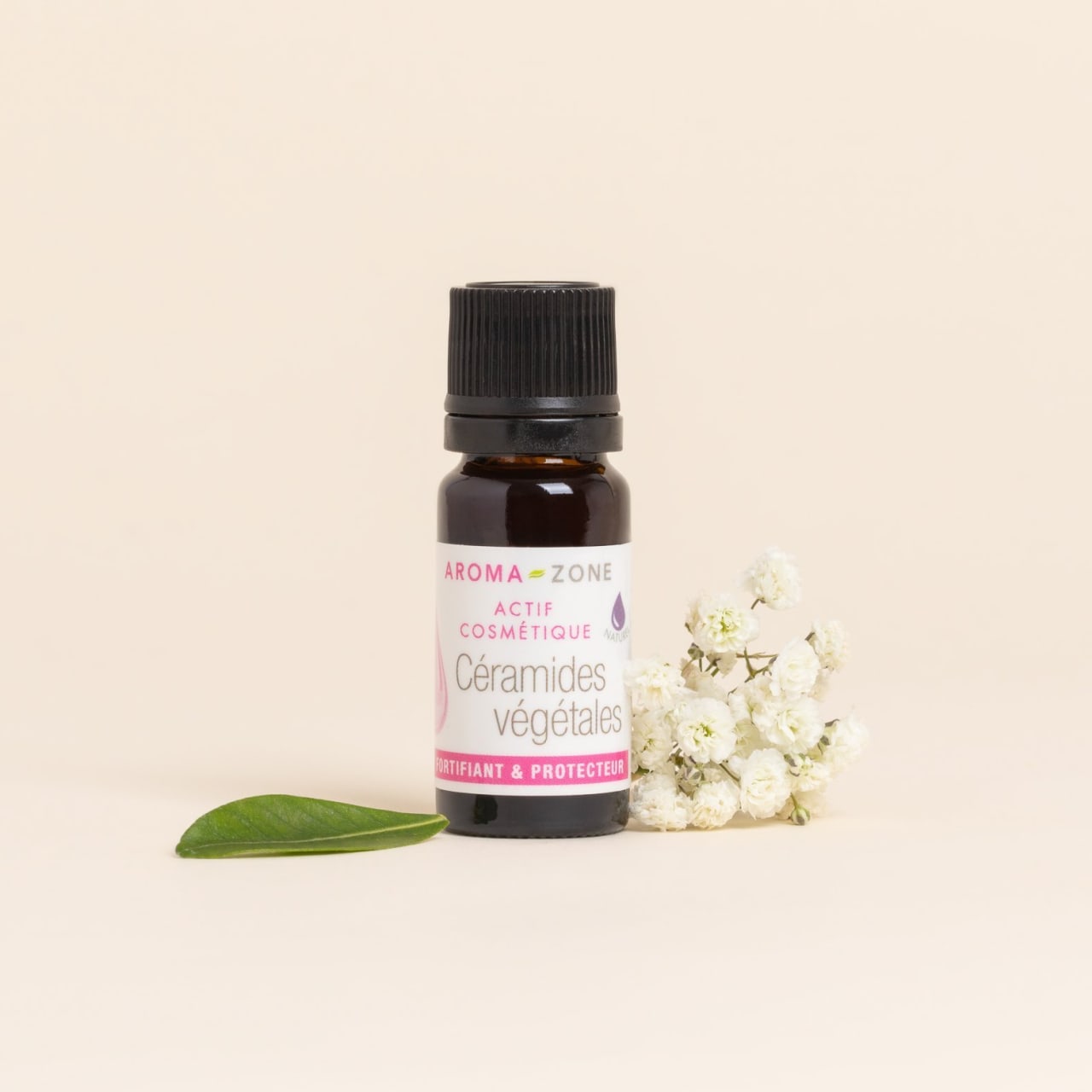
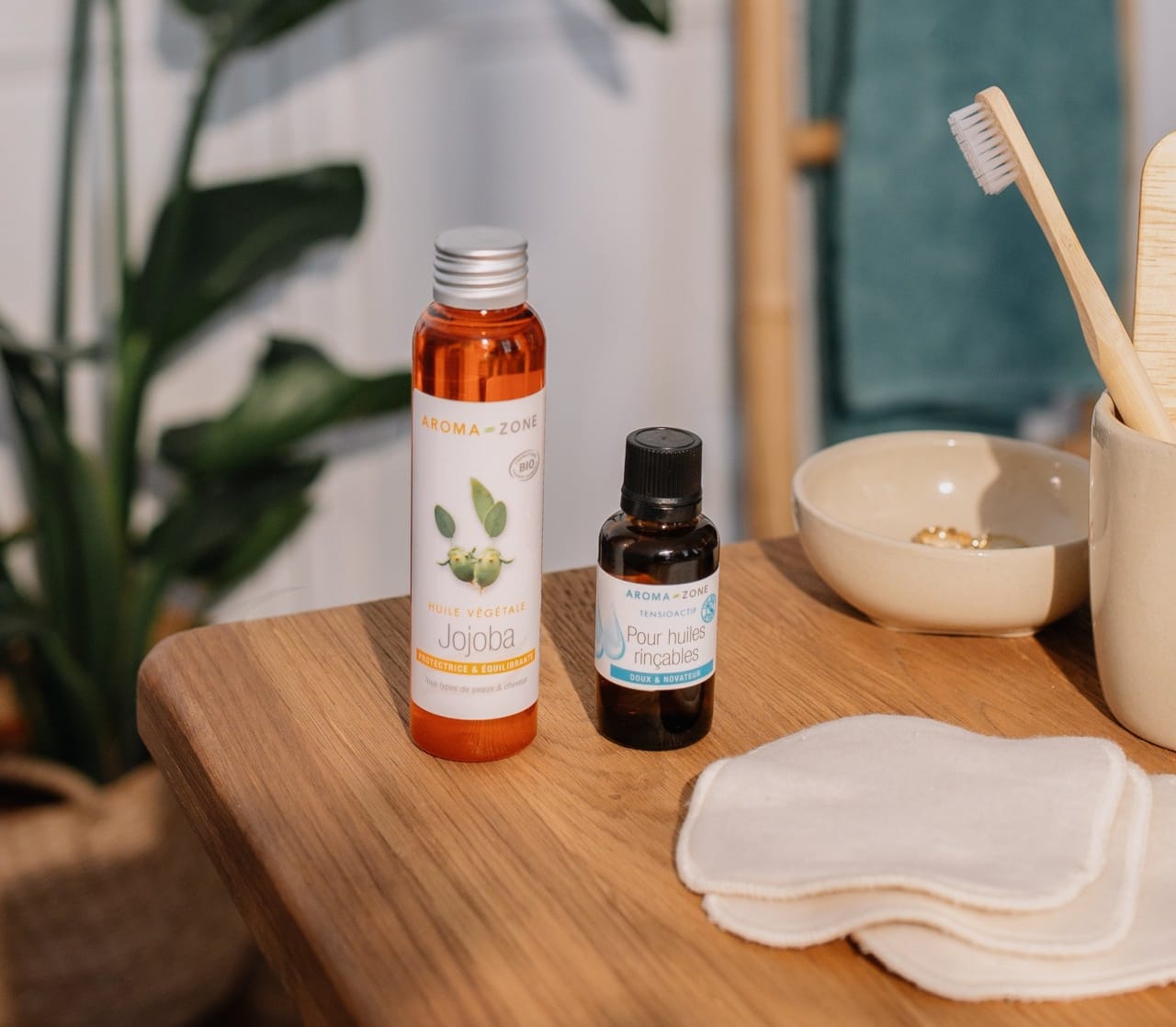
By making your own cosmetics, you can customise each formula to meet the specific needs of your dry skin. You can opt for rich plant butters, nourishing carrier oils and soothing active ingredients to create tailor-made products that help restore the skin barrier and maintain optimum hydration. You'll find cosmetic ingredients specially designed for dry skin, such as wheat germ oil, sweet almond oil and organic raw shea butter, as well as active ingredients such as squalane, phytosterol concentrate and plant ceramides.
How do I choose a good cosmetic ingredient for dry skin?
Dehydration is a lack of moisture in the skin, while dryness is a lack of lipids. Choose a specific cosmetic ingredient:
To soothe dry skin: opt for butters, nourishing creams and balms.
To rehydrate: opt for moisturising creams, lotions and water-based serums.
To prevent dehydration and deeply restructure your skin: use a protective care product rich in squalane or ceramides.
How can you incorporate ingredients for dry skin into your routine?
The face is a sensitive area subject to external damage that tend to alter the skin barrier. Adopt a routine with cosmetic ingredients for dry skin to care for it on a daily basis.
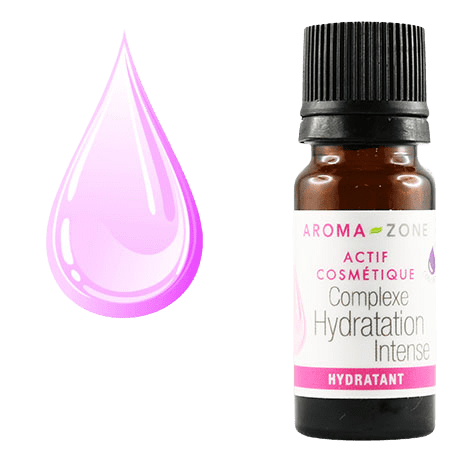
Choose rich skin care products: you can mix a neutral base with a nourishing carrier oil or use shea butter directly with an oil. Add moisturising active ingredients. Remember to exfoliate gently once a week to remove dead skin cells and apply an ultra-nourishing cream mask to revitalise your skin.
Finally, we advise you to adapt your choice of cream according to the season for optimum protection. In winter, choose a richer "cold cream" type cream, and in summer a protective anti-UV cream. You can also add a night cream.
How can I prevent dry skin?
To prevent the symptoms of dry skin, maintain good hydration by drinking enough water and avoiding showers that are too hot. Avoid products that are harsh on the skin: opt for gentle, non-greasy, fragrance-free products. Also beware of dry environments such as saunas. Consider installing a humidifier in your home or workplace.
Storage
Store your special cosmetic ingredients for dry skin in a cool, dry place away from direct sunlight.


