How to Get Rid of Dry, Flaky Dandruff

How to Get Rid of Dry, Flaky Dandruff


By Coralie Techer

Published on: Thursday, December 21, 2023, Updated on: Wednesday, October 28, 2026

Dry dandruff appears as fine, white flakes and may be accompanied by an uncomfortable sensation on the scalp. What causes it, and what natural steps can you take to reduce it? Discover its main causes, the best ways to manage it, and some tips for restoring scalp comfort.

Contents

Related products

In brief:

  • Dry dandruff appears as fine white flakes, often accompanied by discomfort. Its appearance may be linked to excessive skin cell production, an imbalance in hydration or sebum levels, sensitivity to products, the microbiome, stress or certain medical conditions.

  • A specific natural routine combines a gentle shampoo with the active ingredient Algo-zinc – 10 ml added to 250 ml of base – followed by two applications once or twice a week. It also includes a conditioner left on for 3 to 5 minutes and a serum containing niacinamide, copper and zinc, applied daily during the initial treatment phase and then two to three times a week for 3 months. Details on how to optimise the treatment are set out in the article.

  • The conditioner should be avoided at the roots if you have an oily scalp. If symptoms persist beyond the course of treatment or worsen, the article recommends seeking advice from a healthcare professional and specifies the appropriate steps for each hair type.
What is dry dandruff?

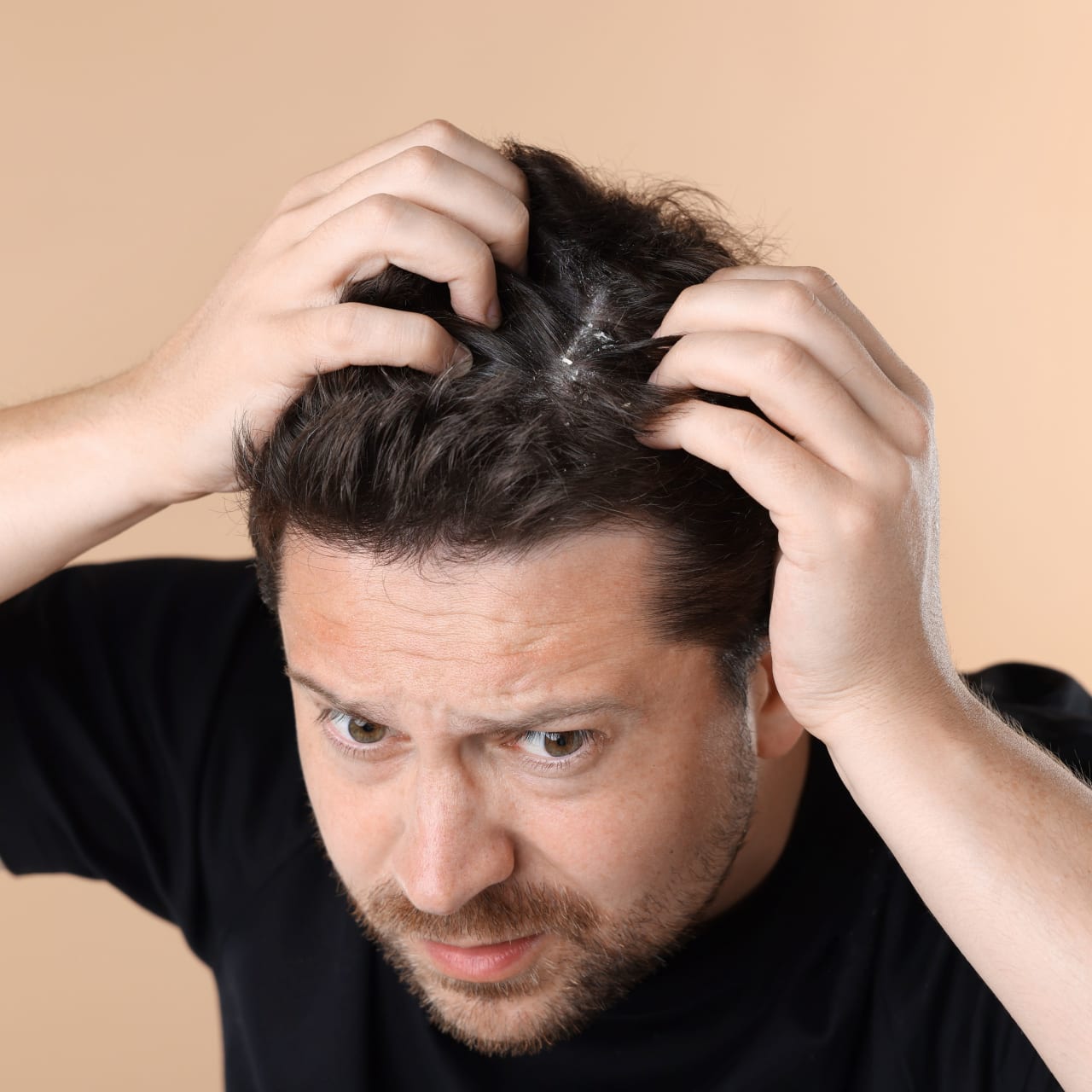
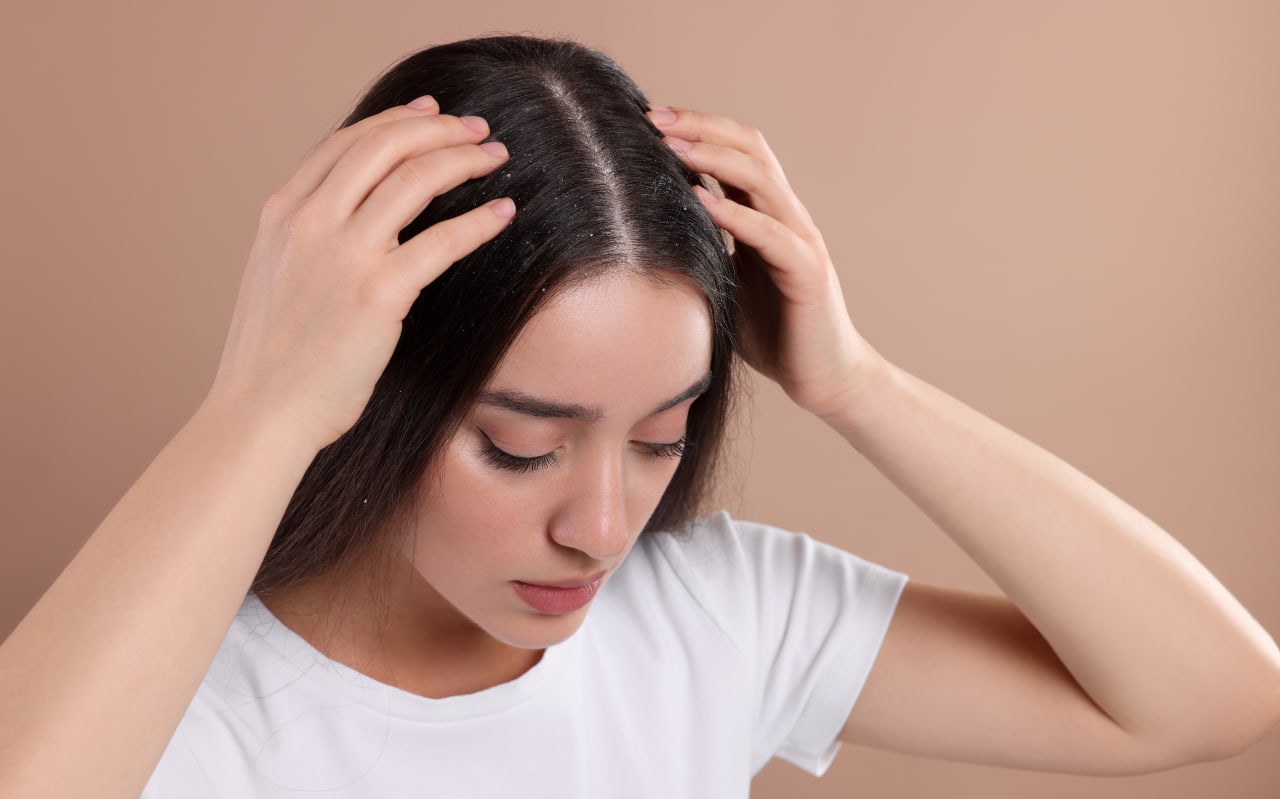
Dry dandruff (pityriasis simplex) consists of small white flakes that detach from the scalp and fall onto the shoulders or clothing. It occurs when cell renewal on the scalp speeds up, causing more flaking than usual.

Unlike oily dandruff, these flakes do not usually stick to the scalp and are often accompanied by a feeling of dryness, tightness or mild itching.

Various factors can contribute to its development, such as a dry scalp, changes in weather, the use of unsuitable hair care products, or imbalances in the skin’s microbiome.

What causes dry dandruff?

Dandruff can occur for various reasons, often linked to imbalances in the scalp or specific skin conditions:

Overproduction of skin cells

In the case of dry dandruff, an overproduction of skin cells on the scalp may be the cause of the problem. These dead cells build up and then flake off as small white particles that are visible on the hair and clothing.

Hydration and sebum factors

A dry scalp promotes the development of dry dandruff. Conversely, excess sebum is more commonly associated with oily dandruff.

Allergic reactions or sensitivity to products

Certain harsh haircare products, chemical hair dyes or even allergens present in some shampoos can cause scalp irritation, leading to the formation of dandruff.

Microbial imbalances

Imbalances in the scalp’s microbial flora, such as an overgrowth of yeast or fungi, can trigger inflammation and dandruff.

Medical or genetic factors

Medical conditions such as psoriasis, seborrhoeic dermatitis or immune system disorders may be associated with dandruff. Genetics can sometimes play a role too, predisposing some people to having a more sensitive scalp.

Stress and lifestyle

Stress can affect the health of your skin and scalp, thereby contributing to dandruff problems. Similarly an unhealthy lifestyle, through factors such as an unbalanced diet or inappropriate hair-washing habits, can influence the occurrence of dandruff.

What are the different types of dandruff?

Criteria

Dry dandruff

Oily dandruff

Appearance

Small, fine, light-coloured white flakes

Thicker, yellowish, greasy flakes

Adhesion

Falls easily onto the shoulders

Often remains stuck to the scalp

Cause

Accelerated cell renewal, often associated with a dry scalp

Excess sebum promoting the growth of certain naturally-occurring yeasts

Scalp

Dry, sometimes with a tight feeling or slight itching

Oily, which may be accompanied by irritation and itching

Affected areas

Spread across the entire scalp

More common in areas with high sebum production (crown of the head, back of the head)

Treatment

Gentle, moisturising products suitable for dry scalps

Purifying and rebalancing treatments suitable for oily scalps

What natural routine can you follow to get rid of dry dandruff?

Step 1 – Cleanse and rebalance the scalp

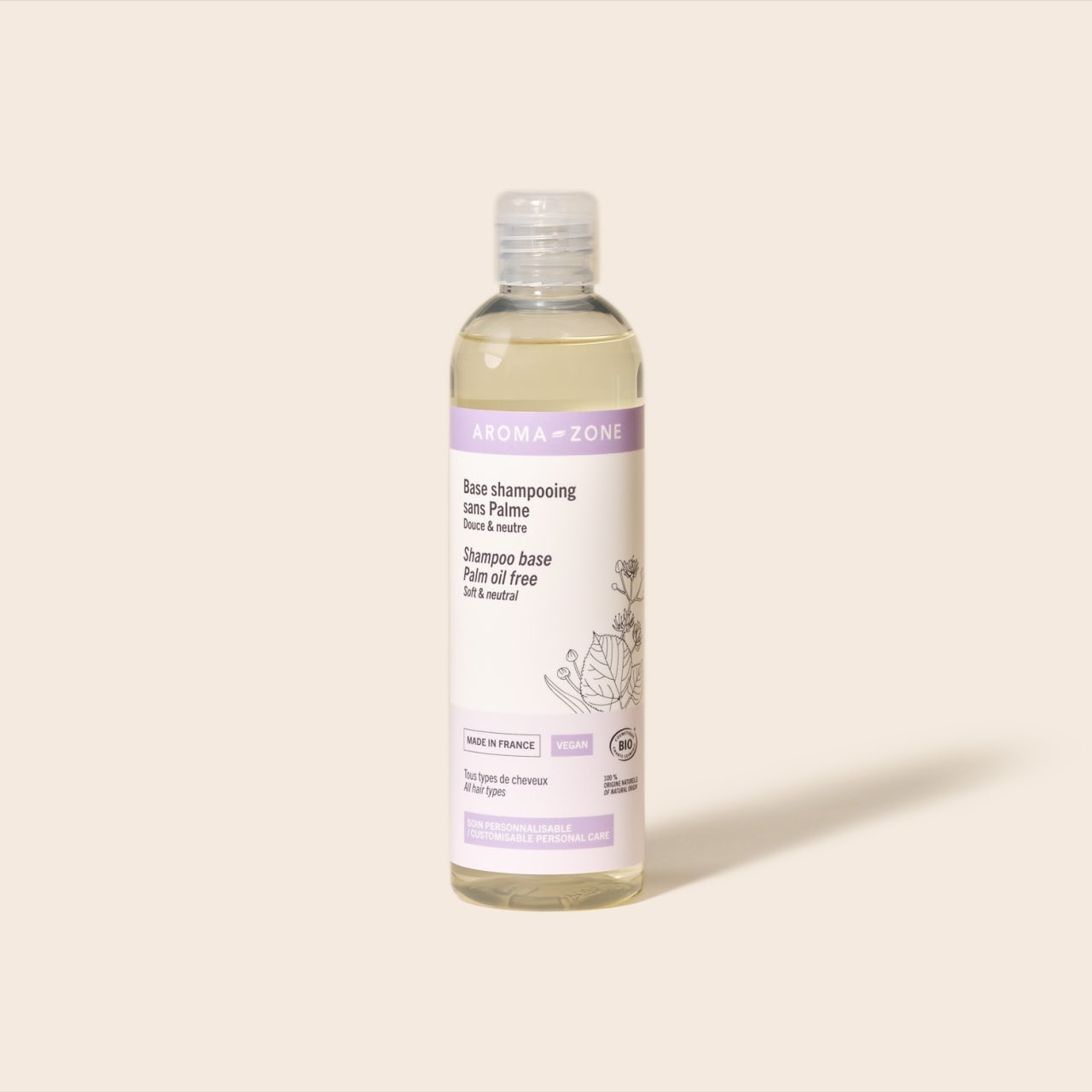
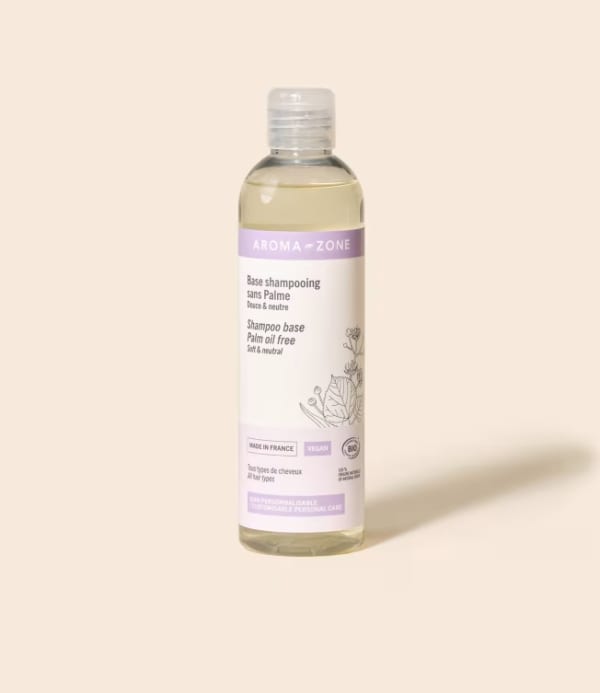
Palm-free neutral shampoo base

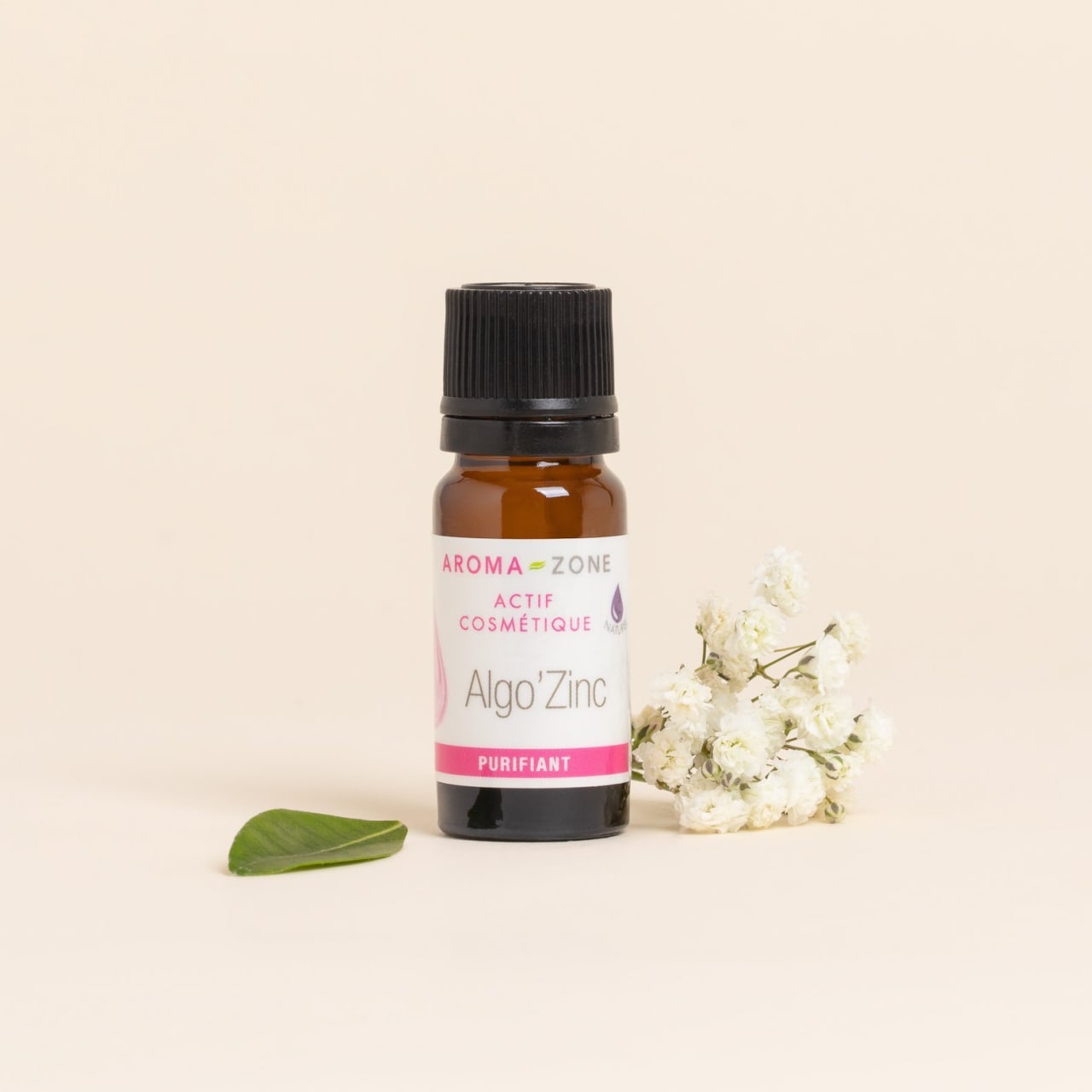
Palm-free neutral shampoo base + Algo-zinc active ingredient

This ultra-gentle shampoo base cleanses the scalp without irritating it, whilst maintaining its natural balance.

Combined with the Algo-zinc active ingredient, it helps regulate sebum, reduce the appearance of dandruff and soothe scalp discomfort.

How to add the Algo-zinc active ingredient to your shampoo base: add 10 ml of Algo-zinc active ingredient – equivalent to 1/3 of the 30 ml bottle – directly into the 250 ml shampoo bottle and shake thoroughly to ensure it is well mixed.

Recommended use: Use a small amount twice. Apply once or twice a week to a wet scalp. Massage gently, then rinse with lukewarm water.

Discover the Neutral, palm-oil-free shampoo base and theAlgo-zinc active ingredient

Step 2 – Detangling conditioner

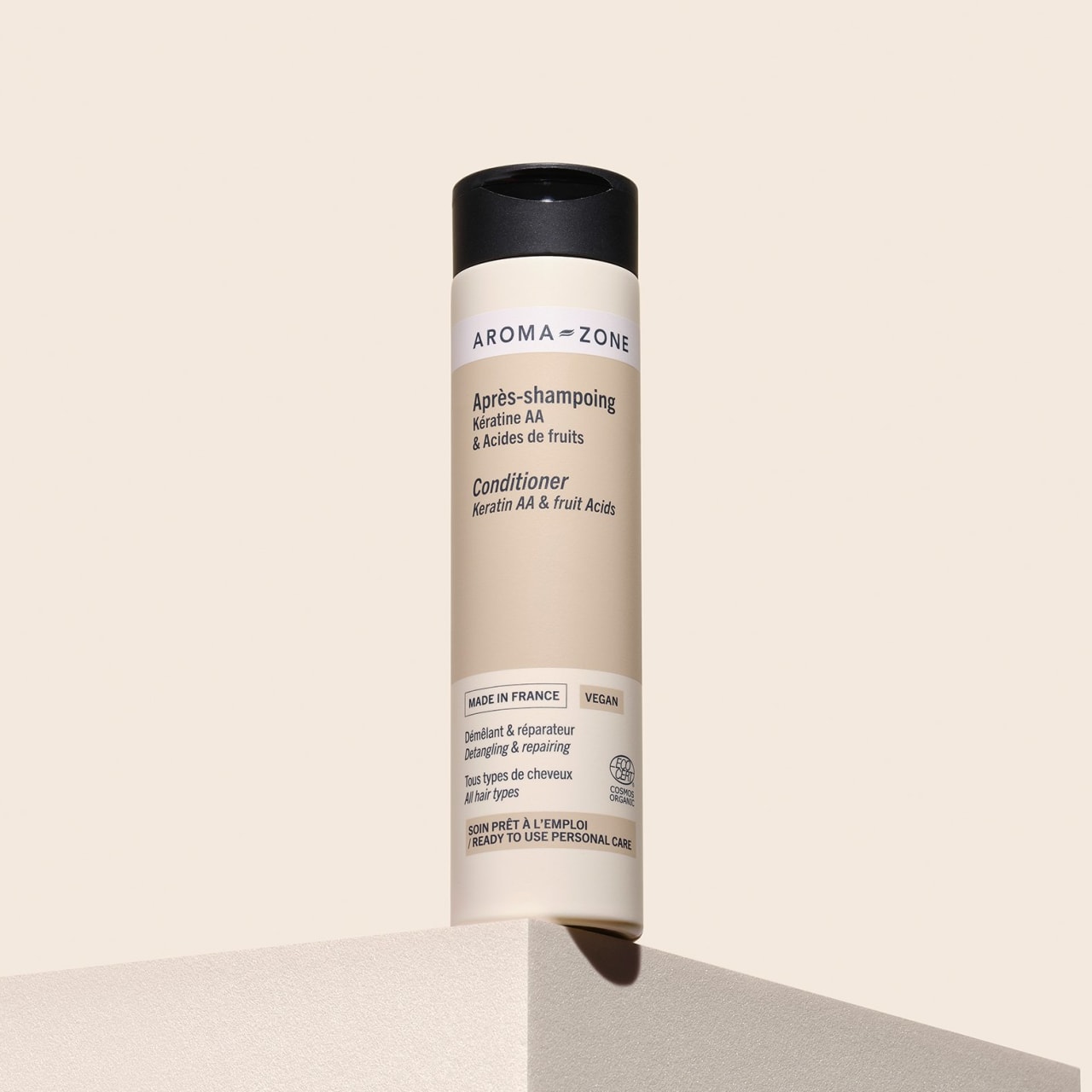
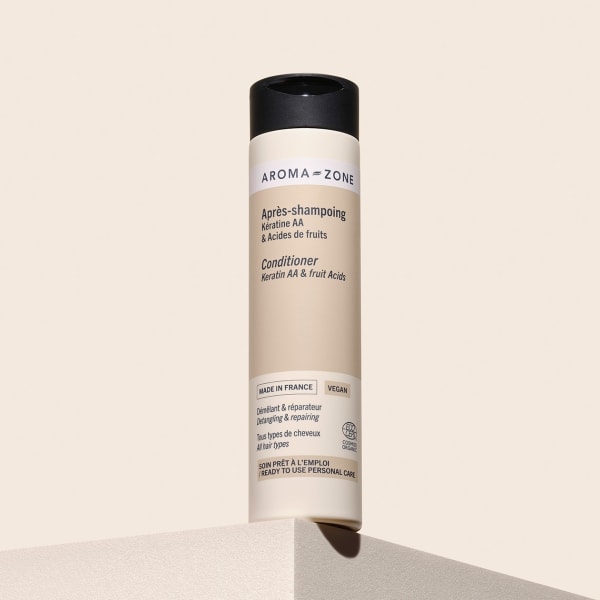
Keratin AA & Fruit Acids Detangling and Repairing Conditioner

Detangling & Repairing Conditioner

Its formula combines a complex of fruit acids, biomimetic vegan keratin and arginine – innovative active ingredients recognised for protecting, rebuilding and strengthening the hair fibre, whilst making styling easier. Hair is left stronger, soft, shiny and light, without feeling weighed down.

Recommended use:

  • For dry, curly or textured hair: Apply generously to wet hair, from roots to ends. Leave on for 3 to 5 minutes for enhanced results, then rinse thoroughly.

  • For normal, fine or oily-prone hair: Apply only to the lengths and ends, avoiding the roots. Leave on for 3 to 5 minutes, then rinse thoroughly. Avoid applying to the roots if you have an oily scalp.

Discover the Keratin AA & Fruit Acids Detangling and Repairing Conditioner

Step 3 – Rebalance and soothe the scalp

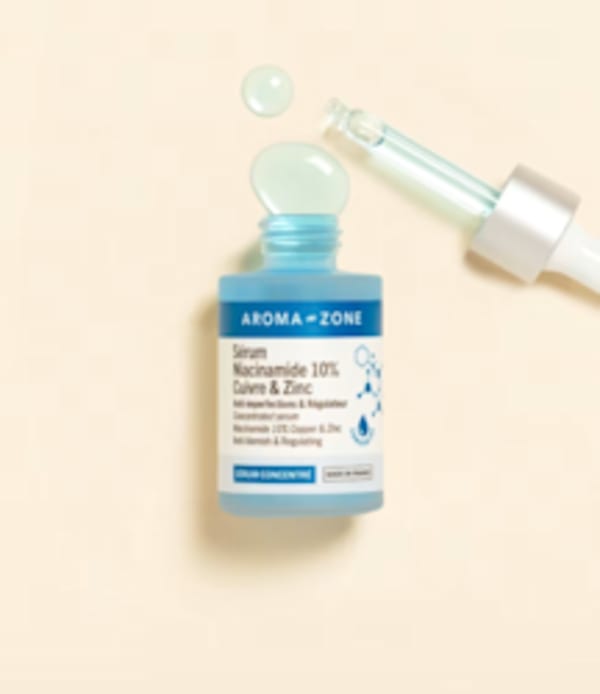
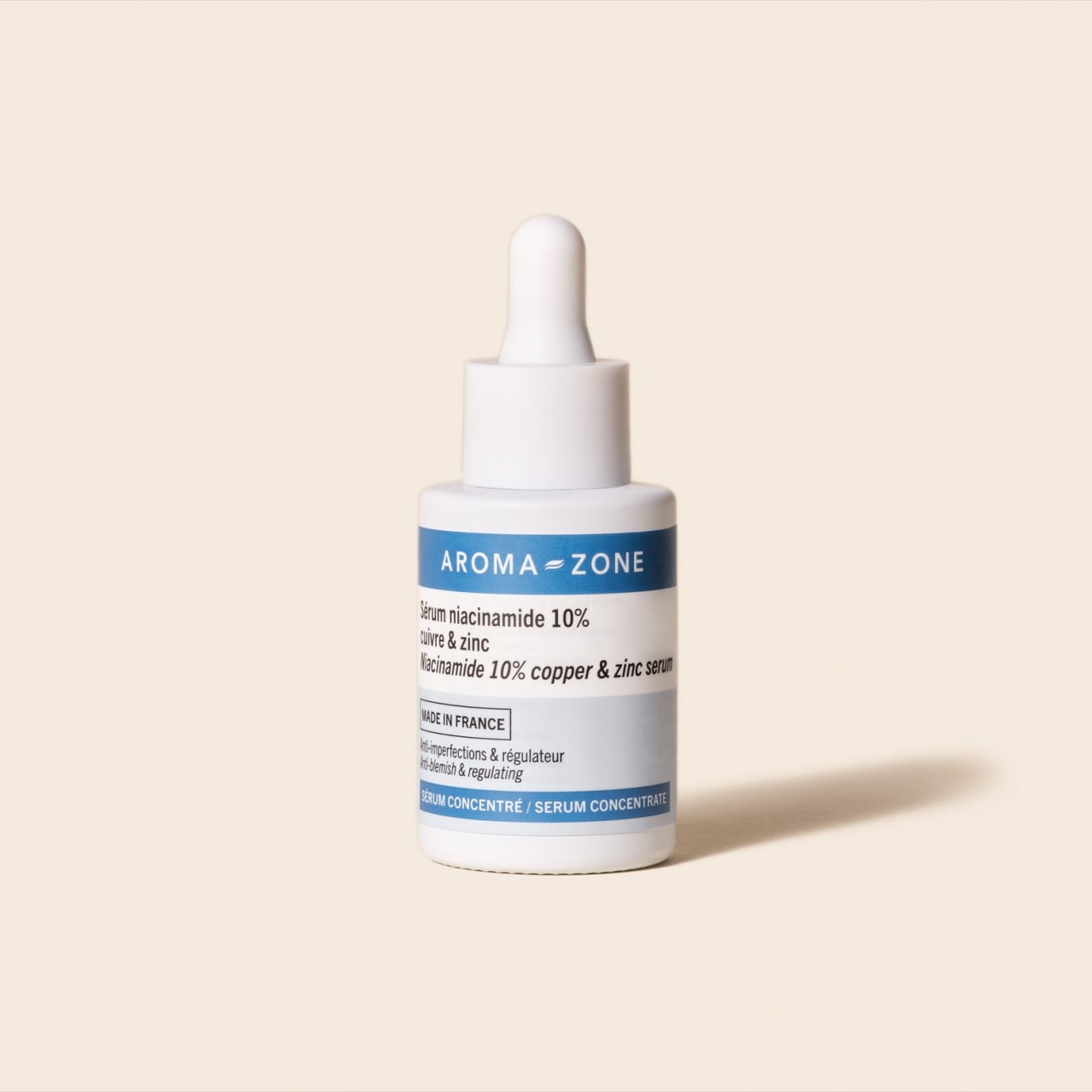
10% Niacinamide, Copper & Zinc Concentrated Serum

10% Niacinamide, Copper & Zinc Concentrated Serum

This serum acts directly at the source of dandruff by rebalancing the scalp. With a high concentration of niacinamide, zinc and copper, it helps regulate sebum production, soothe discomfort and reduce dandruff formation.

Recommended use: Apply to the dry scalp, section by section, then massage in gently. Do not rinse. Initial treatment: 1 application per day for severe dandruff, then 2 to 3 times a week for maintenance.

Use as a 3-month course of treatment. If symptoms persist beyond this period or worsen, seek advice from a healthcare professional.

Anti-dandruff detox mask - Y436572/E01

This mask combines organic neem powder, traditionally used to purify the scalp, with organic native aloe vera gel, renowned for its moisturising and soothing properties. Enhanced with organic Atlas cedar essential oil, which has purifying properties, this blend helps to eliminate oily dandruff, absorb excess sebum and restore a fresher, more comfortable scalp.

Discover the 10% Niacinamide, Copper & Zinc Concentrated Serum and the Anti-dandruff detox mask

What home remedies are there for getting rid of dry dandruff?

Fortunately, there are several completely natural solutions to reduce the appearance of dandruff:

Soothe and nourish the scalp

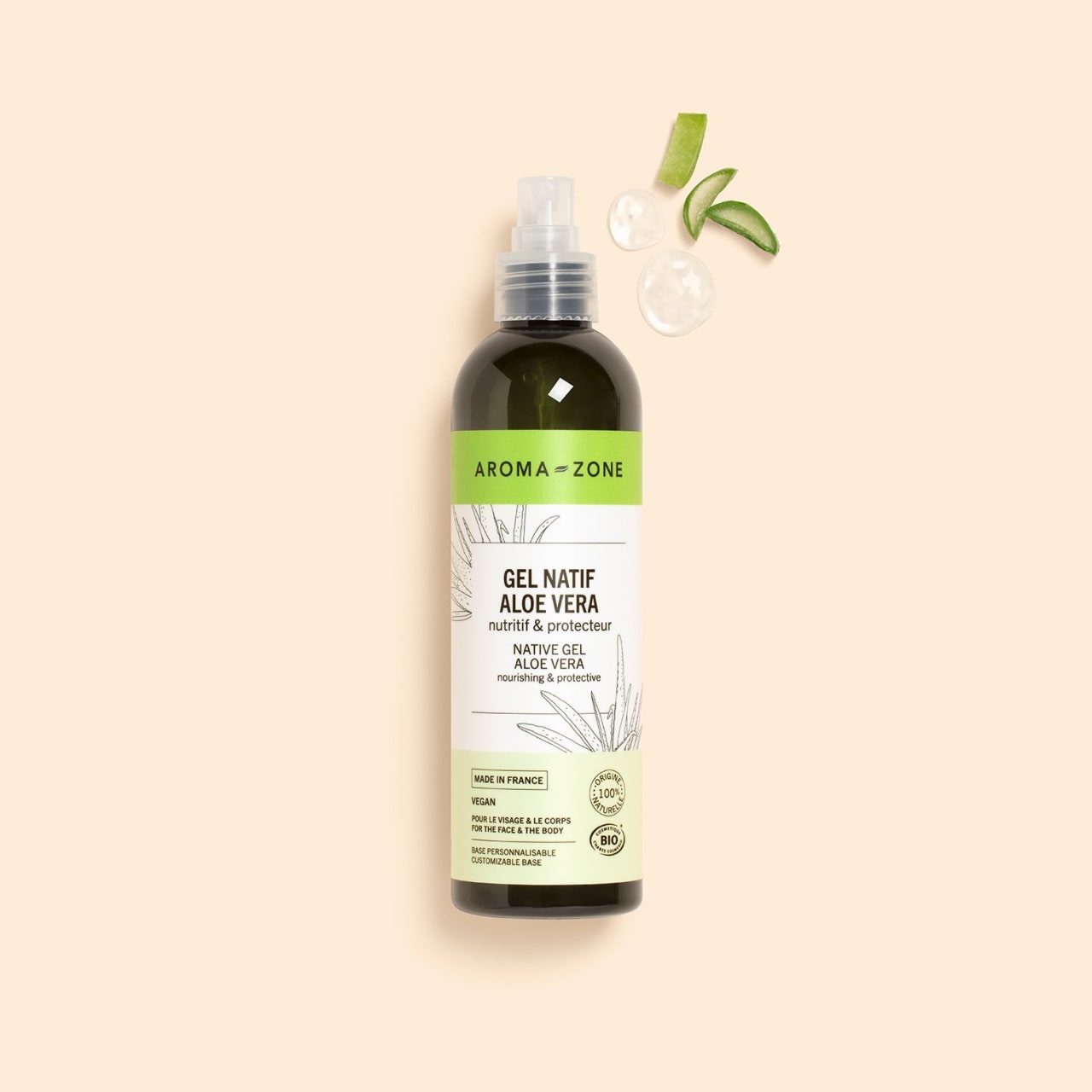
  • Aloe vera gel: Organic Aloe Vera Gel moisturises the scalp and helps to soothe any discomfort

  • Nourishing plant oils: Plant oils such as Organic Sweet Almond Oil help to preserve the scalp’s hydrolipidic film

  • Suitable essential oils: Certain essential oils, such as Tea tree essential oil, can be incorporated into a hair care routine, provided the recommended dosages and precautions for use are strictly followed

  • Diluted cider vinegar: When used as a rinse, it is said to help rebalance the scalp’s pH and remove residue

  • Green tea rinse: Provides antioxidants and is said to leave the scalp feeling refreshed.

Adopting the right daily habits

  • Stay hydrated: Staying sufficiently hydrated helps maintain healthy skin and scalp

  • Choose a gentle shampoo: Opt for a suitable formula to minimise scalp dryness

  • Space out washes if necessary: Adjust how often you wash your hair to suit your hair and scalp type

  • Eat a balanced diet: Ensure you meet your requirements for Omega-3, vitamins and minerals

  • Limit sources of stress: Greater emotional balance can help keep your scalp comfortable

  • Gently massage the scalp: Regular massage helps distribute sebum and complements your hair care routine.

How can you prevent dry dandruff from appearing?

  1. Choose a gentle hair care routine: Opt for a mild shampoo suited to your scalp, and space out washes if necessary to preserve the natural hydrolipidic film and minimise dryness.

  2. Moisturise and nourish your scalp: Regularly apply suitable treatments, such as an aloe vera gel or a vegetable oil treatment, to help keep your scalp comfortable and balanced.

  3. Eat a varied diet and stay well-hydrated: Make sure you drink enough water and meet your requirements for omega-3, vitamins and minerals, which help maintain healthy skin and scalp.

  4. Minimise external stressors: Reduce your use of high-temperature styling tools, protect your scalp from changes in weather, and opt for haircare products that respect its natural balance.

  5. Promote a balanced lifestyle: Allow yourself moments of relaxation, practise a relaxing activity if needed, and gently massage your scalp whilst shampooing to help maintain its comfort and balance on a daily basis.

Precautions for use

Before incorporating a new product into your routine, it is recommended that you carry out a patch test in the crook of your elbow 24 to 48 hours before first use to check for any adverse reactions.

Choose products suited to your scalp type and avoid washing your hair too frequently or using products that are too harsh, as these can exacerbate dryness and encourage the build-up of dandruff.

Essential oils, when used, must always be applied in accordance with the recommended dosages and precautions for use. They are not recommended for pregnant or breastfeeding women, young children and certain sensitive individuals, unless advised by a healthcare professional.

If dandruff persists despite following a suitable routine, or is accompanied by significant redness, lesions, pain or intense itching, it is recommended that you consult a healthcare professional to identify the cause and receive appropriate treatment.

Expert advice

The scalp is sensitive to many everyday factors, such as stress, tiredness, changes in the weather or an unbalanced diet. Maintaining a healthy balance also involves a healthy lifestyle: a varied diet, adequate hydration, good-quality sleep and moments of relaxation all contribute to general well-being, including that of the scalp. Simple habits, practised regularly, often help to maintain comfort in the long term.

Spotlight on our expert writer: Coralie Técher

Coralie Técher

Coralie has been a journalist and editor specialising in women’s interests for seven years. With a particular interest in topics related to beauty and wellbeing, she is committed to highlighting the solutions offered by nature for self-care and is always keen to stay informed on the subject so she can share the very best insights. 

Bibliography

  1. Tonini, S. (2009). Scalp dandruff: a clinical form of seborrhoeic dermatitis (Doctoral thesis, UHP-Henri Poincaré University).

    http://docnum.univ-lorraine.fr/public/SCDPHA_T_2009_PRIVET_TONINI_SANDRINE.pdf

  2. Bertetto, M. (2023). What is my hair trying to tell me? – Decoding and solutions. Baudelaire Publishing.

  3. Hu, P., Henry, J., Tiesman, J. P., Parlov, M., Bacon, R., Charbonneau, D., Venkataraman, A., Locker, K. C. S., Krigbaum, H., & Schwartz, J. (2024). Changes in scalp microbiome composition and pathway evaluations following effective treatment with piroctone olamine shampoo. International Journal of Cosmetic Science, 46(3), 333–347.

    https://doi.org/10.1111/ics.12933

  4. Lyu, F., Wu, T., Bian, Y., Zhu, K., Xu, J., & Li, F. (2023). Stress and its impairment of skin barrier function. International Journal of Dermatology, 62(5), 621–630.

    https://doi.org/10.1111/ijd.16598

  5. Ma, L., Guichard, A., Cheng, Y., Li, J., Qin, O., Wang, X., Liu, W., & Tan, Y. (2018). Sensitive scalp is associated with excessive sebum and a disrupted microbiome. Journal of Cosmetic Dermatology, 18(3), 922–928.

    https://doi.org/10.1111/jocd.12736

  6. O’Connor, K., & Goldberg, L. J. (2021b). Nutrition and hair. Clinics in Dermatology, 39(5), 809–818.

    https://doi.org/10.1016/j.clindermatol.2021.05.008

  7. Orane Charabot. (2023) The importance of the scalp in seborrhoeic conditions.

    https://dumas.ccsd.cnrs.fr/dumas-04206439v1/file/Th%C3%A8se%20VDEF%20CHARABOT%20Orane.pdf

Frequently Asked Questions

Frequently Asked Questions