Dandruff and Essential Oils: Which Are the Most Effective?

Dandruff and Essential Oils: Which Are the Most Effective?


By The Aroma-Zone editorial team

Published on: Wednesday, August 03, 2022, Updated on: Wednesday, October 28, 2026

Dandruff can affect all hair types and may come with itching or an irritated scalp. Certain essential oils are traditionally used to cleanse the scalp and help reduce dandruff. Learn which ones to choose based on your dandruff type and how to use them safely.

Contents

Related products

In brief

  • Certain essential oils can help to cleanse the scalp and reduce the appearance of dandruff, but the choice depends on the specific situation: tea tree, Atlas cedar, bay laurel and palmarosa do not all have exactly the same traditional uses.

  • Tea tree is mainly recommended for scalps prone to dandruff, Atlas cedar for oily scalps and stubborn dandruff, laurel for itchy or sensitive scalps, and palmarosa for its traditional purifying properties.

  • These oils are not without risk: some are not recommended for people with kidney failure or epilepsy, and internal use may require professional advice. The article explains their application and safety precautions.

Warning

Disclaimer

The properties, indications and methods of use set out below are quotations taken from reference books or websites on aromatherapy, hydrolatherapy and phytotherapy.

This general information is provided for informational purposes only and does not in any way constitute medical advice. Under no circumstances can this information replace a medical diagnosis, consultation or follow-up, nor does it engage our liability. We recommend consulting The Guide to Essential Oils before using them to familiarise yourself with the precautions. If in doubt, consult a doctor before using essential oils.
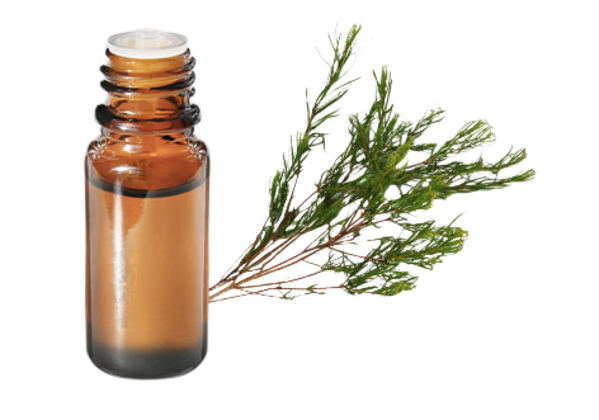
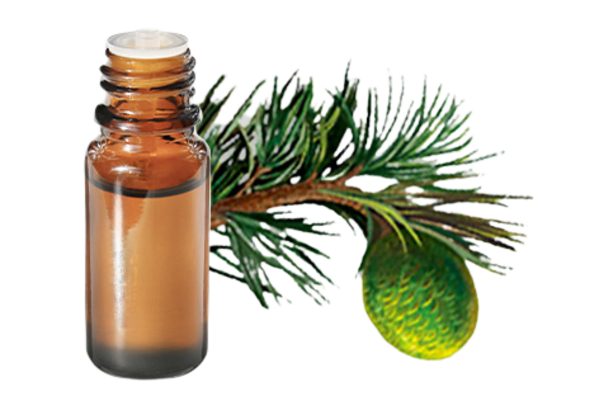
How can essential oils be used to treat dandruff?

Essential oils can be incorporated into hair care routines to help cleanse the scalp and reduce the appearance of dandruff. Before using them, there are a few steps you can take to choose the most suitable essential oil.

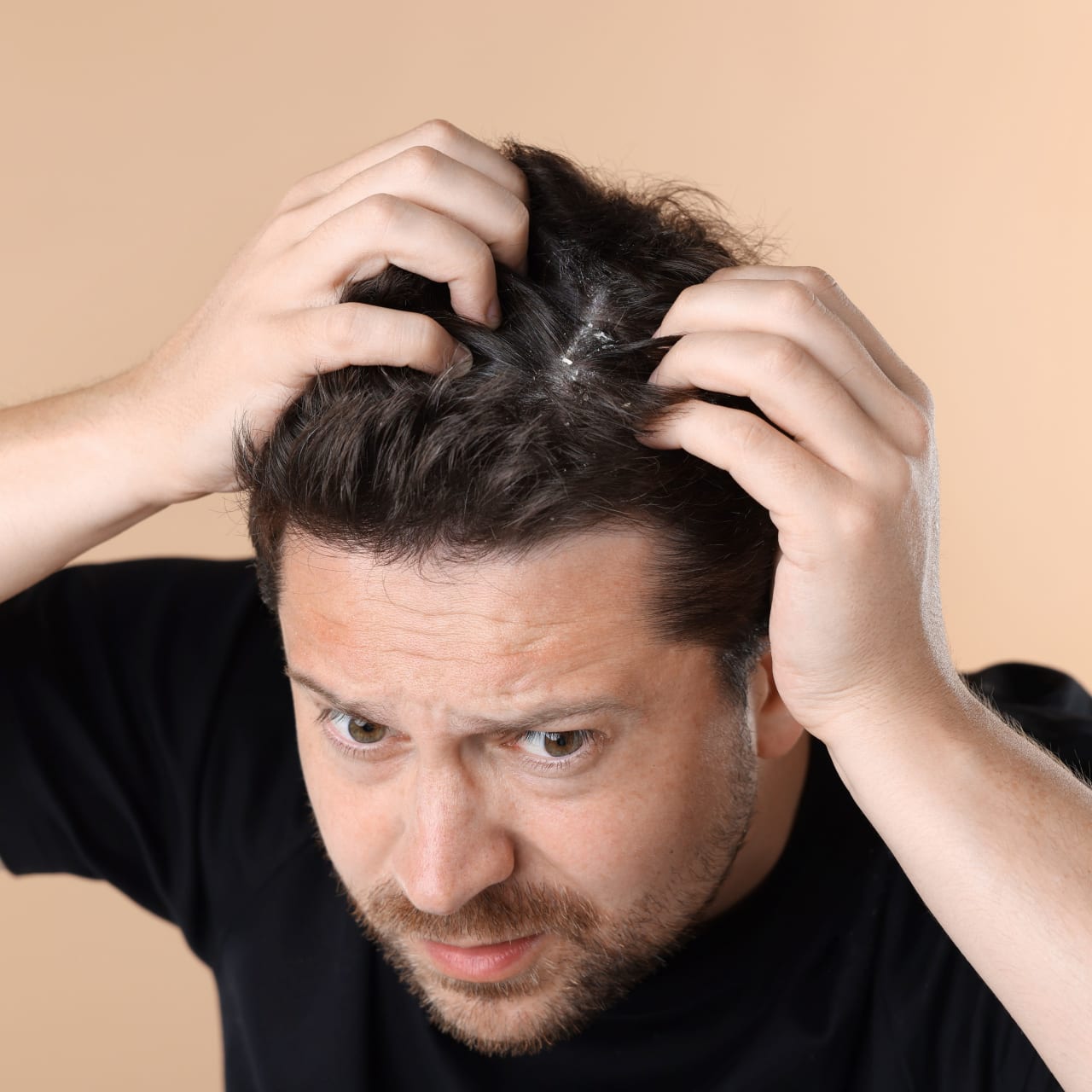
  1. Identify the type of dandruff: dandruff can be dry or oily. The former is fine, white and falls easily onto the shoulders. The latter is thicker, yellowish and tends to stick to the scalp. As needs vary, it is important to identify the type of dandruff before choosing an essential oil.

  2. Choose a suitable essential oil: not all essential oils have the same properties. Some are used to purify the scalp, whilst others are more valued for their soothing or rebalancing properties. The choice therefore depends on the type of dandruff and the needs of the scalp.

  3. Incorporate them correctly into your hair care routine: Essential oils should always be used diluted, for example in shampoo, a vegetable oil or a pre-shampoo treatment. Using them correctly allows you to benefit from their properties whilst maintaining the scalp’s natural balance.

To find out more about the causes of dry and oily dandruff, as well as suitable natural solutions, see our full article on dandruff.

Which Essential Oils Should You Choose for Your Type of Dandruff?

Choosing the right essential oil depends on the type of dandruff and the needs of your scalp. The table below will help you identify the best option for your situation.

Concern

Goal

Essential Oil

Benefits

How to Use

Dandruff flakes are fine and fall easily onto the shoulders

Soothes and purifies the scalp

Tea tree

Cleanses the scalp and helps reduce the appearance of dandruff

Dilute to 0.5% in shampoo or vegetable oil

Dandruff clings to the scalp

Purifies and rebalances the scalp

Atlas cedar

Suitable for scalps prone to oiliness

Dilute to 0.5% as a pre-shampoo treatment or added to shampoo

The scalp is prone to dandruff and itching

Soothes whilst purifying

Laurel

Purifies the scalp whilst providing a soothing sensation

Dilute to a maximum of 0.05% in a vegetable oil or shampoo (i.e. 2 drops in 100mL of shampoo) 

Dandruff keeps coming back

Restores long-lasting balance to the scalp

Palmarosa

Traditionally used to purify the scalp

Dilute to 0.5% in shampoo or a hair mask

Precautions for use: Essential oils must always be diluted before application to the scalp. They are not recommended for use by pregnant or breastfeeding women, or by children under the age of 6. Avoid contact with the eyes and mucous membranes. Carry out a skin test with the prepared mixture in the crook of your elbow at least 48 hours before first use. Avoid using essential oils that are old or oxidised: store them away from light and air. Certain natural compounds contained in these essential oils may pose an allergy risk to sensitive individuals. Always consult the Technical Data Sheet for each essential oil before use.

Tea Tree Essential Oil (Organic Tea Tree)

Renowned for its purifying properties, tea tree essential oil is one of the most commonly used oils for dandruff-prone scalps. It helps to cleanse the scalp and reduce the appearance of dandruff.

Specific precaution: Not recommended for people with kidney failure.

View the technical data sheet for Tea Tree Essential Oil (Organic Tea Tree)

FT-Plante HE-Atlas Cedar-removebg-preview

Atlas Cedar Essential Oil

Atlas Cedar essential oil is especially valued for oily scalps. It is often recommended for dandruff.

Specific precaution: Not recommended for people with epilepsy. Internal use is restricted to therapists.

View the technical data sheet for Atlas Cedar Essential Oil.

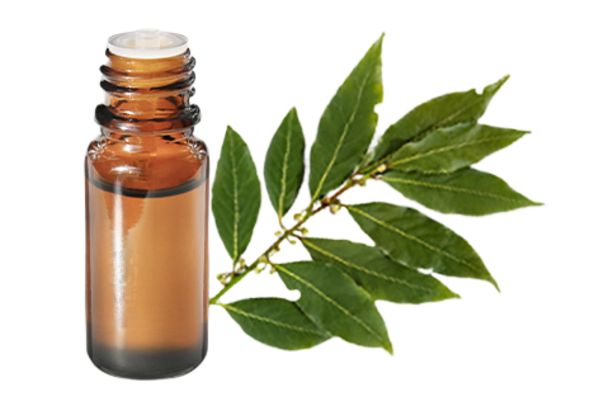
FT-Plante EO-Laurel-noble-Provence-removebg-preview

Focus on Noble Laurel Essential Oil

Valued for its ability to purify the scalp, Laurel essential oil is especially useful when dandruff is accompanied by itching or scalp sensitivity.

Specific precaution: Do not take orally without consulting a healthcare professional.

View the technical data sheet for Noble Laurel essential oil

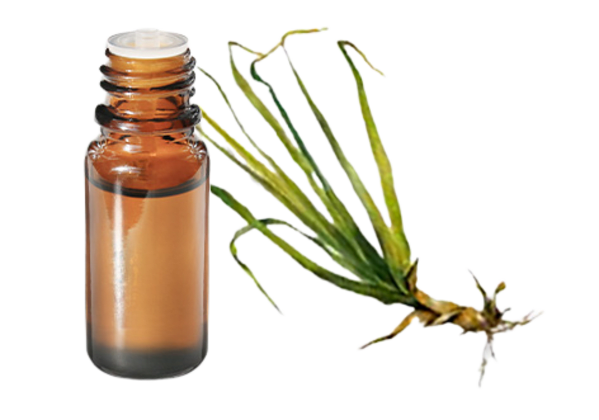
Focus on Palmarosa Essential Oil

Renowned for its purifying properties, palmarosa essential oil is traditionally used to care for dandruff-prone scalps. 

Specific precaution: Internal use is restricted to therapists. Risk of drug interactions when used internally.

View the technical data sheet for Palmarosa Essential Oil

How to Apply an Essential Oil to the Scalp

  1. Always dilute essential oils: They must not be used undiluted on the scalp. Add them to shampoo, dilute them in a vegetable oil, or incorporate them into a pre-shampoo treatment, and follow the specific dilution ratios and precautions for each.

  2. Gently massage the scalp: When applying, use your fingertips to perform a gentle massage to distribute the mixture evenly across the entire scalp. This helps ensure even application and promotes scalp wellbeing.

  3. Reapply if necessary: To fully benefit from the properties of the essential oils, adjust the frequency of use to suit your scalp’s needs and the specific recommendations for each essential oil.

Precautions for Use

The advice provided in this article is for information purposes only and forms part of a wellness approach. It is not a substitute for medical advice. If you have persistent, severe dandruff or dandruff associated with scalp lesions, consult a healthcare professional.

Essential oils are powerful natural concentrates. Please refer to the intended uses and precautions for use indicated on the technical data sheet for each essential oil. Store them in a suitable glass bottle, away from light and air. Keep out of reach of children. Do not use on pregnant or breastfeeding women, or on children under 6 years of age. Avoid contact with the eyes and mucous membranes. Consult our General Information Sheet on precautions relating to essential oils, as well as the Specific Information Sheet for each essential oil.

Expert advice

Before switching to a different essential oil, allow a few weeks to see how your scalp responds. You can then choose a more suitable essential oil if your needs have changed.

Bibliography

  1. Borda, L. J., & Wikramanayake, T. C. (2015).

    Seborrhoeic Dermatitis and Dandruff: A Comprehensive Review. Journal of Clinical Investigative Dermatology. pubmed.ncbi.nlm.nih.gov/27148560/

  2. Sang, S.-H., Akowuah, G. A., Liew, K. B., Lee, S.-K., Keng, J.-W., Lee, S.-K., Yon, J.-A.-L., Tan, C. S., & Chew, Y.-L. (2023).

    Natural alternatives from your garden for hair care: Revisiting the benefits of tropical herbs. Heliyon. pubmed.ncbi.nlm.nih.gov/38034771/

  3. Essential oils: Warnings and precautions for use

    https://www.aroma-zone.com/public/pdf/GC019.pdf

Frequently Asked Questions

Frequently Asked Questions