
Argan oil is extracted from the fruit of the Argan tree, native to Morocco. The kernels contained in the Argan nut are pressed to extract the oil. Used for centuries by local populations, this oil is renowned for its many cosmetic and nutritional virtues.
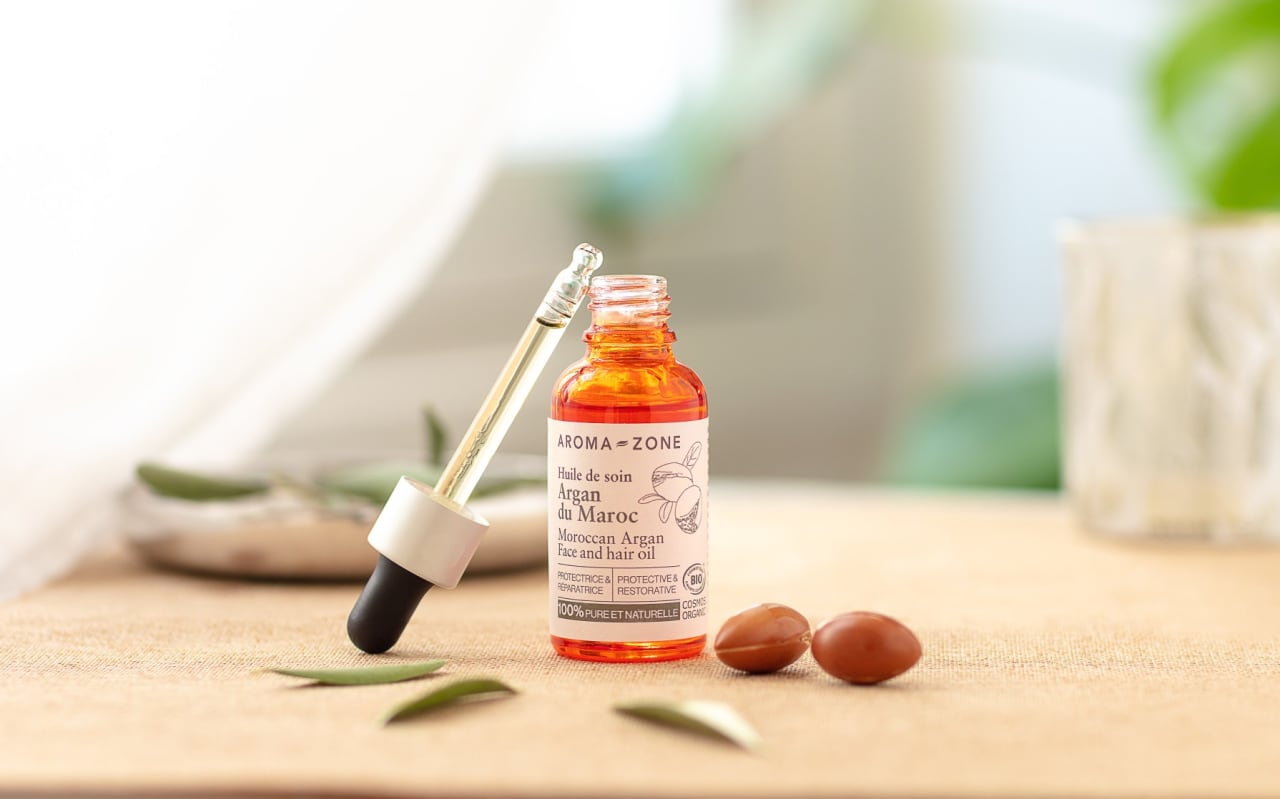
The benefits of Argan oil for the hair
Published on: Thursday, February 23, 2023, Updated on: Wednesday, September 30, 2026
Do you have dry, damaged or dull hair? Nicknamed "liquid gold", Argan oil is the perfect natural solution for beautifying and strengthening your hair. This oil, which originated in Morocco, has nourishing, restorative, protective and illuminating properties, and is packed with benefits for easy haircare. Find out how to choose Argan oil and how to use it for your hair.
Contents
Related products
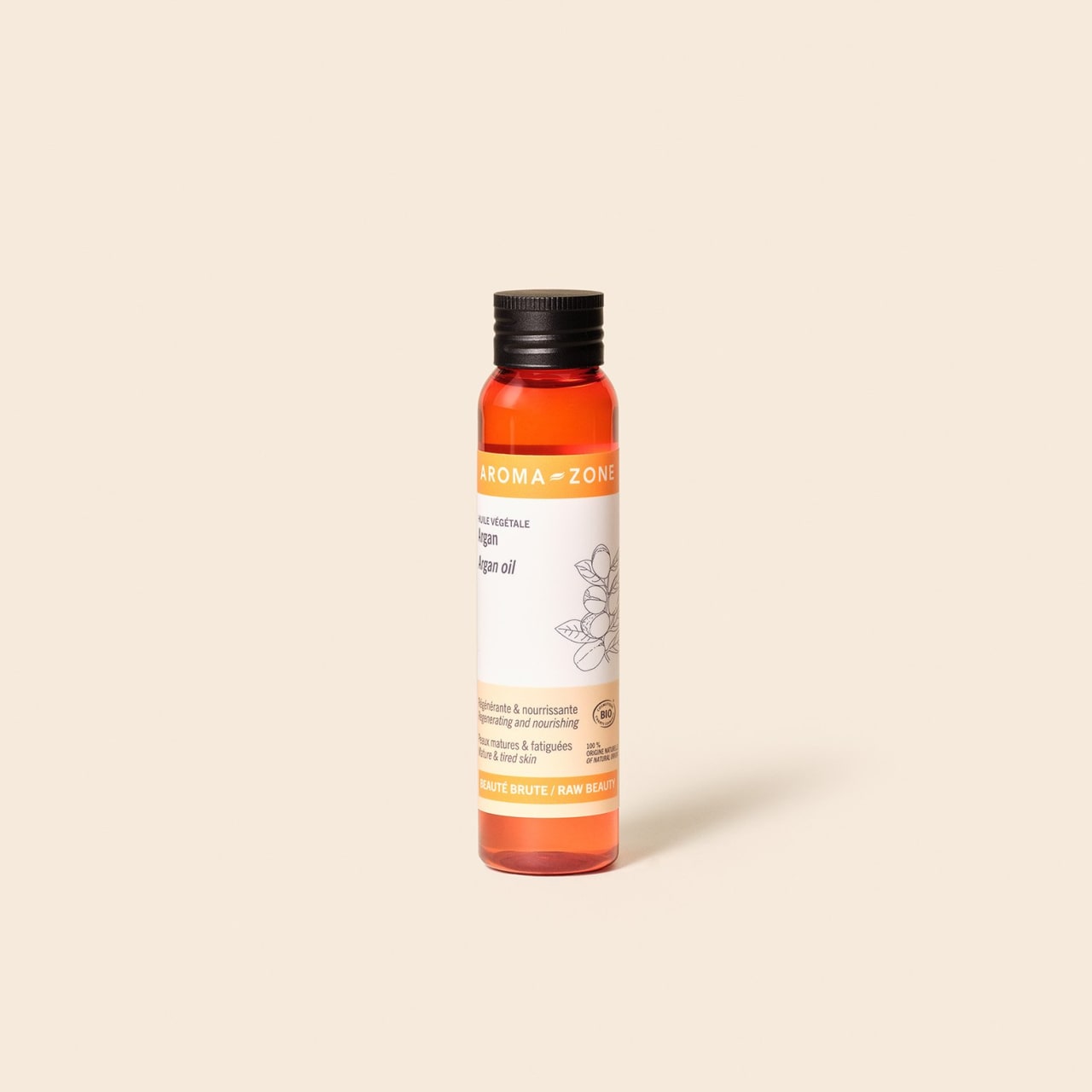
Organic Argan Oil
Regenerating
Nourishing
£9.80
£14.00
100 ml
2 options
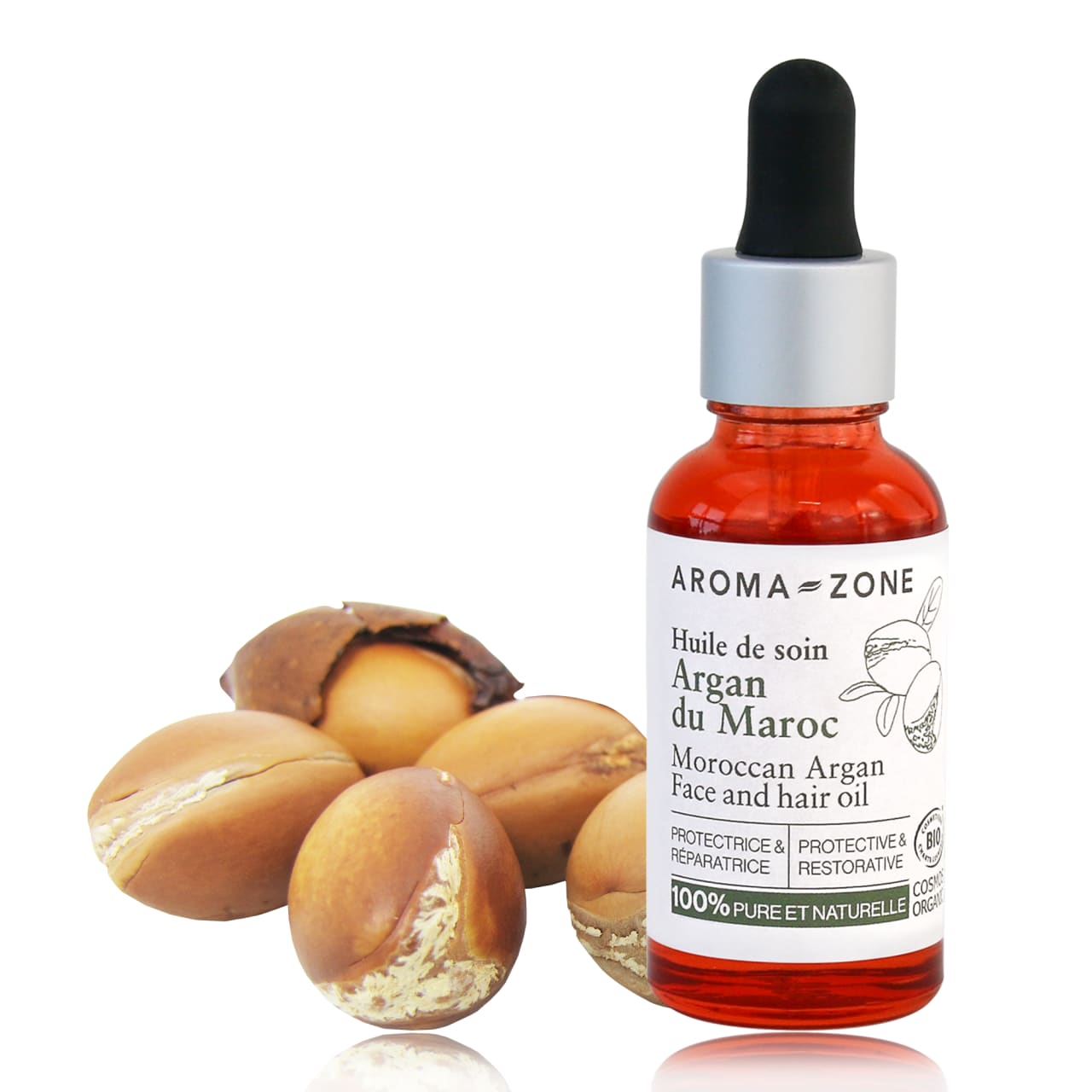
Organic Moroccan Argan Face Oil
Repairing
Protective
£7.00
30 ml
What is Argan oil?
Composition of Argan oil
The richness of Argan oil lies in its exceptional composition, rich in vitamins, antioxidants and essential fatty acids.
It contains antioxidants (polyphenols) and vitamin E (tocopherols) . Antioxidants help protect the hair from external aggressions that damage the hair fibre, particularly those caused by exposure to the sun or pollution. They help strengthen hair structure, giving it shine and suppleness. Its rich composition containing 75% unsaturated fatty acids also makes it an asset for deeply nourishing the hair, improving its elasticity and hydration. They keep hair shiny and soft while preventing dehydration. Similarly, the sterols (schottenol, spinasterol) present in Argan oil have restorative properties. This is particularly beneficial for damaged or dry hair.
Finally, the carotenoids and xanthophylls present in Argan oil, which are natural pigments that act as antioxidants, protect the hair against damage caused by the sun and external aggressions. They also help maintain radiant colour.
Why use Argan oil for your hair?
Repairs and deeply nourishes
Hair is composed mainly of keratin, lipids, water and mineral salts. These essential elements can be altered by daily aggressions such as the sun, climatic conditions or heating appliances, resulting in dry, brittle or dull hair. The essential fatty acids it contains penetrate the cuticle (the outer layer of the hair). Omega-6, for example, plays a key role in rebuilding cell membranes, which helps to reduce the porosity of damaged hair. Less porous hair retains moisture better and is less susceptible to frizz. Argan oil is also rich in antioxidants such as Vitamin E, which protects the hair from free radicals and external damage.
Protects lengths
Its fatty acid-rich composition enables it to form a protective film around the hair fibre, acting like a shield against environmental factors and mechanical aggressions such as friction or heating appliances. The antioxidants present in this oil also help to prevent the hair from drying out, making the lengths more resistant to external damage.
What are the benefits of Argan oil?
Fortifies hair: strengthens the hair fibre and reduces the risk of breakage.
Adds shine and radiance: restores luminosity to dull hair
Repairs damaged hair: deeply nourishes by penetrating the hair cuticle and helping to rebuild cell membranes
Protects: Protects hair from heat and temperature changes.
Moisturises: Helps keep hair hydrated.
Smoothes the hair cuticle: Reduces frizz and improves the appearance of porous hair.
Product focus: ORGANIC Argan oil
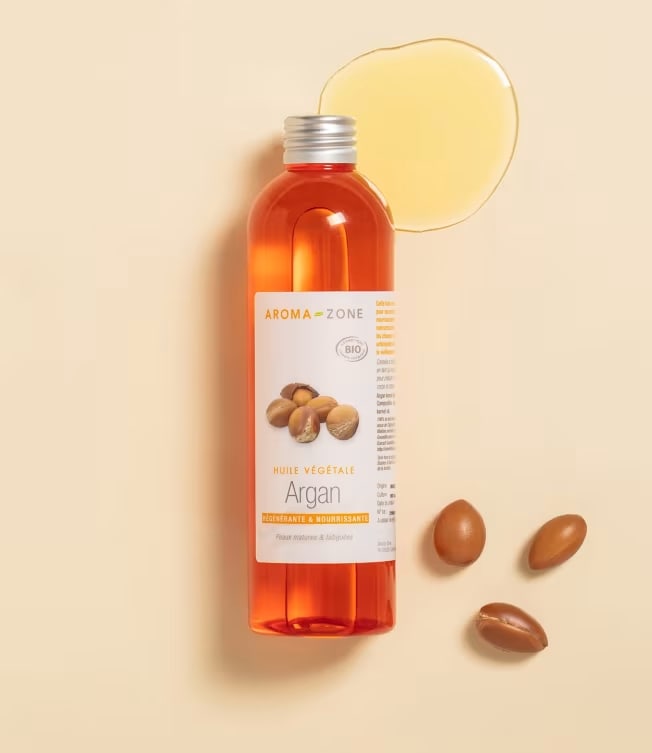
This ORGANIC oil is first cold-pressed and certified ORGANIC (Ecocert Greenlife). Argan oil's richness in essential fatty acids and antioxidants provides deep repair and nourishment for brittle, fragile and damaged hair. It helps restore the hair fibre. The ORGANIC Moroccan Argan oil we offer offers a guarantee of exceptional quality thanks to the rigorous selection of the kernels used and its fair-trade ORGANIC supply chain.
What type of hair should Argan oil be used for?
Argan oil is suitable for almost all hair types. However, it should not be applied to the scalp of oily hair in an oil bath, as it can increase excess sebum. On the other hand, it is particularly suitable for dry, dehydrated, brittle and damaged hair, as well as curly or textured hair.
Dry, dehydrated hair
Argan oil is ideal for dry, dehydrated hair. Thanks to its essential fatty acids and Vitamin E, it keeps hair hydrated and deeply nourishes the hair fibre.
Brittle, damaged hair
The restorative properties of Argan oil are ideal for damaged and brittle hair. It strengthens the hair fibre by forming a protective film and reinforcing the hair's cell membranes. This helps to repair and protect fragile hair.
Curly or frizzy hair
For curly or textured hair that is often porous, Argan oil helps tame frizz and add softness and shine. It deeply moisturises, softens curls and smoothes the hair fibre, making styling easier, while preserving the health of the scalp.
How do I use Argan oil for my hair?
Use as a mask or oil bath before shampooing
Argan oil can be used as an oil bath to deeply nourish and moisturise your hair. Applied before washing as an oil bath for a few hours, it leaves hair soft and supple.
Apply Argan oil to the lengths, strand by strand, the ends and the scalp, massaging gently if necessary.
Leave on for at least 1 hour, or even overnight, making sure to protect your sheets.
You can wrap your hair in a warm towel.
Then wash your hair with a mild, natural shampoo and lukewarm water. You may need to shampoo twice to remove all the oil.
Use a moisturising mask to finish hydrating your hair.
Note: You can use an oil bath once a week or every fortnight, depending on your needs and the nature of your hair.
Care for ends and length
Argan oil is an excellent conditioner. Used on its own (sparingly so as not to grease your hair) or as an ingredient in your homemade recipe, it makes detangling easier and leaves your hair soft, silky and shiny.
Place two or three drops in the palm of your hand
Apply the oil evenly to the lengths and ends of your dry or damp hair, combing through with your fingers.
Be careful not to apply too much to avoid weighing your hair down.
What routine should you follow with your Argan oil?
Argan oil bath: Apply ORGANIC Argan Oil once or twice a week as an oil bath to the lengths and ends. Leave in for at least 30 minutes before washing your hair.
Gentle shampoo: Use a gentle shampoo such as Palm-free neutral shampoo base, to gently cleanse without damaging the hair fibre.
Nourishing mask: After shampooing, apply a nourishing mask like the Hair Mask base, rich in Jojoba, Castor and Shea butter oils. It protects, smoothes and nourishes your hair. Its light, supple texture makes it easy to detangle, leaving your hair shiny and supple.
Serum for ends: To complete your routine, apply a few drops of ORGANIC Moroccan Argan oil to the ends of your hair to nourish them, prevent split ends and add shine.
Note: using the scalp massage brush stimulates the scalp, encourages microcirculation and gently exfoliates. You can use it at several stages of your hair routine, during the application of the oil bath, to help the product penetrate deeply, or during shampooing to lather the product generously and massage the scalp. Using it optimises the application of your treatments, masks or shampoos, and ensures better distribution from the roots upwards. What's more, by stimulating blood microcirculation, it promotes normal hair growth and helps relieve itching.
What can I combine with Argan oil?
Argan oil can be used on its own or in combination with other oils or active ingredients to optimise its benefits for the hair, depending on your needs.
Argan oil and Castor oil
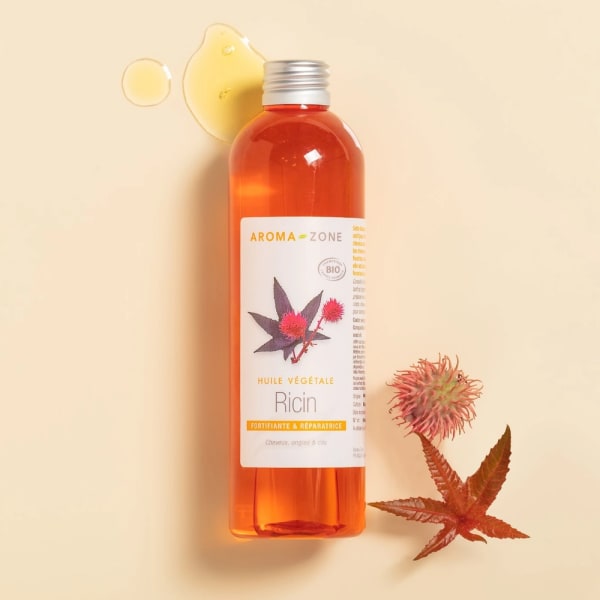
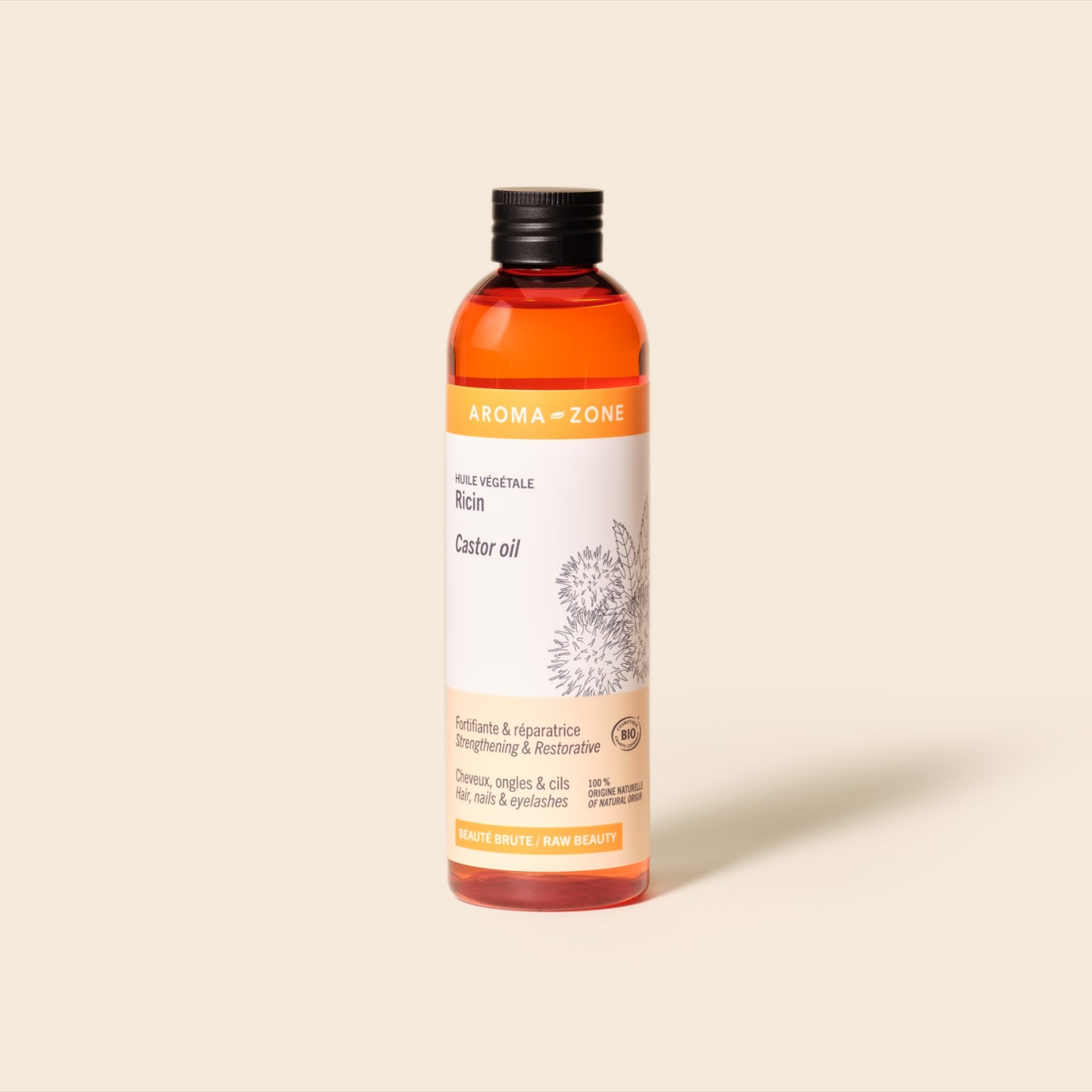
Castor oil is particularly appreciated for stimulating hair growth, strengthening roots and thickening hair. Combined with Argan oil, Castor oil provides deep hydration while promoting hair growth and reducing the risk of breakage.
Argan oil and Coconut oil
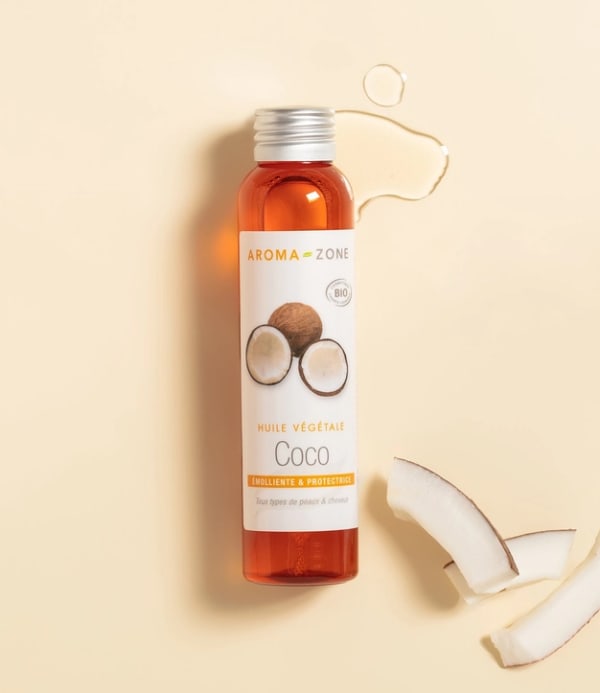
Coconut oil works perfectly with Argan oil. It penetrates the hair fibre to deeply moisturise and nourish it. It is particularly beneficial for dry or damaged hair.
And because it's rich in lauric acid, a substance with antimicrobial potential, Coconut oil helps maintain a healthy scalp.
Argan oil and Fenugreek extract
Fenugreek is an ingredient rich in proteins and amino acids that can be used with Argan oil to strengthen and revitalise hair. Fenugreek oil applied as a mask helps to strengthen hair follicles, stimulate hair growth and help prevent hair loss.
Argan oil and Shea butter
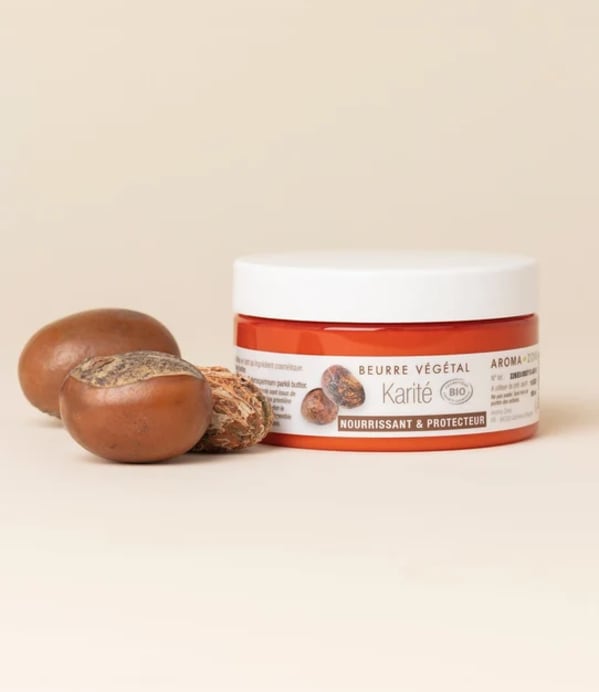
To maintain dry, damaged or frizzy hair: Shea butter is an excellent moisturiser and repairer, used in synergy with Argan oil for a more nourishing action, it also restores shine and beauty to dull hair.
Our hair recipes using Argan oil
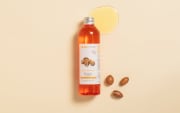
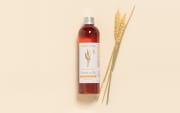
Contraindications
If you are allergic to peanuts or sesame, use Argan oil with caution as there could be cross-allergies. To check your tolerance to Argan oil, you can perform a sensitivity test on a small area of your skin.
Start by cleansing a small area of skin. Then apply one or two drops of pure Argan oil to this test area, and leave it on for 24 hours without rinsing. If you notice any redness, itching, rashes or any other unpleasant sensation, it's best to avoid using this oil.
Storage method
To store your Argan oil optimally, we advise you to keep it away from light, in a cool, dry place.
Focus on our Naturopathic editor, Stéphanie Catrysse

Stéphanie Catrysse - Naturopath (FENA-certified), well-being massage and lymphatic drainage practitioner and personal development consultant.
She takes a holistic approach to health and is passionate about alternative medicine.
Bibliography
Therapeutic potential of argan oil - A review. Journal of Pharmacy and Pharmacology, vol. 62, no. 12, December 2010, pp. 1669-1675. DOI: 10.1111/j.2042-7158.2010.01190.
Sharifi, N., Hamedeyazdan, S., Shokri, J., Monajjemzadeh, F. "Argan oil as a pretreatment of human hair before exposure to oxidative damage: Attenuated total reflectance and protein loss studies." Journal of Cosmetic Dermatology, 2023. DOI: 10.1111/jocd.14885. PMID: 35226791.
Hair Protective Effect of Argan Oil (Argania spinosa Kernel Oil) and Cupuassu Butter (Theobroma grandiflorum Seed Butter) Post Treatment with Hair Dye." Journal of Cosmetics Dermatological Sciences and Applications, vol. 3, no. 3, January 2013, pp. 40-44. DOI: 10.4236/jcdsa.2013.33A1006.
Frequently Asked Questions
Associated tips
Hair care tips
Hair care tips

Hair care tips
Hair care tips
Hair care tips


