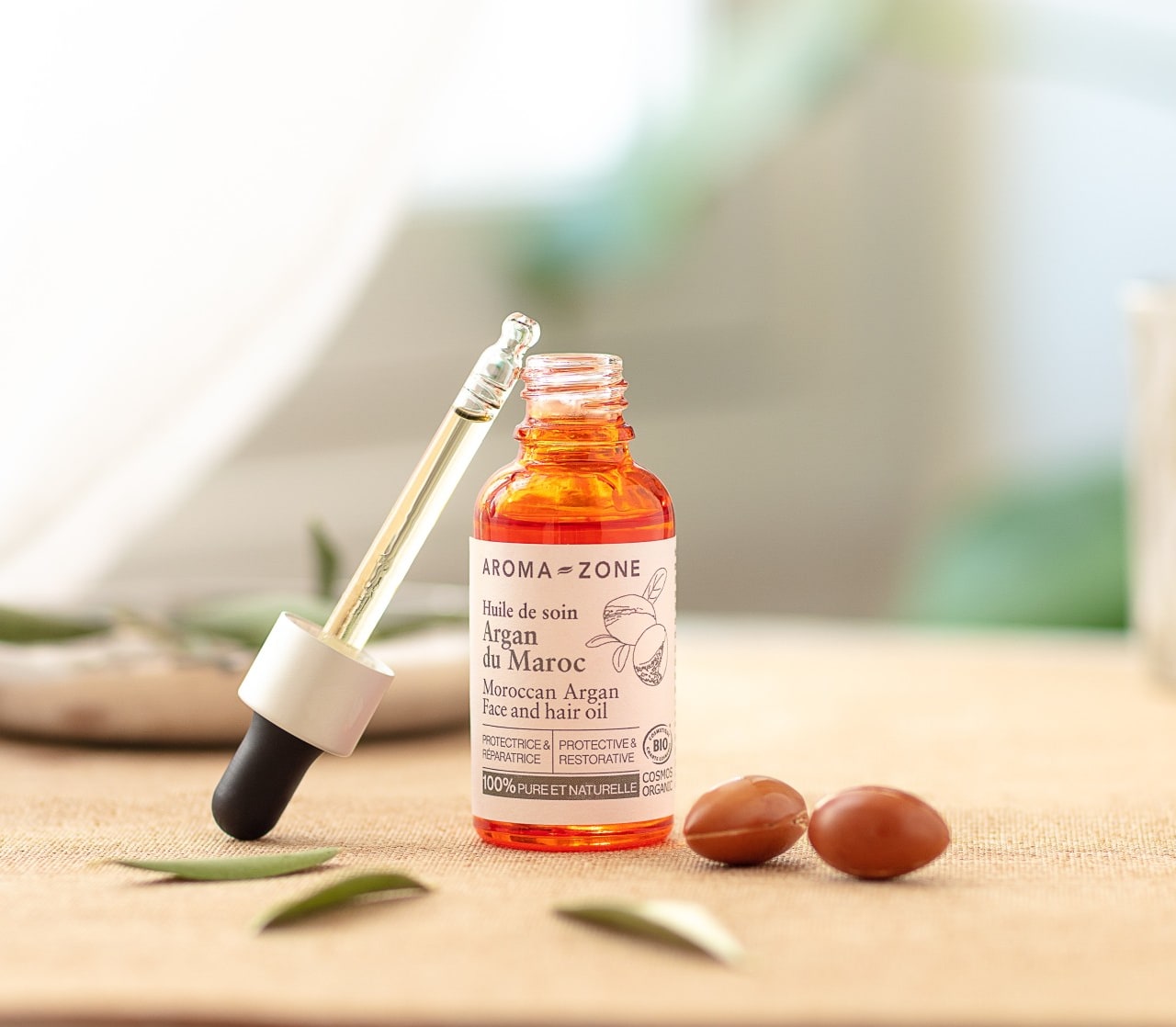
This carrier oil has restorative and antioxidant properties. You can therefore use it to prevent the signs of ageing, particularly if you have dry, sensitive or mature skin.
What are the benefits of Nigella (black seed) oil and how can it be used?
Nigella plant oil (also known as black seed or black cumin oil) is one of our favourite natural-origin ingredients. Its many benefits make it highly versatile, with uses spanning skincare, haircare and aromatherapy. Renowned for thousands of years, it is valued for its strengthening, anti-inflammatory and antioxidant properties.
At home, it can be used to help care for blemish-prone skin, brittle hair, dandruff, or even during occasional bouts of coughs. You can also create your own DIY beauty and wellbeing recipes using Nigella oil. Discover how to make the most of the remarkable benefits of black seed oil with our experts’ tips and DIY recipes.
By The Aroma-Zone editorial team

Before we talk about the benefits… what is nigella carrier oil?
What plant does nigella oil come from?
Nigella oil is a carrier oil extracted from oil seeds: nigella seeds. These come from a herbaceous plant of the genus Nigella, generally native to Asia. Its name comes from the Latin "niger", meaning black, in reference to its small black seeds (similar to those of the poppy). It has long been used throughout the Mediterranean basin and the Middle East for its medicinal properties. Some species are also used to spice up food.
Nigella carrier oil and black cumin oil: what's the difference?
There's no difference! Black cumin oil is just another name for nigella oil, but it is the same active ingredient. At Aroma-Zone, these two names refer to the product derived from the Nigella sativa variety. In cosmetics, this is the species that you should opt for over the others. Be careful not to confuse it with other varieties you may find on the market. Nigella damascena and Nigella arvensis, for example, do not have the same properties as Nigella sativa.
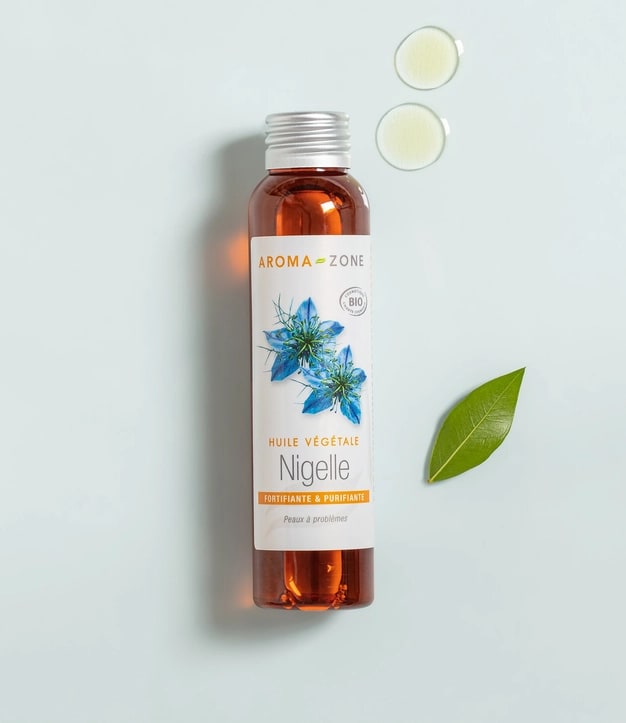
A closer look at our organic nigella seed oil
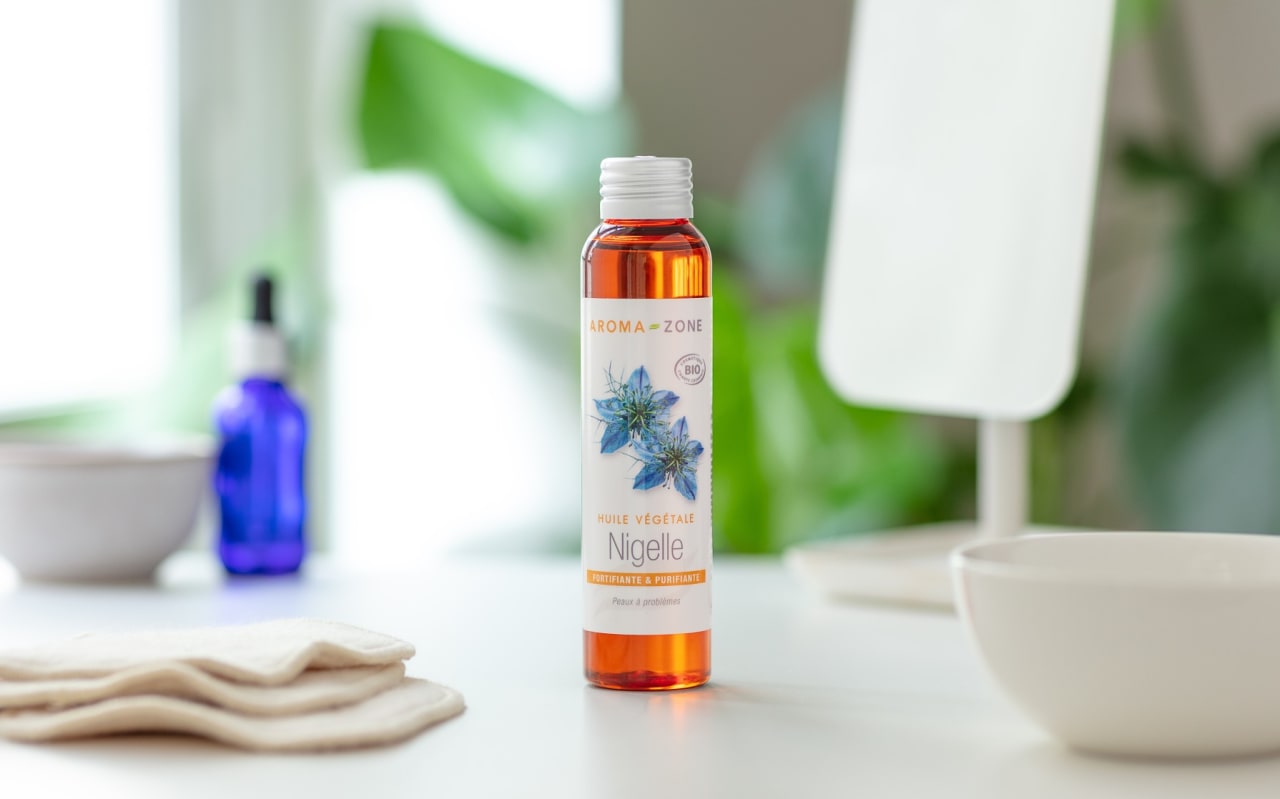
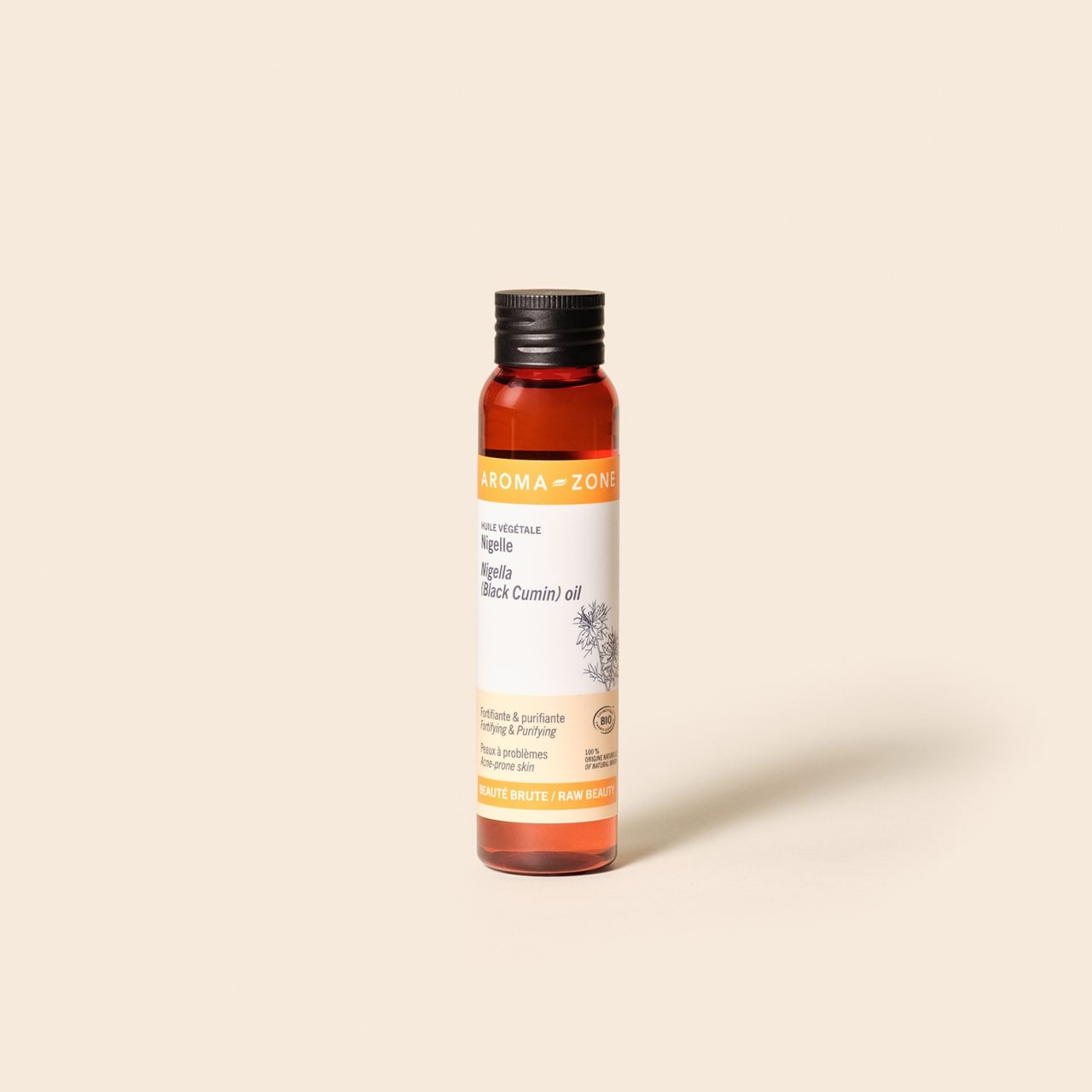
Our organic Nigella oil is made from the first cold pressing of Nigella sativa seeds. Our production comes from Ecocert-certified plantations in Egypt. The seeds are pressed in Tunisia, where they support the financial independence of the workers. We use only environmentally-friendly, energy-efficient extraction processes. This enables us to offer you an oil of exceptional ethics and quality. Naturally rich in active ingredients, it can be used on the skin, hair and in your well-being recipes.
What are the properties of nigella oil?
What is the composition of Nigella sativa oil?
Fatty acids: linoleic acid (omega-6) (57.62%), oleic acid (omega-9) (23.08%) and palmitic acid (11.82%).
Nigella essential oil, including thymoquinone and para-cymene.
Active ingredients: nigellin and nigellone.
Vitamin E.
Carotenoids.
Minerals, such as iron and phosphorus.
What is it for?
On the skin, nigella oil has purifying, antioxidant, soothing and regenerating benefits.
For the hair, nigella seed oil is renowned for its softening, revitalising and strengthening properties.
In aromatherapy, nigella carrier oil can soothe allergic symptoms, the respiratory tract and promote digestive discomfort.
What are the benefits of nigella oil for the skin?
Nigella oil and acne
Nigella carrier oil is one of the most highly recommended oils for combination, oily or blemish-prone skin. It has purifying and soothing properties that help prevent the formation of blemishes and relieve discomfort. It is therefore particularly suited to teenagers and women prone to hormonal acne.
Find the carrier oils best suited to your skin type by reading our article here.

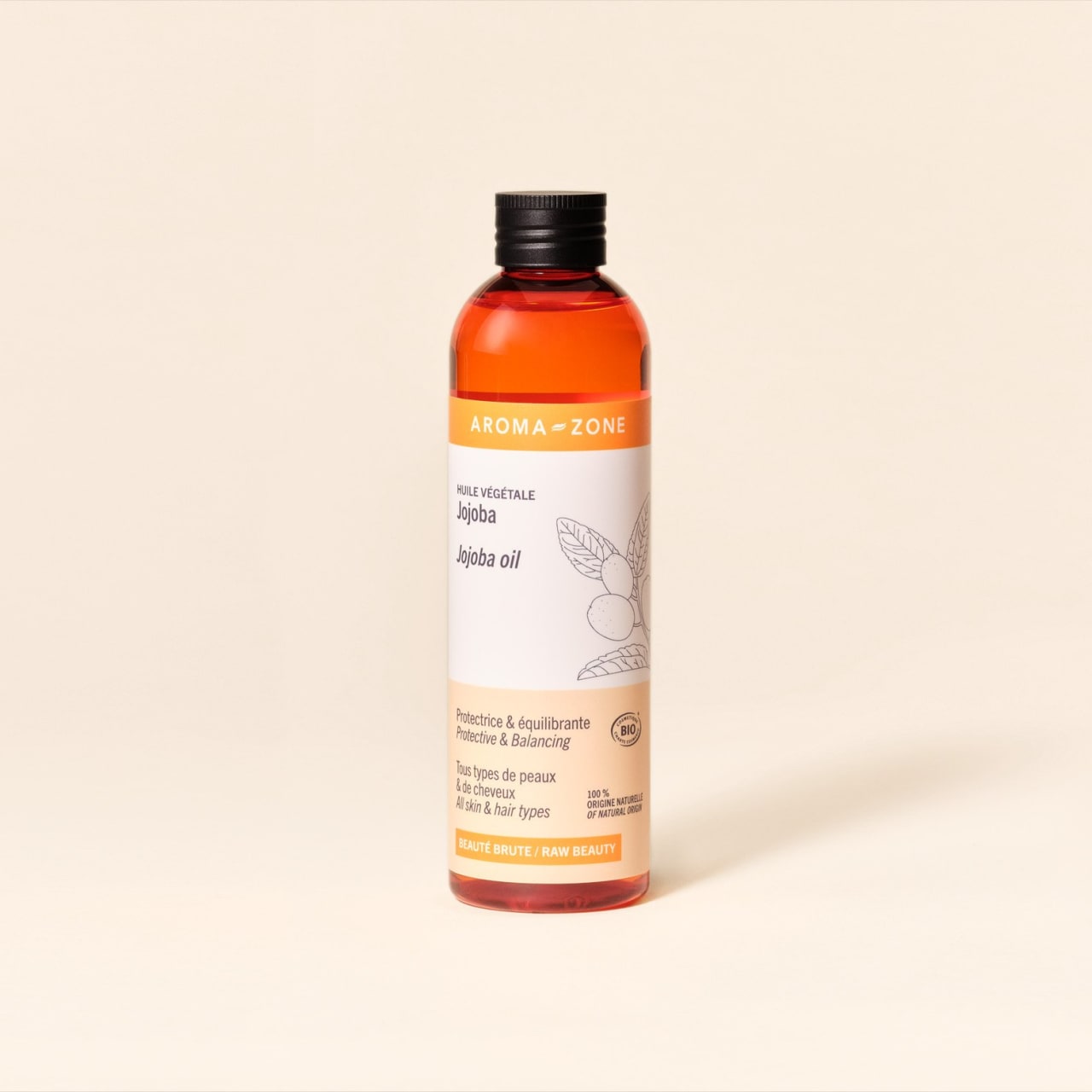
Organic jojoba carrier oil
This "liquid wax" is ideal for regulating sebum secretions in skin prone to shine. Protective and softening, it is also suitable for sensitive skin.

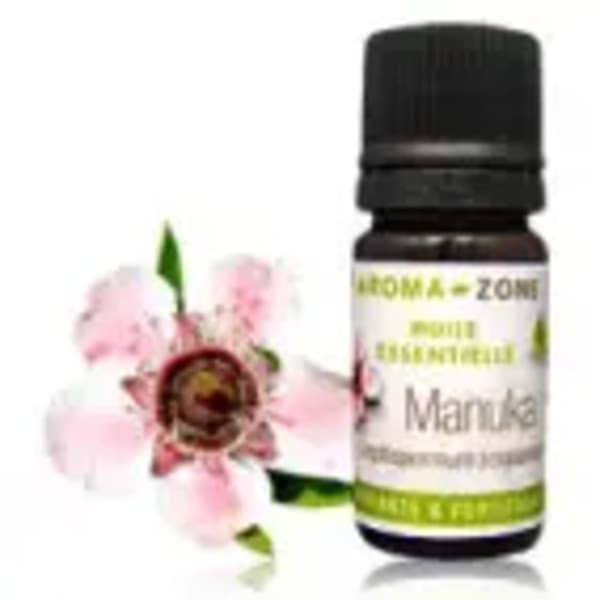
Manuka essential oil
Its purifying and regenerating properties are ideal for problem skin. Recommended concentration: up to 2% of your oil blend.
Nigella oil and eczema
Thanks to its nourishing and regenerating properties, nigella oil restores the skin's suppleness and softness. It is therefore particularly suitable for dry, sensitive skin. Some studies have even found it beneficial in cases of eczema. Its soothing benefits can help make skin feel more pleasant. However, it should not be used on babies or young children with eczema.

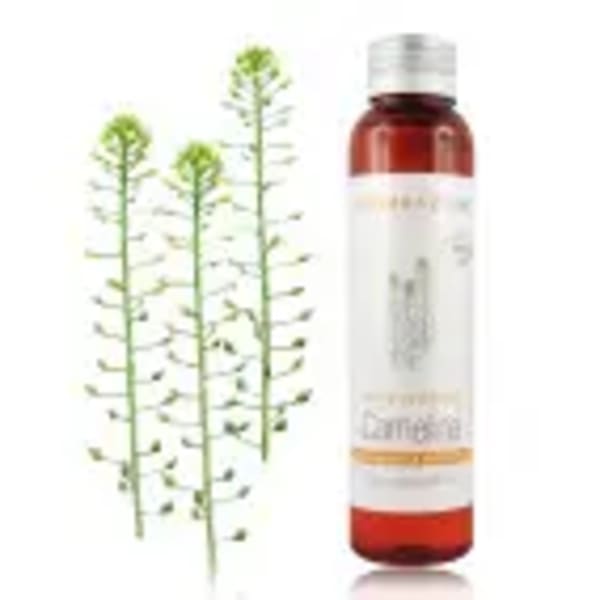
Organic camelina carrier oil
This is one of the most popular oils for sensitive and atopic skin. It has the advantage of softening and soothing the skin with a dry feel and leaves it with a radiant finish.

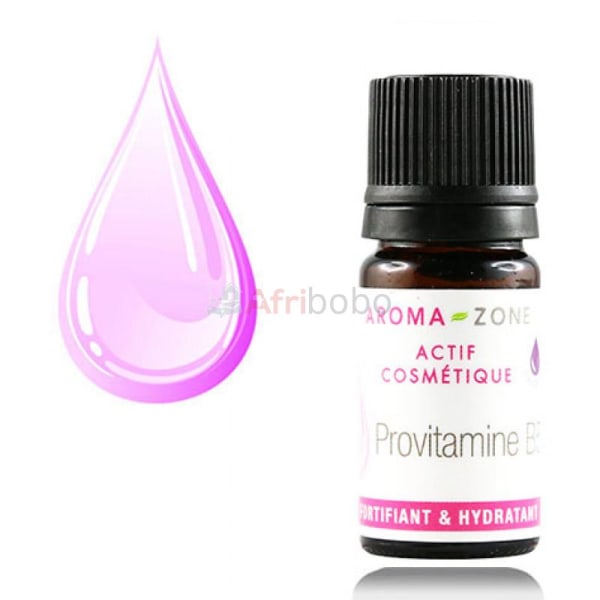
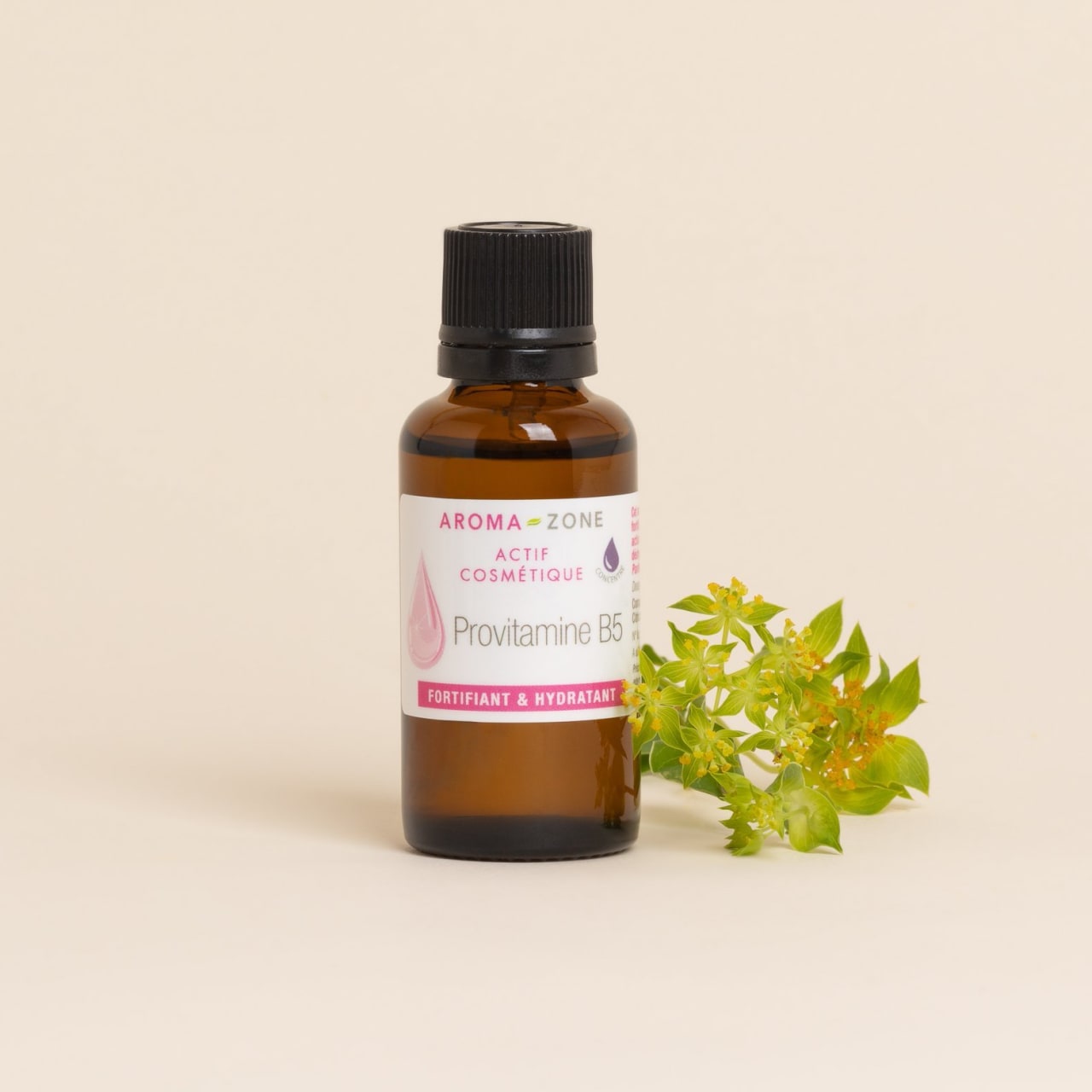
Provitamin B5
Also known as "panthenol", this cosmetic active ingredient is recognised for its soothing and restorative properties for the skin. It also prevents dehydration.
Nigella oil and brown spots on the face
Multiple sources recommend using nigella seed oil to fade brown spots. This is not its most characteristic property. It does, however, have regenerative benefits that can help reduce the visible signs of skin ageing, including hyperpigmentation.

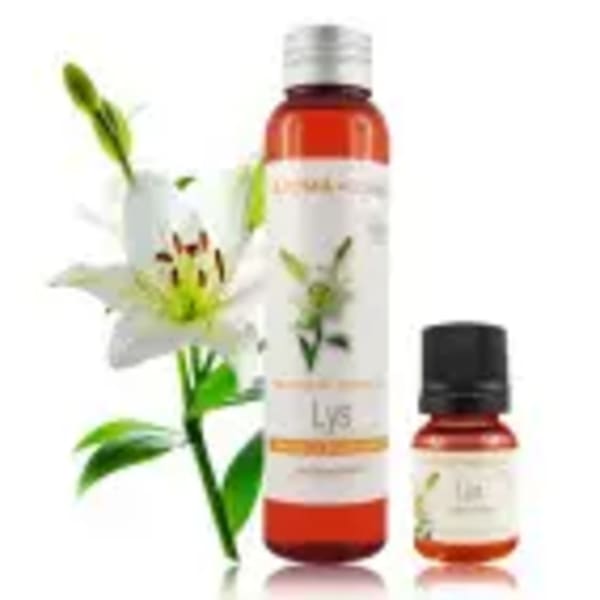
Organic lily macerated oil
Traditionally recognised for its skin-lightening properties. It is used in the formulation of clarifying and soothing skin care products for mature skin and uneven skin tones.

Melano'régul
This is a concentrated cosmetic active ingredient that targets hyperpigmentation. 100% natural, it is extracted from an ayurvedic plant (punarvana).
How do I use nigella seed oil on my face?
Precautions for use:
Never apply pure nigella oil to your face. We recommend diluting it 10-30% in a mixture of carrier oils.
There are many ways to enjoy all the benefits of Nigella oil.
As a serum: apply it morning and evening to your cleansed and dried face for a revitalizing and purifying treatment.
As a replacement for your moisturizer or night cream, if you have particularly oily skin. If you prefer creamy textures, feel free to make an emulsion based on organic Nigella vegetable oil.
As a localized treatment on blemishes, ideally in combination with purifying essential oils in the form of a roll-on.
As a massage oil: apply it using a gua sha or natural stone roller to optimize its anti-aging properties.
Our answers to your questions about applying nigella oil to the face

Does nigella oil have anti-wrinkle properties?

Does nigella oil have anti-wrinkle properties?

Is it true that nigella oil gives you spots?

Is it true that nigella oil gives you spots?
This is a rebound effect that can temporarily affect some people. The purifying properties of nigella carrier oil, on the other hand, help blemishes to disappear.

Is nigella seed oil comedogenic?

Is nigella seed oil comedogenic?
Nigella oil is considered to be non-comedogenic. However, it should be noted that this also depends on its freshness and storage conditions. Hence the importance of choosing a quality oil!
Our skin care recipes using nigella carrier oil
Want to enjoy all the benefits of a nigella oil soap or an anti-blemish cream at a low price? Make your own skincare with our online recipes! All you have to do is gather the ingredients listed and follow the different steps written by our experts. You know what you're putting in and you can personalise your recipe to your heart's content.
Purifying face serum with blue cumin
Cream treatment for blemish-prone skin
Anti-blemish roll-on with tea tree
Cleansing soap with nigella oil
What are the benefits of nigella oil for the hair?
Nigella oil and psoriasis (*)
This carrier oil can be used as a strengthening serum for uncomfortable scalps with a tendency to flake. Applied topically, it helps to soothe certain minor skin problems of an inflammatory nature. Its purifying and repairing properties mean that it is regularly recommended in cases of psoriasis, as a complement to medicinal treatment.

Organic tamanu oil
Also known as ‘oil-nut’, it is recommended for the care of flaky, dry or blemished skin. It is also recommended for psoriasis.

Organic cade juniper essential oil
It has purifying and rebalancing properties suited to oily scalps. It can be used in cases of dandruff, for example.
Nigella oil and frizzy hair
Nigella oil contains a beneficial proportion of linoleic fatty acid (omega-6). It is therefore ideal for improving hair suppleness and softness. You can incorporate it into your hair care routine if you have dry, rough, brittle or frizzy hair. In particular, it will help strengthen the hair fibre and give you hair that's full of vitality.
See also our feature: looking after your hair with carrier oils.

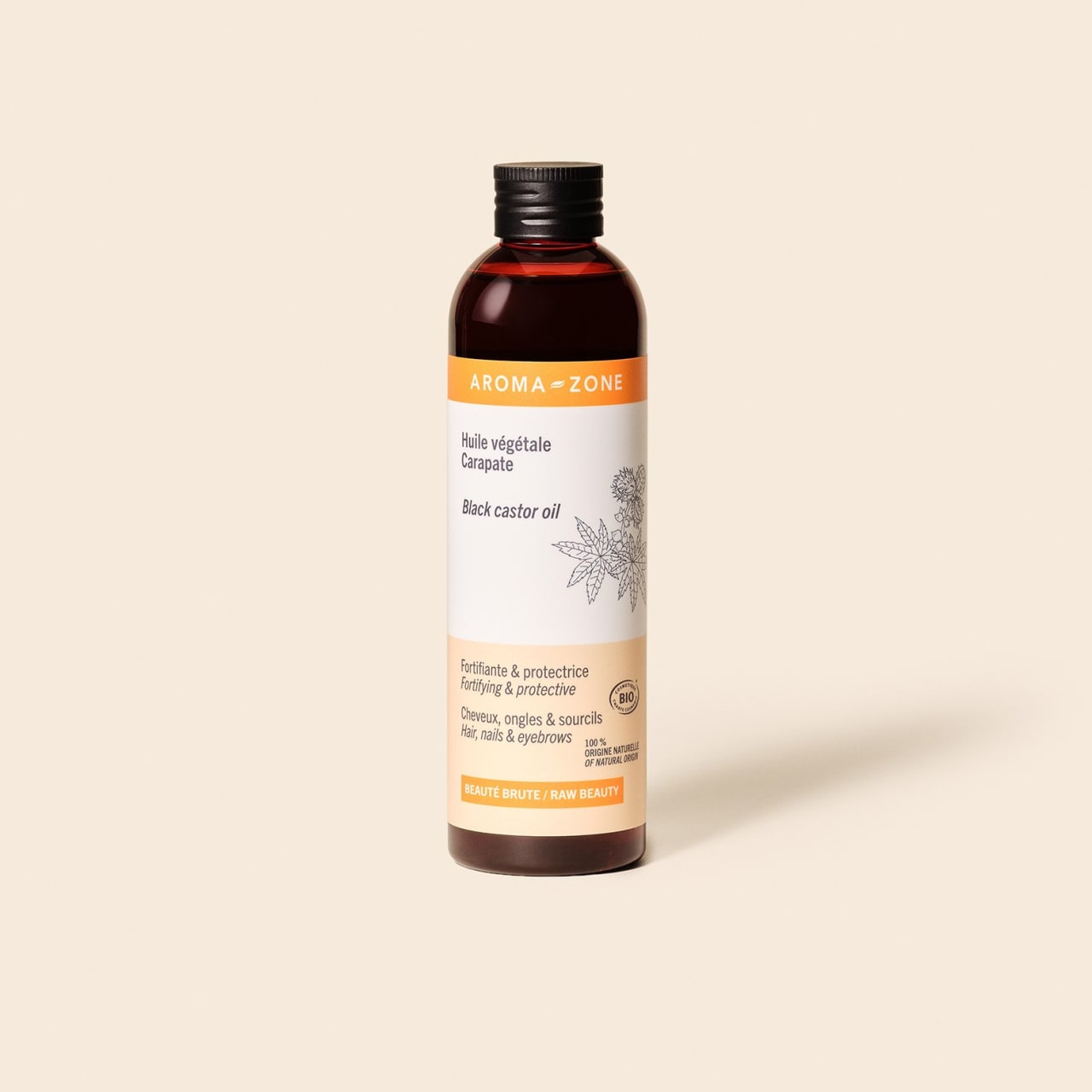
Carapate carrier oil
This is the ultimate oil for textured afro hair! Native to Madagascar, it's renowned for defining curls and leaving hair more supple.

Phyto'liss
This 100% natural active ingredient helps to reduce frizz and tame unruly hair. It is even suitable for frizzy hair, which it coats and makes shinier.
The benefits of nigella oil for the hair also include its ability to promote healthy growth. A 2017 study showed that it could be beneficial in preventing hair loss. If you want longer hair, massage the oil all over your scalp. Be sure to read the precautions for use before making an oil mask for yourself.
Our answers to your questions about applying nigella oil to the hair

Does nigella oil sting your eyes?

Does nigella oil sting your eyes?
This is a powerful oil that can sting your eyes when used near the eye contour area. If you use it on your scalp, take care to avoid splashes and wash your hands after use.

What before and after effects can I expect on my hair?

What before and after effects can I expect on my hair?
Used regularly, nigella oil helps to improve the appearance of dull, dry and brittle hair. It leaves hair suppler, stronger and revitalised.

Can this carrier oil also be used on beards?

Can this carrier oil also be used on beards?
Yes, it can be applied to both hair and men's beards. In the latter case, it is generally used to soften the hair, cleanse the beard and encourage regular growth.
How do I use nigella oil on my hair?
Precautions for use:
Never apply pure ngella oil to your scalp. We recommend diluting it 10-30% in a mixture of carrier oils.
Nigella sativa oil can be applied directly to your hair (mixed with other oils) or added to the oil phase of your hair recipes.
As an oil mask: rub your mixture into your dry scalp. Leave on for a few hours or overnight, depending on the active ingredients selected. Wash your hair the next day.
As a serum for your hair: apply a few drops to your dry hair to nourish it. Brush to distribute the oil evenly.
As a shampoo, conditioner or mask: make your own or add it to one of our cosmetic bases, such as our Hair Mask Base.
Our hair care recipes using nigella carrier oil
Take care of your hair in a simple and fun way by following our DIY cosmetics recipes! It's easy: order your ingredients, follow the recipe of your choice (or personalise it), then enjoy your new homemade hair care product. Here are a few ideas based on nigella oil to look after your hair every day in a more eco-friendly and economical way.
100% plant-based anti-hair loss rub
Balancing oil mask with nigella and jojoba
What are the benefits of nigella carrier oil for well-being?
Nigella oil and asthma
A number of studies have found that nigella seeds and their oil have beneficial properties if you suffer from seasonal allergies. You can therefore try using it to reduce the symptoms of allergic rhinitis or to soothe an asthma attack. In this case, you should inhale it (a few spoonfuls of carrier oil in a bowl of hot water, then breathe in the vapour). Always ask your health professional for advice. This advice in no way replaces allopathic treatments, but can be used in conjunction with them.

Organic blue tansy essential oil
It is also known as ‘annual tansy’. In aromatherapy, it is commonly used to treat minor allergies. It is best applied to the skin.
Discover organic blue tansy essential oil
.

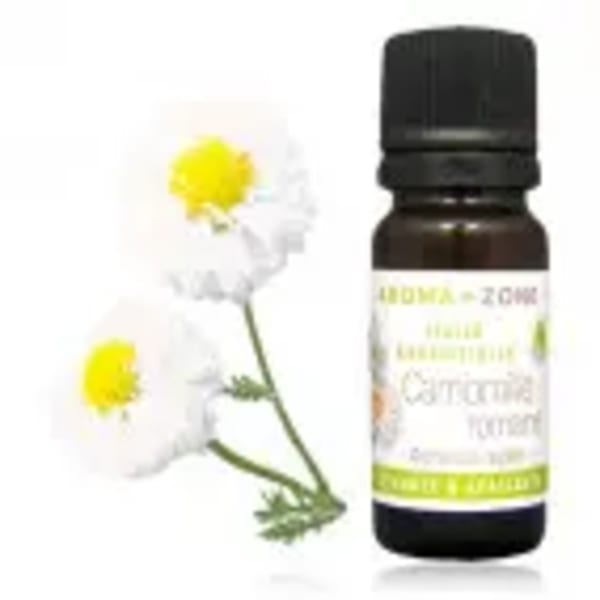
Organic Roman chamomile essential oil (France)
Rare and premium, this essential oil is reputed to soothe tension, anxiety and insomnia. It is recommended for nervous asthma.
Nigella oil and coughs
In addition to its antihistaminic properties, nigella carrier oil is said to have antitussive properties. Its immunostimulant benefits may make it a natural choice for combating respiratory discomfort. An Iranian study suggests that the thymoquinone it contains has properties comparable to those of codeine.
See also our article: Boosting your immunity with essential oils.
Nigella oil and coughs

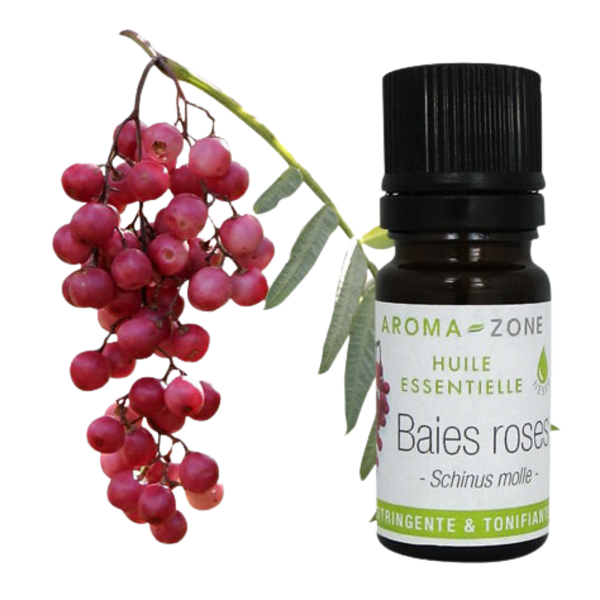
Pink peppercorn essential oil
This is an expectorant that is recommended for chesty coughs or colds. For diffusing, use sparingly and blend with other essential oils.

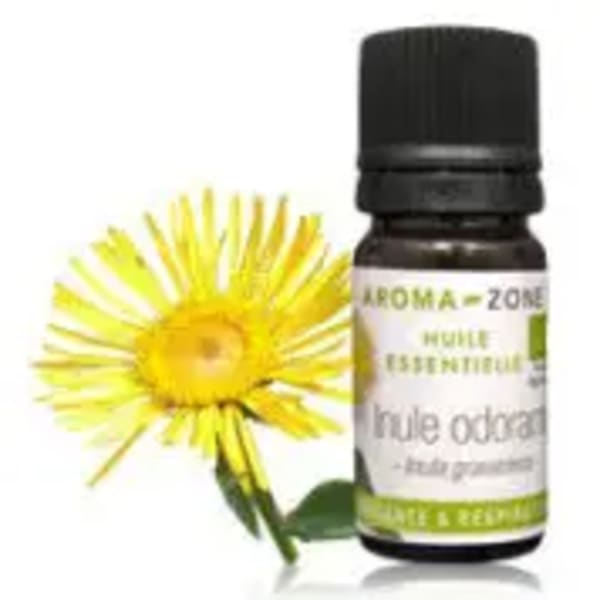
Organic sweet inula essential oil
is renowned for its multiple benefits for respiratory comfort. For example, it can be used for bronchitis, tracheitis or spasmodic coughs.
Nigella oil and stomach issues
Nigella seeds contain thymoquinone and nigellin. These two substances are thought to be involved in stimulating and protecting the gastric mucosa. Internally, consuming nigella carrier oil could therefore help to naturally soothe stomach aches and other digestive discomfort.

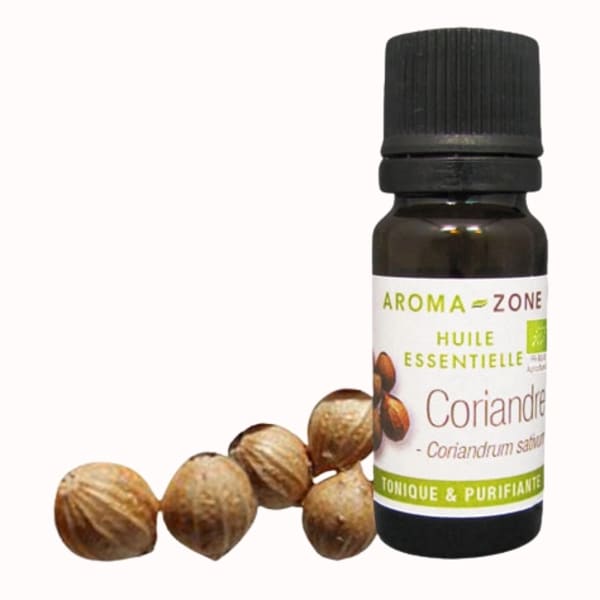
Organic coriander essential oil
A well-known digestive tonic, it helps with common ailments such as bloating, aerophagia, heartburn and digestive discomfort.

Organic tropical basil essential oil
This essential oil has antispasmodic and carminative benefits. It helps to soothe nausea, gastrointestinal pain and stomach ache.
Our answers to your questions on internal consumption of nigella oil

Is it possible to drink nigella oil?

Is it possible to drink nigella oil?
Yes, you can drink nigella oil. The only conditions: dilute it with another oil and select a food-grade nigella oil. If you don't like the taste, make your own organic nigella oil capsules.

Is taking nigella oil orally compatible with breast-feeding?

Is taking nigella oil orally compatible with breast-feeding?
No. Due to its natural content of nigella essential oil, its use internally and externally is not recommended for pregnant and breast-feeding women.

When should I take nigella oil?

When should I take nigella oil?
Nigella oil can be taken at any time of day, within the recommended dosage. You can take it in the morning on an empty stomach or with a meal.
How is nigella oil used in aromatherapy?
Precautions for use:
Never consume nigella oil pure. Mix it with other edible carrier oils before ingestion.
Whether taken internally or used in aromatherapy, there are many ways to enjoy the benefits of Nigella:
Targeted aromatic massage: Nigella oil can be used as a massage oil to help soothe specific areas (back, shoulders, joints) during occasional tension or discomfort. When applied to the chest or upper back, it may also support respiratory wellbeing.
Steam inhalation: Add a few drops of Nigella oil to a bowl of hot water and gently inhale the rising vapours.
Herbal infusion: Blend 1 teaspoon of Nigella seeds and allow them to infuse for 5 to 10 minutes in a cup of hot water.
Capsules: Taken in capsule form, as a standard food supplement.
Our well-being recipes using nigella seed oil
Did you know that you can make your own organic nigella oil capsules? All you have to do is buy pullulan capsules from our natural category, then follow the steps listed on our recipe card. You'll then be able to enjoy a home-made well-being capsule course. Here are a few examples of food supplements you can easily make at home.
Essential capsules: course of spring supplements
Energy boost and stamina capsules, adults only
What are the contraindications to using nigella oil?
We recommend that you avoid using nigella carrier oil in the following situations. As this is a powerful cosmetic active ingredient, we recommend that you consult a health professional as a precautionary measure. Reminder for all: never use undiluted.
Pregnant women.
Breast-feeding women.
Babies and children.
Near the eyes or on mucous membranes.
(*) The application or consumption of nigella oil is not a substitute for appropriate medical treatment.
(**) Essential oils are concentrated active ingredients and should be used with care. They should not be used internally and/or externally by pregnant or breast-feeding women or children. Always follow the recommended directions for use and concentrations. Ask your doctor or healthcare professional for advice. If you make a skin care product enriched with essential oils, carry out a sensitivity test in the crease of the elbow 24 to 48 hours before use to check that no allergic reaction has occurred.