Itchy Scalp? What Are the Natural Remedies?

Itchy Scalp? What Are the Natural Remedies?


By Laura Almeras

Published on: Friday, May 03, 2024, Updated on: Friday, October 02, 2026

Itching, tightness, discomfort… A itchy scalp can quickly disrupt your daily life. There are many possible causes: dryness, sensitivity, dandruff, overly harsh products or even a temporary imbalance. To restore comfort, it’s best to opt for gentle treatments, suitable ingredients and routines that respect the scalp’s natural balance. Plant-based oils, hydrosols or Ayurvedic powders: here are our tips for gently caring for your scalp.

Contents

Related products

In brief

  • An itchy scalp is common and can have various causes, such as stress, scalp imbalances, dandruff or certain medical conditions.

  • To relieve this itching, the article recommends using gentle care products, avoiding harsh shampoos and opting for natural solutions such as aloe vera gel, hydrosols or Ayurvedic powders.

  • The article goes on to explain the need to identify the exact cause before choosing a remedy, and the importance of consulting a professional if symptoms persist or worsen.

Why does the scalp itch?

What is the scalp?

The scalp is the skin covering the skull. Rich in hair follicles, sebaceous glands and blood vessels, it plays a part in maintaining the hair’s balance right from the root. The follicles are the structures from which hair grows, whilst the sebaceous glands produce sebum, which helps to protect and lubricate the scalp as well as the hair fibre.

As it is highly exposed, the scalp can sometimes be sensitive. Dryness, overly harsh products, stress, skin imbalances or reactions to certain treatments can disrupt its balance and cause itching. Depending on the case, the discomfort may be occasional or recur regularly, with symptoms that are more or less visible. Here are the main causes:

A dry scalp

When the scalp lacks moisture or lipids, it can become dry, tight and itchy. Cold weather, wind, washing your hair too often, very hot water or using shampoos that are too harsh can weaken the hydrolipidic film and exacerbate this feeling of discomfort.

A reaction to certain hair care products

Shampoos, conditioners, hair colourants, styling products… Some products may contain ingredients that sensitive scalps do not tolerate well. If a reaction occurs, itching, redness or a burning sensation may develop, particularly after using a new product or one that is too harsh.

An imbalance in the scalp

An unbalanced scalp can be associated with excess sebum , dandruff, flaking or patches. Certain conditions, such as seborrhoeic dermatitis or folliculitis, can cause persistent itching and require medical advice if the symptoms persist or worsen.

Certain skin conditions

Psoriasis, eczema or even lichen planus can also affect the scalp. These conditions are often accompanied by redness, flaking, patches or more severe irritation. If you experience severe, recurrent itching or itching associated with visible lesions, it is advisable to consult a healthcare professional.

Stress and fatigue

Stress, tiredness or periods of tension can affect the skin’s balance, including that of the scalp. They can lead to feelings of discomfort, tightness or itching, particularly in people who are already prone to irritation or skin imbalances.
What symptoms are associated with an itchy scalp?

An itchy scalp can be accompanied by various symptoms, which vary depending on the cause and the sensitivity of the skin.

  • Redness or skin irritation: the scalp may appear red, hot or sensitive

  • Dandruff : visible flaking may appear, in the form of small dry or oily flakes

  • A burning or tingling sensation: these may accompany itching, particularly when the scalp is irritated or weakened

  • Patches, flakes or scabs: if the scalp is out of balance or affected by a skin condition, patches may form in certain areas

  • Increased sensitivity: the scalp may become more reactive, with sensations of tightness, heat or pain when touched.

What natural remedies are there to soothe an itchy scalp?

When your scalp is itchy, it’s best to opt for gentle, easy-to-rinse products that won’t further irritate the skin. Shampoo, moisturising gel, plant-based oil, Ayurvedic powder or hydrosol: certain natural solutions can help soothe feelings of discomfort, provided you choose well-tolerated formulas and follow the instructions for use.

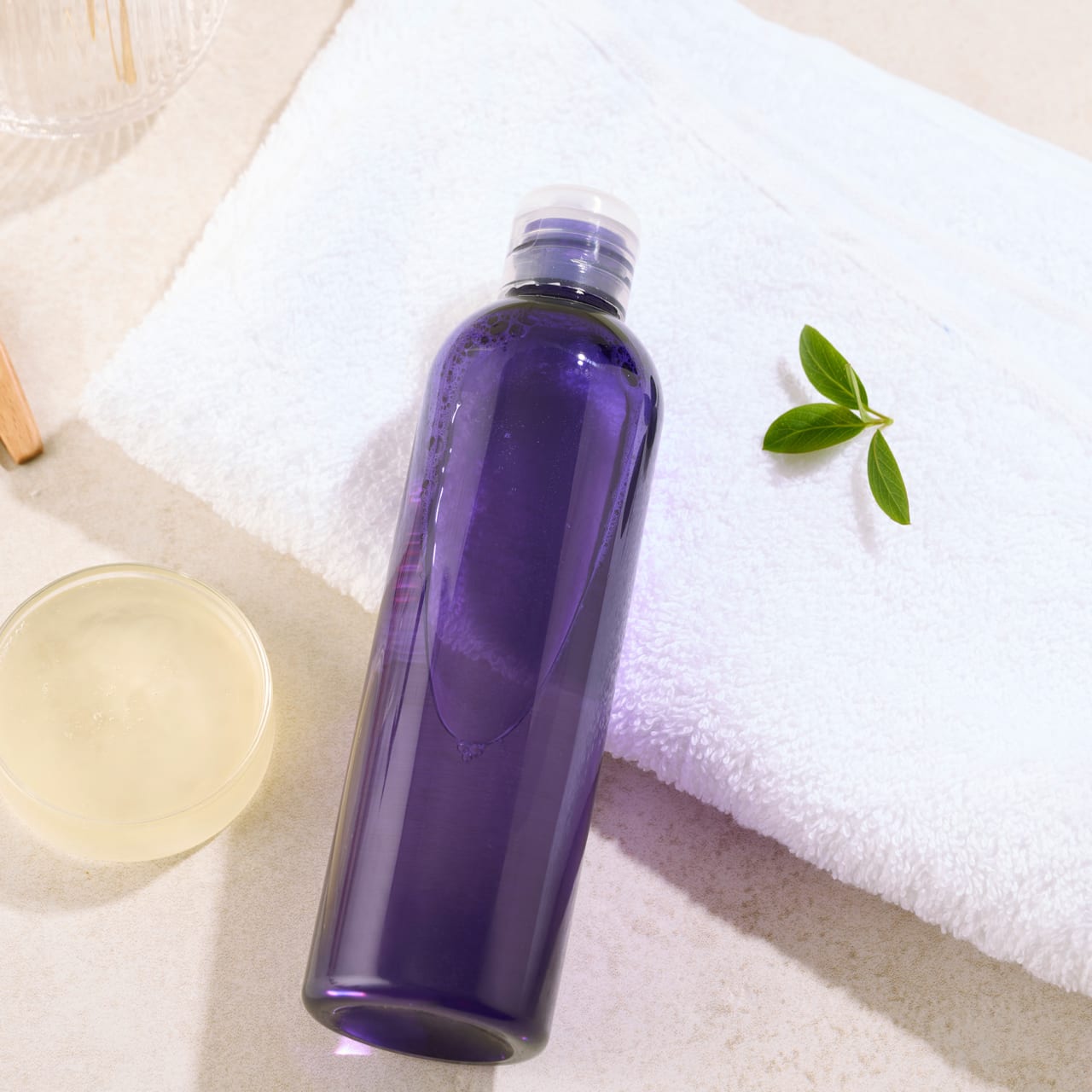
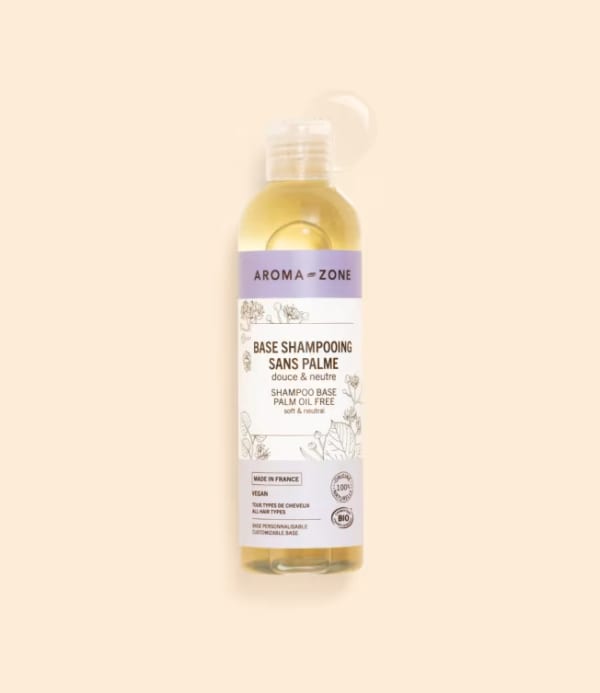
Neutral, palm-oil-free shampoo base

Neutral, palm-free shampoo base

Extremely gentle and rich in organic lime blossom hydrosol and plant-based active ingredients renowned for their detangling and strengthening properties, this neutral shampoo base gently cleanses the hair, leaving it strong, supple and shiny. 100% natural, certified organic, palm oil-free and sulphate-free, it can be used on its own or blended with active ingredients, essential oils or cosmetic fragrances to meet the specific needs of your hair.

Discover our palm-free neutral shampoo base

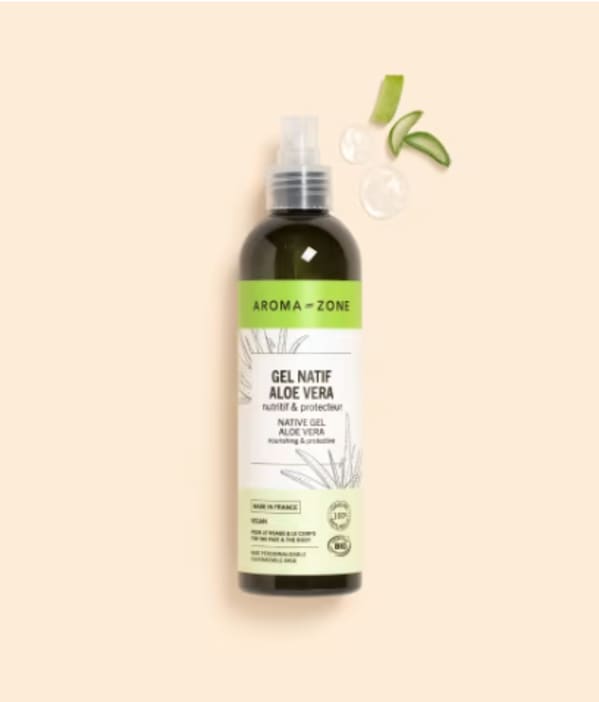
Organic Aloe Vera Gel

Organic Aloe vera Gel

Rich in water, organic Aloe vera gel is prized for its cooling effect and light texture. It helps to moisturise and soothe any discomfort on the scalp. It can be incorporated into a hair care routine or applied in small quantities to the scalp, depending on skin tolerance.

Discover our Organic Aloe Vera Native Gel

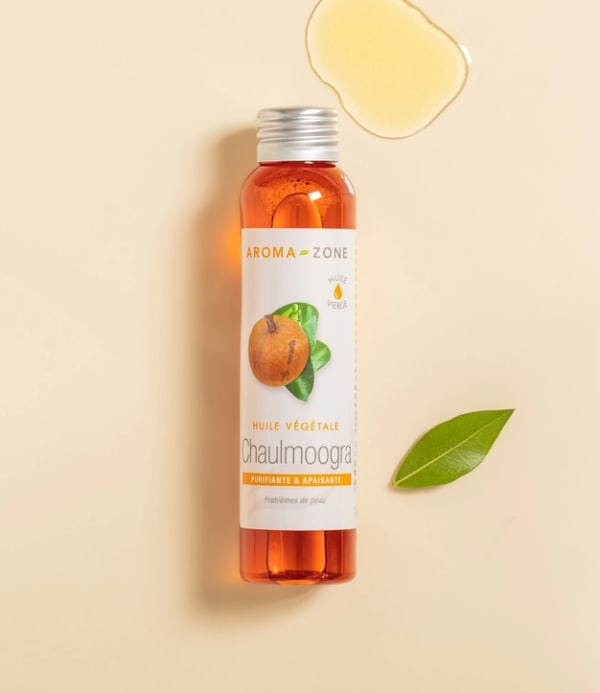
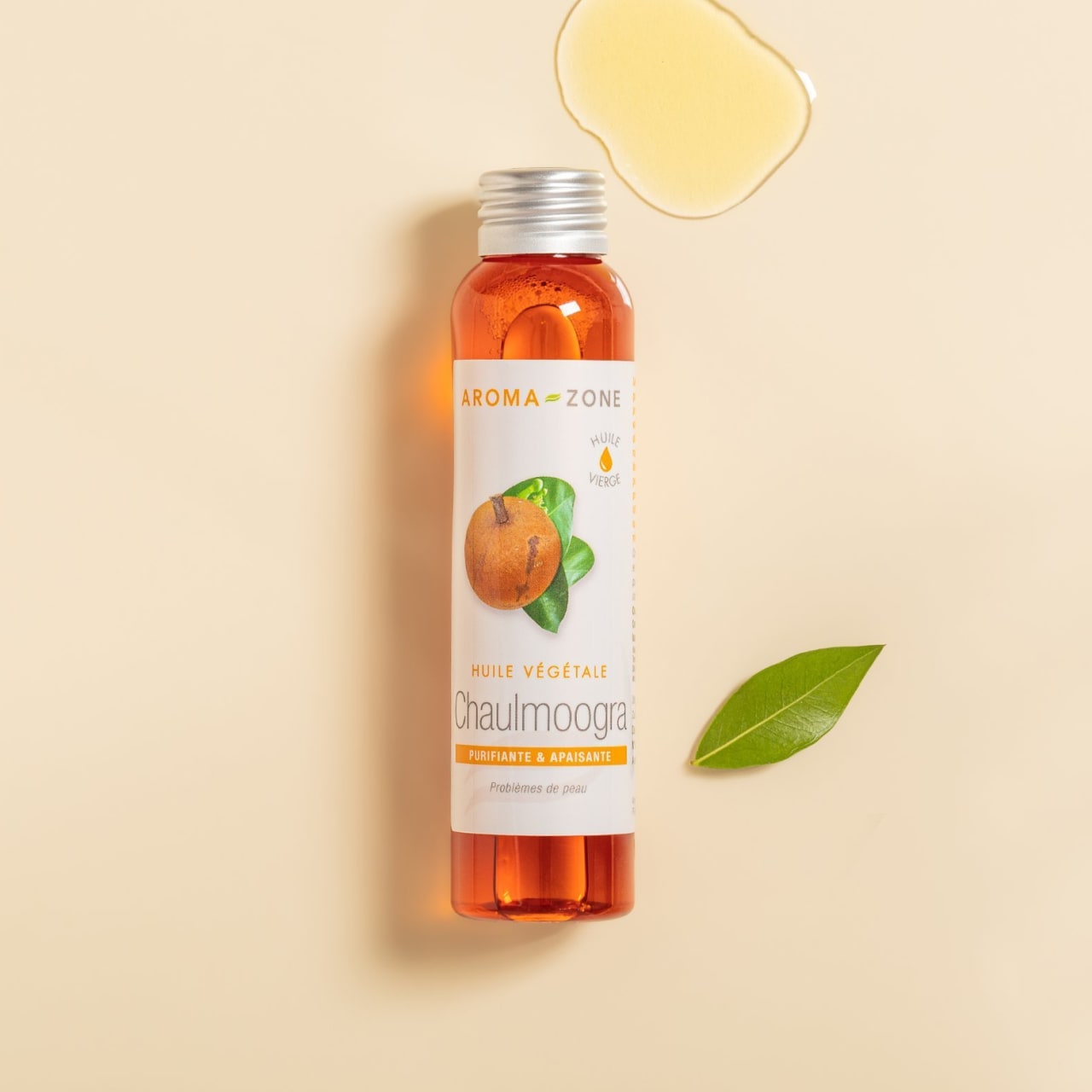
Chaulmoogra oil

Chaulmoogra vegetable oil

This oil is particularly beneficial in formulations designed for flaky skin or scalps prone to dandruff. It can be used as an ingredient in a hair care product, diluted in another plant-based oil or incorporated into a suitable formulation.

Discover our Chaulmoogra Oil

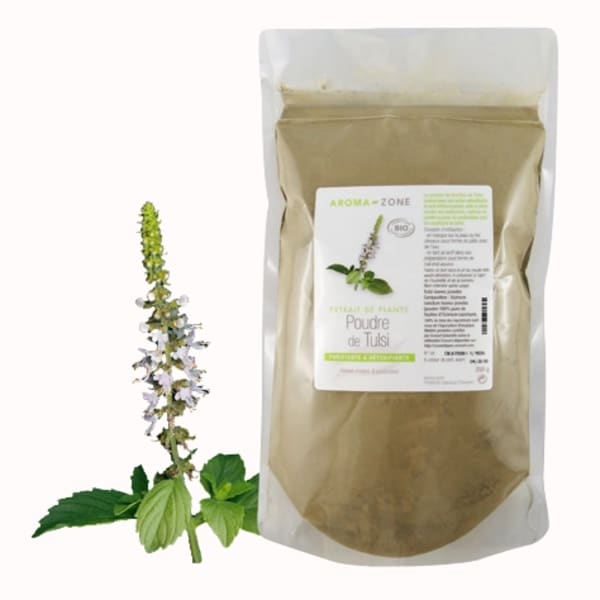
Organic Ayurvedic Tulsi (powder)

Organic Tulsi Powder

Tulsi, also known as holy basil, is renowned for its purifying properties. It is ideal for hair care, helping to purify the scalp, reduce the appearance of dandruff and soothe any discomfort. It can be used as a mask, mixed with water or a hydrolat.

Discover our Organic Tulsi Powder

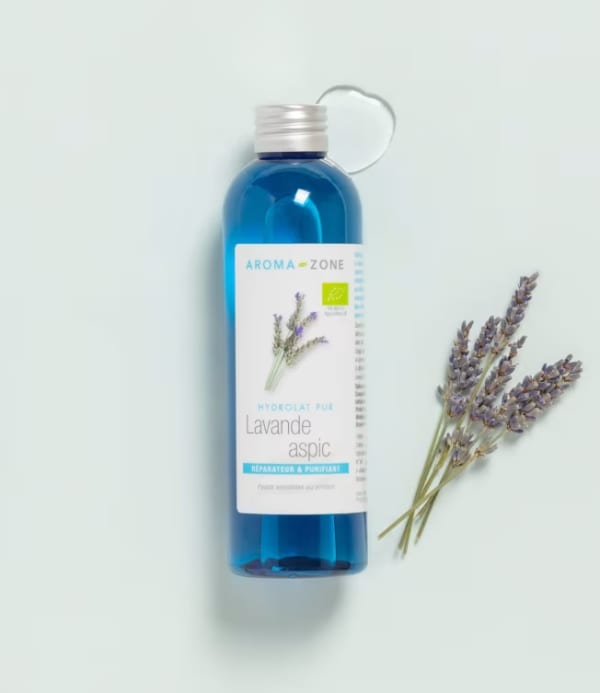
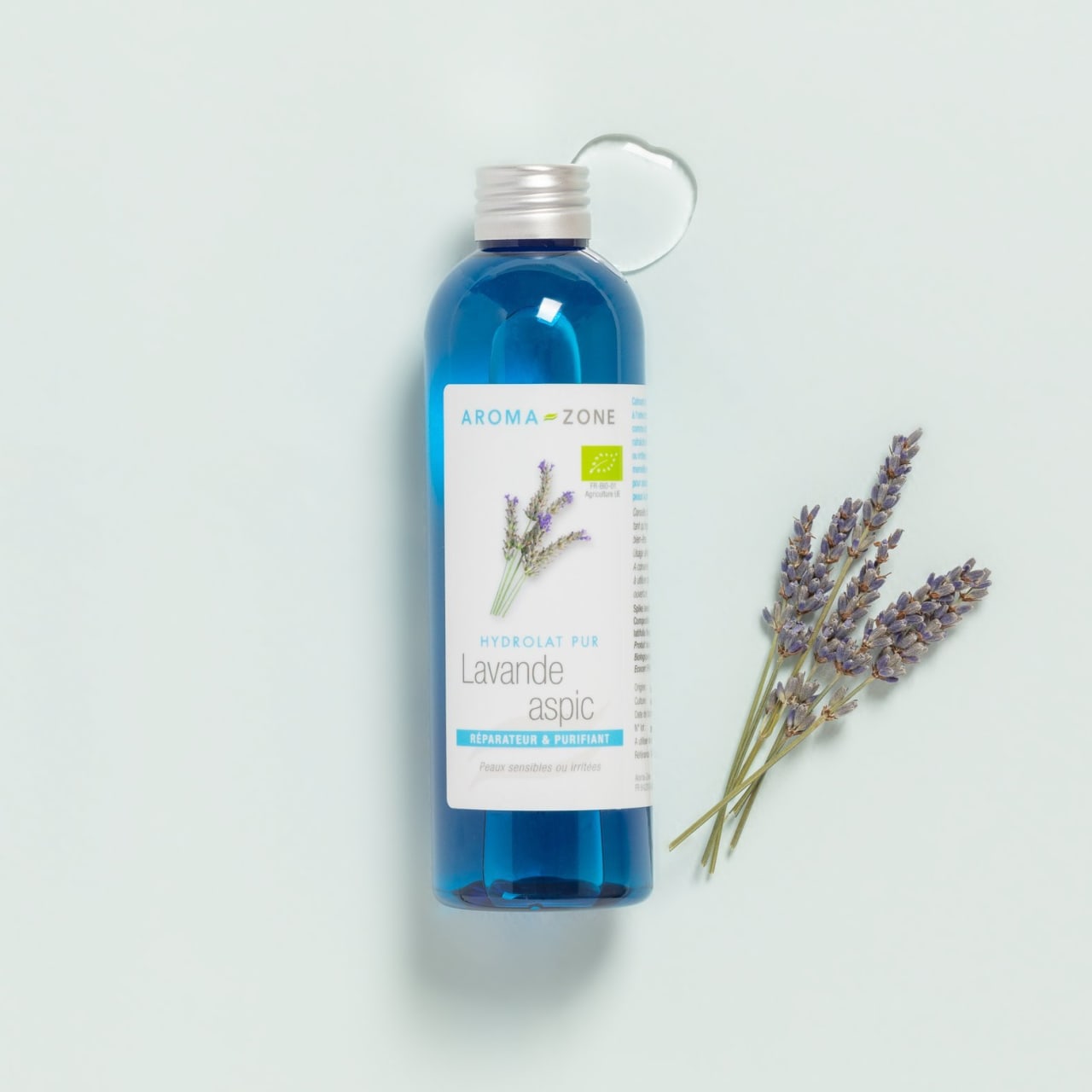
Organic Provence Spike Lavender Hydrosol

Organic Provence Spike Lavender Hydrosol

Soothing and purifying, Provence Spike Lavender Hydrosol is used as an active ingredient in treatments for overheated or irritated skin. It can be incorporated into a homemade cosmetic preparation to provide a sensation of freshness and comfort to the scalp.

Discover Organic Provence Spearmint Lavender Hydrosol

What are some traditional home remedies for an itchy scalp?

To soothe itching, certain everyday ingredients can be used as an occasional treatment or as a rinse after shampooing. Diluted vinegar, herbal infusions, or bicarbonate of soda: these remedies should be used with caution, particularly on a sensitive scalp. In the event of persistent itching, patches, scabs or pain, it is best to seek medical advice.

  • Use a purifying ingredient with care: Bicarbonate of Soda can be used occasionally before shampooing, mixed with a little water to form a paste. Apply very briefly to the scalp, then rinse thoroughly. Avoid using on an irritated, damaged or very sensitive scalp

  • Perform an acidic rinse after shampooing: the Natural organic pomegranate vinegar can be diluted in the final rinse water to help add shine, make detangling easier and refresh the scalp

  • Prepare a herbal infusion: Chamomile, calendula or nettle can be steeped and then used as a final rinse after shampooing, once the mixture has cooled and been strained

  • Avoid scratching: even though the urge is hard to resist, scratching perpetuates the irritation and can further weaken the scalp

  • Rinse your hair thoroughly after shampooing: Residue from hair products can make the discomfort worse. Rinse thoroughly with lukewarm water to minimise any tightness or itching

  • Choose gentle shampoos: opt for simple formulas, free from harsh sulphates and overpowering fragrances, to maintain the scalp’s natural balance

  • Let your scalp breathe: avoid wearing hats, caps or hairstyles that are too tight when your scalp is irritated, especially in hot weather or when you’re sweating

  • Minimise stress factors: stress can exacerbate feelings of discomfort in some people. Breathing exercises, yoga, walking or taking regular breaks can help restore a better balance in daily life.

Precautions for use

If you experience persistent or intense itching, or if it is accompanied by patches, scabs, pain, oozing or unusual hair loss, it is advisable to seek medical advice. These signs may indicate a skin imbalance or a scalp condition requiring appropriate treatment. Before using a new ingredient, always carry out a patch test on the inside of your elbow 24 to 48 hours before application. Avoid overly abrasive treatments, repeated exfoliation, undiluted essential oils and homemade preparations on an irritated, damaged or very sensitive scalp. Hydrosols, vinegars, plant powders and plant oils must be used with caution, in appropriate quantities, and always rinsed out when incorporated into a hair care routine. In the event of a reaction, rinse thoroughly and stop using the product in question.

Expert Advice

Avoid heat-styling tools and opt for air-drying . Heat can exacerbate scalp irritation. Let your hair dry at room temperature to avoid further weakening it.

Spotlight on Our Writer, Laura Almeras

The_Luuxx_Photographer_-_Pro_Shoot_Laura-15.jpg

Laura is a health, beauty and lifestyle writer. Passionate about travel and gastronomy, she shares all her nutritional advice on how to combine pleasure with wellbeing. Through her articles, she is committed to providing you with meaningful information and practical advice to nourish your body and mind.

Bibliography

  1. How do I treat...scalp psoriasis?

    Sensitive scalp: A possible association with the use of hair conditioners, Skin Appendage Disorders DOI: 10.3389/fmed.2020.596544

  2. https://www.ameli.fr/assure/sante/themes/demangeaisons-peau/definition-causes

    Scalp pruritus: Review of the pathogenesis, diagnosis, and management, BioMed Research International DOI: 10.1155/2019/1268430

  3. Kutaj, A., & Savitskaya, T. (2025),

    Hair and scalp health in modern lifestyle: Challenges and natural solutions, Quality in Sport DOI:10.12775/QS.2025.45.66557

  4. Hekmatpou, D., Mehrabi, F., Rahzani, K., & Aminiyan, A. (2019),

    The effect of Aloe vera clinical trials on the prevention and healing of skin wounds: A systematic review, Iranian Journal of Medical Sciences

  5. https://pmc.ncbi.nlm.nih.gov/articles/PMC6330525/

Frequently Asked Questions

Frequently Asked Questions