
Sebum is a substance secreted by the skin's sebaceous glands. It consists of a mixture of squalene, triglycerides, waxes and cholesterol. It acts as a protective barrier that safeguards the skin and regulates the microorganisms that can grow on it; indeed, sebum prevents the proliferation of bacteria present on the skin, giving it antimicrobial properties.
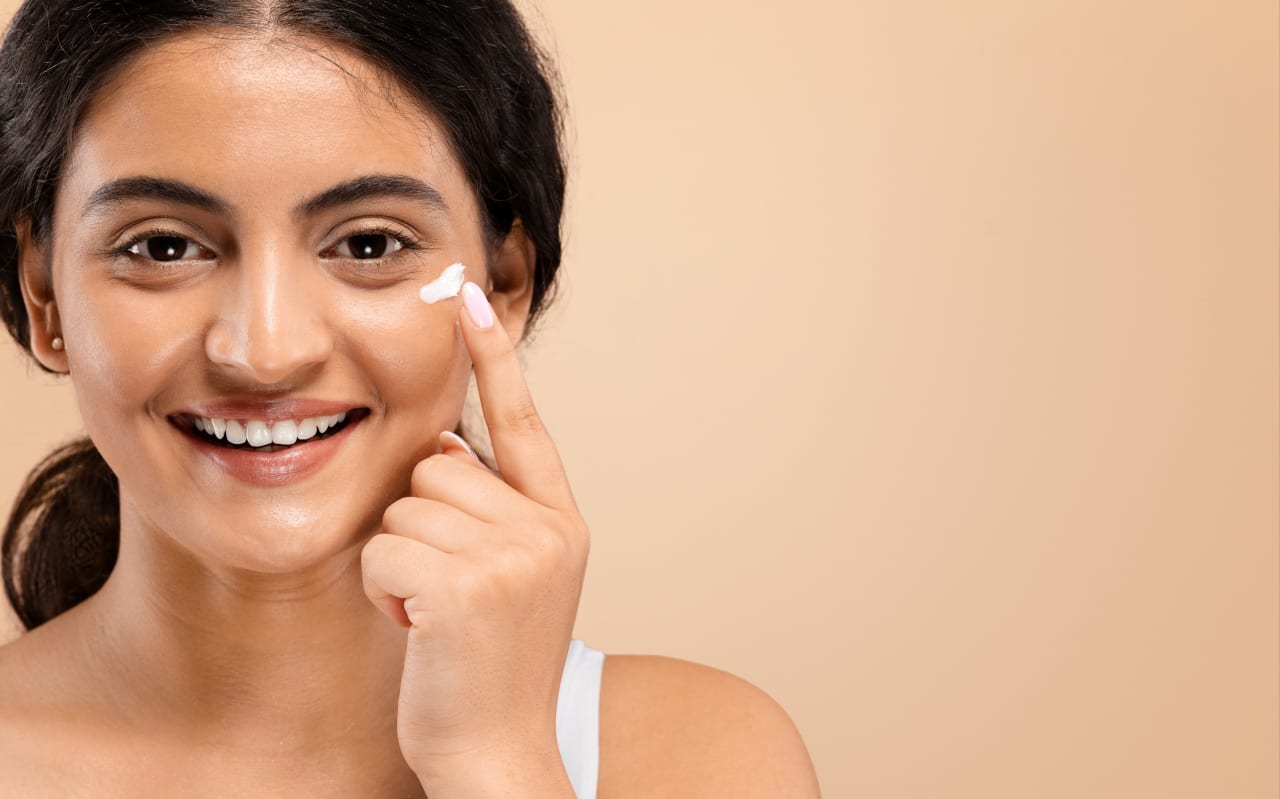
Oily Hair: Our Tips for Helping to Balance Sebum Production
Published on: Friday, November 24, 2023, Updated on: Wednesday, October 28, 2026
Do you have oily hair and are you looking to balance excess sebum production? Discover our simple tips to help reduce excess sebum in the hair and get back a healthy, balanced, fresh-feeling scalp.
Contents
Related products
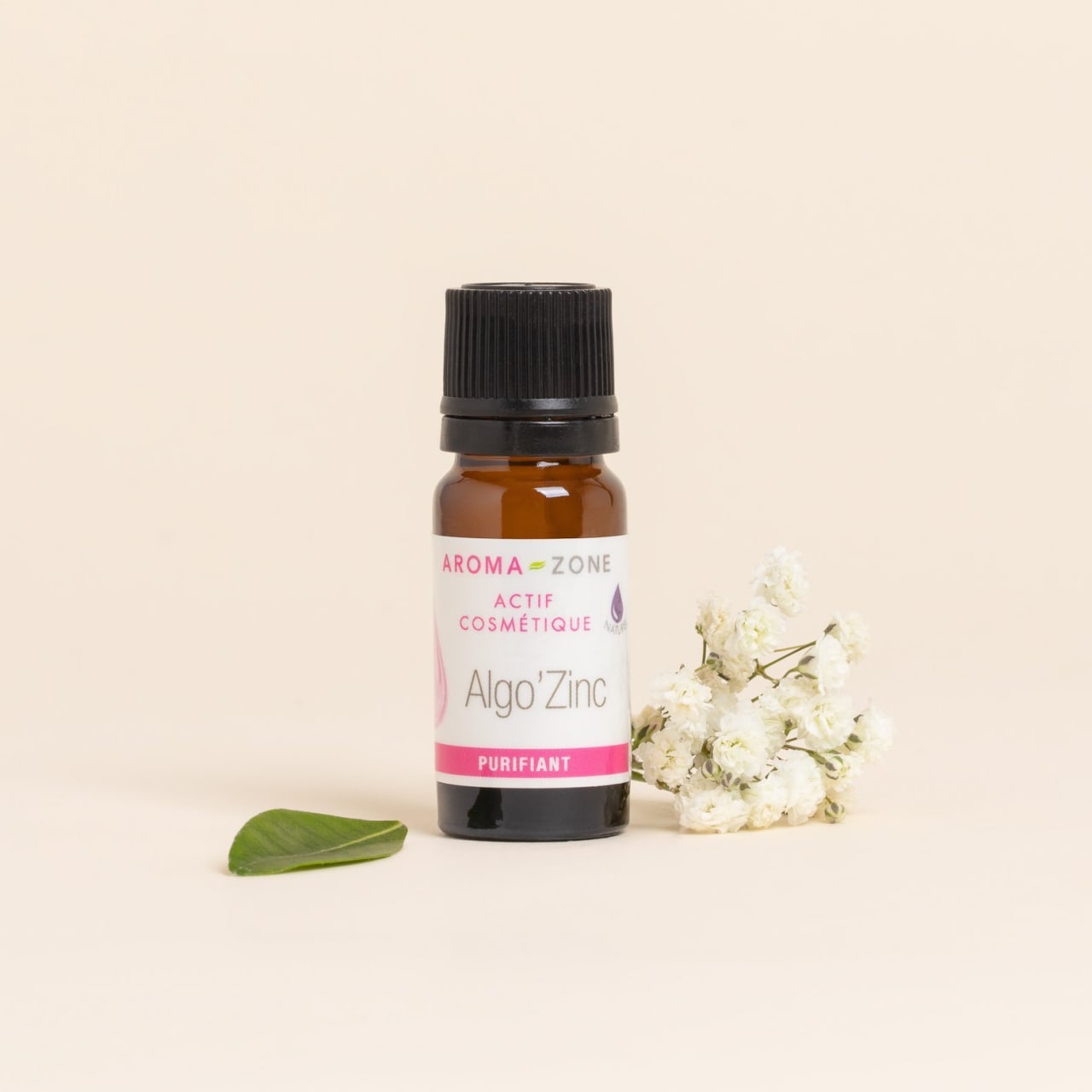
Algo'Zinc Active Ingredient
Purifying
Sebum-regulating
£4.50
10 ml
£6.50
1 article
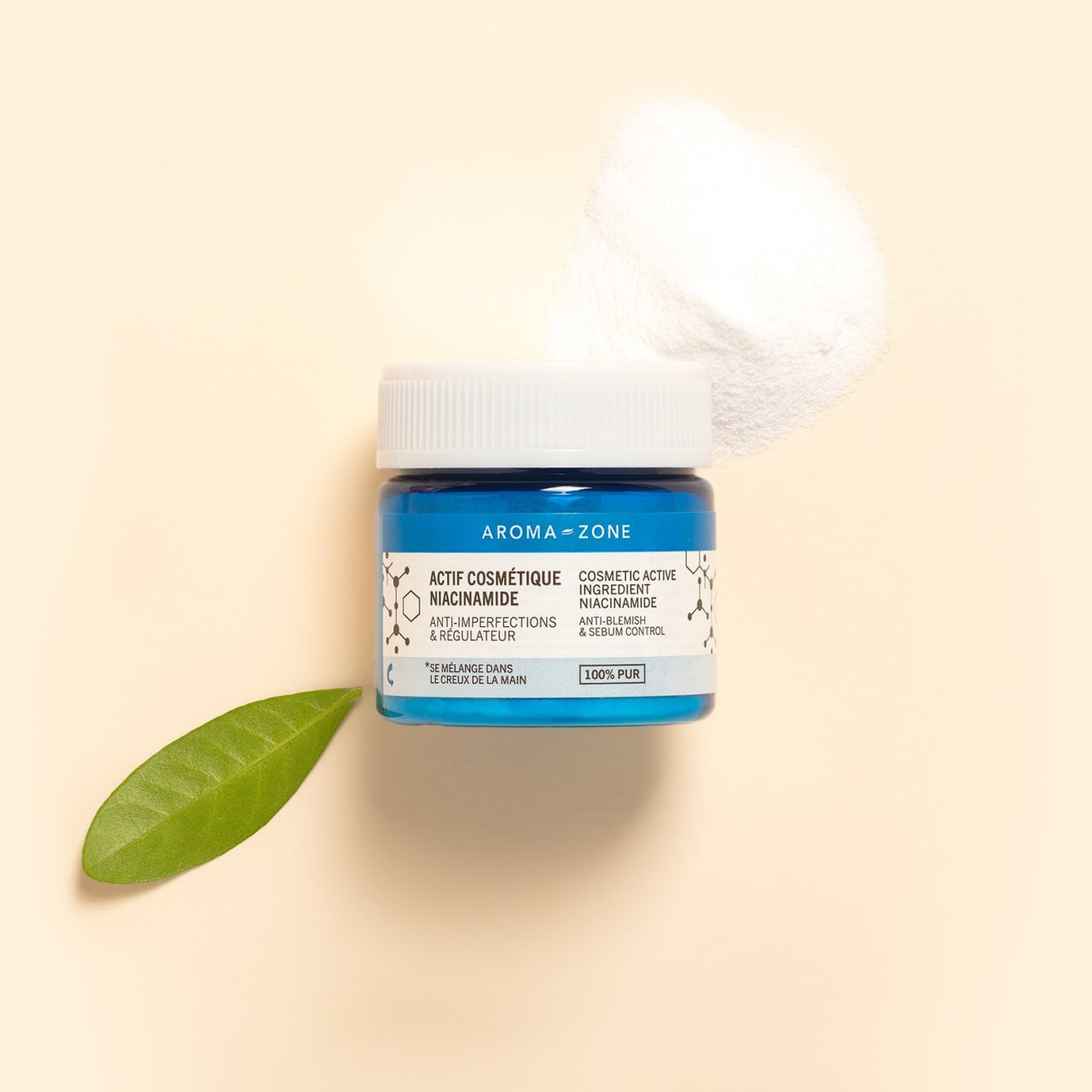
Niacinamide Active Ingredient
Anti-blemishes
Sebum-regulating
£4.00
20 g
£7.00
60 g
What Is Sebum?
What Causes Excess Sebum?
Excess sebum on the scalp or face can be caused by several factors:
Hormonal Factors
Hormonal fluctuations, particularly during adolescence, pregnancy, or the menstrual cycle, can stimulate the sebaceous glands. As a result, excess sebum can be particularly common in teenagers and women due to hormonal changes during puberty or the menstrual cycle.
Stress
Stress and anxiety can increase sebum production by stimulating the sebaceous glands.
Unsuitable Skincare Products
Harsh skincare products can disrupt the skin’s natural balance and lead to overproduction of sebum. Similarly, oil-rich products can exacerbate excessive sebum production.
Environment and Lifestyle
Certain environmental factors, such as pollution, heat, and humidity, can also contribute to excess sebum. Diet can also affect the condition of the skin or scalp. A diet high in sugars and fats can therefore exacerbate sebum production.
Genetics
Genetic factors can sometimes influence excess sebum. Indeed, some people inherit more sensitive sebaceous glands and are prone to higher sebum production.
What Are the Signs of Excess Sebum?
Excessive sebum production is characterised by several visible signs:
Oily, Sticky Scalp: Whether in women or men, increased sebum production is evident in the hair as a scalp that is oilier than normal, a sticky appearance and a loss of volume at the hair roots.
Presence of Dandruff: This overproduction may also be accompanied by oily dandruff, which is often stuck to the scalp. These flakes result from an imbalance in the skin’s microbiota caused by the oily environment, which encourages the proliferation of certain yeasts such as Malassezia. This condition can lead to itching, irritation or even reactive hair loss if the scalp remains suffocated.
Which Active Ingredients Can Help Balance Sebum Production?
Whether excess sebum appears on the scalp or face, various active ingredients can limit or stop this overproduction.

Active Ingredient: Salicylic Acid
A powerful ally to incorporate into your formulations for oily, dull or acne-prone skin. With purifying and keratolytic properties, it stimulates skin renewal, smooths out blemishes and combats blackheads.
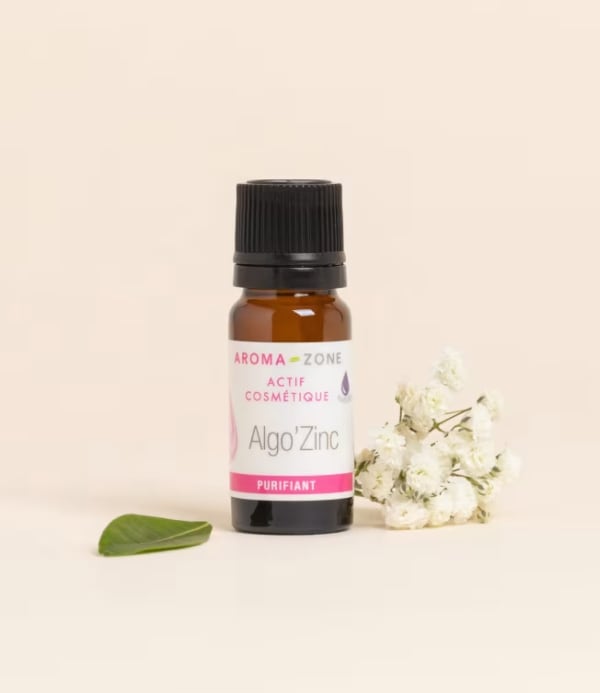
Algo'zinc Cosmetic Active Ingredient
Rich in zinc with purifying properties, Algo'zinc is very effective at regulating the skin in cases of excess sebum production. It cleanses the skin and helps reduce excess sebum in the hair.
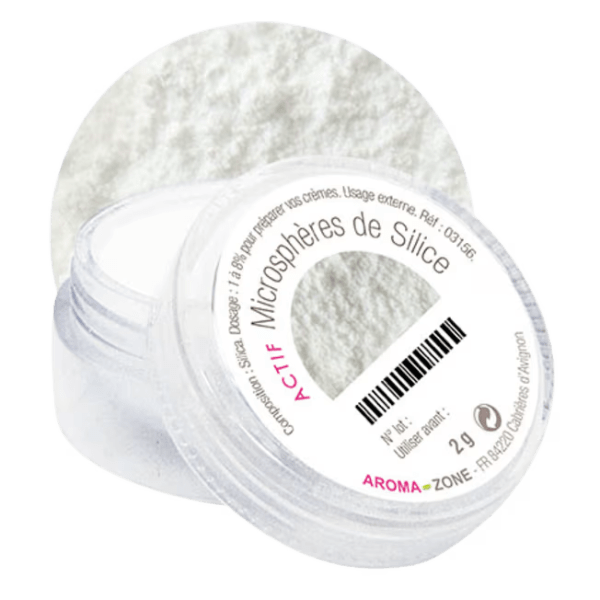
Cosmetic Active Ingredient: Silica Microspheres
An exceptional mattifying ingredient, silica microspheres are ideal for concealing shiny skin and absorbing excess sebum. They leave skin feeling soft and smooth.
Discover the Cosmetic Active Ingredient: Silica Microspheres
Which Haircare Ritual Can Help Reduce Excess Sebum?
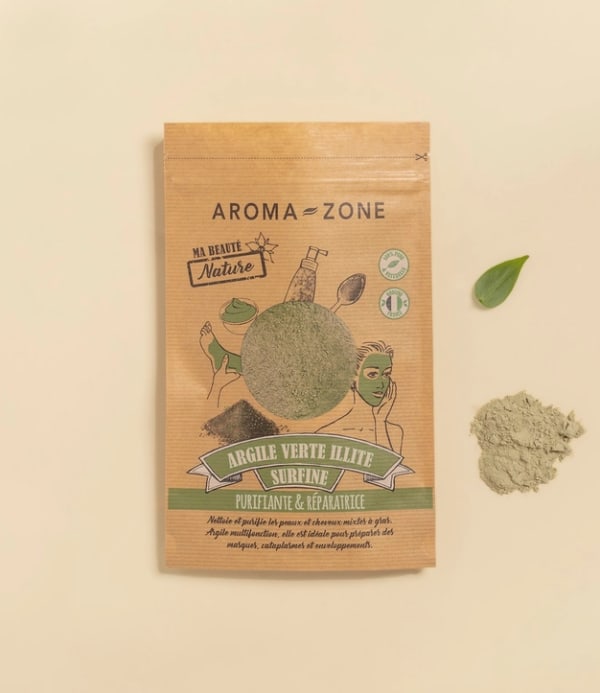
1. Use clay masks: Clay absorbs excess sebum and helps to purify the skin. Use clay masks by mixing a small amount of clay with a little water once or twice a week to help regulate sebum production.
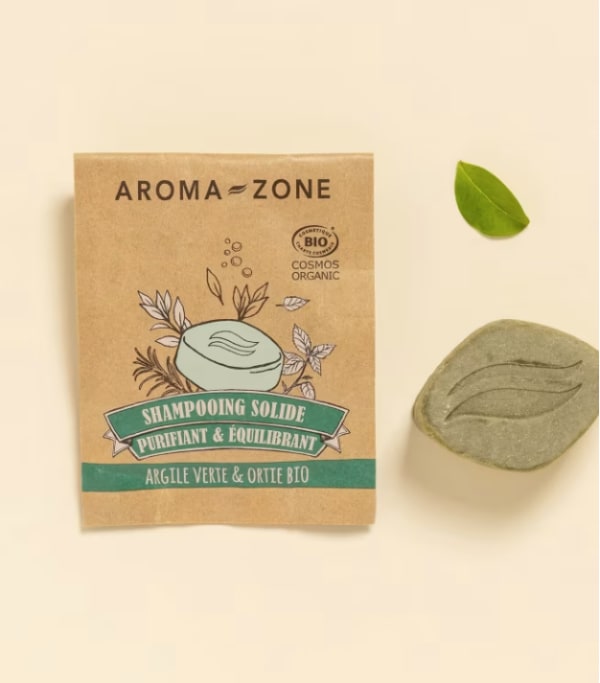
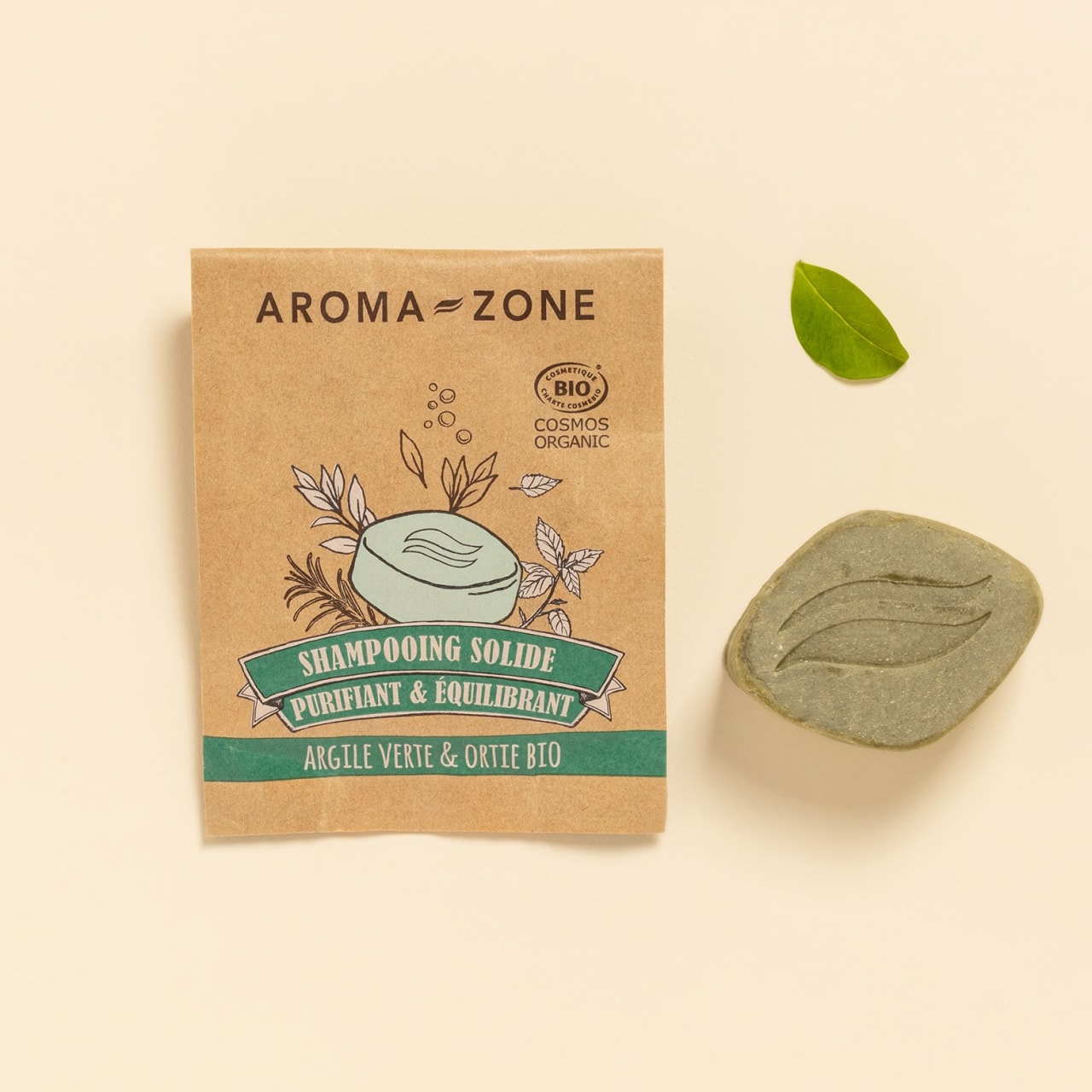
2. Use a gentle shampoo: It is important to wash your hair at the right frequency to remove excess sebum without upsetting the scalp. Washing too often can dry out the lengths and stimulate the sebaceous glands, leading to overproduction of sebum, while washing too infrequently lets sebum build up and makes hair greasy. The best approach is to use a gentle, balanced shampoo. Our Purifying & Balancing Solid Shampoo helps keep your hair light and clean; enriched with green clay, nettle powder, and laurel berry oil, it gently rebalances the scalp.
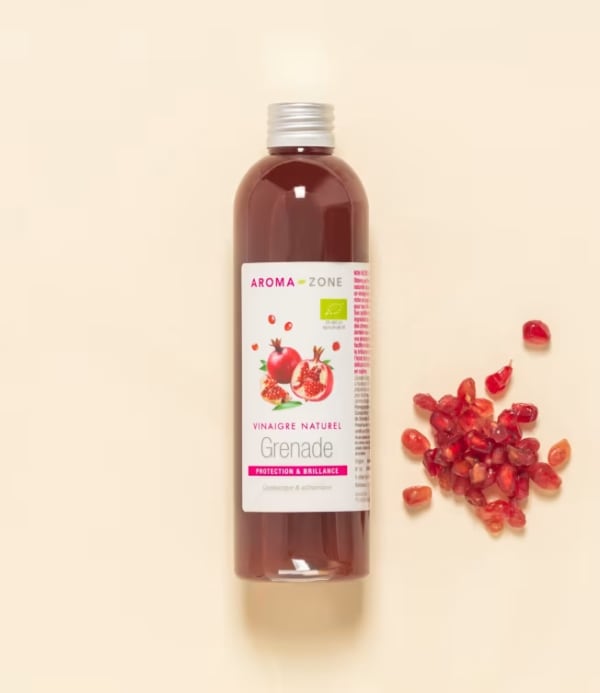
3. Use a vinegar rinse: The scalp can become unbalanced by hard water or shampoo. The vinegar rinse helps remove shampoo residue, tightens the hair cuticle to promote shine, and reduces excessive sebum production, making it ideal for combination scalps that tend to be oily. Use it diluted as the final rinse after shampooing.
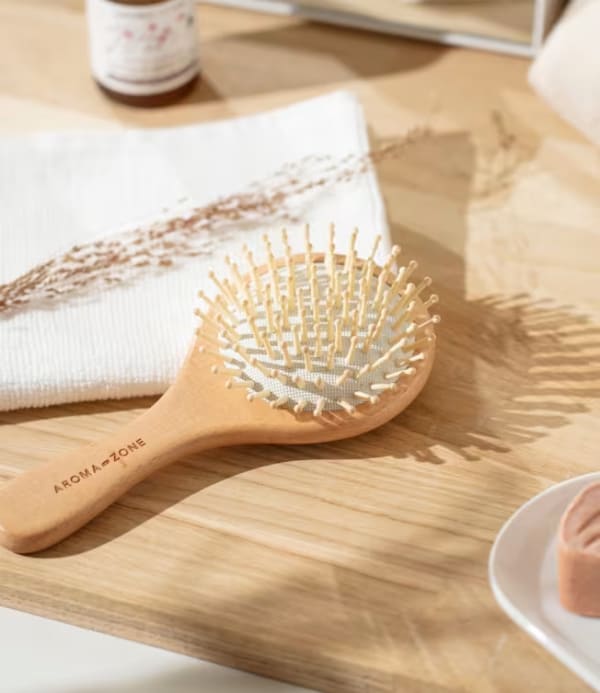
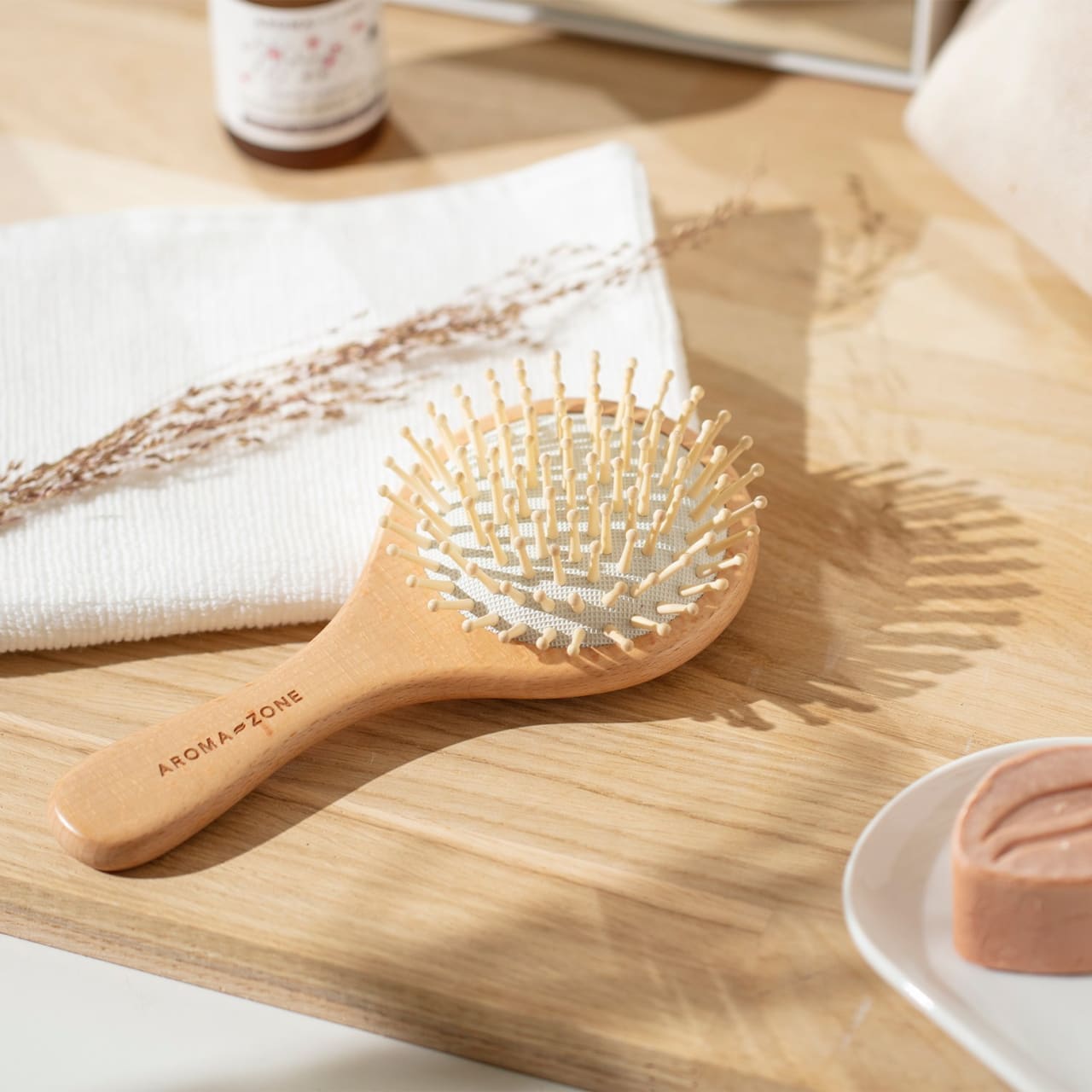
4. Brush your hair once a day to distribute sebum along the entire length of your hair rather than letting it build up at the roots. This process makes the lengths shinier whilst reducing the appearance of greasy hair. What’s more, brushing promotes microcirculation in the scalp. This stimulation can also help regulate sebum production by balancing sebaceous gland activity. To do this, you can use the Aroma Zone Beechwood Hairbrush.
What Tips Can Help Reduce Excess Sebum?
Wash your hair at a reasonable frequency: To keep your scalp healthy without damaging it, it’s essential to find the right washing routine. Washing too frequently can dry out the scalp and cause a rebound effect by overstimulating the sebaceous glands. Conversely, washing too infrequently allows sebum to build up, which can lead to greasy roots.
Avoid products that are too oily or have a strong hold: Rich hair oils or hairsprays can weigh down the roots and clog the follicles, disrupting the scalp’s balance. Opt for light, non-occlusive products, applied only to the lengths if your roots tend to get greasy quickly.
Don’t touch your hair unnecessarily: Running your hands through your hair or touching your scalp with dirty hands throughout the day can transfer sebum and impurities, whilst stimulating oil production. Keep your hands clean and avoid touching your roots. Similarly, wash your pillowcases frequently.
Eat a balanced diet: What you eat directly affects the quality of your hair. Cut down on foods that are too fatty or too sugary, as these can stimulate sebum production. Opt for a diet rich in B vitamins, zinc and Omega-3 Fatty Acids (oily fish, seeds, nuts, etc.), which promote a healthy, balanced scalp. Don’t forget to stay well hydrated: good hydration also helps to naturally regulate sebum production.
Precautions to Take If You Have Excess Sebum
If you have excess sebum production, take precautions to prevent your pores from becoming blocked, as this can lead to facial spots or scalp dandruff. Also, limiting sebum production in the hair helps reduce the risk of hair loss caused by a suffocated scalp. Avoid irritating the scalp or skin with harsh, stripping products, as they can further stimulate sebum production. Adopt a gentle routine with suitable products that regulate sebum while respecting the scalp’s natural balance. Regular but not excessive washing, combined with gentle purifying treatments, will help to limit excess sebum without causing irritation or dryness, which could make the problems worse.
Expert Advice
If you have an oily scalp and greasy hair, you can use a natural hair-clarifying treatment to deeply cleanse your scalp and remove residue from your hair. Find all our tips for a successful clarifying treatment in this article.
Spotlight on Our Writer: Camille Clément

Camille specialises in writing content on the topics of beauty, health, and natural well-being. Passionate about these subjects, she writes articles for major media outlets to help everyone look after themselves in a natural and holistic way.
Bibliography
Vanderwolf, K., Kyle, C., & Davy, C. (2020). A review of sebum in mammals in relation to skin diseases, skin function, and the skin microbiome. Journal of Dermatological Science, 117, Article 103614.
Beylot, G. (2013). Oily hair. Actualités Pharmaceutiques, 52(522), 36–39. https://doi.org/10.1016/j.actpha.2013.02.015.

Frequently Asked Questions
Associated tips
Face care tips

Skin care tips


