Hair clarification: purify your hair with a natural and effective hair detox

In the same way as the skin and body, the hair is affected by pollution, toxins and sometimes aggressive chemical treatments. Opting for a hair detox is an excellent way of deeply cleansing the hair and scalp, while making it easier to switch to a natural hair care routine.

Say goodbye to dull, limp, unmanageable hair and say hello to softness and shine. Read all the advice from Fiorine, from the blog LaToucheBIO, on how to use our natural ingredients easily and effectively to create a hair clarifying treatment at home.

By The Aroma-Zone editorial team

Reading time: 0 min.

What is hair clarification?

Hair clarification is a technique that consists of opening the scales of our hair to cleanse it in depth and purify it of all the residues we may have accumulated (pollution, different treatments, etc.). In a way, it's a 'detox' that can easily be done at home using a variety of natural recipes. The aim of hair clarification is to achieve a healthy scalp and avoid hair loss, dandruff and other recurring problems.

During hair clarification, the hair scales are opened by the action of natural ingredients. These substances, such as clay or bicarbonate of soda, work deep down to eliminate impurities and hair product residues that can build up over time. Clay, for example, absorbs excess sebum and purifies hair, while bicarbonate of soda acts as a gentle cleanser. These natural ingredients can be combined with others, such as apple cider vinegar, which is known to balance the pH of the scalp, reinforcing the beneficial effects of hair clarification.

Why detoxify your hair?

Hair clarification is a step you need to take at the beginning of your hair transition to allow your scalp to breathe and eliminate the remains of silicones and other chemical products so you can start again from a healthy base. The silicones found in conventional products form a barrier around our hair. This suffocates the hair and prevents natural care products from working effectively.

It's also a good idea to clarify your hair even after you've gone natural. With pollution and the different products we apply every day, our hair accumulates a lot of residue. A hair clarification should be applied when you notice any of these factors: greasy hair, dull hair, loss of volume, poorly defined curls, unusual dandruff or if your hair no longer reacts to the haircare treatments you are applying.

Hair clarification: what types of hair apply?

Whatever your hair type, you can purify your scalp and hair in complete safety. Hair clarification is a risk-free process. However, there are a few specific factors to take into account when adjusting your treatment:

  • Textured hair: from curly to frizzy, benefits particularly from clarification because, being naturally drier, it requires daily moisturising. In addition, frequent use of nourishing products can weigh down curls over time, ruining their definition. They will also trap micro-particles of pollution or heavy metal residue on the scalp, creating a destabilising environment for the hair. Clarification is therefore essential to eliminate all the residue of product build-up, restoring curls' lightness and bounce.

  • For oily scalpsClarifying is also recommended for oily scalps. By deeply cleansing the hair, it unclogs pores and eliminates excess sebum. Combined with a balancing shampoo, clarification helps regulate scalps that tend to become oily quickly.

  • On coloured hair, clarification can cause the colour to bleed. Remember to apply a re-pigmenting treatment immediately afterwards. This will restore the intensity of the blonde, brown or red, and also boost shine.

  • If you have a sensitive scalp, you can still clarify your hair, but you should avoid aggressive ingredients that could irritate it, like opting for gentler green clay, for example.

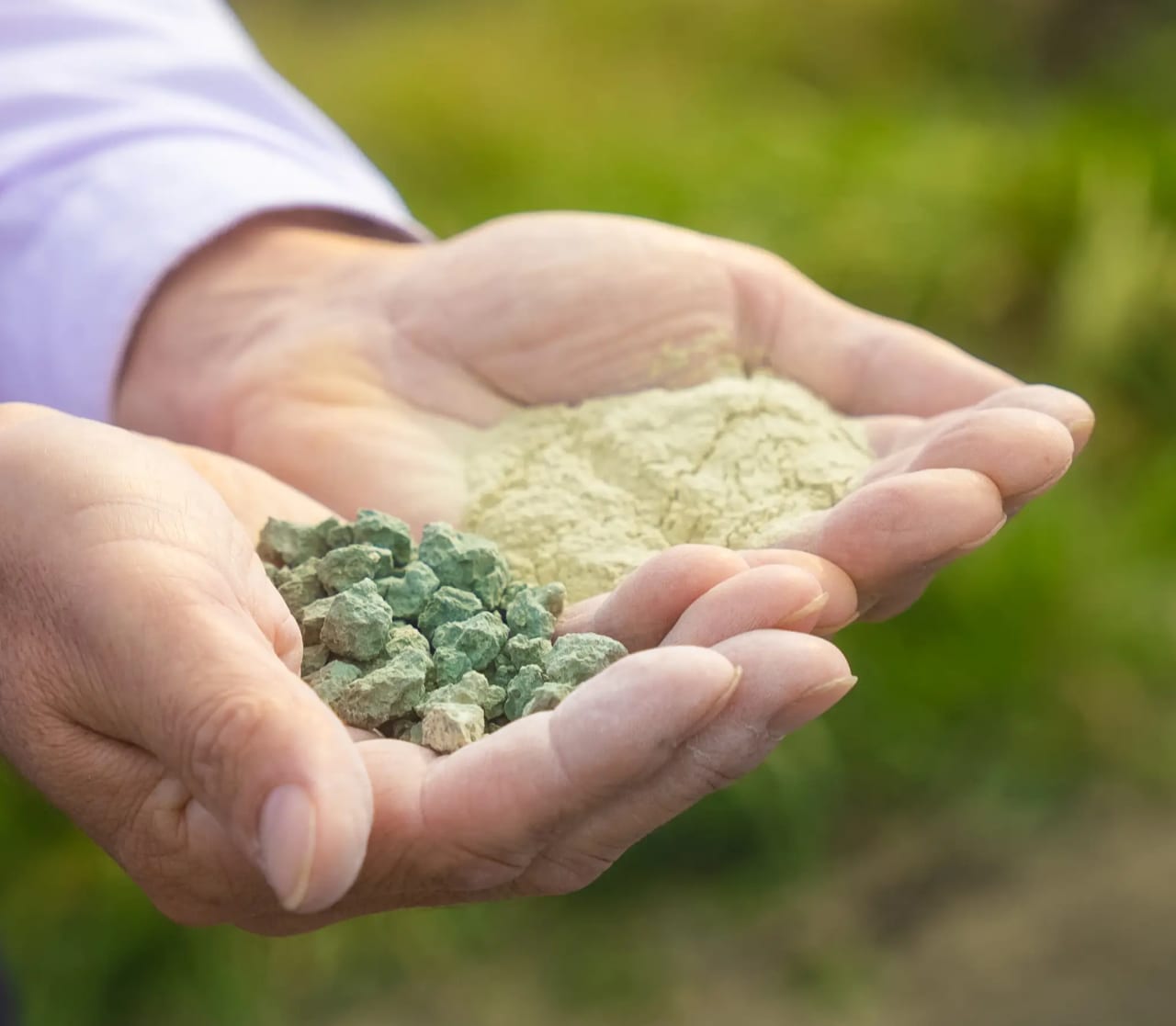
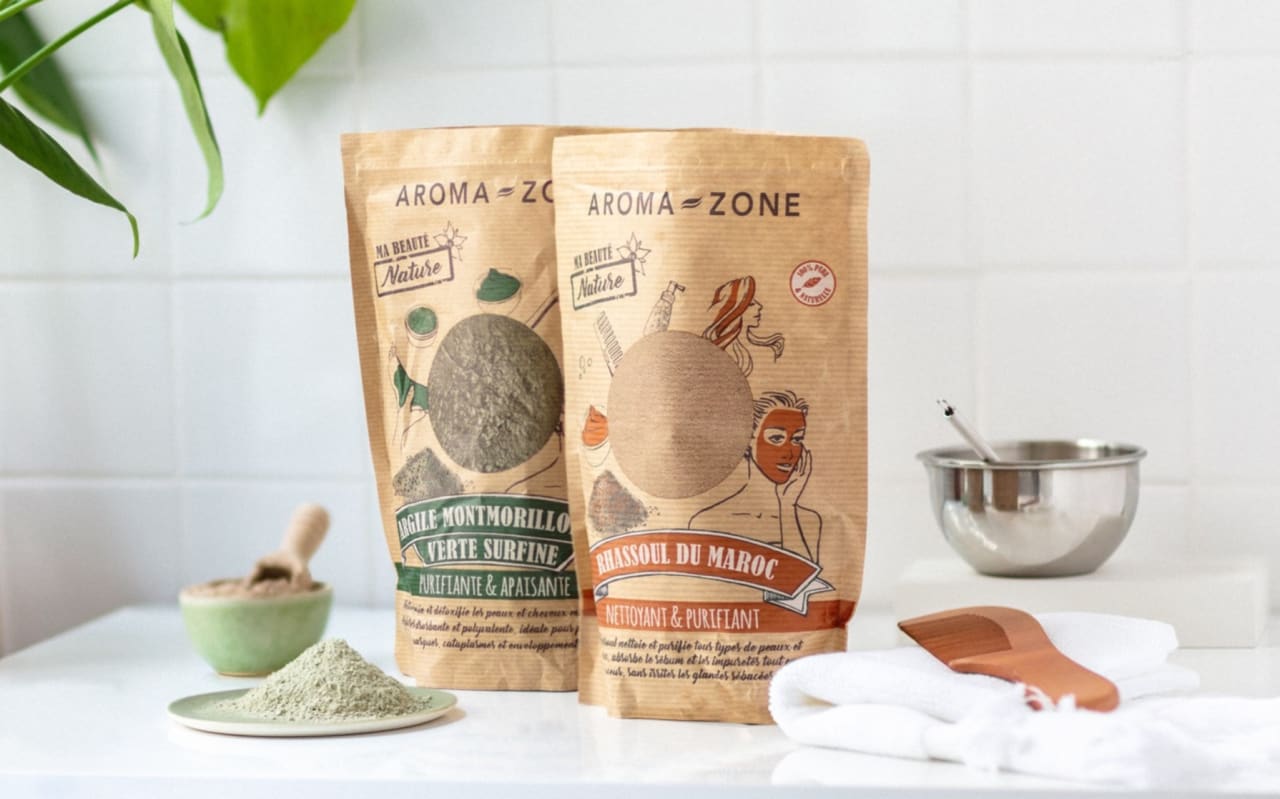
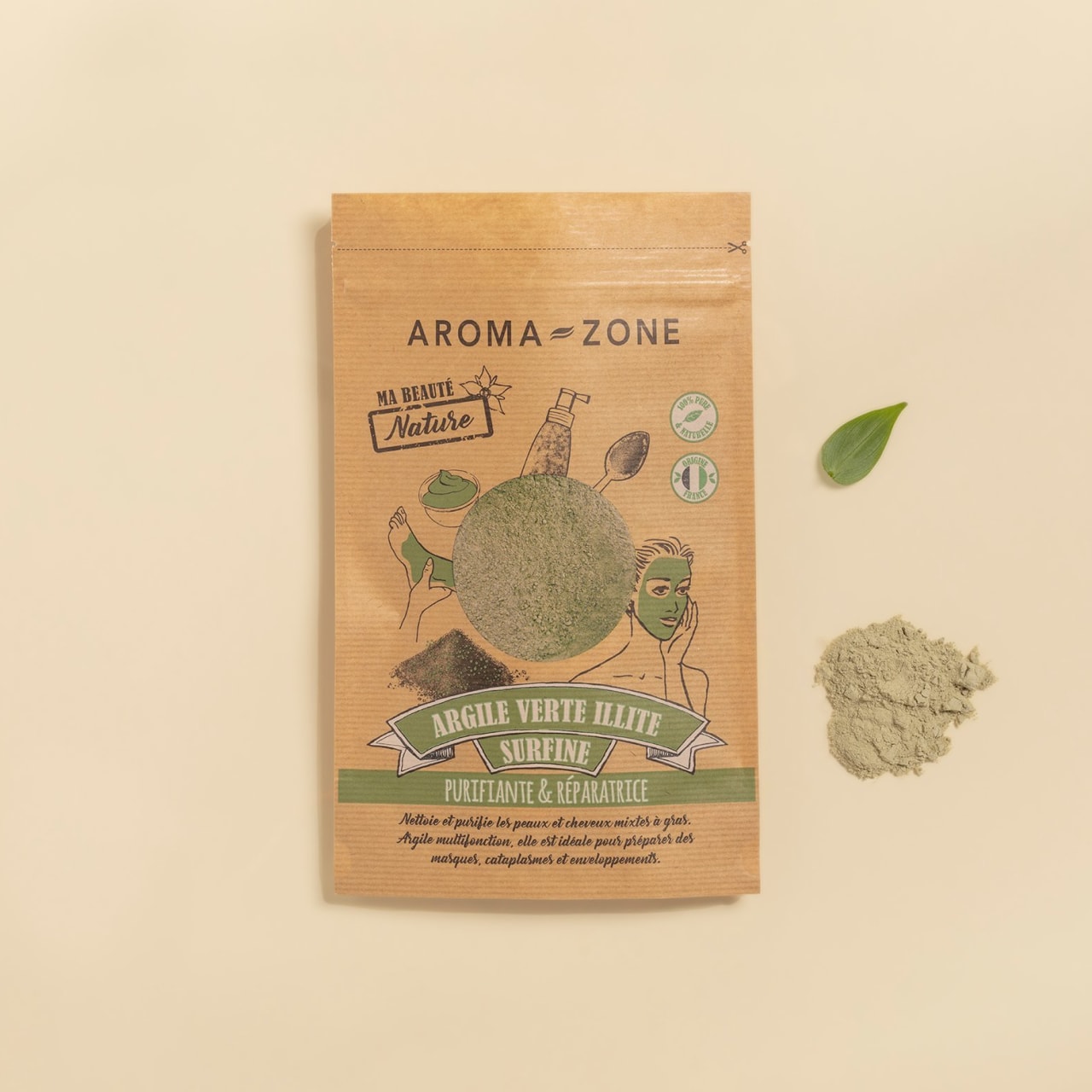
Which clay should I use to detoxify my hair?

Here are the different clays to use, according to your needs, in your homemade hair clarification:

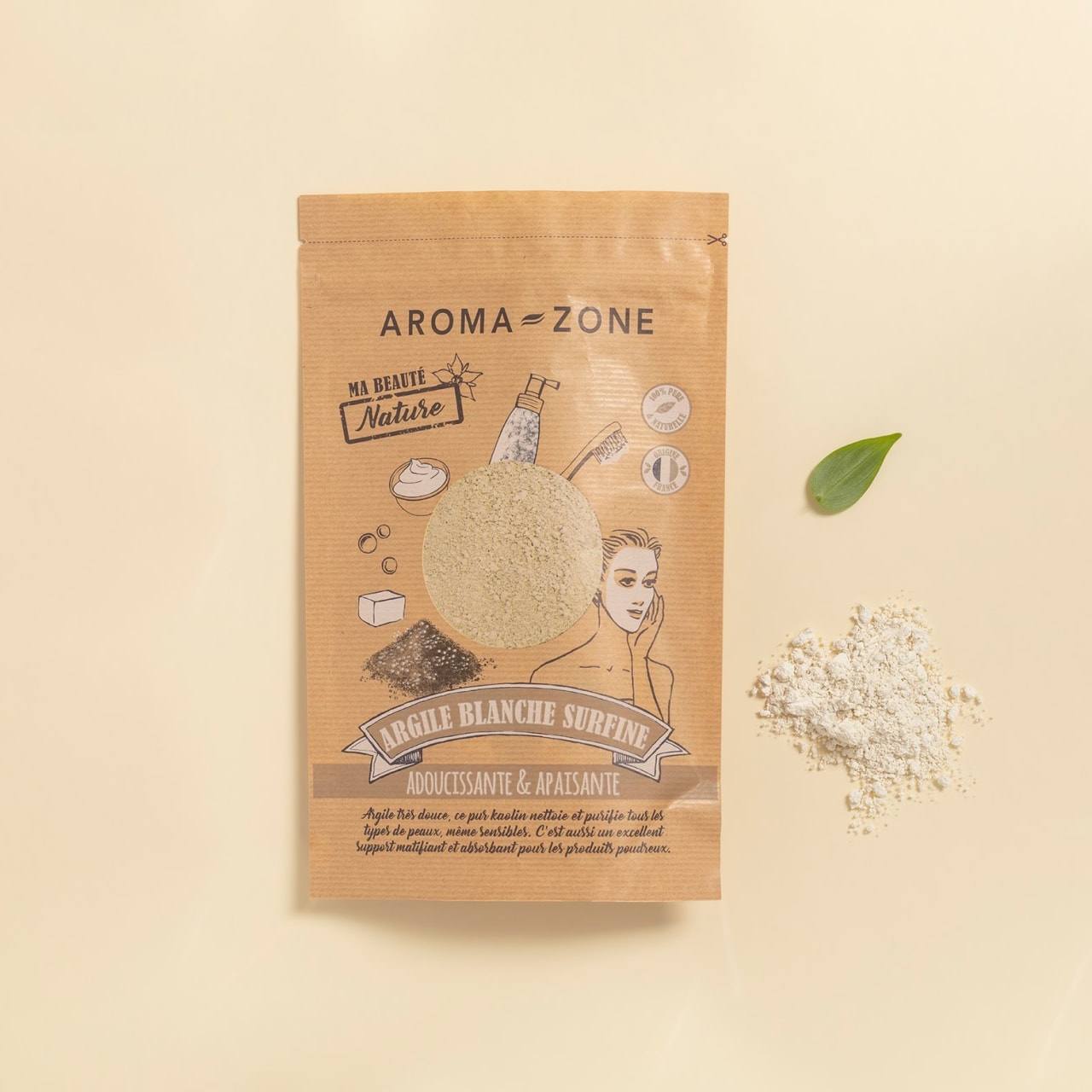
  • White clay White clay is recommended for sensitive scalps, as it gently cleanses and purifies the scalp.

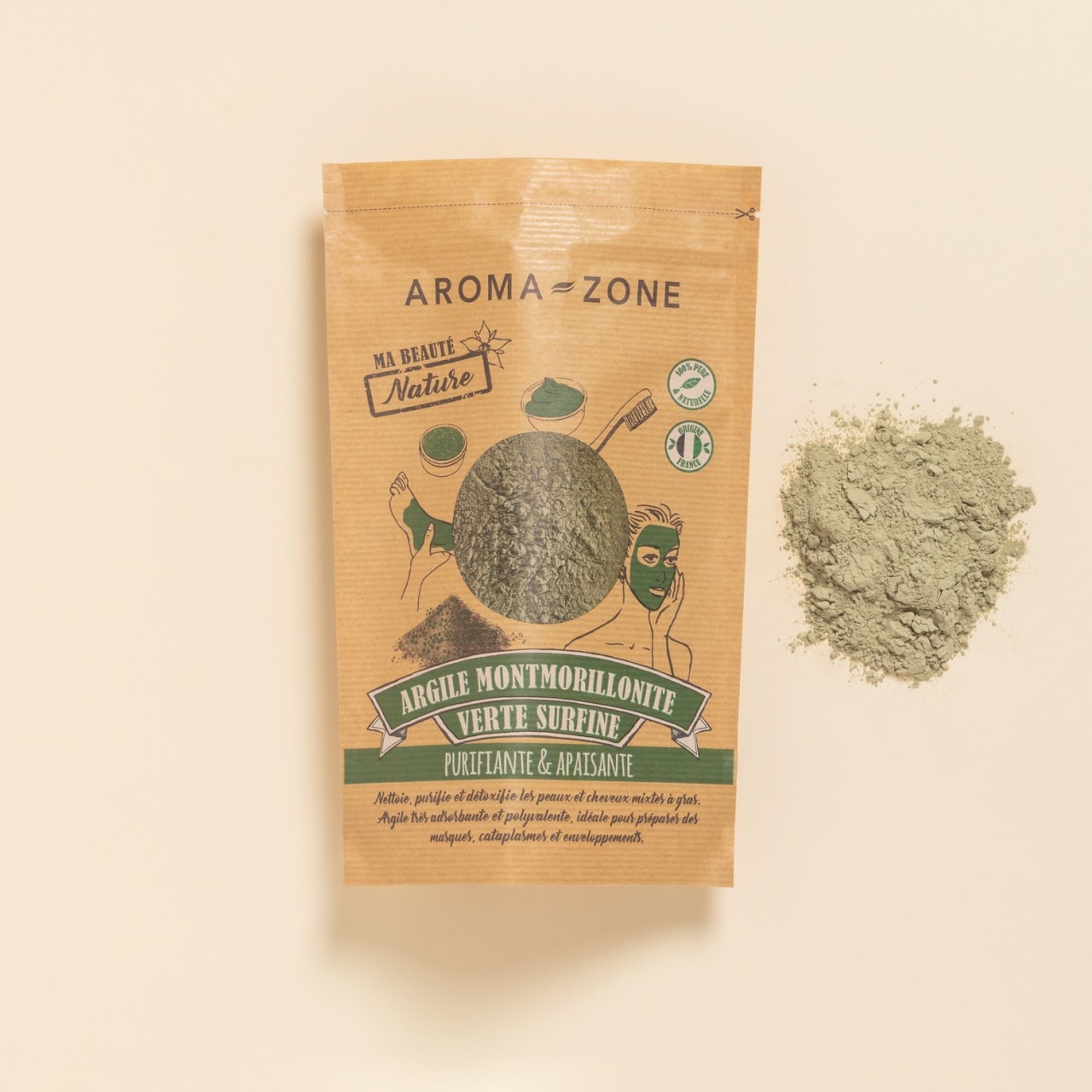
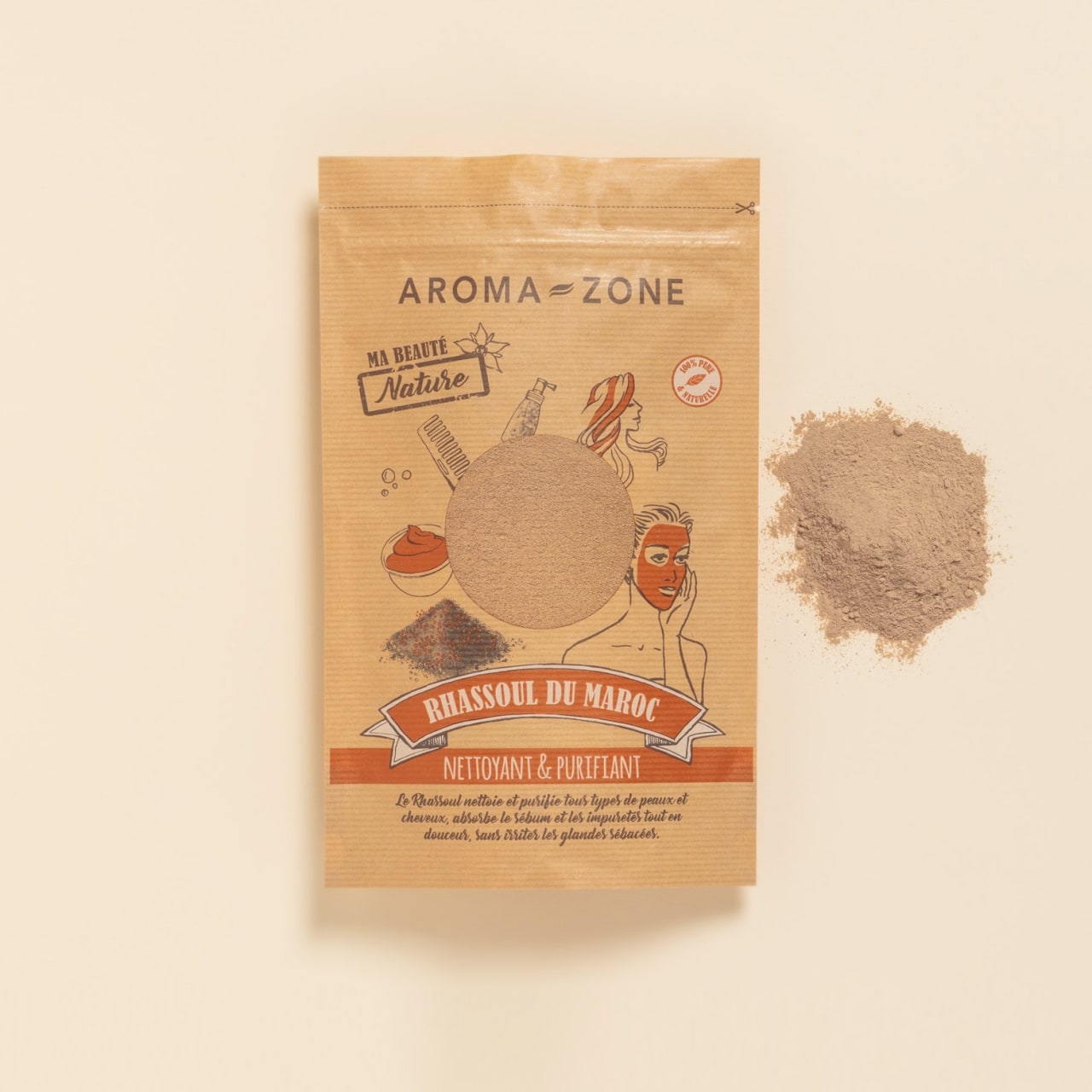
  • Green clay or rhassoul For normal scalps or scalps that tend to get greasy again easily. They purify and cleanse the hair fibre more thoroughly.

How often should I detox my hair?

You will need to apply an initial clarification when going natural. You can choose the method that suits you best. Once your hair transition is underway, here are a few recommendations for application frequency:

  • For the clarifying shampoo method: we recommend spacing this out by at least 5 to 6 weeks.

  • For the clarifying clay mask method: there's no perfect amount of times to use this. Just don't overdo it, and use it only when your hair needs it (dull, sticky/greasy hair that no longer responds to treatments, etc.). You can also do a hair clarification just before colouring with plant-based products. This will help the colour adhere to your hair better and last longer!

To look after your scalp, you can also use a purifying shampoo (this allows you to space out your hair clarifications). You can also make your own shampoo to gently detoxify and purify your scalp.

To find out more: Why and how to aply a hair treatment?

How do I make a homemade hair clarification?

There are a number of techniques for clarifying your hair at home.

Clarifying shampoo with baking soda

Baking soda is a versatile ingredient that can be used to deeply purify and clarify hair. Thanks to its alkaline pH, bicarbonate of soda will open up the scales of our hair, effectively eliminating the residue from hair products, excess sebum and impurities that have accumulated on the hair fibre. It's quick and easy to use, as all you need to do is mix a teaspoon of bicarbonate into your usual quantity of shampoo.

Instructions for use:

  1. Wet your hair with warm water.

  2. Add a teaspoon of baking soda to your usual shampoo in the palm of your hand.

  3. Gently massage the mixture into your scalp and hair, paying particular attention to the roots and areas prone to residue build-up.

  4. Leave on for a few moments, then rinse thoroughly with warm water.

Tip

With this method, you need to use an acidic rinse (with natural vinegar, for example) just after clarifying with bicarbonate to close the hair scales and readjust the hair's natural pH, which is between 4.5 and 5.5.

Warning

Even though this technique is natural, it still scours your hair pretty thoroughly. So don't leave the shampoo on for too long (just long enough to massage your scalp). It's also advisable to use it only once or twice a month to avoid sensitising or drying out your hair. By following these instructions carefully, you can enjoy the purifying and revitalising benefits of sodium bicarbonate for clean, light and healthy-looking hair.

Clarifying shampoo with plant powders

A skilful blend of organic and natural plant powders, including shikakai and reethal powder, Aroma-Zone Organic Plant Shampoo effectively eliminates residues of silicones, quaternary ammoniums and other chemical substances that remain on the surface of the hair fibre and prevent the plant dyes from adhering to the hair. The perfect product to use with a little water to detoxify your hair before switching to a natural routine.

Clarifying clay mask

Gentler than the previous product, this clarifying technique can be applied to the whole head of hair. This mask is made from clay(white, green or even rhassoul) and water. You can add other active ingredients to give your hair a complete treatment. The texture should be fairly pasty for easy application.

It's best applied to damp hair, but can also be applied to dry hair. It's advisable to leave the mask on for around 30 minutes and cover it with a hairnet or warm towel so that it doesn't dry out (this prevents the hair from drying out too much).

You don't need to shampoo your hair immediately after this mask (unless you feel the need to), as the clay is absorbent and will cleanse your scalp.

Pre-dye detox mask with plant-based clay and coconut milk

Discover the Pre-dye detox mask with plant-based clay and coconut milk

Potential side effects of hair clarification

Although hair clarification is generally beneficial for removing residue and conditioning hair, it is important to consider some potential side effects:

  1. Hair dryness: some clarifying products can remove excess sebum from the scalp, which can lead to excessive dryness of the hair and scalp. This can result in drier, brittle hair that is prone to frizz.

  2. Scalp irritation: overly aggressive formulations or frequent use of clarifying products can irritate the scalp, causing itching, redness or a burning sensation. It's essential to use products suited to your scalp type and to reduce the frequency of clarification to avoid these irritations.

  3. Loss of colour: clarifying products can sometimes remove residues from styling products, including hair colourings. This can lead to discolouration or a change in hair colour, especially if the hair has been chemically coloured. It is advisable to consult a professional before clarifying coloured hair to avoid any undesirable effects.

  4. Skin sensitisation: some ingredients in clarifying products, such as sulphates, can cause skin sensitisation in some people, especially those with sensitive skin or those prone to allergies. It is preferable to test the product on a small area of skin before using it more widely.

By carefully following the instructions for use and choosing products tailored to your specific needs, you can minimise the risk of side effects and enjoy the benefits of hair clarification safely and effectively.

Fiorine's advice, La Touche BIO

Hair clarification is an essential part of my hair routine today. It's a treatment that I have used to get great hair again and fully embrace what my hair is like naturally without using heating appliances or chemicals that hide the misery. On my Instagram account, I share lots of quick and easy recipes for looking after your skin and hair naturally, without any fuss.

Fiorine's website:

https://www.instagram.com/latouchebio/