
Greasy hair is caused by an overproduction of sebum by the sebaceous glands at the base of the hair bulb. These endocrine glands release an oily substance high in fatty acids, essential for healthy hair. This sebum plays a protective role on the hair fibre, lubricates the hair and protects the scalp from dehydration. This becomes a problem when the sebaceous glands produce excess sebum. This phenomenon, which dermatologists call hyperseborrhoea, clogs the pilosebaceous follicles, suffocates the roots and over time can weaken and disrupt hair growth. This phenomenon not only makes hair greasy, but also dull, in women as well as men… and teenagers!
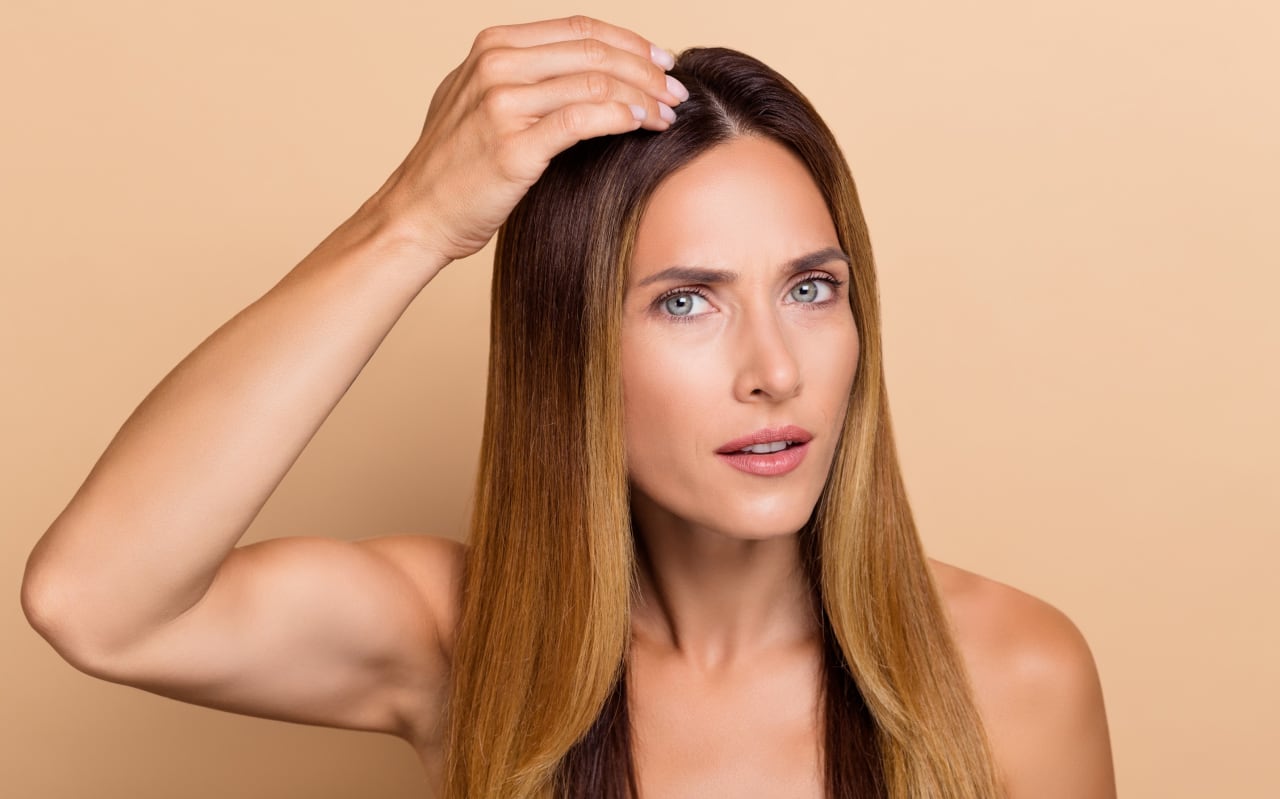
How can I get rid of greasy hair?
Published on: Tuesday, July 04, 2023, Updated on: Wednesday, September 30, 2026
As with the skin and the body, sticky, heavy, greasy and shiny hair is a common problem, but one that can be complicated to manage on a daily basis. This phenomenon is linked to a number of external and internal factors that are important to understand. In this article, we'll explore the benefits of hair clarification and how to do it at home.
Contents
Related products
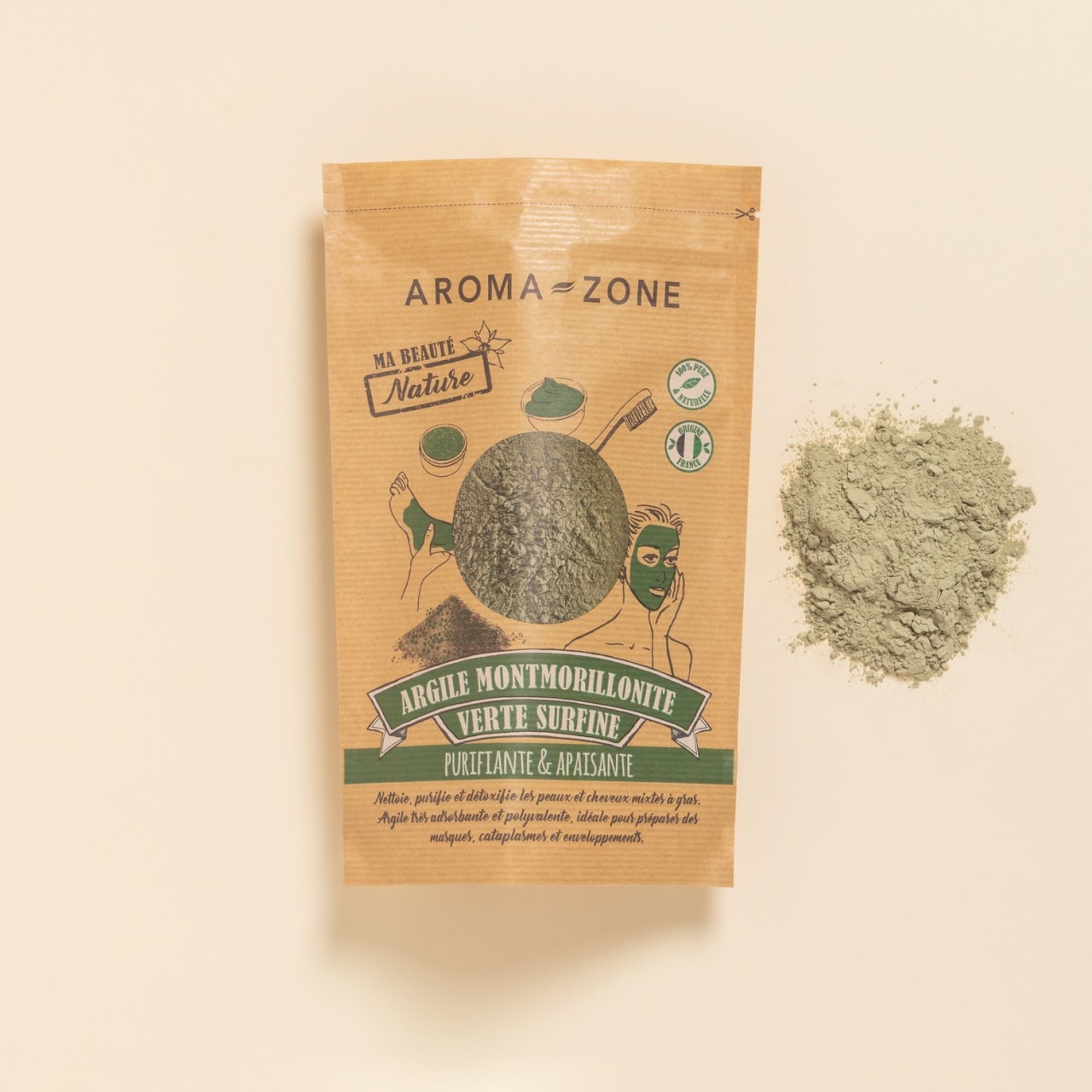
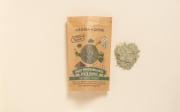
Superfine Montmorillonite Green Clay (Smectite)
Cleansing
Anti-blemishes
£5.50
500 g
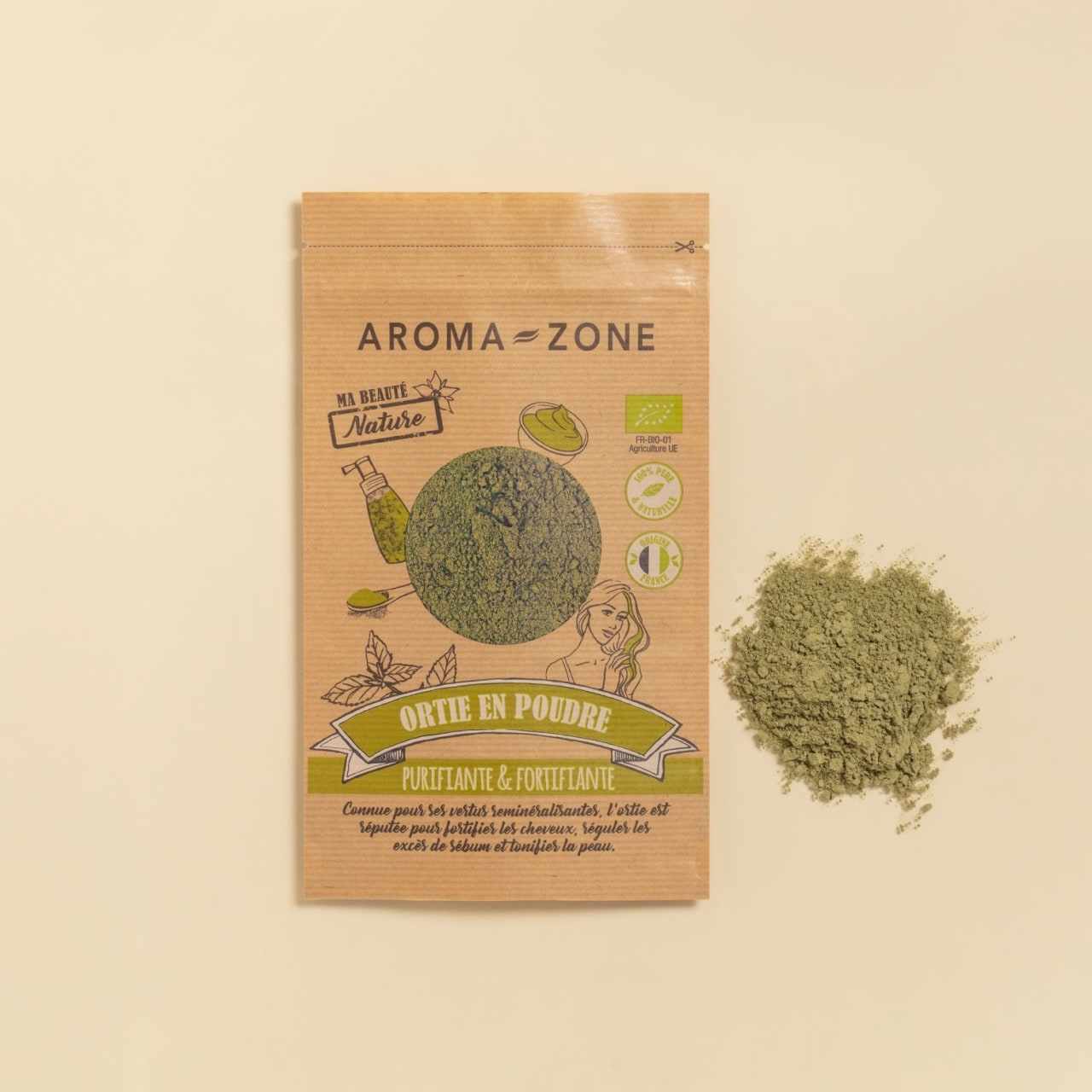
Organic Nettle Leaf Powder
Hair strengthening
Purifying
£5.00
100 g
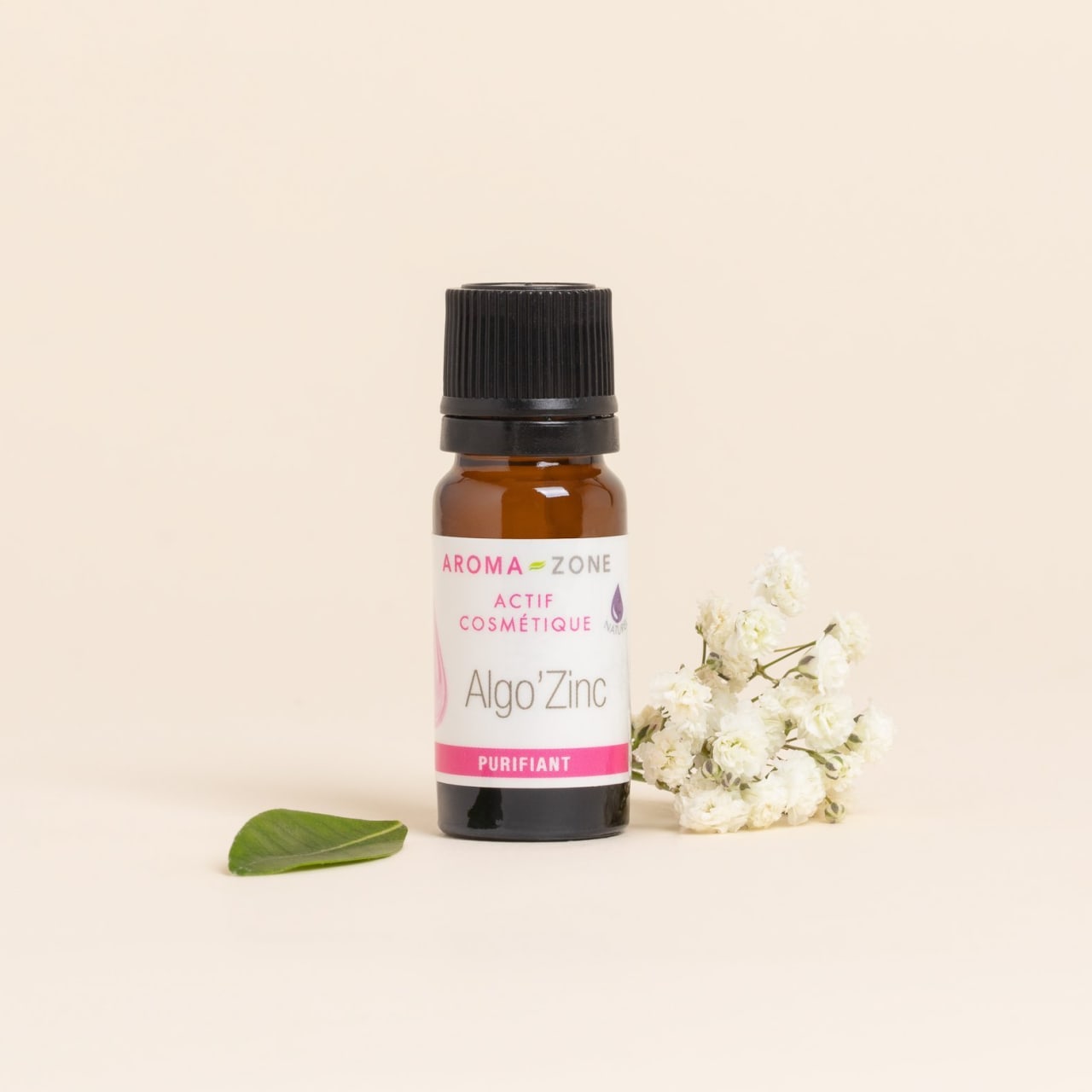
Algo'Zinc Active Ingredient
Purifying
Sebum-regulating
£4.50
10 ml
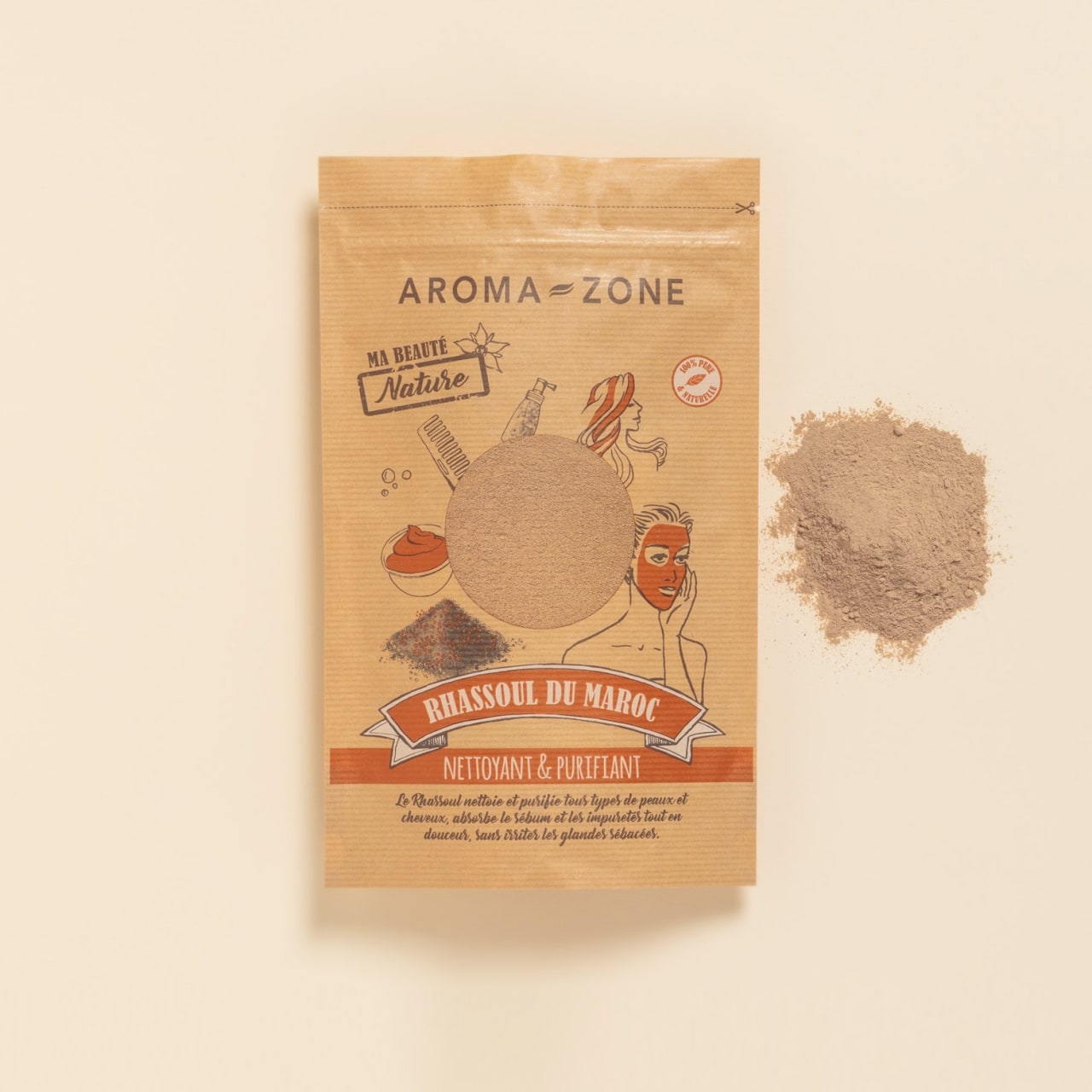
Moroccan Rhassoul (Ghassoul)
Cleansing
Purifying
£6.50
500 g
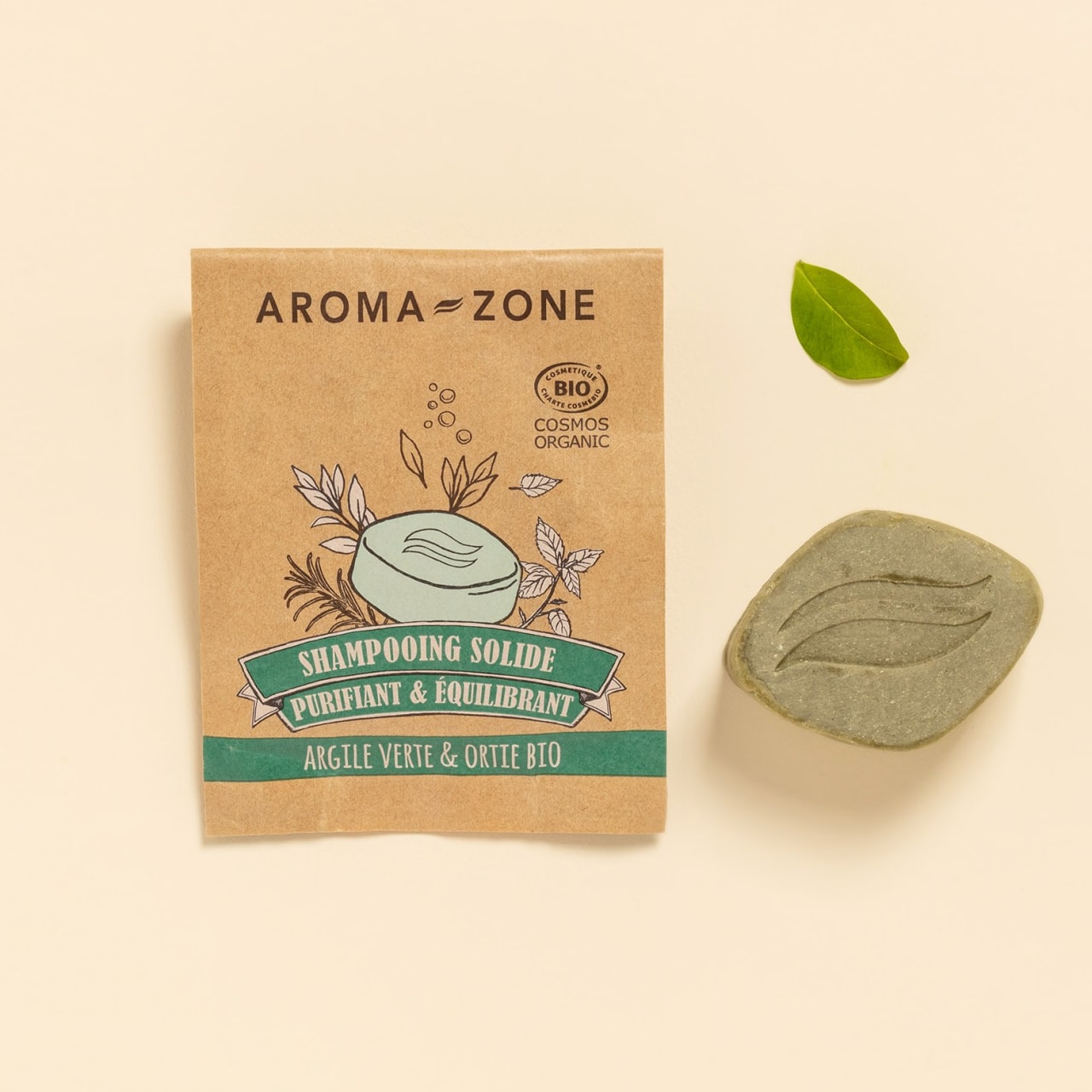
£7.00
60 g
What is greasy hair?
Why do we get greasy hair?
Several factors can cause greasy hair, and this phenomenon can be temporary. In fact, you can have a scalp that gets greasy again very quickly at some point in your life (adolescence, menstruation, pregnancy, etc.) and then find that you're not getting greasy hair a few weeks, months or years later. The most common causes of greasy hair include:
hormonal variations (menstrual cycle, pregnancy, taking hormonal contraceptives, puberty, etc.): the sebaceous glands are sensitive to levels of male hormones. Androgens (in particular testosterone, which is also produced by women) stimulate the sebaceous glands and encourage the production of sebum.
Stress and anxiety: under stress, our bodies release cortisol, which abnormally stimulates the sebaceous glands. They then produce more sebum than necessary.
A highly polluted urban environment can lead to clogged pores in the scalp, accentuating the 'greasy hair' effect caused by sebum.
An inflammatory diet can upset the hormonal balance and encourage sebum secretion.
Unsuitable, irritating****cosmetics or over-frequent washing can irritate the scalp. In response to this irritation, the sebaceous glands in the scalp secrete more sebum.
Heredity: some people have hair that naturally gets greasy faster.
Common myths about greasy hair
Although greasy hair is a common problem, there are many myths surrounding this hair condition. One of the most common misconceptions is that frequent hair washing is the ideal solution. In reality, too much washing can stimulate the sebaceous glands, exacerbating sebum production. What's more, water being too hot can activate these glands, contributing to even greasier hair.
Another myth is that greasy hair is due to a lack of hygiene. In fact, the frequency of washing, the choice of hair products and other factors, such as hormonal variations or stress, play a major role in regulating sebum production. It's important to understand that greasy hair is not necessarily the result of personal neglect.
How can I tell if I have greasy hair?
A shiny appearance, especially at the roots
Hair tends to stick to the scalp and lie flat
The need to wash hair frequently, as it looks dirty more quickly
Active ingredients for greasy hair
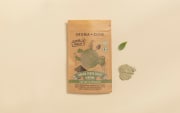
Superfine montmorillonite green clay
Green montmorillonite clay is absorbent, ideal for eliminating excess sebum from oily scalps. It is detoxifying, cleanses the roots, helps get rid of greasy hair and lets the scalp breathe.
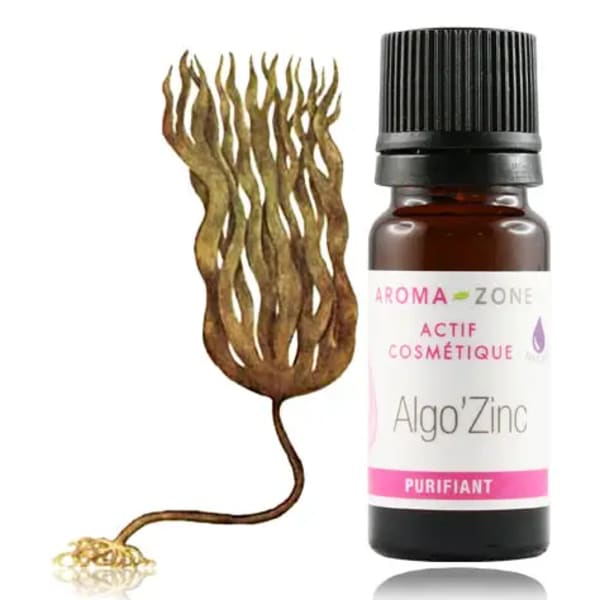
Algo'zinc cosmetic active ingredient
Formulated with zinc and laminaria algae with sebum-regulating and purifying properties, Algo'zinc balances sebum production at the roots. It soothes and relieves sensitive scalps, preventing them from becoming greasy.
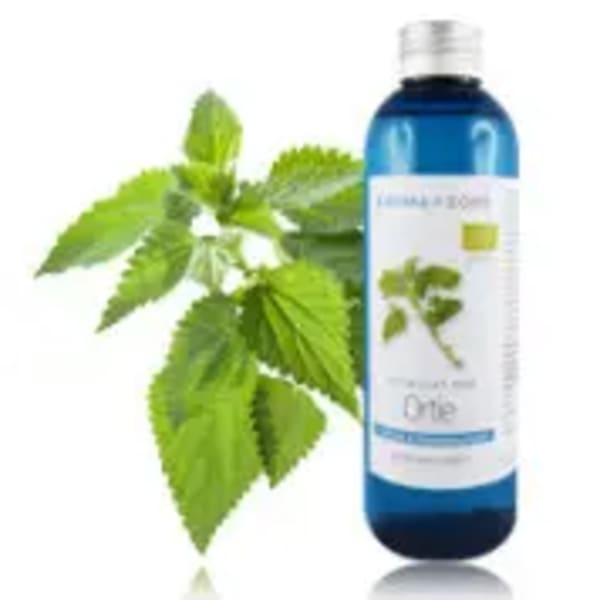
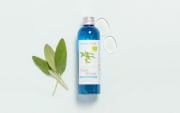
Organic nettle hydrosol
A hair tonic, nettle hydrosol is ideal for purifying greasy hair. Fortifying and remineralising, it moisturises the hair from the roots and eliminates excess oils and impurities from an oily scalp.
Discover: organic nettle hydrosol
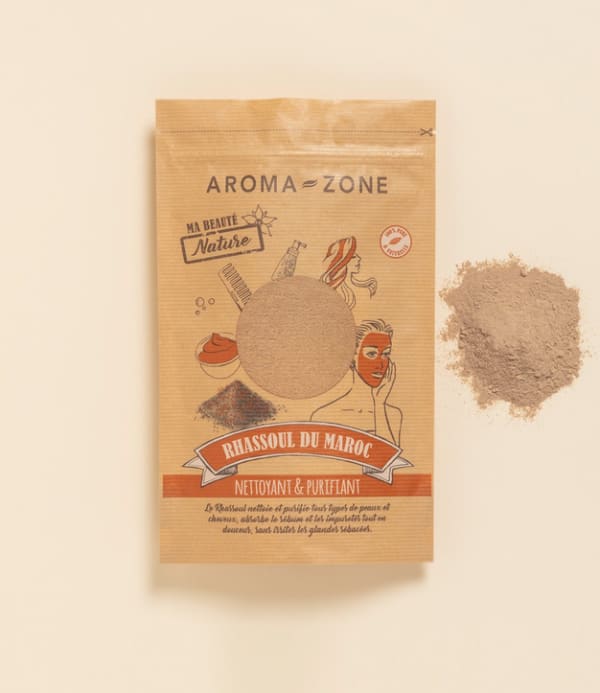
Moroccan rhassoul clay
A gentle cleanser, rhassoul removes grease from greasy hair without irritating the sebaceous glands. It also has beneficial absorbent properties for eliminating impurities and excess sebum from the roots.
What routine should I follow to combat greasy hair?
This routine regulates excess sebum, while respecting the balance of your hair.
1. Make a purifying mask before shampooing (once a week): mix 2-3 tablespoons of montmorillonite green clay with organic nettle hydrosol to make a purifying mask and obtain a smooth paste. Apply to the scalp and leave on for 10 to 15 minutes before rinsing thoroughly with warm water. This mask absorbs excess sebum and purifies the scalp without irritating it.
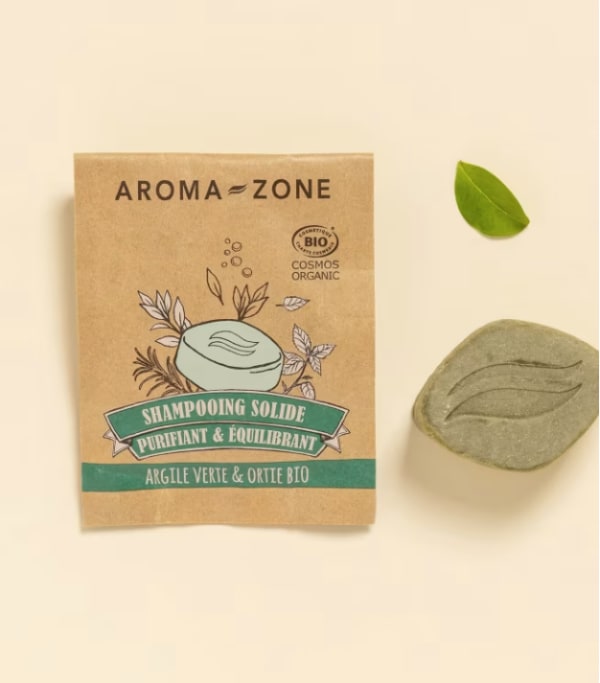
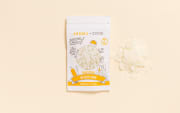
2.Purifying and balancing solid shampoo (once or twice a week): opt for purifying and balancing solid shampoo which is rich in green clay, organic nettle powder and organic laurel berry oil. It is particularly suitable for greasy hair. To disperse the shampoo well and work it into a lather all over the hair, add water and gently massage into the skull with your fingertips before rinsing with clean water.
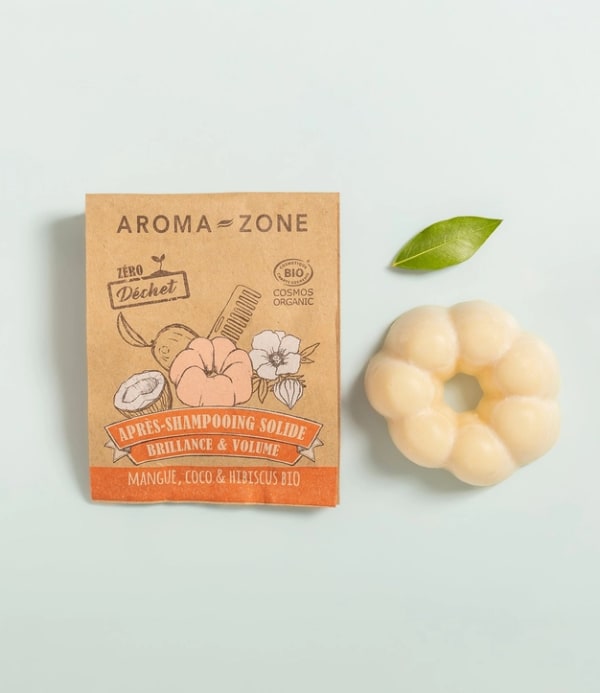
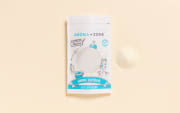
3. Volume and Shine solid conditioner bar: don't forget the conditioner even if you have greasy roots! Apply Solid Shine & Volume Conditioner to the entire length, avoiding the roots and the base of the skull. It makes detangling easier, so you don't ‘pull’ on the hair, and therefore the roots, which can lead to an increase in sebum production. Leave on for 5 to 10 minutes before rinsing with clean water.
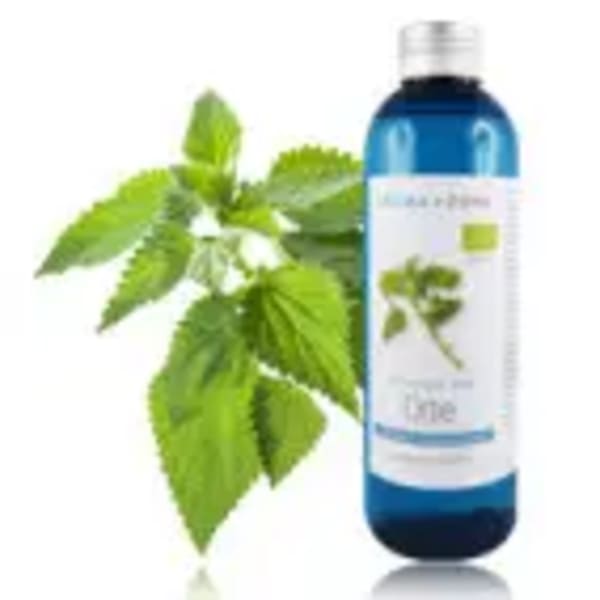
4. Tonic lotion with organic nettle hydrosol: after rinsing your shampoo, spray nettle hydrosol directly onto your scalp while it is still damp. Leave to dry without rinsing. Nettle hydrosol helps strengthen hair roots without leaving a greasy residue.
Steps to take to prevent greasy hair
A few simple habits and hair care products can help you prevent greasy hair. By applying them on a daily basis, you won't have to wash your hair every day and over time you'll get a balanced, healthy scalp back.
Brush your hair once a day to distribute sebum throughout the length of your hair rather than letting it build up at the roots. This process makes your hair shinier and reduces the appearance of greasy hair. What's more, brushing encourages scalp microcirculation. This stimulation can also help regulate sebum production by making the activity of the sebaceous glands more balanced.
Choose very gentle hair care products, with natural and organic formulas if possible. Avoid shampoos containing surfactants that irritate the scalp, such as sodium lauryl sulphate.
Don't add unnecessary oils. If you want to keep your hair shiny and supple, opt for a vinegar rinse or a water-based mist to apply to damp or dry hair. Opt for treatments with Coconut Flower or pomegranate vinegars, which are perfect for restoring the pH balance of oily scalps and cleansing greasy roots.
Space out your shampoos: try spacing out your shampoos, starting with every other day instead of every day. Then try to go 3 days without washing your hair by using a dry shampoo. Also, to hide the appearance of tacky hair and so you feel more comfortable when your hair looks dirty, opt for a hairstyle that will perfectly camouflage the shiny appearance of greasy hair. By reducing the number of times you wash your hair, your scalp will be less stressed and your sebaceous glands less stimulated. As a result, your scalp will tend to not to get greasy as quickly.
How can I remove grease from my hair without washing it?
No time to wash your greasy hair? Opt for a purifying dry shampoo. Its formula, based on powders like absorbent cornstarch and regulating nettle, cleanses greasy hair without getting it wet! It's a quick-fix solution that makes greasy hair disappear in just 5 minutes and means you can get away without washing your hair as often, but it's not a solution you should overuse. Dry shampoos don't eliminate sebum, they simply neutralise it. If you use them too often, you run the risk of suffocating the scalp and causing hair loss.
Applying a leave-in regulating hair lotion for greasy hair also saves you from washing your hair so often, while cleansing the scalp. It's also something you can do at the same rate, and independently, to finish off your ‘greasy hair’ routine. Another simple daily tip for greasy hair that cleanses oily roots: spray a littlerosemary verbenone hydrosol on the scalp and rub in.
Our best recipes for greasy hair

Greasy hair and natural products: precautions for use
When using natural products to treat greasy hair, a few precautions are necessary. First, do a tolerance test by applying a small amount of the product to your skin to check for allergic reactions. Use gentle shampoos without silicones or sulphates, which can weigh down or irritate your scalp. If any adverse reactions appear, consult a professional.
Furthermore, if you think your greasy hair is due to hormonal variations, don't hesitate to consult your doctor to discuss the matter. If there is a proven hormonal imbalance, he or she can refer you to an endocrinologist. Similarly, if you are suffering from stress, anxiety or an unsuitable diet (perhaps too high in sugars, fats or processed foods, etc.), all of which are conducive to an inflammatory environment, don't hesitate to talk to a naturopath, who will be able to guide you towards balanced dietary solutions and food supplements.
Expert advice
Excess sebum is generally a disadvantage, but it can also be beneficial for the hair. Ideal for greasy roots and dry ends, the sebum treatment allows sebum secretion to regulate itself, while all of your hair, including the ends, benefit from this natural fatty substance. The result: shine, growth and fortified hair! You can also space out your upcoming shampoos by a few extra days.
Spotlight on Our Naturopathic editor, Lucie Granjon
Passionate about plants and their properties, she started her career as a perfumer before moving to the world of natural beauty and aromatherapy over 10 years ago. Lucie supports ethical and committed brands with strategy development, product formulation and expert advice for their customers. She has worked with the Aroma-Zone team on several books, including "Le grand guide de l'Aromathérapie et des cosmétiques naturels" ("The Complete Guide to Aromatherapy and Natural Cosmetics"). She also has years of training in aromatherapy, herbalism and essential oil distillation, and supports the work of French plant growers.
Bibliography
Nestor, M. S., Berman, B., & Swenson, N.
"The Role of Sebum in the Formation of Acne and Associated Skin Disorders." Journal of Clinical and Aesthetic Dermatology, vol. 12, no. 2, 2019, pp. 31-39.
Del Rosso, J. Q.
"A Closer Look at Sebum and Its Impact on Hair and Scalp Health." Journal of Cosmetic Dermatology, vol. 15, no. 2, 2016, pp. 113-120.
Frequently Asked Questions
Associated tip
Hair care tips


