
Guide to essential oils

Essential oil of Spearmint

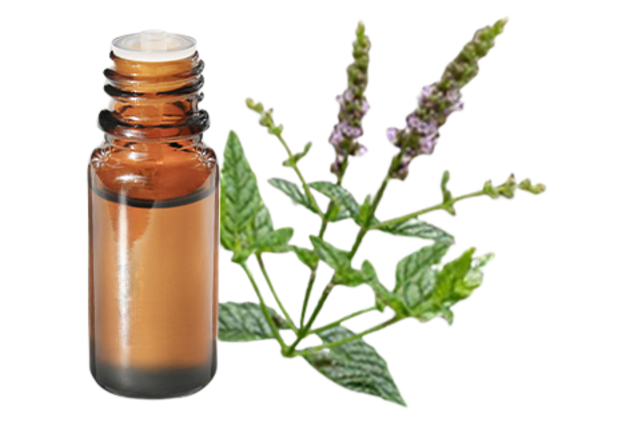
Spearmint essential oil is known for its fabulous scent, reminiscent of chlorophyll chewing gum. Spearmint essential oil is ideal for use in toothpastes and deodorants. Stimulating and refreshing, Spearmint essential oil is guaranteed to give you a boost when you're feeling tired.

How to use

  • Skin application and massage

    Skin application and massage

    Appropriate

  • Cosmetic active ingredient

    Cosmetic active ingredient

    Possible but not recommended

  • Diffusion

    Diffusion

    Appropriate

  • Aromatherapy bath

    Aromatherapy bath

  • Food grade

    Food grade

    Appropriate

Features

Properties

Precautions

Find out more

Features

Production process

Complete steam distillation

Part of the plant used

Aerial parts

Botanical name

Mentha spicata L.

Warning

The properties, information and methods of use below are quotes from reference books or websites on aromatherapy, hydrolatherapy and phytotherapy. This general information is provided for informative purposes only and in no way constitutes medical guidance. Under no circumstances can this information be used as a substitute for a medical diagnosis, consultation or follow-up, nor can it incur our liability. We recommend that you consult the guide to essential oils before using them, so that you are aware of any precautions that need to be taken. If in doubt, consult a doctor before using essential oils.

Properties

Spearmint essential oil is traditionally used for: Bronchitis, poor digestion, colds, blocked noses, runny noses and sinusitis

Health

Wellness

Find out more

Properties

In terms of health, Spearmint essential oil is renowned for the following benefits:

  • Rich in anti-inflammatory active ingredients

  • Anti-catarrhal and mucolytic, it clears the respiratory tract.

  • Supports digestive health

  • Promotes skin healing

Uses

It is traditionally used to improve the following conditions:

  • Catarrhal infections of the respiratory tract, blocked noses, colds, acute and chronic bronchitis, etc.

  • Difficult digestion, bile insufficiency

  • Cystitis (inflammatory)

  • Wounds and scars

Synergies

  • Help to clear the respiratory tract: Madagascan Helichrysum and Narrow-Leaved Eucalyptus essential oils.

  • Digestive health: Ginger and Kaffir Lime essential oils.

In practice

Respiratory comfort: blend into your oil blend. Massage or rub your blend into the chest and upper back.

Air purification: air diffusion over limited periods (both in duration and number), in synergy with other essential oils.

Precautions

  • Not recommended for pregnant or breastfeeding women, epileptics, children under 6 or the elderly. Spearmint essential oil contains large quantities of carvone (ketone). This molecule is potentially neurotoxic and abortifacient in high doses.

  • Use only occasionally and in limited doses. Do not use for prolonged periods without the advice of an aromatherapist.

  • May be irritating to the skin; always dilute well, using a maximum of 30% for skin application. Only use locally or very diluted. Do not use in baths.

  • For diffusing, dilute with other milder essential oils (max. 15%) for limited periods.

  • Avoid contact with the eyes; do not apply too close to the eyes.

  • Keep out of reach of children.

  • Certain natural compounds contained in this essential oil may present a risk of allergy for certain sensitive individuals when the essential oil is incorporated into a cosmetic composition (in accordance with the 7th Amendment to the EU Cosmetics Directive (2003/15/EC)): limonene and, to a lesser extent, linalool.

  • As a general rule, always carry out a test application of your mixture, in the crease of the elbow, at least 48 hours before use.

Find out more

Spearmint is a 30–60 cm tall botanical perennial belonging to the Lamiaceae family. This aromatic herb is used in Mediterranean cuisine for mint tea and tabbouleh, as well as in Asian cooking, where it is used in spring rolls and salads. There are several species in the mint family, each with its own scent. The scent of Spearmint is reminiscent of the refreshing smell of methol chewing gum.

Also used as a medicinal plant, Spearmint has light green, evergreen, toothed leaves.

Equivalents

Essential Oils

1 ml = approximately 35 drops (with our Aroma-Zone dropper caps)

Carrier oils

1 pump (Aroma-Zone aluminium pump) = approx. 0.15 ml

Mass / Volume conversion (for a liquid)

Mass (g) = Density x Volume (ml) at 20°C

Further information

1 full teaspoon = between 3 and 4.5 ml

1 full tablespoon = between 7.5 and 10 ml


However, these spoon ratios depend on a number of factors (e.g. viscosity of the liquid, temperature, depth and size of the spoon, rheological behaviour of the liquid), and we strongly advise you to use precise measuring equipment, such as graduated test tubes, graduated pipettes, and precision scales.

Aromatherapy recipes from the bibliography

EO = Essential Oil VO = Carrier Oil or Macerated Oil

Nervous breakdown (T. Telphon)

Health & wellbeingNerve pain and disorders

Local treatment:

  • Lavender essential oil: 2 ml

  • Lemon Balm essential oil: 2 ml

  • Spearmint essential oil: 2 ml

  • St John's wort macerated oil: 30 ml

  • Olive or avocado carrier oil: 30 ml

Use: Massage the solar plexus, back and shoulders. Repeat this treatment 1 to 2 times a day, if necessary.

Aroma-Zone Note: St John's wort macerated oil presents a risk of photosensitisation. Do not expose your skin to the sun after applying this preparation.

Oral treatment:

  • True Lavender essential oil

  • Lemon Balm essential oil

  • Spearmint essential oil

Use: Take 1 drop of each essential oil with a meal in a tablespoon of olive oil or honey, or on a small piece of bread. Repeat this treatment 2 to 4 times a day.

Shyness (T. Telphon)

Health & wellbeingNerve pain and disorders

  • Peppermint essential oil: 2 ml

  • Ylang-Ylang essential oil: 2 ml

  • Spearmint essential oil: 2 ml

  • St John's wort carrier oil: 30 ml

  • Olive carrier oil: 30 ml

Use: Massage the solar plexus, thorax and shoulders. Repeat 1 or 2 times a day if necessary.

Aroma-Zone Note: St John's wort macerated oil presents a risk of photosensitisation. Do not expose your skin to the sun after applying this preparation.