Which facial cleanser should you use if you have acne?

Skin prone to acne requires special attention from the very first step in your routine: cleansing. If it's too harsh, it weakens the skin barrier. If it's too rich, it can accentuate pore blockage. How do you choose the right cleanser when your skin has pimples, blackheads, or shiny areas? Which ingredients should you look for? How can you structure your routine to restore clearer, more balanced skin? Discover our natural solutions to gently purify and clarify your skin.

Reading time: 0 min.

What is acne?

Acne is caused by an imbalance in the functioning of the sebaceous glands, located in the dermis. These glands produce sebum, a natural lipid substance whose role is to protect and maintain the skin's suppleness.

When this production becomes excessive or the sebum thickens, it can mix with dead cells on the surface of the epidermis. This accumulation promotes pore blockage. Comedones, inflammatory pimples, or deeper lesions may then appear.

Acne frequently occurs during adolescence due to hormonal changes that stimulate sebaceous gland activity. However, it can persist or appear in adulthood. Hormonal fluctuations, stress, certain dietary imbalances, or genetic predisposition can influence its development and intensity.

What are the characteristics of acne?

Acne can vary in intensity, extent, and depth. Several types of lesions can coexist on the same skin:

  • Closed comedones: also known as whiteheads or microcysts, these are pores blocked by a mixture of sebum and dead cells. The surface of the skin remains closed, resulting in a small, clear bump that is sometimes difficult to extract.

  • Open comedones: better known as blackheads, they appear when the pore remains open. The sebum oxidizes on contact with the air, which explains the dark color on the surface.

  • Papules: small red pimples with no visible white tip. Papules are a localized inflammatory reaction and may be slightly sensitive to touch.

  • Pustules: red spots with a white or yellowish tip. Pustules contain pus and are often more visible.

  • Nodules: deeper, firm, and sometimes painful lesions. Nodules are located in the deeper layers of the skin and can leave marks if manipulated.

  • Cysts: In cases of severe acne, deep lesions form red, deep, and painful bumps. Cysts contain pus and develop more slowly. Manipulating them increases the risk of persistent marks.

The T-zone (forehead, nose, and chin) is generally the most affected. This area has a higher concentration of sebaceous glands, which promotes greater sebum production and therefore an increased risk of pore blockage.

What is a facial cleanser?

Facial cleanser is the basis of any beauty routine. It is used in the morning and/or evening to remove impurities that have accumulated on the skin's surface and in the pores. Unlike simply rinsing with water, it provides targeted cleansing tailored to each skin type. When chosen correctly, it respects the skin's balance while preparing the skin to receive subsequent skincare products, such as serums or creams.

What is the purpose of a facial cleanser?

Throughout the day and night, the skin naturally accumulates sebum, dead cells, sweat, pollution particles, and makeup residue. Without proper cleansing, these elements can remain on the surface of the epidermis and contribute to clogged pores.

The role of a facial cleanser is to remove these impurities while maintaining the skin's balance. In the morning, it removes excess sebum produced during the night and prepares the skin for daytime care. In the evening, it frees the epidermis from external impurities and makeup, allowing the skincare products applied afterwards to work more effectively.

Gentle, regular cleansing helps keep skin clear, balanced, and comfortable day after day.

Different types of facial cleansers

Cleansers come in several forms. The choice depends on your skin type and personal preferences.

Cleansing gel

Light and fresh texture, ideal for combination to oily skin. It rinses off with water and provides an immediate feeling of purity.

Cleansing foam

Light and gentle, it envelops the skin and is suitable for skin types seeking effective cleansing without a tight feeling.

Cleansing cream or milk

More creamy, they are suitable for dry or sensitive skin. Their texture limits any feeling of discomfort.

Micellar water and hydrosol

Applied with a reusable cotton pad, they provide gentle cleansing without rinsing or as a complement to washing with water.

Cleansing bar

Practical and economical, it gently cleanses while respecting the hydrolipidic film.

Cleansing powder

When mixed with a little water, it provides a more concentrated cleanse and can have a mild exfoliating effect depending on its composition.

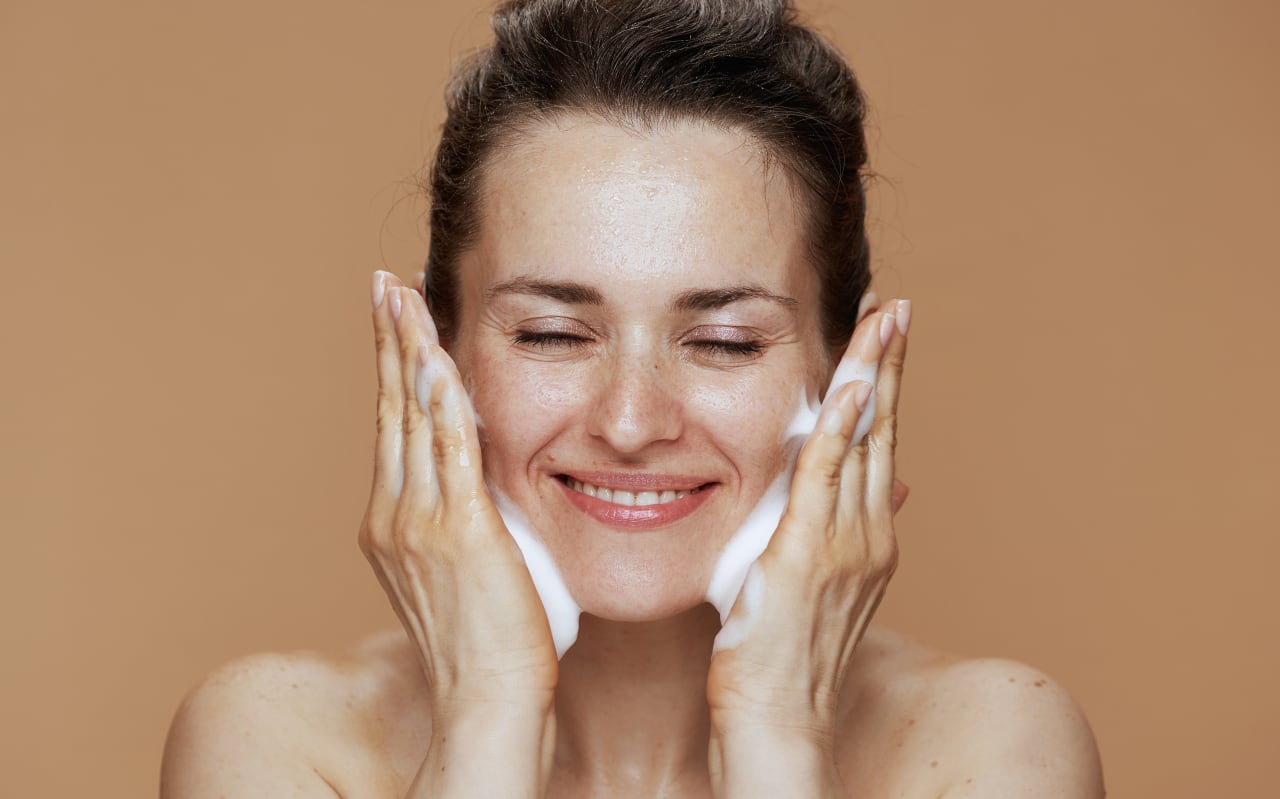
Why is cleansing essential for acne?

When you have acne, cleansing your skin is more than just a simple hygiene routine. It's a key step in your routine that plays an active role in maintaining your skin's balance. There are several reasons why it's so important.

Eliminate excess sebum and impurities

Acne-prone skin often produces more sebum. This sebum can trap particles of pollution, dust, sweat, or makeup residue in the pores.

Proper cleansing helps remove this excess and accumulated impurities, especially in the morning after a night's sleep and in the evening after a day of exposure. After physical activity, it also helps eliminate sweat, which can promote bacterial growth.

Unclog pores and limit the formation of blackheads

Dead skin cells can become trapped in thickened sebum and form comedones. Some cleansers have a slightly exfoliating action that helps to remove these cells and keep pores clearer.

Regular cleansing, morning and evening, helps to limit the appearance of new blackheads and microcysts.

Reducing the environment that promotes bacteria growth

Acne is associated with a change in the skin's microbiota, particularly the development of certain strains of Cutibacterium acnes within the hair follicles. Excessive sebum accumulation creates an environment conducive to their proliferation and can promote local inflammatory reactions.

By gently cleansing the skin, we limit this favorable environment and help maintain healthier skin.

Preserve the skin's balance and pH

A gentle cleanser respects the skin's physiological pH, which is around 4.5 to 5.5. This balance is essential for maintaining the barrier function and limiting imbalances.

Conversely, a product that is too harsh can disrupt this balance and cause a compensatory reaction with increased sebum production. The goal is therefore not to strip the skin, but to cleanse effectively while respecting it.

Which anti-blemish facial cleanser should you choose for your skin type?

The choice of cleanser depends primarily on your skin type. An unsuitable formula may accentuate imbalances, increase excess sebum, and cause discomfort or tightness. 

Combination to oily skin

Combination to oily skin produces excess sebum, especially in the T-zone (forehead, nose, chin), with enlarged pores, blackheads, and comedones. Light textures, such as gels or foams, are ideal for not weighing down the skin. Purifying active ingredients such as white clay (or kaolin), zinc, or salicylic acid, help regulate sebum and unclog pores.Salicylic acid help regulate sebum and unclog pores.

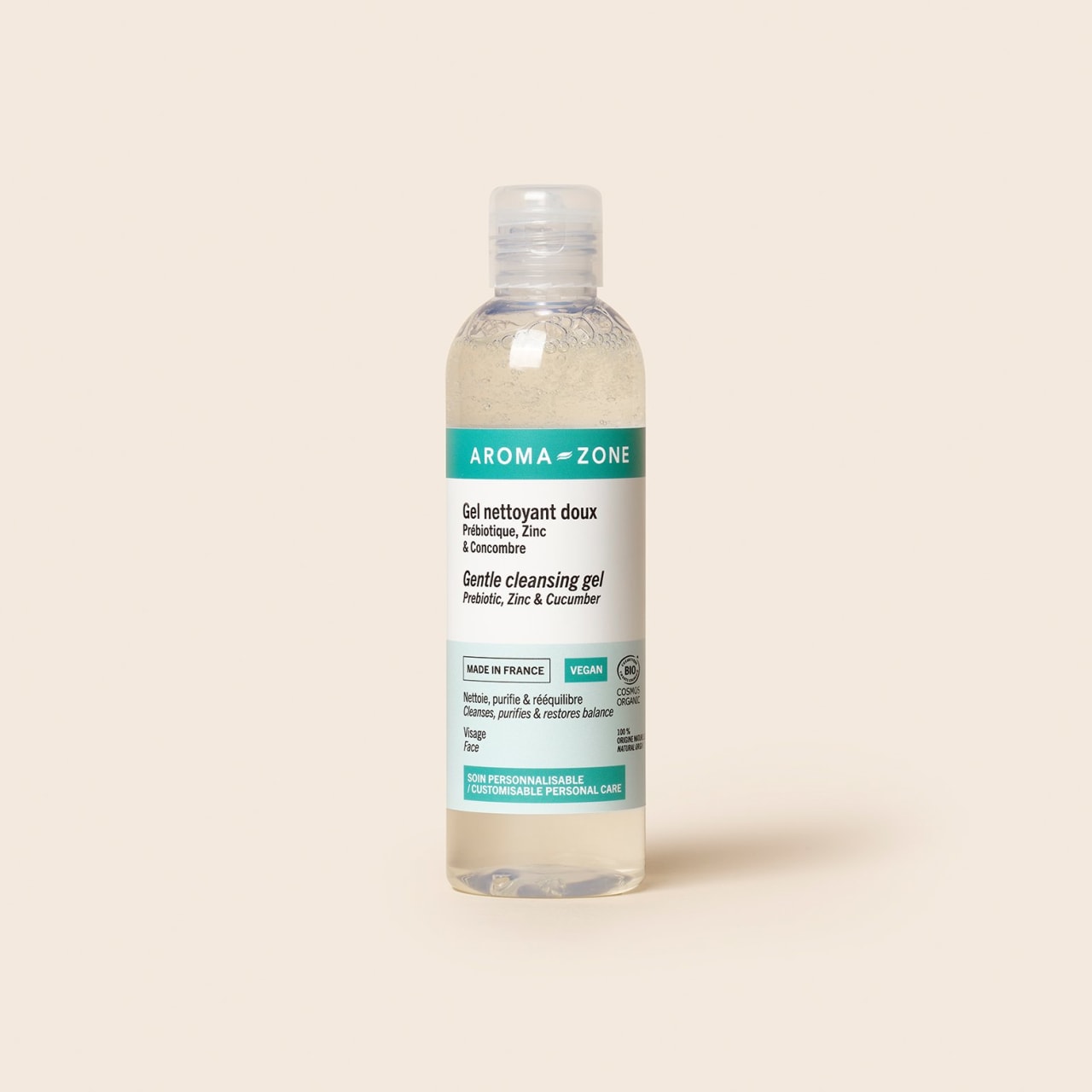
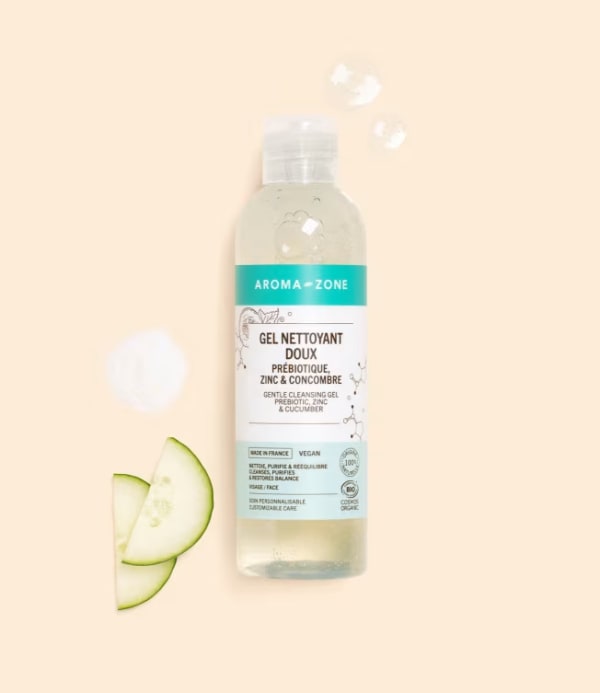
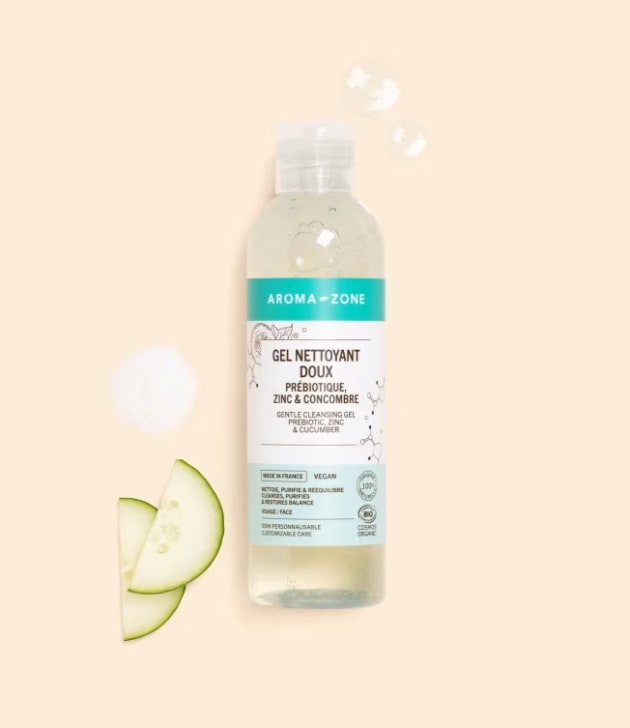
This gentle cleansing gel purifies the skin without damaging it, while respecting its natural balance thanks to prebiotics. Enriched with zinc and cucumber extract, it helps regulate excess sebum, limit the appearance of blemishes, and soothe irritation for a clearer, more comfortable complexion every day.

Prebiotic, Zinc & Cucumber Facial Cleansing Gel

Sensitive skin

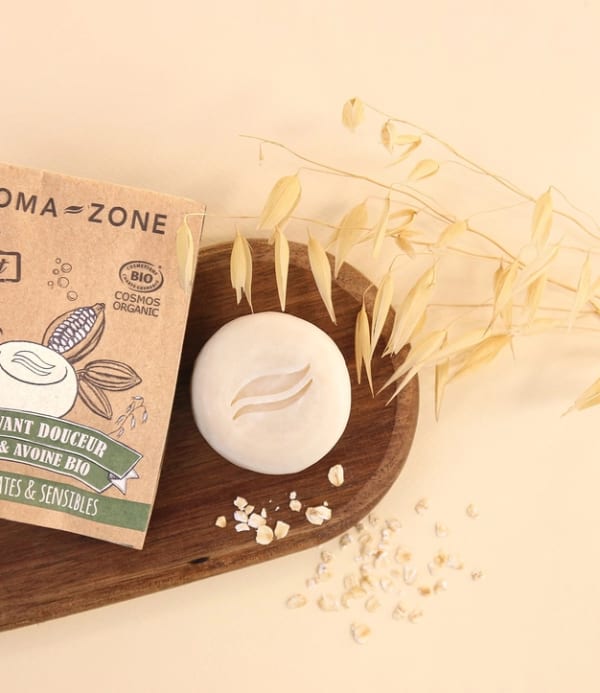
Sensitive skin reacts easily to external aggressions with redness, stinging, or tightness. Gentle cleansers, free of sulfates and irritants, in the form of a cream or light foam, cleanse without weakening the skin. Plant extracts such as calendula and chamomile soothe and support the skin's balance.

This organic, soap-free cleansing bar gently cleanses the skin while preserving its natural moisture. Enriched with calendula and oats, it soothes and protects sensitive and delicate skin. Its gentle formula, free from harsh ingredients, is particularly suitable for fragile skin.

Kaolin & Organic Oat Gentle Soap-Free Cleansing Bar

Dry skin

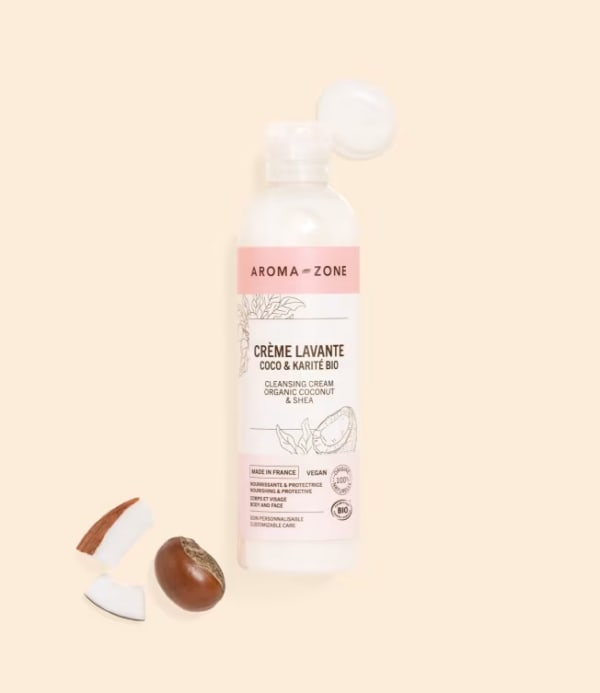
Dry skin produces little sebum and is prone to tightness and a weakened skin barrier. Cleansing milks, cleansing creams, or soap-free bars enriched with plant oils, plant ceramides or Aloe vera help preserve the hydrolipidic film. Lactic acid, used in low concentrations, can also support skin renewal without compromising comfort. The goal is to cleanse while maintaining the skin's suppleness and balance.

The Organic Coconut & Shea Cleansing Cream gently cleanses the face without drying out the skin, thanks to its 100% natural, certified organic formula. Enriched with protective coconut oil, lipid-replenishing shea butter, and soothing aloe vera juice, it helps nourish, soften, and reduce the tightness often associated with dry or delicate skin.

Coconut & Shea Cleansing Cream

Acne-prone skin

Acne-prone skin often has excess sebum, clogged pores, and regular breakouts, blackheads, or sometimes deeper lesions. Cleansing is therefore essential to limit the accumulation of sebum and impurities while respecting the sensitivity of the epidermis.

To do this, it is recommended to opt for gentle, purifying, non-stripping cleansers. Active ingredients such as Niacinamide, green clay, zinc, salicylic acid, or even azelaic acid in cases of hormonal imbalances, help to unclog pores, regulate excess sebum, and reduce the environment conducive to the development of bacteria responsible for blemishes. The goal is to purify the skin without drying it out, in order to avoid a vicious cycle where the skin produces more sebum to protect itself.

Good to know: Be sure to avoid formulas that are too harsh. Excessively dry skin can react by producing more sebum, which perpetuates the imbalance. Cleansing should therefore purify while respecting the skin's natural sensitivity.

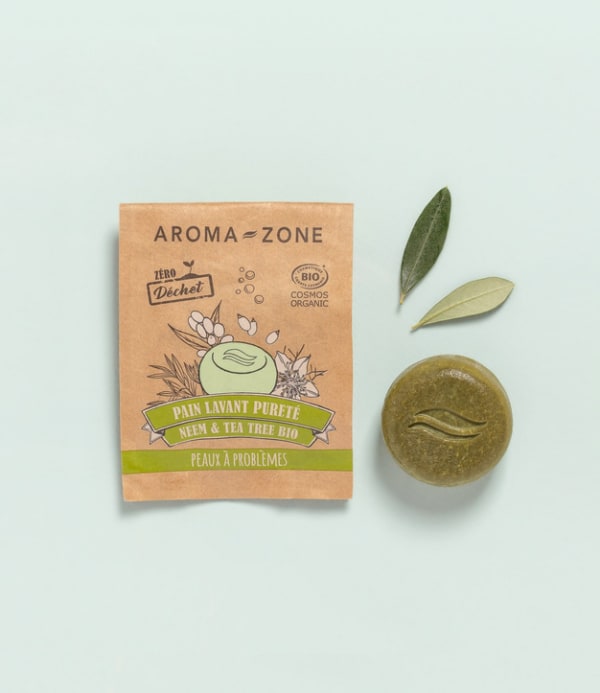
This cleansing bar is a certified organic cleanser, specially formulated for combination, oily, or blemish-prone skin. Its dense, creamy lather gently cleanses the face while respecting the hydrolipidic film and skin pH. This cleansing bar combines absorbent green clay, purifying organic neem powder, cleansing organic nigella vegetable oil, and organic tea tree essential oil to help regulate excess sebum, purify the epidermis, and leave skin clear, fresh, and soft.

Pureté Neem & Tea Tree Organic Soap-Free Cleansing Bar

Mature skin

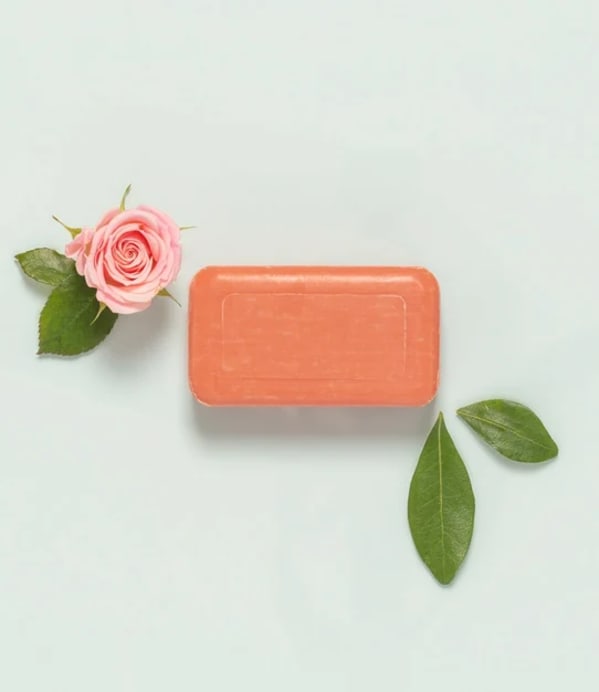
Mature skin produces less sebum and its cell renewal slows down, which can lead to dryness and loss of suppleness. It can sometimes develop late-onset imperfections, particularly in connection with hormonal changes. A gentle cleanser, in the form of a cream or non-stripping gel, is preferable. Formulas enriched with plant oils such as rosehip oil or borage oil, known for their high content of essential fatty acids, help preserve suppleness and support the skin barrier. Aloe vera and plant ceramides can also help maintain comfort.

Organic Regenerating Vegetable Soap gently cleanses the skin without altering the hydrolipidic film. Its formula, enriched with organic plant ingredients known for their regenerating properties, helps preserve the suppleness and comfort of mature skin. After use, the skin is clean, soft, and more radiant.

Regenerating Vegetable Soap

Our anti-blemish facial cleansers

To care for blemish-prone skin, we recommend choosing gentle but effective cleansers that purify the skin while respecting its natural balance.

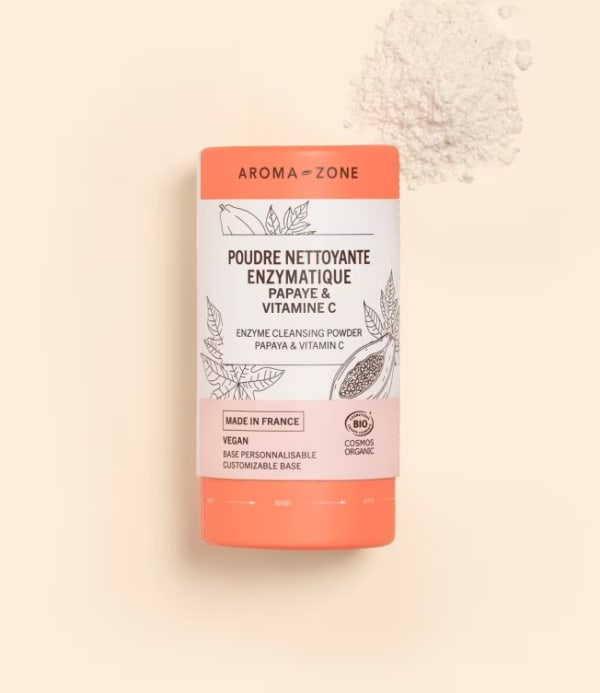
Papaya & Vitamin C Enzymatic Cleansing Powder: to gently cleanse and refine skin texture

This powder transforms into a fine foam on contact with water. It cleanses the skin while providing gentle enzymatic exfoliation thanks to papaya enzymes. Vitamin C completes the formula to help brighten the complexion. It helps eliminate dead cells and refine skin texture, which can be beneficial for clogged pores or uneven skin tone.

To use, pour a dose of powder into the palm of your hand, add a few drops of warm water to activate the enzymes and form a lather, apply to the face and neck, then rinse immediately for daily use, or leave on for 1 to 3 minutes, 2 to 3 times a week, for a deeper exfoliation.

Discover Papaya & Vitamin C Enzymatic Cleansing Powder

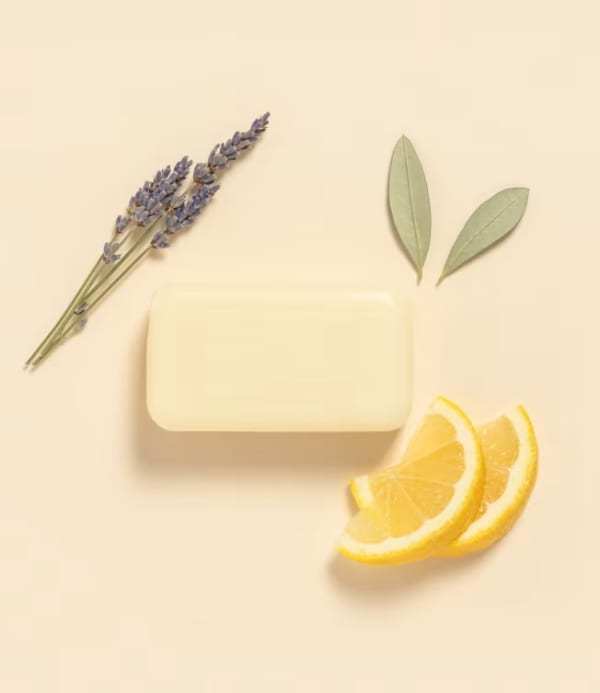
Organic Purifying Vegetable Soap: to purify and cleanse blemish-prone skin on a daily basis

Cold-saponified from organic vegetable oils, this soap is enriched with nourishing and protective organic shea butter. It combines organic essential oils of tea tree, lemon, lavandin, fine lavender, and linalool thyme, known for their purifying, cleansing, and soothing properties, which are particularly suitable for oily and blemish-prone skin. Certified organic, it helps purify the skin, limit excess sebum and support skin balance, while respecting the epidermis during daily cleansing.

Lather the soap with water in the palm of your hands, apply to damp skin, massage, then rinse thoroughly with clean water.

Discover the Organic Purifying Vegetable Soap

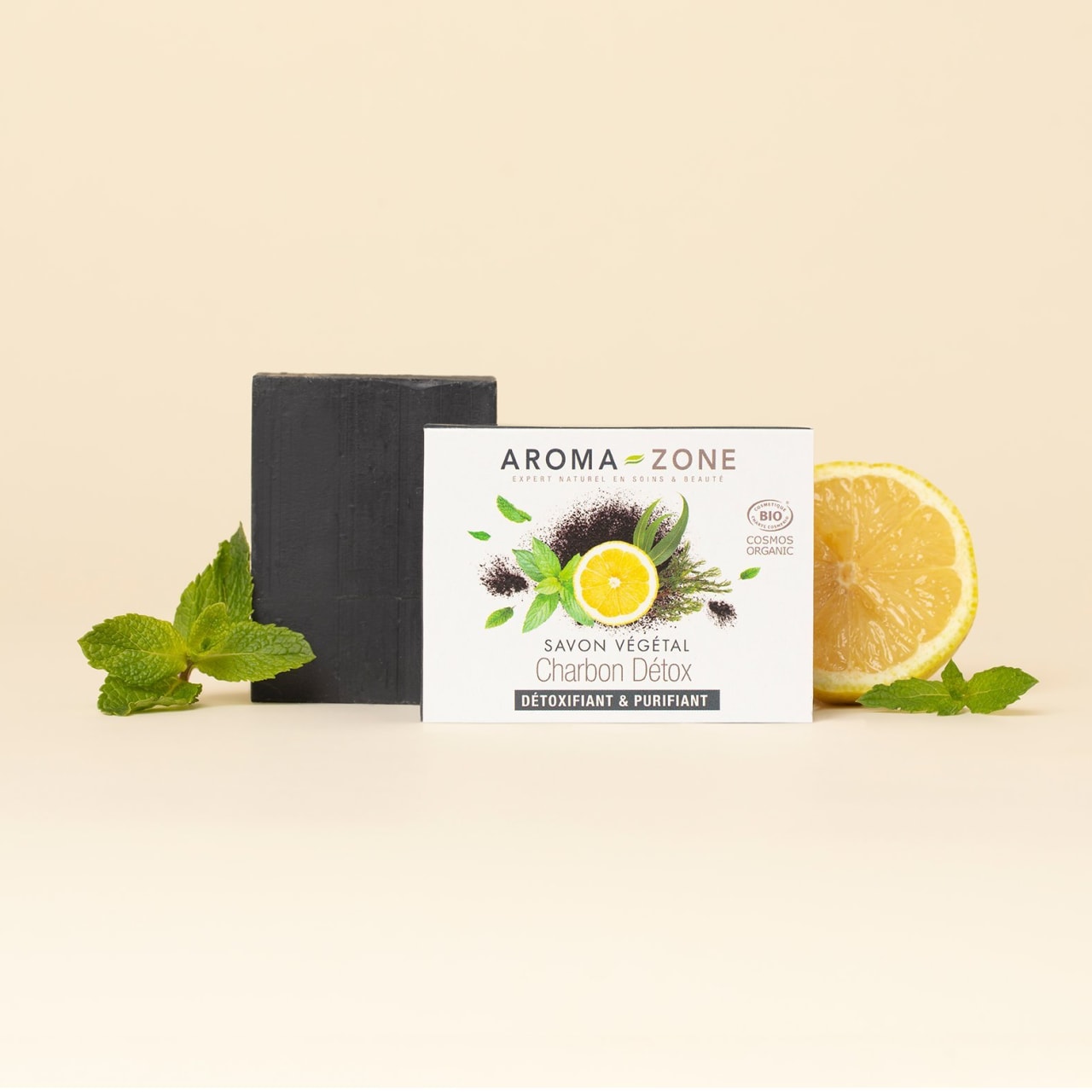
Charbon Détox handmade soap: essential for detoxifying, unclogging and deep cleansing

Cold-saponified from organic olive oil, organic shea butter, and organic copra oil, this gentle, ultra-rich soap with activated vegetable charcoal deeply cleanses acne-prone skin thanks to its detoxifying, absorbent, and deep-cleansing properties. Organic nigella and calophyllum vegetable oils soothe the skin, while organic tea tree, eucalyptus, mint, and lemon essential oils purify and invigorate it.

Lather the soap with water in the palm of your hands, apply to damp skin, massage, then rinse thoroughly with clean water.

Discover Charcoal Detox Handcrafted Soap

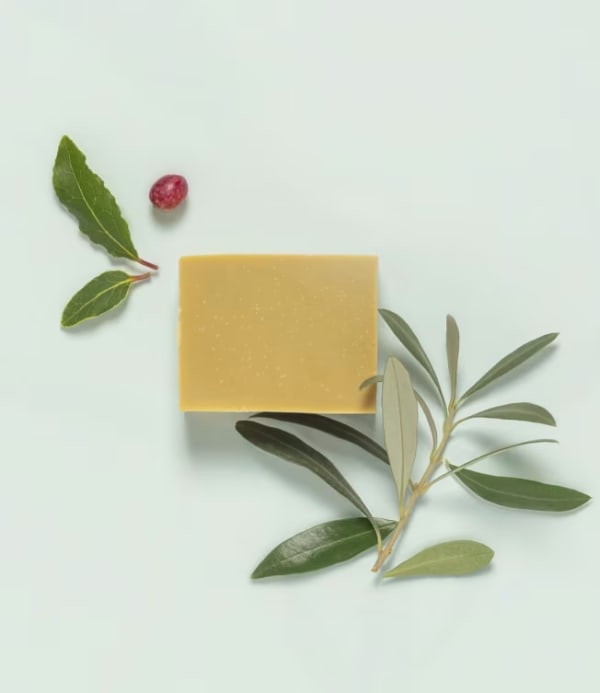
Organic Traditional Aleppo Soap: to cleanse, soothe, and purify acne-prone skin

Handcrafted in Provence using the cold saponification method, this certified organic soap is made from organic olive oil and 40% organic laurel berry oil. Its high concentration of laurel gives it purifying, cleansing, and soothing properties, which are particularly beneficial for blemished and acne-prone skin. Naturally rich in glycerin from saponification, gentle and ultra-rich, it cleanses effectively while respecting the hydrolipidic film. Its simple, plant-based composition makes it an attractive option for skin types seeking effective cleansing without complex formulas.

Lather the soap with water in the palm of your hands, apply to damp skin, massage, then rinse thoroughly with clean water.

Discover Aleppo soap – plant-based & organic SAF

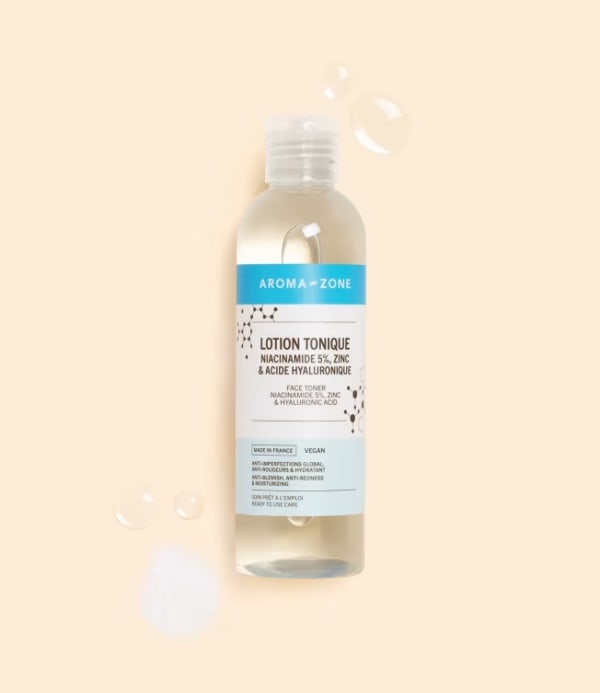
Niacinamide 5%, Zinc & Hyaluronic Acid Toner: to perfect your cleansing routine

Enriched with 5% Niacinamide, this ultra-gentle facial lotion acts as a true perfecting treatment for acne-prone skin. Formulated with Zinc PCA, Hyaluronic Acid, and Organic Inulin, it targets imperfections such as pimples, blackheads, spots, and redness, while helping to tighten pores and visibly improve skin quality. Lightweight, fragrance-free, and alcohol-free, it can be used on its own after cleansing to complete your daily routine. Non-drying, it helps regulate sebum production, protects the skin barrier and leaves the skin fresh, mattified and hydrated, with a more even and clearer complexion.

Morning and/or evening, on clean skin, pour a few drops onto a cotton pad or directly into the palm of your hand, then apply to the face and neck.

Discover Niacinamide 5%, Zinc & Hyaluronic Acid Toner

A few additional tips to avoid pimples on the face

  1. Don't strip your skin: use products that are suitable for your skin type and avoid overly aggressive cleansers, which stimulate sebum production. Make sure your hands are clean before touching your face.

  2. Don't pop your pimples: this could aggravate the infection and leave scars. Let them heal naturally and use targeted skincare products.

  3. Protect your skin from the sun: even though the sun temporarily dries out the skin, prolonged exposure causes sebum to rebound. Use a non-comedogenic sunscreen with a high SPF to limit blemishes.

  4. Manage stress: Stress can affect hormone production and the quality of your skin. Incorporate relaxing activities such as meditation, yoga, or exercise to support your skin's balance.

  5. Be wary of "home remedies": Avoid applying toothpaste or pure lemon juice to your skin, as these can cause irritation and burns. Opt for gentle alternatives such as hydrosols suitable for blemish-prone skin.

  6. Adopt a healthy lifestyle: limit tobacco, alcohol, and sugary drinks, reduce processed sugar and overly fatty foods, drink enough water, exercise regularly to oxygenate the blood and regulate stress, and make sure you get enough sleep to allow for skin renewal.

  7. Manage sweat after exercise: Sweating helps eliminate impurities, but must be gently removed to avoid clogging pores and promoting breakouts.

  8. Consult a professional if necessary: if blemishes persist, a dermatologist can recommend a suitable treatment to reduce pimples and potential scarring.

Precautions

Wash your hands thoroughly with soap and water before applying a cleanser. Avoid the eye area. Follow the recommended frequency of use for each product. Avoid mixing active ingredients without prior knowledge. If you experience a skin reaction, discontinue use and consult a healthcare professional.

Expert advice

Don't forget that the skin regenerates mainly at night: Getting enough quality sleep allows your skin to renew itself, soothe redness and minor inflammation, and gradually regain its natural radiance. Give yourself this time to rest, as it supports both your skin and your overall well-being.

Learn more

What natural active ingredients are effective against acne?

The most effective natural active ingredients for reducing blemishes include tea tree, known for its antibacterial and purifying properties, Burdock and Calendula to soothe the skin, as well as Zinc and Niacinamide, which regulate sebum production and support skin renewal.

How can you naturally reduce severe acne?

In addition to topical treatments, follow a gentle and regular routine, limit irritants (sun, stress, overly sugary foods), and adopt a healthy lifestyle. In severe cases, medical supervision is strongly recommended for appropriate treatment and to prevent scarring.

What is the best facial cleanser for acne?

For acne-prone skin, choose a gentle, purifying cleanser that doesn't dry out the skin. Gels, foams, or ultra-rich soaps enriched with active ingredients such as zinc, clay, or charcoal help regulate sebum, unclog pores, and limit the bacteria responsible for blemishes, while respecting the skin's natural balance.

Spotlight on our editor Vanessa Houpert

With a Master's degree in cultural journalism from the Sorbonne Nouvelle University (Paris 3), Vanessa HOUPERT has been working as a journalist, copywriter, and editorial consultant for media outlets and brands for over 10 years. Inspired by everything related to beauty, goodness, and well-being, her comprehensive approach to consumer trends allows her to analyze the times.

Bibliography

1

ZOUBOULIS C. C. "Acne and sebaceous gland function." Clinics in Dermatology (2004).

2

Dermato-info. "Skin diseases: Acne."

3

VIDAL. "Acne. (2022).

4

HAS - Haute Autorité de Santé (French National Authority for Health). "Acne: when and how to treat it?" (2025).