Hydrosols for the face

Much less concentrated than essential oils, hydrosols are a gentle alternative suitable for all skin types and are very easy to use. Composed mainly of water, they contain active plant ingredients which, depending on their properties, can purify, soothe or tone the skin. In this article, we'll explore how to select and use a facial hydrosol according to your skin type, and see which hydrosol is best for oily, sensitive or combination skin, or for combating blemishes.

By The Aroma-Zone editorial team

Reading time: 0 min.

What is a hydrosol?

A hydrosol, also known as floral water, is a product obtained when aromatic plants are distilled to extract their essential oils. During the steam distillation process, the plants' volatile compounds (essential oils) are separated from the water used as a carrier. This water, impregnated with the plants' water-soluble properties, becomes a hydrosol.

Unlike essential oils, which are highly concentrated in active ingredients and need to be diluted before use, hydrosols are much gentler and can be used directly on the skin without dilution. They contain a low concentration of essential oils, as well as water-soluble compounds and micronutrients from the original plant.
Why use a hydrosol in your skincare routine?

Hydrosols differ from traditional waters and toning lotions in their many benefits for the skin. Unlike water, which is devoid of active ingredients, hydrosols are distilled from plants and contain naturally beneficial aromatic compounds. They combine the lightness of water with the specific benefits of plants, without chemicals or preservatives.

Unlike traditional waters or skin lotions, hydrosols have many benefits. First of all, hydrosols are distilled from plants with beneficial properties for the skin. So each hydrosol has unique properties, depending on the plant that it comes from.

Hydrosols also respect the skin's natural pH, helping to maintain its balance without adversely affecting it. Tap water, in comparison, is often hard water and can dry out the skin.

And unlike lotions, hydrosols contain no alcohol or unnecessary products. Last but not least, one of the advantages of hydrosols is their versatility: they can be used for all kinds of needs.

What are the benefits of hydrosols?

Hydrosols have a number of benefits for the skin, making them a valuable asset for any skincare routine:

  • Toning and refreshing effects: hydrosols are naturally invigorating and refreshing. They help revitalise the skin, leaving it soft and radiant.

  • Soothing and calming properties: some hydrosols, such as chamomile or lavender, have soothing properties that can help reduce redness and skin irritation.

  • Gentle hydration: hydrosols are gentle and moisturising, suitable for all skin types, even the most sensitive. They help to maintain the skin's moisture balance without damaging it.

  • Purifying effects: certain hydrosols, such as tea tree or rosemary, have purifying properties that help to deeply cleanse the skin and prevent the appearance of pimples.

  • Skin prep for other products: hydrosols can be used before applying other skincare products to prepare the skin for their optimum benefits.

  • Versatile in use: they can be used as a facial tonic, a refreshing spray, an ingredient in masks or compresses, and even as a base for diluting essential oils in homemade cosmetic products.

How do I choose the right hydrosol?

To choose the right hydrosol, you first need to consider several factors. Firstly, it's important to select a hydrosol that's suited to your skin type. Each hydrosol has specific properties.

The quality of the hydrosol is also very important. It's preferable to choose pure, organic products, with no synthetic additives or preservatives, to guarantee that it is safe to use them.

What's more, the origin of the plants and the production method play a key role in the hydrosol's effectiveness. Those obtained by environmentally-friendly steam distillation are always the best.

Last but not least, it is better to select hydrosols packaged in opaque dark glass bottles, which protect them better from light and oxidation, which means they retain their properties better and for longer.

Which hydrosol is right for your skin type?

Which hydrosol should I use for dry skin?

While plant-derived oils are essential skin care products for dry skin, hydrosols (or floral waters) are also beneficial for toning skin and replenishing moisture. Ideally, they should be applied just before an oily or creamy nourishing skincare product, which will form a protective film to keep the skin hydrated. Choose hydrosols that gently tone thin skin.

Orange blossom hydrosol

Toning and regenerating

With its floral fragrance, this hydrosol has toning, revitalising and soothing properties for the skin, and is popular for making skin care products for dry skin. It's also used to calm the mind and promote restful sleep, as well as in cooking!

Discover orange blossom hydrosol

Lemon balm hydrosol

A revitalising, soothing and softening active ingredient, it is beneficial for mature, dry and irritated skin, as well as blemished skin. Its relaxing effects are reputed to help combat stress and sleep disorders. Its subtle flavour is a delight in cooking.

Discover melissa hydrosol

Which hydrosol should I use for combination skin?

Oily on the 'T-zone' (forehead, nose, chin) and dry on the rest of the face, combination skin is a real headache and often feels uncomfortable. Choose hydrosols that gently balance sebum secretion.

Witch hazel hydrosol

Witch hazel floral water is recommended in formulas for sensitive skin prone to redness. Astringent, toning and purifying, it's an ideal ingredient for making skincare products targeting combination and oily skin, or for making deodorants.

Discover witch hazel hydrosol

Which hydrosol should I use for oily skin?

Oily skin has a shiny appearance due to the excess sebum it produces, and also tends to be prone to open pores. Astringent and purifying, hydrosols are ideal for regulating this type of skin and tightening pores.

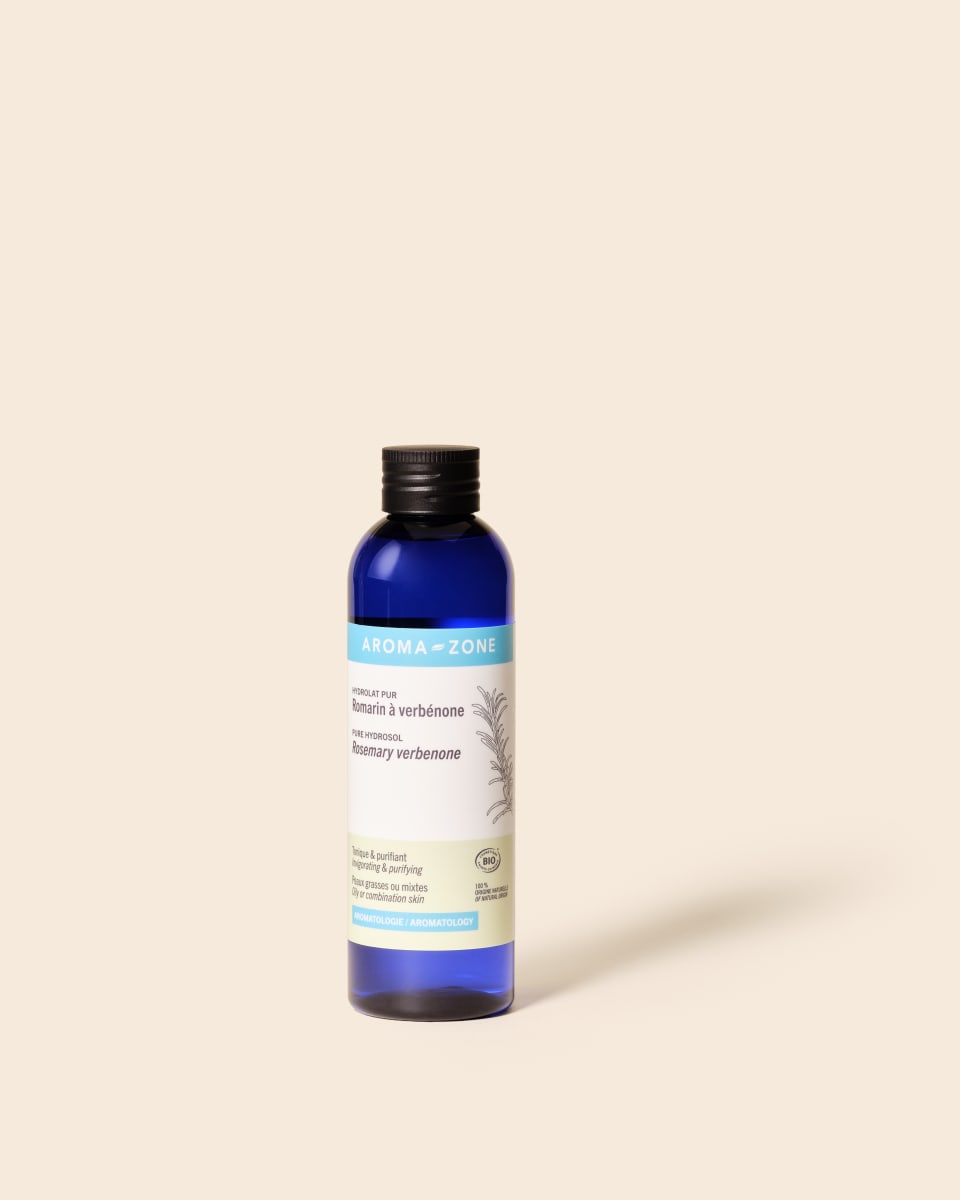
Rosemary verbenone hydrosol

Purifying and regulating, rosemary verbenone hydrosol is known as an active ingredient for blemished, oily and acne-prone skin. It is also used in hair care formulas to prevent hair loss and combat dandruff. Highly aromatic, rosemary verbenone hydrosol is also an excellent addition to your food or wellness drinks.

Discover rosemary verbenone hydrosol

Grapefruit hydrosol

Purifying and astringent, this hydrosol is ideal for making skin care products for oily and blemished skin, and is effective in homemade dental hygiene products. It is also reputed to balance the mind and give you the courage to express yourself.

Discover organic Provençal bay laurel hydrosol

Which hydrosol should I use for acne-prone skin?

Pimples, blackheads and microcysts, shiny skin and scars: acne-prone skin is often full of complications. Hydrosols are particularly well suited to making regulating and sanitising lotions for this type of skin, and are easy to incorporate into your skincare routine.

Organic linalool thyme hydrosol

Purifying and balancing, it is the ideal hydrosol for making skincare products for blemish-prone and acne-prone skin. Its herbal scent is perfect for making cosmetics with a Provençal touch, and its flavour will complement your cooking.

Discover organic linalool thyme hydrosol

Organic tea tree hydrosol

This purifying hydrosol can be used in your cosmetic formulas for blemish-prone and acne-prone skin. It is also renowned for its use in dental hygiene products, and for supporting your health in cases of exhaustion.

Discover organic tea tree hydrosol

Which hydrosol should I use for delicate, sensitive skin?

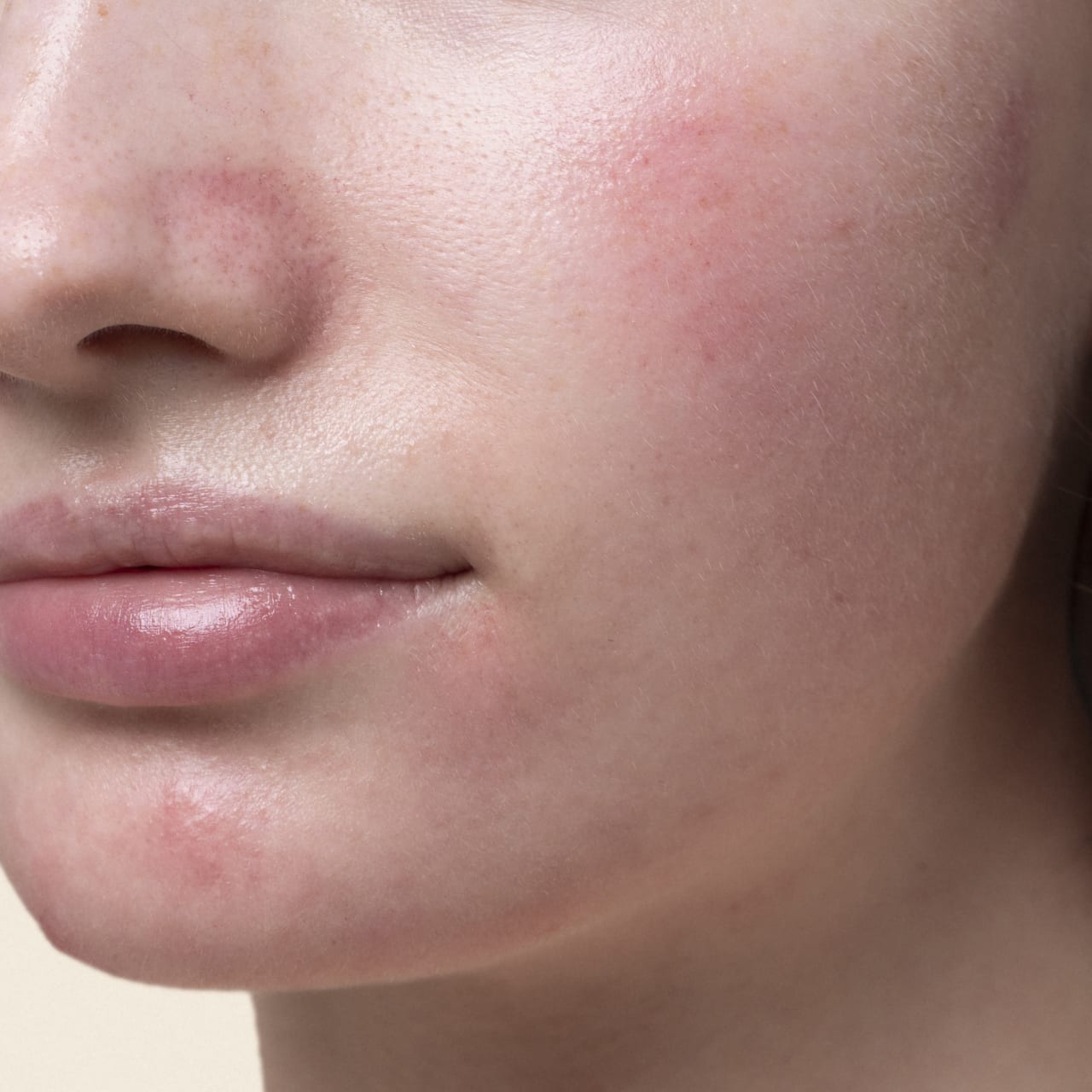
Often reactive, sensitive skin is prone to redness, tightness, tingling and discomfort at the slightest change in temperature, or with the use or water or cosmetic products, and can even flare up due to stress, fatigue, etc. As it is so delicate, you need to opt for hydrosols with soothing and softening properties.

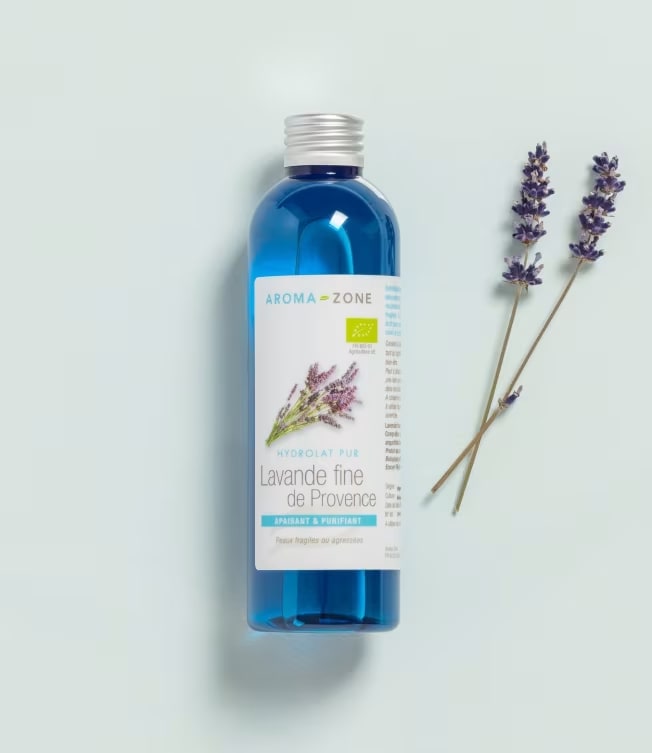
Lavender fine hydrosol

Obtained by distilling marigold flowers, calendula hydrosol works wonders on fragile or irritated skin. Popular for its mild botanical fragrance, it is known as an active ingredient in home cosmetics for delicate, overheated or uncomfortable skin.

Discover organic calendula hydrosol

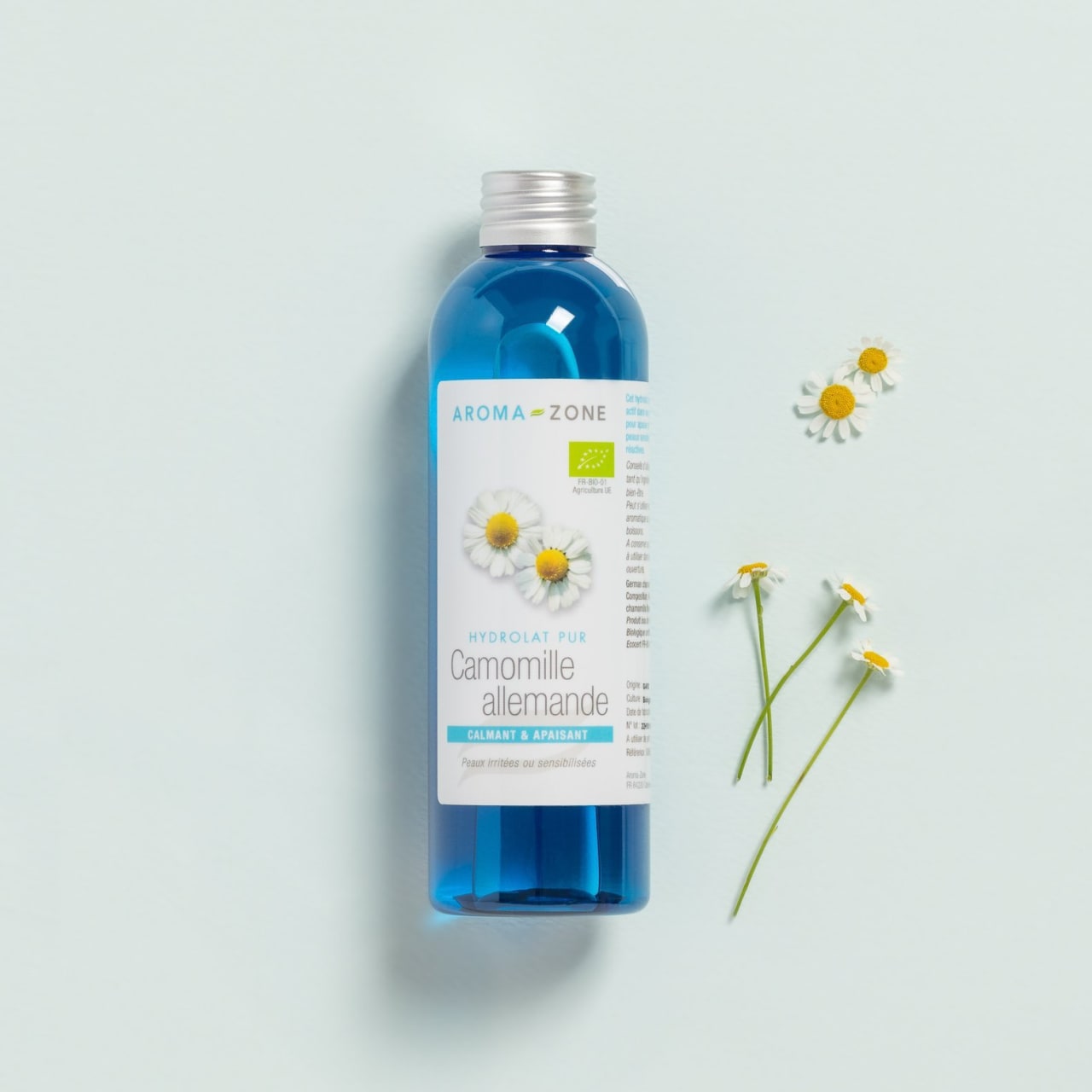
German chamomile hydrosol

This hydrosol is known for soothing delicate, tight or itchy skin. Use it in your homemade soothing creams and lotions. It is also a well-known ingredient for making hair blonder.

Discover German chamomile hydrosol

Yarrow Hydrosol

Refreshing and soothing, this hydrosol is used to make skincare products for delicate, tight or uncomfortable skin. Astringent and purifying, it is also a top ingredient for skincare products targeting blemish-prone skin.

Discover organic Provençal lavender fine hydrosol

Which hydrosol should I use to combat skin ageing?

With age, skin becomes thinner and gradually loses its tone and firmness. Expression lines appear and dehydration lines deepen. To look after mature skin and combat the signs of skin ageing, turn to hydrosols with toning and astringent effects, to be applied as a lotion before day or night skincare products (oil or cream).

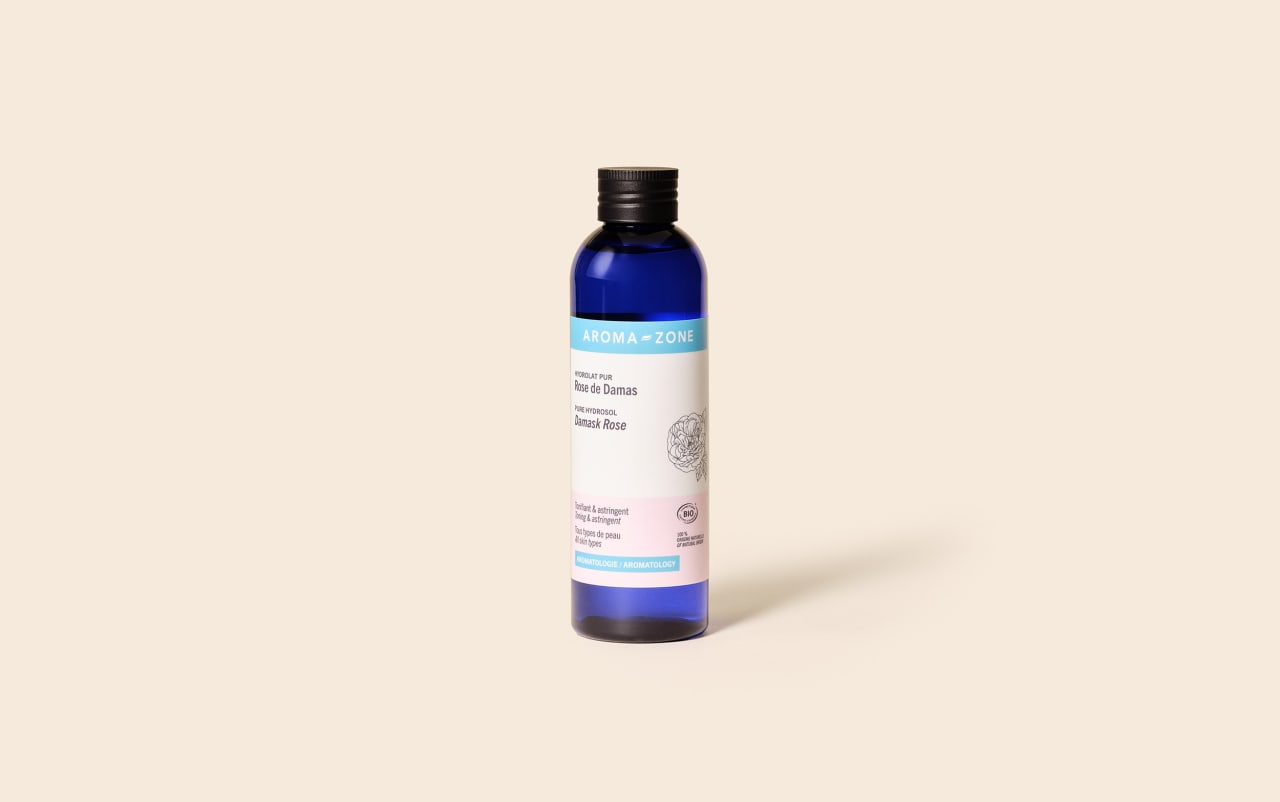
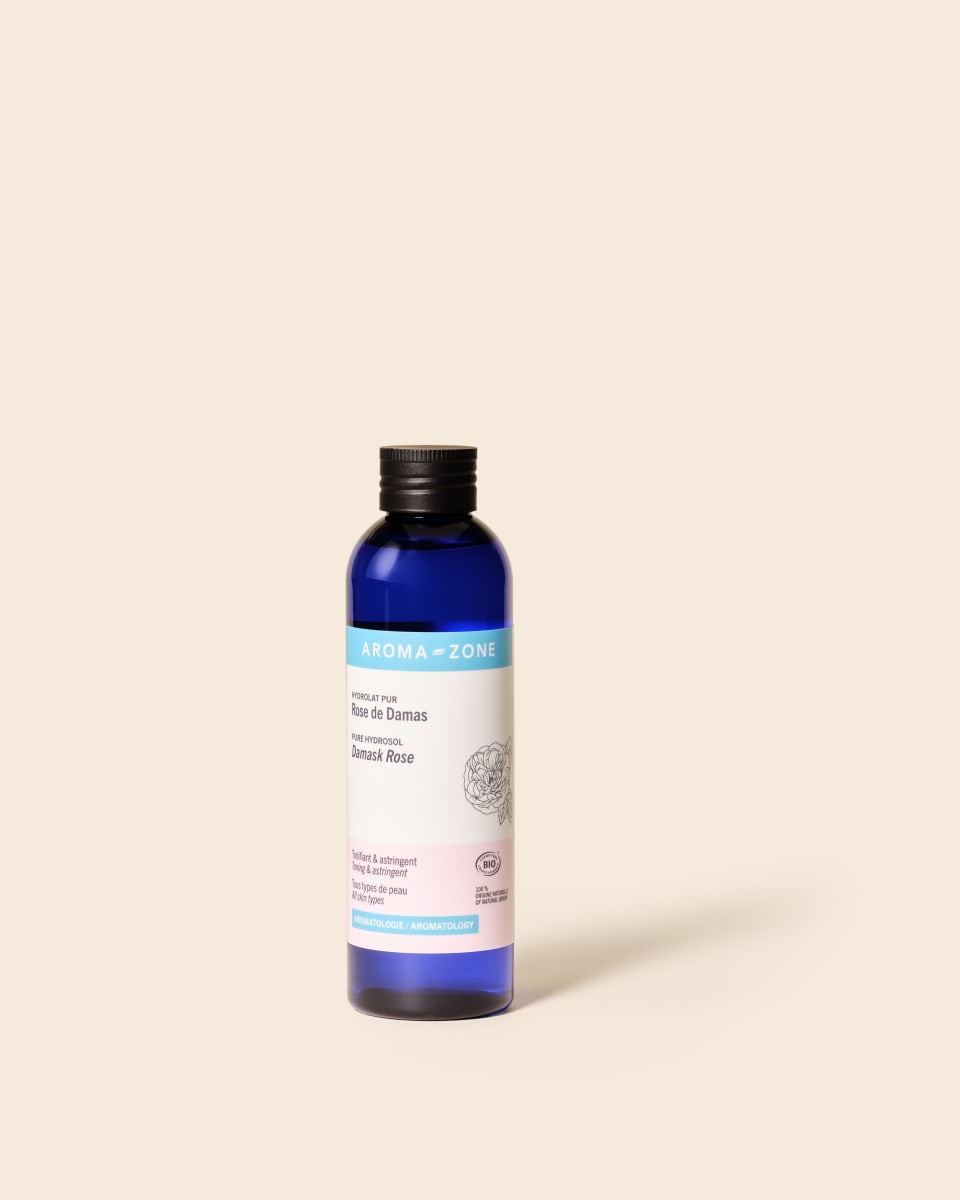
Damask Rose Hydrosol

Astringent and firming, this hydrosol is an essential ingredient for preventing and combating the signs of skin ageing. Used in your formulations, this hydrosol, also known as rose water, purifies, refreshes and softens the skin, so it is ideal for delicate skin.

Discover damask rose hydrosol

Gum rockrose hydrosol

Known for its smoothing and firming properties, this hydrosol is an ideal ingredient for mature skin care. Astringent and soothing, it can be used in aftershave treatments or for skin prone to redness.

Discover gum rockrose hydrosol

Which hydrosol should I use for dull skin?

Smoking, pollution, tiredness and lack of sleep… are all factors that can slow down skin renewal and give the skin a dull, uneven appearance, or even a greyish complexion. When skin lacks radiance, there's nothing like a gentle exfoliation once a week to remove accumulated dead cells and boost skin renewal. Top off this programme by using toning hydrosols every morning to revitalise the skin and wake up your complexion!

Organic grapefruit hydrosol

Invigorating and refreshing, this hydrosol can be incorporated into your homemade formulas to cleanse the skin, tighten pores and revive dull complexions. It can also be used to treat excessive perspiration.

Discover organic grapefruit hydrosol

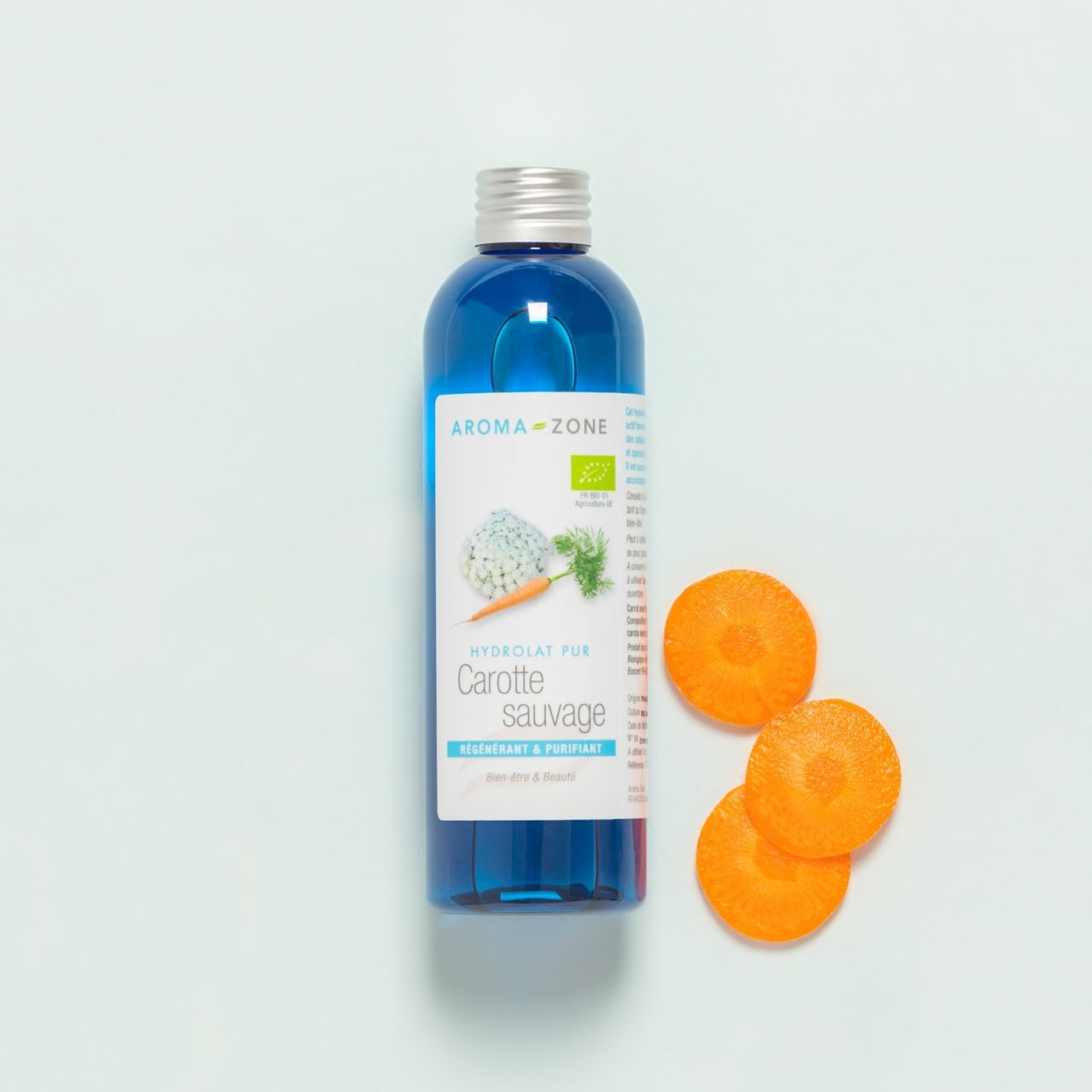
Wild carrot hydrosol

This wild carrot hydrosol is a well-known ingredient for revitalising tired skin and soothing delicate skin. It can also be used to make skin care products for dull skin, clarifying and toning it. It is also popular for wellness-oriented courses of treatment

Discover wild carrot hydrosol

Organic peppermint hydrosol

Toning and refreshing, it is an active ingredient that tightens pores and revives dull complexions. This ingredient is also known to soothe skin discomfort, and is also used in cases of excessive perspiration. Its minty flavour is wonderful in drinks.

Discover organic peppermint hydrosol

Which hydrosol should I use for dark circles and puffiness?

Generally caused by local blood and lymphatic circulation problems, dark circles and bags under your eyes are very often hereditary but are accentuated by various factors such as lack of sleep, smoking, alcohol and pollution.

Very mild hydrosols with toning and circulatory properties will help reactivate local circulation, reduce puffiness and fade the bluish appearance of dark circles. Store them in the fridge, as the cold will boost their effectiveness! Apply them as a compress as soon as you wake up.

Cornflower hydrosol

This hydrosol is traditionally known as a genuine panacea for soothing and revitalising tired or delicate eyes. It can be used in your make-up removal and soothing skin care formulas. It is also renowned for toning the skin.

Discover cornflower hydrosol

How do I use a hydrosol?

  1. On the face: gently dab onto clean skin with a cotton pad. You can also spray the hydrosol directly onto your face, then leave to dry naturally or tap with your fingers for better absorption.

  2. As a refreshing mist: spray the hydrosol on your face for a feeling of freshness and hydration.

  3. As a toner: after cleansing, to soothe the skin and prepare it for moisturiser or cream.

  4. In your shampoos: to solubilise your active ingredients, clay or other homemade formulas to boost their benefits and improve hair texture.

What hydrosol-based recipes can you make at home?

Botanical lotion with regulating and anti-dandruff hydrosols

Ingredients (without scales)

Preparation

1

Pour all the ingredients into a bottle.

2

Close the bottle and shake vigorously.

3

All set!


Store your bottle away from heat.

* Storage: if stored properly and manufactured under optimum hygiene conditions, your product will keep for at least 3 months.

Pure zen spray

Preparation

1

Pour all the ingredients into a bottle.

2

Close the bottle and shake vigorously.

3

All set!


Store your spray away from light and heat.

* Storage: if stored properly and manufactured under optimum hygiene conditions, your product will keep for at least 3 months.

Hydrosols: what precautions should you take?

Although hydrosols are gentle and well tolerated by the skin, a few precautions should be taken to maximise their effectiveness and avoid any undesirable reactions:

  • Tolerance test: before using a new hydrosol, it is advisable to carry out a skin tolerance test by applying a small amount to an inconspicuous area of the skin (such as the wrist or the crease of the elbow) and observing any reaction for 48 hours.

  • Storage: store hydrosols in a cool place, away from direct sunlight and excessive heat, to preserve their freshness as well as all their properties.

  • Use: use hydrosols within the recommended time after opening (generally a few months), as they are natural and may deteriorate over time.

  • Application: for best results, spray the hydrosol directly onto the skin after cleansing or apply with a soft cotton pad. Avoid direct contact with the eyes.

  • Origin and quality: make sure you choose quality hydrosols from reliable sources to avoid unwanted contaminants or additives.

Expert advice

To maximise their effects, it is important to keep hydrosols in a cool place to preserve their properties. Store them preferably in an opaque container in the refrigerator to protect their active ingredients from light and heat. A poorly stored hydrosol can lose its effectiveness. What's more, their water-rich composition makes them delicate products, susceptible to the spread of bacteria.

Find out more

Can I use hydrosols on my hair?

Yes, some hydrosols are excellent for helping the scalp feel refreshed and making hair shiny. Spray some on your hair after shampooing or between washes for a burst of freshness.

Can I use my hydrosol as a make-up remover?

A hydrosol alone is not enough to remove stubborn make-up, especially waterproof make-up, which requires the use of two-phase formulas or plant-derived oils. However, it can be used after you remove your make-up to refresh and soothe the skin. For example, cornflower hydrosol is ideal for soothing the eye area after removing make-up.

How long can you keep a hydrosol?

In general, a hydrosol can be kept for 6 to 12 months after opening. To prolong its shelf life, it is advisable to keep it refrigerated and away from light. Throw it away immediately if it changes odour or becomes cloudy.

Bibliography

1

Müller, C., & Külling, D. (2018). "Hydrosols: The Next Generation of Aromatherapy." *Journal of Essential Oil Research*, 30(1), 12-20. DOI: 10.1080/10412905.2017.1392345.

2

Brockmöller, J., & Rutz, A. (2019). "The Benefits of Floral Waters in Skincare." International Journal of Cosmetic Science*, 41(3), 230-239. DOI: 10.1111/ics.12512.

3

Peterson, D. (2022). "Hydrosols: Versatile and Effective Natural Products." Natural Products Journal, 12(1), 99-104. DOI: 10.1080/19393210.2021.1987643.