
Scalp pain (known as trichodynia) manifests as increased sensitivity, a burning sensation, tingling, or tension. It can be widespread or localised to certain areas of the scalp, occasional or persistent, and worsen when touched. Often associated with other symptoms such as itching, redness, or flaking, it may indicate a skin imbalance or an underlying condition requiring special attention.
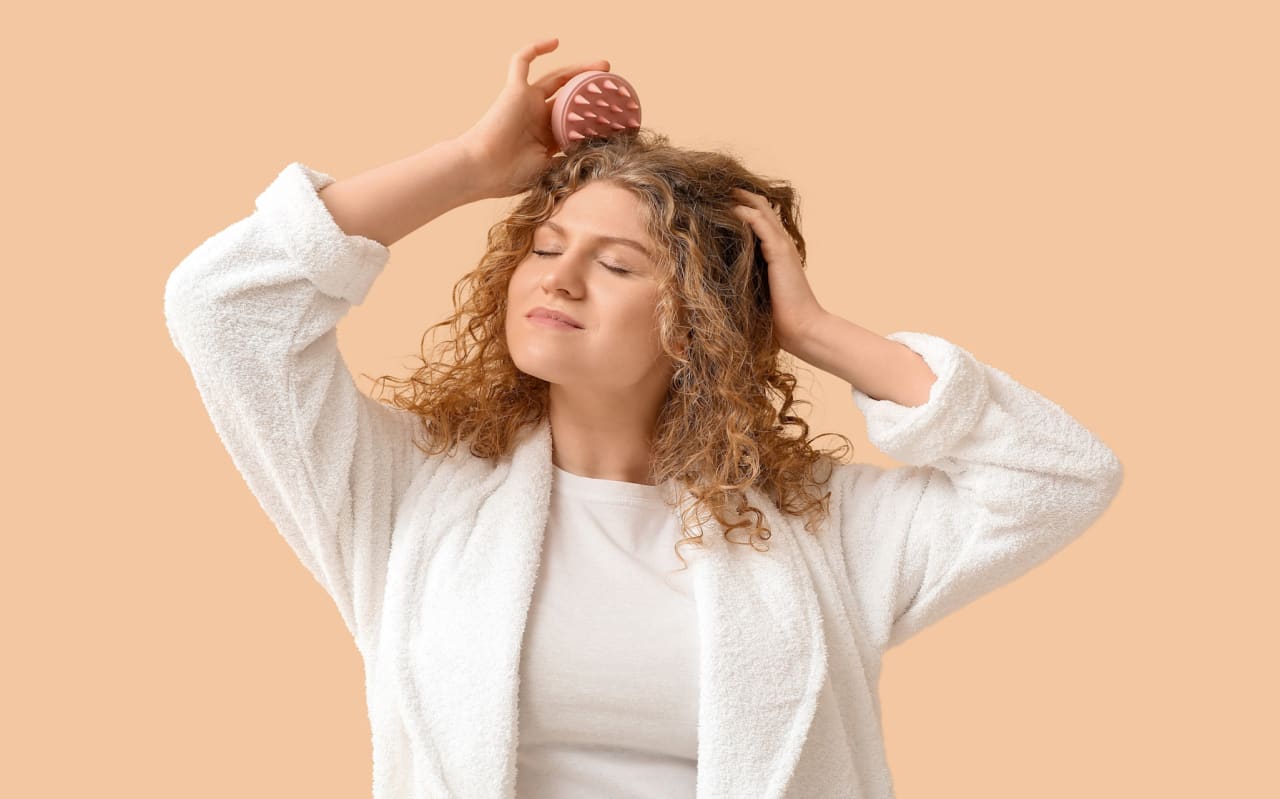
What should I do if my scalp hurts when I touch my hair?
Published on: Thursday, April 10, 2025, Updated on: Wednesday, October 07, 2026
Do you experience pain or sensitivity on your scalp? Whether it feels like general discomfort or a localised pain, several factors may be responsible for scalp sensitivity. Stress, inflammation, or unsuitable hair care products can all play a role. Identifying the underlying cause is essential to finding the right solutions. In this article, discover the possible causes of a sensitive scalp and natural remedies to help soothe it.
Contents
Related products
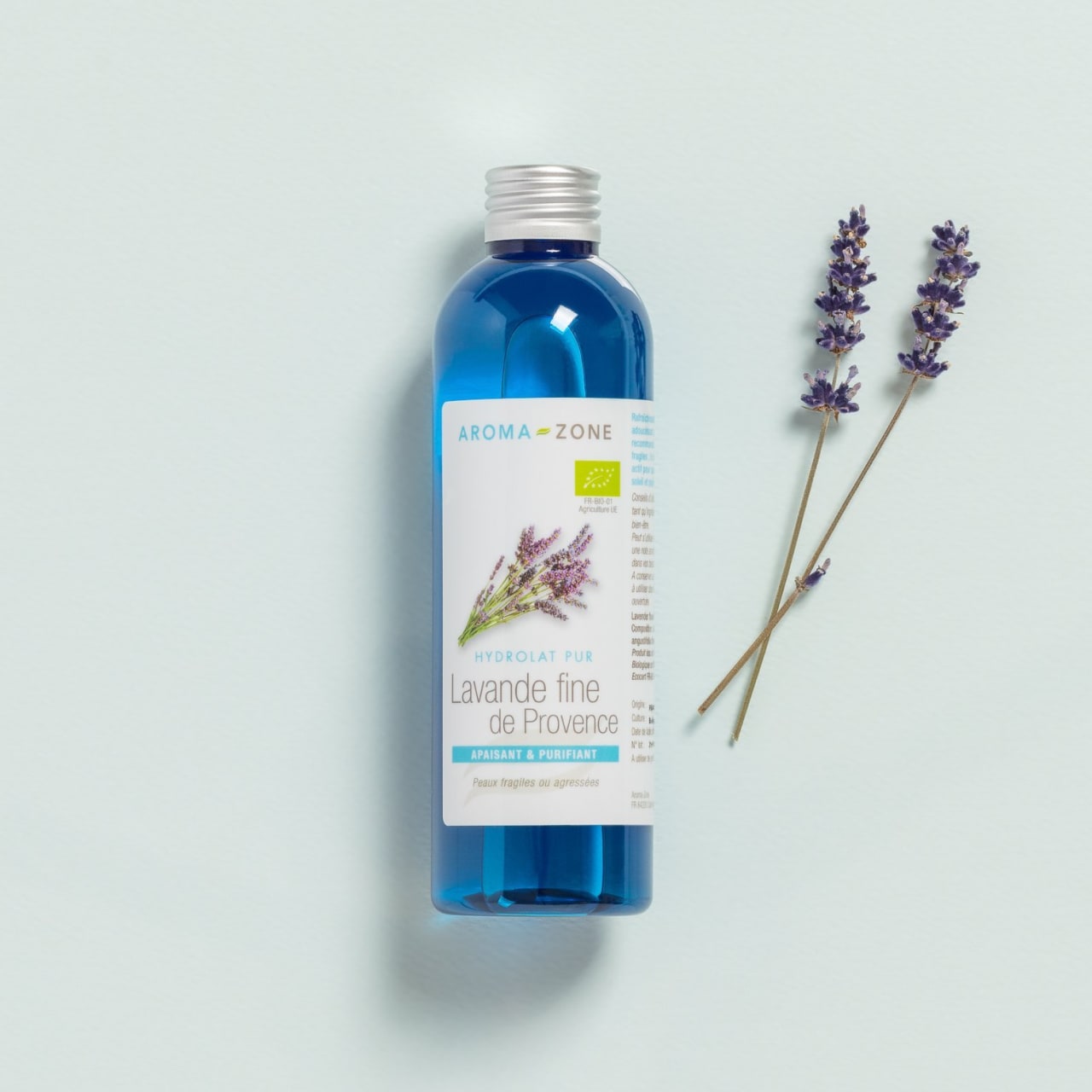
Organic Fine Lavender Hydrosol
Soothing
Refreshing
£4.00
200 ml
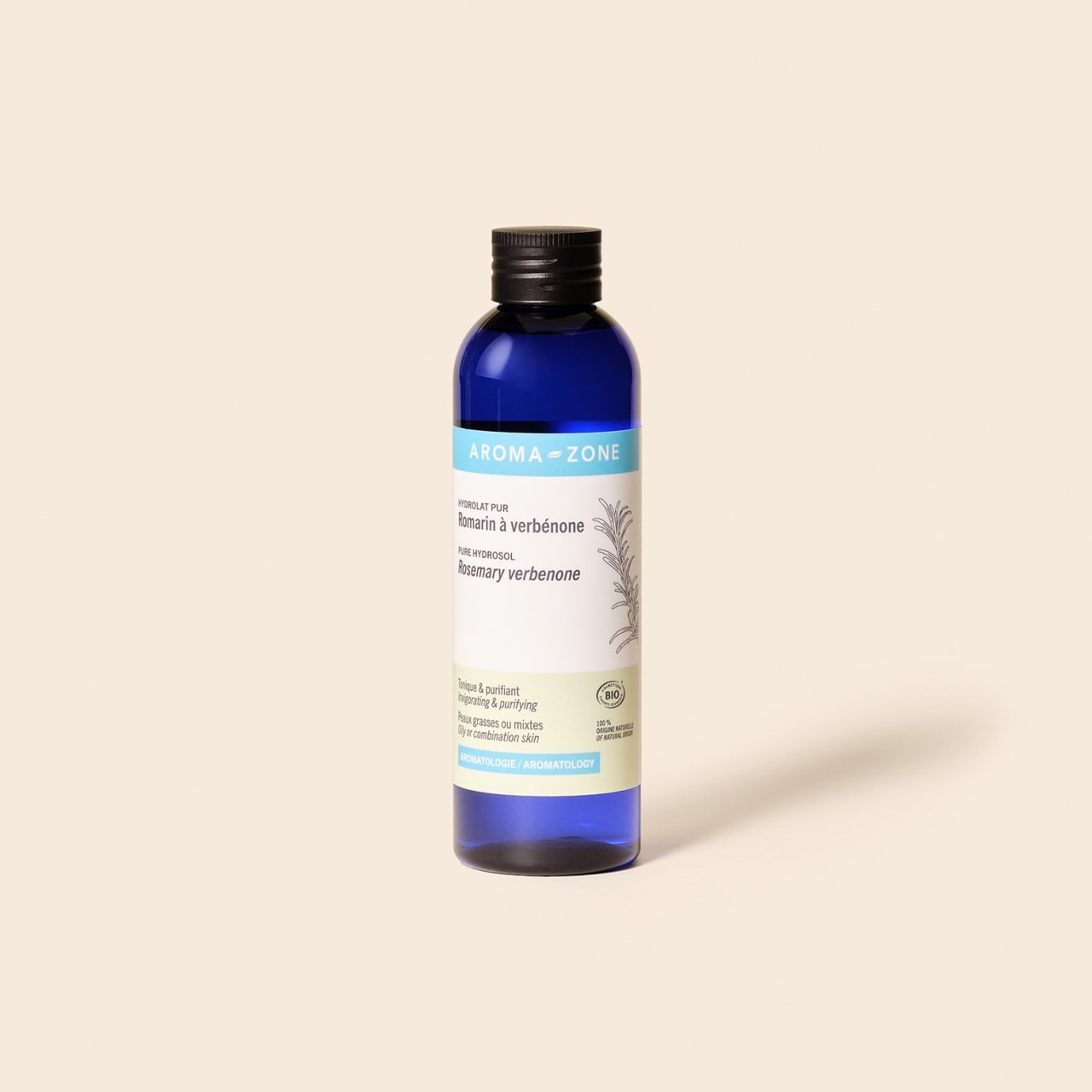
Organic Rosemary Verbenone Hydrosol
Anti-blemishes
Sebum-regulating
£5.00
200 ml
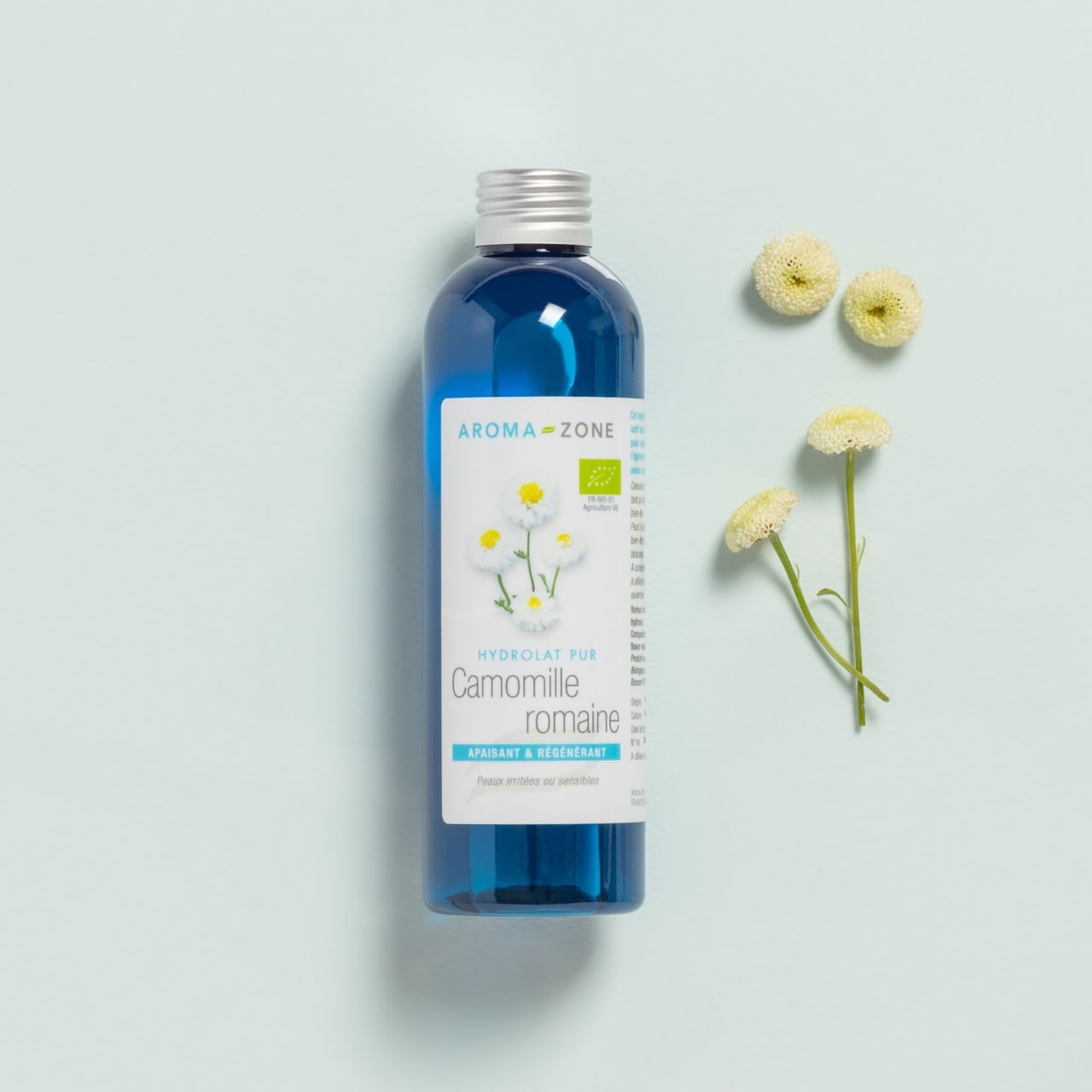
Organic Roman Chamomile Hydrosol
Relaxing
£6.00
200 ml
In brief
Scalp pain when touched can have various causes, such as irritation, infection, hypersensitivity, an overly oily scalp or overly aggressive haircare practices.
Adapting your haircare routine is essential: limiting tight hairstyles, choosing gentle shampoos, avoiding irritating products and incorporating soothing natural care such as chamomile or lavender hydrosol may help relieve and prevent this discomfort.
The article also explains that if the pain persists or worsens, it is best to consult a healthcare professional to rule out an underlying medical cause.
Scalp Pain: What Is It?
Why Does My Scalp Hurt When I Touch My Hair?
Several factors can explain this scalp sensitivity, whether they are dermatological, circulatory, hormonal, or environmental:
Excess sebum: Excessive sebum production can promote inflammation of the hair follicles and cause increased sensitivity.
Dermatological issues: Conditions such as seborrheic dermatitis, psoriasis, or eczema can cause hypersensitivity, redness, inflammation, and sometimes itching.
Irritating hair products: Certain shampoos, hair dyes, or chemical treatments contain harsh substances that can weaken the scalp.
Hairstyles that are too tight: Braids, ponytails, or buns that are pulled too tight exert excessive traction and tension on the follicles, causing pain and inflammation of the scalp.
Inappropriate washing (too frequent or insufficient): Excessive washing damages the scalp’s protective barrier and can cause dryness and irritation. Conversely, insufficient washing promotes the buildup of sebum, product residue, and pollutants, which can lead to inflammation.
Allergies and skin reactions: Certain cosmetic ingredients or environmental allergens can trigger hypersensitivity in the scalp.
Infections and microbial imbalances: Excessive proliferation of certain bacteria or fungi, such as the yeast Malassezia, can cause local inflammation or even folliculitis.
Excessive use of heat styling tools: Excessive use of hair dryers, straighteners, or curling irons can dry out and irritate the scalp.
Hormonal changes: Pregnancy, menopause, or certain endocrine disorders can affect the sensitivity of the scalp.
Muscle tension and stress: Chronic stress can cause involuntary tension in the scalp muscles, leading to diffuse pain.
Circulatory issues: Poor blood circulation can cause a sensation of tightness, tingling, or heaviness in the scalp.
Environmental factors: Intense cold, wind, or prolonged sun exposure can irritate the scalp and cause discomfort.
What Are the Associated Symptoms?
Scalp pain can be accompanied by various symptoms, which vary depending on the underlying cause:
Increased sensitivity: Pain or discomfort upon touch, even very light, particularly when brushing, washing, or styling
Itching and tingling: A sensation of irritation that can be widespread or localised
Redness and inflammation: Red patches or a hot scalp, signs of an inflammatory reaction
Tightness and tension: A sensation of a tight scalp, sometimes associated with stress or hairstyles that are too tight
Dryness and flaking: Peeling skin or dry dandruff, indicating a lack of hydration
A burning sensation: A feeling of heat or an irritated scalp, common in cases of chemical or allergic irritation
Hair loss: Loss of hair linked to prolonged inflammation or weakened follicles.
These symptoms can be triggered by various factors. If they are persistent or worsen, it may be helpful to consult your GP to identify the cause and adjust treatment.
Our Natural Solutions to Help Relieve Symptoms
The scalp can be prone to various discomforts: pain, tightness, itching, or inflammation. To soothe these symptoms and restore balance, three key steps can be taken: adopting appropriate care, nourishing and protecting the scalp, and stimulating blood circulation.
Choosing the Right Skincare Products
Gentle, moisturising shampoos: A sensitive scalp needs care that respects its natural balance. It’s essential to choose a shampoo free of sulfates, parabens, and silicones to avoid irritating the skin and preserve the hydrolipidic film. A shampoo that is too alkaline or too harsh can exacerbate itching and redness.
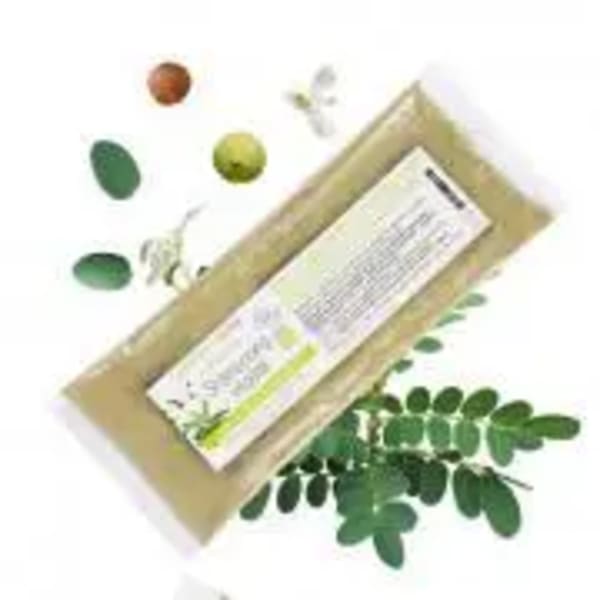
Organic Botanical Shampoo
Made with 6 Ayurvedic plants, this powder shampoo gently cleanses without stripping the scalp, purifies the scalp, and helps soothe discomfort caused by irritation. Its 100% plant-based formula respects the scalp’s sensitivity while adding strength and shine to the hair.
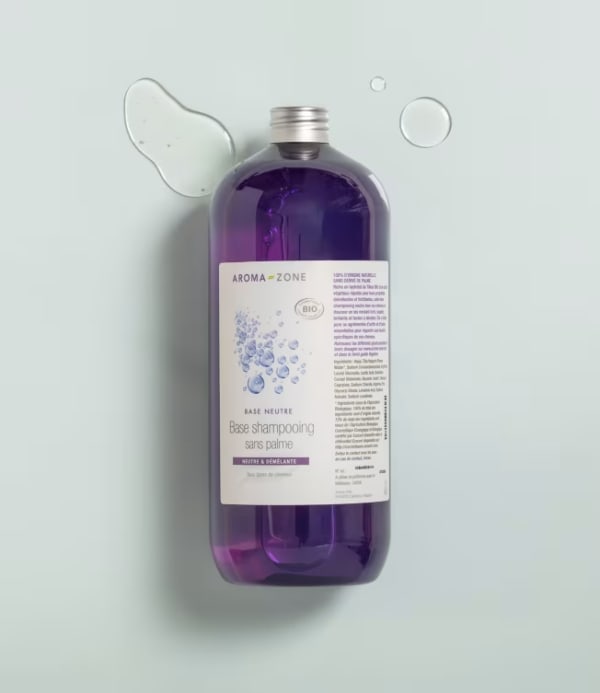
The Neutral Shampoo Base
Sulfate-free and enriched with organic linden hydrosol, this ultra-gentle base gently cleanses while soothing sensitive or itchy scalps. Customizable to suit your needs.
To learn more about this topic, we invite you to read our article: Which shampoo should you choose to treat scalp psoriasis?
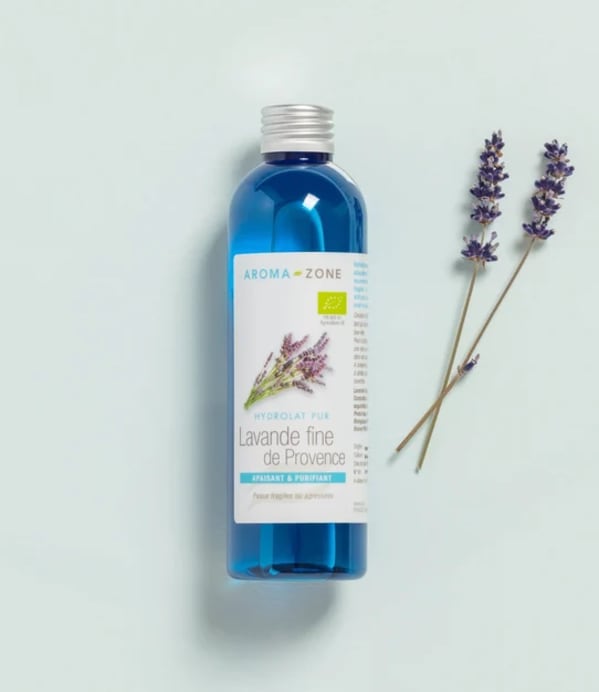
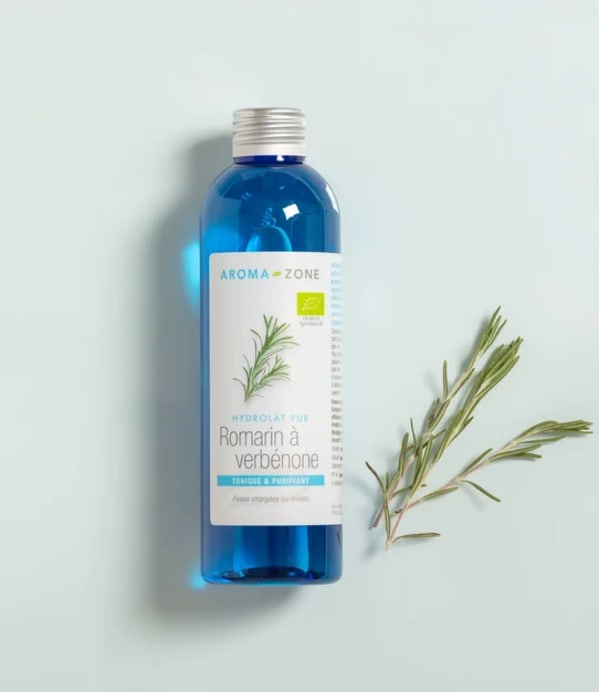
Soothing hydrosols: Lavender, Rosemary, and Chamomile hydrosols have soothing and antiseptic properties. Sprayed at the roots, they provide immediate relief and help regulate inflammation. Be sure to store them in the refrigerator between uses.
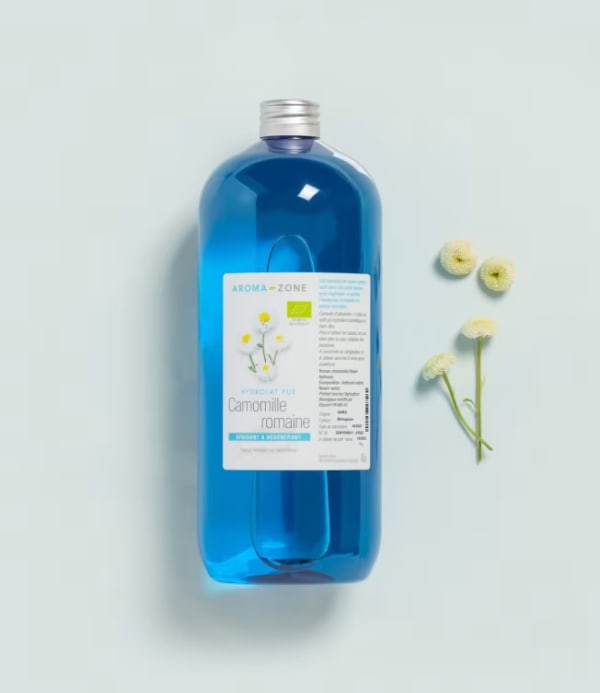
Chamomile Hydrosol
Soothing and anti-inflammatory, perfect for sensitive scalps.
Nourish and Protect the Scalp
Repairing leave-in treatments: Apply them with a gentle massage or as a leave-in treatment for long-lasting hydration.
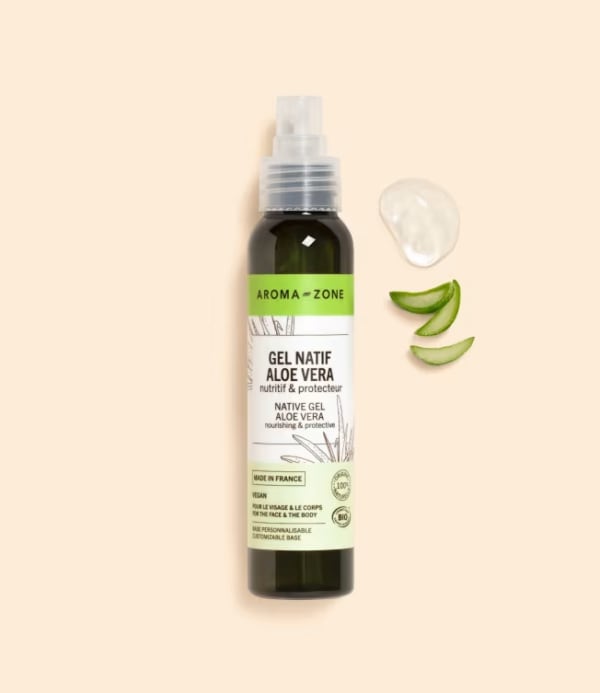
Aloe vera gel
Moisturizing and refreshing, it instantly soothes itching and promotes scalp regeneration. Keep it in the refrigerator between uses
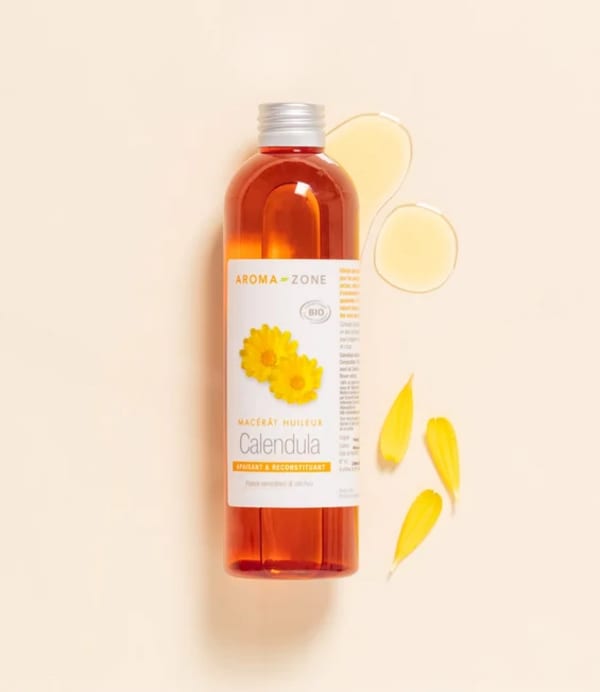
Calendula Oil
Known for its soothing and regenerating properties, this oil-based macerate calms redness and discomfort.
Boost Microcirculation
The scalp massage is an essential practice to promote microcirculation and oxygenate hair follicles. Performed with your fingers or a massage brush, it stimulates nutrient delivery, relieves muscle tension, and contributes to a healthier scalp.
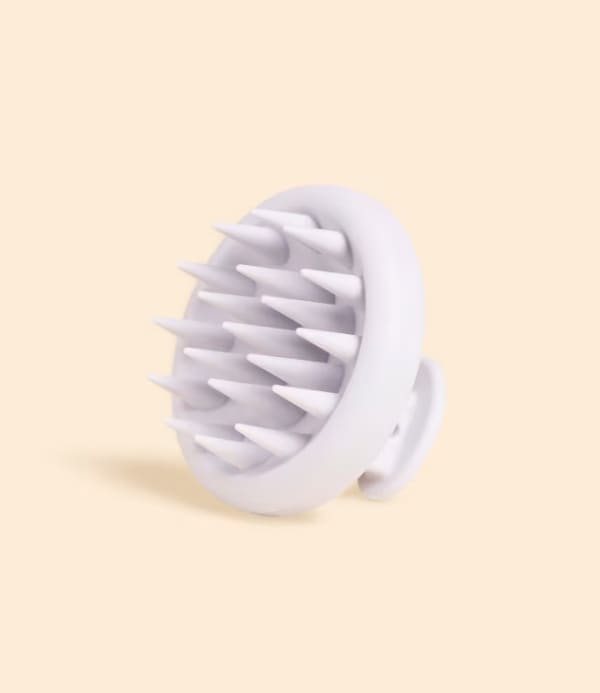
The scalp massage brush
Designed to stimulate blood circulation, it maximizes the effectiveness of your hair care routine while providing a pleasant, relaxing sensation.
How Can You Prevent Scalp Pain?
To prevent scalp pain, here are a few tips and habits to adopt:
Adopt a suitable hair care routine: Choose gentle, natural products that respect your scalp’s natural balance. Wash your hair regularly with a shampoo suited to its texture to prevent product buildup, which could cause irritation. Since every scalp is unique, we recommend trying different options to find what works best for you.
Avoid hairstyles that are too tight: Hairstyles that are too tight put pressure on the hair follicles and can cause pain and inflammation. Alternate your styles and opt for gentle accessories.
Reduce heat and harsh products: Hair dryers, straighteners, hair dyes… All of these can sensitise the scalp. Opt for moderate temperatures and natural treatments to preserve its moisture.
Opt for scalp clarifying: From time to time, we recommend performing a clarifying treatment to remove impurities such as styling product residue or mineral buildup. This step deeply purifies the scalp and improves the absorption of hair care products. To learn more about clarifying: Hair Clarifying: Purify Your Hair with a Natural and Effective Hair Detox
Exfoliate regularly: outside of painful periods, a scalp scrub stimulates blood circulation, removes dead skin cells, and unclogs hair follicles. The result: better oxygenation and healthy hair.
Pay attention to your diet: a healthy scalp also starts with what you eat. Regularly consume omega-3s (fatty fish, flaxseeds, nuts) and B vitamins (green vegetables, whole grains, eggs) to nourish and protect your scalp.
Manage stress: stress increases tension in the scalp and can cause pain. Adopt relaxation techniques such as cardiac coherence or yoga to promote relaxation
Precautions for Use
If scalp pain persists or worsens, it’s essential to consult a doctor or dermatologist. Certain conditions require appropriate treatment to prevent complications. Before adopting a new routine or using a specific product, make sure it is suitable for your scalp type, especially if you have sensitivity, allergies, or pre-existing skin conditions.
Expert Advice
Try a scalp massage! Just a few minutes a day are enough to stimulate blood circulation, relieve tension, and soothe pain. Using your fingertips, apply light circular pressure for 5 minutes, focusing on sensitive areas. For enhanced results, use a gentle plant-based oil or a soothing hydrosol.
Spotlight on Our Naturopathic Writer: Stéphanie Catrysse

Stéphanie Catrysse is a naturopath (certified by the FENA), a wellness massage and lymphatic drainage practitioner, and a personal development coach. She is passionate about alternative medicine and practices a holistic approach to health.
Bibliography
https://www.hgspecialist.com/fr-fr/blogs/blog/a-sore-scalp-tout-ce-quil-faut-savoir-sur-le-scalp-inflammation
https://crlab.com/fr_fr/domaine-scientifique/problemes-de-cuir-chevelu/douleur-du-cuir-chevelu/?srsltid=AfmBOopQVNhUcMwtIeCJr9UcSj7R8Pl_8g0QszHVQLwK7s5CAnQJktJu
https://aesthe.com/cheveux/chute/la-trichologie/
Frequently Asked Questions
Associated tips
Hair care tips
Hair and scalp care tips

Hair and scalp care tips


