For a 30 ml treatment
Apply once a day to the entire scalp and massage gently, without rinsing.
Go here to learn how to personalise your Aloe vera gel and find out how to make your own homemade skincare product.
Seborrhoeic dermatitis is a fairly common condition, affecting up to 5% of the population, mainly young adults (aged 20-40). In this article, we'll look at how it presents, what causes it, and the different treatment options. You will also discover the natural solutions available to relieve seborrhoeic dermatitis of the scalp.

Dermatitis or seborrhoeic dermatitis of the scalp is an inflammatory skin disease (or dermatosis). It takes the form of oily flakes or dandruff on the scalp, mainly affecting the forehead, around the ears (and sometimes even the nasal concha and external auditory canal), and sometimes the face itself, particularly the forehead and T-zone (eyebrows, nose and nasolabial folds). These areas are generally the richest in sebum and therefore favourable to the proliferation of fungi. In men, the sternum may also be affected.
On light-coloured skin, the patches may be accompanied by redness (the surface of which is a whitish or yellowish colour similar to that of pus) with skin particles that may be detached, while in dark-coloured skin there is often associated depigmentation. In almost all cases, pruritus (itching) is reported.
The diagnosis is clinical, and it is sometimes difficult to distinguish between incipient scalp psoriasis, especially if there is little redness, eczema or ringworm of the scalp. In these cases, the concomitant involvement of other areas of the body, a possible atopic background, the course of the disease and a mycological sample of the scales can help guide the diagnosis.
Seborrhoeic dermatitis is a benign, non-contagious disease, but it is chronic, with recurrent outbreaks. Unsightly and often the cause of embarrassment, its visible lesions can have a detrimental effect on quality of life. It mainly affects men, with six men affected for every woman. It can also affect infants, known as "cradle cap". After the age of 40, the disease is less common and almost exclusively affects men.
Seborrhoeic dermatitis, like tinea versicolor is considered to be a fungal infection caused by the multiplication of a yeast of the genus Malassezia, which is normally present in our skin commensal flora (skin microbiota). In some people, this microbiota is altered (lifestyle, stress, antibiotics, etc.) and the Malassezia yeast proliferates abnormally. However, this is not a contagious disease, but a kind of hypersensitivity of the skin to the abnormal presence of this fungus.
Factors favouring alteration of the skin microbiota are often found, such as aggressive hair and scalp care: chemical straightening, excessive drying, etc. Seborrhoeic dermatitis is therefore all the more common in Afro-Caribbean populations, who are more prone to this type of cosmetic practice.
Similarly, the recurrent application of greasy or occlusive products (such as Vaseline, commonly applied to textured hair) can sometimes encourage this condition.
Insofar as recurrences are very frequent, it can almost be considered a chronic dermatosis, with treatment in two stages: first an attack treatment, then a maintenance treatment lasting several months, to limit the frequency and intensity of relapses.
Typically, anti-fungal shampoos are applied for several days or weeks, followed by milder lotions or shampoos. Sometimes, if the flare-ups are very bothersome (particularly itching and flaking), cortisone lotions, gels or foams may be prescribed to relieve the symptoms, or even keratolytics.
In some cases of facial involvement, topical calcineurin inhibitors can rapidly relieve symptoms and limit recurrence.
Finally, lifestyle changes can sometimes be useful (stopping the application of oily and occlusive emollients, improving diet, stress management, etc.).
The aim is to moisturise the scalp without overloading it with occlusive fats, and to gently eliminate dandruff. An anti-inflammatory, astringent and anti-fungal action is often also useful.
Effective natural active ingredients
Essential oils are known to be effective in the natural treatment of seborrhoeic dermatitis. The active ingredients in zinc and tea tree have an anti-inflammatory and regulating action (by limiting excessive sebum production and combating the fungus). Others, such as Urea, Nigella and Jojoba, have soothing and moisturising properties to combat itching and inflammation. Finally, plant-derived salicylic acid can help rebalance the skin's flora by stimulating cell renewal.
Seborrheic dermatitis of the scalp: which shampoo?
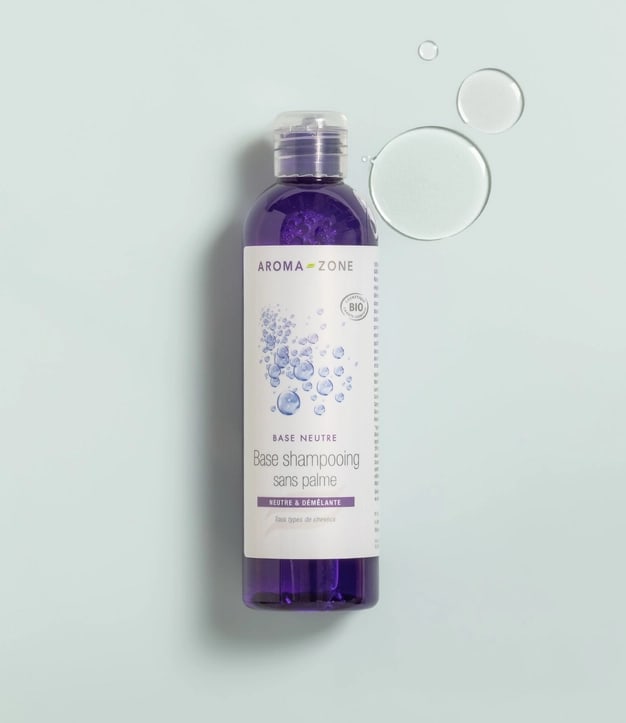
For this condition, you can use a neutral shampoo with lime blossom hydrosol, to which you can add keratolytic and anti-inflammatory agents (plant-derived salicylic acid, Urea and Algo'zinc) and soothing, anti-fungal essential oils such as ORGANIC Egyptian Geranium, Tea Tree, Spike Lavender and Fine Lavender.
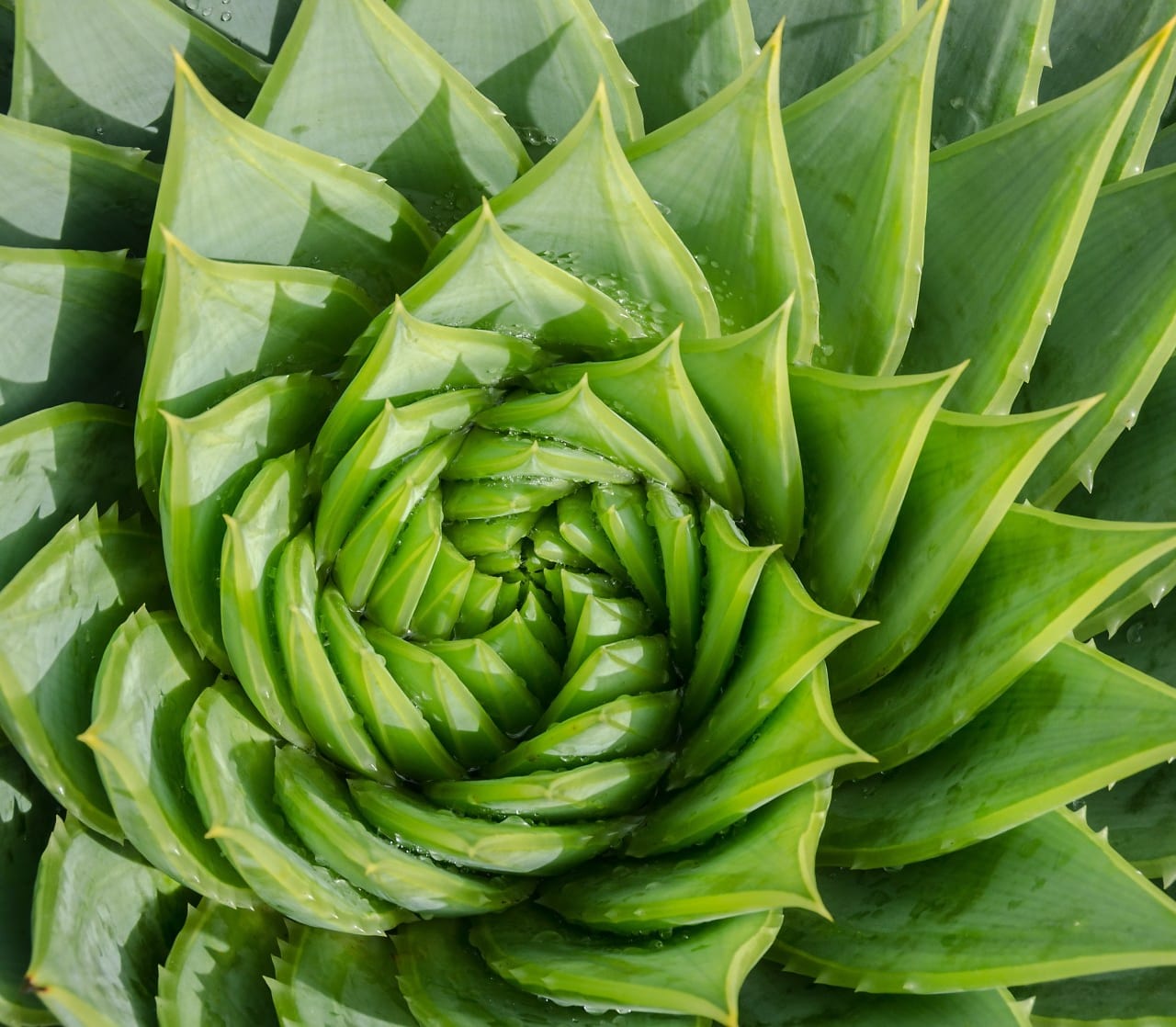
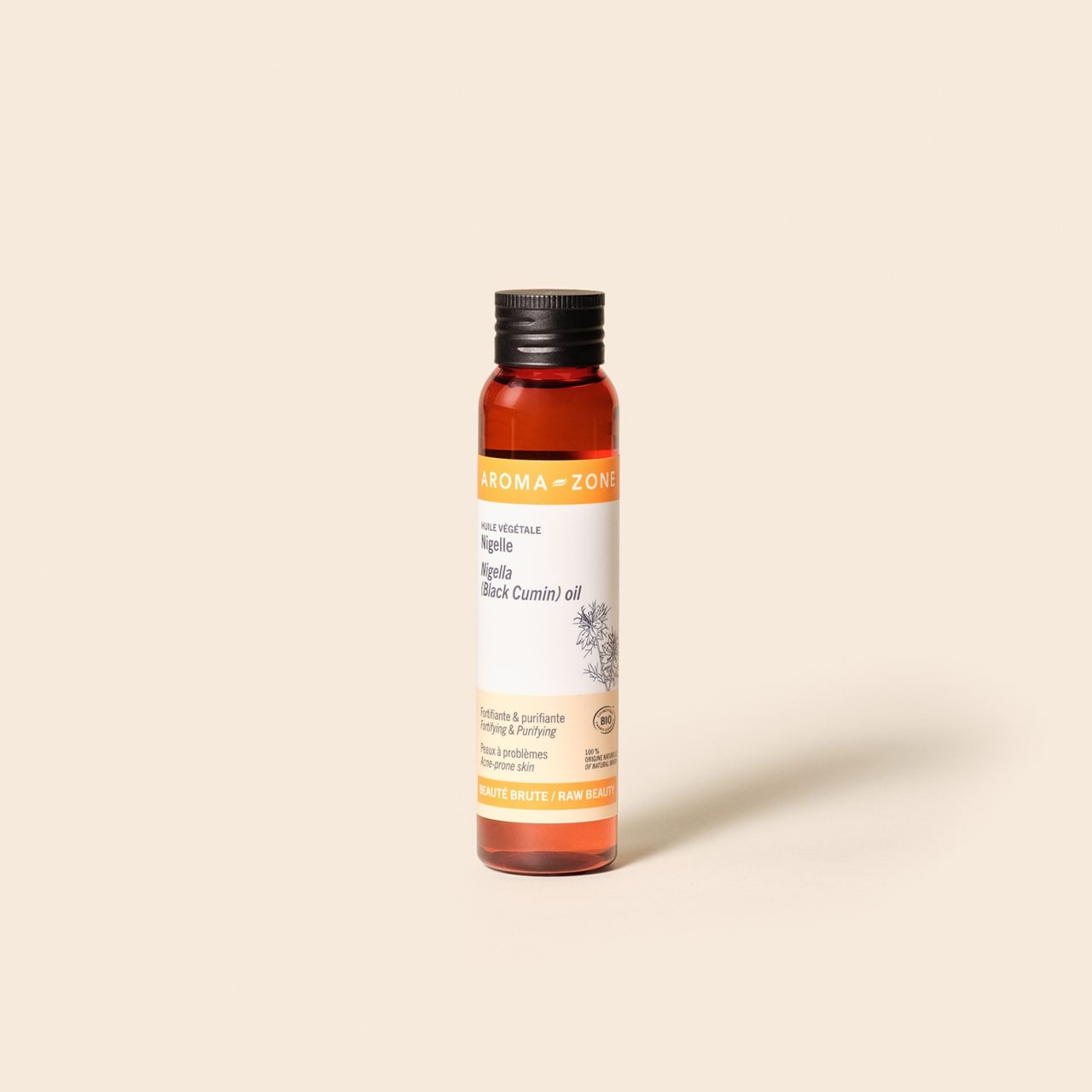
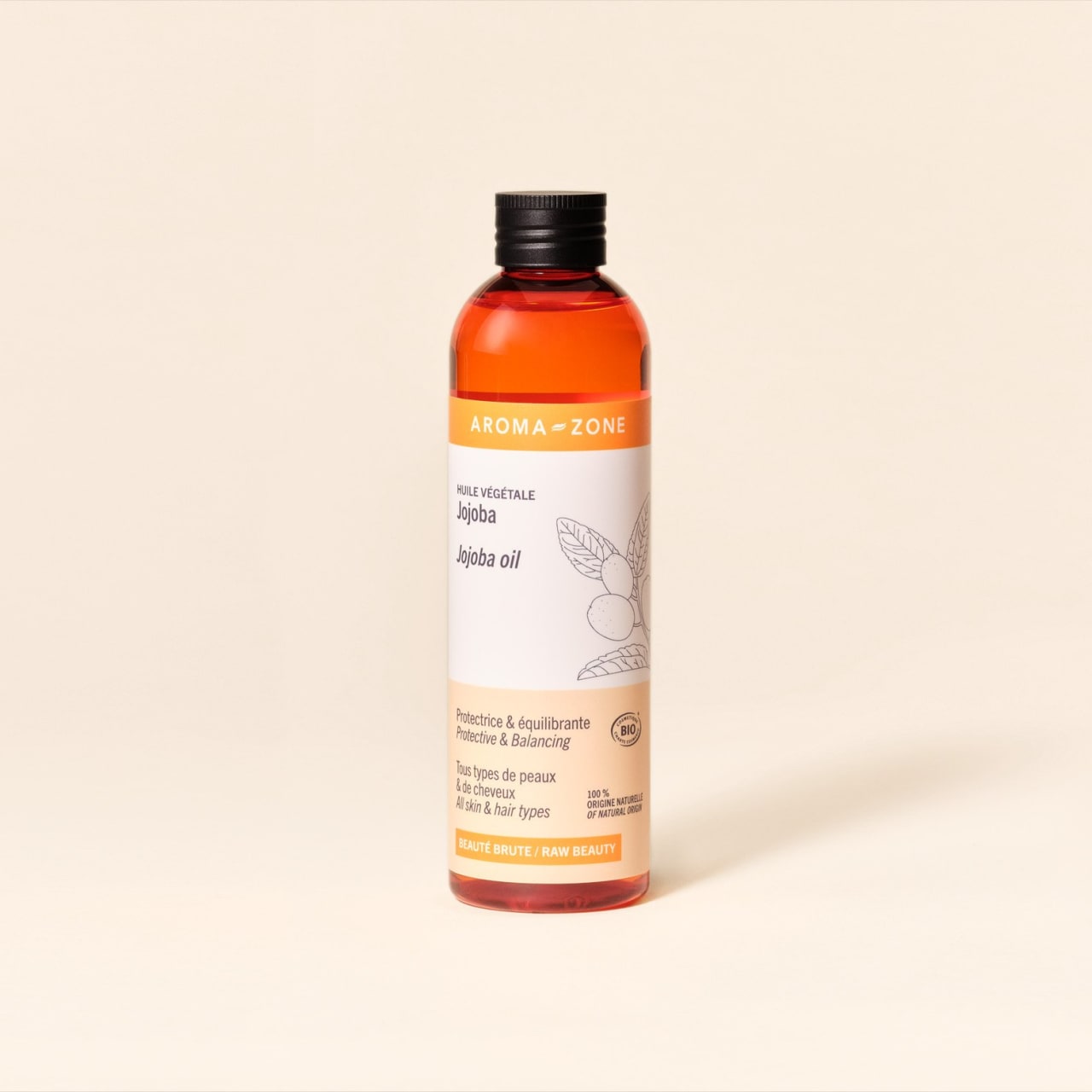
To moisturise the scalp, you can then make a lotion based on Aloe vera gel, Tea tree essential oil or Palmarosa essential oil, and Nigella oil or Jojoba oil, as well as active ingredients such as Salicylic acid, Urea or Zinc.
Finally, you can continue your usual haircare routine by applying a hair mask, haircare oil or moisturiser, taking care not to spread them on the scalp, but only on the lengths and ends.

Extremely gentle and rich in organic Linden hydrosol and plant-based active ingredients renowned for their detangling and strengthening properties, this neutral shampoo base gently cleanses your hair, leaving it strong, supple, and shiny. 100% natural, certified organic, free of palm oil derivatives and sulfates, it can be used neat or enhanced with active ingredients, essential oils, or cosmetic fragrances to meet your hair's specific needs.

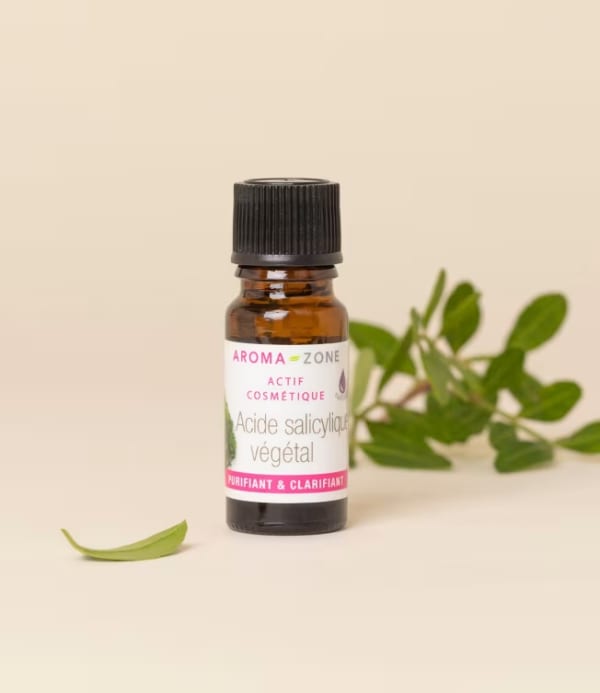
Plant-derived salicylic acid
Plant-derived Salicylic Acid is extracted from black willow bark. It has keratolytic (i.e. "smoothing") properties, stimulating the elimination of dead skin and cell renewal, which are very useful for relieving seborrhoeic dermatitis of the scalp.

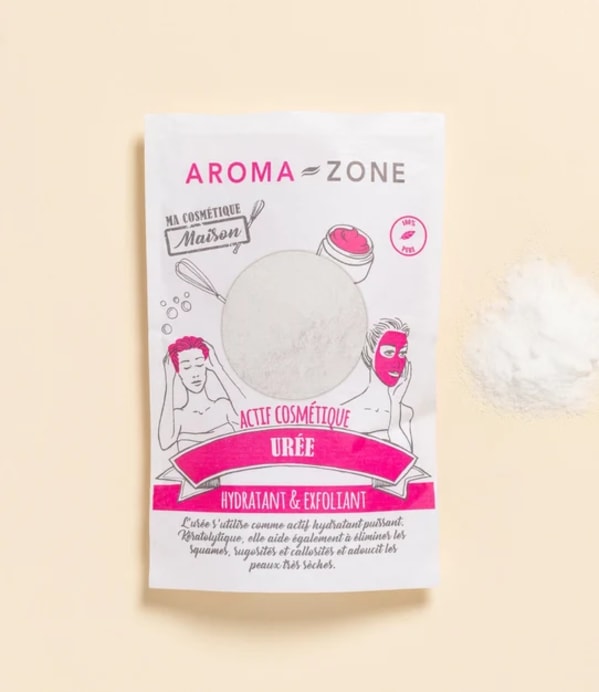
Urea
Urea has keratolytic and moisturising properties, so it moisturises the scalp without oiling, and gently exfoliates dandruff.

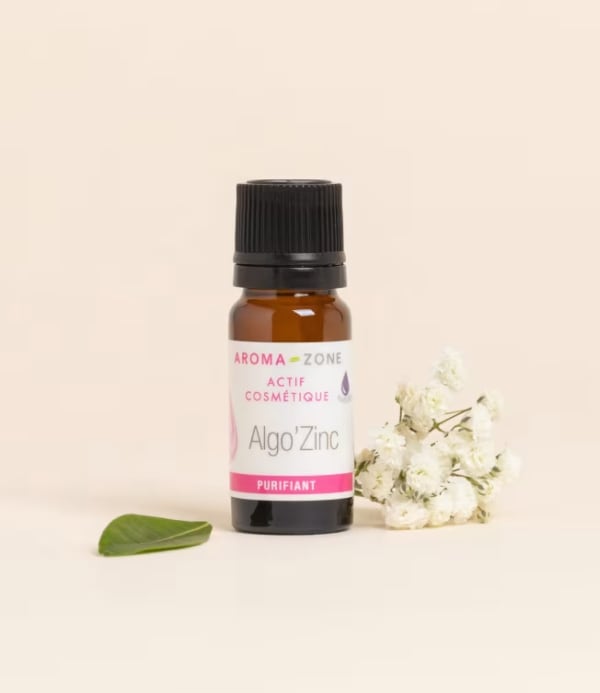
Zinc
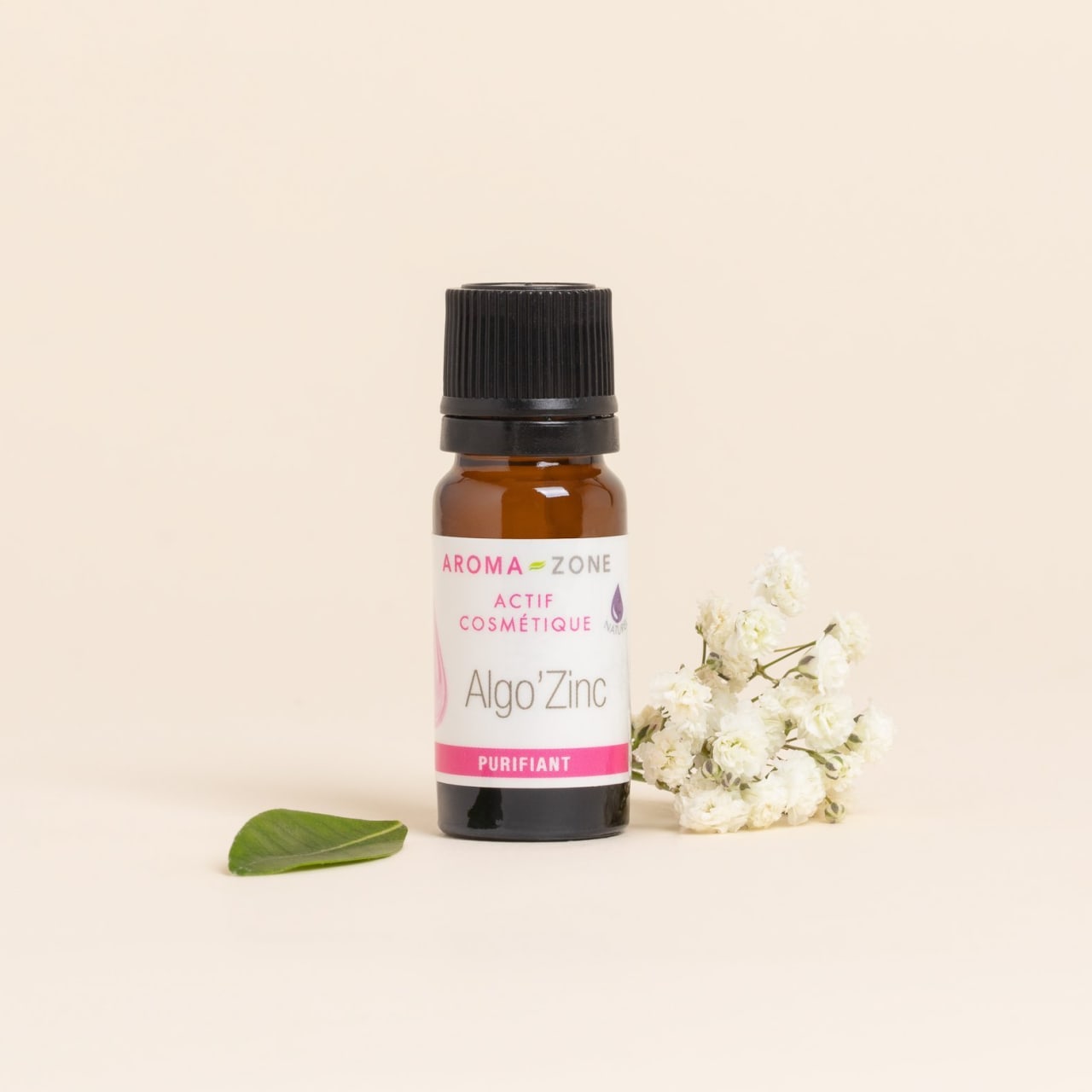
Zinc (contained in Algo'zinc) is anti-inflammatory and soothing. It also regulates sebum and purifies the skin, notably by acting on Malassezia.

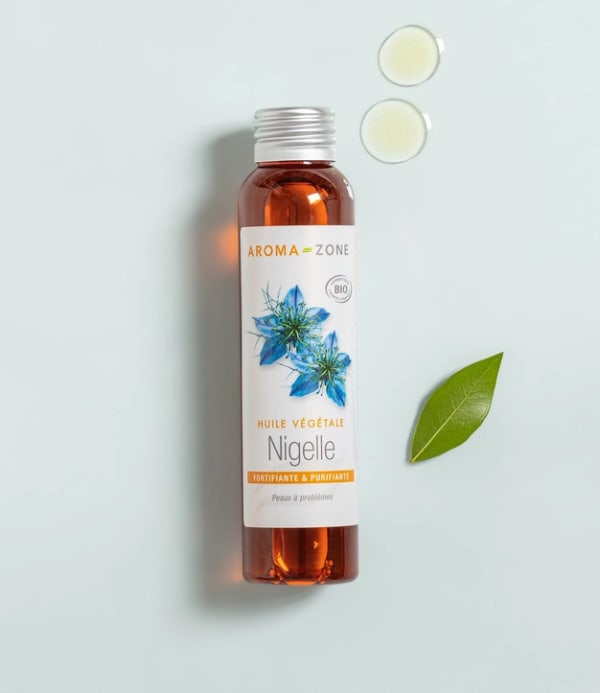
Nigella (black cumin) oil
Nigella oil has soothing, repairing and antioxidant properties. Jojoba oil boosts the hydration provided by the Aloe vera gel and regulates sebum production.

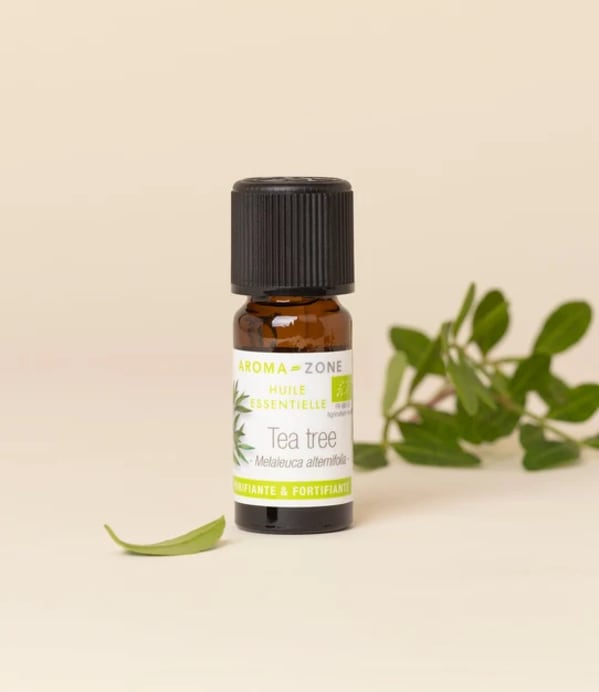
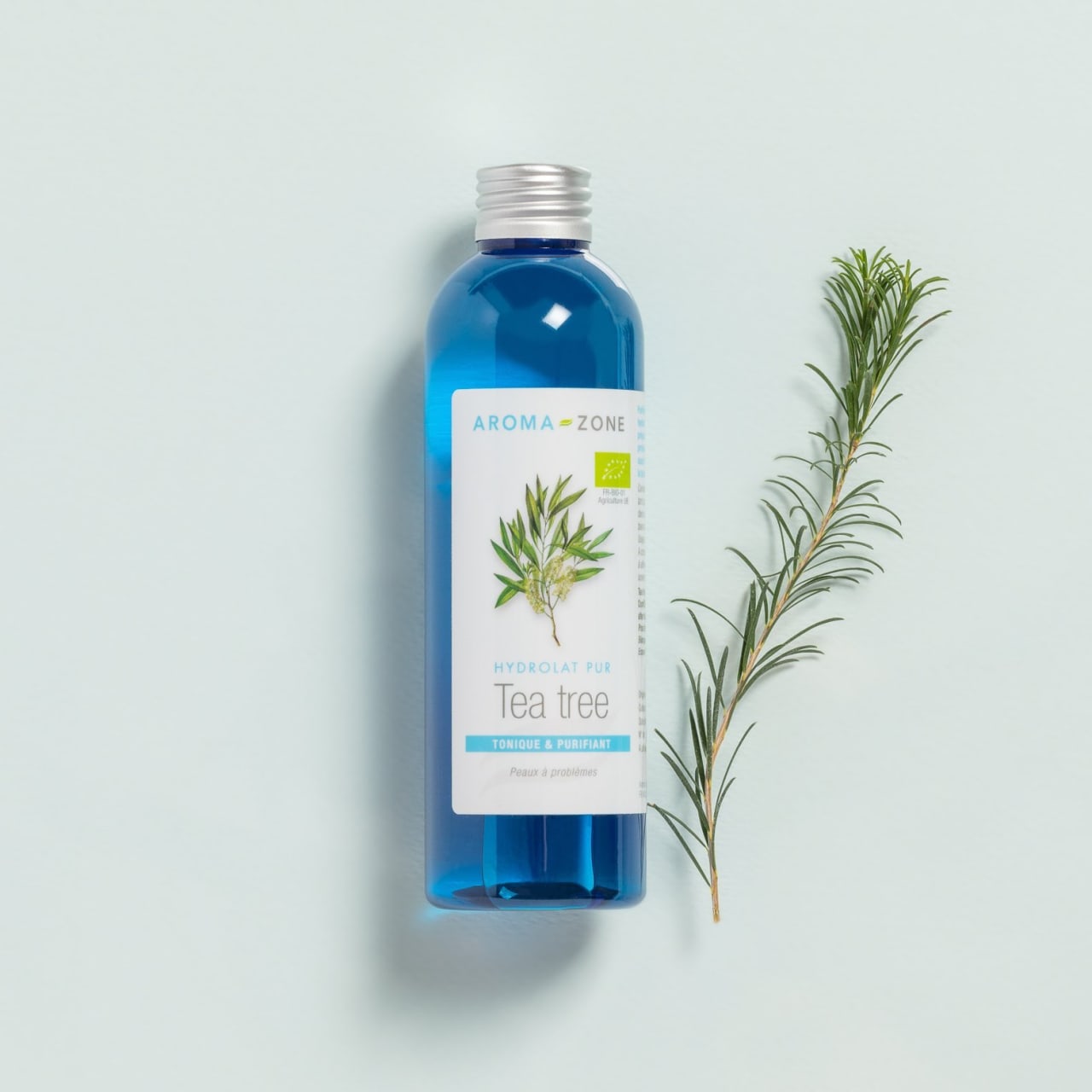
Tea Tree essential oil
Tea Tree essential oil is antifungal, purifying, sanitising and anti-inflammatory.
Some recipe ideas

Personalise your Aloe vera gel to soothe seborrhoeic dermatitis
Hair care
For a 30 ml treatment
Apply once a day to the entire scalp and massage gently, without rinsing.
Go here to learn how to personalise your Aloe vera gel and find out how to make your own homemade skincare product.

Customise your shampoo to soothe seborrhoeic dermatitis
Hair care
For a 250ml treatment
Shampoo once or twice a week, paying particular attention to the scalp. Rinse thoroughly after leaving your shampoo on for a few minutes.
Go here to learn how to personalise your shampoo and find out how to make your own homemade skincare products.
To prevent the development of seborrhoeic dermatitis or its recurrence, we recommend:
Washing hair 2 to 3 times a week with a mild, natural shampoo (or once a week for frizzy hair): avoid or limit aggressive scalp care products. Beware of frequent shampooing, which dries out the scalp and prevents the skin microbiota from recovering.
Adopting meticulous body hygiene, using non-aggressive products that respect the skin's pH level
Moisturising the skin with non-greasy products to prevent the overproduction of sebum
Eating a balanced diet: limit sugars and saturated fats, foods rich in vitamin E and essential fatty acids. Eat green vegetables, especially cabbage, which have a beneficial and protective role.
Avoiding alcohol and tobacco consumption;
Treating chronic stress or anxiety disorders.
Carrying out zinc treatments

Dr Agathe Aoun-Coussieu is a dermatologist in Martinique, where she practises general, surgical and cosmetic dermatology. Sensitive to the skin's well-being, she also offers advice and the most natural skin care products adapted to sensitive or special skin types.
She has also set up an Instagram account where you can find her favourite products, explanations of skin pathologies and skin advice (@dragatheaoun).
Dandruff or seborrheic dermatitis?
Dandruff and seborrhoeic dermatitis are two scalp conditions often confused because of their similar symptoms. Dandruff is flakes of dead skin that come off the scalp and can be caused by a dry scalp, a reaction to certain hair products or an overgrowth of yeast. Seborrhoeic dermatitis, on the other hand, is a chronic inflammatory condition manifested by oily flakes, redness and itching, and is often associated with excessive sebum production. While dandruff can be treated with anti-dandruff shampoos, seborrhoeic dermatitis often requires specific treatments to control inflammation and reduce yeast proliferation.
Psoriasis or seborrhoeic dermatitis?
Scalp psoriasis and seborrhoeic dermatitis are two common conditions that may have similar symptoms, but have different causes and mechanisms. Psoriasis is an autoimmune disease that causes accelerated growth of skin cells, leading to the formation of thick, scaly patches on the scalp and other parts of the body. Seborrhoeic dermatitis, on the other hand, is a non-contagious inflammatory condition caused by an over-reaction of naturally occurring yeasts on the skin. While both conditions can cause redness, itching and flaking, scalp psoriasis is often more difficult to treat and may require more aggressive medical treatments.
Can the sun help treat seborrhoeic dermatitis?
It is often said that exposure to the sun can help relieve the symptoms of seborrhoeic dermatitis because of its anti-inflammatory and antimicrobial effects. In fact, moderate exposure to the sun can help reduce inflammation and kill the bacteria and yeast responsible for the condition. However, it's important to note that excessive sun exposure can also worsen symptoms by over-drying the scalp and increasing the risk of sunburn. It is therefore advisable to limit exposure to the sun and use appropriate sun protection when outdoors, especially for people suffering from seborrhoeic dermatitis. In addition, other natural and specific treatment methods may be more effective in controlling the symptoms of seborrhoeic dermatitis.
1
Seborrhoeic dermatitis of the scalp
Naldi L, Diphoorn J.
2
Comparison of Healthy and Dandruff Scalp Microbiome Reveals the Role of Commensals in Scalp Health.
Saxena R, Mittal P, Clavaud C, Dhakan DB, Hegde P, Veeranagaiah MM, Saha S, Souverain L, Roy N, Breton L, Misra N, Sharma VK.
3
Skin microbiome alterations in seborrheic dermatitis and dandruff: A systematic review.
Tao R, Li R, Wang R.
4
Seborrheic dermatitis: an overview.
Schwartz RA, Janusz CA, Janniger CK.