What are the effects of salt water on hair?

What are the effects of salt water on hair?


By Charlie Morel

Published on: Monday, May 27, 2024, Updated on: Wednesday, September 30, 2026

Summer is the season for swimming at the beach, water sports, and long days spent in the sun. These moments are synonymous with relaxation and fun, but saltwater can have a significant impact on your hair. At Aroma-Zone, we’re exploring how saltwater affects hair health and the best ways to protect and care for your hair after a day at the beach.

Contents

Related products

What effect does salt have on hair?

Dehydration and dryness: Saltwater, rich in sodium chloride, absorbs moisture from your hair, which can have a drying effect. This dehydration process leaves hair dry, coarse, and more prone to breakage. Hair loses its natural suppleness, becomes harder to style, and is more vulnerable to external damage.

Removal of natural sebum: Salt has absorbent properties that can strip the natural sebum from the scalp and hair. Produced by the sebaceous glands, it plays a crucial role in protecting and moisturising the hair. The loss of this protective sebum can lead to a dry scalp and more fragile hair.

Fading and dullness: Repeated exposure to seawater can also affect hair colour. For those with coloured hair, salt water can accelerate fading and dull the colour. Even natural hair can lose its shine and become dull due to prolonged exposure to salt.

Textural effect for wavy and curly hair: One of the positive effects of saltwater that people often seek is its impact on hair texture. Saltwater can give hair a "beach waves" or natural waves effect, providing extra volume and texture. It can be used occasionally for this purpose, but prolonged exposure to saltwater, without a proper hair care routine, will cause the hair shaft to dry out and become brittle.

Does saltwater damage hair? Salt absorbs the hair’s natural sebum, which can make it rough and brittle, especially if exposure is frequent or prolonged. Salt can also cause dehydration of the hair shaft, contributing to dull, lifeless hair.

Not all hair types react the same way to saltwater. Oily hair, for example, can benefit from the effects of iodine-rich water, which cleanses the scalp and reduces itching. Similarly, some people appreciate the texturising effect of seawater, which enhances natural waves and curls.
What are the benefits of proper hair protection?

Sun protection for hair is an essential step to maintain your hair’s health and shine during the summer. It offers a multitude of benefits:

  • Prevents the breakdown of keratin: an essential protein for hair health; UV rays can damage it, making hair rough and frizzy.

  • Protection against dryness: Exposure to the sun and seawater can dry out hair, weaken it, and make it more vulnerable to damage. By using sun protection, you maintain your hair’s moisture.

  • Extra hydration and shine: Products that protect the hair from sun damage often provide an extra boost of hydration and shine. They typically contain nourishing ingredients like plant oils that help maintain the health and beauty of your hair.

  • Protection against certain elements: Sun protection helps prevent damage caused by salt, chlorine, and wind—elements commonly encountered in the summer.

How can you protect your hair from salt?

  1. Hair care products specially formulated to protect against saltwater can be very helpful. Look for moisturising shampoos and conditioners, as well as UV protective sprays and nourishing masks designed for hair exposed to salt and sun.

  2. Applying a protective hair oil before swimming can create a barrier against saltwater. Natural oils like coconut oil, jojoba oil, or argan oil are excellent for this protection. They help lock in moisture and shield hair from external damage.

  3. Before diving into the ocean, wet your hair with fresh water. Wet hair absorbs less saltwater than dry hair. After swimming, immediately rinse your hair with fresh water to remove the salt and minimise its drying effects.

  4. Protecting your hair with a hat or scarf while at the beach can reduce its direct exposure to saltwater and UV rays. This also helps prevent dryness and discolouration caused by the sun. For maximum protection, you can use a swim cap.

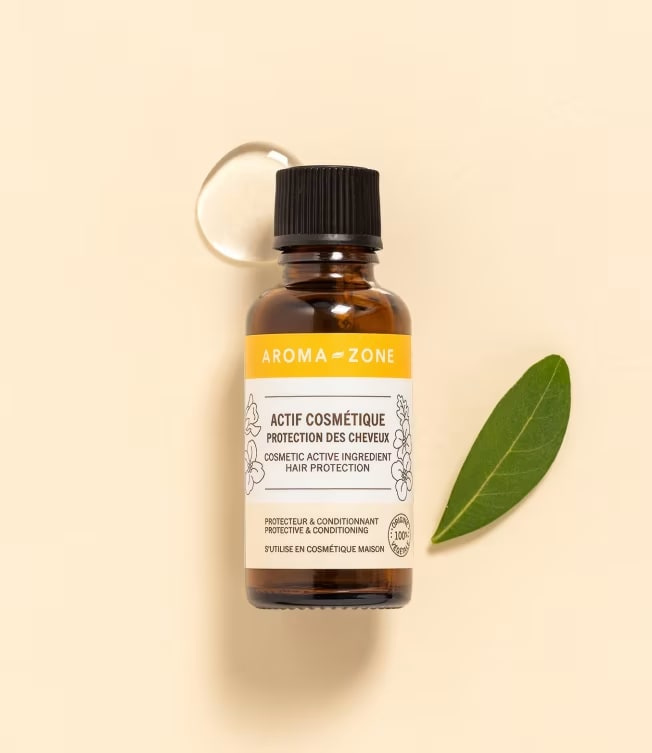
Hair Protection Active

Extracted from Abyssinian oil, this 100% natural, oil-based hair care ingredient effectively protects your hair from external aggressors such as the sun, seawater and heat.

Rich in phytosterols with conditioning effects, it coats the hair shaft and restores softness and shine to damaged hair. This Hair Protection Active is also ideal for coloured hair, helping to preserve colour intensity.

Discover our Hair Protection Active

Our Product Selection to Protect Your Hair from Salt

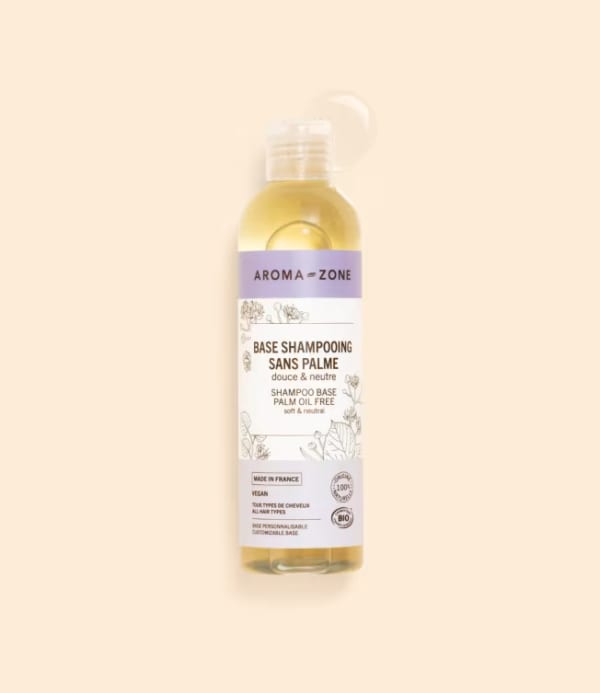
Neutral, palm-free shampoo base

Start by using a gentle, sulfate-free shampoo, such as our neutral shampoo base, to which you can add specific active ingredients tailored to your hair’s needs.

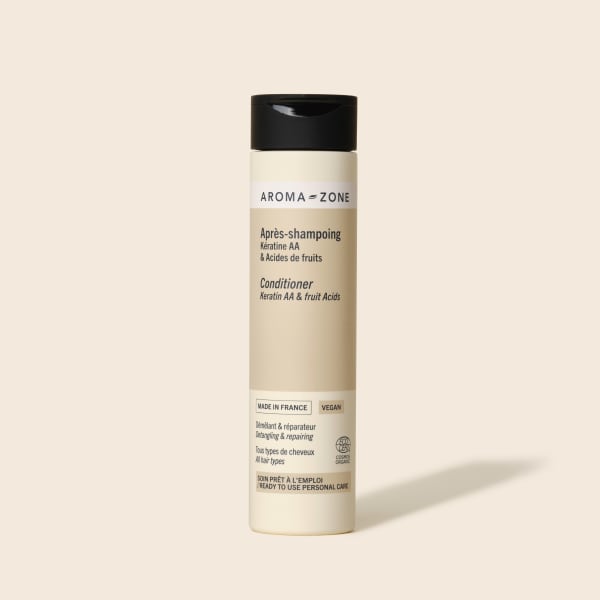
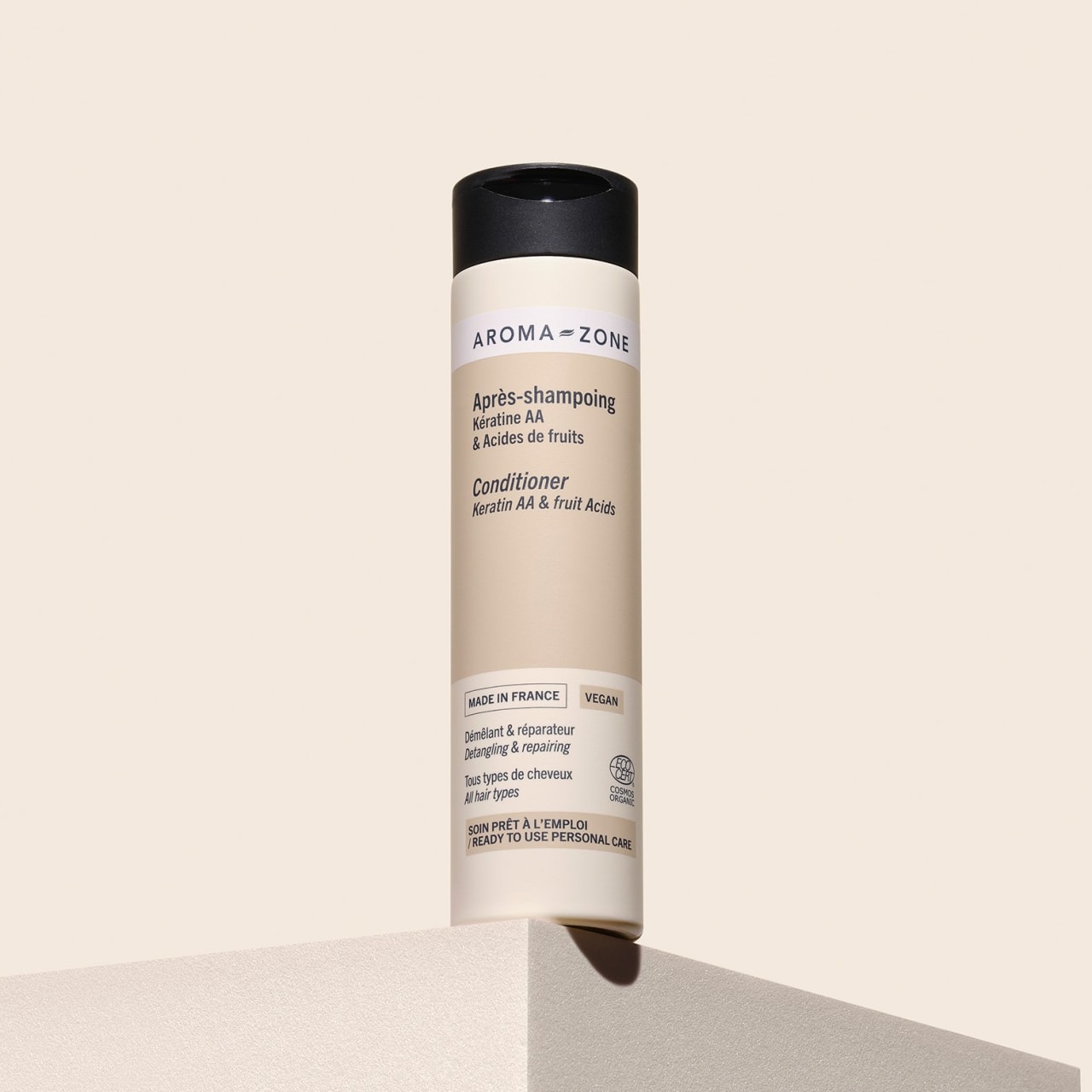
Keratin AA & Fruit Acids Detangling and Repairing Conditioner

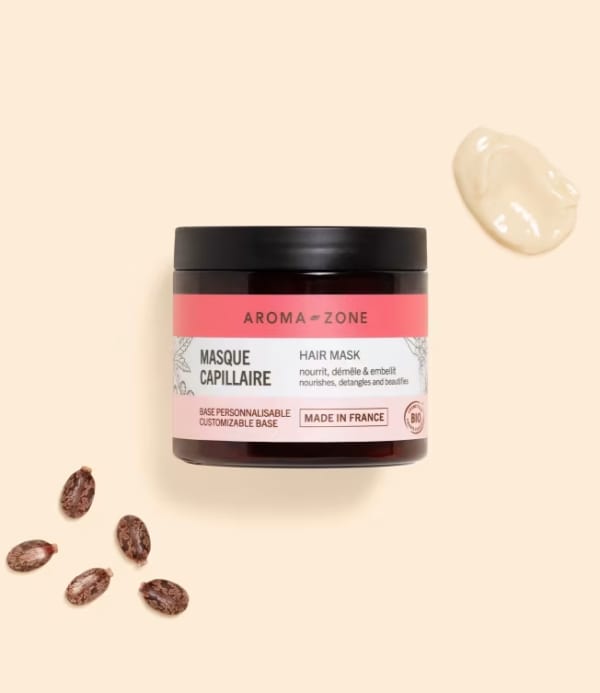
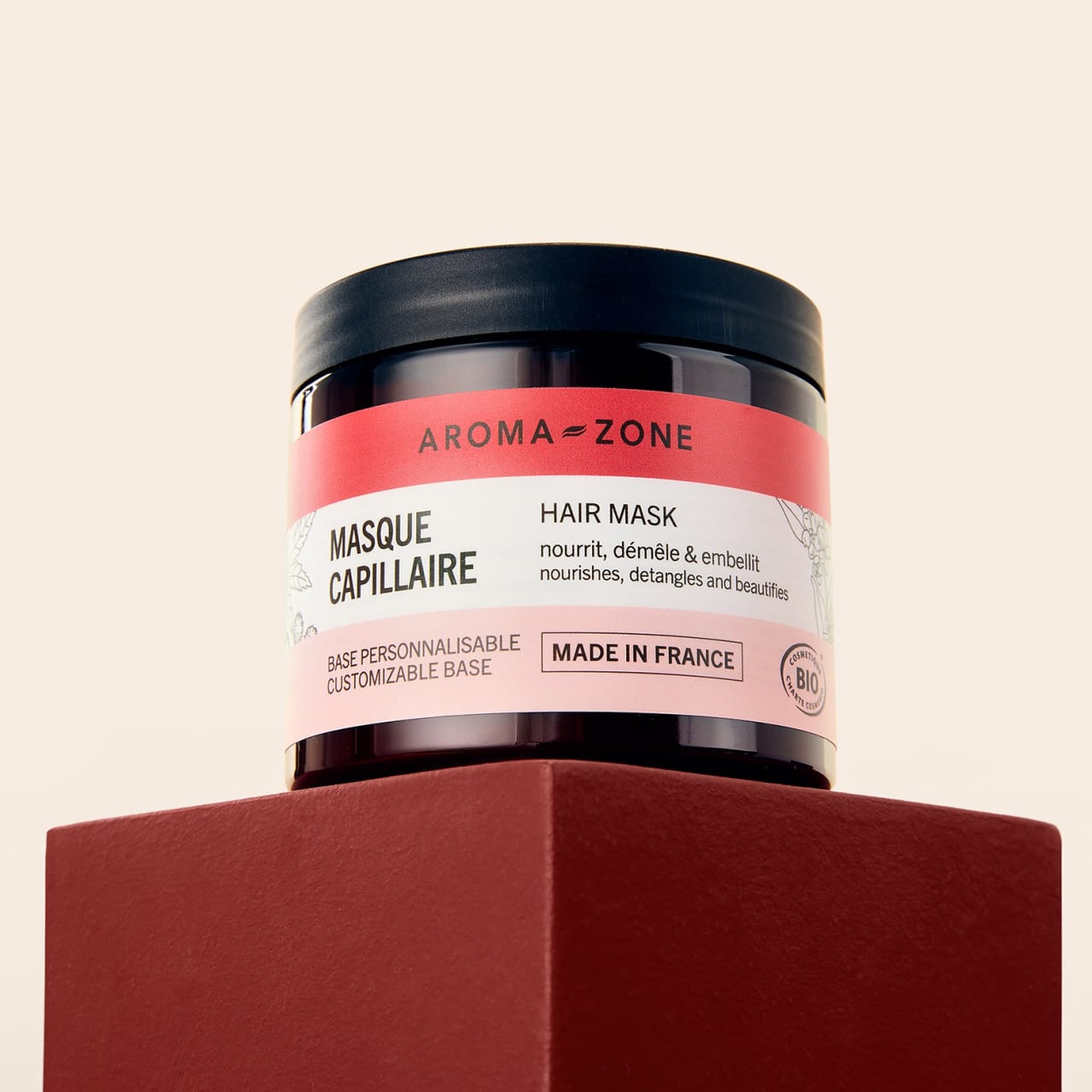
Hair Mask

Next, apply a reparative treatment such as a mask or conditioner to deeply repair and nourish your hair. Our nourishing and detangling solid conditioner or our neutral base hair mask are perfect for this!

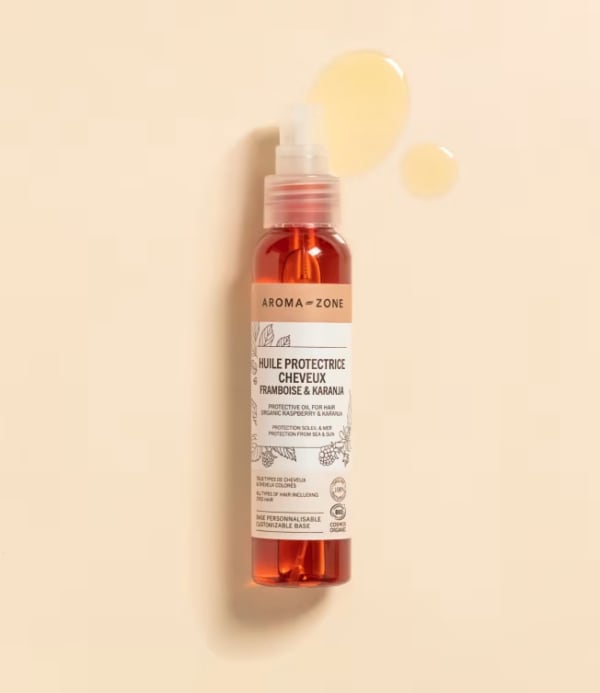
Organic Karanja & Raspberry Protective Hair Oil

In the sun, apply a protective hair oil

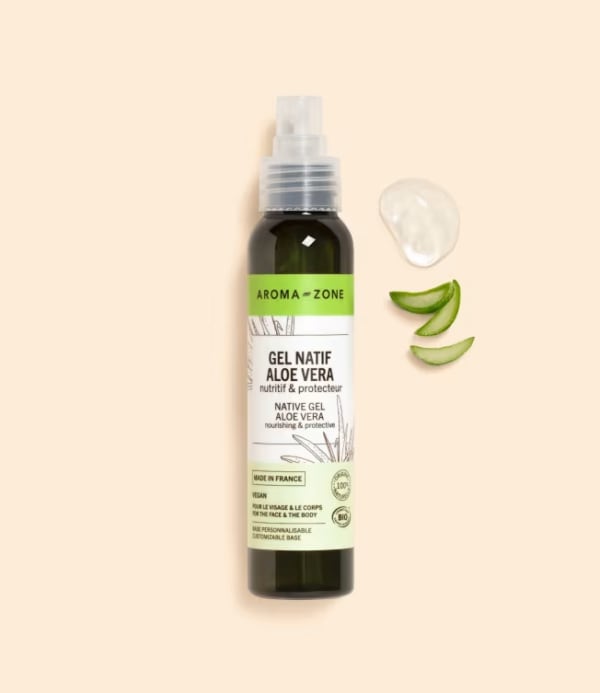
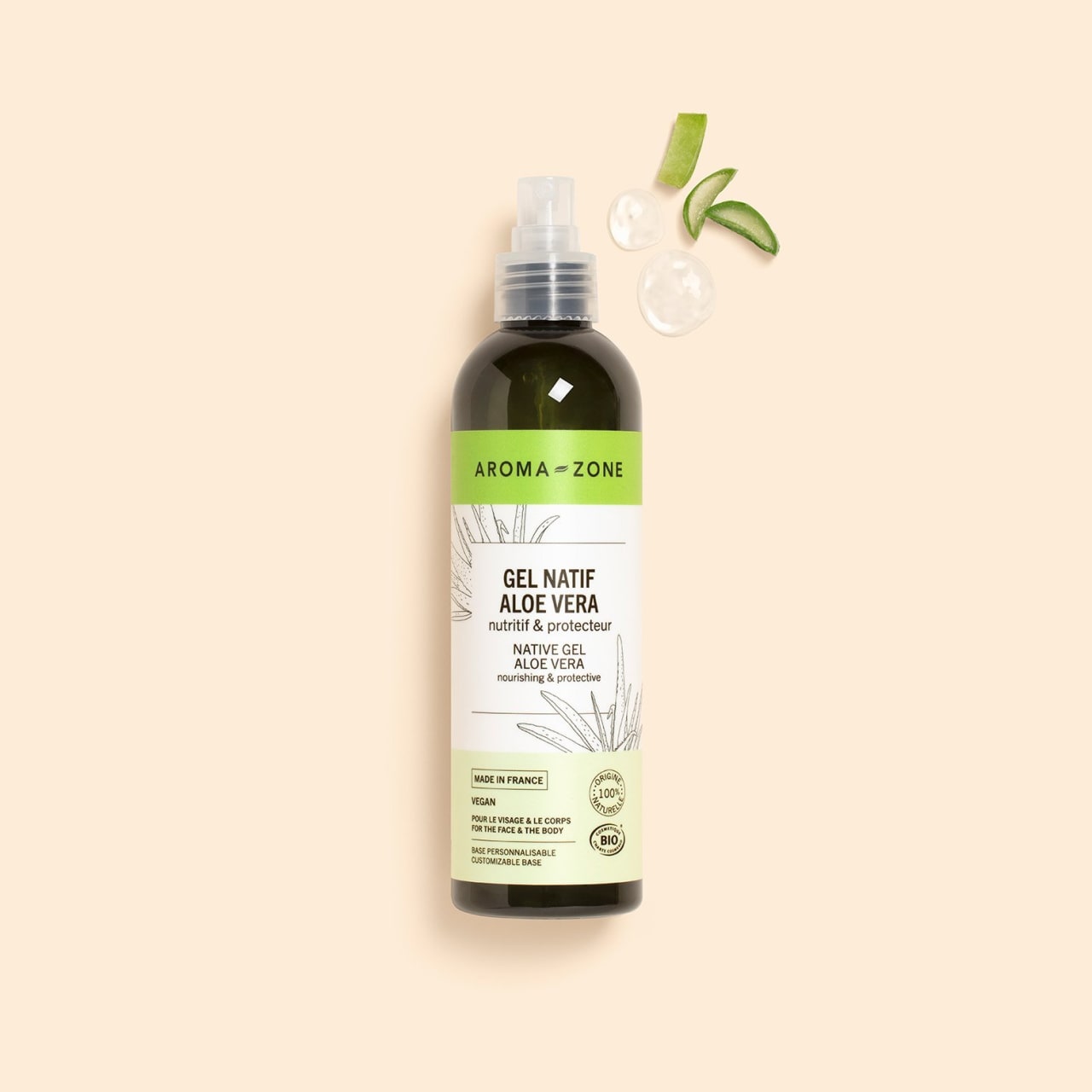
Organic Aloe Vera Gel

Once your hair is clean and dry, you can apply a small amount of concentrated hyaluronic acid serum or Aloe Vera Gel to your ends to moisturise and restructure them.

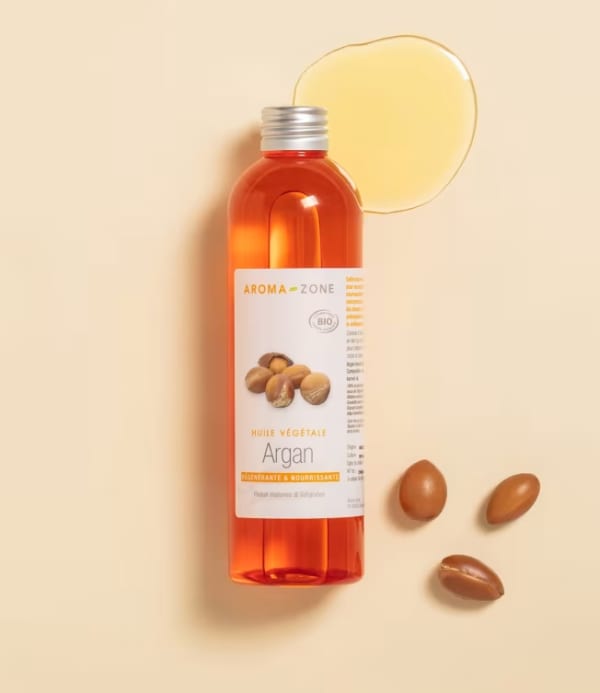
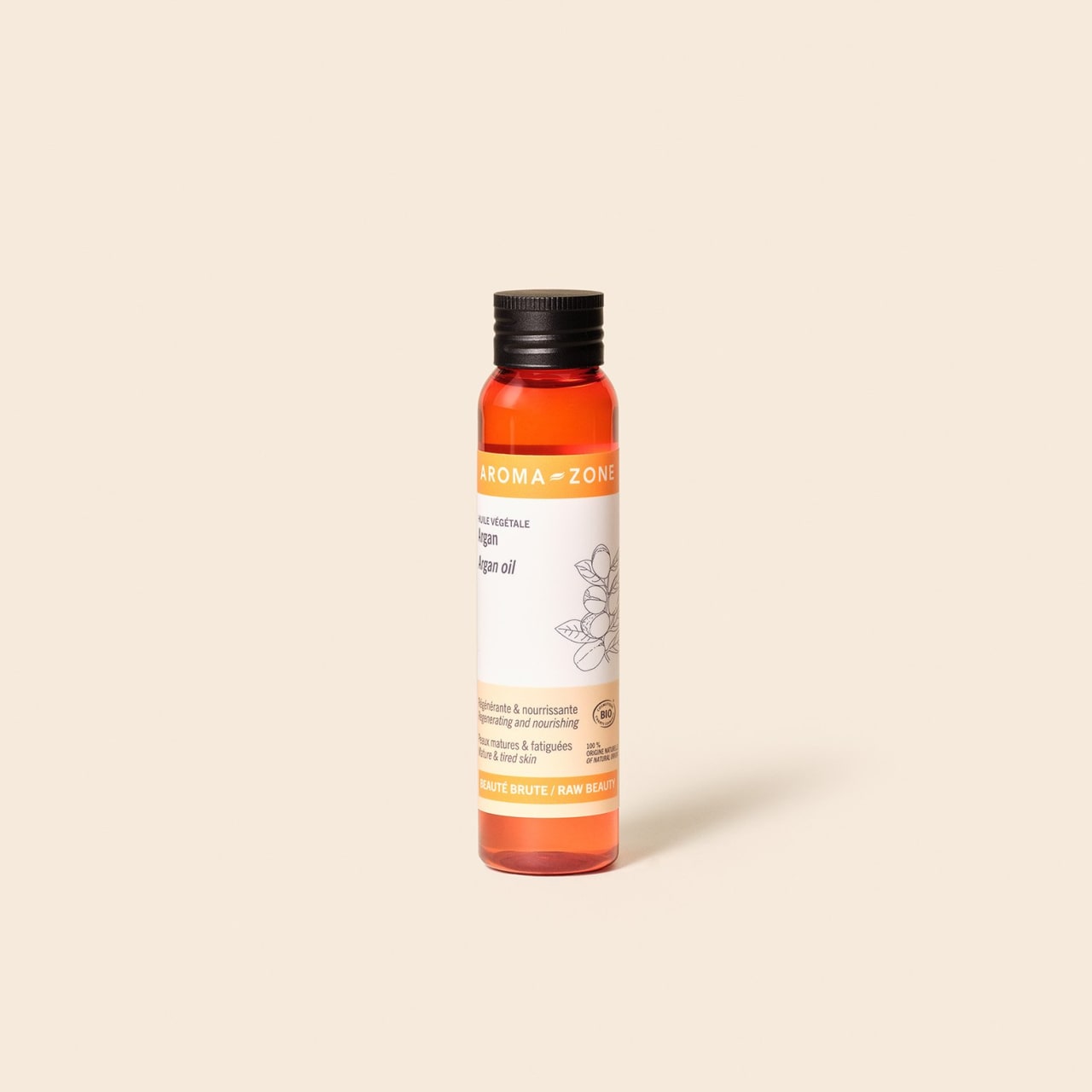
Organic Argan Oil

Once or twice a week, treat your hair to an oil treatment to deeply nourish the lengths. Argan, coconut, or even grapeseed...... These plant-based oils nourish and regenerate the hair shaft, restoring shine and vitality to your hair.

Expert Tip

Choose a hair care product suited to your hair type; this enhances the effectiveness of the active ingredients while effectively protecting your hair from the harmful effects of the sun, chlorine, and salt.

Spotlight on our specialist writer, Charlie Morel

charlie.jpg

Charlie holds a Master’s degree in cosmetic formulation. Passionate about cosmetology but also a great lover of words, she decided in 2020 to become a web editor specialising in cosmetics and beauty. It was her desire for a career change that gave her the idea of going freelance, as she wanted to be able to work from all corners of the world.

Bibliography

Frequently Asked Questions

Frequently Asked Questions