
Natural remedy for sinusitis

Do you have a blocked nose? A feeling of pressure in the sinuses and around the eyes? A headache? Something tells us you may have sinusitis. If so, we have some natural solutions to help relieve your symptoms and heal faster. Infusions, poultices, inhalations… It's up to you to choose the one or ones you prefer.

Reading time: 0 min.

What is sinusitis?

Sinusitis (or rhinosinusitis) isinflammation of the mucous membranes of the sinuses, the cavities located in the forehead (frontal sinuses), above the nose (sphenoidal and ethmoidal sinuses) and on either side of the nose (maxillary sinuses). The sinuses are cavities in the facial bones lined with mucous membrane and communicating with the nasal cavities. Sinusitis most often affects the maxillary sinuses.

Its main cause is viral (during a cold, for example), but it can also be bacterial or caused by an allergic reaction or exposure to irritating fumes (pollution, tobacco, pollen, etc.). Dental abscesses or inflammation can also be the cause.

When you have sinusitis, the mucous membranes lining your sinuses become inflamed, swollen and irritated, which can block the passage of mucus. When the mucus can no longer be transported and eliminated through the nose, it builds up in the sinuses, creating a sensation of painful congestion and allowing bacteria to spread more rapidly.

Sinusitis can be acute, recurrent (more than 3 times a year) or chronic (lasting more than 3 months). Acute sinusitis can last up to 4 weeks.
What are the symptoms of sinusitis?

The symptoms of sinusitis are

  • a feeling of pressure on the forehead and face

  • nasal congestion (blocked nose)

  • nasal secretions (clear or whitish/yellowish)

  • headaches (aggravated when you tilt your head forward or exert yourself)

  • possible pain between your eyes or behind your cheekbones

  • possible fever, cough or toothache

  • possible sneezing

  • possible photophobia (difficulty for the eyes to tolerate light)

What are the natural products for sinusitis?

1) Nose wash

To relieve sinusitis and nasal congestion, there's nothing like a nosewash. It rehydrates the mucous membranes, relieves congestion and thins your secretions so that they can be released more easily and microbes eliminated.

To do this, you can use

  • saline solution (ideal for babies) regularly throughout the day

  • "hypertonic" seawater nasal spray: 2 or 3 sprays a day for 5 or 6 days. If your sinusitis is allergic in origin, you can use a spray combining hypertonic serum and an antihistamine.

  • Salt and bicarbonate of soda: pour two teaspoons of salt and a heaped teaspoon of sodium bicarbonate into a litre of warm water and stir until dissolved. Tilt your head back and use a nosewash or simply a pipette to clean the first nostril, letting it drain, then blow your nose and do the same in the other nostril. You can use Aroma-Zone Dead Sea salt and Aroma-Zone sodium bicarbonate. Use 2 to 3 times a day for 5 days.

Don't forget to blow your nose after a nosewash to get the best results possible. As far as possible, avoid sniffing during the day to avoid pushing mucus up into the sinuses.

Dead Sea salt

Salt is well known for cleansing the nose and has purifying properties.

Discover Dead Sea salt

Sodium bicarbonate multi-purpose agent

Goes very well with salt, ideal for a nose wash.

Discover sodium bicarbonate multi-purpose agent

2) Clay poultice

Clay is a genuinely effective solution for soothing inflammation, infection, congestion and irritation, as well as helping to heal and remineralise. You can use it in the form of poultices directly on congested areas.

How do you make a poultice?

Mix Aroma-Zone illite green clay with water in a glass container using a wooden spoon (avoid as much as possible using steel or plastic utensils, which can denature some of the clay's molecules), to obtain a paste. Apply this mixture to your face in thick layers along the sides of your nose, spreading over your cheeks and down to the centre of your forehead. You can add cotton gauze on top. Leave on for at least twenty minutes, then remove and rinse off. Of course, if you feel any discomfort or pain, remove the poultice quickly.

Superfine green illite clay

3) Herbal teas and hydration

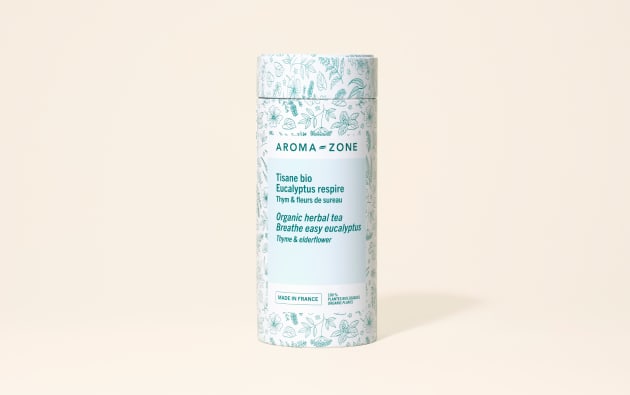
To calm the inflammation and help thin your secretions, we advise you to stay well hydrated. Remember to drink plenty of water (at least 1.5 litres) a day and drink herbal teas. Herbal teas can provide comfort and warmth, as well as significant benefits for your symptoms.

You can choose from:

  • Eucalyptus (Eucalyptus globulus): anti-inflammatory, decongestant, mucolytic, powerful antiseptic, antiviral, antimicrobial, the ideal plant for your sinusitis. Our advice: place 1 tablespoon of dried leaves in a cup of simmering water and leave to infuse for 10 minutes, 2 to 3 cups a day. Caution: we do not recommend its use for children under the age of 2 or for pregnant or breast-feeding women.

  • Echinacea: anti-inflammatory, stimulates the immune system, natural antibiotic and anti-infectious. We recommend using 1g of dried plant in a cup of simmering water and drinking 1 to 5 cups a day. We advise against use by people with autoimmune diseases, pregnant or breast-feeding women and children under the age of 12 (possible allergic reactions).

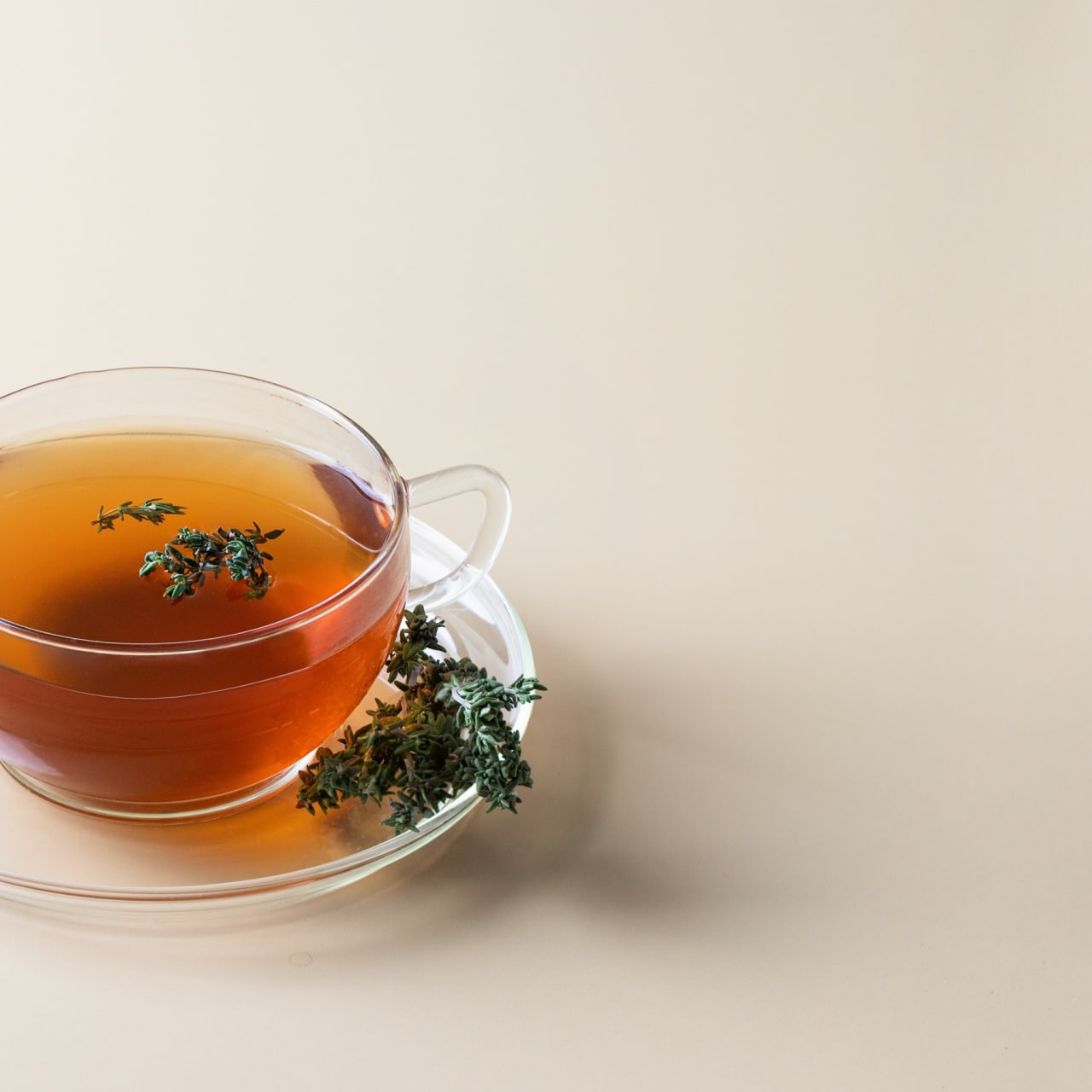
  • Thyme (Thymus vulgaris): a great antiseptic, antiviral, anti-inflammatory, decongestant, fluidifier and immunity booster, thyme is a plant that really helps your respiratory tract. We recommend using 1 to 2g of dried plant per cup of simmering water. Leave to infuse for 10 minutes and drink 3 to 5 cups a day. We advise against use by children under the age of 2 and by people suffering from high blood pressure or allergies. During pregnancy, we recommend no more than 1 cup a day.

4) Self-massage and sinusitis

Here's a solution that couldn't be simpler or more natural: self-massage. To ease the drainage and clear up your sinuses, you can massage your face and use certain specific points used in acupuncture:

  • First warm your hands by rubbing them together

  • Place your index fingers on either side of the base of the wings of the nose (point GI 20) and apply pressure for 2 minutes, breathing gently.

  • Gently massage your cheekbones in circles up to the top of your eyes

  • Move up along the bridge of your nose to your hairline and then 1 cm beyond (the DM 24 point) and press again moderately at this point for 2 minutes.

  • Finish by placing your two thumbs at the base of your skull behind your ears, holding your head with your other fingers. Massage gently to relieve your headaches.

You can do these self-massages multiple times a day whenever you feel the need.

5) Essential oils for sinusitis

Essential oils are highly effective in the treatment of sinusitis, decongesting, thinning and calming inflammation in the nose and sinuses.

We recommend:

Organic niaouli essential oil

(Melaleuca viridiflora), anti-inflammatory, powerful anti-infectious, antibacterial, antiviral, decongestant, anti-catarrhal.

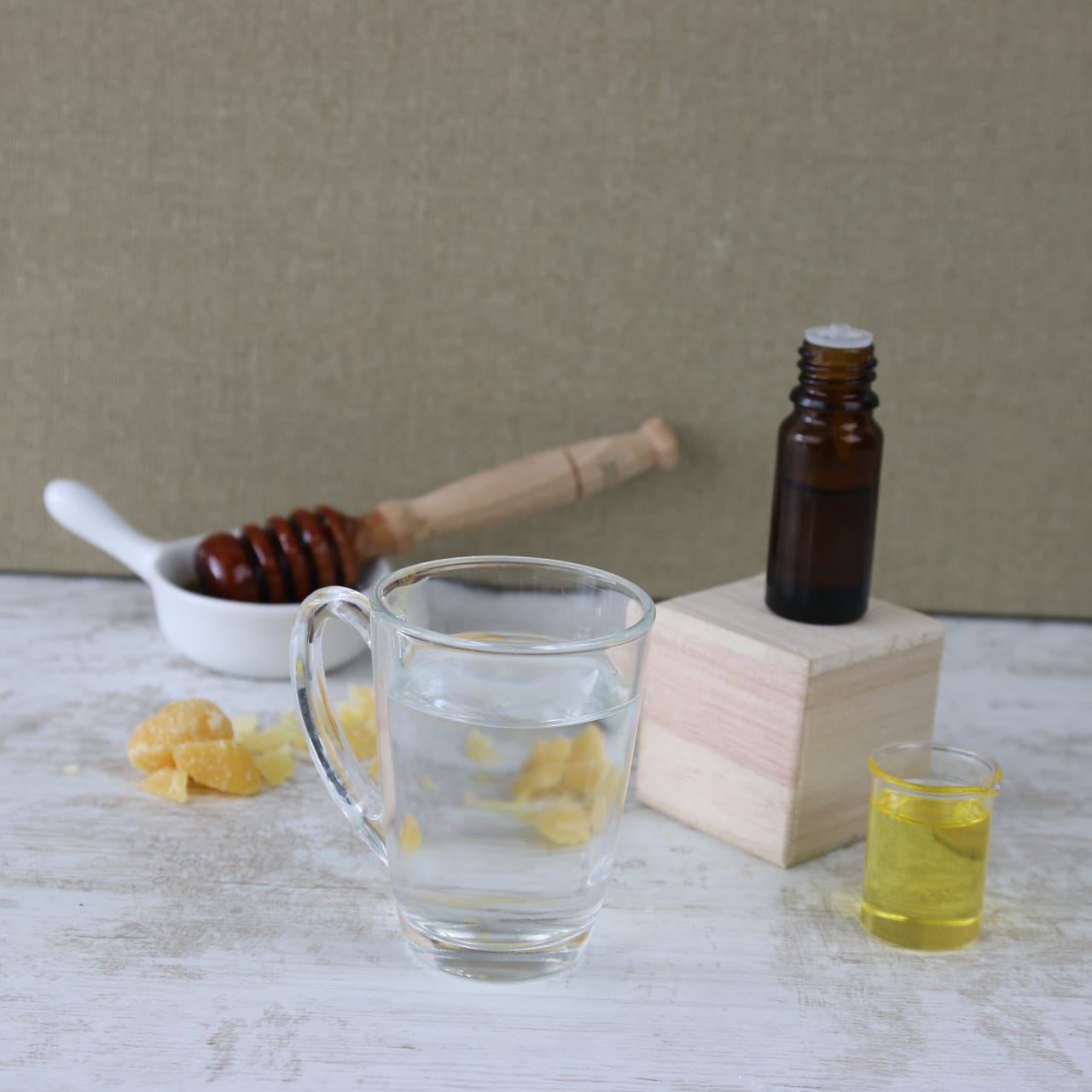
  • By mouth: 1 drop in a teaspoon of honey or on sugar, 3 times a day for 4 days

  • External: 2 drops diluted in a carrier oil, massaged into the skin around the nose and forehead (avoiding the eyes), 2 to 3 times a day for 4 to 5 days.

Not recommended for children under 6 or for pregnant or breast-feeding women.

Ravintsara essential oil

Sometimes known as ravintsara (Cinnamomum camphora CT 1.8 cineole), this powerful anti-infective, antibacterial, antiviral, mucolytic, anticatarrhal and immunity booster oil is an exceptional remedy for the ENT sphere.

  • By mouth: 1 drop in a teaspoon of honey or sugar, 3 times a day for 4 to 5 days.

  • By the skin: 3 drops in a little carrier oil to be applied to the sides of the nose and forehead 3 times a day for a maximum of 5 days.

  • Steam inhalation: 1 to 2 drops in a bowl of warm water, inhale 2 to 3 times a day.

We advise against use by children under 6 and pregnant or breast-feeding women.

Organic peppermint essential oil

(Mentha piperita) is anti-inflammatory, decongestant, analgesic, antibacterial, mucolytic and refreshing. You can use it:

  • Orally: 1 drop on a sugar cube, 3 times a day for up to 5 days.

  • Via the skin: 1 drop diluted in a carrier oil, applied to the area around your nose, working up to your forehead (make sure you avoid your eyes!) 2 times a day for up to 5 days.

  • Steam inhalation: 5 drops in a large bowl of hot water, inhale 2 times a day. Not recommended for children under 6, pregnant or breast-feeding women and people with epilepsy or allergies.

Absolutely avoid contact with children under 36 months. For children over 6, use the niaouli or ravintsara oils mentioned above.

Organic essential oil of narrow-leaved eucalyptus

(Eucalyptus radiata) , anti-inflammatory, antiviral, antibacterial, decongestant, mucolytic, anticatarrhal, antiseptic, immunostimulant. It is ideal for sinusitis. Our advice:

  • Orally: 1 drop in a spoonful of honey (or sugar), 3 times a day for 4 to 5 days.

  • By rubbing into the skin: 3 drops in a little carrier oil, massaged into the nose and around the nose, as well as into the centre of the forehead (watch out for your eyes), up to 3 times a day.

  • Steam inhalation: 4 to 5 drops in a bowl of hot water, inhaling 2 to 3 times a day for up to 5 days.

It is contraindicated for children under 6, women during the first three months of pregnancy and while breast-feeding, and asthmatics.

Organic niaouli essential oil

(Melaleuca viridiflora), anti-inflammatory, powerful anti-infectious, antibacterial, antiviral, decongestant, anti-catarrhal.

Discover organic niaouli essential oil

Organic ravintsara (ravintsare) essential oil

Powerful anti-infectious, antibacterial, antiviral, mucolytic, anticatarrhal, immunity booster.

Discover organic ravintsara (ravintsare) essential oil

Organic peppermint essential oil

(Mentha piperita), anti-inflammatory, decongestant, analgesic, antibacterial, mucolytic, refreshing.

Discover peppermint essential oil

Organic narrow-leaved eucalyptus essential oil

(Eucalyptus radiata), anti-inflammatory, antiviral, antibacterial, decongestant, mucolytic, anticatarrhal, antiseptic, immunostimulant.

Discover organic narrow-leaved eucalyptus essential oil

Please see our detailed health fact sheet entitled " Sinusitis: taking care of yourself with essential oils ".

Inhalation and sinusitis: how does it work?

Steam inhalation is particularly useful for cases of sinusitis, as the water vapour it releases is introduced directly into the respiratory tract, rehydrating it and decongesting the mucous membranes, soothing inflammation, thinning mucus and making it easier to eliminate through the nose.

How do you do a steam inhalation?

It's very simple:

Step 1

Boil some water and pour it into a large bowl (or an inhaler if you have one).

Step 2

Add as required: - 3 or 4 drops of essential oil (Ravintsara, Peppermint, Lavender, Scots Pine or Eucalyptus radiata, for example, and you can also make a combination of several essential oils to combine their properties, but be careful not to exceed 5 drops in total) - or a few dried plant leaves (Thyme, Sage or Eucalyptus, for example).

Step 3

Remove your glasses or contact lenses, close your eyes tightly, hold your face close to the bowl and, if you wish, place a towel over your head to prevent the steam escaping.

Step 4

Take a breath! Gently inhale the vapours from the bowl for 10 minutes, monitoring how you feel. Inhaling should be a pleasant experience. If you feel any discomfort, move away or stop the inhalation.

You can do 2 steam inhalations a day, but we recommend that you do them in the evening so you aren't exposed to cold or draughts in the hours that follow.

Warning

We do not recommend steam inhalation with essential oils for pregnant or breast-feeding women, or for children under the age of 3. Steam inhalation by itself is preferable, without the addition of essential oils or plants. It's not a good idea to do steam inhalation if you have asthma.

For children aged 3 and over, we strongly recommend that you always supervise them during steam inhalation to avoid burns and to react quickly in the event of discomfort or unease during the process.

Advice and steps to take if suffering from sinusitis

Of course, while you're suffering from sinusitis, get plenty of rest, keep warm and adopt a healthy lifestyle as far as possible to help you get better as quickly as possible.

To soothe your aches and pains and relieve your sinuses:

  • Keep rooms damp with a humidifier or a basin of water placed near the radiator at night to prevent your mucous membranes from drying out

  • Avoid smoking and exposure to smoke and pollution

  • Elevate your head at night with one or two pillows

  • Air your living areas regularly and don't overheat them (the ideal temperature is 19°C)

  • Avoid draughts, air conditioning, etc.

  • Wash your hands regularly and use disposable tissues

If your symptoms last longer than 3 weeks or worsen, consult your doctor as soon as possible. If you are taking medication or have a medical condition, consult your doctor before using natural remedies.

Focus on our Naturopathic editor, Stéphanie Catrysse

Stéphanie Catrysse is a naturopath (FENA-certified), a practitioner of well-being massage and lymphatic drainage and a personal development consultant. Passionate about alternative medicine, she takes a holistic approach to health.

Find out more about ENT care: ear, nose and throat

  • Respiratory allergies

  • Angina

  • Bronchitis

Bibliography

1

2

3

4

'Le grand livre de l’aromathérapie'

Nelly Grosjean - Éditions Eyrolles

5

'Ma bible des huiles essentielles'

Danièle Festy - Éditions Leduc

6

'Le guide familial des plantes médicinales'

D. Lousse, N. Macé, C. Saint Béat, A. Tardif - Éditions Mango