
The scalp is a crucial step in your hair care routine, designed to rid the scalp of impurities and accumulated product residue, aiming to deeply exfoliate the scalp. Unlike regular shampoos, this method specifically targets dead skin cells and residue thanks to its exfoliating ingredients. This deep-cleansing technique provides a sensation of freshness and lightness, while preparing the scalp to receive the benefits of subsequent hair care treatments. In short, scalp exfoliation is an essential step for maintaining the health and vitality of your hair, providing a healthy environment for its growth and beauty."
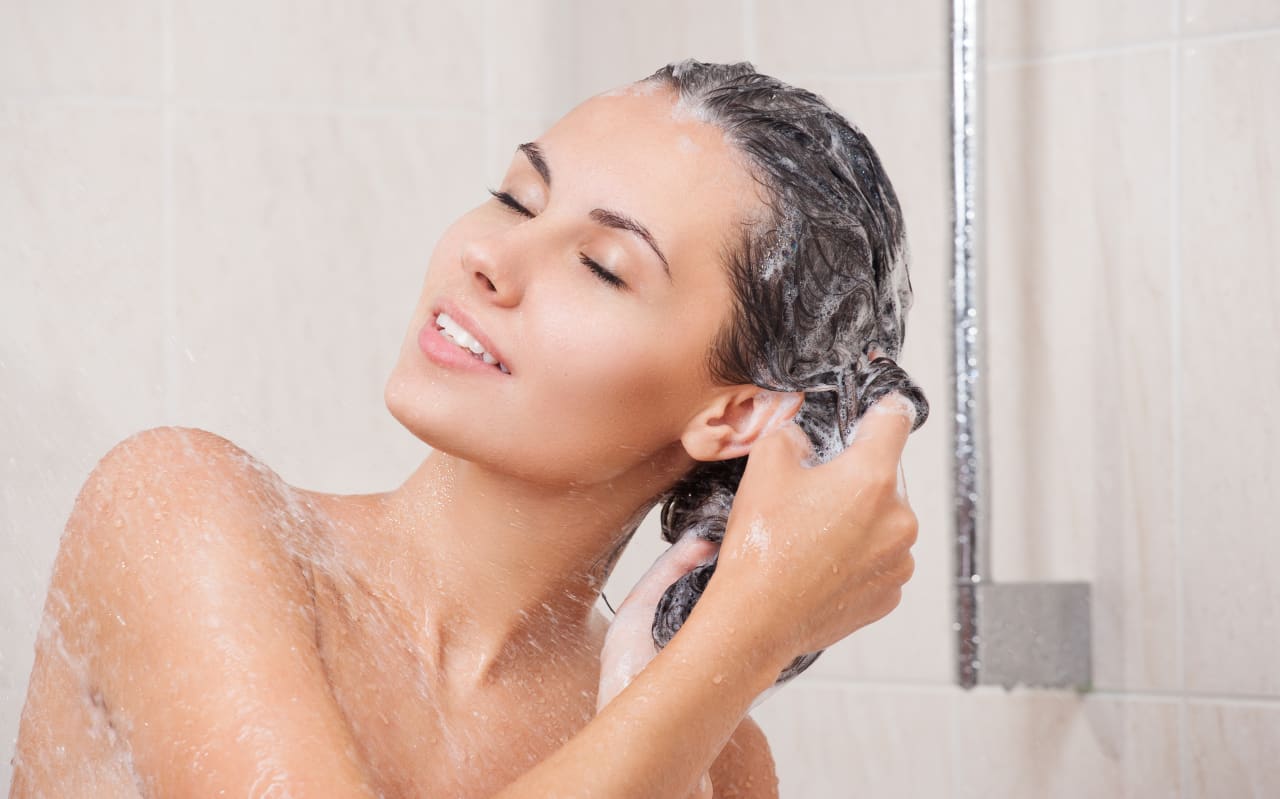
How do you make a scalp scrub at home?
By Gipsy Dauge
Published on: Wednesday, February 28, 2024, Updated on: Wednesday, September 30, 2026
Homemade scrubs offer your scalp a rejuvenating experience by removing impurities and stimulating hair growth. In this article, discover how to care for your hair naturally and effectively by making your own scalp scrubs at home.
Contents
Related products
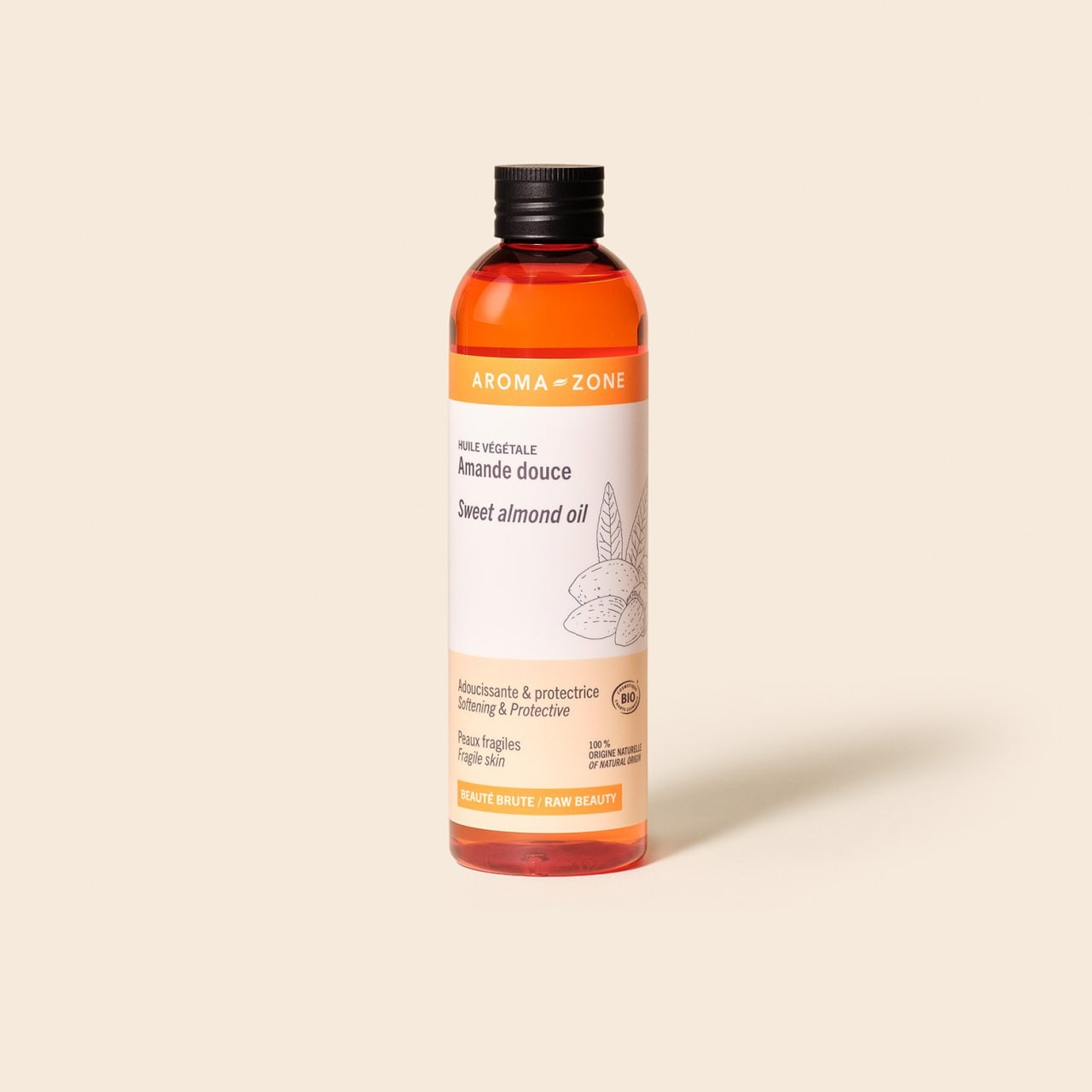
Organic Sweet Almond Oil
Protective
£13.00
250 ml
2 options
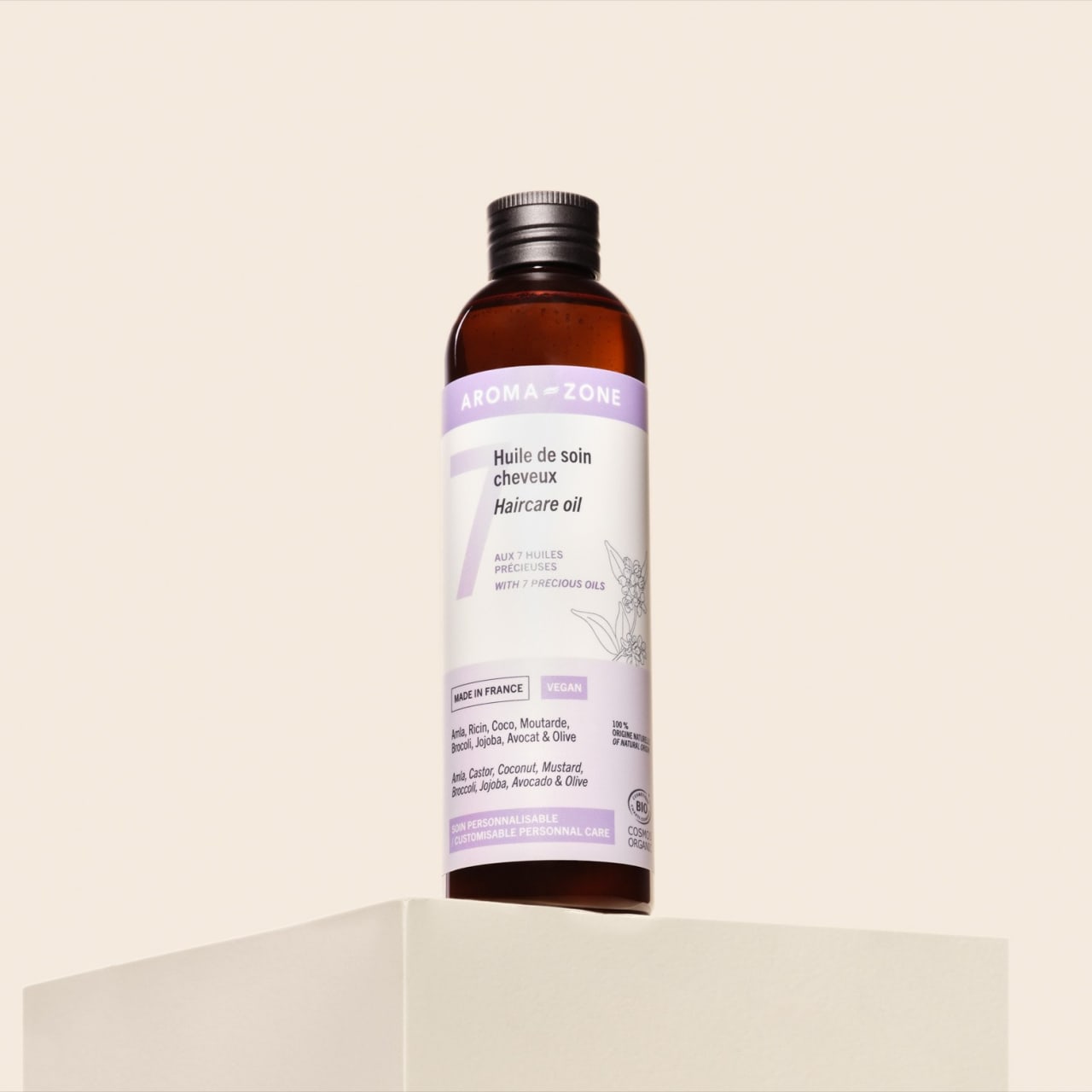
Haircare Oil With 7 Precious Oils
Repairing
Hair strengthening
£11.00
250 ml
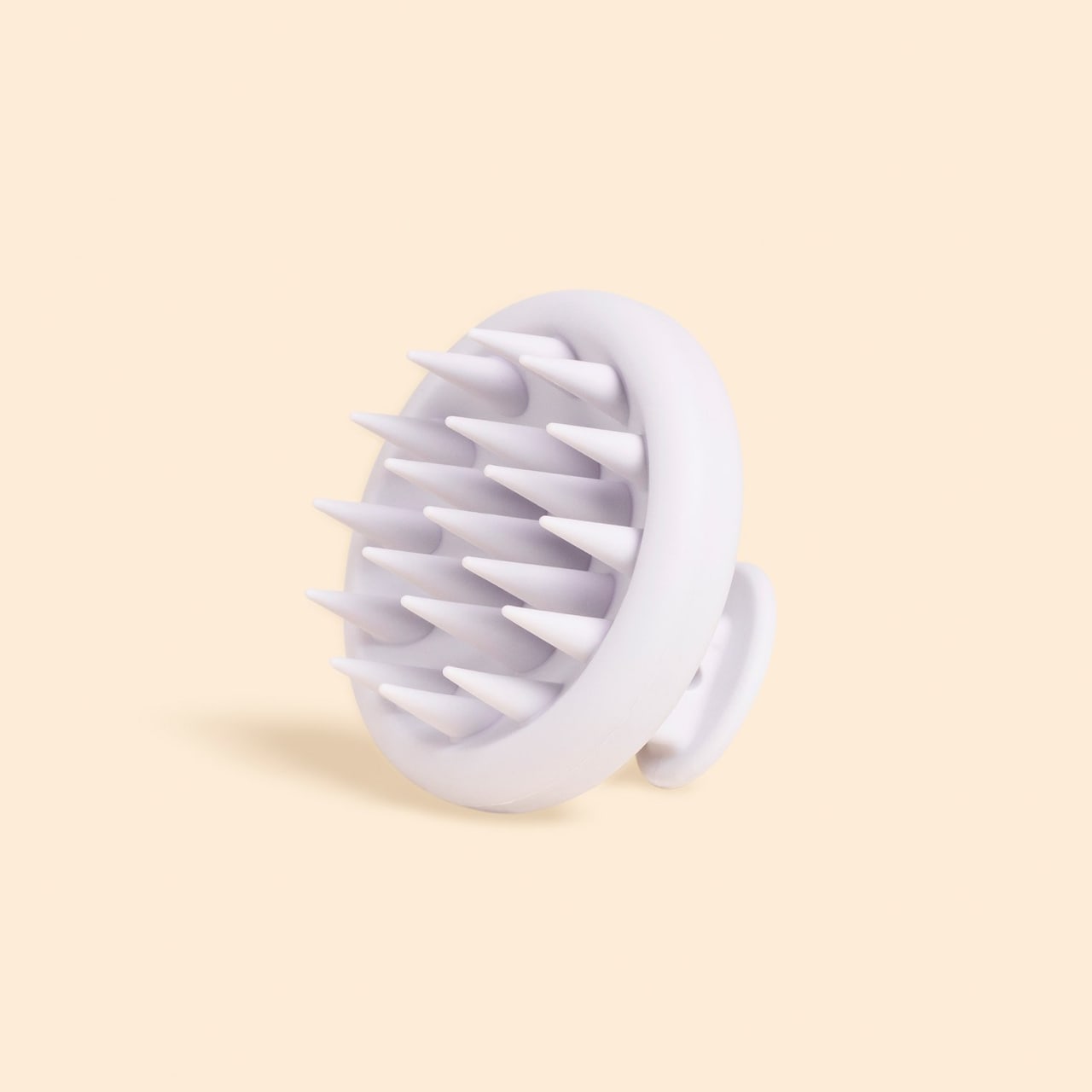
Scalp Massaging Brush
Hair strengthening
£5.00
1 article
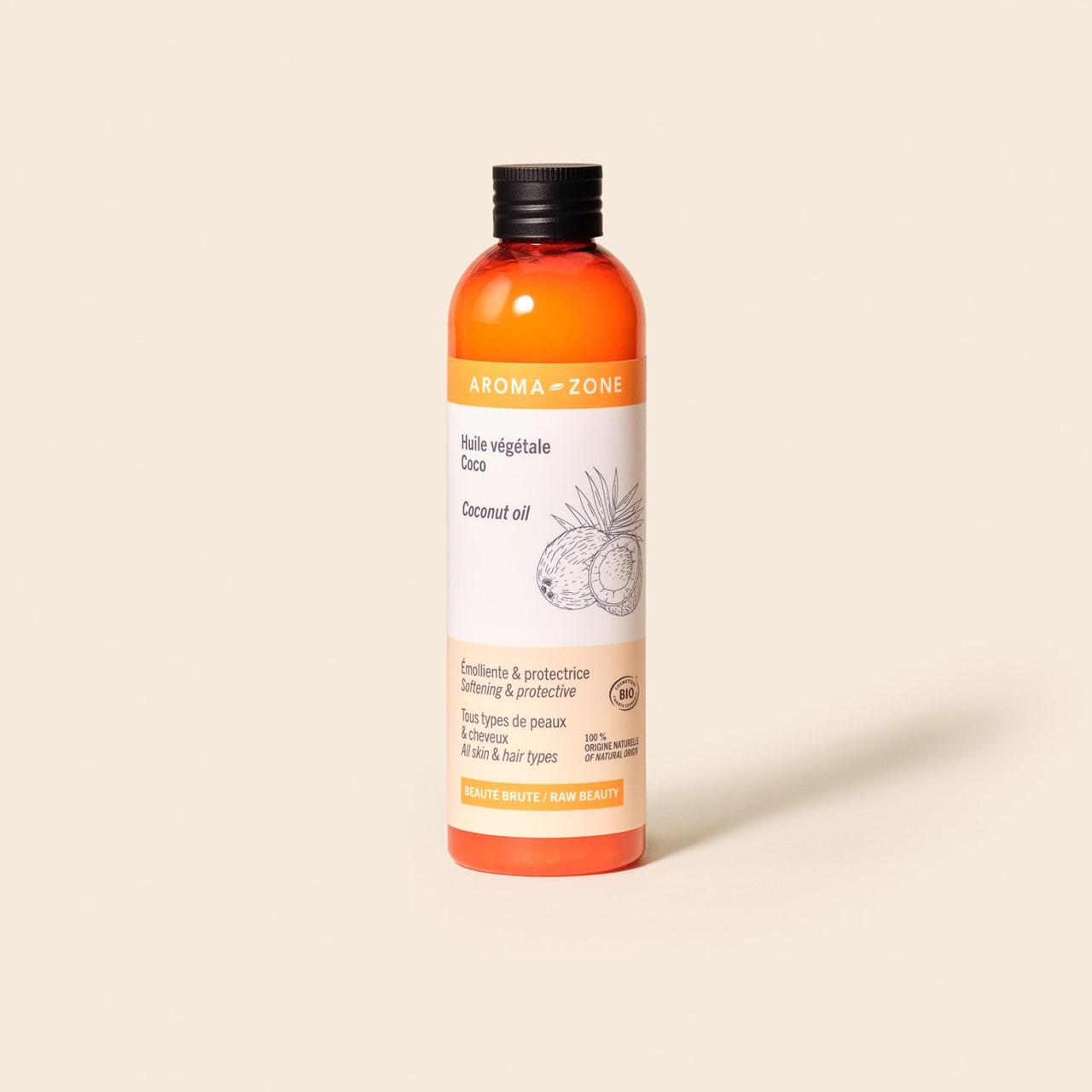
Organic Coconut Oil
Nourishing
Protective
£8.00
250 ml
3 options
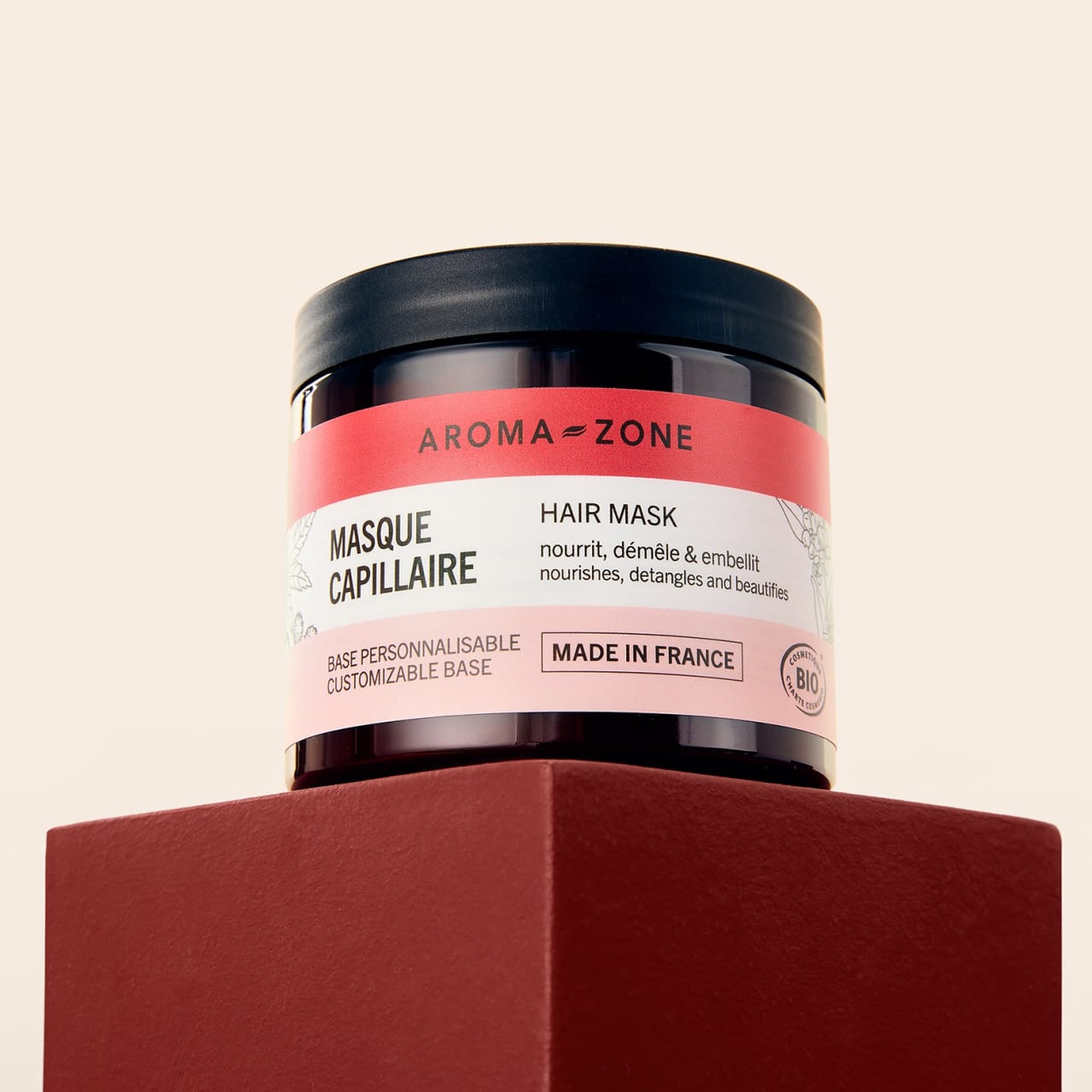
Neutral Hair Mask
Nourishing
Hair conditioner
£12.50
500 ml
In brief
Scalp exfoliation, used to purify and stimulate microcirculation, effectively removes impurities, excess sebum and hair product residue, promoting healthier hair and better hair growth.
Several homemade recipes are suggested using natural ingredients like honey or coffee grounds, to be applied following a specific protocol: appropriate frequency (once or twice a month is recommended), gentle massage, and recommended application time to maximise benefits, with specific tips in the article to optimise each step.
The article identifies at-risk profiles, such as sensitive scalps or those prone to certain skin conditions, as well as precautions to take to avoid irritation or imbalance.
What is a scalp scrub?
Why exfoliate your scalp at home?
When you use shampoos containing silicones or heavy styling products, residue can gradually build up at the roots of your hair. This leads to dull hair, slower growth, and a suffocating, greasy feeling on the scalp. To purify and revitalise the scalp, using a gentle scrub is recommended. You’ll feel a sense of lightness, enjoy more volume, and over time, notice your hair becoming revitalised.
To learn more, check out our guide to at-home scalp scrubs
The benefits of a natural homemade scrub
Homemade scalp scrubs offer numerous benefits that contribute to hair and scalp health. Here are a few advantages to know:
Removal of dead skin cells: Scalp exfoliation helps remove dead skin cells, promoting a cleaner and healthier scalp.
Stimulates blood circulation: By massaging your scalp while applying the scrub, you stimulate blood circulation, which can help nourish hair follicles more effectively.
Reduced dandruff: Exfoliation can help eliminate dandruff by removing dead skin cells and regulating sebum production.
Relief from itching: By removing impurities and stimulating circulation, scrubs can help relieve itchy scalp.
Preparation for hair treatments: A scalp cleansed by exfoliation can enhance the effectiveness of subsequent hair treatments, such as masks or conditioners.
Better absorption of nutrients: By removing product residue and dead skin cells, the scalp can better absorb nutrients from shampoos and hair care products.
Regulation of sebum production: Exfoliation can help balance sebum production, preventing the scalp from becoming too dry or too oily.
A feeling of freshness and lightness: After a scalp scrub, many people experience a feeling of freshness and lightness, contributing to an overall sense of well-being.
How and when to do a homemade scalp scrub? Steps to follow
To make a scrub, here are our tips :
Choose your ingredients: Select ingredients suited to your hair type and scalp.
Prepare the mixture: In a bowl, mix the ingredients to form a paste. Make sure the consistency is grainy but easy to apply.
Moisten your hair: Wet your hair with lukewarm water to prepare your scalp for the scrub.
Applying the scrub: Apply the mixture to your scalp, massaging gently in sections. Use a brush or applicator for more precise application.
Gentle massage: Gently massage your scalp with your fingertips to stimulate blood circulation and enhance the scrub’s effectiveness.
Leave-on time: Let the scrub sit for about 5 to 10 minutes. Use this time to relax.
Rinsing: Rinse thoroughly with lukewarm water to completely remove the scrub. You can also use a mild shampoo if necessary.
Follow-up care: If desired, apply a moisturising hair mask after the scrub to nourish your hair.
Drying: Air-dry your hair or use a hair dryer on a low setting.
To take it a step further, discover our moisturising and soothing scalp mask
We recommend exfoliating your scalp once or twice a month to avoid irritation. Adjust the frequency based on how your hair and scalp react.
What are some home remedies for a homemade scalp scrub?
Discover our products for creating your own homemade scalp scrub
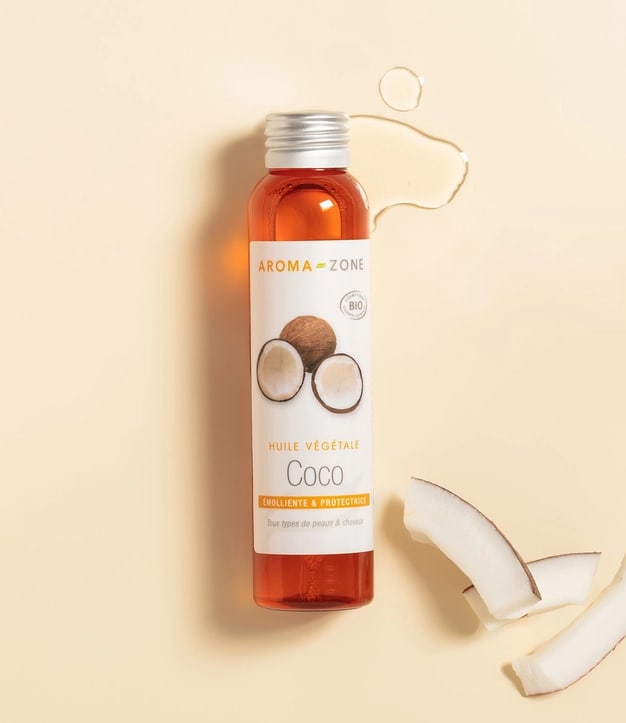
Coconut oil
Also known as coconut butter, this oil is a highly valued ingredient for its protective, softening, and emollient properties on the skin.
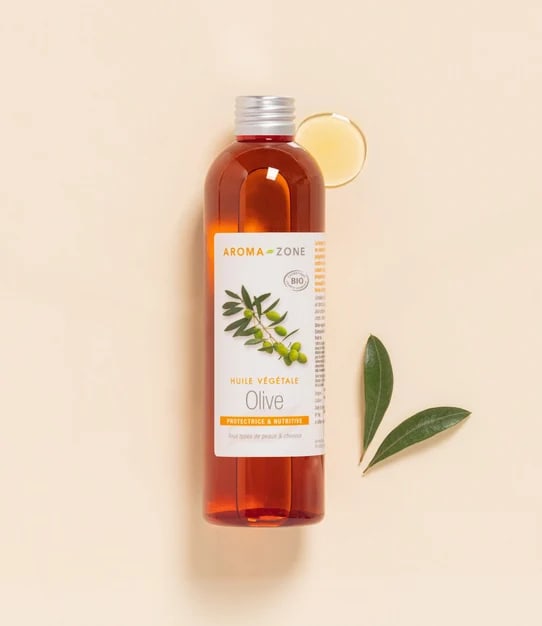
Olive Oil
Rich in vitamin E and polyphenols, this oil can be used in your preparations to combat the signs of ageing. It protects and nourishes the skin, and gives hair strength and shine.
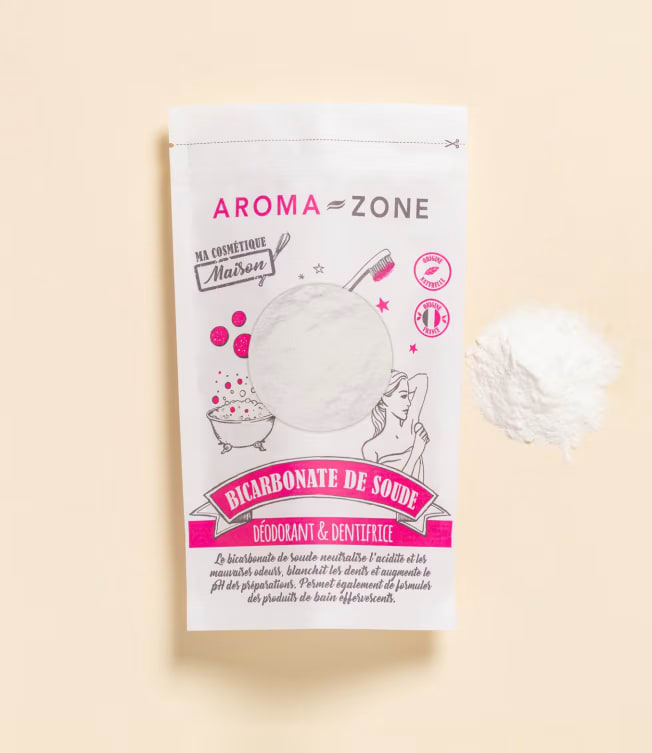
Baking soda
The ultimate multi-purpose product, baking soda, or sodium bicarbonate, is used in cosmetics, cooking, household cleaning, and gardening... It is an alkaline pH adjuster that will help raise the pH of your preparations.
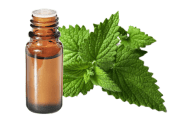
There are many recipes for making your own homemade scalp scrub. Here are some of our favourites:
Homemade scalp scrubs: known contraindications
Although homemade scalp scrubs can offer many benefits, it’s important to consider certain contraindications to avoid any risk of irritation. Here are a few contraindications to keep in mind:
Skin irritations: Avoid scalp scrubs if you have skin irritations, wounds, or infections on your scalp.
Skin conditions: If you suffer from skin conditions such as eczema, psoriasis, or other scalp disorders, we recommend consulting a healthcare professional before using a scrub.
Sensitive scalp: If your scalp is particularly sensitive, it’s best to avoid harsh scrubs. Instead, opt for gentle ingredients and adjust the frequency accordingly.
Dry or damaged scalp: If your scalp is dry or has damaged areas, choose moisturising ingredients in your scrub and make sure not to aggravate the condition.
Allergic reactions: If you are allergic to any of the ingredients in the scrub, avoid using it. Always perform a patch test beforehand, especially if you are using new essential oils.
Coloured or chemically treated hair: If you have coloured or chemically treated hair, consult your hairstylist before using a scrub to ensure it won’t alter your hair’s colour or texture.
Pregnancy or breastfeeding: Certain essential oils may not be recommended during pregnancy or breastfeeding. Consult your healthcare provider before using potentially controversial ingredients.
Children: Avoid using scalp scrubs on children unless specifically recommended by a healthcare professional.
Excessive frequency: While scalp scrubs can be beneficial, using them too frequently can cause irritation. We recommend limiting use to once or twice a month and adjusting based on your skin’s reaction.
Expert Tip
When exfoliating your scalp, use gentle, circular motions to avoid irritating the skin. Choose exfoliating products suited to your scalp type to prevent any adverse reactions. After exfoliating, be sure to rinse your hair thoroughly to remove all product residue. Finally, don’t exfoliate your scalp too frequently—once a week at most is enough to maintain your scalp’s natural balance. By following these tips, you can fully enjoy the benefits of a scalp exfoliation while preserving the health and beauty of your hair.
Spotlight on our writer: Gipsy Dauge

Gipsy is a graduate of ESJ Paris. After 10 years’ experience in general and women’s magazines, she decided to specialise in writing about health and wellbeing. With a yin yoga qualification under her belt, she now skilfully combines her writing with her yoga mat. Her aim goes far beyond mere words. Her commitment runs deep: to help readers incorporate small tips into their daily lives that help them look after themselves and their environment. Every word is an invitation to adopt a balanced and fulfilling lifestyle.
Bibliography
Green Life: The Blog Lifestyle, cooking, beauty, home, wellness...
https://books.google.es/books?id=dL_QDgAAQBAJ&newbks=1&newbks_redir=0&dq=gommage+cuir+chevelu+maison&hl=fr&source=gbs_navlinks_s
Zero-waste goal: it’s smart
https://books.google.es/books?id=G3mrEAAAQBAJ&pg=PT53&dq=homemade+scalp+scrub&hl=en&newbks=1&newbks_redir=0&sa=X&ved=2ahUKEwirwKjEmMGEAxXchP0HHakVDjg4ChDoAXoECAcQAg#v=onepage&q=homemade%20scalp%20scrub&f=false

Associated tips
Hair care tips
Skin care tips
Face care tips

Skin care tips

Hair care tips


