How often should I wash my hair?

The question of how often to wash your hair is a real issue. Between conflicting advice and different hair textures, finding the right balance can seem like a challenge. However, the answer to this question largely depends on individual factors such as hair type, lifestyle and specific needs. Let's take a closer look.

Reading time: 0 min.

The importance of washing your hair

We're not going to teach you anything here, but it's always good to be reminded. Washing your hair is essential for maintaining good hair hygiene and contributing to the overall health of your mane.

Washing your hair allows you to

  • Eliminate impurities: hair accumulates dirt, dust, styling product residue and even particles of air pollution. Regular hair washing helps to eliminate these impurities and keep hair feeling clean.

  • Control sebum production: sebum is a natural oil produced by the scalp. Excess sebum can make hair greasy and contribute to the build-up of dirt. Washing your hair helps to regulate this production, preventing it from looking too greasy.

  • Prevent hair problems: a scalp that isn't washed regularly can be prone to problems such as dandruff, itching and infections. Regular hair washing helps to maintain a healthy scalp and prevent these problems.

  • Absorb hair care products better: clean hair absorbs hair care products such as conditioners and masks better. As a result, it can benefit more from the advantages of these products.

  • Give you a feeling of freshness and well-being: washing your hair can give you a feeling of freshness and cleanliness, which has a positive impact on your general well-being.

  • Improve the appearance of your hair: clean hair generally looks better. It looks shinier, healthier and easier to style.

However, it's important to note that over-washing can also be detrimental. Over-washing can strip hair of its natural oils, leaving it dry and brittle. So it's essential to strike a balance based on hair type and individual needs. That's what we explain in the rest of this article.
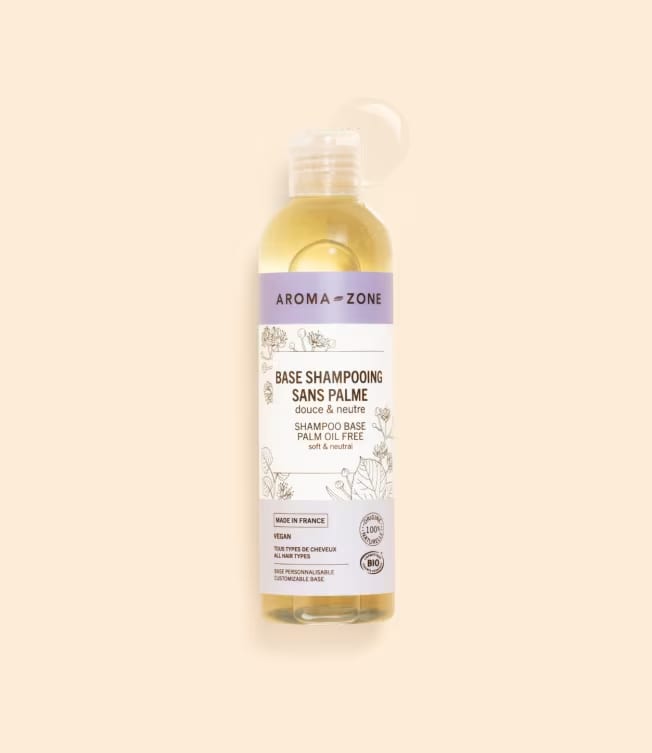
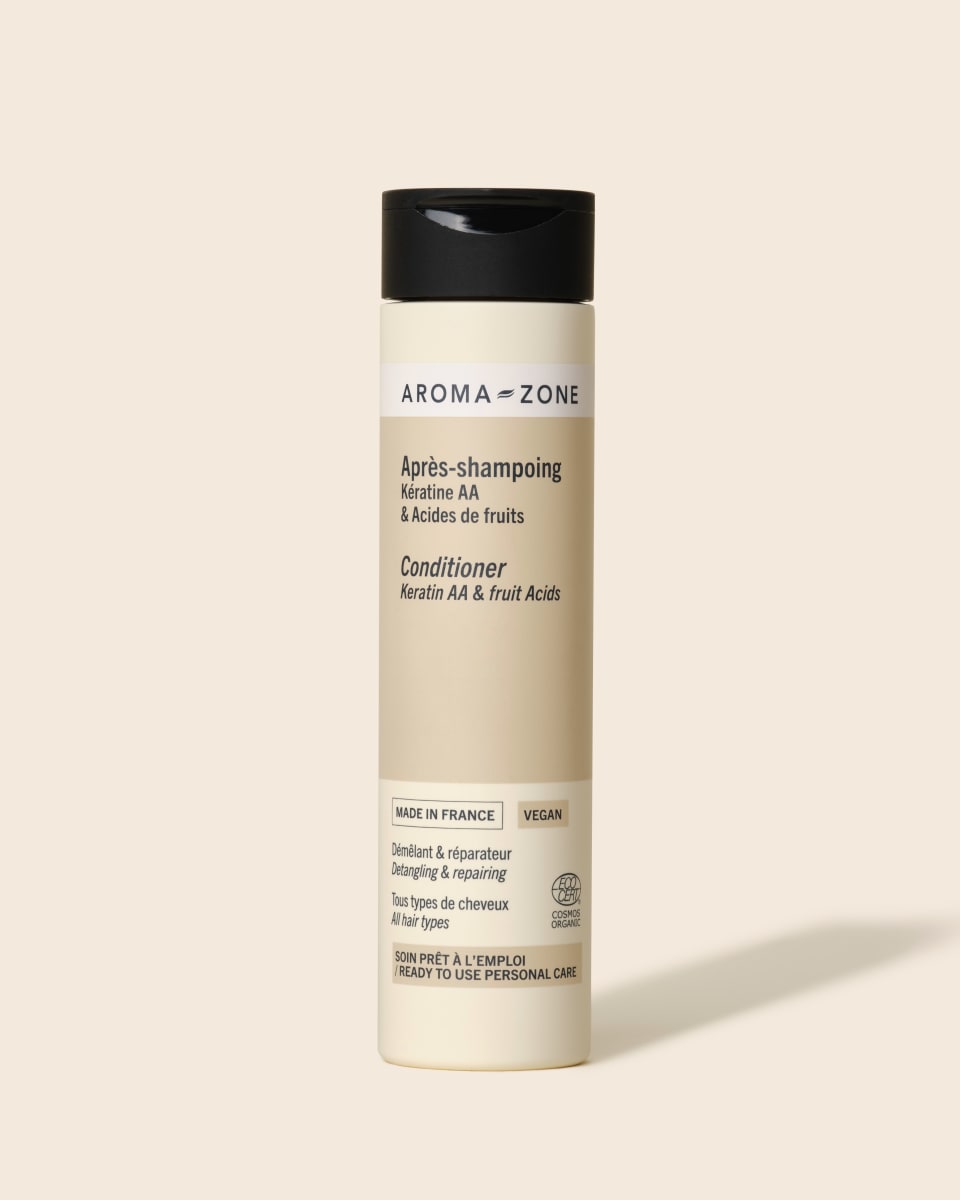
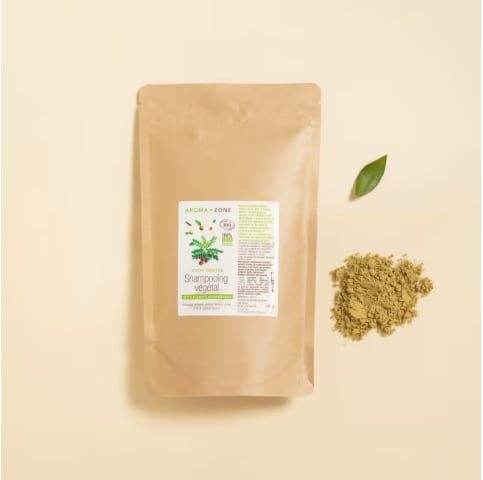
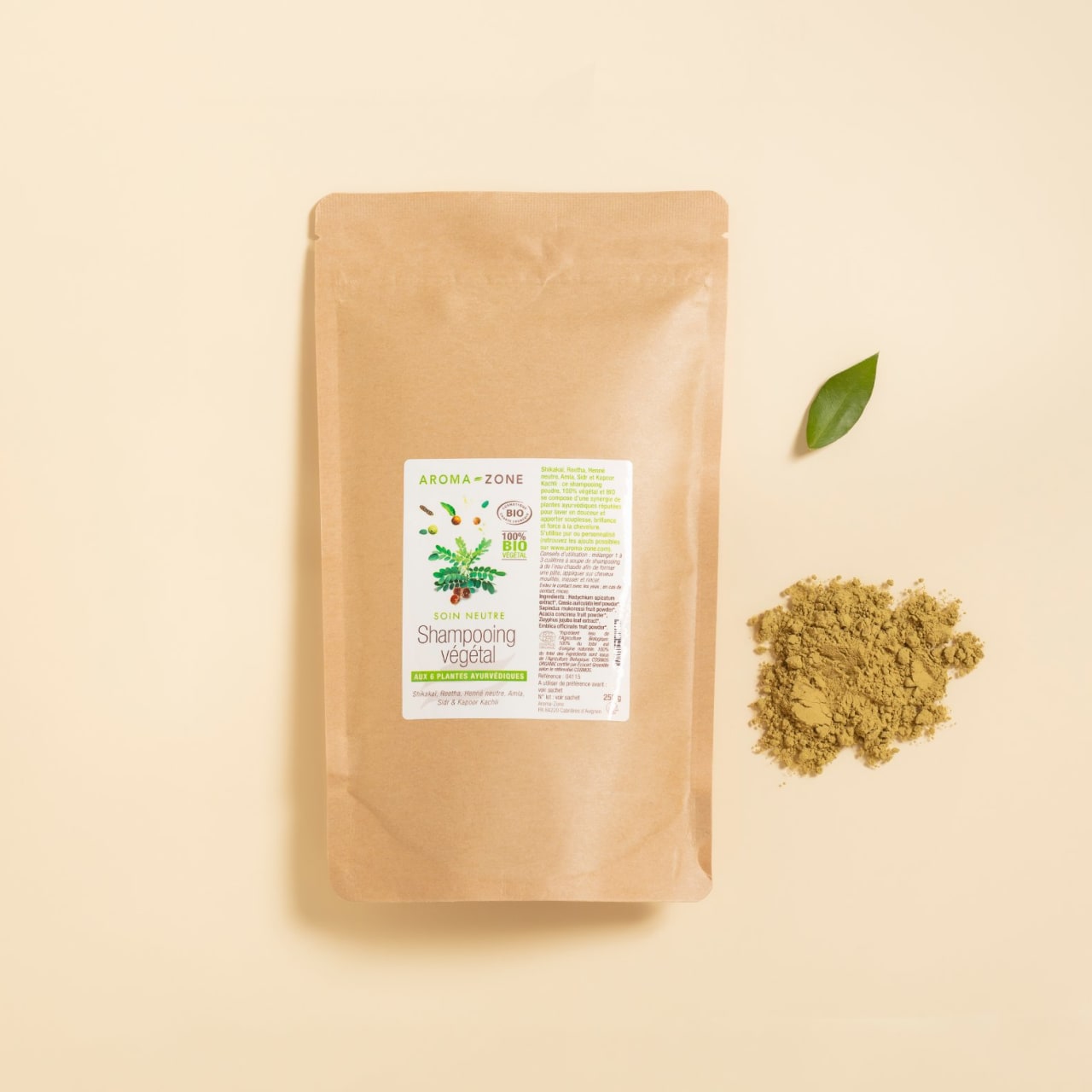
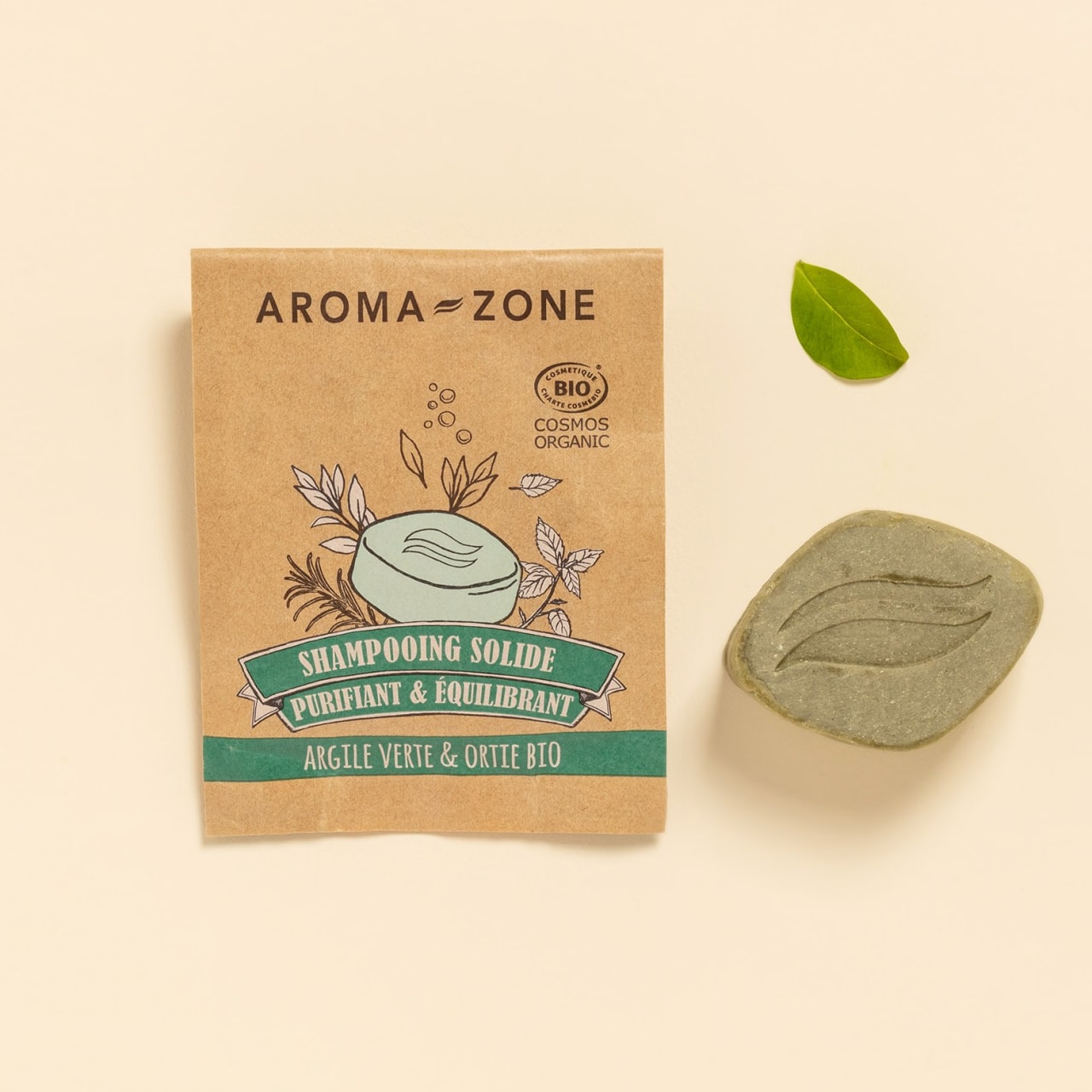
Focus on Organic Plant Shampoo

How many times a week should I wash my hair?

It all depends. A good hair wash should above all be a routine suited to your locks. You need to pay attention to a number of small details before deciding how often to wash your hair (of course, certain external factors such as the weather, a sporting activity or other event can mean that you have to change your routine from time to time).

Criteria for defining washing frequency

  1. Establish a routine based on your hair type: the first step to take into consideration is your hair type. Oily hair generally needs to be washed more frequently to eliminate excess sebum (4 to 3 times a week), while dry hair can be washed less often to avoid stripping it of its natural oils (1 to 2 times a week or even once every fortnight). Curly or frizzy hair may also need to be washed less frequently, as it's harder for sebum to spread along the curl (1 to 2 times a week).

  2. Adapt to your lifestyle: lifestyle also plays a role in how often you should wash your hair. Those who play sport regularly or are exposed to dusty or polluted environments (such as living in a large conurbation) may need to wash their hair more often to remove residue. The famous French hairdresser and entrepreneur Frédérick Fekkai, in a conversation on the subject, said that if you live in a city like Paris, it's better to wash your scalp every day. Because yes, it's actually the scalp that needs to be cleaned if you have dirty hair.

  3. The products used can also have an impact: hair products can also influence how often you wash your hair. Some shampoos may be gentler and designed to be used frequently (every day), while others may be more concentrated in cleansing agents and require more moderate use so as not to dry out the hair (around twice a week).

  4. The ideal routine: it doesn't really exist. All the advice we've seen here and there is general and doesn't adapt to everyone's specific needs. The ideal routine is up to you to find, taking into account the points we've listed above.

A few tips for looking after your hair between washes

  • Dry shampoo between washes: this is a great option if you need an occasional burst of freshness. However, dry shampoo should not be used regularly, as it can suffocate the scalp and lead to more serious problems than oily hair.

  • Turn to suitable hairstyles: ponytails, buns or braids can help hide slightly oily hair. This way, you can play around with hairstyles and add a twist to your everyday style. Don't be afraid to add accessories like barrettes or head jewellery, which are very much in vogue at the moment.

  • Opt for a head covering: here's another great opportunity to have fun with fashion. Greasy hair can be hidden by wearing a hat, scarf, bib, bonnet or cap… There's plenty of choice, so you can vary your style without getting bored!

  • Avoid excessive handling: as we all know, this isn't easy. Especially when you've had your hair silky smooth after a trip to the hairdresser. But to keep your hair so soft and your scalp healthy, it's best to avoid touching your hair too much, as this can stimulate sebum production and speed up the return of dirty hair between shampoos.

In conclusion, the ideal frequency for washing your hair is a compromise between your specific needs, your hair type and your lifestyle. It's important to experiment with different frequencies to find what works best for your hair, while maintaining a proper hygiene routine. Listening to your body and your hair is the key to determining the best possible wash frequency for you.

Spotlight on our editor: Coralie Técher

Coralie has spent seven years working as a journalist and editor specialising in women’s issues. With a particular passion for beauty and wellbeing, she is committed to highlighting nature’s self-care solutions. Always staying up to date with the latest research and trends, she enjoys sharing the most relevant and trustworthy insights with her readers.

Article published on 13 December 2023

Bibliography

1

Maes, D., Leduc, M., Nadvornik, I. M., Reinstein, J. A., Turek, B. A., & Vieu, M. (1979). Some aspects of hair regreasing. International Journal of Cosmetic Science, 1(3), 169-176.

2

Pierard-Franchimont, C., & Pierard, G. (2015). Hair and its environment. Revue Médicale de Liège, 70(2).

3

Beylot, G. (2013). Greasy hair. Pharmaceutical News, 52(525), 59-60.

4

Goetz, P. (2007). Phytocosmetology of the scalp and hair. La phytocosmétologie thérapeutique, 165-182.