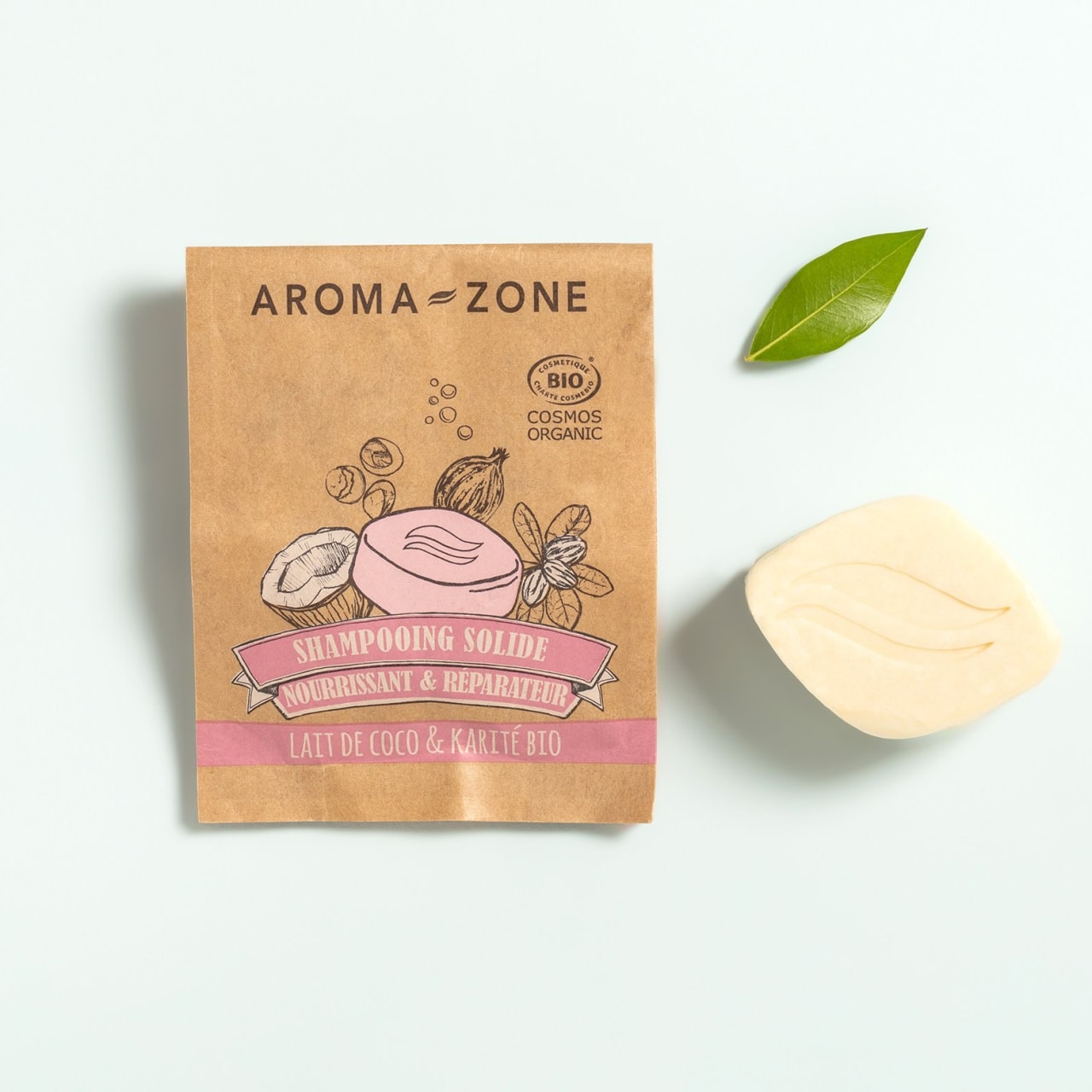
Shea butter on hair: how do I use it?

Many of us appreciate the benefits of Shea butter for our hair. And with good reason: it's a natural ingredient that's very accessible and can deliver excellent results. As a shampoo, deep conditioner or mask, Shea butter is ideal for nourishing dry, damaged hair. You'll see that it will quickly become an essential part of your hair routine. Our experts explain why you'll love it and how you can easily incorporate it into your daily routine. Follow our guide!

Reading time: 0 min.

What is shea butter?

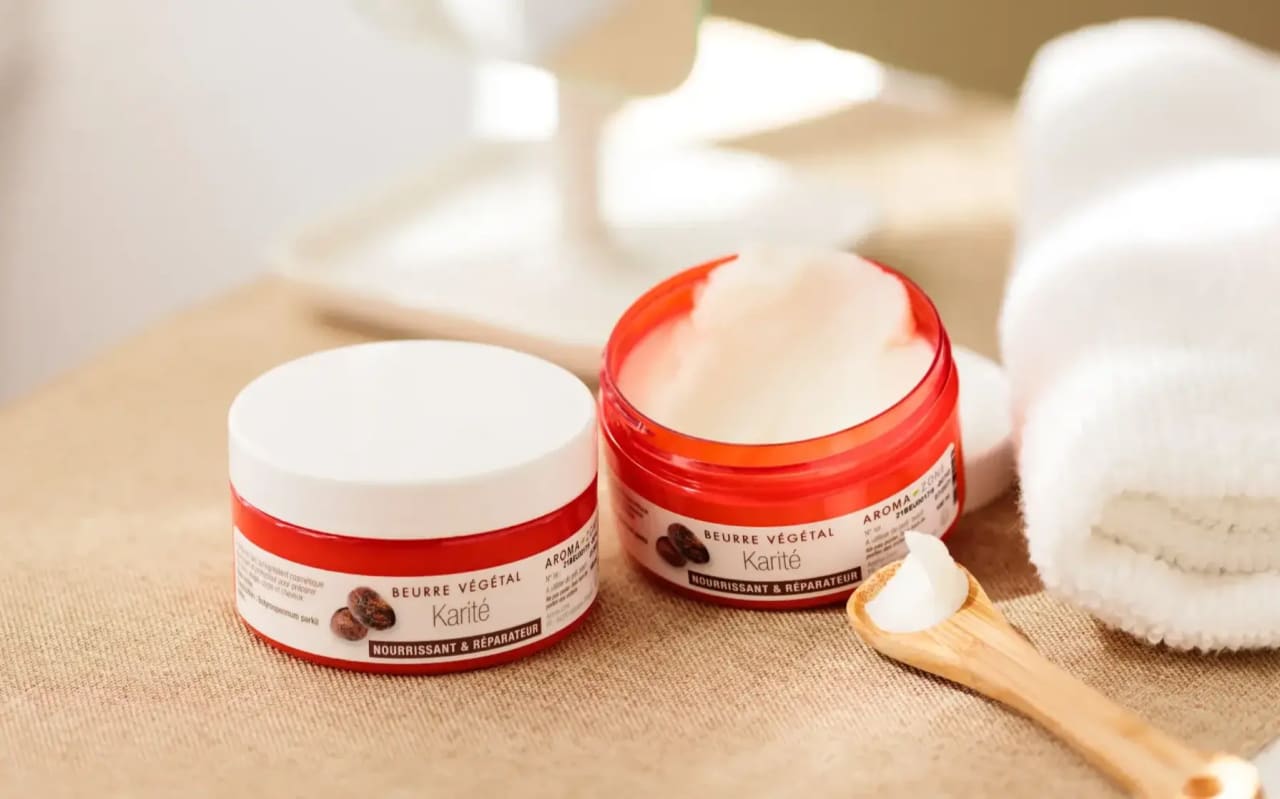
Shea butter is a naturally occurring fatty substance. It comes from an African tree, the shea tree (Butyrospermum parkii, also known as Vitellaria paradoxa or the "butter tree"), which grows wild in West Africa. It produces clusters of fruit containing one or two nuts. Once crushed and processed, they yield a rich butter that hardens at room temperature.

Shea butter is nicknamed "white gold". It is a very valuable resource for the people of Africa. For centuries, women have used it for its nutritional and cosmetic qualities. It is edible after processing, but that's not all. It contains nourishing and protective properties that are highly beneficial for skin and hair care.

Composition of shea butter

Like carrier oils, shea butter is composed mainly of essential fatty acids. It is also very rich in unsaponifiable matter. These are active substances that are sources of plant sterols and vitamin E. They are not transformed into soap during the saponification process. That's why shea butter is used in so many soap recipes.

Are you wondering why you should use shea butter on your hair? Quite simply because it contains many elements that your hair will love.

  • Essential fatty acids (oleic acid, stearic acid), which nourish the hair fibre.

  • Phytosterols (including karisterols), part of your body's anti-inflammatory mechanisms.

  • Vitamins A and E (natural antioxidants), which help keep hair soft and supple.

  • Cinnamic esters, which moderately protect your hair from UV.
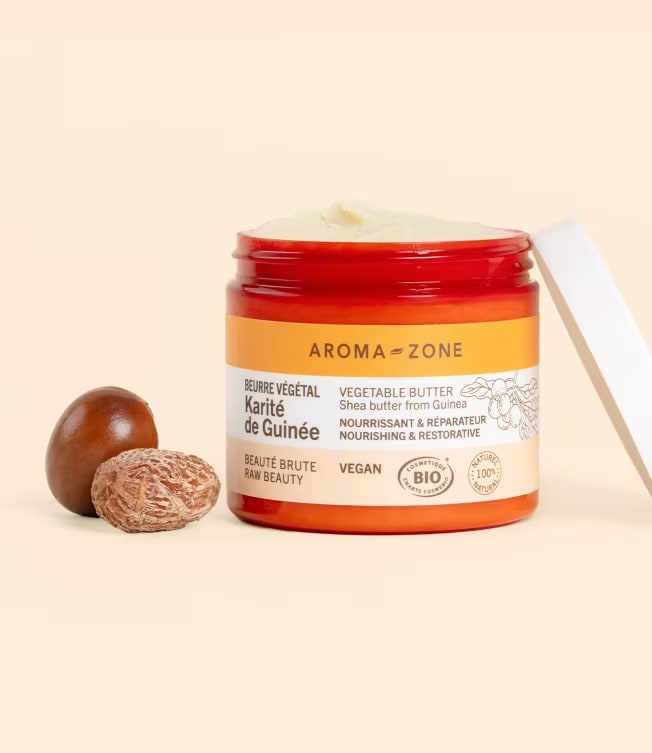
What are the benefits of shea butter for my hair?

  • Intensely nourishes the hair fibre. It acts like an emollient and is capable of acting deep down. In particular, it soothes dry or irritated scalps.

  • It coats and smoothes the hair surface. It is also an excellent ally in preventing unruly frizz and making detangling easier.

  • It leaves hair shinier and softer. It improves overall appearance and revitalises damaged hair.

  • Shea butter protects the hair from external damage. These include temperature variations, humidity and the sun's rays. When applied, it forms a protective barrier against excessive heat when using a straightening iron or hairdryer, for example.

  • Finally, this precious plant butter can help prolong the colour and shine of your hair colours (chemical or plant-based).

How do I use shea butter on my hair?

Shea butter can be used directly on your hair. In this case, you only need a small amount. Shea butter hair care products are therefore very economical! Don't hesitate to adapt how much you use to the nature and length of your hair.


Shea butter hair mask

Did you know that you could make an oil mask with shea butter? This tip is one of our favourites: it's very easy and the before-and-after results are amazing. Here's how to make your own shea butter pre-shampoo mask.

  1. Take a dab of plant-based shea butter. Don't hesitate to increase the amount if your hair is very dry.

  2. Melt the butter between your hands. You should obtain a thick oil.

  3. Spread it over detangled hair. You can also apply it to your scalp to stimulate sebum production.

  4. Wrap your hair in a warm towel and leave on for at least 30 minutes. If possible, leave on overnight.

  5. Wash your hair with your usual shampoo.

Shea butter repair balm for hair ends

Is the end of your hair damaged and in need of a little help? Now's the time to get out your shea butter. You can use it as a leave-in repair balm on dry hair. This daily instant recipe is particularly suitable for thick, curly and textured hair.

  1. Take a tiny dab of shea butter and melt it by rubbing your palms together.

  2. Apply the resulting oil to the ends of your hair, starting at the fork of the Y on the split end and gradually working your way up for about 10 centimetres.

  3. Massage in for a few seconds, concentrating on the most damaged areas.

  4. If necessary, remove excess shea butter with a towel and/or brush.

Nourishing hair serum

If your hair is dull or prone to dry ends, shea butter can be used as a serum to add softness and shine.

  1. Melt a dab of shea butter and mix with a light oil such as argan or coconut oil.

  2. Apply a small amount to your hair, all the way down to the ends, paying particular attention to dry areas.

  3. Leave in without rinsing for shiny, protected hair.

Natural conditioner

Shea butter can also be used as a conditioner to detangle and soften hair.

  1. After washing your hair, apply a small amount of melted shea butter to all of your hair.

  2. Massage gently to distribute the product evenly.

  3. Rinse lightly or leave in for deep conditioning before rinsing a second time.

What are the different types of shea butter?

There are two types of shea butter: refined shea butter and pure, unrefined shea butter:

Refined shea butter: this is the type found in most traditional cosmetics and is the least expensive. This is because it is extracted using a petrochemical solvent, which is quicker and less expensive, resulting in cheaper products with a longer shelf life. However, refining, which is done at high temperatures and often using low-quality almonds, denatures the butter and causes it to lose a large proportion of its vitamins, fatty acids and natural properties (around 50% to 80%). It is bleached, deodorised and has a lumpy texture (caused by its fatty acids disappearing) which sometimes means it is quite difficult to spread.

Pure or unrefined shea butter: this is the most raw and natural shea butter. It is produced by gentle extraction (whether traditional, artisanal or by mechanical cold pressing) of very fatty nuts of excellent quality (and therefore makes it more expensive). The sun-dried almonds are then ground by hand, the resulting paste is churned with water and then cooked for a long time in a cauldron to separate the butter from impurities. The butter is then filtered and beaten by hand. This method preserves all its properties, particularly its vitamins and fatty acids. Pure shea butter has a true colour (depending on its origin, it can be beige, off-white, pale yellow, etc.). It has a slight nutty aroma, sometimes similar to that produced by roasting coffee. It has a melting texture and penetrates the skin easily.

Before choosing a shea butter, opt for pure or unrefined shea butter, which also has a social and environmental role to play. Shea butter production is the main activity for many people in African countries, but the refining technique, which creates more pollution and is cheaper, effectively takes this business away from them. Choose organic and/or traditionally-produced products.

Is shea butter suitable for my hair type?

You're in luck: shea butter is suitable for all hair types. So you can use it in your cosmetic recipes with complete confidence. We've listed the hair types that will benefit most from this wonderful plant butter.

Shea butter on frizzy hair

It's our favourite combination! Afro hair is naturally drier than Caucasian hair. Sebum has trouble flowing from the roots to the ends. That's why your hair is more susceptible to drying out. Applying a shea butter hair treatment will help your hair regain its suppleness and softness.

To find out more, see: textured hair: how can I maximise volume?

Shea butter for curly hair

Do you have curly hair? If so, you may often feel that your hair is dry, fuzzy and unruly. Shea butter is perfect for making your curls lush and shiny again. For example, you can add it to a shea butter shampoo and conditioner and incorporate it into your hair routine. This will nourish your hair right from the cleansing phase.

To find out more, see: How can I get beautiful curls?

Shea butter for fine hair

Don't worry: you can use shea butter on fine hair. It's an excellent ingredient if your hair is prone to dehydration or dryness. We simply advise you to avoid leave-in shea butter treatments, which may weigh down your hair. Apply it sparingly as a mask before shampooing.

To find out more, see: How to thicken your hair

The different types of shea butter for my hair at Aroma Zone

Want to create a personalised treatment for your hair? Our shea butters can be used neat, but also in combination with other active ingredients. You can mix them with one or more targeted cosmetic ingredients to create a unique treatment. If you browse through our nature booklet, you'll see that we have three different shea butters available. That's simply because they don't have exactly the same composition or the same use. Here's our advice on how to identify the plant-based butter best suited to your needs.

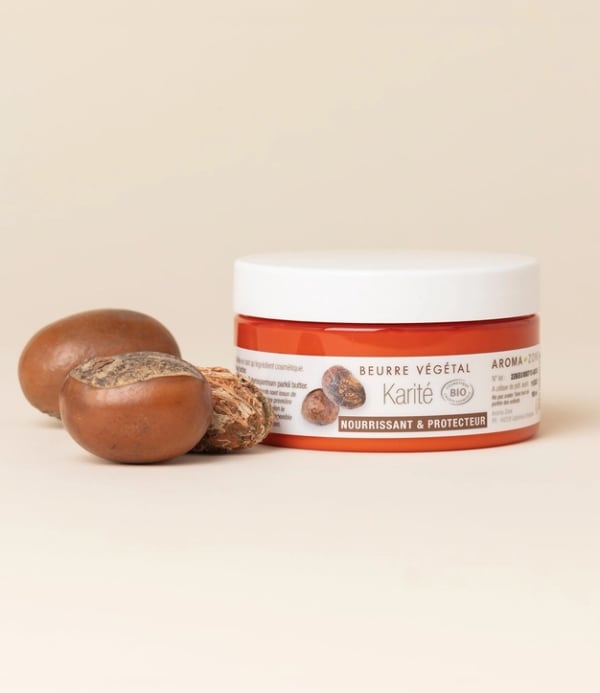
Shea butter (wild)

This is the classic shea butter, the best known and most widely used in cosmetics. It is deodorised, which means it won't alter the fragrance of your formulas. Use it to make your repairing treatments for afro and coloured hair.

Discover our shea butter (wild)

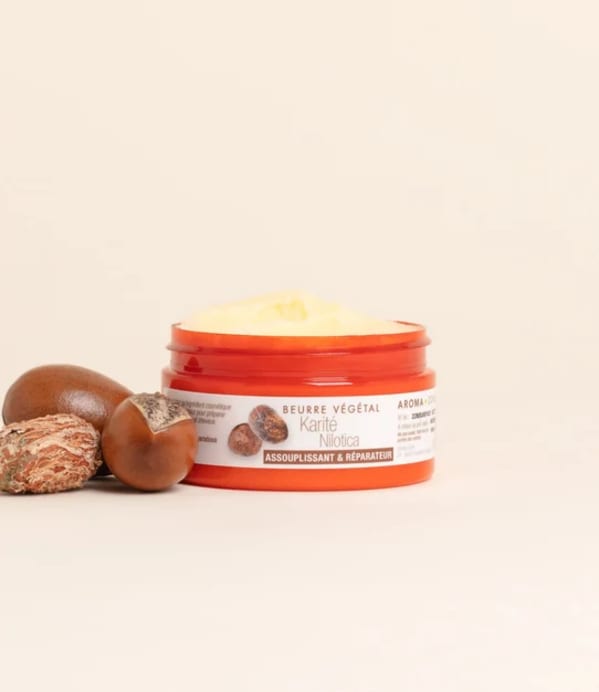
Raw nilotica shea butter

This is a raw, unrefined variety of shea butter. It is creamier than the classic variety and easier to apply to the hair. It is ideal for formulating shine-enhancing hair masks and balms.

Discover our raw nilotica shea butter

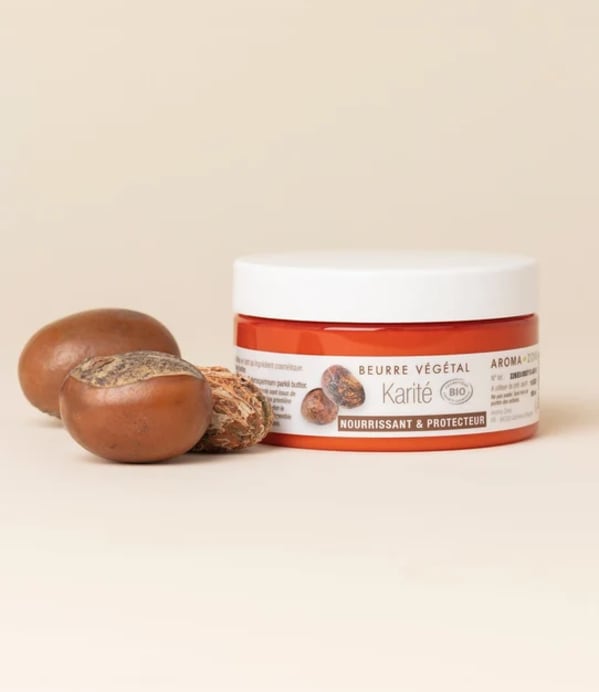
Raw organic shea butter

The classic butter, 100% pure and natural, with organic certification to boot. Its organoleptic properties are similar to those of wild shea butter.

Discover raw organic shea butter

Other natural shea butter solutions at Aroma Zone

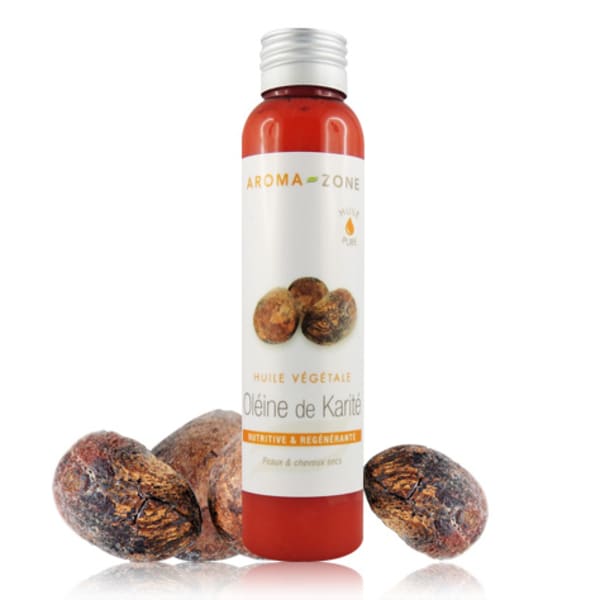
Shea butter - olein

This liquid shea concentrate is ideal for creating products for dry skin and hair. It gives a silky feel to the skin and is popular for making nourishing and protective summer and hair care products. In particular, you can use it to make conditioners, masks or balms.

Discover our shea butter - olein oil

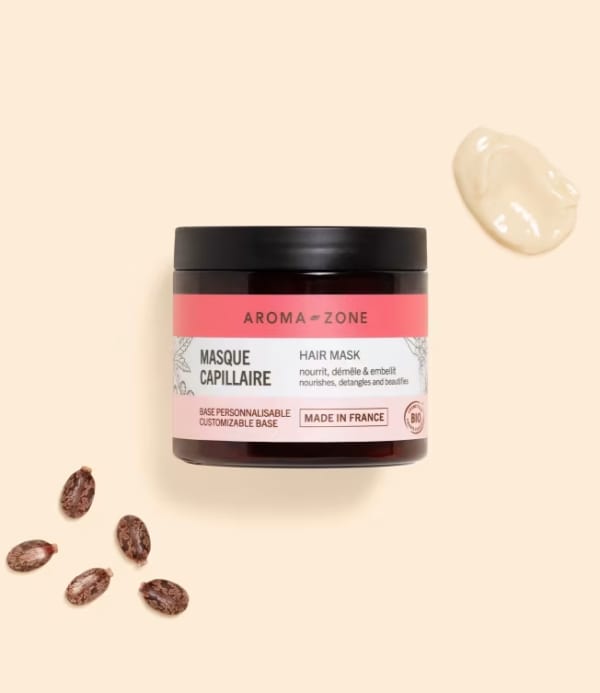
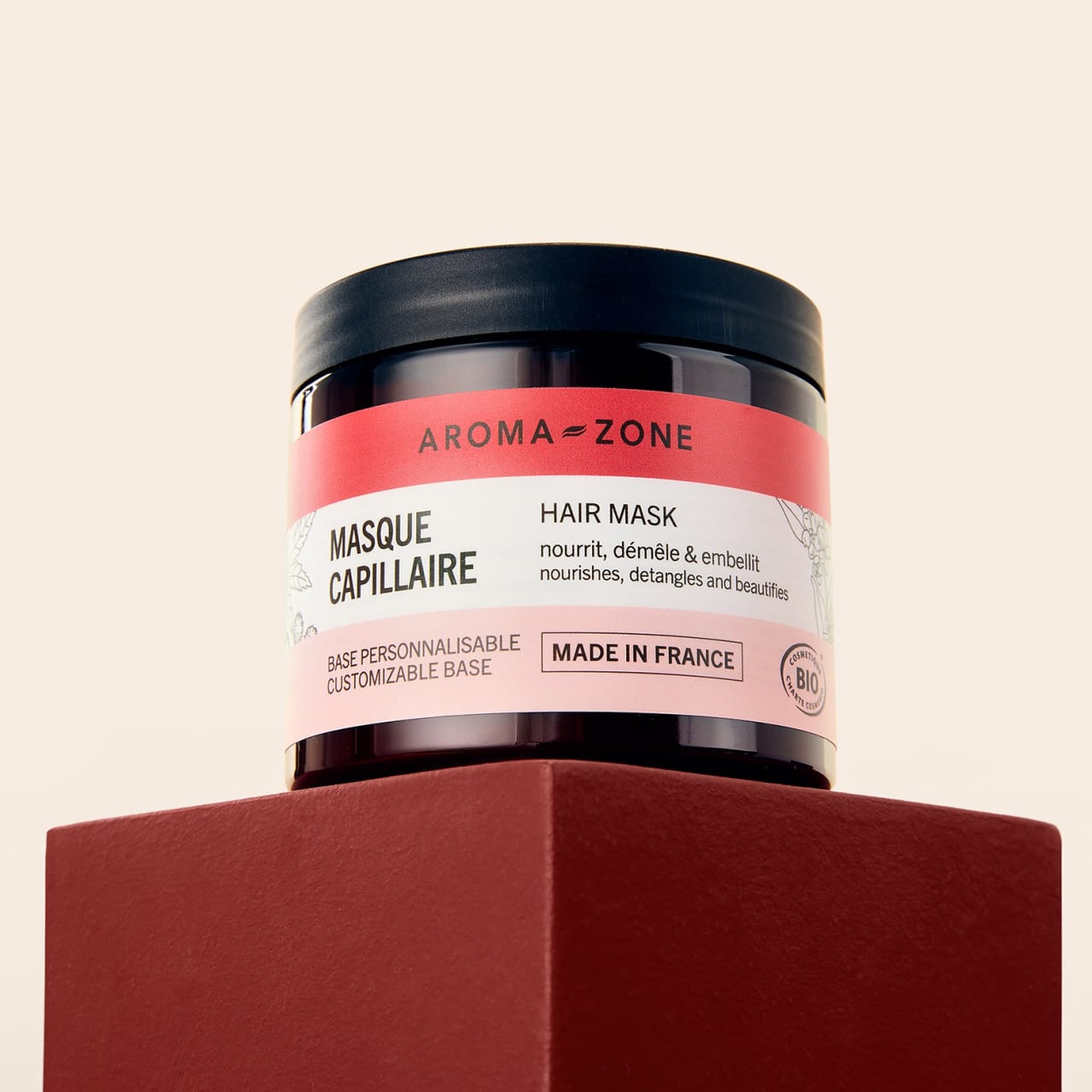
Hair Mask Base

A genuine treatment balm, this neutral, certified organic hair mask base, enriched with jojoba, castor and shea butter carrier oils, protects, smoothes and nourishes your hair. Its supple, light texture means you can use it as a hair mask or conditioner, to make detangling easier and make your hair shiny, supple and soft. It is also ideal as a leave-in treatment to coat, nourish and improve your hair right down to the ends.

Discover our Hair Mask Base

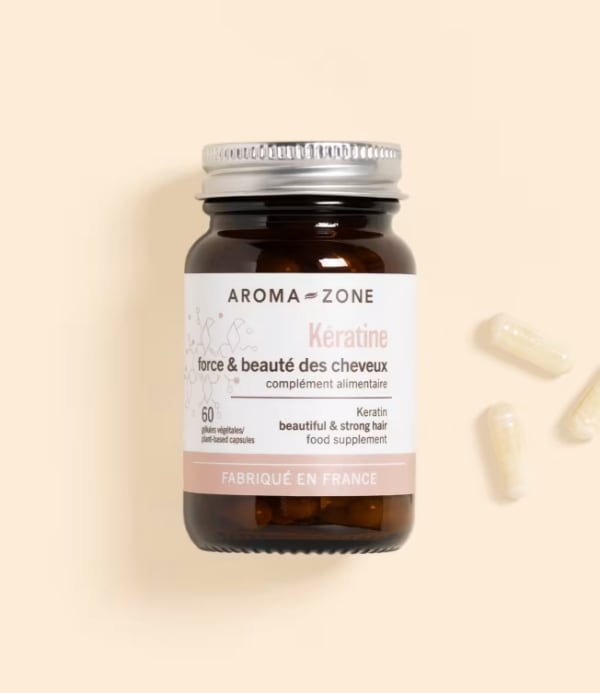
Keratin - 60 capsules - food supplement

Get strong, shiny hair again with this proven effective Keratin food supplement! These capsules contain HNS® Cynatine, a patented grade of hydrolysed keratin produced by an innovative process which preserves the amino acids that make up keratin and optimises their bioavailability.

Discover our Keratin - 60 capsules - food supplement

Our homemade recipes for hair with shea butter

Shea-Coconut Mousse Body and Hair Balm recipe

Ingredients with scales

Ingredients without scales

Preparation

1

If necessary, melt the coconut oil, then leave to cool (temperature ≤ 30°C).

2

Crush the shea butter in a mortar and pestle to obtain a smooth, homogenous paste.

3

Gradually add the coconut oil, fragrance and vitamin E, still using the pestle.

4

Then stir the mixture vigorously with a mini whisk for 3 to 5 minutes to obtain a smooth, airy blend.

5

Transfer the mixture to a jar and leave to set for 12 hours before use.

Shea butter conditioner

1

Place phase A (shea butter + BTMS emulsifier + mineral water) in a bowl.

2

Heat both phases in the bowl in a bain-marie to 75-80°C.

3

When the emulsifier is completely melted, remove the bowl from the water bath and shake vigorously for about 3-4 minutes (until the temperature is ≤ 50°C).

4

Place the bowl in a basin of cold water and mix slowly until cool (to a temperature ≤ 30°C).

5

Gradually add phase B (the rest of the ingredients), mixing well between each addition.

6

Transfer the mixture to a jar.

Avocado and shea butter solid conditioner

Ingredients with scales

Ingredients without scales

2

Add the no. 1 wax and the BTMS then melt in a bain-marie over a low heat (75°C/80°C) and remove from the heat.

2

Add the no. 1 wax and the BTMS then melt in a bain-marie over a low heat (75°C/80°C) and remove from the heat.

3

Finally, add the rest of the ingredients, mixing well between each addition.

4

Pour the mixture into the mould (reheat very slightly if it has become too thick) and leave to cool to room temperature.

Find out more

Why is shea butter solid at room temperature?

Shea butter is solid at room temperature thanks to its high content of saturated fatty acids, particularly stearic acid. These fatty acids give it a solid texture when stored at moderate temperatures (below 30°C). However, it melts easily on contact with the skin, making it pleasant and practical to use in cosmetic products.

Is it sensitive to oxidation or can it go rancid quickly?

Shea butter has good resistance to oxidation due to its high content of natural antioxidants, such as vitamin E. Properly stored away from light and heat, it can be kept for up to 2 years without going rancid.

Can shea butter be used on an oily scalp?

Although beneficial for moisturising and nourishing hair, shea butter is quite rich, which could aggravate oily scalp problems. You are therefore recommended to apply it to the hair itself down to the ends, which are more often dry, and to avoid applying it directly to the scalp.

Shea butter and beards: good idea or not?

Yes, shea butter is a sure-fire way to look after your beard hair. It's great for both the hair on your head and beard hair. Who knows, maybe a homemade shea balm would make a great gift idea for a special man you know?

To find out more, see: maintain your beard with natural hair care products.

How do I rinse shea butter out of my hair?

To effectively rinse the shea butter from your hair, start by generously applying your usual shampoo to dry hair, without adding water first. Massage gently to distribute the product and emulsify the butter. Then gradually add warm water while continuing to massage. Finally, rinse thoroughly until all traces of butter have been removed. Repeat the operation if necessary to ensure clean, light hair.

Expert advice

Shea butter can also reduce humidity-related frizz. Thanks to its ability to seal in moisture, it forms a protective barrier around the hair fibre, preventing external humidity from penetrating and causing hair to swell, a major factor in frizz. Used in small amounts on your hair, not forgetting the ends, it helps keep hair smooth and disciplined even in humid conditions.

Focus on our specialist editor, Hélène Betoux

Hélène Betoux is a French beauty journalist specialising in web media. Every day she writes tips, advice and guides to help consumers choose the right beauty products. With a strong interest in natural, organic and clean cosmetics, she always has an eye on trends and innovations in the sector, which she likes to analyse and share.

Bibliography

1

Kroes, R., et al.

"The Effects of Shea Butter on the Skin Barrier Function." Journal of Dermatological Treatment, vol. 23, no. 3, 2012, pp. 189-195. DOI: 10.3109/09546634.2011.568651.

2

Michaels, A. S., et al.

"Moisturizing Effects of Shea Butter in the Treatment of Dry Skin." *International Journal of Cosmetic Science, vol. 34, no. 5, 2012, pp. 435-442. DOI: 10.1111/j.1468-2494.2012.00712.x.

3

Akinmoladun, F.

S., et al. "Nutritional and Therapeutic Potentials of Shea Butter." Food Science and Nutrition, vol. 8, no. 2, 2020, pp. 102-112. DOI: 10.1002/fsn3.1362.

4

Rudolf, S. C., et al.

"Shea Butter: A Comprehensive Review of Its Chemical Properties and Uses in Skin Care." *Cosmetic Science and Technology, vol. 13, no. 4, 2021, pp. 265-274. DOI: 10.1007/s10396-021-01177-w.