How do you look after curly, wavy, frizzy or frizzy hair on a daily basis?

Curly or frizzy hair, more commonly known as textured hair, requires very special attention for effective routines. It needs intensive hydration, nutrition and protection to combat dryness and hair damage.

In this special article, written by two expert founders of the Chap Chap application specially for textured hair, discover all the tips, advice and natural ingredients you need to find the perfect routine and make your hair look great naturally!

Reading time: 0 min.

What is textured hair?

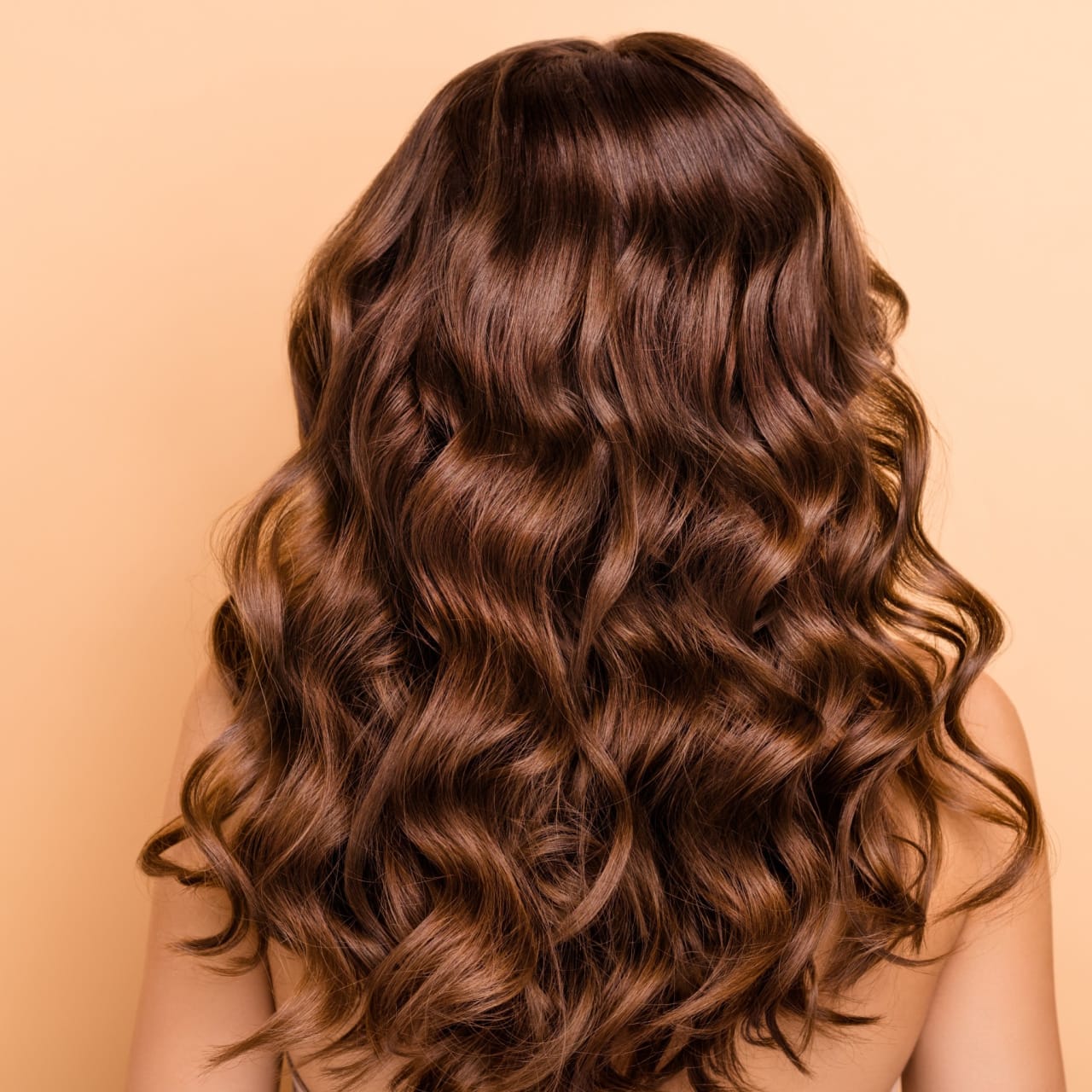
Any hair that is not straight is considered textured hair. From small waves to very tight curls, textured hair encompasses a variety of curls and textures. There are 4 main types:

  • Wavy hair has slight wave-like undulations down its entire length. Curls are often very loose and not very pronounced.

  • Curly hair has more pronounced spiral curls. It tends to have slightly wavier roots with more defined curls at the ends.

  • Curly hair has tight, defined curls from the roots, which naturally give it more volume.

  • Frizzy hair has the densest curls with tight spirals. That's why shrinkage is one of the most important steps with this hair texture.

It's important to understand that people with textured hair don't usually have just one texture, but several. This is why the same person can end up with different curl shapes in their hair.

And for those who want to look after their coloured hair, all our advice can be found in our guide on textured hair and natural dyes.
Why choose natural products to look after your curly hair?

Curly hair has often been sidelined in favour of straight hair: straighteners are used to make it straighter (which damages the hair) or unsuitable treatments are used for its specific characteristics, requiring more moisturising.

Because the hair follicle of textured hair is curved, it is harder for the sebaceous gland to supply sufficient sebum and moisture naturally. As a result, the hair becomes drier and the follicles open up, leaving it vulnerable to external damage. It is therefore essential to moisturise hair more thoroughly.

However, using chemical shampoos (with sulphates, for example) will make things worse by stripping your hair of its natural oils, which are already insufficient but essential for hydration. The same process is used with silicone, which coats the hair for a smoother, shinier appearance. In reality, silicone prevents the hair from being hydrated by forming a protective sheath (which is illusory and temporary). It blocks the care your hair needs to stay healthy. The result: your hair suffocates and becomes damaged. A real vicious circle!

To avoid this damage caused by chemical agents, opt for natural alternatives to regulate sebum production and for their moisturising and protective properties.

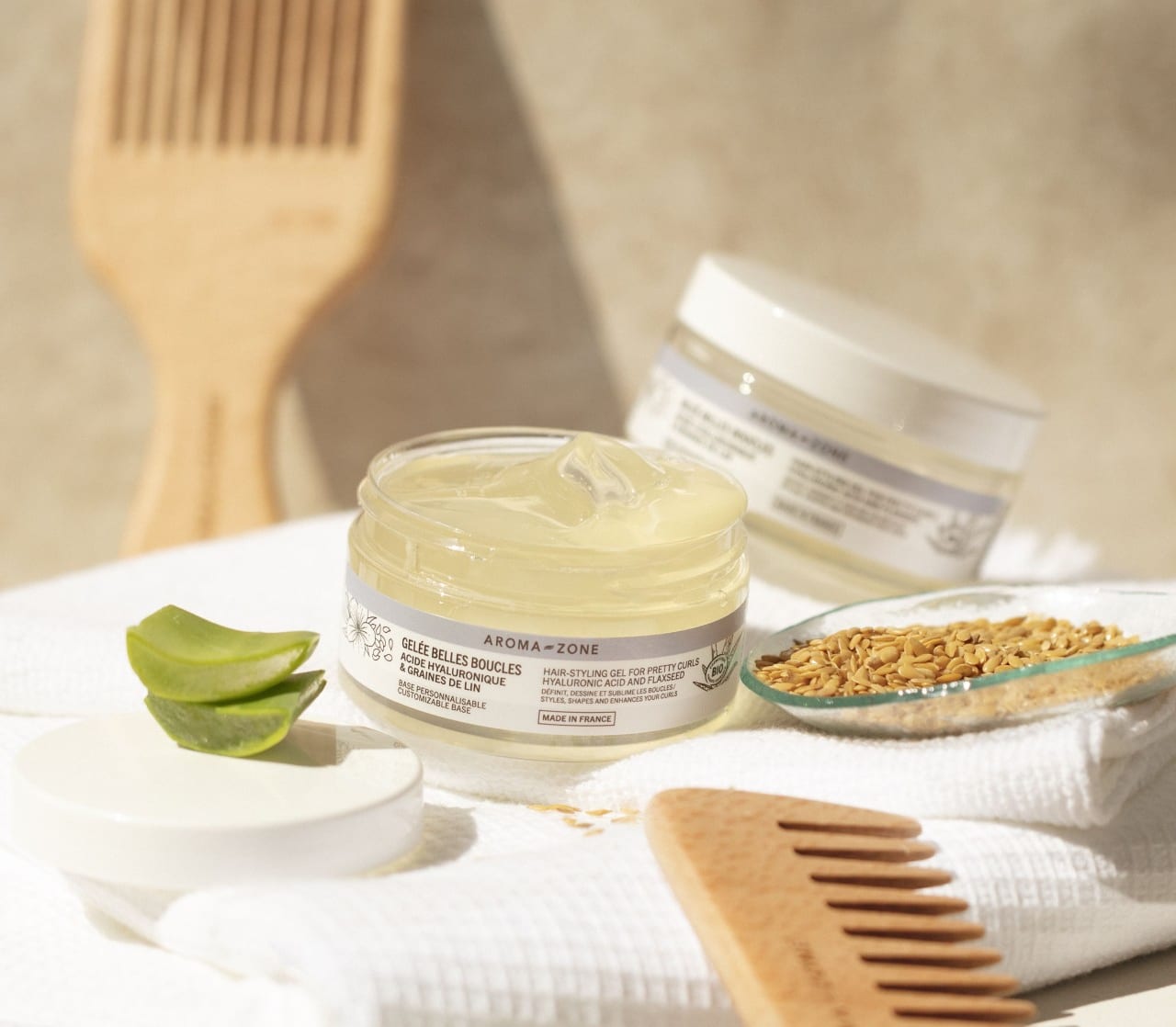
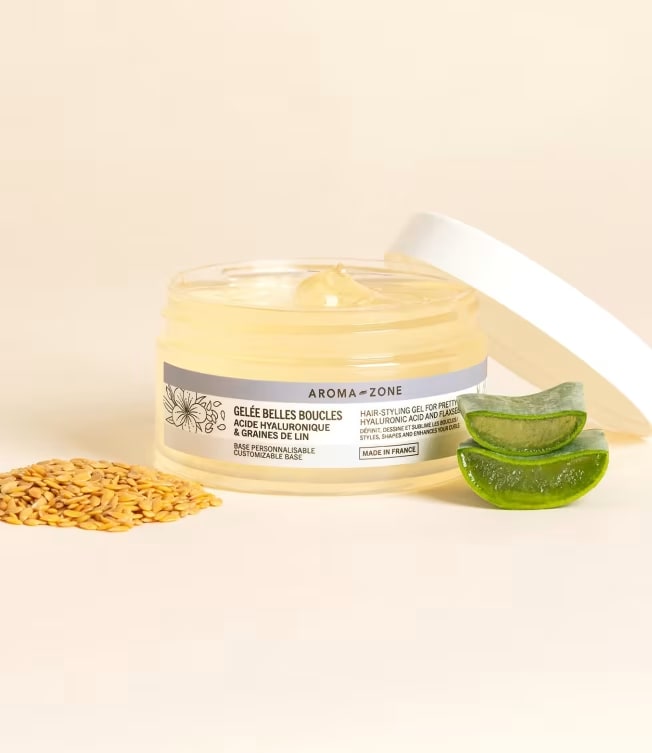
Curl-defining hyaluronic acid and linseed gel

What are the needs of textured hair?

To keep your hair healthy, it's important to give it the right kind of care. Textured hair, by its very nature, needs intense moisturisation, but also a lot of protein and nutrition.

How do you recognise a lack of moisturisation?

Dehydrated hair generally lacks definition, tangles quickly, looks rough and swells easily in contact with humidity. By moisturising your hair on a regular, daily basis, it will regain its bounce, softness and shine. We recommend a deep moisturising treatment or mask after shampooing, once a week, using water-based ingredients and active ingredients such as aloe vera gel or vegetable glycerine. Moisturising products should be applied to damp hair, from the lengths to the ends, and leave on for at least 30 minutes for maximum effectiveness.

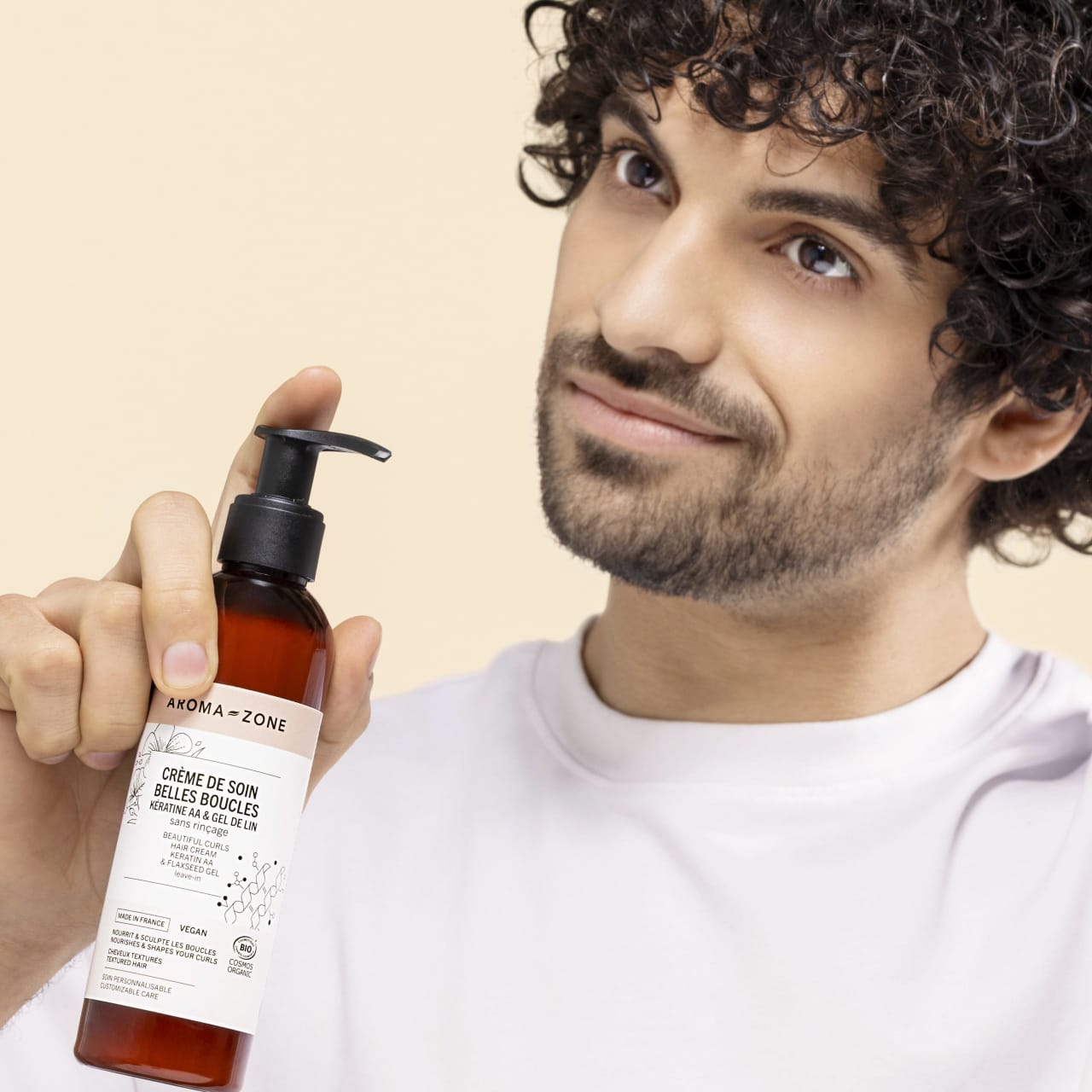
Special shine leave-in

Hair recipe

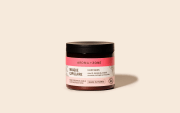
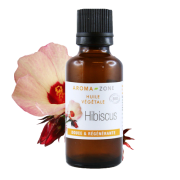
This recipe is particularly suited to textured hair. It moistures it and defines your curls thanks to a trio of beneficial natural ingredients: our Neutral Hair Mask, high in natural ingredients, is a real hair care gem, organic hibiscus carrier oil, rich in vitamin E, sheathes, nourishes and restores strength and vitality, and plant glycerine, which helps attract water and lock in moisture content naturally. Apply the leave-in to wet hair after washing.

1

Mix the ingredients in a bowl.

2

Transfer the mixture to a jar.

Store your bottle away from light and heat.

Storage: if stored properly and manufactured under optimum hygiene conditions, your product will keep for at least 3 months.

How can you recognise a lack of nutrition?

Hair lacking in nutrition often looks dry, breaks easily and its ends are weakened and split. To protect, coat and add shine, consider a deep nourishing treatment with carrier oils or butters once or twice a month before shampooing.

Nourishing products should be applied to the entire length of the hair, paying particular attention to the ends. The ideal application time is 30 minutes. For even greater effectiveness, you can leave it on overnight.

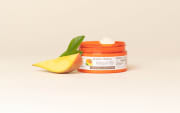
Intense nutrition coconut and mango oil mask recipe

Hair care

1

Mix all the ingredients together in a bowl.

2

Heat the mixture in a bain-marie to melt the mango butter.

3

Leave to cool and it's ready!

How can you recognise a lack of protein?

Hair lacking in protein appears elastic (stretches very easily) and is limp and lacks volume. This is often the case with hair that has been weakened and damaged by chemical products (straightening, blow-drying, colouring, etc.). To strengthen your hair, use a protein treatment every 4 to 6 weeks with 'hydrolysed' proteins such as silk or rice proteins. Hydrolysed proteins are the only ones with the power to penetrate the hair fibre and strengthen hair deep down.

Protein products should be applied to damp hair from the lengths to the ends, leaving on for at least 30 minutes for maximum effectiveness.

Hair improver mask with tropical monoï

Hair care

This hair care product, with its sublime Monoï fragrance, is applied after shampooing to the ends and lengths of wet, towel-dried hair. Leave on for around 15 minutes, then rinse thoroughly with clean water. For shiny, silky hair that's easy to style.

1

Transfer the rice protein active ingredient and monoï fragrance into the 200 ml Organic Neutral Hair Mask jars.

2

Mix well.

3

All set!

Store your bottle away from light and heat.

Storage: if stored properly and manufactured under optimum hygiene conditions, your product will keep for at least 3 months.

What are the best natural ingredients for looking after textured hair?

Using ayurvedic powders in your routine is the secret to strengthening and improving textured hair!

Plant powders

There are many beneficial powders for textured hair, such as clays and ayurvedic powders. All these powders have numerous benefits and respond to various hair problems (stimulating growth, strengthening and improving its appearance, detangling, making it shiny and giving it more volume, combating dandruff, etc.).

Some saponin-rich powders have the ideal cleansing properties for making a 'no-poo' (plant-based shampoo) by mixing them with water. The trick to 2-in-1 cleansing is to mix cleansing powders with detangling plant powders and moisturising ingredients. It's the perfect blend of speed and effectiveness. To get an airy texture that's pleasant to apply and easy to detangle, some powders, such as jujube or reetha powder can be whipped up with an electric mixer.

No poo should be applied to damp hair from the roots to the ends, with a minimum application time of 30 minutes, ideally under heat. We recommend that you finish off with a scalp massage to reap the full benefits of the powders and enjoy a moment of relaxation.

The best cleansing plant powders

Organic jujube powder

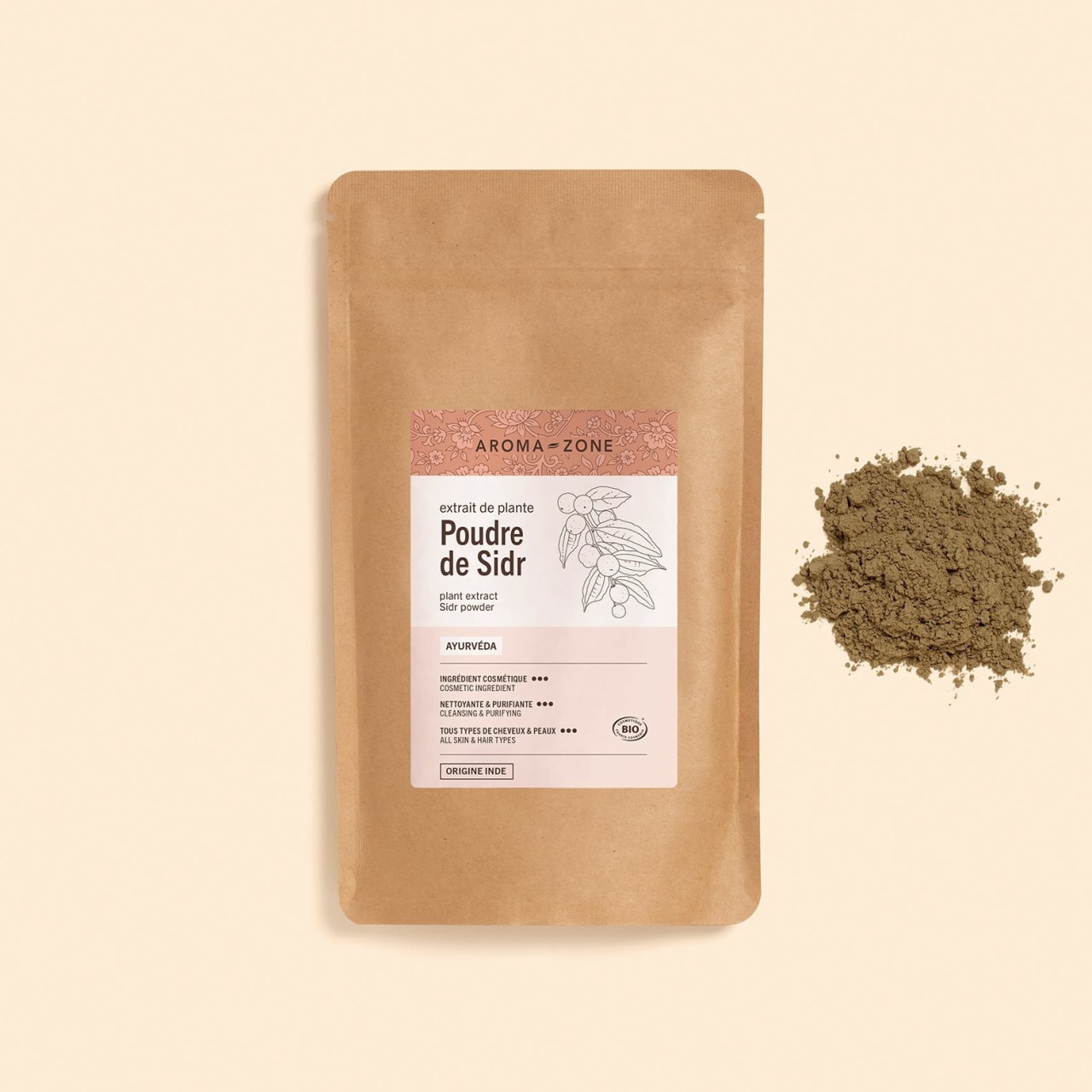
Rich in mucilage, ayurvedic jujube or sidr powder is perfect for cleansing the hair before detangling. Astringent and purifying, it soothes the scalp and makes your hair look amazing.

Discover organic jujube powder

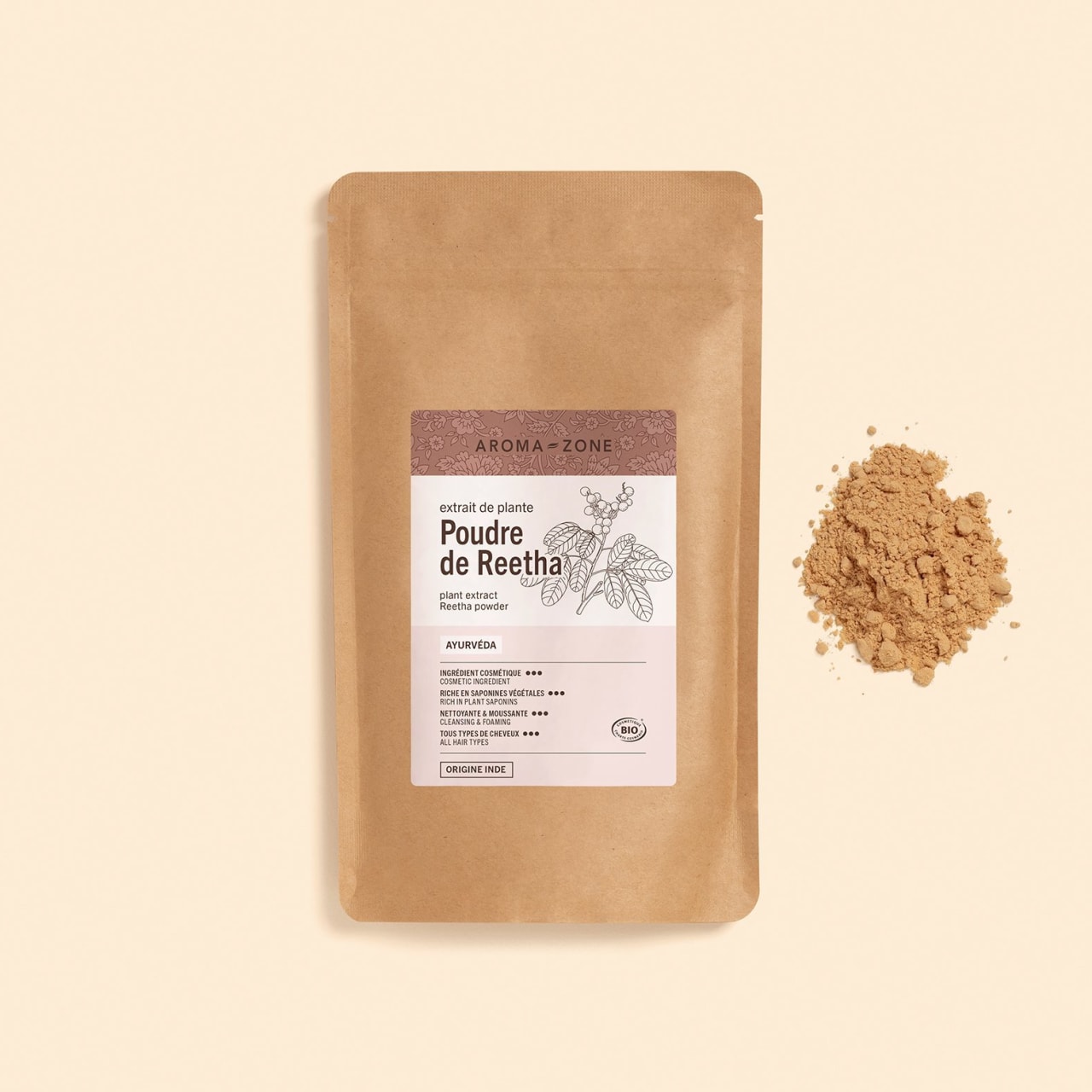
Organic reetha powder

Very rich in plant saponins, reetha powder is essential for cleansing your hair and making it look amazing. It works wonderfully with other ayurvedic powders to create your own 100% plant-based 'no poo' shampoos in paste or powder form.

Discover organic reetha powder

The best soothing plant powders

Marshmallow powder

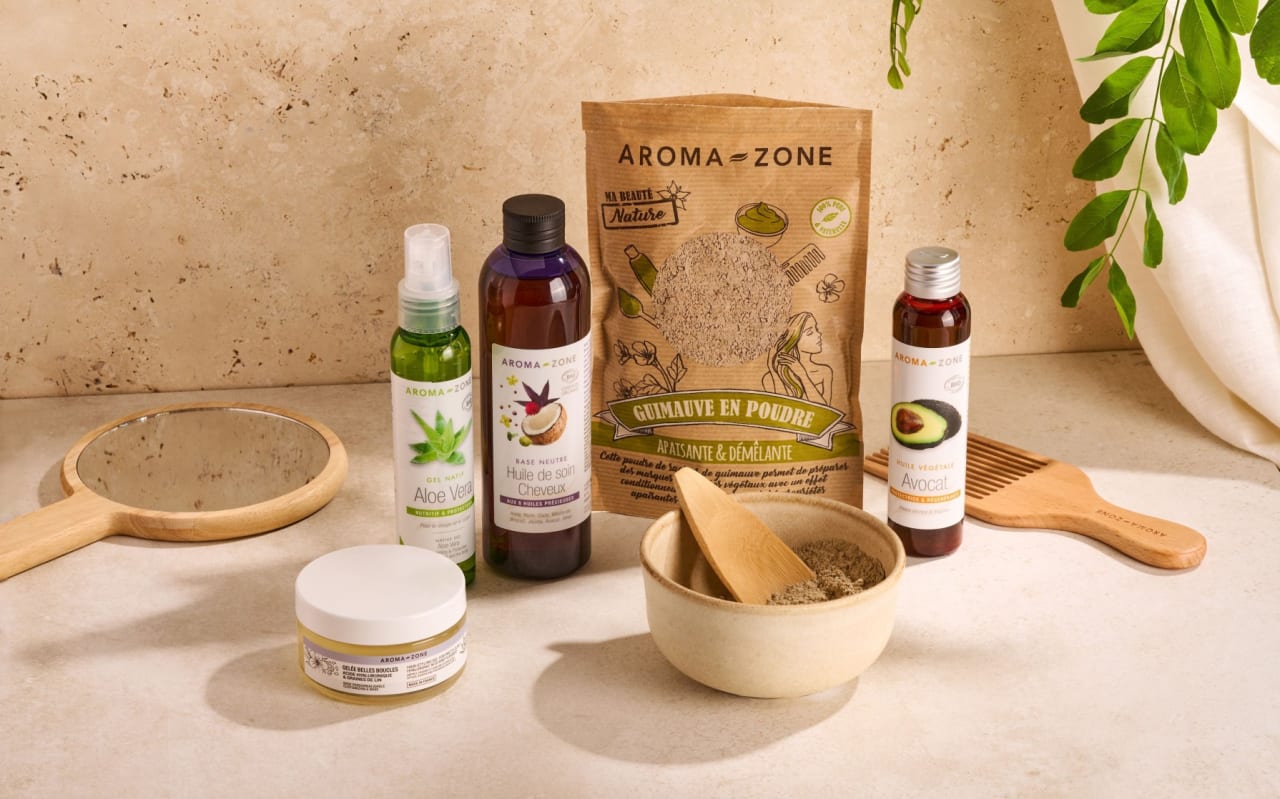
With its high mucilage content, marshmallow powder works wonders in hair care. It softens and coats the hair fibre, making it easier to detangle.

Discover marshmallow powder

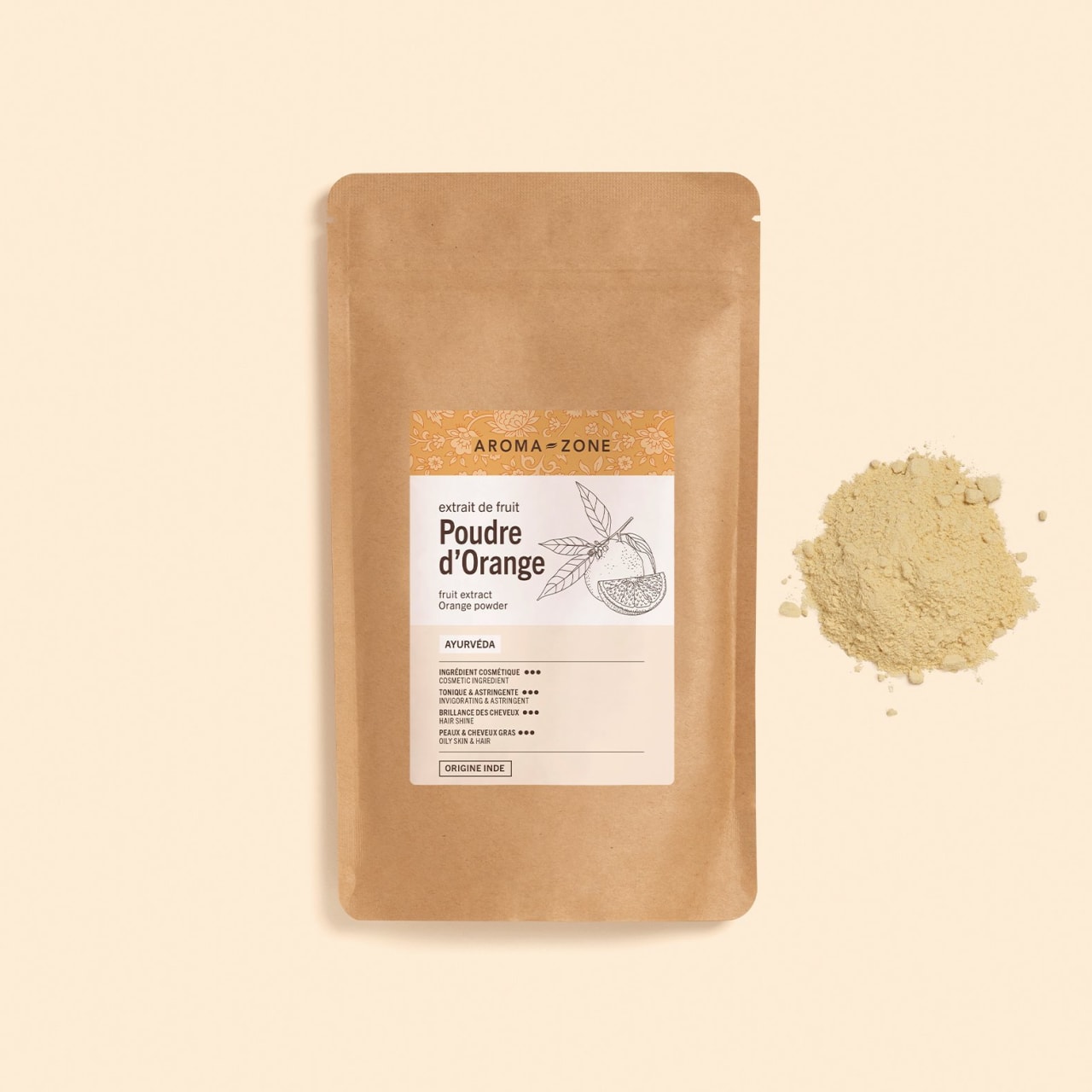
Orange powder

Ideal for use in hair products, this powder makes hair shiny, soft and supple while leaving behind a pleasant fragrance.

Discover orange powder

Organic banana powder

Softening and smoothing, it coats hair from root to tip without weighing it down, leaving it soft, silky and easy to detangle.

Discover organic banana powder

The best powders for strengthening and improving your hair's appearance

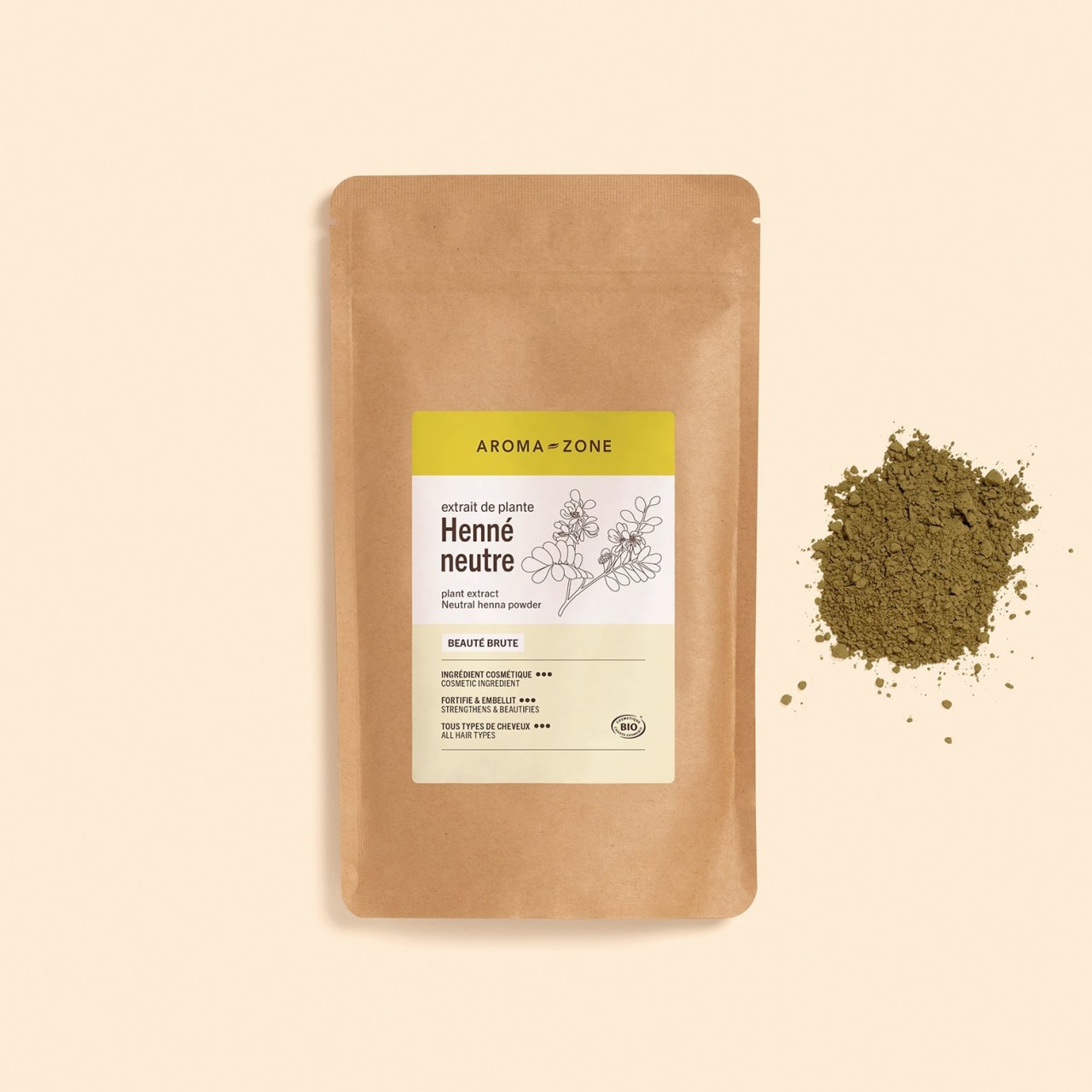
Organic neutral henna

Fortifying neutral henna is perfect for sheathing the hair fibre and boosting the hair's natural colour, minimising the appearance of thinning. It gives your hair hold and volume.

Discover organic neutral henna

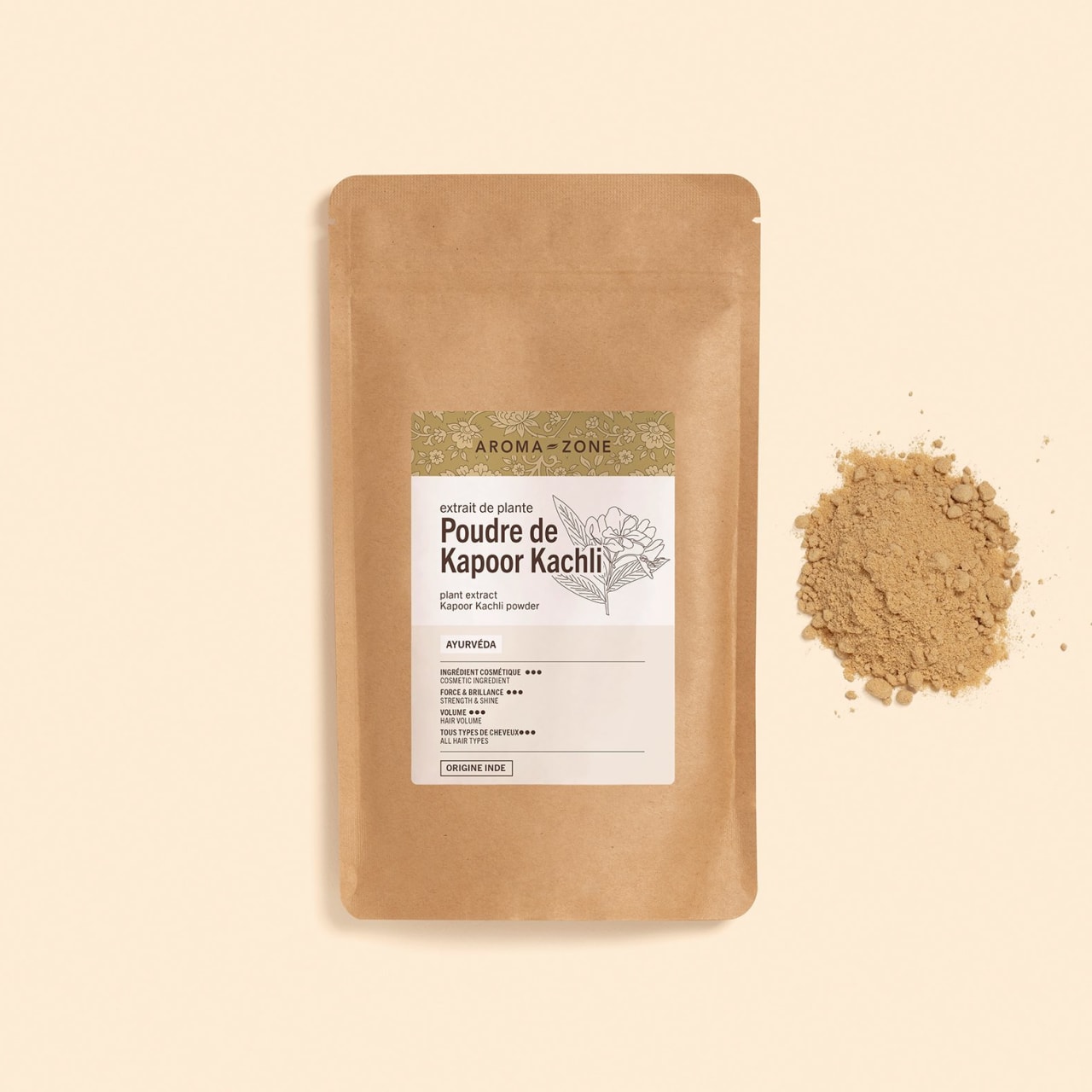
Kapoor kachli powder

Kapoor kachli ayurvedic powder is an antioxidant that boosts hair shine and restores strength. It makes hair easier to detangle and gives it a smoother appearance.

Discover kapoor kachli powder

Organic hibiscus powder

Fortifying hibiscus powder is perfect for looking after fine, fragile and dull hair. Rich in polyphenols and anthocyanins, its antioxidant effect helps preserve colour intensity.

Discover organic hibiscus powder

Plant oils

For nourishing products that make textured hair happy, opt for oil masks! To create an oil mask, you can use a single oil or mix several together to maximise the benefits. It not only deeply nourishes the hair, but also strengthens it and prevents breakage. This pre-shampoo treatment also helps to soften the hair, making it easier to detangle afterwards. Depending on the oil you choose, an oil mask can also stimulate hair growth.

Application advice

Start by dividing your hair into several sections, then dampen each section before applying your oil mask. Concentrate on the scalp, massaging gently. Then work your way down the length of the hair, concentrating on the ends and wrapping the hair around itself. After applying the oil mask all over your hair, use cellophane to cover your entire head. The best way to do this is to use a heating cap on top, which will provide constant heat throughout the application. Alternatively, a towel or scarf can be used to maintain the heat.

The best oils for a nourishing oil mask

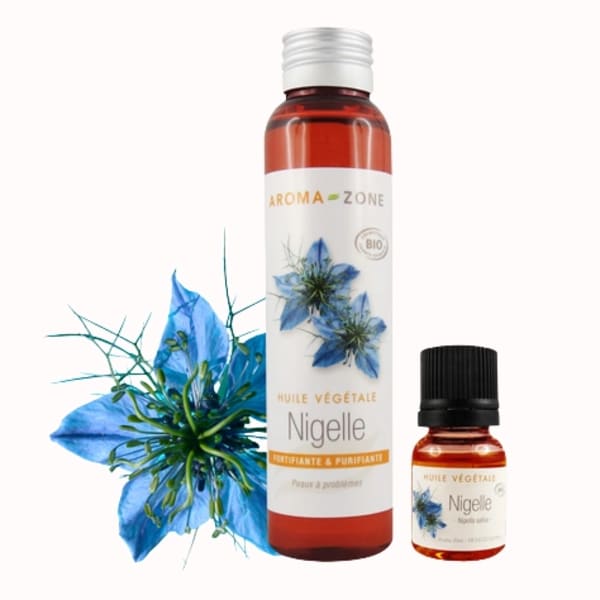
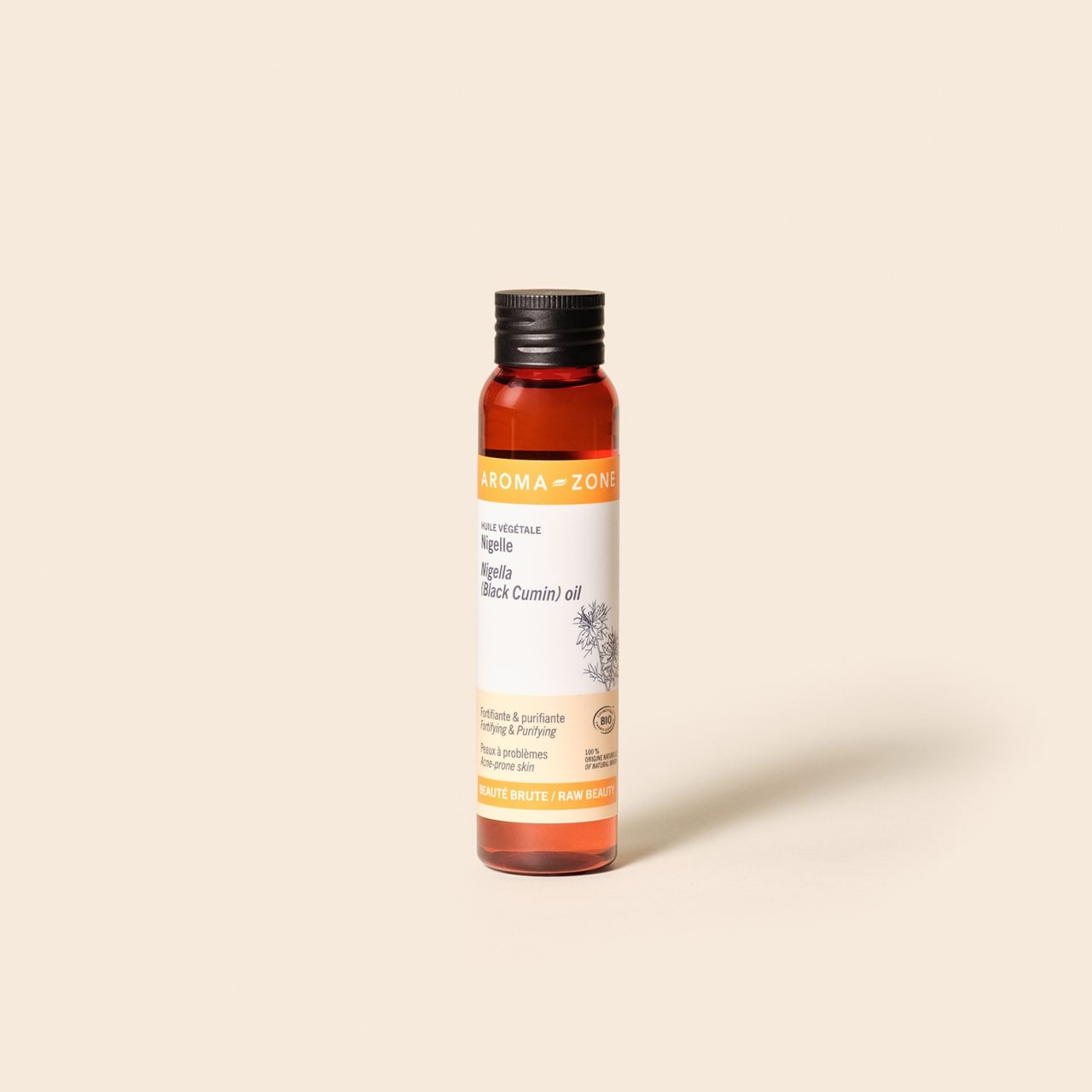
Organic nigella carrier oil

Soothing and purifying, nigella carrier oil is ideal for scalp problems. It helps to reduce the overproduction of sebum due to minor irritation of the hair bulb.

Discover organic nigella carrier oil

Carapate carrier oil

Rich and thick, this carrier oil strengthens and protects damaged hair by coating the hair fibre. It helps shape curls, seals in moisture, reduces hair breakage and prevents split ends.

Discover carapate carrier oil

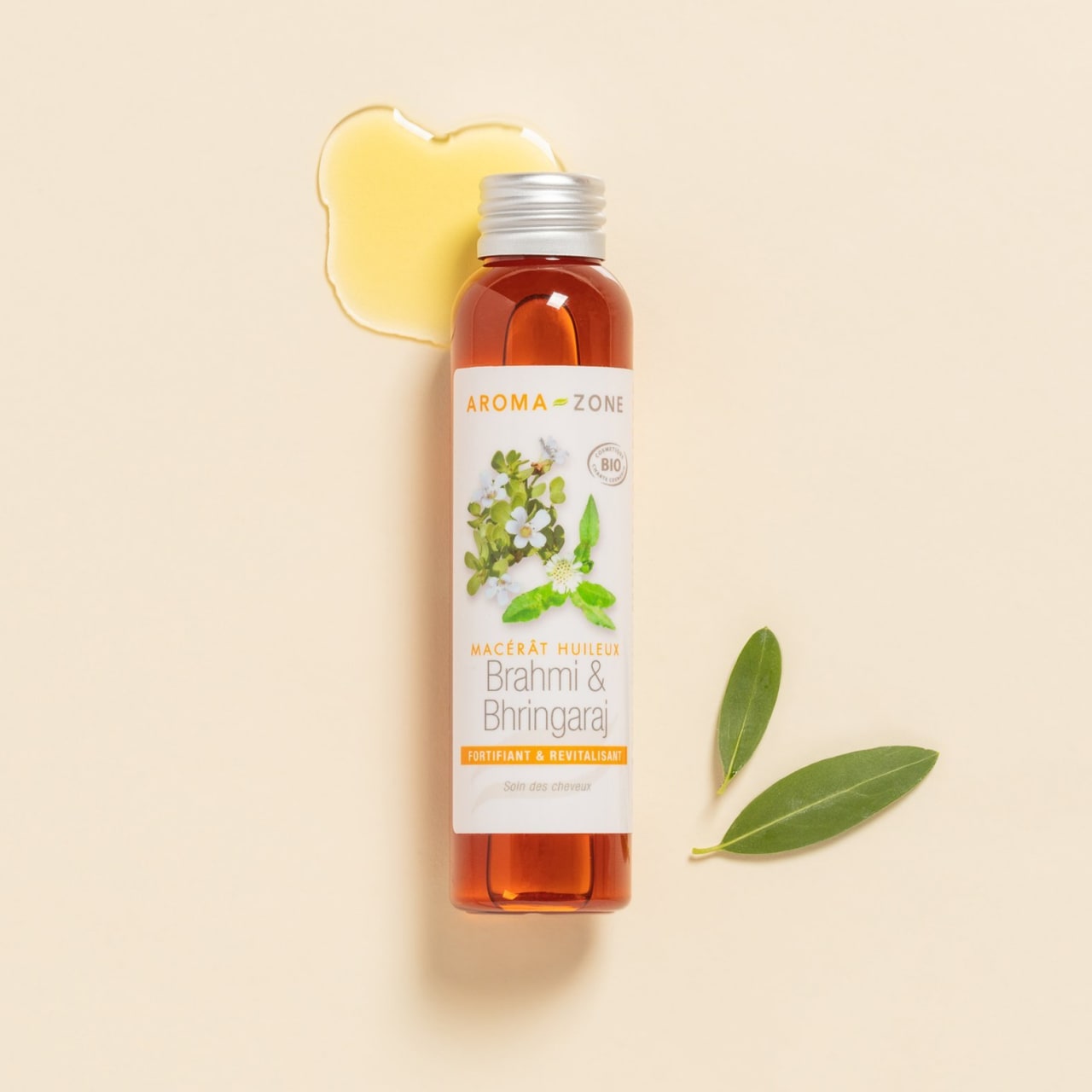
Brahmi and bhringaraj organic macerated oil

Macerated in castor carrier oil with stimulating and toning properties, brahmi and bhringaraj have sheathing and strengthening properties to stimulate hair growth.

Discover brahmi and bhringaraj organic macerated oil

Amla macerated oil

An iconic plant powder in ayurvedic medicine, amla is ideal for combating hair loss. Macerated in castor oil, it boosts its toning properties and stimulates the hair roots for intensely fortified hair.

Discover amla macerated oil

As we explained, moisturising textured hair is very important, but unfortunately if you do it the wrong way, the moisturiser can evaporate very quickly and the hair becomes dry again. That's why it's essential to seal in moisture to keep hair hydrated for as long as possible. To seal in moisture, use a fatty agent such as carrier oils or butters.

Application advice

During your hair styling routine, i.e. after applying a leave-in cream and/or gel to define your curls, apply a dab of oil or butter to seal in the moisture. Use only a small amount to avoid saturating the hair and making it greasy.

The best carrier oils for sealing in moisture

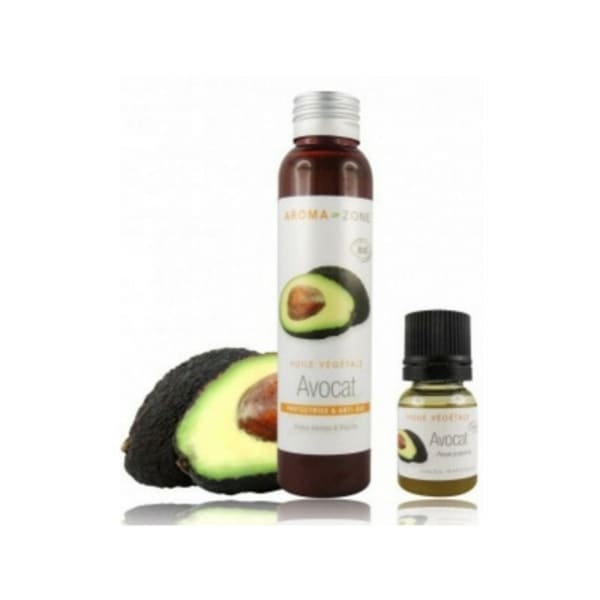
Organic avocado oil

Ultra-nourishing, it's a must-have for hair care. A hair improver by nature, it makes hair shiny and glossy.

Discover organic avocado oil.

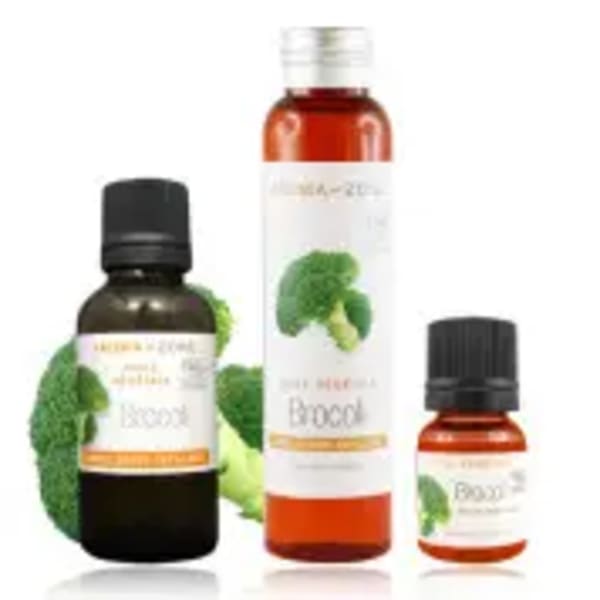
Organic broccoli carrier oil

This gentle oil has a conditioning effect comparable to synthetic silicones. It makes detangling easier, reduces static after brushing and disciplines curls and waves.

Discover organic broccoli carrier oil

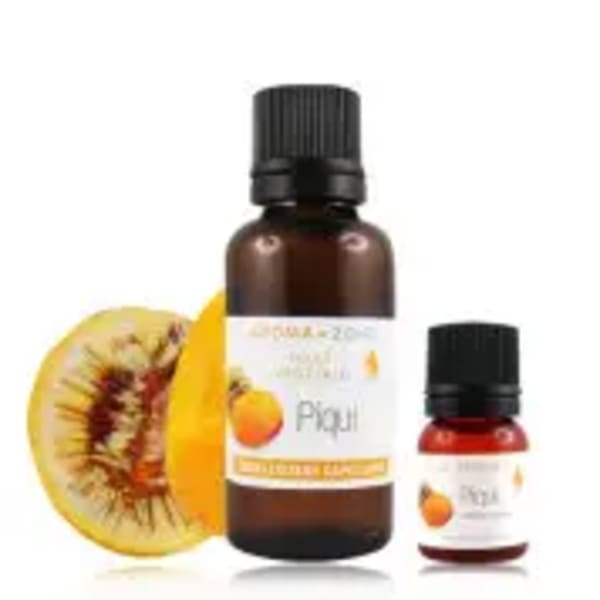
Pequi carrier oil

Delicately scented, pequi oil is a must-have for hair discipliners. It softens the hair fibre to stop frizz and helps style unruly, unruly hair.

Discover pequi carrier oil

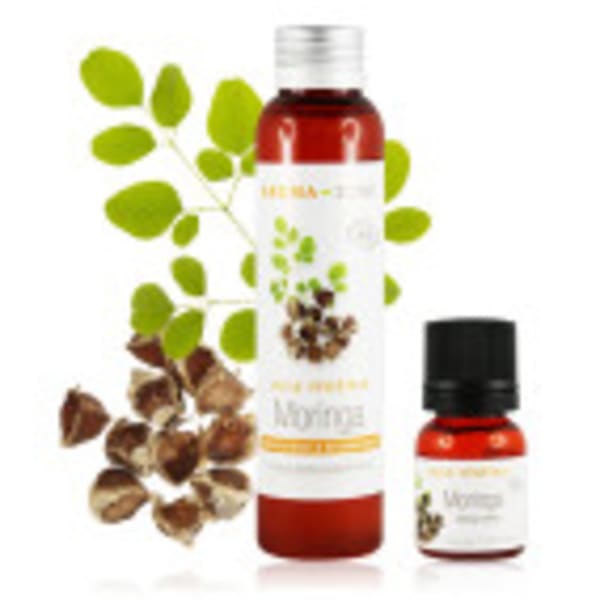
Organic moringa carrier oil

Very effective on textured hair, it is traditionally used to nourish, strengthen and protect hair. This rare oil is ideal for sheathing hair, protecting damaged ends and shaping curls.

Discover moringa organic carrier oil

The best tips for looking after textured hair

Styling your curls

Curl styling is one of the most important steps in a hair routine for textured hair. It will help achieve more defined curls and retain moisture throughout the week.

2 to 3 products are needed for this step:

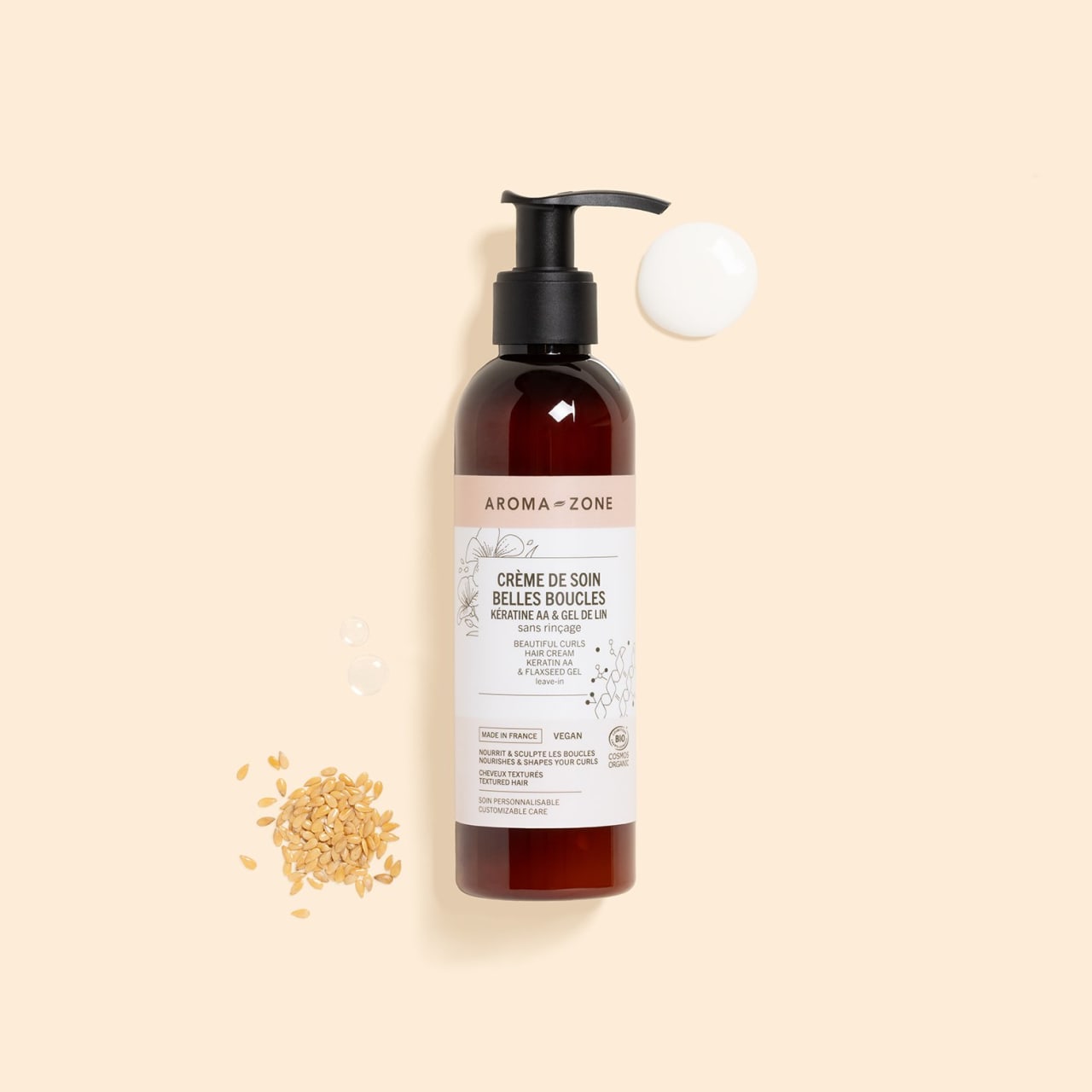
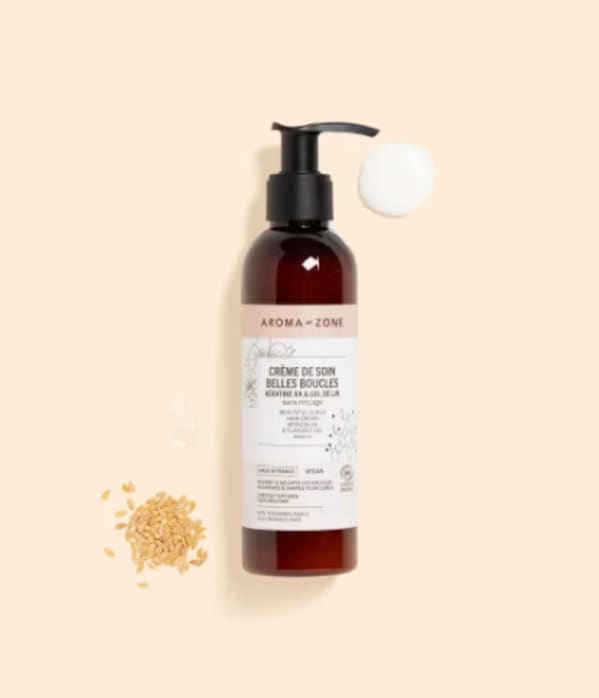
  • A leave-in cream to provide moisture and nutrition and define curls.

  • A gel to maintain moisture and reduce frizz. Aloe vera gel is perfect for this!

  • A carrier oil or butter to seal in moisture.

All 3 of these products should be applied to wet hair after the wash and condition routine. There are several ways to apply them. Here are the most popular.

The best ways to style your curls

The "Scrunching" method

Once the styling products (Lea-on and/or gel) have been applied to your hair, grab your hair by the ends and scrunch it up several times towards the roots. This method removes excess water and defines curls quickly and effectively.

The "Praying Hand" method

This method involves placing your hair between your two hands as if in prayer and working your way down from the roots to the ends. Your hands should be soaked in products. Once the products are well distributed, finish by "scrunching" the curls for even more definition.

The "Finger Coils" method

A little longer, this method involves wrapping each strand of hair one by one around your index finger, working up to the roots. It's ideal for anyone who wants ultra-defined curls and as little frizz as possible.

The "Rake & Shake" method

Simply distribute your styling products (leave-in and/or gel) evenly by raking throughout your hair, then shake your hair section by section to help define your curls.

The "Braid Out" method

It couldn't be simpler. Apply styling products (leave-in and/or gel and oil), make braids and leave them to dry for several hours before undoing them.

The "Twist Out" method

As with the Braid Out, here you need to apply your styling products (leave-in and/or gel and oil), make twists and then leave them to dry for several hours before undoing them.

Preserving your curls all week long

Once you've successfully completed your wash-day (your routine of washing, maintaining and styling your curls), the challenge is to manage to preserve your curls throughout the week until the next wash-day! Here are a few tips for keeping your curls:

  • Listen to your hair's needs:

Sometimes during the week, hair needs a little refreshment to give curls a bit of a boost. All you need to do is use a spray bottle of mineral water, add some plant glycerine and dampen the hair if necessary. You can also use a dab of All-In-One Cream or leave-in if necessary, but always remember to seal in the hair's moisture.

  • Protect your hair at night:

Avoid sleeping with your hair unbound, as friction during the night can weaken curls. It's best to sleep with your hair tied back on your head in a ponytail (like a pineapple) and opt for a satin or silk pillow to retain moisture.

  • Don't dry-brush your hair:

Textured hair should not be dry-brushed, as this can break all the curls! Instead, use your fingers to work through your hair and redefine your curls if necessary.

  • Opt for a protective style:

To protect textured hair from external damage, protective hairstyles are a good alternative. Do a chignon, braids or twists if you feel your hair is a little fragile and needs to be handled as little as possible.

Find out more about the Chap Chap application

Just like sports apps give you all the tools you need to look after your body, Chap Chap gives you all the tools you need to look after your hair simply and effectively!

Designed for anyone with textured hair (wavy, curly, frizzy and fluffy), the Chap Chap application provides turnkey hair programmes and access to a library of over 100 natural recipes that can be easily created at home.

The aim? To make everyday life easier for people with textured hair by giving them all the tools they need to become real experts!

Spotlight on Marine and Clémence, founders of the Chap Chap application

Marine Toualy and Clémence Vanié, founders of the Chap Chap application, have been going natural for several years and are both big fans of natural products and their benefits.

Thanks to natural products, they have been able to rediscover the true nature of their hair and learn how to make it look good simply and effectively.

They believe that looking after your hair should be a pleasure and not a chore, so they want to use the Chap Chap application to share their expertise by offering people natural solutions that are accessible to everyone.

Discover all their latest news on their Instagram account.