How can I moisturise my hair naturally?

How can I moisturise my hair naturally?


By The Aroma-Zone editorial team

Published on: Friday, August 12, 2022, Updated on: Thursday, September 24, 2026

Is your hair dull, electric, difficult to style and lacking in tone? You may have dehydrated hair.

Dry, oily or normalhair… Your hair may lack moisture. In this article, produced by Daphné Narcy, natural hair care expert, and our Aroma-Zone Research and Development team, you'll find all the care products you need to deeply moisturise your hair.

Contents

Related products

Understanding how hair works

To understand how to moisturise your hair, you first need to know more about its composition and how it works.

Our hair is made up of around 95% keratin, a water-insoluble protein. It is found both inside the hair and on the outer layer that surrounds it, the cuticle. The cuticle, made up of keratin scales (keratinised cells) and lipids, helps to protect the hair from external damage, particularly by retaining moisture. If the cuticle is damaged, it can no longer fulfil its protective role. The scales open and lift, and the hair becomes porous, absorbing water easily but also losing it very easily. The hair then takes on a dull appearance, as the raised scales form an irregular surface that reflects light poorly. It also tends to become fuzzy or frizzy, because it is so sensitive to variations in humidity. When its protective cuticle is damaged, hair is particularly fragile, exposed to external damage such as cold or pollution.

If you want properly hydrated hair, the first thing to do is to nourish it, to regenerate the lipid cement that holds the scales of the cuticle together and therefore ensures that the hair remains hydrated . Next, it's important to protect the hair from the elements.
What causes dehydrated hair?

Four main factors have a negative impact on keratin:

  • Lack of general hydration. If the body is lacking in hydration, this will also affect the appearance of your hair. Drinking regularly is essential for healthy hair.

  • Dry cold. In winter, when it's not raining, the cold is very dry, which directly dehydrates our hair by evaporating the water it contains. This explains why our hair gets more static electricity during this period.

  • Heat. Conversely, during the summer, the sun and repeated bathing in salt water damage the cuticle, which then no longer plays its role in maintaining moisture. Similarly, the use of heated appliances (hairdryers, straighteners, curling irons, etc.) accelerates the evaporation of water from the hair, leading to dehydration.

  • Chemical damage. This includes salt water and chlorinated water, as well as chemical treatments such as straightening, perming and chemical colouring, which damage the hair cuticle, open the scales and cause dehydration.

What is the difference between dehydrated and dry hair?

Dehydrated hair is hair that produces enough sebum but lacks water, either because the hair's natural barrier is damaged and no longer retains moisture, or because it has been subjected to repeated damage that has caused the water in it to evaporate (exposure to the sun, sea, excessive heat, etc.). In both cases, the hair needs to be given something "to drink" and the protective cuticle needs to be encouraged to regenerate. You can recognise dehydrated hair by its appearance: it is dull, fuzzy, frizzy, full of static and lacking tone.

Dry hair is caused by a scalp that does not produce enough sebum. It needs oil, lipids. Hair lacking nutrition is easily recognisable as dry and brittle with split ends, frizz and fuzziness. Dry hair is often also dehydrated, because water escapes more easily. In fact, because the cuticle is lacking in lipids, the scales lack cohesion and tend to lift.

How can I moisturise my hair naturally?

One of the best ways to boost hair hydration is to use plant proteins in your hair care products.

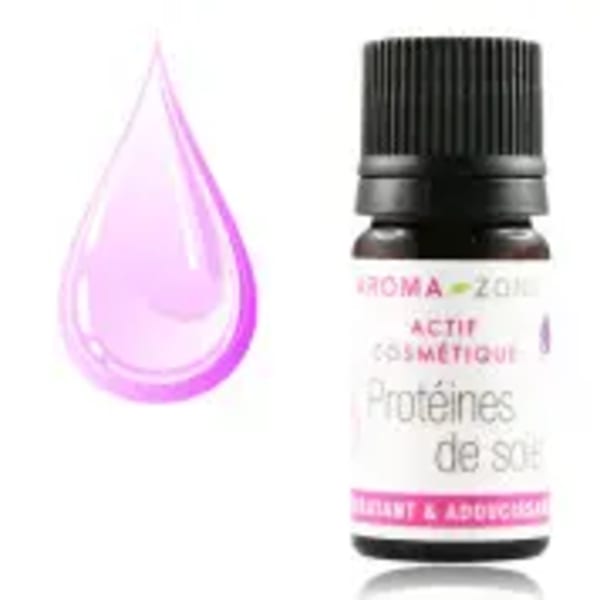
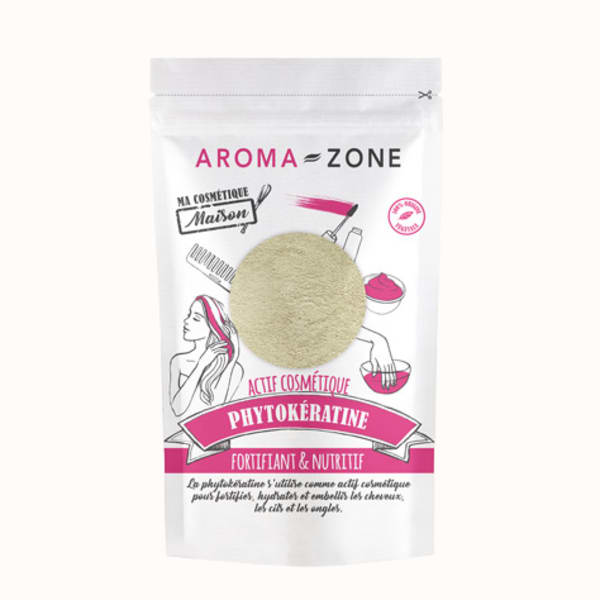
Plant proteins replenish the hair's moisture and nourish it deep down. They can be found in liquid form, such as rice or silk proteins, or in powder form, such as phytokeratin (wheat protein). Moisturisers are very easy to use, and can be applied to both wet and dry hair.

Once you've rehydrated your hair, it's important to seal in the moisture by treating the cuticle. The aim is to smooth the scales and regenerate the lipid cement so that it can retain the water present in the hair fibre. You can then take preventive action by regularly applying nourishing treatments.

If you're looking for both nourishment and hydration, the ideal treatment is before shampooing. You can make a homemade mask, for example, by mixing moisturising active ingredients such as silk protein or sweet almond oil into our Neutral Hair Mask Base.Finally, remember to rinse your hair from time to time with fruit vinegars: they will make it soft and shiny.

Above and beyond the hair itself, you can also take action by keeping your scalp healthy and well-moisturised. Your scalp is the foundation for healthy hair. Keratin is formed directly in the scalp, in the hair follicles. So it's easy to understand why it's so important to look after this all-too-often neglected part of the scalp if you want strong hair. Rice proteins, aloe vera gel and phytokeratin provide deep hydration.

Top ingredients to moisturise your hair

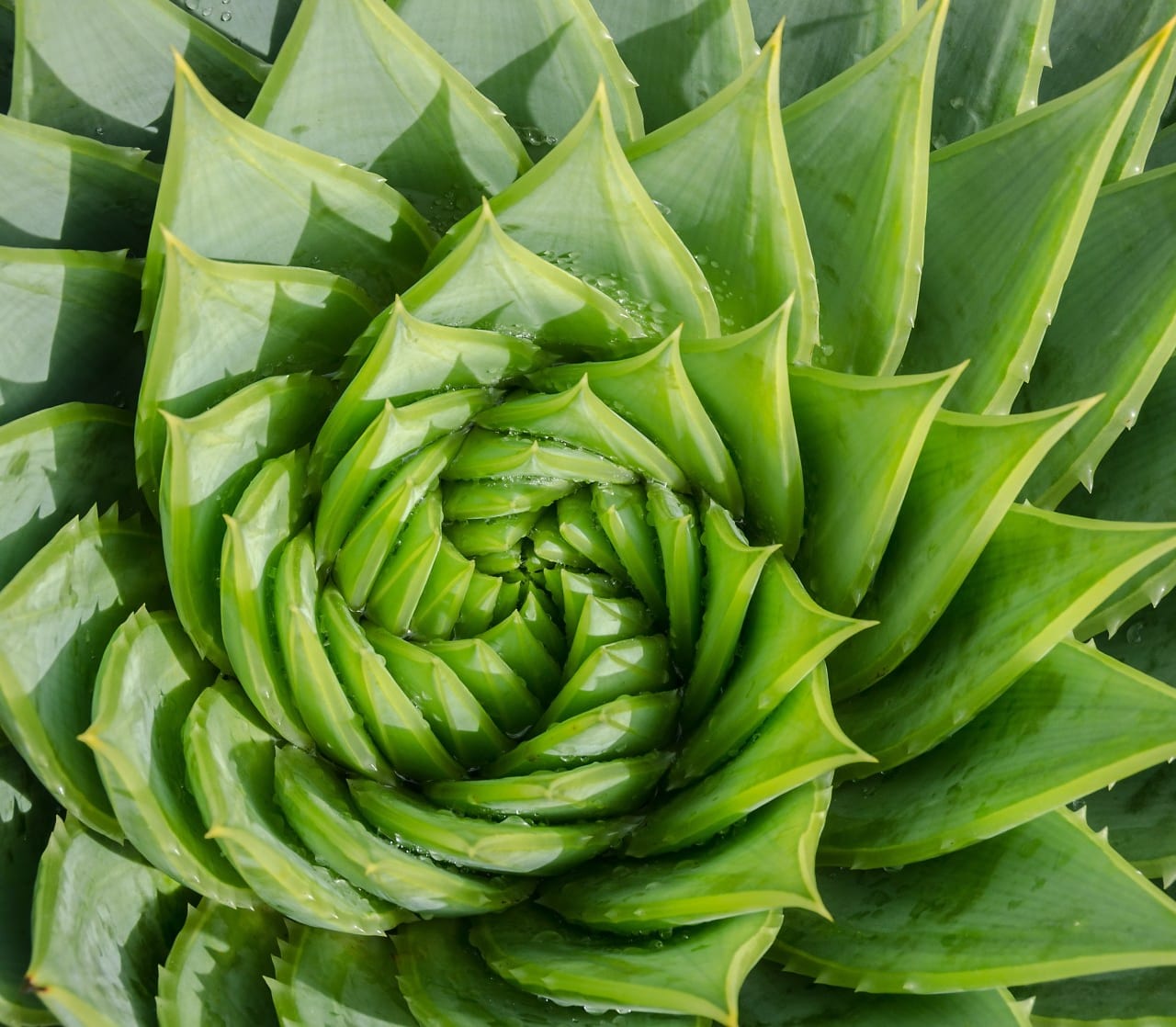
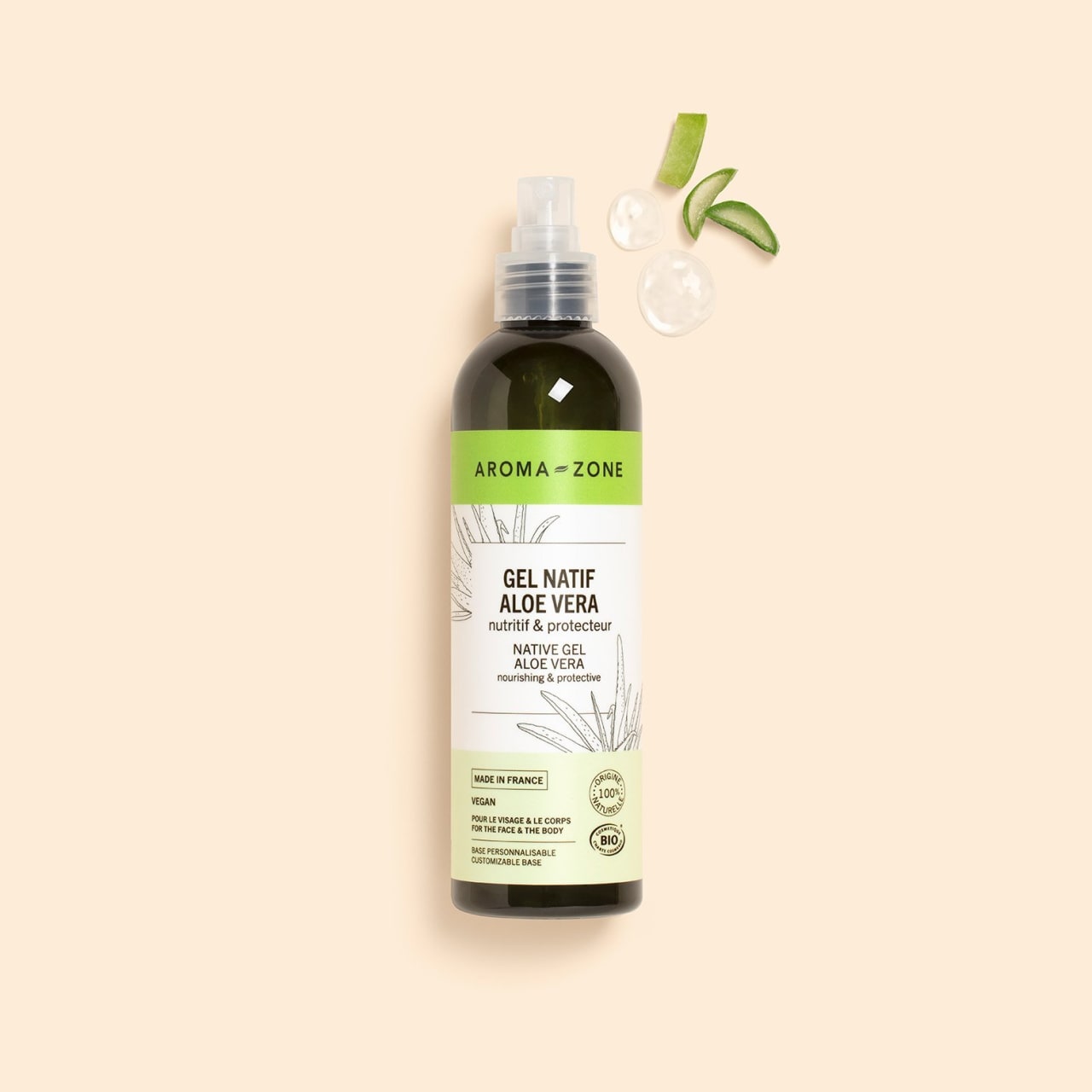
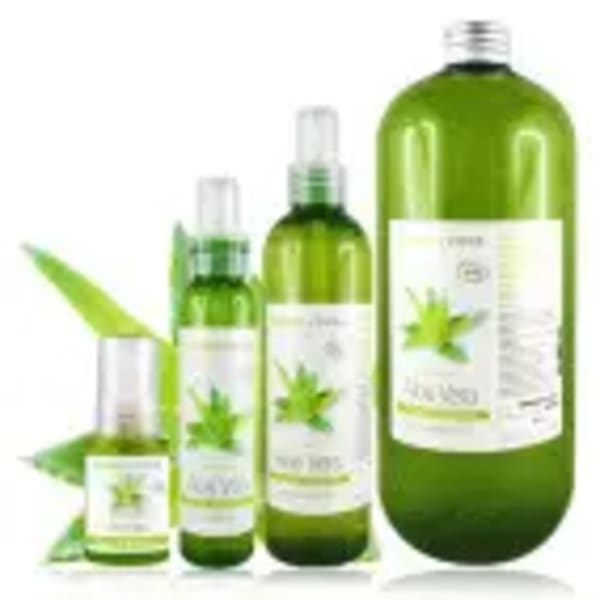
Organic aloe vera gel

Organic aloe vera gel has exceptional moisturising properties. It helps to compensate for water loss in the hair while providing essential vitamins and trace elements.

Discover organic aloe vera gel

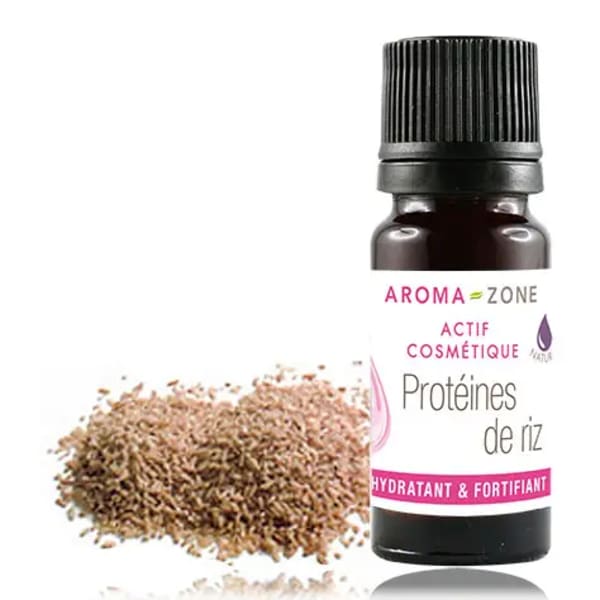
Hydrolysed rice proteins

This active cosmetic ingredient is ideal for improving and maintaining hair hydration thanks to its natural water retention capacity. By swelling with water, rice proteins have a very beneficial volumising effect on limp hair that is difficult to style. They form a protective film on the hair cuticle, preventing dehydration and making styling easier.

Discover hydrolysed rice protein

Hydrolysed silk proteins

Ideal for use in hair care products, these silk proteins promote moisture retention and prevent dryness, while leaving hair soft and satin-smooth. These silk proteins have been hydrolysed to give them a low molecular weight, which makes it easier for the amino acids to penetrate the hair cuticle, so that hair becomes like silk itself: full of shine, softness and elegance.

Discover hydrolysed silk proteins

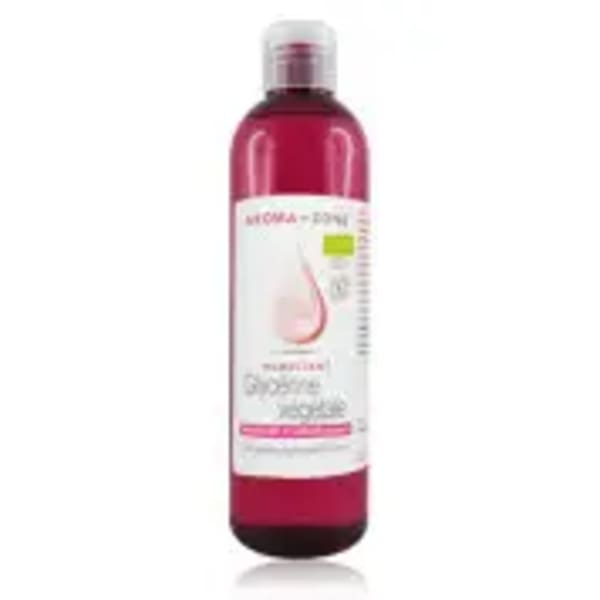
Organic plant glycerine

Organic plant glycerine is renowned for attracting water and therefore helping to lock in the hair's natural moisture content. Incorporated into hair care products, it makes hair soft, hydrated and shiny.

Discover organic plant glycerine

Phytokeratin

This active ingredient contains amino acids similar to those found in the keratin that makes up hair. Incorporated into hair products, it makes hair stronger and shinier while giving it more volume and improving hydration.

Discover phytokeratin

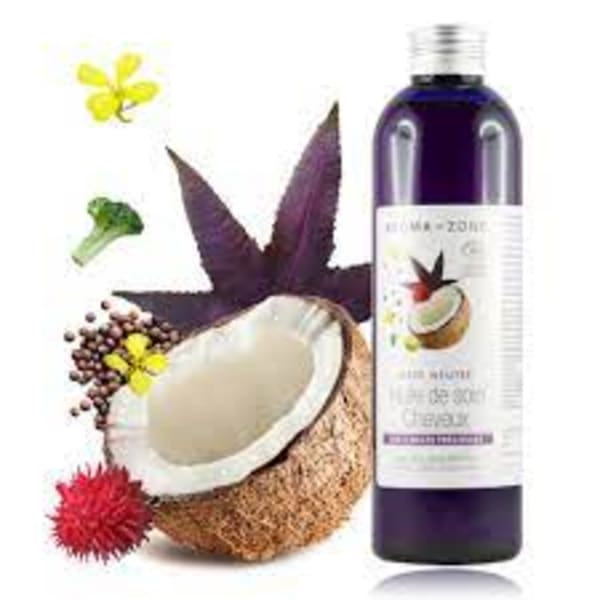
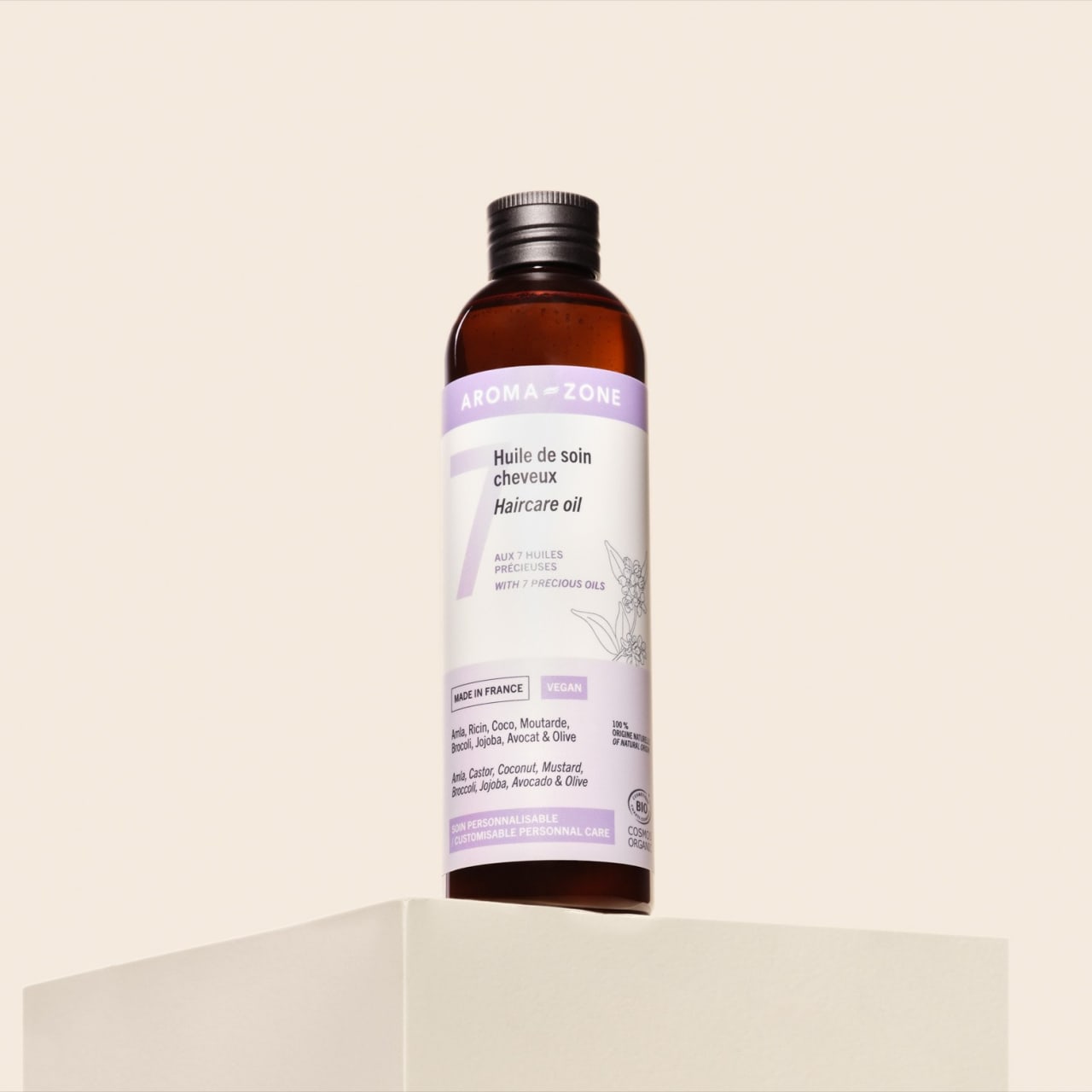
Aroma-Zone Hair Oil

Our Aroma-Zone Hair Oil is based on 8 carrier oils with fortifying properties (castor, coconut, amla, avocado, olive, broccoli, jojoba and mustard) to strengthen, nourish, repair, shine and discipline your hair with ease. Use in oil masks, rubbed into the scalp or as a daily leave-in treatment to nourish and protect the ends of your hair.

Discover our Hair Oil

How can I moisturise my hair with homemade recipes?

Dry, fine, dull, curly, frizzy hair... find our selection of recipes to give your hair all the moisture it needs and leave it soft, healthy and full of volume.

Daphne's advice

Taking care of your hair means taking care of yourself. It's an investment in time that can be a great wellness and relaxation session. My advice? Make your hair care a ritual in its own right. Once a week, on a Sunday for example, take 30 minutes to do something good for your hair, for a little mindfulness break. Take advantage of this time to press the "pause" button. Taking the pressure off is the first healthy thing you can do for your hair.

Daphné Narcy website

https://www.daphnenarcy.com/