Name
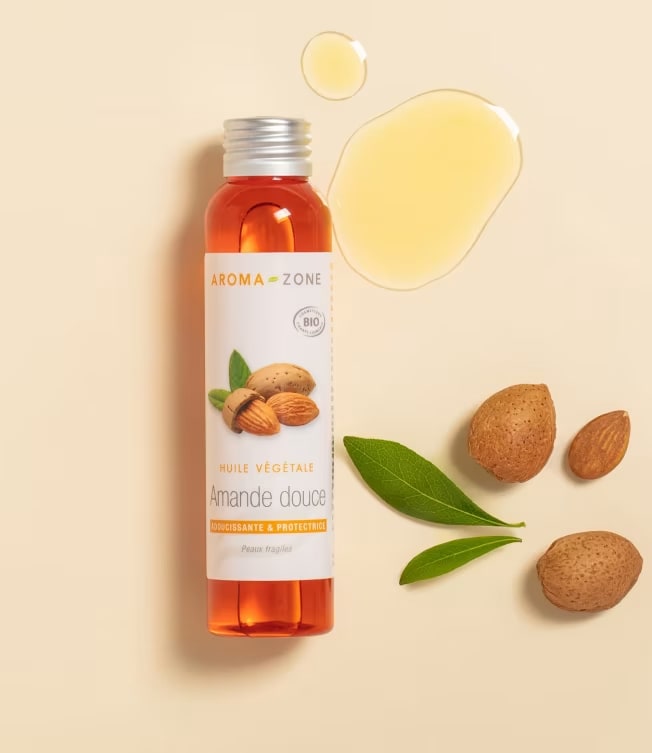
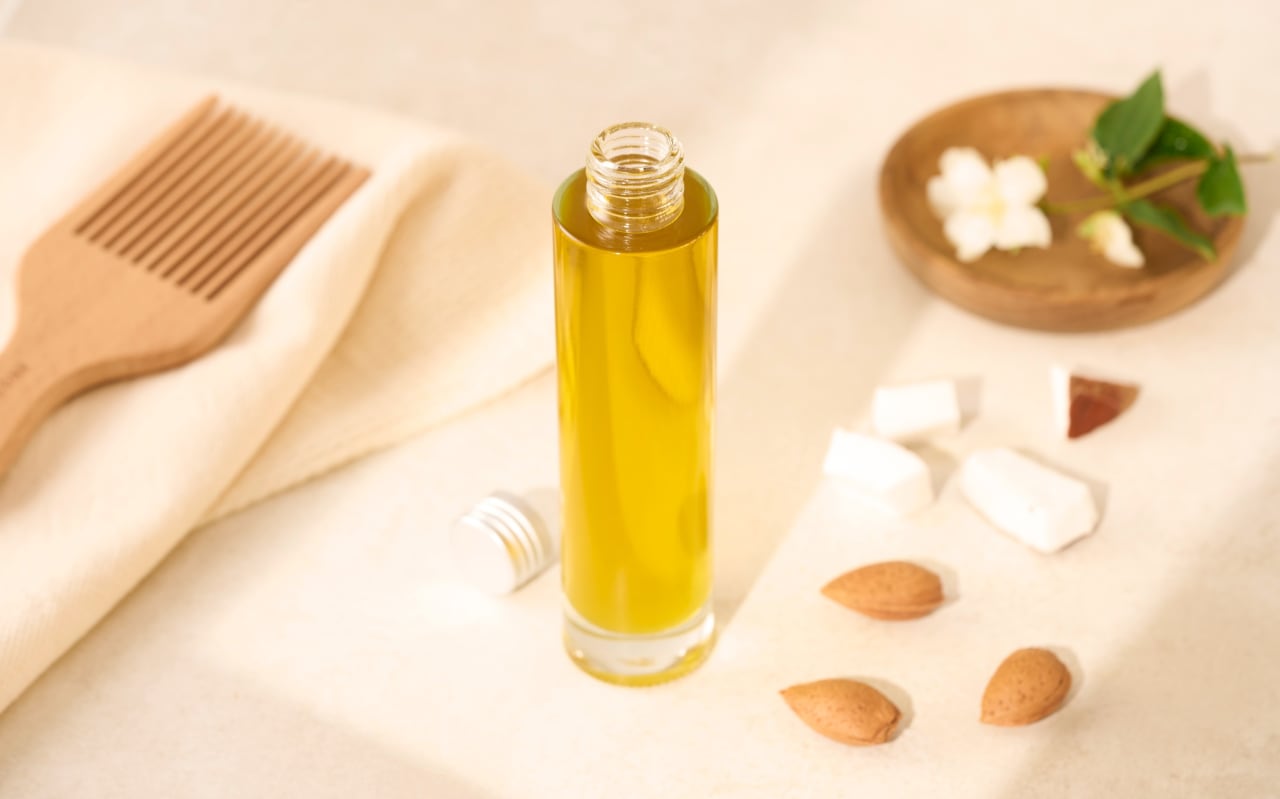
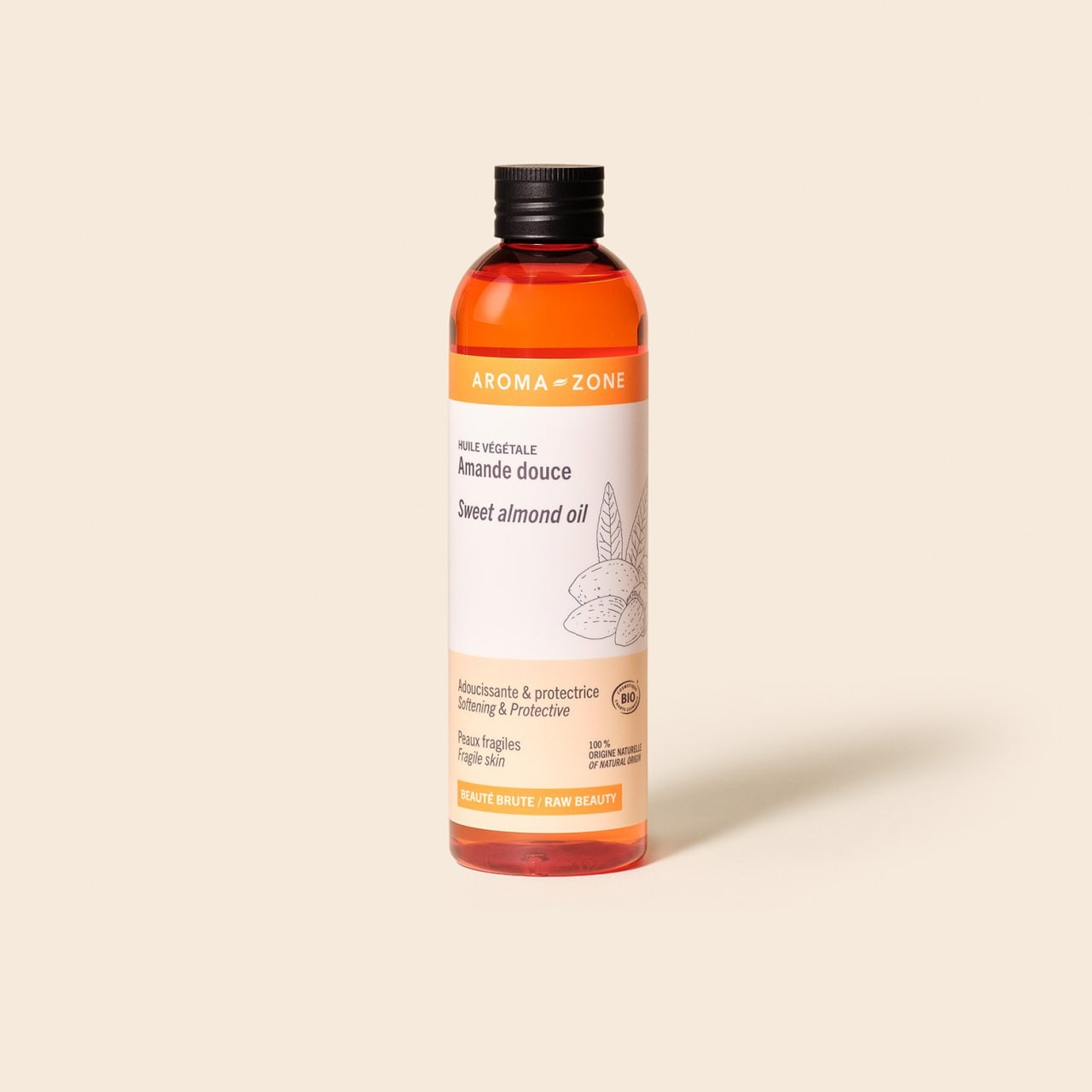
Common name: Sweet Almond oil
Botanical name: Prunus Amygdalus dulcis
Botanical family
Rosaceae
Origins
Mediterranean region (Italy, South of France)
Producer tree
Almond tree
Parts used for oil
Almond from the fruit
Oil colour
Slightly yellow
Appearance
Oily, liquid
Oil odour
Gentle, notes of Hazelnut and Sweet Almond
Oil feel
Oily
History
The history of sweet almond oil goes back thousands of years. Native to the Middle East and the Mediterranean region, the almond tree (Prunus dulcis) was one of the first plants to be cultivated by man for its almond-rich fruit. The first evidence of the use of sweet almond oil dates back to antiquity, when it was widely used by ancient civilisations, notably the Egyptians, Greeks and Romans.
The Egyptians used Sweet Almond oil as a precious ingredient in their beauty and skincare rituals. It was considered a symbol of purity and beauty, and was often used by pharaohs and queens to moisturise and nourish their skin. The Greeks and Romans also used Sweet Almond oil in their beauty practices, notably as a base for perfumes and ointments, and as an ingredient in haircare and massage products.
Over time, the use of Sweet Almond oil has spread throughout the world, seeing its use diversify in different cultures and traditions. It has become an essential ingredient in many traditional remedies, particularly for treating skin conditions, soothing irritations and moisturising the skin and hair.
Today, Sweet Almond oil is widely marketed around the world for its many benefits for skin and hair.
How do I obtain Sweet Almond oil?
Sweet Almond oil is obtained from the kernels (seeds) of the nuts of the almond tree, which originated in Asia but is now cultivated throughout the Mediterranean region. The almond is cold-pressed to extract an oil that retains all its good fatty acids, vitamins and minerals.
This oil, with its softening, soothing and nourishing properties, is used both in cosmetics (for the skin and hair) and in cooking. Its extreme gentleness makes it suitable for all skin and hair types, including babies.
Composition
Sweet almond oil is rich in:
Essential polyunsaturated fatty acids: linoleic acid (Omega 6) 19.15%
Monounsaturated fatty acids: oleic acid (Omega 9) (68.80%)
Saturated fatty acids: palmitic acid (6.25%) and stearic acid (2.10%)
Vitamins A, B1, B2, B3, B6, D and E
Minerals and trace elements: Iron, Zinc, Potassium, Calcium, Magnesium, Manganese, Phosphorus, Chromium
Amino acids (arginine, lysine, tyrosine)
As well as phytosterols, triacylglycerides and triterpenic alcohols.