What is keratin and how can it be used in skincare?

Keratin is a word you’ve probably heard countless times in shampoo adverts. But do you really know what it is and the role it plays in your hair’s health and appearance? Let’s explore how keratin can be used in cosmetics and what it can do to make your hair soft, smooth, and silky.

By The Aroma-Zone editorial team

Reading time: 0 min.

What is keratin?

Keratin is a large, fibrous, helical (helix-shaped) and insoluble protein found throughout the skin, nails, eyelashes, and hair. While we often associate proteins with muscles, they are actually the fundamental building blocks of the entire body. Muscles, hormones, antibodies, haemoglobin, skin, and hair are all made of proteins. In fact, our DNA expresses itself by encoding proteins, making them the very basis of our identity. When it comes to diet, you may already appreciate the importance of proteins in your food, and we will return to that later in this article.

Keratin is a sulphur-rich protein that is fibrous, forming long, strong fibres that twist around each other to create a resilient yet flexible structure. This structure helps hair resist wear and tear. Keratin is also insoluble, which ensures that hair remains waterproof and protected.
What is keratin made of?

The origins

Keratin was first discovered in the 19th century, when it was identified as a component of hard animal tissues, such as horns and hooves. In the early 20th century, J. Hoffmeir successfully extracted keratin from animal horns using lime, paving the way for various extraction methods from sources such as horns, hooves, wool, and hair. These advances have allowed keratin to be used in many fields, including cosmetics, biomedicine, and textiles.

One laboratory has also developed a water-soluble form of keratin, known as cynatin, from New Zealand sheep’s wool. This patented process produces a soluble, 96% bioavailable protein that closely resembles the protein structure of human hair, making it a highly valuable ingredient in cosmetic products.

The manufacturing process

Keratin is produced in hair follicles by specialised cells called keratinocytes, in a process that occurs in three major successive stages.

Firstly, the keratinocytes use essential amino acids, mainly cysteine, methionine, and glycine, to produce keratin precursors. These precursors are then assembled into keratin filaments, aligned parallel to the cell.

These filaments are then enveloped in filaggrins, proteins that bind to lipids, forming a protective barrier that helps retain water and nutrients.

Finally, the keratinocytes die and release the keratin filaments, which can then harden outside the cell to form dander and, in this case, silky hair on our heads.

This process is regulated by various factors such as hormones, nutrition, age, and environmental conditions. If these factors are out of balance, it can lead to keratinisation disorders such as alopecia, or hair loss.

What is the role of keratin?

  • Keratin is essential to the health and appearance of our hair.

  • Firstly, its helically twisted structure gives it elasticity. It acts like a spring, allowing hair to stretch when pulled and return to its normal size when released.

  • Keratin is also a malleable protein, which allows us to curl or straighten our hair as we wish.

  • Finally, it provides strength and resilience. Theoretically, an average head of hair with 100,000 hairs should be able to withstand a load of one tonne. More realistically, keratin protects hair from external aggressors such as UV rays, excessive heat from hairdryers or straightening irons, pollution, and chemicals.

  • Perhaps you have heard the famous quote by Paracelsus, "It is the dose that makes the poison." When these types of damage accumulate, they can affect keratin and cause deep damage to hair. Hair can lose its shine, volume, and vitality, and we often see more breakage and split ends.

  • Our nails are no exception. Repeated use of nail varnish, nail varnish remover, suffocating false nails, and aggressive household products can make them brittle, split, or broken.

If you want to look after your hair, pay particular attention to keratin. Caring for it can help restore the beauty and health of hair and nails. This requires a comprehensive approach, combining a balanced diet, gentle cleansing products that respect the hair fibre, and regular natural care.

Where can I find keratin naturally?

In hair

Keratin is one of the main components of the three layers that make up hair: the cuticle, the cortex, and the medulla.

On the surface, the cuticle forms the hair’s outer layer. It is made up of fine, overlapping scales of dead keratin cells, similar to tiles on a roof. The cuticle acts as a protective layer, shielding the cortex and helping maintain the hair’s natural moisture by preventing water from escaping too quickly.

When the scales of the cuticle are well fused together, the surface is smooth and reflects light, giving hair its shine. If hair appears dull, it is likely that the cuticle is damaged, with scales open in certain areas, making the surface rough.

The cortex, at the centre of the hair, is the thickest layer and accounts for almost 80% of the total mass of the hair shaft. It is composed of approximately 90% keratin, more precisely layers of compact, superimposed keratin cells joined together by an intercellular cement rich in lipids and proteins. This layer is responsible for the hair’s strength and resilience. The cortex also contains melanin pigments, which give hair its natural colour.

Finally, at the core of the hair is the medulla, or hair marrow. Here, keratin is present in the form of loosely packed cells forming a soft, amorphous, and slightly greasy substance.

Keratin can be more or less supple and thick depending on genetics and ethnic origin. This explains why some people have straight, curly, or frizzy hair. The shape and characteristics of keratin are determined by heredity.

In nails

Keratin is present at different levels of the nail structure but is mainly found in the visible part, known as the nail plate. This plate consists of several successive layers of compact keratin, produced by the matrix located at the root of the nail, well hidden and protected by the surrounding skin. The matrix is constantly active, continuously producing new keratin cells that gradually move towards the tip of the nail. Beneath the visible part, the underlying keratin cells protect the nail and help keep it attached to the skin.

A closer look at keratin in cosmetics

After years of colouring and straightening, your hair may become dry and brittle, and you might worry that your keratin reserves are depleted. Do not panic; you can support your hair’s repair process by using keratin-based hair care products.

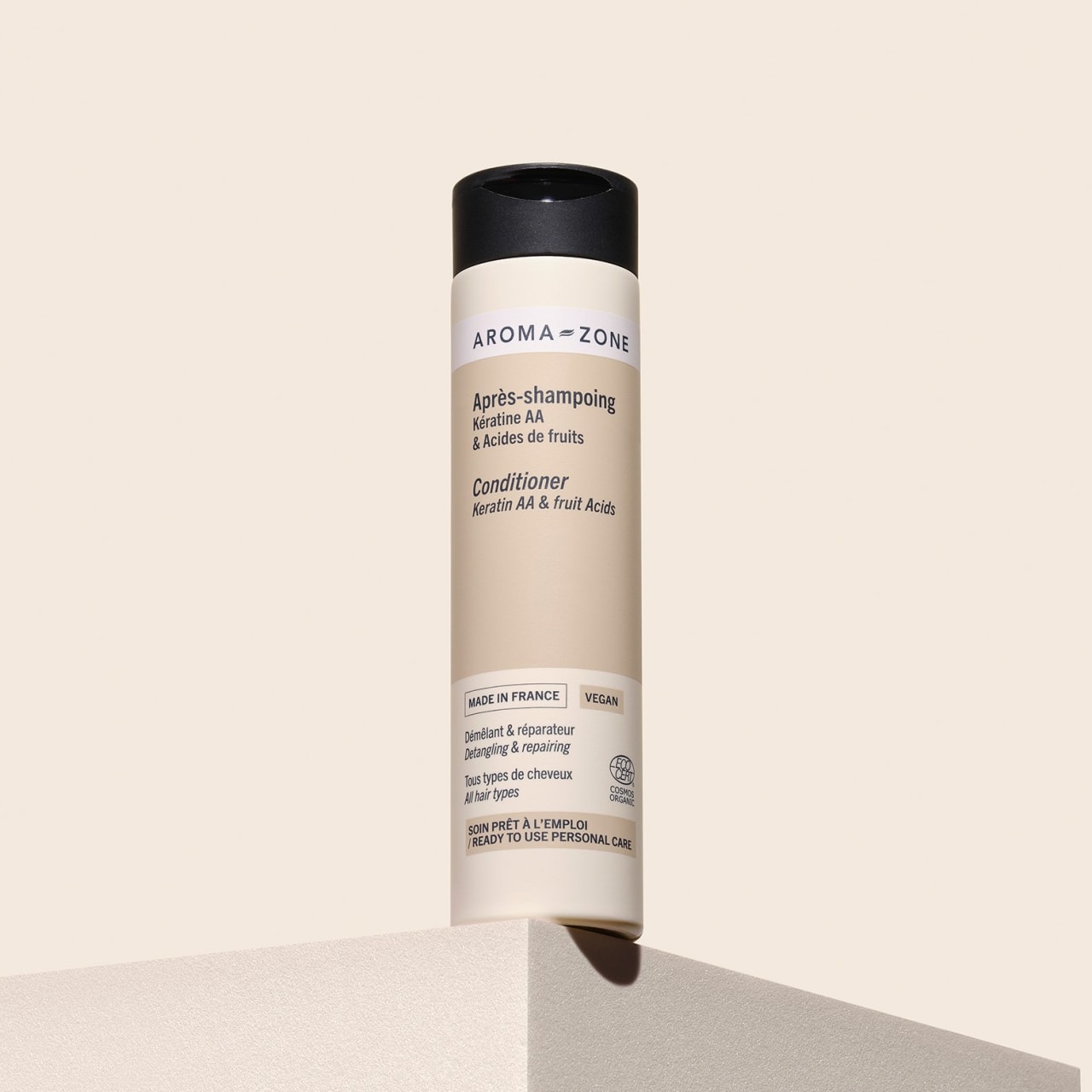
Keratin is available in a variety of forms, including shampoos, conditioning products, styling products, and hair treatments.

It is important to be mindful of the source. Keratin can be derived from natural animal sources such as sheep’s wool, bird feathers, or pig hair, or from synthetic sources created by assembling natural amino acids. Some synthetic forms may contain harmful chemicals, such as formaldehyde.

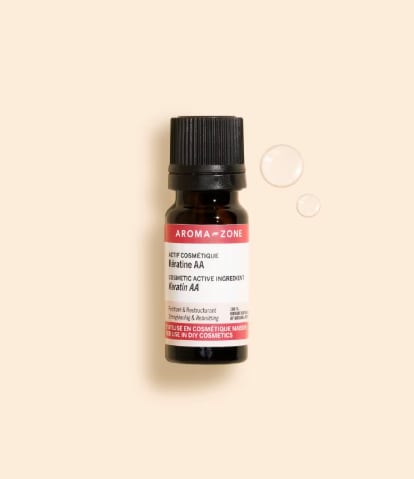
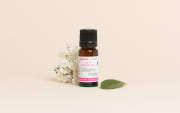
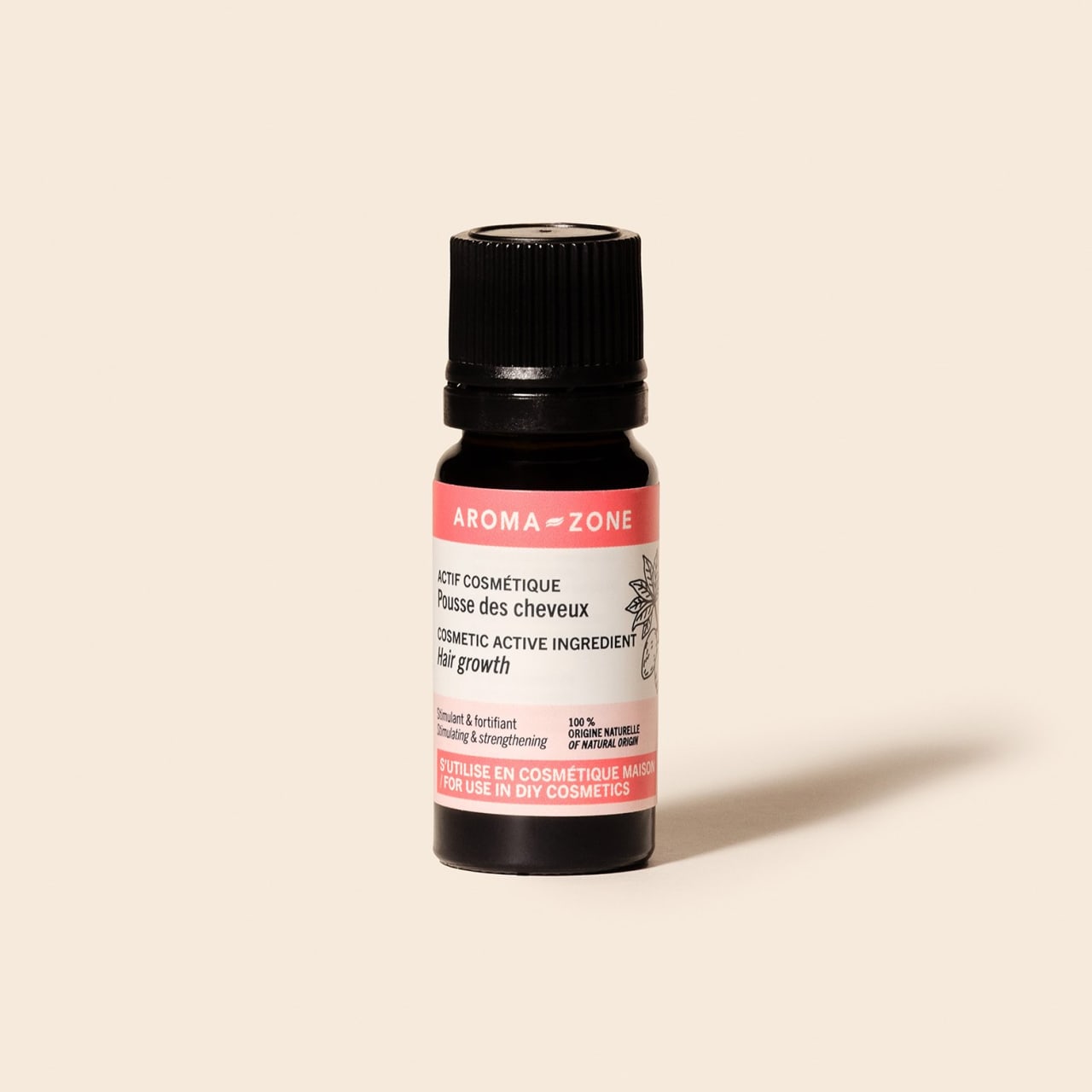
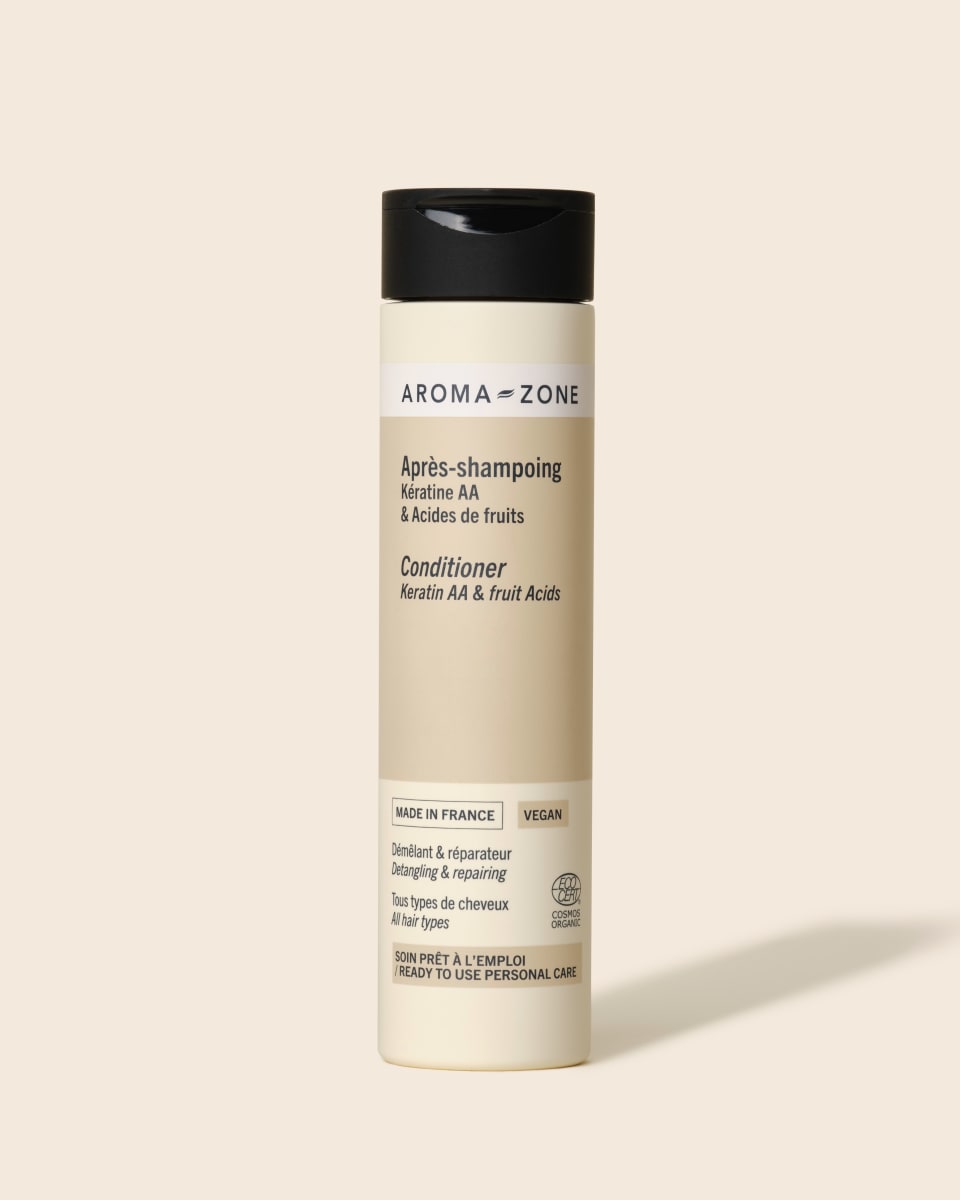
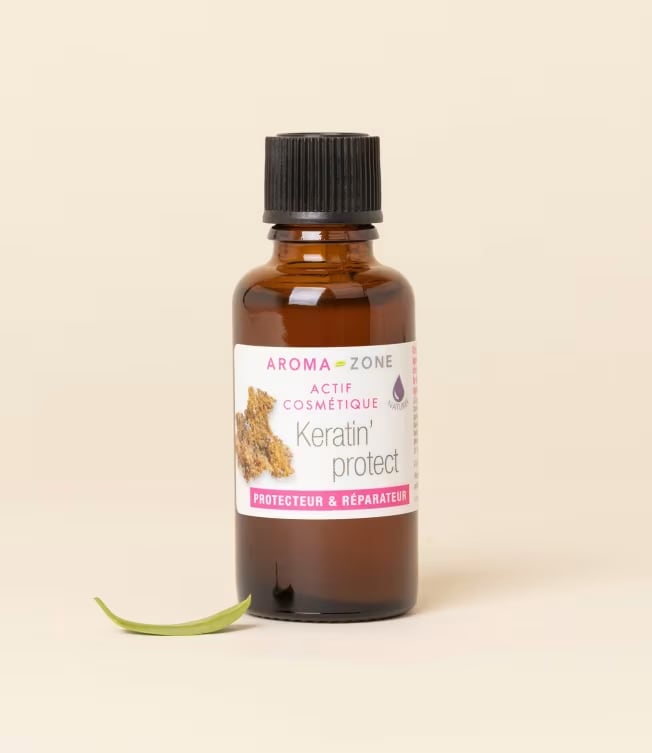
Fortunately, natural, plant-based forms are available, such as the Phytokeratin cosmetic active ingredient from Aroma-Zone, formulated from wheat proteins.

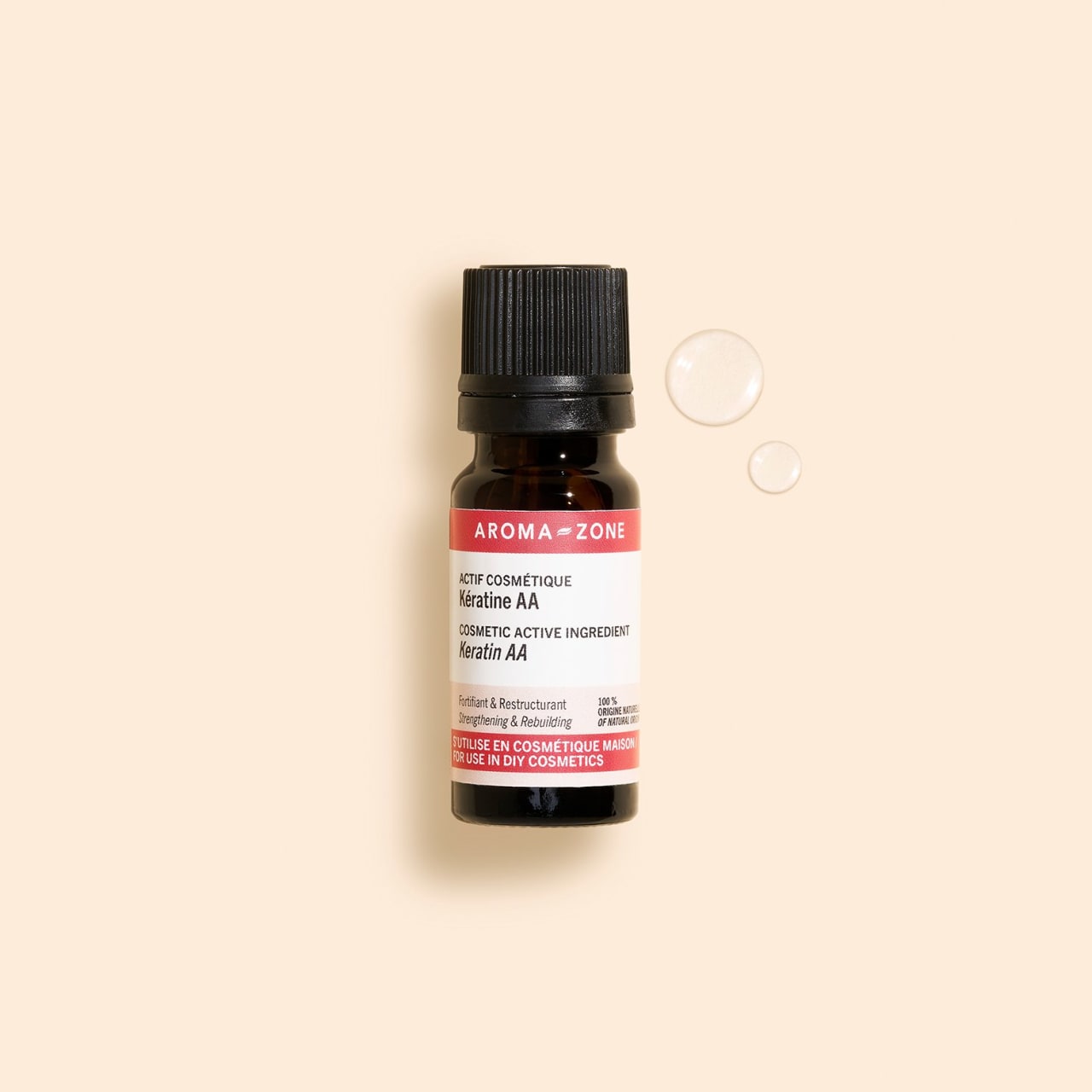
Keratin AA cosmetic active ingredient

What are the benefits and properties of keratin?

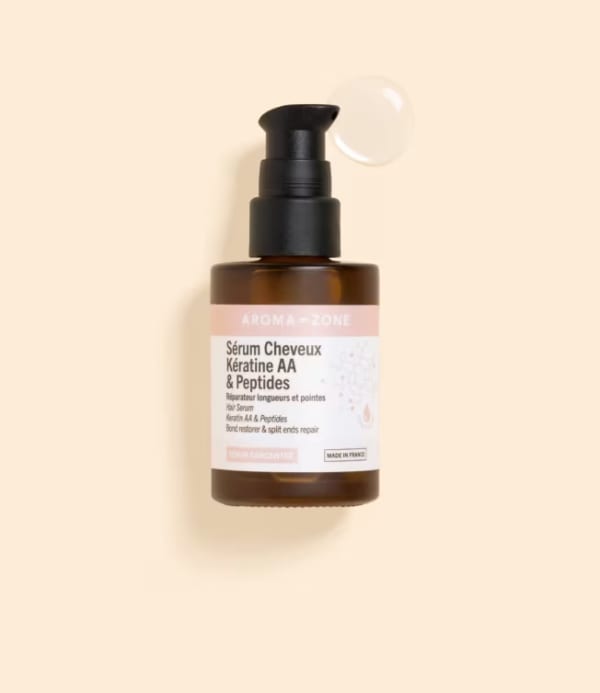
Keratin in cosmetics protects, nourishes, and repairs hair. In hair care products, keratin is applied to the hair cuticle to knit the scales together, smooth the surface, and reinforce its role as a protective barrier that shields against damage and prevents dehydration. The result is softer, shinier hair.

Using keratin-based topical treatments can help to:

  • Strengthen hair from the inside out by replenishing lost keratin.

  • Repair damaged hair by filling gaps in the cuticle, making it more beautiful and silky.

  • Smooth hair by reducing frizz, which many people with curly or wavy hair experience.

  • Protect hair from damage caused by the heat of a hairdryer or straightening iron.

How should keratin be used in skincare?

Keratin can be found in three main forms: shampoos, masks, and in-depth treatments.

Shampoos: Keratin shampoos are an excellent way to maintain hair health and prevent damage. When applied to wet hair, the keratin penetrates the cuticle, helps repair it, and forms a protective film against further damage. This type of shampoo gently cleanses and protects the hair. However, it is important to check the ingredients to ensure the shampoo does not contain irritating substances, such as sulphates, and that it contains a sufficient concentration of keratin. While this is a good first step, it should be combined with other products for a more in-depth treatment.

Masks: To deeply nourish hair and repair damaged areas, regular use of a keratin mask is essential. After shampooing, the mask penetrates deeper to improve the hair’s structure, enhance elasticity, restore shine and softness, and reduce early split ends. For optimum results, it is recommended to apply the mask in the evening and leave it on overnight, then rinse gently with shampoo in the morning.

Hair treatments: Keratin-based hair treatments are popular because they make deep, lasting changes to the hair’s structure, leaving it shinier and silkier. They make hair more manageable for months, which is very appealing, but these treatments can also be controversial. In addition to making hair straighter and smoother, some treatments may contain harmful chemicals such as formaldehyde.

There is nothing quite like regular natural care and protection to repair and maintain the hair’s natural keratin.

Is it possible to take keratin supplements through food?

Keratin means protein: Since keratin is a protein, it is important to consume enough protein to stimulate its production. However, many of us do not consume sufficient amounts. As a general guideline, you should aim for between 0.8 g and 1 g of protein per kilogram of body weight each day. For example, if you weigh 60 kg, you should consume between 48 g and 60 g daily. To put this into perspective, an egg contains around 6 g of protein, while a 100 g steak contains approximately 25 g.

All sources of protein are beneficial. Red meat provides protein and easily-assimilated iron. Eggs are a good source of protein as well as biotin, which is essential for keratin synthesis. Oily fish, such as mackerel, are rich in omega-3 fatty acids. Seafood provides zinc, and oilseeds offer a variety of minerals.

When it comes to vegetables and fruit, aim to create a rainbow on your plate to benefit from provitamin A, vitamin C, and folate. Season with a good quality olive oil to add vitamin E.

In general, it is best to eat foods that are as unprocessed as possible to retain their micronutrients, and to choose gentle cooking methods, such as light steaming, while also including raw vegetables at the start of your meal.

How can you take a course of keratin for your hair?

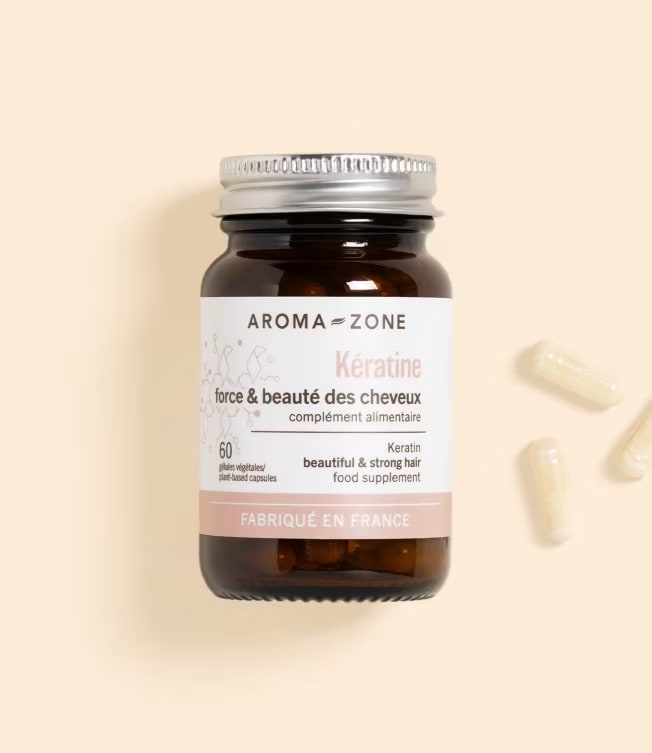
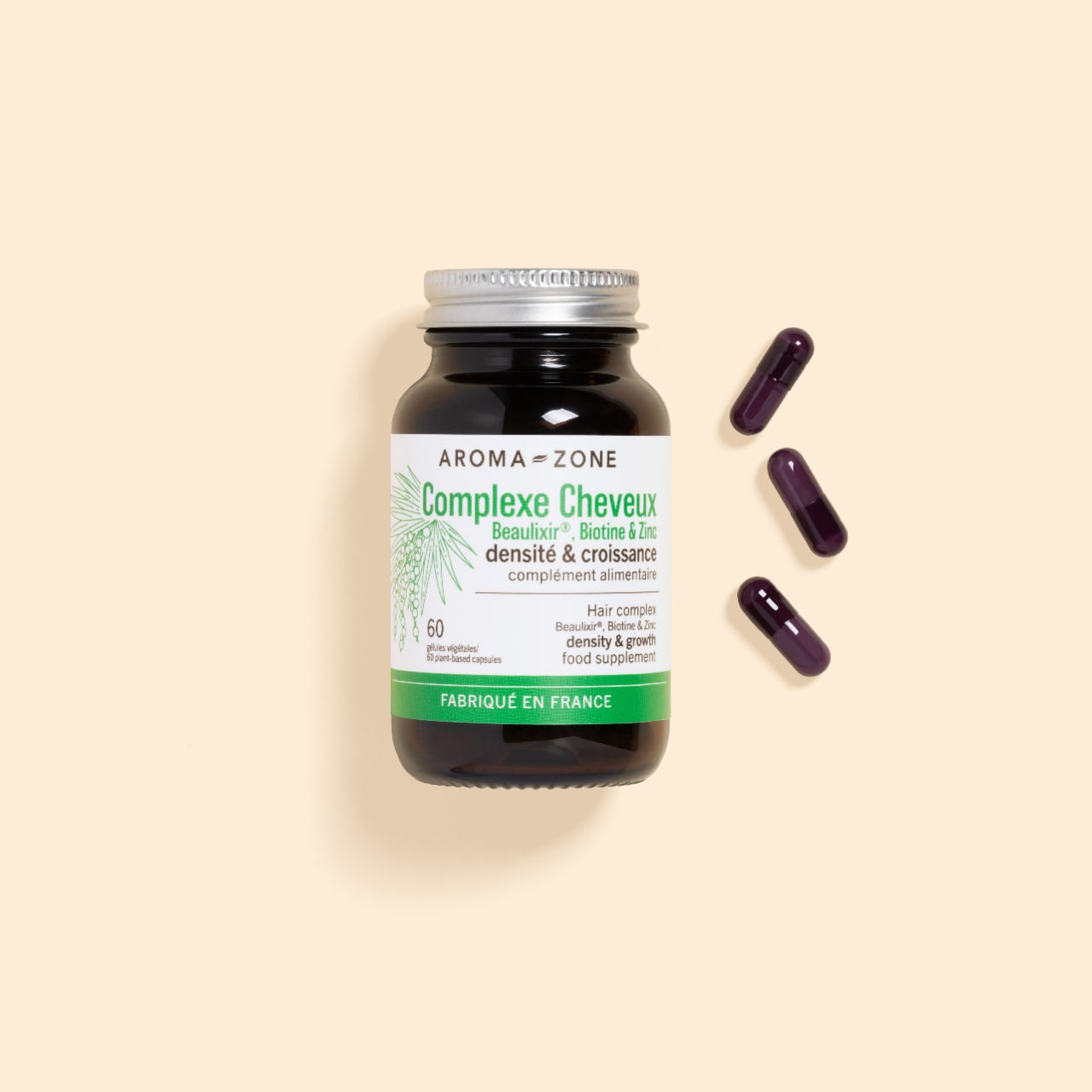
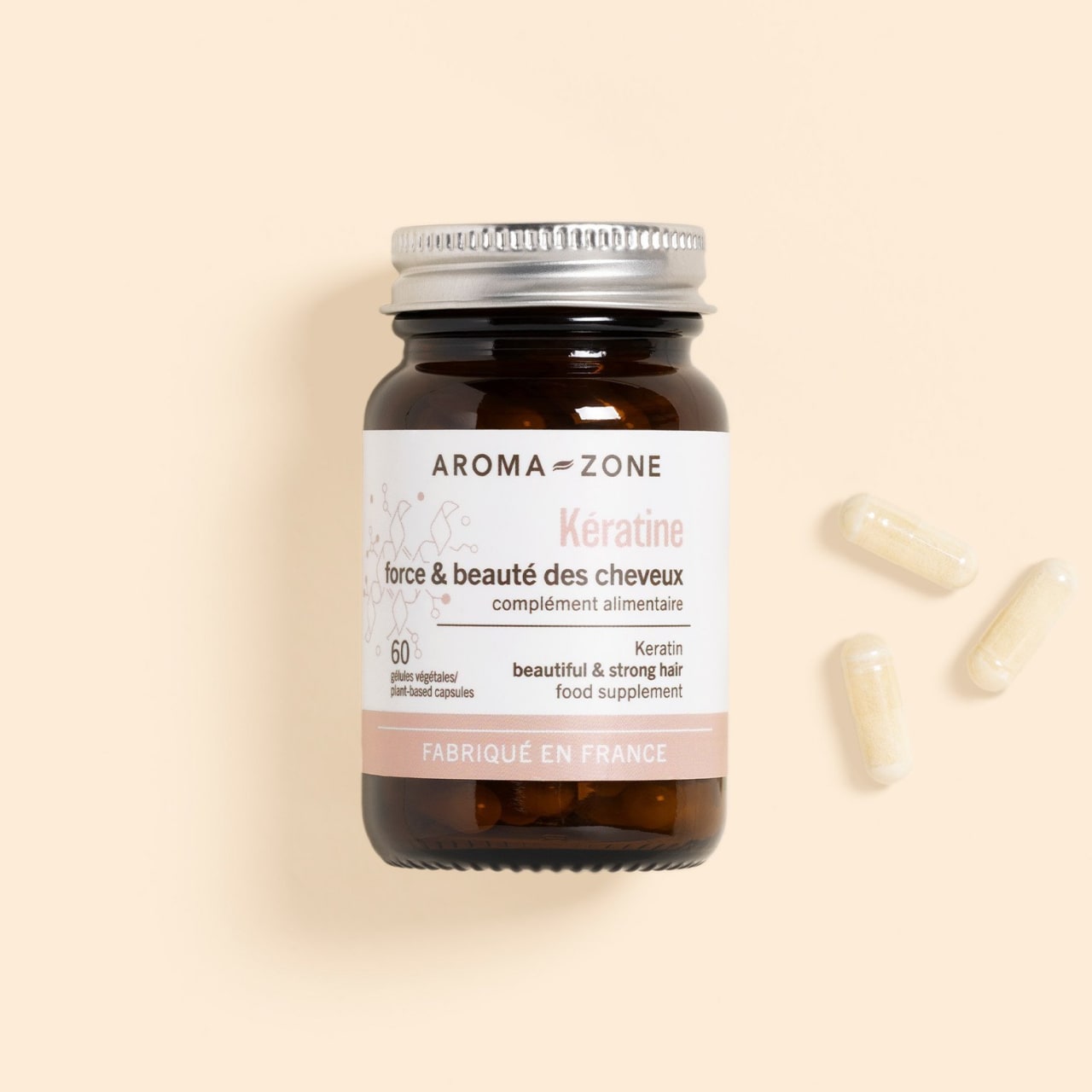
A keratin treatment can help improve the health and appearance of your hair, particularly if it is damaged, fragile, or dull. Before beginning a course of treatment, it is important to consult a healthcare professional or hair specialist to determine whether it is suitable for your hair type and needs. Next, choose a high-quality keratin supplement, preferably in powder or capsule form, and follow the dosage instructions provided by the manufacturer.

In general, the recommended dosage is 500 mg to 1000 mg of keratin per day, divided into one or two doses according to the manufacturer's instructions.

To incorporate keratin supplements into your daily routine, it is advisable to take them with a meal. If you choose the powder form, you can mix it with a liquid such as water, fruit juice, or a smoothie to make it easier to consume. Capsules can be swallowed with a glass of water. Be sure to follow the recommended dosage carefully and do not exceed the stated amount, as overconsumption of keratin can have undesirable effects.

To complement the supplement, adopt a suitable hair care routine that includes gentle, moisturising treatments and a balanced diet rich in protein and essential nutrients to support healthy hair from the inside out. Finally, be patient and consistent, as the results of a keratin treatment can take several weeks to become visible.

Some recipe ideas using keratin

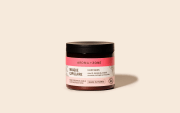
Low poo shampoo cream for age-defying hair

Hair care

Ideal for dry, damaged hair, this low-poo shampoo enriched with densifying and restructuring active ingredients naturally enhances hair. It contains a fortifying combination of hyaluronic acid, plant ceramides and phytokeratin to give hair shine, volume and strength. Particularly gentle, this treatment cleanses hair without drying it out and envelops it in a delicious vanilla and almond fragrance.

1

Mix all the ingredients together in a bowl.

2

Shake vigorously and leave for 10 minutes to allow the hyaluronic acid to hydrate. Then stir again to remove any lumps.

3

Transfer the mixture into a bottle, using a funnel if necessary.

Low-poo shampoo cream for age-defying hair

Note: the pH of this mixture is approximately 4.5-5.5.

Avoid contact with eyes; if contact occurs, rinse.

Store your bottle away from heat.

Storage: if stored properly and manufactured under optimum hygiene conditions, your product will keep for at least 3 months.

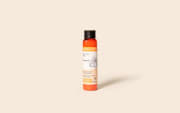
Volumising plant-based shampoo

Hair care

Fine hair instantly gains volume with this 100% natural plant-based shampoo, which respects all hair types as well as the environment. For thick, healthy hair!

Massage all over your wet hair. Leave on for 5 minutes, then rinse with clean water.

1

Put the plant-based shampoo and active ingredients in a bowl.

2

Gradually add the simmering water, stirring until you obtain a smooth, fluid paste.

Volumising plant-based shampoo

Note: the pH of this preparation is approximately 4.5–5.5.

Avoid contact with the eyes; in the event of contact, rinse with clean water.

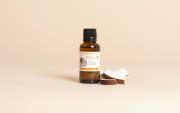
Coconut beauty and shine hair mask

Hair care

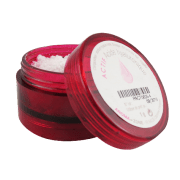
Light and creamy, this mask provides your hair with all the nourishing and strengthening benefits of coconut carrier oil, while enveloping you in its heavenly scent. Enriched with phytokeratin to boost strength, volume, and shine, it offers a complete treatment for truly remarkable hair. Apply after shampooing to wet hair, including the ends, comb through, and leave on for 5 to 10 minutes before rinsing thoroughly with clean water. Enjoy mermaid-soft hair with the scent of faraway islands!

1

Place the Neutral Hair Mask Base in a bowl.

2

Add the rest of the ingredients and mix. Tip: melt the coconut oil beforehand if necessary.

3

Pour the mixture into your jar.

Coconut beauty and shine hair mask

Note: the pH of this mixture is approximately 4.5-5

Store your jar away from light and heat.

Storage: if stored properly and manufactured under optimum hygiene conditions, your product will keep for at least 3 months.

Why is keratin used for Brazilian straightening?

Brazilian straightening is a popular hair straightening technique that uses keratin as a key ingredient. Keratin is a protein naturally present in hair, responsible for its structure and strength. When hair is exposed to damage from heat, chemicals or other environmental factors, keratin can be eroded, resulting in dry, damaged and frizzy hair.

The use of keratin in Brazilian straightening restores and strengthens the hair's natural keratin, while smoothing the cuticle for smoother, softer, more manageable hair. The Brazilian straightening treatment involves applying a mixture of keratin and other nourishing ingredients to the hair, then sealing the formula in place with a heated straightening iron.

When heat is applied, the keratin penetrates the hair cuticle, filling in gaps and cracks and rebuilding the hair's internal structure. This not only smoothes the hair, but also deeply moisturises it, reducing frizz and strengthening its resistance to future damage.